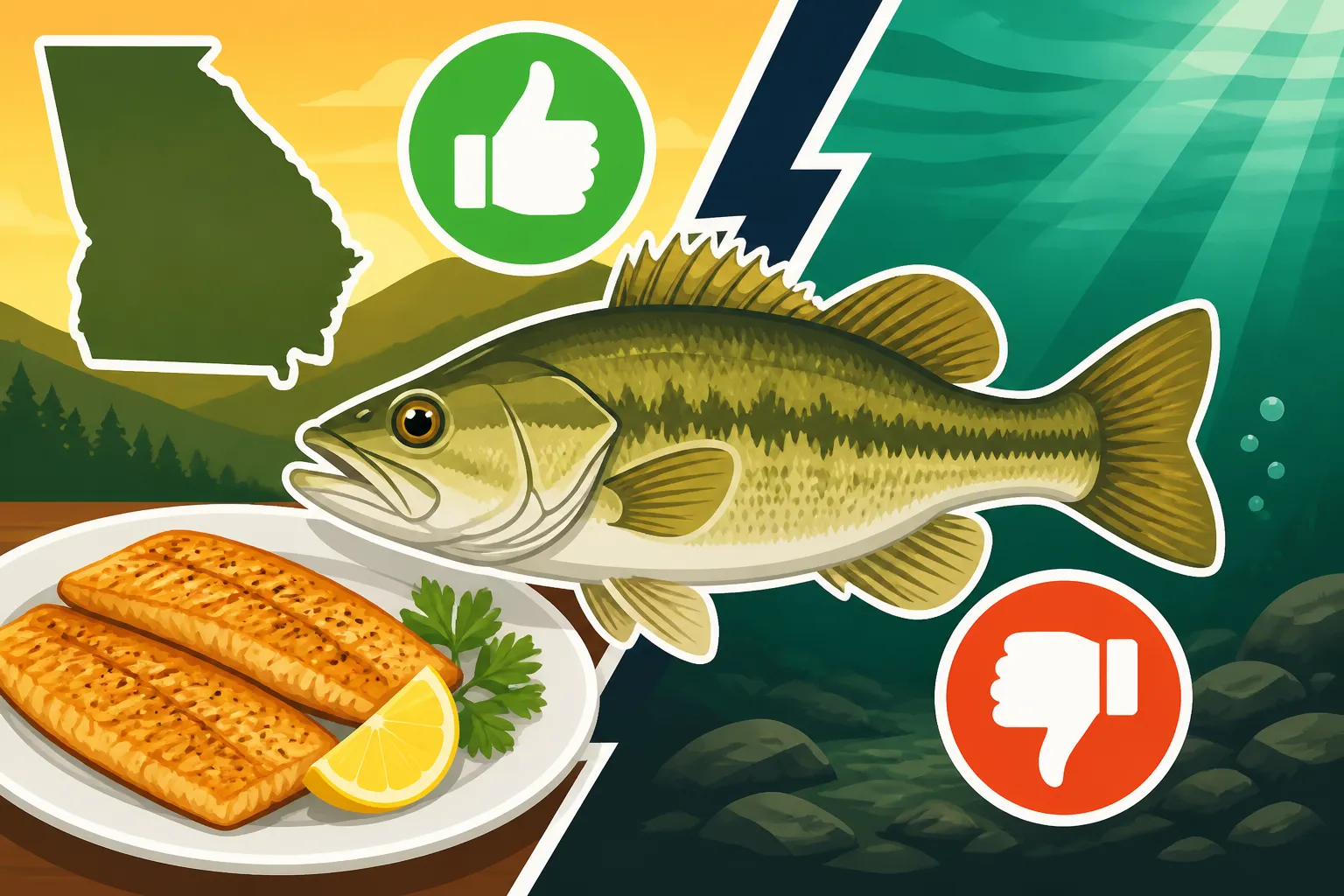
Shoal Bass Table Quality: Is It Worth Keeping?
Landing a beautiful shoal bass in one of Georgia's pristine rivers often brings a specific question to mind: "Is this fish worth keeping for the dinner table?" It's a natural thought for any angler, especially when you've reeled in a species as unique and feisty as the shoal bass. Many of us are looking for a delicious meal, but also want to make informed decisions about the fish we catch. This guide will dive deep into the culinary merits of shoal bass, considering everything from its flavor to the important conservation efforts surrounding this special Georgia native.
Understanding Shoal Bass as a Table Fish
When you're out on the water, the thrill of the catch is paramount, but for many, the thought of fresh fish for dinner adds an extra layer of enjoyment. Shoal bass, while perhaps not as widely known for table fare as, say, a crappie or a catfish, certainly has its own distinct characteristics that can make it a worthwhile meal.
Flavor Profile and Texture
If you're wondering what a shoal bass tastes like, imagine a flavor that is generally mild, clean, and subtly sweet. It shares some similarities with its black bass cousins, like largemouth or spotted bass, but often with a slightly firmer, flakier texture due to its riverine, current-dwelling lifestyle. Unlike some bottom-feeding fish that can have a "muddy" taste, shoal bass from clean, flowing water typically boast a very palatable flavor. The flesh is usually white, firm, and lean, which means it holds up well to various cooking methods without becoming mushy. Anglers who prefer a delicate, less "fishy" taste often find shoal bass to be a pleasant surprise. It's not as strong-flavored as some saltwater species, nor as rich as a salmon, but rather a subtle, fresh taste that can easily take on the flavors of your seasonings without being overpowered.
Diet and Habitat Influence on Taste
The old adage "you are what you eat" certainly applies to fish, and shoal bass are no exception. These fish thrive in moving water, particularly in rocky, clear river stretches where they primarily feed on crustaceans, insects, and smaller baitfish. This diet of natural, wild prey, combined with their active lifestyle in oxygen-rich currents, contributes significantly to their clean, lean flesh. You won't find shoal bass rooting around in murky, silty bottoms like some catfish might, and this difference in habitat and diet directly translates to their superior table quality. For instance, a shoal bass caught from the Flint River Shoal Bass Fishing Guide will likely have a more refined taste than a largemouth bass pulled from a stagnant farm pond, simply because of the ecological differences in their environments. The constant current keeps them active and muscular, leading to that desirable firm texture.
Size and Fillet Yield
Shoal bass can range in size, but typically, most anglers catch them in the 1 to 3-pound range, though they can grow larger. A good rule of thumb for any fish is that the smaller, younger fish often have the best texture and flavor for eating. Larger, older fish can sometimes develop a tougher texture or a slightly stronger, more "gamey" taste, though this is less pronounced with shoal bass compared to some other species. For a 1-2 pound shoal bass, you can expect a decent fillet yield. While they might not provide the massive fillets you'd get from a large blue catfish or a substantial striped bass, they offer enough meat for a satisfying individual portion. Preparing them correctly is key to maximizing your yield, so a sharp fillet knife (perhaps one you picked up from Amazon) is essential to ensure you get as much delicious meat as possible from your catch.
Ethical Angling and Conservation Considerations
While shoal bass can indeed be a tasty meal, it's crucial to approach the idea of keeping them with a strong sense of responsibility and conservation. This native Georgia species holds a special place in our state's river ecosystems, and responsible angling ensures healthy populations for future generations.
Catch-and-Release Ethos for Shoal Bass
For many dedicated shoal bass anglers, especially those who target them on fly rods in their native river habitats, catch-and-release is the preferred and often encouraged practice. Shoal bass are a prized sportfish, known for their strong fights and beautiful markings. Given their relatively specific habitat requirements and slower growth rates compared to some other black bass species, maintaining healthy populations through catch-and-release helps ensure these fish continue to thrive. Releasing fish carefully, allowing them to recover quickly, is a cornerstone of ethical angling, particularly for a species like the shoal bass, which can be found in unique places like the Flint River Shoal Bass Fishing Guide. Practicing proper catch-and-release techniques, such as those detailed in articles like How to Catch and Release Trout Properly, minimizes stress on the fish and increases their chances of survival, contributing to the overall health of the fishery.
Georgia Regulations and Limits
Even if you decide to keep a shoal bass for the table, you absolutely must adhere to Georgia's fishing regulations. These rules are in place to manage fish populations and ensure sustainability. For shoal bass, specific size limits and creel limits apply, and they can vary depending on the waterbody. For instance, the general statewide rule for black bass (which includes shoal bass) might be fairly liberal, but there are specific exceptions, such as the Shoal bass minimum length in Georgia or even Where shoal bass rules differ from statewide limits in Georgia. For example, certain sections of the Flint River might have more stringent regulations to protect trophy-sized fish or ensure spawning success. Always check the current Georgia fishing regulations before heading out, as these rules are subject to change. Understanding these regulations is not just about avoiding penalties, like those for Penalties for Fishing Without a License in Georgia, but about actively participating in the conservation of our precious natural resources.
Minimizing Impact When Keeping Fish
If you choose to keep a shoal bass, doing so responsibly is key. This means not exceeding creel limits, respecting size limits, and only keeping what you genuinely intend to eat. Avoid wasteful practices. When you decide to harvest a fish, ensure you do so humanely and efficiently. Dispatch the fish quickly and cool it immediately on ice to preserve its quality. Bringing a cooler filled with ice is non-negotiable for preserving the flavor and texture of any fish you plan to eat. Furthermore, be mindful of where you clean your fish; avoid leaving scraps on the bank or in the water where they can attract pests or contribute to pollution. Many anglers carry dedicated cleaning kits that might include a good fillet board and a set of sharp knives, often found on platforms like Amazon, making the process cleaner and more efficient.
Here’s a quick comparison of Shoal Bass against some other popular Georgia table fish:
| Fish Species | Flavor Profile | Texture | Common Size for Keeping | Conservation Status (General) | Notes |
|---|---|---|---|---|---|
| Shoal Bass | Mild, clean, subtly sweet | Firm, flaky | 1-3 lbs | Native, Sportfish | Excellent table fare, but often favored for sport |
| Largemouth Bass | Mild to moderate | Flaky, softer | 1-4 lbs | Abundant | Widely kept, flavor varies by water quality |
| Black Crappie | Very mild, sweet | Very flaky | 0.5-1.5 lbs | Abundant | Highly regarded panfish, delicate texture |
| Channel Catfish | Mild to strong, earthy | Firm, moist | 1-5 lbs | Abundant | Popular bottom feeder, versatile in cooking |
| Rainbow Trout | Mild, rich | Tender, flaky | 0.5-2 lbs | Stocked/Wild | Popular in cold mountain streams, good flavor |
Preparing and Cooking Shoal Bass
So, you’ve decided to keep a shoal bass, adhering to all regulations, and you're ready to turn it into a delicious meal. The good news is that its firm, clean flesh makes it quite versatile in the kitchen. Getting it from the water to the plate involves a few simple, crucial steps.
Field Dressing and Cleaning
The quicker you can get your fish on ice and then cleaned, the better its table quality will be. As soon as you decide to keep a shoal bass, dispatch it humanely and place it directly into a cooler filled with ice. This stops the rigor mortis process and keeps the flesh firm and fresh. Once you're off the water, cleaning should be your next priority. Start by rinsing the fish under cold water. You can either scale and gut the fish whole for smaller preparations or, more commonly, fillet it. For filleting, a sharp, flexible fillet knife is your best friend. Make a cut behind the gills down to the spine, then turn the knife flat and run it along the backbone, separating the fillet from the rib cage. Repeat on the other side. Trim away any dark meat or fatty areas along the lateral line, as these can sometimes have a stronger flavor. Rinse the fillets thoroughly under cold water, pat them dry with a paper towel, and they're ready for cooking or freezing.
Simple Cooking Methods for Shoal Bass
Because of its delicate flavor and firm texture, shoal bass shines with simple cooking methods that let its natural taste come through. You don't need to overcomplicate things!
- Pan-Frying: This is a classic for a reason. Lightly dredge your fillets in seasoned flour, cornmeal, or a simple breading mix. Heat a generous amount of oil (vegetable, peanut, or even butter for richness) in a cast iron skillet or heavy-bottomed pan over medium-high heat. Fry for 3-5 minutes per side, depending on thickness, until golden brown and flaky. The firm flesh prevents it from falling apart.
- Baking/Broiling: For a healthier option, baking or broiling is fantastic. Place fillets on a baking sheet, drizzle with olive oil or melted butter, season with salt, pepper, lemon, and your favorite herbs (dill, parsley, or thyme work beautifully). Bake at 375-400°F (190-200°C) for 10-15 minutes, or broil for 5-7 minutes, until the fish flakes easily with a fork.
- Grilling: If you enjoy that smoky char, grilling is an excellent choice. Brush fillets with oil, season, and place them in a fish basket or directly on a well-oiled grill over medium-high heat. Grill for about 4-6 minutes per side. Be careful not to overcook, as lean fish can dry out quickly on the grill. A good quality grill grate or fish basket, like many available on Amazon, can make this process much smoother.
Pairing and Serving Suggestions
Shoal bass's mild flavor profile makes it highly adaptable to various culinary pairings. You want to complement, not overpower, its subtle taste.
- Acids: Lemon and lime are natural partners for any white fish. A squeeze of fresh lemon juice just before serving brightens the flavor considerably.
- Herbs: Fresh herbs like parsley, dill, chives, and cilantro enhance the freshness. A simple sprig of fresh dill over a pan-fried fillet is both appealing and delicious.
- Vegetables: Serve shoal bass with light, fresh side dishes. Steamed green beans, roasted asparagus, a crisp garden salad, or wild rice pilaf are all excellent choices. For a heartier meal, classic coleslaw or roasted new potatoes work well.
- Sauces: If you enjoy a sauce, keep it light. A simple tartar sauce, a fresh pico de gallo, or a beurre blanc with capers would be delightful. Avoid heavy, creamy sauces that might mask the fish's natural flavor.
Remember, the goal is to celebrate the fresh, clean taste of the shoal bass, not to bury it under a mountain of heavy ingredients.
The Verdict: Is It Worth Keeping?
After considering its culinary qualities and the vital conservation aspects, you might still be asking yourself: "So, should I keep that shoal bass?" The answer, like many things in fishing, isn't a simple yes or no. It's a balance of personal preference, ecological awareness, and adherence to regulations.
Balancing Personal Preference and Conservation
From a purely culinary standpoint, yes, shoal bass can be an excellent table fish. Its firm, white, mild-flavored flesh is highly desirable and can make for a delicious meal, especially when caught from clean, flowing rivers like those in Georgia's diverse waterways. If you're an angler who genuinely enjoys eating your catch and appreciates a lean, clean-tasting fish, you'll likely be very happy with a shoal bass on your plate.
However, the question of "worth" extends beyond just taste. Many anglers, myself included, view shoal bass as a truly special sportfish, a tenacious fighter native to our river systems. For this reason, and due to their specific habitat needs and the importance of maintaining healthy breeding populations, many dedicated shoal bass enthusiasts advocate for catch-and-release. The thrill of catching a magnificent shoal bass, admiring its beauty, and then releasing it to fight another day is an experience many cherish above any meal.
So, if you decide to keep one, always keep conservation at the forefront. Ask yourself: "Do I truly need this fish for food, and am I well within the legal limits and doing my part to ensure the fishery remains healthy?" If the answer is yes, then enjoy your delicious, hard-earned meal. If you're on the fence, perhaps consider releasing it and pursuing other, more abundant species for dinner. Remember that Shoal Bass Size Limit Rules, Georgia are there for a reason – to help protect these fish.
Alternative Species for the Dinner Table
If you're an angler primarily focused on bringing home a meal, and you're concerned about the conservation aspect of shoal bass, Georgia's waters offer a bounty of other delicious and often more numerous fish species that are fantastic for the table.
- Crappie: Both black and white crappie are highly sought after for their exceptionally mild, flaky white meat. They are generally abundant in many of Georgia's lakes and reservoirs, making them an excellent choice for a fish fry. Best Crappie Lakes in Georgia are plentiful!
- Catfish: Channel, blue, and flathead catfish are ubiquitous in many of our rivers and lakes. While their flavor can be a bit more robust than shoal bass, especially the larger ones, smaller catfish (1-5 lbs) from clean water are superb eating. They're also incredibly versatile for cooking. You might even find specialized gear for them, such as Best Catfish Gear for Georgia Rivers and Lakes, often available through retailers like Amazon.
- Bream/Panfish: Bluegill, redbreast sunfish, and other panfish are abundant, delicious, and a perfect target for family fishing outings. They don't get very large, but they make up for it in numbers and taste, providing plenty of small, sweet fillets.
- Largemouth and Spotted Bass: While shoal bass are often preferred for catch-and-release by some, their cousins, the largemouth and spotted bass, are also good eating and generally much more numerous. If you're looking for a black bass for dinner, these are often a more sustainable choice in many waters.
Ultimately, the decision to keep a shoal bass for the table is a personal one. If you value its flavor, and you do so legally and responsibly, you'll find it makes a fine meal. However, many anglers find greater satisfaction in releasing this unique and spirited native species, opting for other abundant fish when dinner is the primary goal. Either way, responsible angling practices and respect for our aquatic ecosystems should always guide your choices on the water.
Disclaimer
This article is for general informational purposes only and does not constitute professional advice. Laws, prices and regulations vary by location and change over time. Consult a qualified professional for guidance on your specific situation.