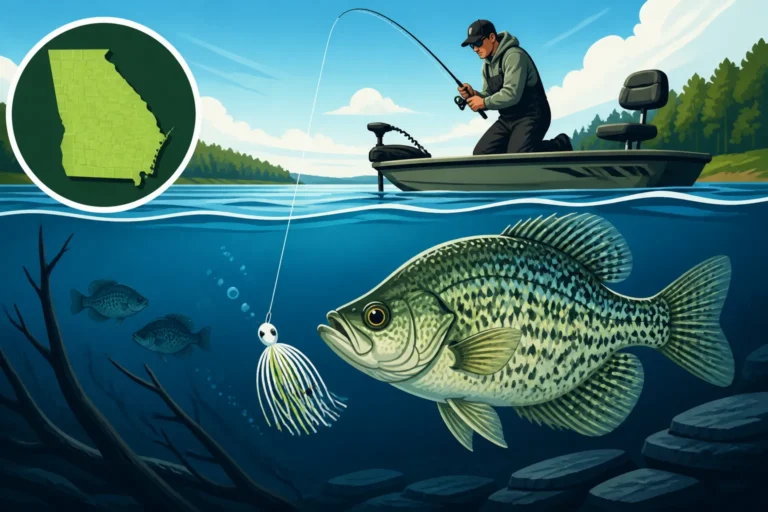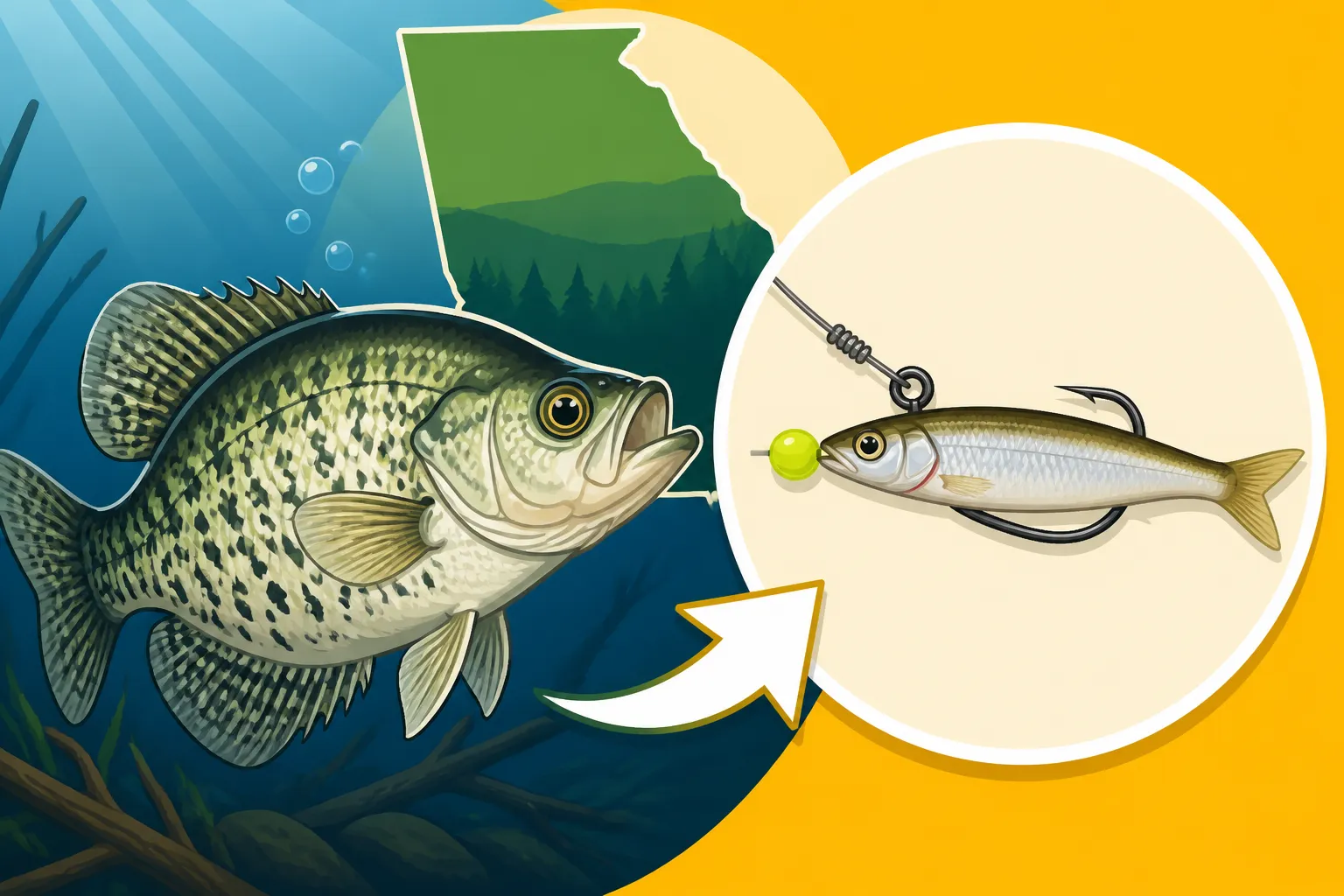
How to Rig a Minnow for Crappie
There’s nothing quite as frustrating as feeling that subtle tap on your line, setting the hook, and coming up empty-handed, only to find your perfectly lively minnow has been stripped clean off. You know crappie absolutely adore minnows – they’re a natural, irresistible snack – but getting that bait to stay put and present naturally can feel like a secret art. This guide is here to demystify the process, walking you through the most effective ways to rig a minnow for crappie, so you can spend less time re-baiting and more time reeling in those tasty slabs.
Understanding the Crappie and Its Minnow Preferences
Before we even talk about hooks and lines, it’s really helpful to understand why crappie are so drawn to minnows, and what kind of minnows they prefer. Knowing your target species’ habits is half the battle won, I always say!
Why Crappie Love Minnows
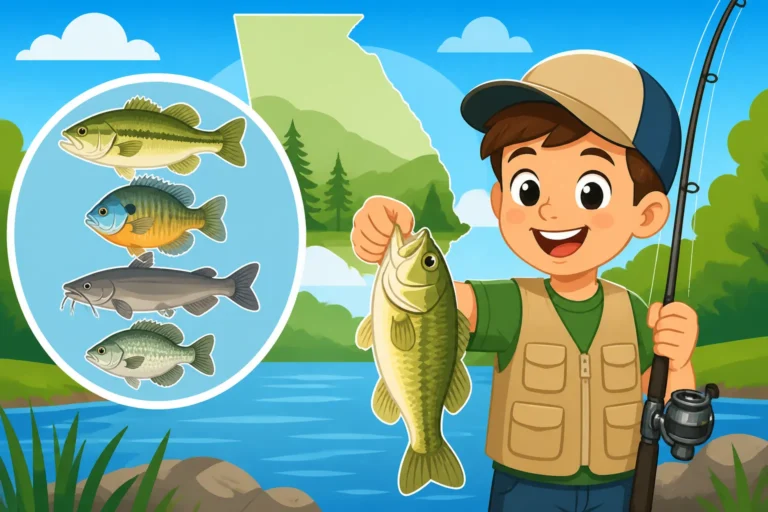
Crappie, whether you're chasing black crappie with their distinct speckles or the more streamlined white crappie, are primarily visual predators with a strong preference for live prey. Their natural diet in lakes, rivers, and ponds across Georgia often consists of small baitfish, insect larvae, and crustaceans. Minnows, in particular, perfectly mimic the size, swimming action, and visual appeal of their preferred forage. When a crappie sees a struggling or enticingly swimming minnow, it triggers an instinctive predatory response.
They aren't often chasing down fast-moving prey; instead, they prefer to ambush or slowly stalk. A live minnow, gently presented, appears as an easy meal. This is why artificial baits often try to replicate the look and action of a minnow. But let's be real, nothing beats the real thing when it comes to enticing a hungry crappie. This preference for live bait is a cornerstone of effective crappie fishing strategies, particularly when they're a bit finicky or the bite is tough.
Choosing the Right Minnow Size and Health
The health and size of your minnows can make a significant difference. Crappie aren't usually going after huge baitfish; they prefer a bite-sized snack. Generally, minnows between 1 to 2.5 inches are ideal. For larger slab crappie, you might go up to 3 inches, but anything much bigger can be intimidating and less appealing. Smaller minnows are fantastic when crappie are being particularly shy or in colder water when their metabolism is slower.
Beyond size, the vitality of your minnows is paramount. A lively, active minnow wiggling on the hook is far more attractive than a sluggish, half-dead one. Keep your minnows in a well-aerated bait bucket with fresh, cool water. Avoid overcrowding them, and change the water periodically, especially on warm days. You can pick up affordable aerators and bait buckets from local tackle shops or even places like Amazon, ensuring your bait stays spry throughout your fishing trip.
When you're out there on the water, observe your minnows. The ones that are darting around energetically are your best bet. If you notice them getting lethargic, it might be time for a water change or to switch to a different bait, or perhaps even try out some different jig colors for crappie if they aren't responding to live bait.
Essential Gear for Minnow Rigging
Having the right tools for the job is crucial, and rigging minnows is no exception. A few specialized pieces of gear will make your life much easier and your presentation much more effective.
Hooks, Sinkers, and Floats
Let’s talk hooks first. For minnows, you want a hook that's sharp, lightweight, and appropriately sized. The goal is to hook the minnow securely without hindering its natural movement too much.
- Hooks: The Aberdeen hook is a classic choice for crappie fishing with minnows. Its thin wire design is less likely to kill the minnow quickly, and if you get snagged, the hook will often bend out, allowing you to retrieve it. Sizes typically range from #2 to #8, with #4 or #6 being excellent all-around choices. Some anglers also like small baitholder hooks for added security. Brands like Eagle Claw or Mustad offer reliable, affordable options that you can easily find at any tackle shop or often in bulk online.
- Sinkers: Depending on how deep you're fishing and the current, you'll need sinkers. Small split shots are simple and effective for adding just enough weight to get your minnow down. For deeper water or when you need a more precise depth, a small slip sinker (like an egg sinker or bullet weight) paired with a swivel and leader can be ideal. The slip sinker allows the line to run freely through it, meaning a crappie can pick up the minnow without feeling the resistance of the weight immediately.
- Floats (Bobbers): Floats are essential for suspending your minnow at a specific depth.
- Fixed floats (clip-on bobbers) are great for shallower water, typically up to 6-8 feet. They’re easy to attach and adjust.
- Slip floats are a game-changer for deeper water. They slide freely on your line, stopped by a small bobber stop knot. This allows you to cast a much longer leader (distance from bobber to hook) without having to manage all that line while casting. You can literally set your minnow to fish at 20 feet deep under a slip float, which would be impossible with a fixed bobber. Many anglers swear by slip floats for their versatility and precision when trying to target crappie holding at specific depths, especially when you're using tightlining techniques for crappie.
Rods, Reels, and Line Considerations
The right rod, reel, and line will enhance your feel for the subtle crappie bite and improve your overall presentation.
- Rods: For minnow fishing, a light to ultralight action spinning rod is usually preferred. Look for a rod between 5 to 7 feet long with a sensitive tip. That sensitive tip is absolutely crucial for detecting the often incredibly soft bite of a crappie. If you’re fishing from a boat, particularly when spider rigging, longer rods (8-14 feet) become beneficial for spreading out your lines and covering more water effectively.
- Reels: A small, lightweight spinning reel (sizes 1000-2000) that balances well with your rod is perfect. Smooth drag is important, as crappie have soft mouths, and a sticky drag can easily tear the hook out.
- Line: Light line is key for good presentation and feel.
- Monofilament (Mono): 4 to 6-pound test monofilament is a popular choice. It has some stretch, which can be forgiving with soft-mouthed crappie, and it's relatively inexpensive. It's also less visible in clear water.
- Braided Line: Some anglers prefer 6 to 10-pound test braided line for its superior sensitivity and lack of stretch, which helps detect even the lightest bites. If using braid, it’s often a good idea to tie on a 2-4 foot leader of clear fluorocarbon or monofilament to reduce visibility, especially in clear water.
- For those just starting out or taking kids fishing, a simple mono setup is often the easiest to manage. Remember, you can usually find good quality entry-level setups for crappie fishing on Amazon, giving you plenty of options without breaking the bank.
Popular Minnow Rigging Techniques for Crappie
Now, let's get down to the nitty-gritty: how to actually get that minnow on the hook effectively. There are a few tried-and-true methods, each with its own advantages depending on your fishing situation.
The Classic Jig Head Rig
This is probably one of the most versatile and popular ways to fish minnows for crappie, especially when you combine it with the right jig.
How to Rig:
You'll need a small jig head, typically 1/32 to 1/8 ounce, often paired with a soft plastic body or simply fished bare.
- Through the Lips: This is perhaps the most common method. Take your minnow and carefully pass the hook point up through its bottom lip and then out through the top lip. The hook should sit squarely, allowing the minnow to swim naturally and breathe. This method is great for slow trolling, vertical jigging, or casting and retrieving. The minnow stays lively for a good while and presents horizontally, which looks very natural.
- Behind the Dorsal Fin: For a more erratic, struggling presentation, you can hook the minnow just behind its dorsal fin, being careful not to hit its spine. This method makes the minnow swim downward, trying to escape, which can really trigger a bite from reluctant crappie. However, this method can tire the minnow out faster and can be more prone to losing the minnow if a crappie only nips at the tail.
When to Use:
The jig head rig is incredibly versatile. You can cast it out and slowly retrieve, allowing the minnow to "swim." You can also use it for vertical jigging, especially if you've found crappie schooling around submerged brush piles or other structures. This is a fantastic technique to learn as it directly applies to understanding how to jig for crappie, even with artificial baits. Pairing your minnow with a brightly colored jig head, like those discussed in guides about the best jig colors for crappie fishing, can add an extra visual trigger in stained water.
Simple Bobber and Minnow Rig
This is a fantastic method for beginners, kids, or anyone wanting a more relaxed approach, especially when fishing from a dock or bank.
Step-by-Step for a Fixed Bobber Rig:
- Attach Bobber: Clip a small fixed bobber onto your main line, about 1-3 feet above where your hook will be. The distance depends on how deep you want your minnow to suspend.
- Add Split Shot: Place one or two small split shot weights about 6-12 inches above your hook. This helps sink the minnow and keeps it below the bobber.
- Tie on Hook: Securely tie your Aberdeen or baitholder hook (#4 or #6 is typical) to the end of your line.
- Hook the Minnow: Hook your minnow through the lips as described above.
Step-by-Step for a Slip Bobber Rig:
- Add Bobber Stop: Thread a small bobber stop onto your main line, then a small bead. This stop will determine your fishing depth.
- Thread Slip Bobber: Thread your slip bobber onto the line below the bead.
- Add Weight: Attach a small split shot or an egg sinker (with a swivel below it if using a slip sinker to prevent it from sliding down to the hook) about 6-12 inches above your hook.
- Tie on Hook: Tie your hook to the end of your line.
- Hook the Minnow: Hook the minnow through the lips.
When to Use:
Fixed bobber rigs are perfect for shallower water, small ponds, or when targeting crappie near the surface. Slip bobbers excel in deeper water, allowing you to easily cast your rig and then let the minnow descend to your desired depth, which is pre-set by the bobber stop. This method is incredibly effective for fishing around visible structure like docks or fallen trees, or if you're exploring different depths in open water, making it a staple when you're figuring out how to catch crappie from a dock.
Tightlining and Spider Rigging
These techniques are popular among serious crappie anglers, especially those fishing from a boat, as they allow for precise depth control and covering a lot of water.
- Tightlining: This method involves fishing without a bobber, relying solely on the weight of your sinker and the feel of your rod to detect bites. You typically drop your minnow straight down, often under the boat, and keep a taut line. The goal is to keep your minnow suspended just above the crappie, often detected with your fish finder.
- How to Hook Minnows for Tightlining: For this, nose hooking (through the lips) is usually best as it keeps the minnow horizontal and swimming naturally as you move. A small split shot a foot or so above the hook is common. This technique requires a good feel for your line and is a cornerstone of effective tightlining techniques for crappie.
- Spider Rigging: Imagine a spider with many legs, each holding a baited line – that's spider rigging! Anglers use multiple rods (sometimes 6-10 or more) rigged with minnows, fanned out around the boat from special rod holders. The boat is typically moved very slowly (trolling motor at 0.5-1.5 mph), allowing the minnows to cover a wide area at various depths.
- How to Hook Minnows for Spider Rigging: Both nose hooking and tail hooking can work. Nose hooking allows the minnow to swim forward with the boat's movement. Tail hooking (just ahead of the tail fin) makes the minnow struggle and dart away from the hook, creating a more frantic action that can attract attention. Experiment to see what the crappie prefer on any given day. Spider rigging is especially good for finding crappie spread out over flats or along channel edges.
| Rigging Method | Best For | Minnow Hooking | Advantages | Disadvantages |
|---|---|---|---|---|
| Jig Head Rig | Active crappie, casting, vertical jigging, slow trolling | Lips, Dorsal Fin | Versatile, active presentation, good feel | Can be prone to snags with heavier jigs |
| Fixed Bobber Rig | Shallow water, beginners, still fishing, kids | Lips | Simple, easy depth control, visual bite detection | Limited to shallow depths, easily spooked crappie |
| Slip Bobber Rig | Deeper water, varying depths, casting longer distances | Lips | Precise depth control, easy casting, visual bite | Requires bobber stop, can be fiddly to set up |
| Tightlining | Precise depth, subtle bites, targeting suspended fish | Lips | Maximum sensitivity, direct bait presentation | Requires good boat control, harder for beginners |
| Spider Rigging | Covering large areas, finding scattered fish | Lips, Tail Fin | Covers broad water column, multiple lines | Requires multiple rods/holders, slower method |
Advanced Tips for Maximizing Your Minnow Rig
Getting the minnow on the hook is just one piece of the puzzle. How you present it and how you adapt to changing conditions will truly elevate your crappie game.
Presenting Your Minnow Naturally
A natural presentation is critical because crappie are ambush predators. They often wait for prey to come to them or make an easy target. An unnaturally spinning or erratically moving minnow can be a red flag.
- Subtle Movements: When jigging or retrieving, aim for slow, subtle lifts and drops. Think of it as gently coaxing the minnow, not forcing it. This mimics a tired or injured baitfish, making it an irresistible meal.
- Avoid Spinning: If your minnow is spinning in the water, it's a sure sign something isn't right with your rigging. This usually happens if you've hooked it unevenly through the lips, or if you're retrieving too quickly. Adjust your hook placement or slow down your retrieve. An unnaturally spinning minnow looks fake and will often be ignored.
- Matching the Hatch: While minnows are generally effective, sometimes crappie key in on specific types of baitfish. Pay attention to what's naturally present in the water. If you see tiny shad, for example, smaller, shiner-type minnows might be more effective.
- Reading the Water: Crappie love structure. They congregate around fallen trees, brush piles, submerged stumps, dock pilings, and even bridge abutments. Presenting your minnow naturally near these structures is key. Understanding how to find crappie around brush piles, for instance, means getting your minnow as close as possible without getting snagged, letting it appear as a lost meal seeking refuge.
Adjusting to Conditions and Crappie Behavior
Crappie are creatures of their environment, and their behavior changes with conditions. Being able to adjust your rigging and presentation accordingly will dramatically improve your success.
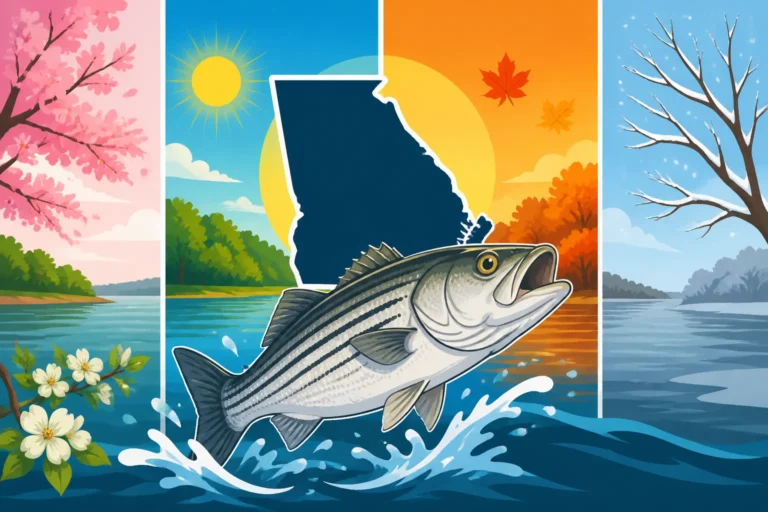
- Water Temperature: In colder water (winter), crappie are less active, and their metabolism slows down. They prefer a very slow, subtle presentation. Your minnows should be suspended patiently near structure. As water warms (spring and summer), they become more aggressive and might react better to a slightly more active retrieve. This ties into the best time of year to catch crappie in Georgia, where spring and fall are often peak seasons.
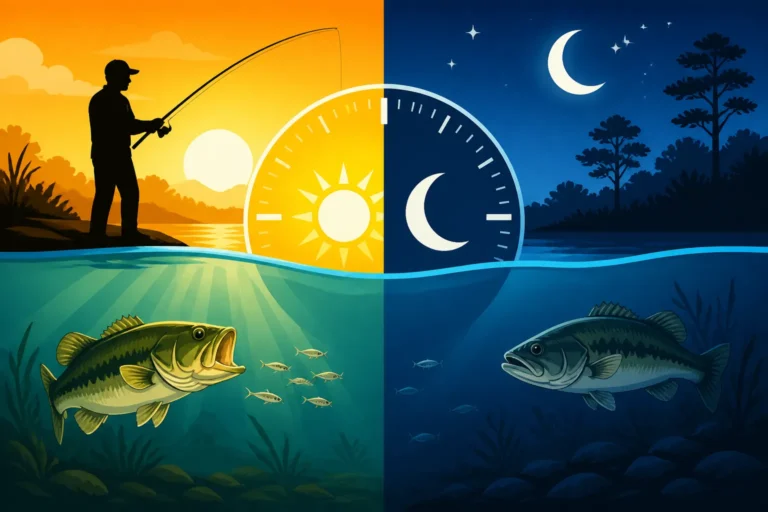
- Time of Day: Crappie are often most active during low light conditions – dawn and dusk. During the bright midday sun, they tend to move deeper or seek shade under cover. Adjust your fishing depth and location accordingly. For specific tactics, exploring whether crappie bite better at night might give you an edge during those low-light periods.
- Depth Adjustments: Crappie are notorious for holding at very specific depths. If you're not getting bites, systematically change your depth by just a foot or two at a time until you find the fish. A good fish finder can be invaluable here. If you're using a slip bobber, make small adjustments to your bobber stop until you hit the magic depth.
- Light Penetration: In clear water, crappie can be very line-shy. Consider using a fluorocarbon leader. In stained or murky water, visibility is reduced, so a more vibrant jig head with your minnow might help, or even fishing slightly shallower where light can penetrate.
- Picky Crappie: Sometimes, crappie are just plain finicky. If they’re not committing to your minnow, try switching the hooking method (lips vs. dorsal), changing minnow size, or even trying a different species of minnow. Sometimes it’s a matter of speed – try slowing down your retrieve to an almost imperceptible crawl. And remember, different crappie species can have subtle preferences. For example, while both love minnows, knowing the difference between black crappie identification: spots vs. stripes can sometimes give you insight into their typical habitats and feeding patterns.
Disclaimer
Fishing conditions and regulations can change frequently. Always consult the latest Georgia Department of Natural Resources (DNR) guidelines and local signage before heading out. This guide is for informational purposes only and does not constitute legal advice. Stay safe and fish responsibly!