Best Bait for Spotted Bass
If you've spent any time on Georgia's lakes and rivers, you know that spotted bass can be a real head-scratcher. They're not always as aggressive as their largemouth cousins, and what works one day might get you nothing but a blank stare the next. Figuring out the "best" bait can feel like a never-ending quest, leaving many anglers frustrated and wondering if they're doing something wrong. But don't you worry, because this guide is here to shed some light on the most effective baits for enticing those wily spotted bass, helping you fill your livewell or simply enjoy more action on the water.
Understanding Spotted Bass Behavior and Habitat
Before we dive into the tackle box, let's talk a little about what makes spotted bass tick. Unlike largemouths that love shallow, weedy cover, spotted bass often prefer deeper, clearer water, and they have a penchant for rocky structure, humps, and submerged timber. They're also known to school up more often, especially in open water. This means your bait needs to be able to reach those depths, navigate obstacles, and sometimes, mimic the smaller baitfish they often feed on. Understanding these nuances is crucial for choosing the right presentation and getting those bites.
How Spotted Bass Differ from Largemouths
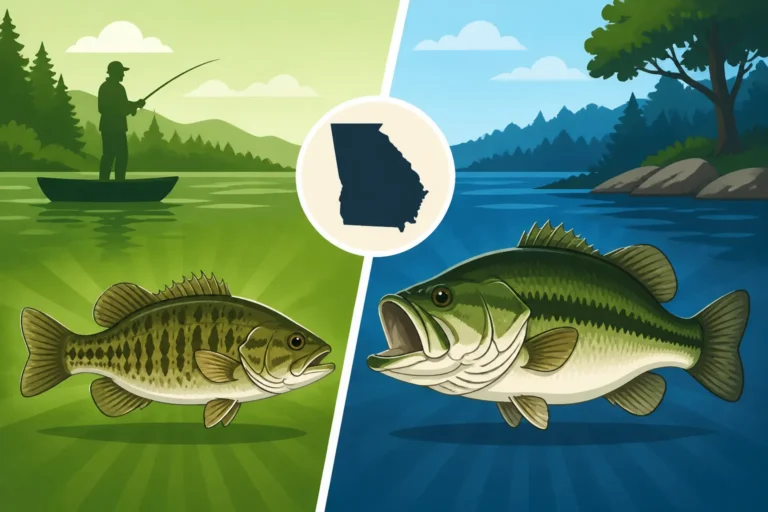
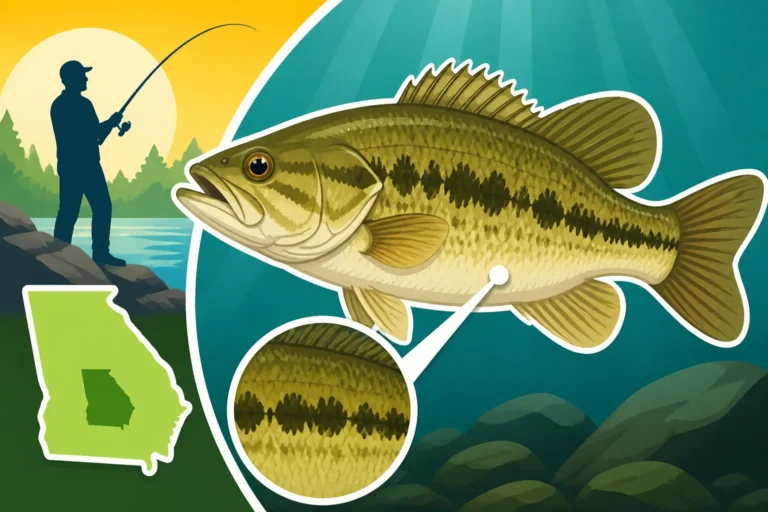
It's easy to mistake a spotted bass for a largemouth, especially if you're new to the game. But they have distinct behaviors that dictate bait choice. Spotted bass typically have a smaller mouth than a largemouth of similar size, which can affect the size of the lure they'll readily strike. They also tend to feed more on open-water baitfish like shad and herring, and they're less likely to hide deep in dense vegetation. They're more akin to smallmouth bass in their preferences for rocky bottoms and current. If you've been using your typical largemouth arsenal without much luck on spotted bass, it's probably because you're not speaking their language. For a deeper dive, check out Spotted Bass vs Largemouth Bass: What's the Difference?.
Key Habitats for Spotted Bass in Georgia
In Georgia, you'll find spotted bass thriving in many of our deep, clear reservoirs like Lake Lanier, Lake Allatoona, and Lake Oconee, as well as several river systems. They love areas with abrupt depth changes, rocky points, ledges, and creek channels. When you're out on the water, think about places where current might sweep baitfish by an ambush point, or deep humps where schools of baitfish congregate. These are prime areas where a well-placed bait can really shine. Sometimes they'll hang out near submerged timber, but often on the deeper, outer edges of it rather than deep within the thick stuff. Knowing their preferred haunts is the first step in successful bait selection. Spotted Bass Fishing in Georgia Lakes and Rivers offers more detail on where to find them.
Top Artificial Lures for Spotted Bass
When it comes to artificial lures, spotted bass can be quite responsive, especially when they're actively feeding. The key is often downsizing your presentation slightly compared to what you might use for largemouths, and focusing on baits that can be worked efficiently in deeper water or around hard structure.
Deep-Diving Crankbaits
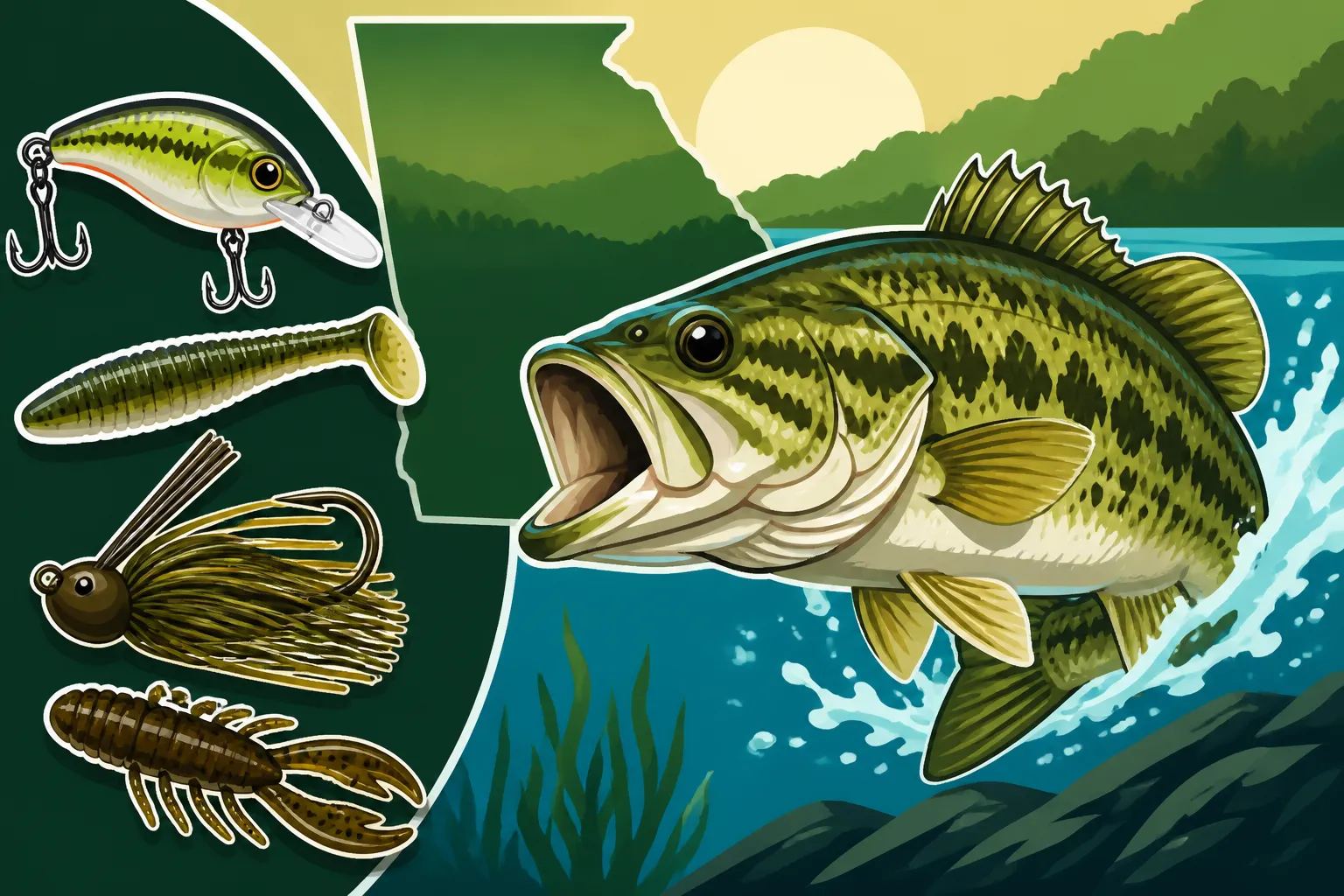
Crankbaits are absolutely deadly for spotted bass, especially those deep-diving models that can reach fish holding on ledges, humps, or deep points. The aggressive wobble and deflections off structure can trigger powerful reaction strikes. Look for cranks that can dive to 10-20 feet or even deeper, depending on the depth the fish are holding. Colors that mimic shad, blueback herring, or crawfish are usually winners.
When you're fishing these, make sure your retrieve is varied. Sometimes a steady retrieve is best, but often, bumping the bait off rocks or submerged timber is what really gets their attention. Pause it occasionally, or give it a few quick rips, and then let it float up slightly. This erratic action often fools a spotted bass into thinking it's an injured baitfish, making it an easy meal. If you're on a deep-clear lake, a slender profile crankbait in a chrome or ghost white finish can be incredibly effective when worked near schools of bait.
Jigs and Soft Plastics
Jigs, whether football jigs, finesse jigs, or hair jigs, are staples for spotted bass. They allow you to maintain bottom contact and present a subtle, natural offering. Pair them with a crawfish or creature-style trailer for added bulk and action. The beauty of a jig is its versatility; you can drag it, hop it, or swim it, adapting to what the fish prefer on any given day.
Soft plastics, particularly small worms, creature baits, and swimbaits, are also incredibly effective. Techniques like a shaky head, Carolina rig, or Ned rig allow you to present these baits slowly and thoroughly in deep water or around rocky structure. For a shaky head, a small straight-tail worm in green pumpkin or natural shad patterns is often irresistible. The subtle quiver of the worm on the bottom, triggered by the current or a slight rod twitch, can be enough to get a wary spotted bass to commit. Many anglers swear by a 4-inch Amazon senko or similar stick bait on a wacky rig when fish are pressured. For those who want to master this, How to Jig for Largemouth Bass and How to Fish a Texas Rig for Bass offer transferable skills.
Topwater and Jerkbaits
Don't rule out topwater lures, especially during warmer months or low-light conditions. Although spotted bass often feed deeper, they will absolutely blow up on a topwater bait if baitfish are near the surface. Poppers, walking baits, and prop baits can all draw exciting strikes. Early mornings and late evenings are prime times for this, or even on cloudy days.
Jerkbaits are another fantastic option, particularly when fish are suspended or when the water is clear. The erratic, darting action of a jerkbait can mimic a dying baitfish, and the long pauses often prove too tempting for a spotted bass to resist. Suspending jerkbaits that hang in the water column during pauses are particularly effective, allowing you to keep the bait in the strike zone longer. Look for translucent or natural baitfish colors. When the bite is tough, a jerkbait worked slowly can often produce when nothing else will. To get a handle on the technique, check out How to Fish Topwater Lures for Bass.
Natural and Live Baits for Spotted Bass
While artificials get a lot of glory, never underestimate the power of natural and live baits for spotted bass. Sometimes, especially when fish are finicky or during certain seasons, a live offering is simply unmatched.
Live Minnows and Shad
Live minnows, shiners, or small shad are hands down one of the most effective baits for spotted bass, especially if you're targeting larger fish or dealing with a tough bite. Spotted bass are opportunistic predators, and a struggling live baitfish is an easy meal they often can't resist. You can fish them on a simple hook-and-sinker rig, under a float, or even on a downline in deeper water if you're targeting suspended schools.
Hooking your baitfish correctly is key to keeping it lively and natural-looking. Through the lips or lightly through the back are common methods. When you see a school of spotted bass on your fish finder, dropping a live minnow right into the mix can often trigger an immediate strike. Remember, the fresher and livelier your bait, the more attractive it will be.
Crayfish and Worms
Crayfish are a natural food source for all bass species, including spotted bass. If you can catch live crayfish, they make exceptional bait. Rigged on a hook with a small weight, allowed to crawl naturally along the bottom, they are incredibly effective. Their natural scent and movement are hard for a hungry spotted bass to ignore.
Nightcrawlers and other large worms can also be surprisingly effective, especially when fished on a dropshot or a Carolina rig. While perhaps not their primary forage in many reservoirs, worms offer a readily available and very natural presentation. The key is to keep your presentation as natural as possible, allowing the worm to undulate and move with the current. This can be a great option for bank anglers or those who prefer a simpler setup. You can often find quality worm choices on Amazon.
Seasonal Considerations for Bait Selection
The time of year dramatically impacts where spotted bass are holding and what they're willing to eat. Adjusting your bait selection seasonally is a crucial part of consistent success.
Springtime Patterns and Baits
As water temperatures begin to rise in the spring, spotted bass start to move shallower, though often not as shallow as largemouths. They'll frequent rocky points, secondary points, and creek channel swings. This is a fantastic time for jerkbaits, crankbaits, and jigs. As they get closer to spawning, soft plastics like worms on a shaky head or Texas rig become incredibly effective, especially around brush piles or isolated cover.
In early spring, when the water is still chilly, a slower presentation is often best. Think about suspending jerkbaits with long pauses, or slow-dragging a football jig. As the water warms, you can speed up your retrieve and incorporate more aggressive baits. Understanding Spring Bass Fishing Patterns on Georgia's Reservoirs is vital.
Summer Deep Water Strategies
Summer in Georgia means hot weather, and often, spotted bass head for deeper, cooler water. This is when deep-diving crankbaits, heavy jigs, and Carolina rigs really shine. Look for them on main lake points, offshore humps, and submerged roadbeds or timber. They'll often school up over these structures, making them prime targets for vertical presentations or covering lots of water with a crankbait.
Live bait, particularly shad or minnows on a downline, can also be incredibly effective during summer when spotted bass are suspended in open water following baitfish schools. Keep an eye on your fish finder for baitfish and predators, and be ready to drop your offerings right into the strike zone. Remember that How Water Temperature Affects Fish Behavior can dictate where these fish hold.
Fall and Winter Approaches
Fall can be one of the best times to target spotted bass as they become very aggressive, chasing baitfish in preparation for winter. Topwater action can return in full force, and crankbaits, spinnerbaits, and swimbaits become highly effective as spotted bass feed heavily. They'll often push bait up into pockets and coves.
In winter, spotted bass often retreat to their deep-water haunts, but they can still be caught. Slower presentations with jigs, dropshot rigs, and spoons are often best. Look for them holding tight to structure in deep creek channels or on main lake points. The key in winter is patience and a subtle presentation. For specific timing, checking out Best Time of Year to Catch Bass at Lake Lanier, Georgia or Best Time of Year to Catch Bass at Lake Oconee, Georgia can be helpful.
| Bait Type | Spotted Bass Application | Pros | Cons |
|---|---|---|---|
| Deep Crankbaits | Covering deep points, humps, ledges | Triggers reaction strikes, covers water quickly | Can get hung up easily, requires specific rods |
| Football Jigs | Bottom contact on rocky terrain, subtle presentation | Versatile, great for slower bites | Requires good feel, can be slow |
| Shaky Heads | Finesse presentation for finicky fish, rocky areas | Extremely effective, natural action | Can be slow, lighter line often needed |
| Jerkbaits | Suspended fish, clear water, erratic action | Triggers aggressive strikes on pauses | Limited depth, can be frustrating in wind |
| Live Minnows | All conditions, especially tough bites or larger fish | Most natural, highly effective | Requires bait management, can be expensive |
| Topwater Lures | Low light, schooling fish near surface | Exciting strikes, covers water | Limited to specific conditions, less versatile |
Disclaimer
This article is for general informational purposes only and does not constitute professional advice. Laws, prices and regulations vary by location and change over time. Consult a qualified professional for guidance on your specific situation.