How Often Georgia’s Trout Streams Are Stocked in Summer
For many Georgia anglers, the promise of regularly stocked trout streams is a highlight, especially as the weather warms. However, if you've ever found yourself wondering why that weekly stocking update seems to slow down once summer hits, you're certainly not alone. Fishing in Georgia during the summer presents its own unique set of challenges and questions, particularly when it comes to finding those eager, recently stocked trout. This guide is all about shedding light on how Georgia's trout streams are typically stocked in the summer months, understanding the science behind the decisions, and equipping you with the knowledge to make your summer trout fishing trips more successful.
Understanding Georgia's Trout Stocking Program
Georgia's trout stocking program is a vital part of maintaining robust angling opportunities, especially in the northern parts of our state. The Georgia Department of Natural Resources (DNR), specifically the Wildlife Resources Division (WRD), works tirelessly to manage these fisheries. While it might seem like a simple task of putting fish in the water, there's a lot of science and strategy that goes into it, balancing angler demand with the biological needs of the trout and the health of the waterways.
The Role of Georgia DNR
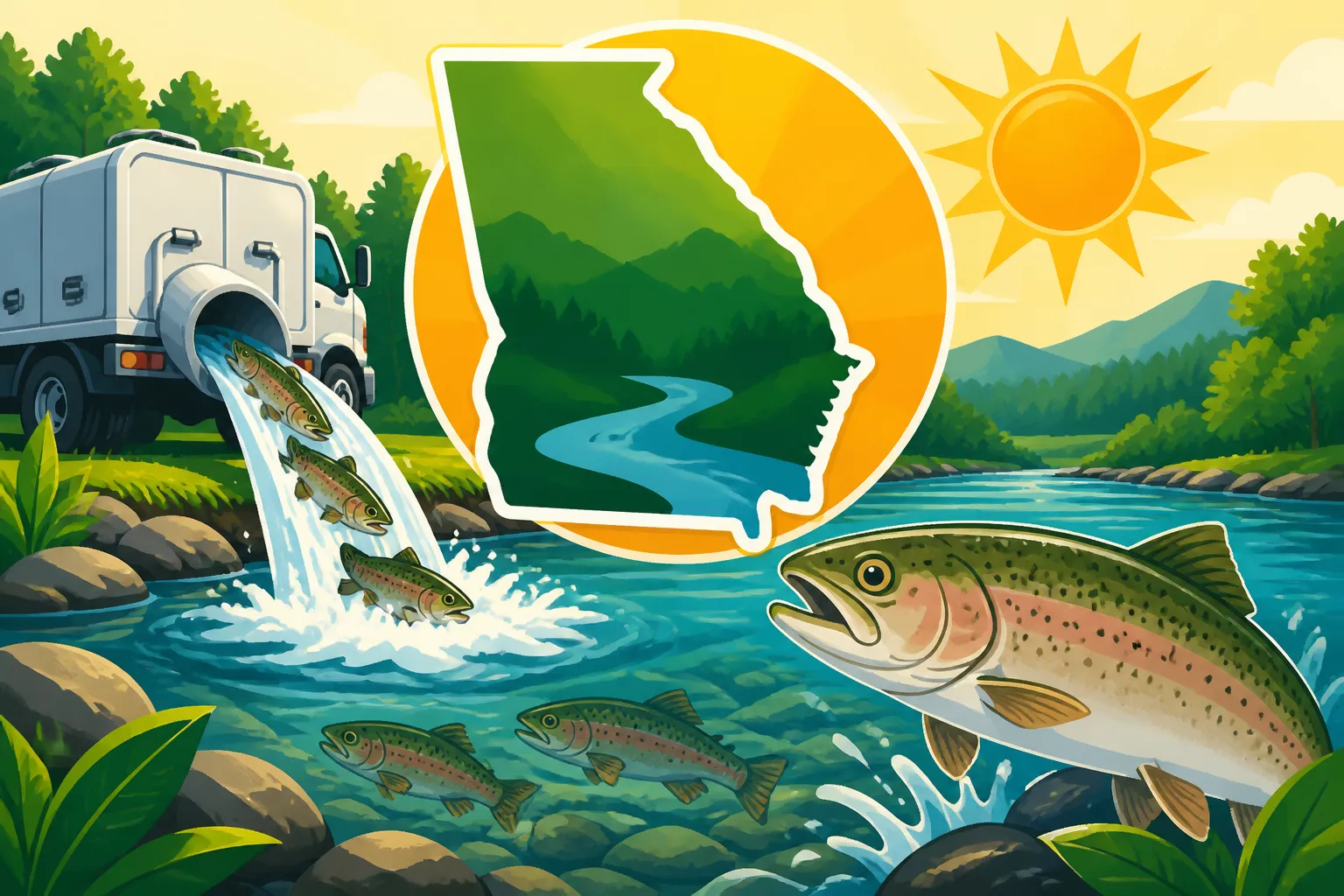
The Georgia DNR is the unsung hero behind much of the fishing we enjoy. Their hatcheries raise tens of thousands of trout each year, primarily rainbow trout, but also brown trout and brook trout. The goal isn't just to provide fish; it's to create a sustainable and enjoyable angling experience for everyone. This involves careful planning, monitoring water conditions, and responding to environmental changes. They're constantly evaluating stream conditions, water temperatures, and dissolved oxygen levels to ensure that when trout are released, they have the best chance of survival and can provide good sport for anglers. You can dive deeper into the specifics of Georgia Freshwater Fishing Rules to understand the broader regulatory framework that supports these efforts.
Beyond just raising and releasing fish, the DNR also works on habitat improvements, managing public access, and conducting research to better understand our trout populations. Their decisions about stocking schedules are rooted in years of experience and scientific data, always with the well-being of the fish and the quality of the fishing experience in mind. It's a complex dance between nature and management, and summer, with its inherent challenges, really puts that system to the test.
Different Trout Species Stocked
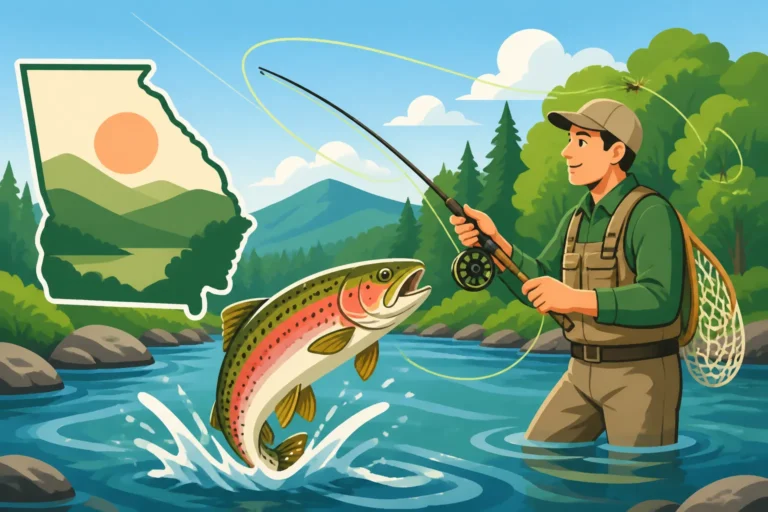
When we talk about stocked trout in Georgia, we're primarily referring to rainbow trout. These feisty fish are hatchery favorites because they grow quickly, tolerate a wider range of conditions than native brook trout, and are relatively easy to raise in large numbers. While they might not be native, they provide a fantastic fishing experience for countless anglers. They are a staple of the stocking program and are often the species you'll encounter in the more accessible, heavily fished waters.
Brown trout are also stocked, though typically in lesser numbers and often into streams that can support larger, wilder populations. These fish are a bit more elusive and can be a real prize for experienced anglers. Then there are our beautiful, native brook trout, which are Georgia's only native trout species. These delicate fish are found in the highest, coldest headwaters of North Georgia and are rarely, if ever, stocked. Instead, the focus for brook trout is on preserving their fragile natural habitats. Understanding Georgia Trout Fishing: Rainbow, Brown, and Brook Trout Explained can give you a clearer picture of the species you're likely to encounter across the state.
Summer Stocking Realities: What to Expect
Now, let's get down to the nitty-gritty of summer stocking. The truth is, summer is a challenging time for trout in Georgia. As temperatures climb and water levels sometimes drop, many streams become too warm or have insufficient dissolved oxygen to support trout comfortably, let alone safely stock them. This reality significantly impacts how often Georgia's trout streams are stocked in summer.
Weekly Wonders to Seasonal Slowdowns
During the spring, when water temperatures are ideal, the DNR might stock certain popular streams weekly, sometimes even multiple times a week. It's a fantastic time to be on the water, with plenty of fresh fish to target. However, as the mercury rises in June, July, and August, you'll notice a distinct slowdown. Weekly stocking becomes much rarer. Instead, stocking efforts shift to a more "as available" or "as conditions allow" basis, often targeting specific, cooler water bodies.
It's not that the DNR stops stocking altogether, but the frequency dramatically decreases. Streams that were brimming with trout in April might see only a few, if any, stockings during the peak of summer. This is a critical point for anglers to understand, as showing up to a formerly productive spot in mid-July expecting a fresh batch of fish might lead to disappointment. The focus moves to preserving fish health and ensuring survival, which often means limiting exposure to stressful warm waters. For a broader view, you can check out the Georgia's Trout Stocking Schedule From March to October to see how the patterns change throughout the year.
Factors Influencing Summer Stocking Decisions
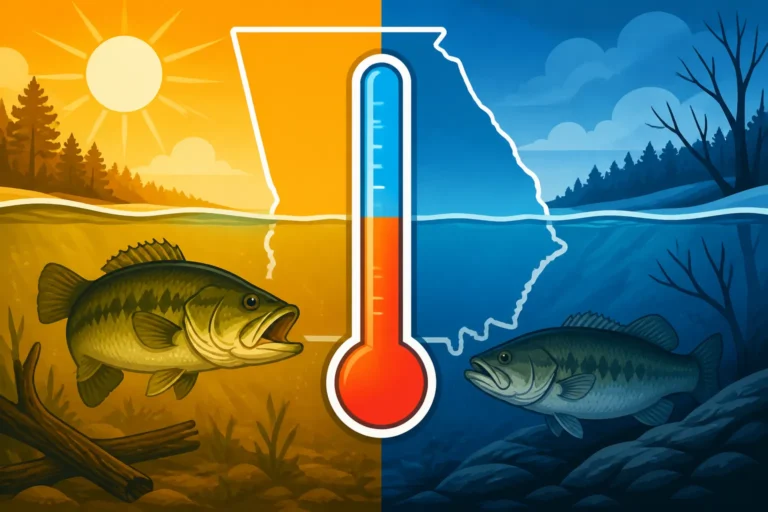
The biggest culprit behind reduced summer stocking is water temperature. Trout are cold-water fish, generally thriving in water below 68°F (20°C). As water temperatures rise above this, trout become stressed, making them more susceptible to disease, less active, and ultimately, less likely to survive. Stocking fish into water that is too warm would be irresponsible and largely futile. The DNR carefully monitors stream temperatures across the state before any stocking takes place.
Another crucial factor is dissolved oxygen levels. Warmer water holds less oxygen. Combine high temperatures with low water flow, and oxygen levels can plummet to dangerous lows for trout. Drought conditions can exacerbate this, reducing stream flow and increasing water temperatures even further. The DNR won't stock if oxygen levels are too low, as the trout would struggle to breathe and quickly perish. This is a prime example of How Water Temperature Affects Fish Behavior and survival.
Finally, available hatchery fish also play a role. While hatcheries work year-round, the bulk of their production might be geared towards the cooler spring and fall months. Stocking during summer is often reserved for those rare, truly suitable streams, or for specific events where conditions are carefully managed. It's a complex calculation aimed at maximizing the benefit for both the fish and the anglers.
| Season | Typical Stocking Frequency | Primary Considerations | Angler Expectation |
|---|---|---|---|
| Spring | Weekly, sometimes multiple times | Ideal water temps, high angler demand, abundant fish | Frequent fresh fish, active biting, good numbers. |
| Summer | Reduced, "as conditions allow," sporadic | High water temps, low dissolved oxygen, drought | Less frequent stocking, target cooler waters, tougher fishing, focus on wilder or holdover fish. |
| Fall | Increased, weekly in many areas | Cooling water temps, pre-winter fattening | Excellent fishing as water cools, abundant fish. |
| Winter | Minimal, mostly "holdover" fish | Very cold water, lower angler pressure | Few fresh stockings, target specific areas for holdovers, slower bite. |
Best Strategies for Summer Trout Anglers
So, if regular stocking isn't the norm, what's a dedicated trout angler to do in the Georgia summer? Don't despair! You can still have fantastic days on the water, but it requires a shift in strategy, focusing on where trout naturally seek refuge and when they are most active.
Chasing Cold Water: Higher Elevations and Deeper Pools
The number one rule for summer trout fishing in Georgia is to find cold water. This means heading to higher elevations in the North Georgia mountains. Streams fed by cool springs or located in dense, shady forests will hold their temperatures better. Think about areas around the Chattahoochee National Forest or other designated wilderness areas. These are the places where When Georgia's Mountain Trout Streams Fish Best is truly relevant in the summer months.
Even within a stream, look for specific features that offer cooler conditions. Deep pools, especially those with overhead cover like fallen trees or undercut banks, will be cooler than shallow, exposed runs. Confluences where a cooler tributary meets the main stream are also hotspots. Waterfalls and rapids oxygenate the water, making those areas more hospitable. In some cases, larger rivers like the Chattahoochee River below Buford Dam can offer cold-water releases from the deep lake, creating a tailwater fishery that remains cool even in summer. This provides a different kind of trout fishing experience compared to smaller mountain streams.
Early Mornings and Late Evenings
Just like us, trout are sensitive to the heat of the day. Their activity levels plummet when the sun is high and the water is warmest. This makes early mornings and late evenings your golden hours for summer trout fishing. Aim to be on the water as the sun is just coming up, and fish until mid-morning when temperatures start to noticeably climb. Similarly, return to the stream in the late afternoon or early evening as the sun begins to dip and the water cools.
During these cooler periods, trout will be more active, willing to move and feed. They'll venture out from their deep, cool hiding spots to forage. The reduced light also offers a bit more cover for the trout, making them less wary. This strategy applies whether you're fly fishing or spin fishing; the key is timing your efforts when the trout are most comfortable and active.
Adapting Your Gear and Techniques
Summer trout fishing often calls for lighter tackle and a more delicate presentation. With clearer, warmer water, trout can be spooky. A good ultra-light spinning rod paired with 4-6 pound test line will give you the sensitivity and finesse needed. If you're a fly angler, a lighter rod (2-4 weight) with a longer leader can be highly effective. You can find some excellent deals on suitable ultralight rods and reels on platforms like Amazon.
When it comes to bait and lures, think small and natural. Live bait like small worms, crickets, or even tiny grasshoppers can be irresistible. For lures, try small inline spinners (like Panther Martins or Mepps), tiny spoons, or very small soft plastics rigged on a light jig head. Fly anglers should focus on small dries in the early morning or late evening, switching to nymphs and small streamers fished deep during the mid-day lulls. For more specific recommendations, explore guides on Best Lures for Stocked Trout and Best Bait for Stocked Trout. Remember, a subtle approach is often key to enticing wary summer trout.
Finding the Latest Stocking Information
Even with reduced summer stocking, knowing when and where fish are being stocked can give you a significant advantage. The Georgia DNR provides resources to keep anglers informed, and local knowledge can be just as valuable.
Georgia DNR's Stocking Schedule Resources
The most reliable source for stocking information is the Georgia DNR's Wildlife Resources Division website. They typically post a weekly or bi-weekly trout stocking report, detailing which streams have been stocked and with what species. While these reports might be less frequent in summer, they are still your go-to for official updates. It’s also a good idea to follow their social media channels, as they sometimes post real-time updates or important advisories about stream conditions.
Another excellent resource is the "Trout Hotline" (though less common these days, their website often serves the same function). It's designed to give anglers the latest information on stocking. Keeping an eye on these official channels is crucial, especially if you're planning a trip to a specific area. Remember, conditions can change quickly, so always check the most recent reports before heading out.
Community Insights and Local Intel
Beyond official channels, don't underestimate the power of local knowledge. Visit local bait and tackle shops in North Georgia towns like Helen, Blue Ridge, or Dahlonega. The folks working there often have their ears to the ground and know which streams are fishing well, which ones have recently been stocked, or which ones are too warm to bother with. They can also offer invaluable advice on How to Fish for Trout in a Mountain Stream specific to current conditions.
Online fishing forums and social media groups dedicated to Georgia fishing can also be a goldmine of information. Anglers often share their experiences, including recent catches and stocking observations. Just remember to take online reports with a grain of salt and cross-reference them with official sources or local experts. Building relationships with other anglers and engaging with the local fishing community can significantly enhance your summer trout fishing success. Even checking out specific sections of Best Trout Streams in Georgia might offer clues about perennial cold-water refuges.
Planning Your Summer Trout Adventure
A successful summer trout trip in Georgia is all about planning and adaptability. It means recognizing that the vibrant, high-frequency stocking of spring gives way to a more nuanced approach in the hotter months. But that doesn't mean the fishing stops; it just means it evolves.
Knowing Where to Focus Your Efforts
When the summer sun beats down, your best bet is to target streams that inherently run colder. This usually means streams that originate at higher elevations, are heavily canopied by trees, or have significant sections of deep pools and rocky bottom structures that help maintain cooler temperatures. Many of the streams designated as "Year-Round Trout Streams" in the state regulations will often hold fish, even if they aren't being actively stocked every week. These resilient waterways are where you'll find holdover trout – fish that have survived previous stockings and adapted to the stream.
Additionally, don't overlook Georgia's few delayed harvest trout streams. While the catch-and-release mandate typically runs through May, some sections may transition to harvest seasons later in the summer, or still offer excellent catch-and-release opportunities if water conditions remain favorable. These streams, meticulously managed, can sometimes surprise you. You can learn more about these unique opportunities in Delayed Harvest Trout Streams in Georgia. Always check the latest regulations for these specific waters, as rules can change seasonally.
Essential Gear for Summer Conditions
Beyond your rod and reel, having the right gear for summer is crucial. Staying hydrated is paramount – bring plenty of water or a hydration pack. Sun protection is a must: a wide-brimmed hat, sunglasses, and long-sleeved UPF clothing will make your day much more comfortable. When trekking to those cooler, higher elevation spots, comfortable hiking boots are indispensable. You might also consider a small, portable cooler from Amazon to keep any harvested fish fresh, as warm air temperatures can quickly degrade your catch.
A thermometer is a simple but powerful tool. If you can measure the water temperature, you'll have a much better idea of whether the trout are likely to be active or stressed. If the water is consistently above 70°F, it's often best to pack up and try a different, cooler location or save your efforts for another day when conditions are more favorable. Observing stream conditions, including water clarity and flow, also helps you make informed decisions on the fly. Learning How to Read Water for Trout Fishing becomes even more critical in these challenging conditions.
Respecting the Fish and the Resource
Summer fishing, particularly for trout, comes with a heightened responsibility to the fish. When water temperatures are high, trout are already under stress. If you hook a fish, try to land it quickly and handle it gently. If you intend to release it, keep it in the water as much as possible, using wet hands to minimize the removal of its protective slime layer. Avoid taking photos that keep the fish out of water for extended periods.
Consider practicing catch-and-release more often during the summer, even in streams where harvest is permitted, especially if water temperatures are on the warmer side. This helps ensure that more fish survive to provide future angling opportunities. Being a responsible angler means understanding the delicate balance of the ecosystem and doing your part to protect it, allowing everyone to continue enjoying the beautiful trout streams of Georgia for years to come. Remember, you'll also need to ensure you have the appropriate Trout license requirements for north Georgia mountain streams before you even cast a line.
Disclaimer
Please remember that fishing regulations, stocking schedules, and environmental conditions can change. Always check the latest official information from the Georgia Department of Natural Resources (DNR) before planning your trip. This guide is for informational purposes only and does not constitute legal advice or an exhaustive list of all rules and regulations.