Is Largemouth Bass Good to Eat?
One of the most common questions I hear from fellow anglers, especially those new to bass fishing, isn't about the best lures or fishing spots, but rather: "Is largemouth bass actually good to eat?" It's a question shrouded in a bit of mystery and sometimes, unfortunately, some misconceptions. This guide aims to clear the air, diving deep into what makes largemouth bass a worthwhile table fish, how to maximize its flavor, and why some folks might have had less-than-stellar experiences in the past.
The Reputation of Largemouth Bass as Table Fare
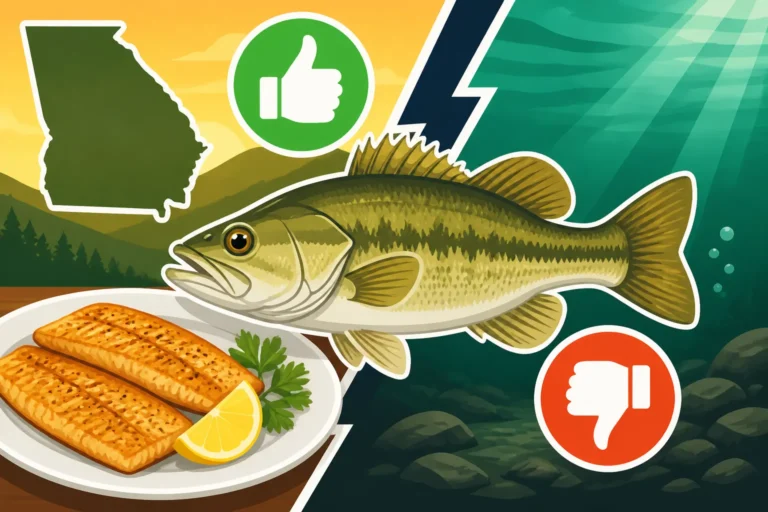
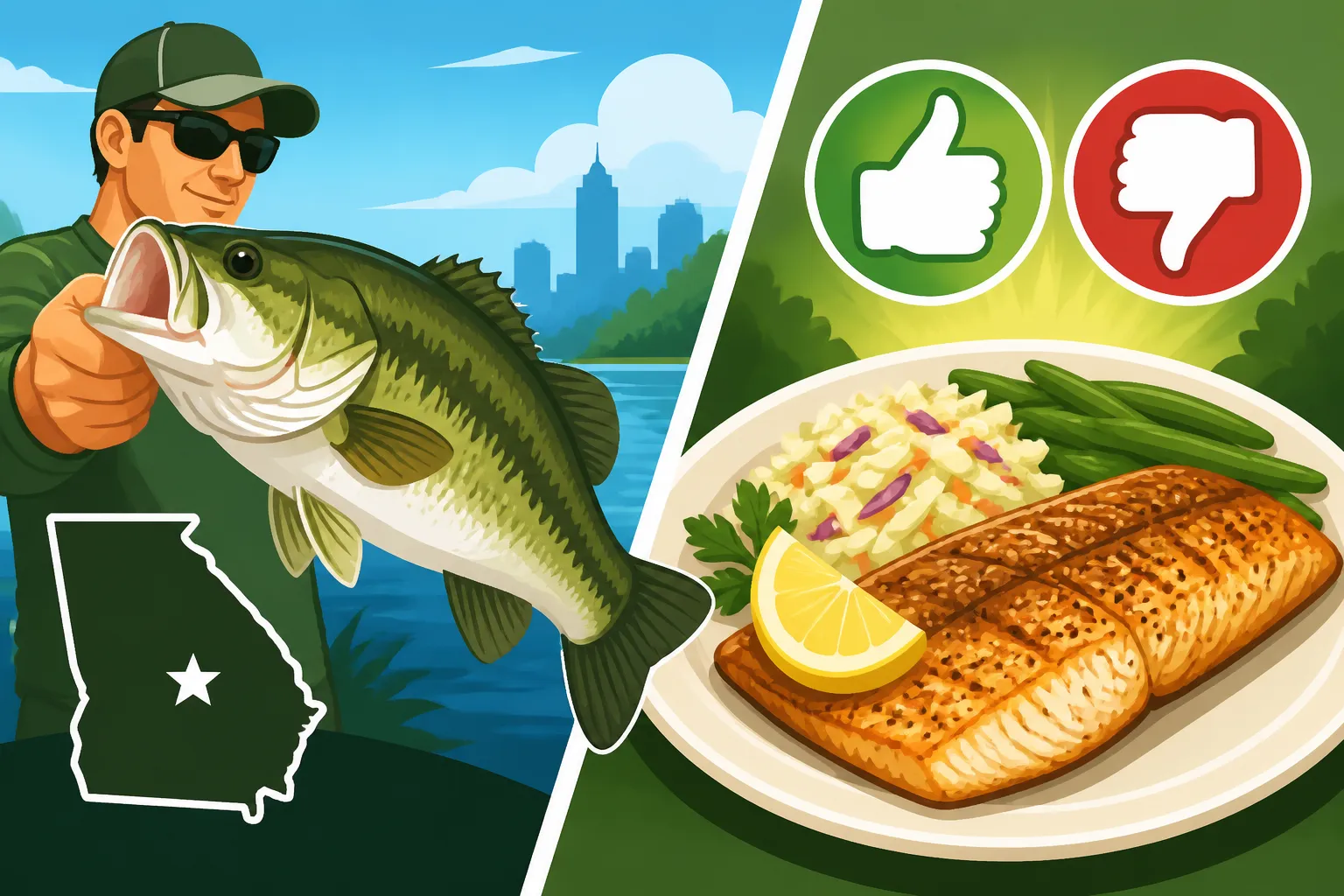
For many years, largemouth bass has been the undisputed king of freshwater sportfishing, particularly here in Georgia. Anglers spend countless hours honing their skills, chasing that trophy catch. But when it comes to bringing them home for dinner, opinions often seem divided. You'll hear some folks rave about a plate of crispy fried bass, while others might wrinkle their nose, claiming the meat is "muddy" or "gamey." This mixed reputation often stems from a few key factors that we'll explore, but let me assure you, a properly handled and prepared largemouth bass can be absolutely delicious.
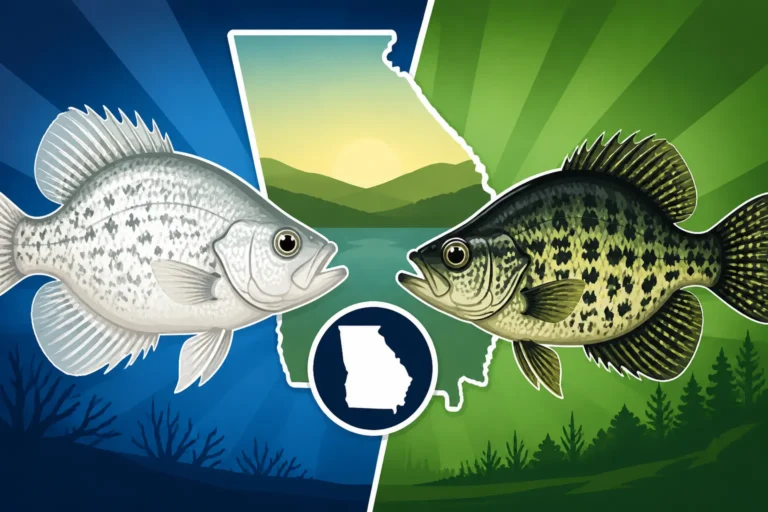
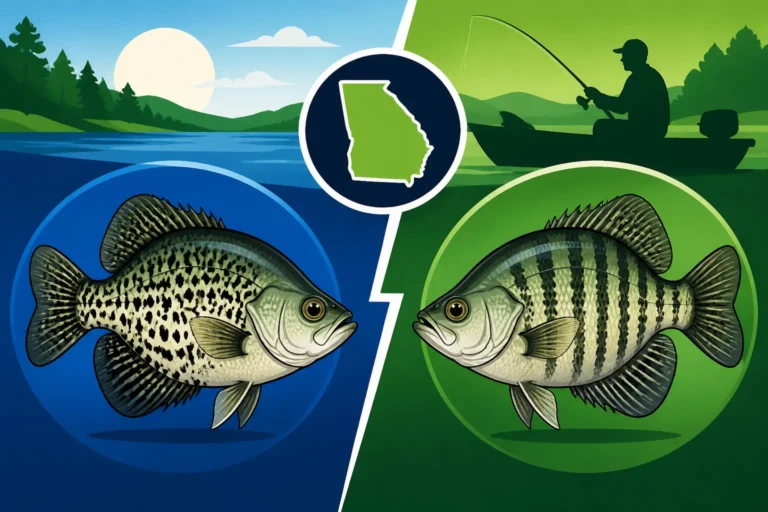
A lot of the perceived negativity surrounding largemouth bass as a food fish often comes from a comparison to other popular table fish like crappie or walleye, which are almost universally praised for their delicate flavor. It's true that a largemouth, especially a larger one, isn't going to have the same subtle taste as a crappie caught from deep, clear water. However, that doesn't mean it's inherently bad. It just means it's different. Think of it like comparing different cuts of beef – a tenderloin is distinct from a brisket, but both can be fantastic with the right preparation. The key is understanding what you have and how to best showcase its natural attributes.
Here in Georgia, with our abundance of lakes and rivers, largemouth bass are readily available. Whether you're fishing a sprawling reservoir like Lake Lanier or a smaller pond, you have the opportunity to catch fish that can make for a fantastic meal. The trick is knowing which fish to keep, and how to treat them once they're in the boat. Many anglers focus solely on the catch-and-release aspect, which is fantastic for conservation, but there's also a sustainable way to enjoy your bounty.
Understanding the Taste Profile and Texture
So, what exactly does largemouth bass taste like? Generally speaking, largemouth bass has a mild, somewhat flaky white meat. It's not as delicate as a crappie or bluegill, nor is it as firm or oily as a striped bass. The flavor is often described as subtly "fishy" but not overpowering, with a clean finish if the fish is sourced from good water and handled correctly. Some might detect a slight earthy note, which is where the "muddy" reputation can creep in, but this is usually a symptom of the fish's environment rather than an inherent quality of the species itself.
The texture is usually firm but tender, flaking nicely when cooked. It holds up well to various cooking methods, from frying and baking to grilling. Younger, smaller bass tend to have a more delicate texture and milder flavor compared to their larger, older counterparts. This is a crucial point many anglers overlook, often assuming a bigger fish automatically means a better meal, which isn't always the case with bass. A 1 to 2-pound bass is often considered the sweet spot for eating, offering the best balance of flavor and texture.
For those who are particularly sensitive to any "fishy" taste, soaking the fillets in milk or a brine solution for an hour or two before cooking can work wonders. This simple trick helps to draw out any lingering off-flavors, leaving you with even milder, cleaner-tasting meat. You can find plenty of food-grade buckets and containers suitable for brining on sites like Amazon, making the process a breeze whether you're at the lake house or back home. Don't let past negative experiences deter you; with a little care, largemouth bass can easily earn a spot on your dinner plate rotation.
Factors Affecting Flavor and Quality
The notion that all largemouth bass taste the same is simply not true. Just like any wild game, the environment in which a fish lives plays a massive role in its flavor and the overall quality of its meat. Think about how a deer's diet can influence the taste of its venison – fish are no different. Understanding these factors is key to knowing which bass to keep for the dinner table and how to ensure the best possible eating experience.
It's common to hear anglers complain about a "muddy" taste from bass, and while that can happen, it's rarely the fault of the species itself. Instead, it's a direct reflection of where that particular fish has been living and what it's been consuming. This is why some lakes or rivers in Georgia are known for producing better-tasting fish than others. It's all about the ecosystem.
For those who want to be selective, paying attention to these environmental cues can dramatically improve your success in bringing home a delicious meal. It's not just about size or fighting ability; it's about the culinary potential swimming beneath the surface. Knowing your fishing spots and the conditions there can give you a significant advantage. If you're looking for Best Fishing Spots in Georgia, keep in mind that water clarity and bottom composition can often hint at fish quality.
The Impact of Habitat and Diet
The diet of a largemouth bass is one of the biggest determinants of its flavor. Bass that primarily feed on smaller baitfish like shad, shiners, or bluegill, and insects tend to have a much cleaner, milder flavor. These fish are essentially eating a "clean" diet. Conversely, bass that spend a lot of time rooting around in muddy bottoms, consuming crustaceans, worms, or other bottom-dwelling organisms, can sometimes absorb those earthy flavors into their flesh. This is where the "muddy" taste often originates.
Water body type also plays a role. Bass caught from clear-water reservoirs with rocky or sandy bottoms, like some of our beautiful North Georgia lakes, are generally going to taste better than those from shallow, stagnant ponds with thick, silty bottoms. The type of forage available in these different environments directly impacts the fish's diet and, therefore, its taste. A bass from a healthy, thriving ecosystem with a diverse food chain and good water circulation is almost always going to be a superior eating fish.
Consider a bass caught in a clear, deep lake where they're actively chasing schools of baitfish in open water. Their diet is primarily protein-rich forage that is clean. Now compare that to a bass pulled from a shallow, murky pond with a thick layer of decaying vegetation on the bottom. That fish is likely consuming a lot more detritus and organisms that contribute to a stronger, earthier flavor. This isn't to say you can't get good fish from ponds, but it's a general rule of thumb to consider.
Water Quality and Its Role
Closely linked to habitat and diet is water quality. Clear, cool, well-oxygenated water generally produces the best-tasting fish. Poor water quality, whether due to excessive algae blooms, industrial runoff, or agricultural pollutants, can lead to off-flavors in the fish. Bass, like all fish, are constantly absorbing elements from their surroundings, and if those surroundings contain undesirable compounds, it can impact the taste of their flesh.
Stagnant water, especially in warmer months, can also contribute to a less appealing taste. Fish in these conditions might be under stress, which can affect their metabolism and ultimately the quality of their meat. Healthy fish from healthy waters are almost always the best option for the table. This is why many anglers have fantastic experiences with bass caught from trout streams or pristine reservoirs – these environments typically boast excellent water quality.
While we can't control the water quality of an entire lake, we can certainly choose where we fish. If you're targeting bass for a meal, seek out areas with good water clarity, healthy vegetation (not decaying muck), and a strong current if possible. These indicators often point to a healthier fish population and better-tasting fish. Always be mindful of local advisories regarding consumption from certain bodies of water, which are issued specifically to protect public health.
Size Matters: Smaller vs. Larger Bass
When it comes to eating largemouth bass, smaller is often better. Most seasoned anglers who enjoy eating bass will tell you that fish in the 1 to 2.5-pound range offer the best flavor and texture. These younger fish tend to have milder, flakier white meat with less of the stronger, sometimes "gamey," flavor associated with larger, older bass.
Larger bass, especially those over 4 or 5 pounds, are often older, have lived longer in their environment, and might have accumulated more contaminants or developed a stronger taste due to their more varied diet over the years. They also play a vital role in the breeding population, so many anglers prefer to practice catch-and-release with these larger, trophy-sized fish. You can learn more about Largemouth Bass Size and Growth in Georgia Lakes and why certain sizes are better for consumption.
Additionally, larger bass tend to have tougher meat that can be more difficult to prepare to a palatable tenderness. While you can eat them, they often require different cooking techniques, like slow cooking or stewing, to break down the muscle fibers. For a classic pan-fried or baked fillet, stick to the smaller, pan-sized bass. This practice also aligns well with conservation efforts, as it allows the larger, genetically superior fish to continue to reproduce and contribute to a healthy fishery. Always check Georgia Fish Size and Creel Limits before keeping any fish to ensure you're compliant with local regulations.
Best Practices for Catching and Preparing
So you've decided to keep a few pan-sized largemouth bass for dinner. Fantastic! Now, how do you ensure they taste their absolute best? The journey from hook to plate is crucial, and every step, from how you handle the fish immediately after the catch to the way you cook it, will impact the final flavor and texture. Sloppy handling can quickly turn a potentially delicious meal into something disappointing.
Think of it as a culinary adventure that starts the moment the fish bites. Just as a chef selects the freshest ingredients, an angler aiming for a delicious meal needs to prioritize the freshness and quality of their catch. Investing in a good cooler, sharp knives, and understanding basic fish anatomy will pay dividends. Many of these essential items, from quality fishing knives to insulated coolers, are readily available on platforms like Amazon, making it easy to stock up on the right gear.
Don't underestimate the power of proper technique. Even the best ingredients can be ruined by poor preparation. By following a few simple best practices, you can transform your largemouth bass into a meal that will impress even the skeptics and make them rethink their opinions on this great game fish.
Proper Handling from Catch to Cooler
The moment you land a bass you intend to keep, proper handling begins. The goal is to minimize stress and preserve the quality of the meat.
- Dispatch Quickly and Humanely: The fastest way to ensure good meat quality is to dispatch the fish quickly. A sharp blow to the head or a technique called "ikejime" (a spike to the brain) kills the fish instantly, preventing the buildup of lactic acid in the muscles, which can lead to a "gamey" taste.
- Bleed the Fish: This is a step many anglers skip, but it's incredibly important. Bleeding the fish removes blood from the flesh, which can contribute to a stronger, less desirable flavor. Simply cut the gills or sever the artery just behind the pectoral fins and let the fish bleed out in a bucket of water or directly into your cooler before it fully expires. This makes a noticeable difference.
- Get it on Ice Immediately: This is perhaps the most critical step. As soon as the fish is dispatched and bled, get it into a cooler filled with ice water (a slushy mix of ice and water is ideal). This rapidly chills the fish, slowing bacterial growth and preserving the freshness and firmness of the meat. Don't just throw them in a dry cooler; the ice water slush works much faster and more effectively. Ensure you have a good quality cooler for your day out, a crucial piece of gear that can be easily found on Amazon.
Following these steps will ensure your bass arrives at the cleaning table in the best possible condition, ready for filleting and cooking.
Cleaning and Filleting for Optimal Results
Once your bass is properly chilled, it's time to clean it. The goal here is to get clean, boneless fillets that are free from skin and any red meat.
- Sharp Fillet Knife: A sharp fillet knife is essential for clean cuts and minimizing waste. If your knife isn't razor-sharp, take a moment to sharpen it. You'll thank yourself later.
- Filleting Process:
- Lay the fish on its side. Make a cut behind the pectoral fin, down to the backbone.
- Turn your knife blade horizontally and run it along the backbone towards the tail, separating the fillet from the rib cage.
- Once the fillet is off the bone, lay it skin-side down. Carefully separate the skin from the meat by angling your knife slightly downwards towards the skin, moving it back and forth while holding the tail end of the skin firmly.
- Remove Red Meat and Fat: Largemouth bass, especially larger ones, will have a strip of reddish meat along the lateral line and sometimes some belly fat. This red meat and fat tend to have the strongest, most "fishy" flavor. It's best to trim this away cleanly. Use your sharp fillet knife to cut a shallow "V" shape along the lateral line to remove the red strip.
- Rinse and Store: Give your trimmed fillets a quick rinse under cold water to remove any scales or debris. Pat them dry with a paper towel and then immediately place them in airtight bags or containers. If you're not cooking them right away, store them on ice in the refrigerator or freeze them for later.
Taking the time to properly fillet and trim your bass ensures you're left with only the most desirable, mild-tasting white meat. You can find high-quality fillet knives and sharpening tools on Amazon to make this process easier and more efficient.
Popular Cooking Methods to Enhance Flavor
With fresh, clean largemouth bass fillets in hand, it's time to cook! The versatility of bass means you have many delicious options.
- Pan Frying: This is a classic for a reason. Dredge your fillets in seasoned flour, cornmeal, or a breadcrumb mixture, then pan-fry in a hot skillet with a shallow amount of oil (like peanut, canola, or vegetable oil) until golden brown and flaky. This method creates a delicious crispy crust and a tender interior. A little lemon wedge and tartar sauce are perfect accompaniments.
- Baking/Broiling: For a healthier option, baking or broiling is excellent. Place fillets on a baking sheet, brush with olive oil or melted butter, season with your favorite herbs (dill, parsley, lemon pepper work wonderfully), and bake at 375°F (190°C) or broil until cooked through and flaky, typically 10-15 minutes depending on thickness.
- Grilling: Grilling offers a fantastic smoky flavor. Marinate fillets briefly in a light dressing (lemon juice, olive oil, garlic, herbs) or simply brush with oil and season. Place them on a well-oiled grill over medium-high heat. Fish cooks quickly, usually 3-5 minutes per side. For delicate fillets, a fish grilling basket, available on Amazon, can prevent them from sticking or falling apart.
- Fish Tacos: Flaked, seasoned bass is incredible in tacos! Whether pan-fried, baked, or grilled, shred the cooked bass and serve in warm tortillas with your favorite slaw, salsa, and a squeeze of lime.
- Stewing/Soups: For larger, tougher cuts or if you have a lot of smaller pieces after filleting, incorporating bass into a fish stew, chowder, or gumbo can be delicious. The slower cooking methods tenderize the meat beautifully and allow it to absorb the flavors of the broth and other ingredients.
No matter your chosen method, avoid overcooking. Bass, like most white fish, becomes dry and tough if cooked too long. Cook until the fish just flakes easily with a fork.
How Largemouth Stacks Up Against Other Popular Game Fish
It's natural to wonder how largemouth bass compares to other fish you might commonly catch and eat. While taste is subjective, we can generally categorize fish by their flavor profile and texture. Here's a quick comparison of largemouth bass against some other popular freshwater species you might encounter in Georgia:
| Fish Species | Typical Flavor Profile | Texture | Best Eating Size | Common Preparation Methods |
|---|---|---|---|---|
| Largemouth Bass | Mild, subtly earthy (can be cleaner) | Firm, flaky | 1-2.5 lbs | Frying, baking, grilling, fish tacos |
| Crappie | Very mild, sweet, delicate | Very flaky, tender | 0.5-1.5 lbs | Frying (whole or fillets), baking, sautéing |
| Bluegill/Bream | Mild, sweet, delicate | Flaky, slightly firmer | Pan-sized (6-10 inches) | Frying (whole), baking |
| Catfish | Mild to moderate, earthy | Firm, dense | 1-5 lbs (Channel), larger (Blue) | Frying, baking, grilling, stewing, blackened |
| Trout (Rainbow) | Mild, fresh, slightly nutty | Flaky, tender | 0.5-2 lbs | Frying, baking, grilling, smoking, broiling |
| Striped Bass | Moderate, distinctly fishy, rich | Firm, steak-like | 5-15 lbs | Grilling, baking, smoking, searing, blackening |
As you can see, largemouth bass holds its own in terms of flavor and versatility. While it might not have the universal "sweet" reputation of crappie or bluegill, its firm, flaky meat makes it suitable for a wide range of cooking styles. It's often compared to snapper or even tilapia by some who have enjoyed it.
The key takeaway here is that largemouth bass isn't just a sport fish; it's a legitimate food fish. By understanding the factors that influence its taste and employing proper handling and preparation techniques, you can enjoy a delicious meal from your catch. Next time you're out on a Georgia lake, consider keeping a few smaller bass for the table. You might just discover a new favorite!
Always be sure to check Georgia Fishing Regulations Explained for any specific rules regarding creel limits or protected sizes in the body of water you're fishing. It’s also wise to refresh your knowledge on Basic Fishing Techniques Every Beginner Should Know if you’re relatively new to angling, as efficient handling starts with a good catch.
Disclaimer
This article is for general informational purposes only and does not constitute professional advice. Laws, prices and regulations vary by location and change over time. Consult a qualified professional for guidance on your specific situation.