Largemouth Bass vs Spotted Bass: Key Differences
It's a common scenario: you're out on a beautiful Georgia lake, your line goes tight, and you pull in a feisty bass. But then comes the moment of truth – is it a largemouth or a spotted bass? For many anglers, especially those new to Georgia's diverse waters, these two popular species can be tricky to tell apart at first glance. This comprehensive guide will clear up that confusion by diving deep into the key differences between largemouth and spotted bass, helping you identify your catch with confidence and understand their unique habits for more successful fishing trips.
Telling Them Apart: Physical ID Marks
When you've got a bass in hand, the quickest way to differentiate between a largemouth and a spotted bass often comes down to a few key physical characteristics. While they might share a similar overall shape and color palette, paying close attention to these tell-tale signs will make you an expert identifier in no time.
The Famous Jawline Test
This is arguably the most well-known and reliable method for distinguishing between these two species. If you've ever seen an experienced angler demonstrate this, you know how simple and effective it can be.
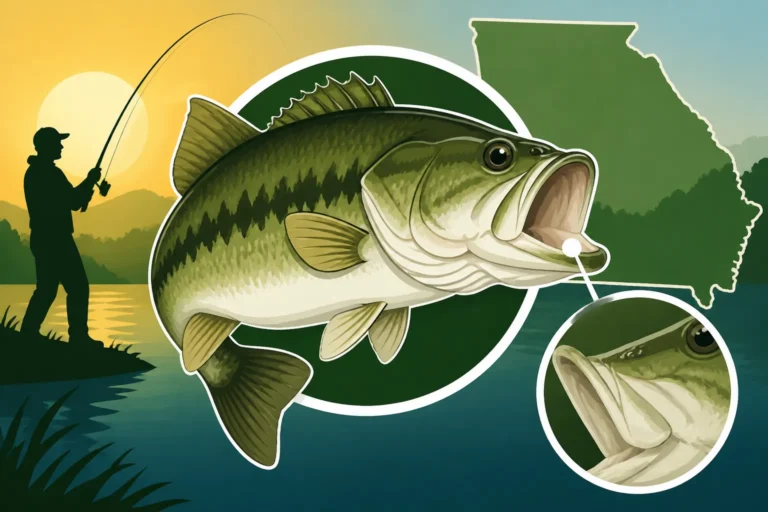
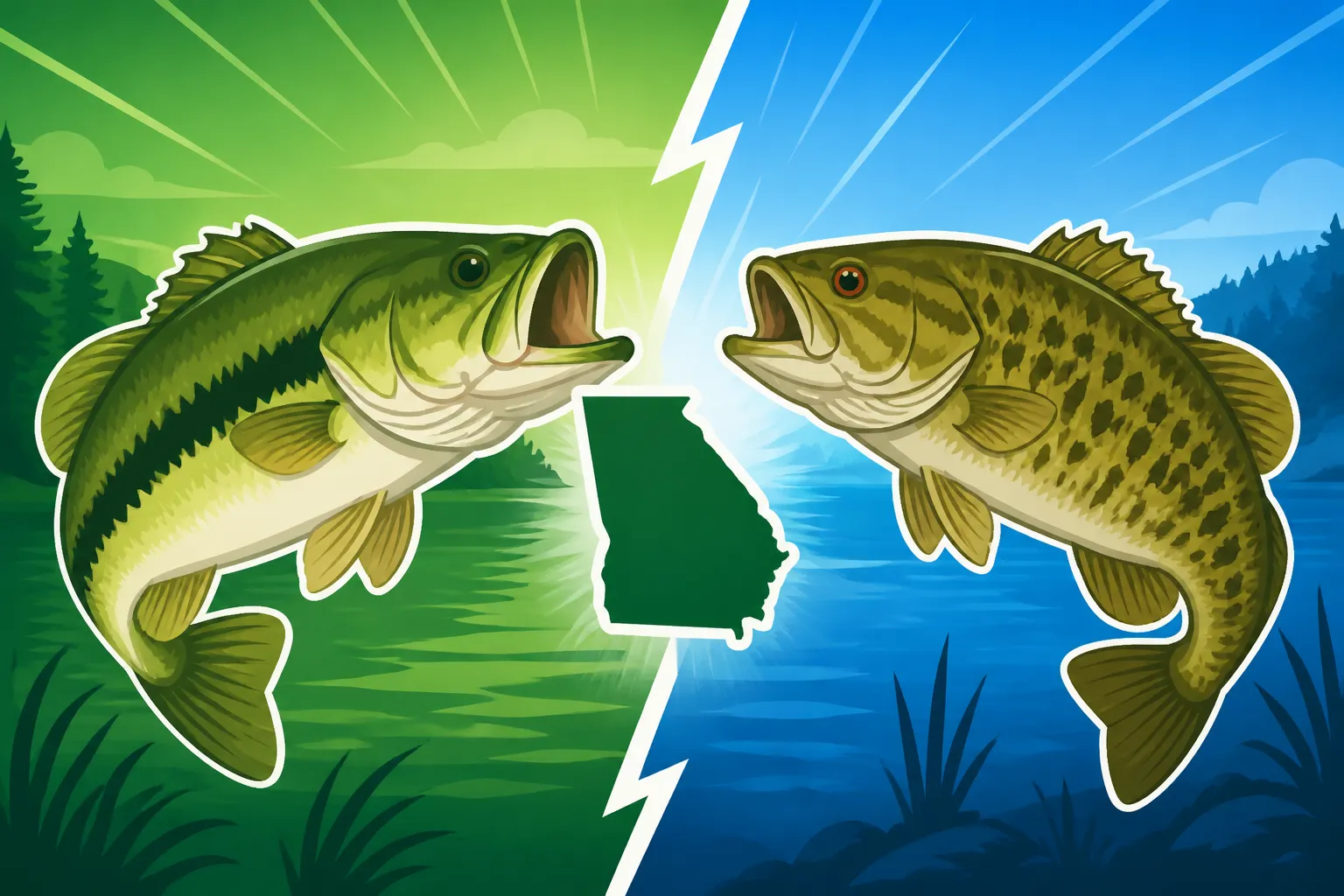
For a largemouth bass, if you close its mouth, the upper jaw (or maxillary) will extend noticeably past the rear edge of its eye. It's almost as if they have a slightly oversized mouth, giving them that classic "bucketmouth" appearance. This feature is a huge advantage for them in their preferred habitat, allowing them to engulf larger prey items with ease. Think about how a big largemouth can suck in an entire frog or a decent-sized baitfish – that jaw extension is key to that powerful vacuum.
Now, for the spotted bass, the story is quite different. When its mouth is closed, the upper jaw will typically not extend past the rear edge of the eye. In some cases, it might reach just to the middle of the eye or barely to the back, but it certainly won't overshoot it like a largemouth's. This more proportionate jawline is a strong indicator you're holding a spotted bass. It tells you a lot about their feeding style too – while still predatory, they're generally not built for gulping down the largest prey items quite like their largemouth cousins.
Distinct Lateral Line and Body Patterns
Beyond the jaw, the patterns and markings on their bodies offer another crucial set of clues. While individual fish can vary in coloration due to water clarity and diet, the fundamental patterns remain consistent. For a deeper dive, check out How to Identify a Largemouth Bass and Spotted Bass Identification: What Makes It Different.
The largemouth bass typically features a prominent, often broken, dark horizontal stripe running down its side, from its gills to its tail. This stripe can sometimes be very distinct, appearing almost as a continuous line, or it might be more patchy, especially on larger, older fish. Below this lateral line, the scales are usually lighter, often white or yellowish, giving them a distinct two-tone look. Their bodies tend to be more elongated and robust.
Spotted bass, true to their name, usually display distinct rows of dark spots below their lateral line. These spots are often arranged in somewhat regular, horizontal rows, creating a "checkerboard" or "spotted" appearance rather than a solid stripe. The lateral line itself can be more continuous but is usually accompanied by these tell-tale spots below it. Another dead giveaway for a spotted bass is often a rough patch of teeth on its tongue. If you gently feel the top of their tongue with your finger (carefully, of course!), a spotted bass will feel like sandpaper, whereas a largemouth's tongue will be smooth. This is a very reliable internal identifier that many experienced anglers use.
Dorsal Fin Separation
Another detail that often gets overlooked but can be quite helpful is the appearance of their dorsal fins. Both species have two dorsal fins, but how they connect (or don't connect) can be a useful clue.
On a largemouth bass, the two dorsal fins – the spiny front fin and the soft-rayed rear fin – are almost always deeply separated. Imagine it like two distinct fins, connected only by a very thin membrane or not at all. This deep notch is characteristic of the largemouth.
For a spotted bass, the dorsal fins are typically more connected, with a shallower notch between the spiny and soft-rayed portions. While there's still a division, it's not as pronounced as the largemouth's. It looks more like one long fin that dips in the middle rather than two separate structures. This might seem like a subtle difference, but once you know what to look for, it becomes quite clear.
Here’s a quick summary table to help you keep these distinctions straight:
| Feature | Largemouth Bass | Spotted Bass |
|---|---|---|
| Jawline | Extends past the rear edge of the eye | Does not extend past the rear edge of the eye |
| Body Pattern | Prominent, often broken, dark horizontal stripe | Rows of distinct dark spots below lateral line |
| Tongue | Smooth | Rough patch of teeth |
| Dorsal Fins | Deeply separated, distinct notch | More connected, shallower notch |
| Overall Build | Generally heavier, more robust | Often more slender |
Where They Live: Habitat Preferences
Understanding where these two bass species prefer to hang out in Georgia's diverse waterways is key to targeting them effectively. While you might occasionally find them in similar areas, their core habitat preferences are quite distinct, largely dictated by their biological needs and adaptations. This knowledge is invaluable, helping you choose the right fishing spots and techniques.
Largemouth Bass: The Lover of Cover and Still Water
The largemouth bass is undeniably the king of Georgia's lakes and ponds, thriving in environments that offer plenty of cover and calmer waters. When you think of a classic bass fishing spot, you're usually picturing largemouth territory.
They absolutely adore shallow, vegetated areas. This means places like coves with lily pads, docks, fallen trees, brush piles, and thick beds of hydrilla or milfoil. These areas provide them with excellent ambush points for prey and crucial protection from predators and harsh sunlight. Think of them as the ultimate "structure-oriented" fish. You'll find them lurking deep within the shade of a cypress tree in a quiet backwater, or hidden beneath a boat dock, ready to explode on an unsuspecting baitfish. Large reservoirs like Lake Lanier or Lake Oconee, along with countless smaller ponds and sluggish river oxbows, are prime largemouth habitat. They prefer water that's not too current-heavy, allowing them to conserve energy and set up ambushes. This preference for less current also means you'll often find them tucked into protected bays or creek arms rather than exposed main lake points where currents might be stronger. If you're looking for Largemouth Bass Fishing in Georgia: The Complete Species Guide, that article goes even deeper into their world.
Spotted Bass: The Current and Rock Dweller
Spotted bass, on the other hand, are the rebels of the bass family, preferring environments that might seem less appealing to their largemouth cousins. They're built for different challenges and thrive in a different kind of terrain.
You'll typically find spotted bass in clearer, deeper, and often rockier waters, particularly those with a noticeable current. They are far more comfortable in open water and around hard structure like rocky ledges, bluffs, deep points, humps, and submerged timber on main lake sections. While largemouth might hug the shallow banks, spotted bass often patrol deeper channels, drop-offs, and current breaks. Rivers like the Chattahoochee or the Flint, and deep, clear reservoirs, particularly those with a good current flow from dams, are classic spotted bass territory. They are less reliant on dense vegetation for cover and more on topographical features like rocks and ledges. This preference for current means they're often found below dams, in river bends, or on main lake points where water movement is more pronounced. They're more pelagic, meaning they spend more time in open water, often schooling up to chase baitfish. So, if you're fishing a deep, rocky point with some current, you're much more likely to hook into a spotted bass. For more on their hangouts, check out Where Spotted Bass Live in Rivers and Lakes.
How They Act: Behavior and Feeding Habits
The differences in habitat preference naturally lead to distinct behaviors and feeding habits for largemouth and spotted bass. Understanding these nuances will significantly improve your angling strategy, helping you choose the right lures and presentations to entice a strike.
Largemouth Bass: The Ambush Predator
The largemouth bass is the quintessential ambush predator. Their whole existence revolves around setting up shop in cover and waiting for an opportune moment to strike. They are masters of camouflage and patience.
They tend to be more solitary, especially the larger, older fish. A big largemouth will claim a prime piece of cover – a submerged log, a thick patch of hydrilla, a dark spot under a dock – and defend it fiercely. From this vantage point, they wait, perfectly camouflaged, for an unsuspecting meal to swim by. When they decide to strike, it's often an explosive, aggressive attack, characteristic of their "bucketmouth" design. They will eat a wide variety of prey, including baitfish (like shad and bluegill), crawfish, frogs, snakes, and even small birds or ducklings if the opportunity arises. This broad diet means they respond to a vast array of lures that mimic these food sources. Their feeding is often tied to sun position and shade lines, as they prefer to stay out of direct, harsh sunlight when not actively hunting.
This ambush style means they're often found in very specific, tight areas. If you find one largemouth in a piece of cover, there's a good chance that specific spot holds a bass, even if not a school of them. Their strikes are often powerful and immediate, leaving little doubt when you've got one on.
Spotted Bass: The Relentless Forager and Schooler
Spotted bass, in contrast, are often more active foragers and are far more prone to schooling. Their smaller size (generally) and preference for open water dictate a different hunting strategy.
Spotted bass are often found in schools, sometimes quite large ones, especially when actively feeding on baitfish. They will chase down prey in open water, utilizing their speed and schooling numbers to corral and overwhelm baitfish. While they will use structure like rock piles and ledges, they're less about hiding in it and more about using it as a current break or a place to ambush schooling bait. Their diet primarily consists of smaller baitfish, crawfish, and insects. Because their mouth isn't as large as a largemouth's, they tend to prefer smaller lures and baits. Many anglers find them to be incredibly aggressive for their size, often striking lures with a ferocity that belies their stature. It's not uncommon to catch multiple spotted bass from a single location, especially if you've located a schooling actively feeding. This makes them a fantastic target for anglers who enjoy consistent action. For tips on catching them, check out Spotted Bass Fishing in Georgia Lakes and Rivers.
Angler's Approach: Fishing Techniques and Gear
Given their distinct habitats and behaviors, it stands to reason that the most effective fishing techniques and gear choices will differ between largemouth and spotted bass. While there's certainly overlap, fine-tuning your approach for each species can lead to significantly better results.
Largemouth Bass Tactics: Targeting Cover and Ambush Points
Fishing for largemouth bass often involves precision casting and working lures through heavy cover. Your goal is to get your bait right into their ambush zone and trigger an immediate, reactionary strike.
Topwater lures are fantastic for largemouth, especially in low light conditions or over shallow vegetation. Frogs, poppers, and walking baits are excellent choices. Imagine working a frog lure right over a lily pad field, pausing it, and then watching a largemouth explode on it – there's nothing quite like it! Jigs, especially those with weed guards, and Texas-rigged or Carolina-rigged soft plastics (like worms and creature baits), are indispensable for fishing through dense brush, submerged timber, or thick grass beds. Flipping and pitching these baits silently into tight cover are key techniques. Crankbaits, particularly square bills, are effective for bumping off shallow wood or rocks. Spinnerbaits and chatterbaits also excel when largemouth are actively feeding in stained water or around sparse cover. For a comprehensive look at what works, read Best Lures for Georgia Largemouth Bass.
Your gear for largemouth often trends towards heavier action rods, baitcasting reels with strong line (braid or fluorocarbon), and robust hooks to pull fish out of thick cover. Finding a good Best Rod and Reel Combo for Largemouth Bass in Georgia is crucial for this style of fishing.
Spotted Bass Tactics: Deep Water and Finesse
Fishing for spotted bass often leans towards more open-water tactics, covering water, and employing finesse techniques, especially in deeper, clearer environments. They respond well to baits that mimic smaller forage and presentations that can reach depth.
Drop shot rigs, shaky head jigs with finesse worms, and small to medium-sized crankbaits (like jerkbaits or deep-diving models) are highly effective for spotted bass. These lures allow you to present a bait naturally in the water column or along deep structure where spotted bass often suspend or cruise. For instance, a drop shot rig is perfect for keeping a small worm right in the strike zone above a rocky bottom or a submerged hump. Small swimbaits are also excellent for imitating the baitfish that spotted bass love to chase in open water. When they're schooling on the surface, don't hesitate to throw a small topwater or a spoon to entice a bite. For targeting actively feeding schools of spotted bass, spoons or lipless crankbaits can be incredibly productive, especially if you can get them to "school up" and feed aggressively. Live bait, such as small minnows or crawfish, can also be deadly for spotted bass, particularly when fishing deep. If you're looking to stock up, many of these specialized baits can be found on Amazon.
Gear for spotted bass often includes medium to medium-light spinning rods, allowing for lighter lines (fluorocarbon or monofilament) and more delicate presentations. However, in larger lakes or rivers with strong currents, a medium-action baitcasting setup can also be effective, especially with deeper diving crankbaits. Finding the Best Tackle for Spotted Bass on Lake Lanier will give you an edge on those specific waters. Sometimes, a simple slip bobber rig with a small jig or live minnow can be just what a schooling spotted bass wants. You can find all sorts of fishing essentials, from various line types to specific hooks and weights, available conveniently on Amazon.
Timing Your Trip: Seasonal Considerations
While both species are active year-round in Georgia, their catchability and preferred locations can shift with the seasons. Understanding these seasonal patterns is another layer of expertise that can help you target either a largemouth or a spotted bass successfully. Knowing Seasonal Bass Fishing Patterns in Georgia will undoubtedly boost your success.
Largemouth Bass: Spawning and Cover-Oriented Cycles
Largemouth bass are highly influenced by water temperature, which dictates their spawning cycles and movement patterns throughout the year.
In early spring, as water temperatures begin to rise, largemouth move from their deeper winter haunts into shallower coves and protected bays to prepare for the spawn. This is a fantastic time for aggressive strikes on spinnerbaits, crankbaits, and jigs as they feed heavily. During the spawn itself, they'll be on beds in very shallow water, and sight fishing with soft plastics or jigs can be effective, though many anglers choose to leave spawning fish undisturbed. After the spawn, they'll often hold near shallow cover before transitioning to deeper offshore structure as summer heats up, seeking cooler water and baitfish schools. In summer, early mornings and late evenings are prime times for topwater action, while jigs and deep crankbaits work well during the day. As fall approaches and temperatures drop, they'll move back to shallower areas, often near creek mouths or points, to feed aggressively before winter, making spinnerbaits and crankbaits productive again. In winter, they'll typically move to deeper main lake points, humps, and creek channels, often becoming lethargic, requiring slower presentations like jigs and drop shots.
Spotted Bass: Current and Schooling Dynamics Throughout the Year
Spotted bass, due to their preference for current and open water, often exhibit different seasonal movements, though temperature still plays a role.
Like largemouth, spotted bass move shallower in spring for their spawn, but they often utilize rocky banks and points rather than dense vegetation. They can be found in 5-20 feet of water, often near current, making jigs and finesse baits effective. Post-spawn, they tend to quickly move back to deeper structure and schooling patterns. During the hot summer months, spotted bass are often found schooling in open water, chasing baitfish over deep humps, along main lake points, or in river channels. This is when deep-diving crankbaits, jigging spoons, and even topwater lures (when they "blow up" on bait near the surface) can be incredibly productive. Finding these schooling fish with electronics is a game-changer. You might even find yourself buying new sonar from Amazon to help track them down! As fall arrives, they continue their schooling behavior, often becoming even more aggressive as they feed up for winter, making them a fantastic target with a variety of moving baits. In winter, they'll reside in deep river channels and main lake areas, often suspending over baitfish schools. Vertical jigging or slow-rolling spoons and swimbaits can be effective then. Their preference for current means they're often more predictable in their movements along river bends and current breaks regardless of the season.
No matter which bass you're targeting, or if you're just enjoying a day on the water, understanding the subtle yet significant differences between largemouth and spotted bass will make you a more informed and ultimately more successful angler on Georgia's amazing fishing grounds.
Disclaimer
This article is for general informational purposes only and does not constitute professional advice. Laws, prices and regulations vary by location and change over time. Consult a qualified professional for guidance on your specific situation.