Best Bait for Channel Catfish in Georgia
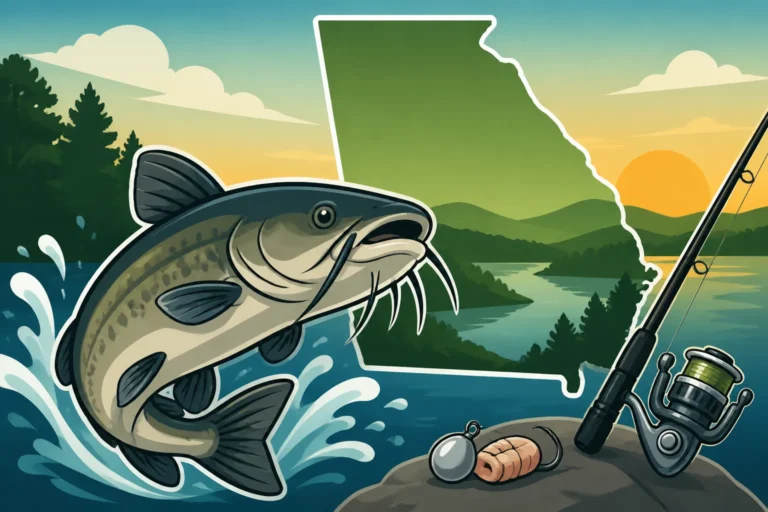
There’s nothing quite as satisfying as feeling that distinct tug on your line, the one that tells you a powerful channel catfish is on the other end. But let's be honest, sometimes you head out with high hopes and a tackle box full of "guaranteed" baits, only to come home empty-handed. It's frustrating when you know those whiskered warriors are lurking in Georgia's waters, but they just aren't interested in what you're offering. This guide is here to break down the mystery of what truly entices channel catfish in our beautiful state, helping you choose the best baits for consistent success.
Understanding Channel Catfish Habits in Georgia Waters
Before we dive into the smorgasbord of bait options, it’s crucial to understand what makes a channel catfish tick. These fish are opportunists, yes, but they also have distinct preferences and behaviors that influence what they’ll strike. Knowing their habits is half the battle when trying to figure out the Best Bait for Channel Catfish in Georgia.
Why Channel Catfish are So Popular and Challenging
Channel catfish are one of Georgia's most beloved sport fish, and it’s easy to see why. They're widespread, found in almost every major lake, river, and pond across the state, from the muddy bottoms of the Flint River to the sprawling reservoirs like Lake Sinclair and Lake Oconee. They put up a fantastic fight, and let's not forget, they’re absolutely delicious on the dinner table. However, their popularity doesn't mean they're always easy to catch. They can be finicky, especially when fishing pressure is high or environmental conditions change. Their keen sense of smell, barbels (those prominent whiskers!), and adaptable diet mean you need to be smart about your bait choice and presentation. Don't just throw out any old chunk of hot dog and expect instant results – while that can sometimes work, consistent success requires a bit more thought.
The Channel Catfish Diet: What They Naturally Crave
Channel catfish are true omnivores, meaning they'll eat just about anything they can fit in their mouths. This is great news for anglers because it means a wide variety of baits can be effective. In their natural habitat, they feast on a diverse menu that includes small fish, crayfish, insects, worms, mussels, and even plant matter. They are primarily bottom feeders, using their excellent sense of smell and those sensitive barbels to root out food in murky water or low light conditions. Think about this: if something smells strong and savory, a channel cat is likely to investigate. They aren't particularly picky, but they do respond exceptionally well to strong scents, especially those associated with decay or rich proteins. Understanding this helps us zero in on the types of baits that will mimic their natural food sources most effectively, or at least trigger their olfactory receptors!
Seasonal Feeding Patterns in Georgia
Just like us, channel catfish adjust their appetites and activities with the changing seasons in Georgia. What works like a charm in summer might get ignored in winter.
- Spring: As water temperatures rise, channel cats become incredibly active. This is often linked to the pre-spawn period when they're bulking up for reproduction. They're aggressively looking for high-protein meals. This is a fantastic time for robust, smelly baits.
- Summer: The heat of summer keeps them active, though they might retreat to deeper, cooler waters during the brightest parts of the day. Evening and night fishing become particularly effective. They're still hungry, but perhaps a bit more cautious. How to Catch Catfish at Night is a common question this time of year.
- Fall: As temperatures begin to drop, channel catfish enter another feeding frenzy, stocking up reserves for winter. They remain very responsive to strong baits.
- Winter: During the coldest months, their metabolism slows down significantly. They'll still eat, but they'll be less active and often prefer a less overwhelming, more natural presentation. Smaller, subtler baits might work better, and patience is key. Keep in mind that understanding these patterns is crucial for consistent catches.
The Best Baits for Channel Catfish in Georgia
Alright, let's get down to what you really came here for: the actual baits! There's a huge world of options, but some stand out as tried-and-true winners for Georgia's channel catfish.
Classic Stink Baits and Prepared Baits
When most people think of catfish bait, they think "stink bait," and for good reason! These concoctions are designed to appeal directly to a channel cat's incredible sense of smell.
- Punch Baits and Dip Baits: These are arguably the most popular category. Punch baits are thick, dough-like mixtures, often with a fibrous component like cheesecloth or cotton, that you "punch" your treble hook into. Dip baits are similar but often designed to be slathered onto a spongy worm or special plastic lure. Both are incredibly pungent and come in a dizzying array of scents – blood, cheese, garlic, shad, and even combination flavors. Brands like Catfish Charlie and Sonny's Stink Bait are mainstays for many Georgia anglers. You can find a huge selection of these, along with specialized bait holders, on online retailers like Amazon. The key here is the strong, long-lasting scent trail they leave in the water, drawing catfish in from a distance.
- Dough Balls and Commercial Pellets: While less "stinky" than their counterparts, commercial dough baits and pellets (like those used for trout or carp) can also be effective. They often have a strong aniseseed or fishmeal scent. They're generally cleaner to handle and can be a good option when fish are less aggressive or in clearer water where an overwhelming scent might spook them. They break down slower, offering a more sustained attractant.
Natural Baits from the Local Environment
Sometimes, the best bait is simply what the fish are already used to eating! These natural options can be incredibly effective, especially if you're fishing in a new spot or if the catfish are being particularly finicky.
- Worms (Nightcrawlers, Red Wigglers): The humble worm is an absolute classic for a reason. Earthworms and nightcrawlers are a natural part of a catfish's diet, and they provide movement and a subtle, earthy scent that's universally appealing. They're fantastic for bank fishing and are often the go-to bait for beginners or when fishing with kids. A big ball of nightcrawlers on a hook can be irresistible.
- Crayfish (Live or Dead): Crayfish are a major food source for channel cats in many Georgia rivers and lakes. If you can catch them locally, they make incredible bait. Live crayfish hooked through the tail or a piece of freshly dead crayfish can be deadly, especially in areas where they are abundant. Their natural scent and movement are hard to beat.
- Insects (Grasshoppers, Crickets): While perhaps more associated with panfish, larger insects like grasshoppers and crickets can also attract smaller to mid-sized channel catfish, especially in stream or pond environments. They offer a natural presentation and can be a fun bait to gather yourself. They're particularly good when cats are feeding closer to the surface or near vegetation.
Cut Baits: A Universal Catfish Favorite
If there's one category of bait that consistently produces big channel catfish, it's cut bait. The scent and oil that seep from cut fish are like a dinner bell for hungry cats.
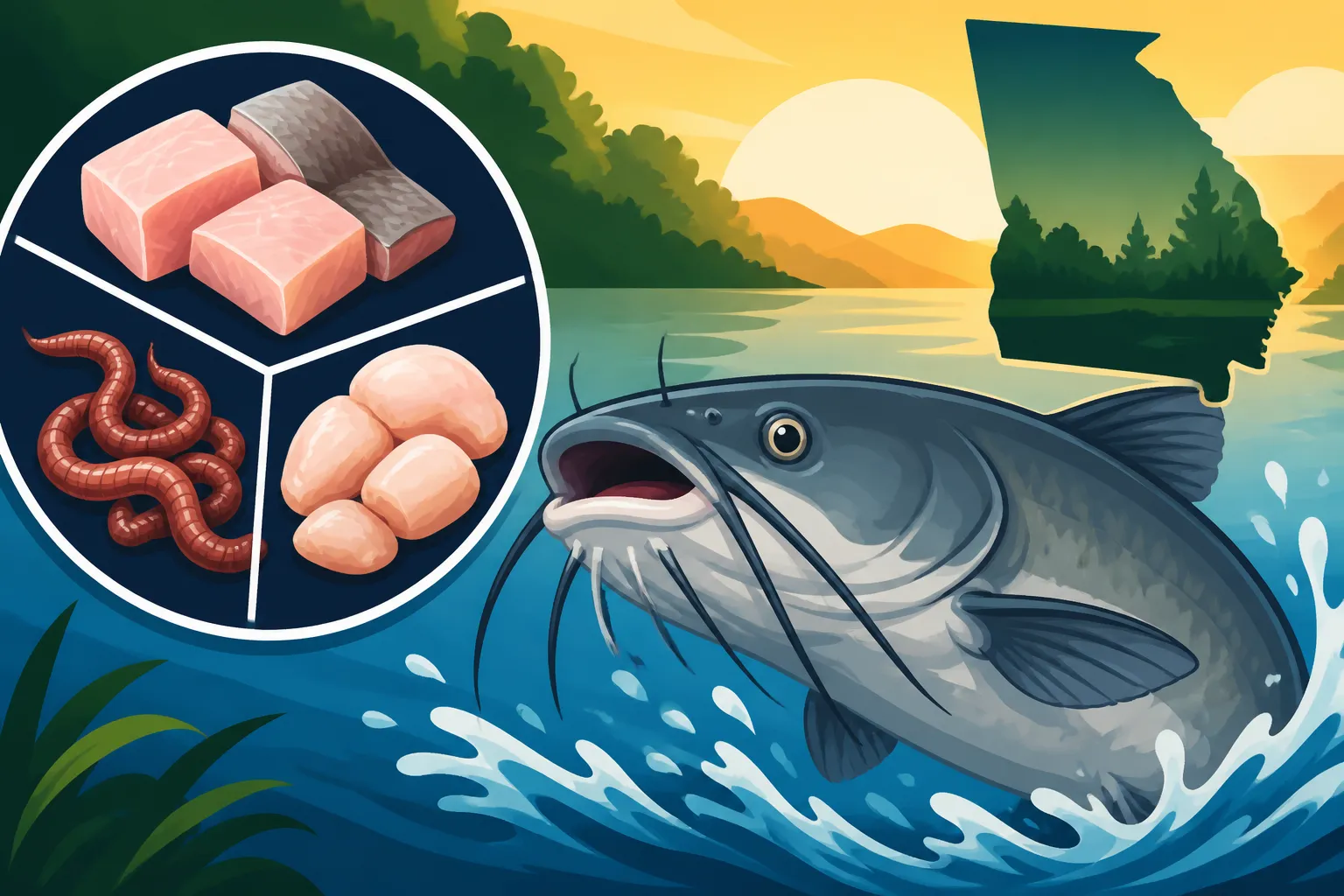
- Shad (Threadfin, Gizzard): Shad are perhaps the king of cut baits in Georgia. Both threadfin and gizzard shad are common forage fish in many of our reservoirs and rivers. Freshly caught shad, cut into chunks or strips, releases an oily, fishy scent that channel cats find irresistible. The fresher the better! If you have a cast net and know how to use it, catching your own shad can significantly increase your catch rate.
- Bream/Panfish (Bluegill, Perch): Small bluegill or other panfish, cut into chunks, are another phenomenal bait. These are also readily available in most Georgia waters. The key is to use legal-sized panfish, check your local regulations, and cut them into sections appropriate for the size of catfish you're targeting. The head section, with its strong scent glands and cartilage, is often a favorite.
- Chicken Livers and Gizzards: Ah, the legendary chicken liver! This bait has probably caught more channel catfish than any other. Its soft texture, strong blood scent, and affordability make it a go-to for many anglers. It can be a bit messy to work with, but its effectiveness is undeniable. Chicken gizzards, being tougher, stay on the hook better and also emit a good scent. You can often find large tubs of chicken livers at local grocery stores, making them super convenient. Consider adding a bit of garlic powder to them for an extra kick!
Here's a quick comparison of some popular channel catfish baits:
| Bait Type | Scent Strength | Durability on Hook | Common Application | Pros | Cons |
|---|---|---|---|---|---|
| Punch/Dip Baits | Very High | Low to Medium | Still fishing, ledger rigs | Strong attractant, easy to use (with tools) | Messy, can come off easily |
| Worms | Medium | Medium | Bottom rigs, float fishing, all-around | Natural, universally appealing, easy to find | Attracts smaller fish, less strong scent |
| Cut Shad/Bream | High | Medium to High | Bottom rigs, jug fishing, trotlines | Natural forage, highly effective for big cats | Requires fresh fish, can be messy |
| Chicken Livers | High | Low | Still fishing, short casts | Extremely attractive, readily available | Very messy, comes off hook easily |
| Crayfish (Live/Dead) | Medium | High | Bottom rigs, areas with rocky bottoms | Natural prey, good movement (live) | Harder to acquire, legal restrictions apply |
Rigging Your Bait for Success
Choosing the right bait is a huge step, but how you present that bait makes all the difference. A perfectly selected bait is useless if it's not rigged correctly. For more in-depth information on techniques, check out How to Bottom Fish for Catfish.
The Basic Bottom Rig
This is the bread and butter of channel catfish fishing, simple yet incredibly effective. It's designed to keep your bait directly on the bottom where channel cats typically feed.
- Components: You'll need a hook (usually a circle hook or J-hook, size 2/0 to 5/0 depending on bait and target fish), a swivel, a leader line (often fluorocarbon or monofilament, 12-24 inches), and a weight (egg sinker, pyramid sinker, or bank sinker).
- Setup: Tie your main line to one end of the swivel. On the other end of the swivel, tie your leader line. At the end of the leader, tie your hook. The weight can be fixed above the swivel (for a snelled hook setup) or, more commonly, allowed to slide freely on the main line above the swivel. This latter setup is called a Carolina Rig for catfish.
- Why it Works: The weight gets your bait down to where the catfish are. If the weight slides freely, the fish can pick up the bait and move off without feeling the resistance of the weight, giving you a better hook set and preventing them from dropping the bait.
Slip Sinker Rigs for Sensitive Bites
For those times when the catfish are being shy, a slip sinker rig can be your secret weapon. This rig is designed to minimize resistance, making it harder for the fish to detect your line. We have a great resource on How to Rig a Slip Sinker for Catfish that goes into more detail.
- Components: Main line, egg or bullet sinker, bead, barrel swivel, leader line, and hook.
- Setup: Thread your main line through the egg sinker, then add a small bead (to protect the knot). Tie your main line to one eye of the barrel swivel. To the other eye of the swivel, tie a 12-24 inch leader, and finally, attach your hook to the end of the leader.
- Advantages: When a catfish takes the bait, the line slides freely through the sinker. The fish feels almost no resistance, often leading to a more confident bite and a better hookup. This is particularly effective with live or cut baits where the fish might mouth the bait before committing.
Jug Fishing and Trotlines: Advanced Techniques
For anglers looking to cover more water and potentially catch multiple fish, jug fishing and trotlines are popular techniques in many Georgia waters. However, they come with specific regulations you absolutely must understand. You can find out more in our guides on How to Jug Fish for Catfish and How to Set a Trotline for Catfish.
- Jug Fishing: This involves setting multiple individual lines, each tied to a floating jug (often a milk jug or pool noodle). The line usually has a weight and a hook, and it floats freely, allowing currents to carry it. This method covers a lot of area and can be very exciting when a jug starts dancing!
- Trotlines: A trotline is a longer main line strung across a body of water or suspended from buoys, with multiple baited hooks attached at intervals. It's a passive fishing method, allowing you to set it and check it periodically.
- Regulations: Both jug fishing and trotlines have strict rules regarding the number of lines, hooks per line, and identification requirements. Always check the Georgia Department of Natural Resources regulations before deploying these methods. They are fantastic for harvesting a good number of channel cats, but only if done legally and responsibly.
Tips for Maximizing Your Catfish Catch
Beyond bait and rigging, a few other factors can significantly impact your success when targeting channel catfish in Georgia. It’s all about putting the pieces together.
Timing and Location are Key
You can have the best bait and rig in the world, but if you're not where the fish are, or when they're feeding, you'll struggle.
- Prime Fishing Times: While channel cats will bite all day, they are often most active during low-light periods: dawn, dusk, and throughout the night. Their excellent sense of smell gives them an advantage in the dark. Do Catfish Bite Better After Dark? is a question often asked for good reason!
- Finding the Right Spots: Look for structure. This could be creek channels, submerged timber, rock piles, sudden depth changes, or even bridge pilings. In rivers, look for eddies, deep holes, or areas with slower current adjacent to faster flow. In lakes, focus on humps, points, and old riverbeds. Often, the transition zones between different types of bottom, or areas where current delivers food, are hotspots. For specific recommendations, check out Best Catfish Fishing Spots in Georgia.
Presenting Your Bait Effectively
How you cast, where you land your bait, and how long you leave it there all matter.
- Casting Accuracy: Try to cast to areas you suspect hold fish. This might mean getting your bait right against a log or into a deep channel. If you're bank fishing, fan casting (casting to different spots in a fan pattern) can help you locate where the fish are holding.
- Patience is a Virtue: Catfish are not always aggressive biters. Sometimes they'll "mouth" the bait or take it slowly. Give them time to take the bait fully before setting the hook, especially with a circle hook. If you're using a slip sinker, watch for a slow, steady pull on your line rather than a sudden jerk.
- Re-baiting: Don't be afraid to check and re-bait frequently, especially with softer baits like chicken livers or if you're getting nibbles from smaller fish. A fresh, potent bait is always more appealing.
Experimentation is Your Best Friend
No two fishing days are exactly alike, and what worked yesterday might not work today. This is where being adaptable comes in.
- Vary Your Baits: If one bait isn't producing, try another. Bring a selection of stink baits, cut baits, and natural options. Sometimes the catfish develop a preference for a particular scent or texture on a given day.
- Change Depths and Locations: If you're not getting bites at one depth, try moving your bait shallower or deeper. If a spot is dead, move to another. Don't be afraid to explore different areas of a lake or river; channel catfish are often found in diverse habitats.
- Listen to Local Knowledge: Talk to other anglers at the boat ramp or bait shop. They often have invaluable insights into what's been working recently in specific areas. And remember, sometimes the "secret" bait is just a fresh, well-presented common bait. Good luck, and happy catfishing in Georgia!
Disclaimer
This article is for general informational purposes only and does not constitute professional advice. Laws, prices and regulations vary by location and change over time. Consult a qualified professional for guidance on your specific situation.