Georgia’s Three State Fish: Largemouth Bass, Brook Trout, and Redfish
It’s easy to get lost in the sheer abundance of incredible fishing opportunities here in Georgia, from our vast freshwater lakes to our rushing mountain streams and bountiful coastal waters. But with all that diversity, have you ever stopped to wonder which fish truly represent our state? Many anglers might know a few local favorites, but few are aware that Georgia officially celebrates three distinct fish species as its very own state symbols. This comprehensive guide is going to take a deep dive into each of these fascinating fish, celebrating their unique characteristics, habitats, and the profound role they play in Georgia's rich angling culture.
Understanding Georgia's State Fish
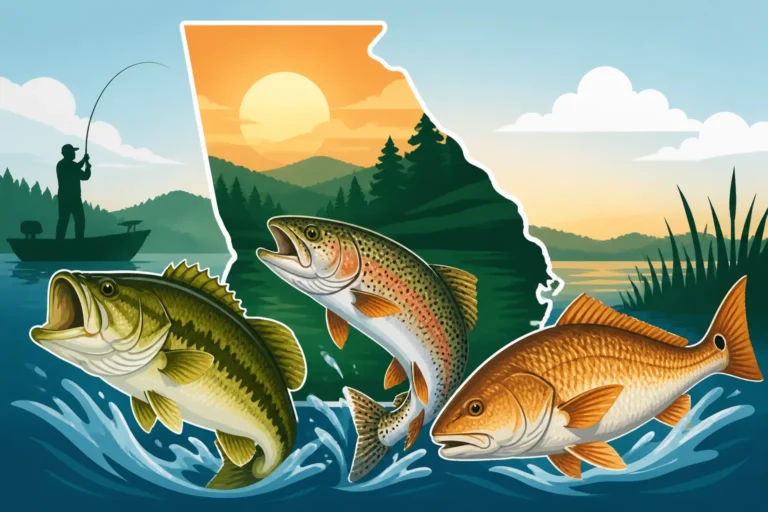
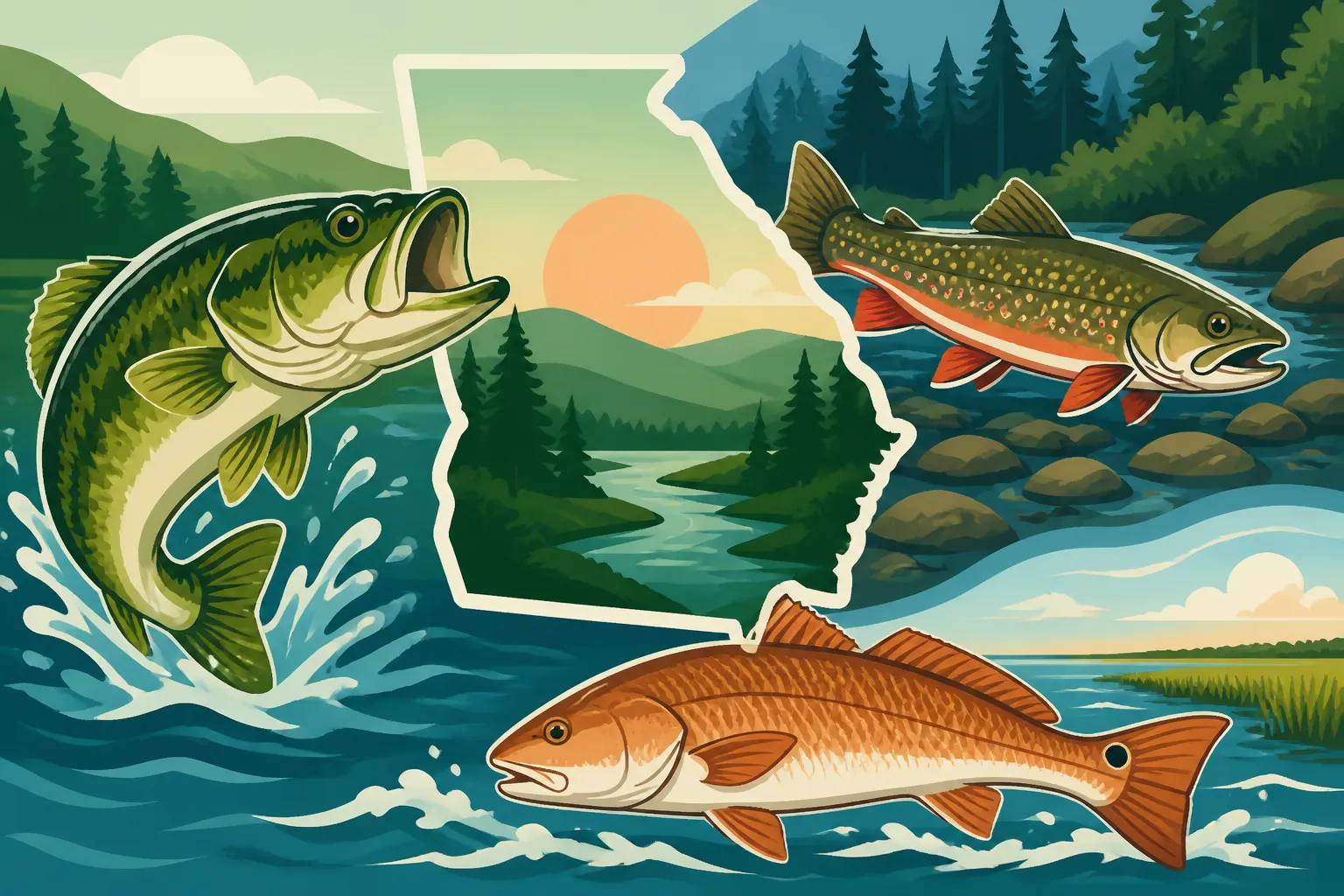
Georgia is truly unique in that it honors not one, but three distinct fish species as its official state fish. This isn't just a quirky fact for trivia night; it's a testament to the incredible diversity of our aquatic ecosystems, from the clear, cold waters of the Appalachian foothills to the murky, tidal estuaries of the Atlantic coast. It reflects a deep appreciation for the varied angling experiences that Georgia offers, ensuring that all our prized fishing environments are recognized.
Why Three State Fish?
The decision to designate three state fish stems from Georgia’s diverse geography and the distinct ecosystems it encompasses. We have a vibrant freshwater scene, dominated by impressive lakes and rivers, which is where the Largemouth Bass reigns supreme. Then, there's the breathtaking beauty of North Georgia's mountains, home to native trout species, with the Brook Trout standing out as our only truly native trout. Finally, our Atlantic coastline, with its sprawling salt marshes and barrier islands, is a world unto itself, celebrated by the powerful Redfish. By recognizing all three, Georgia acknowledges the full spectrum of its natural beauty and fishing heritage, giving a nod to the different environments that make our state an angler's paradise. It’s a way of saying, "We love it all, and it's all important."
The Significance of Official Recognition
Designating these fish as official state symbols does more than just fill a spot in a history book. It elevates their status, bringing a heightened awareness to their importance, both ecologically and culturally. For the Largemouth Bass, it reinforces its role as the quintessential sportfish, driving countless fishing tournaments and local economies. For the Brook Trout, it shines a spotlight on the delicate health of our mountain streams and the need to protect these pristine environments, particularly those supporting native populations. And for the Redfish, it underscores the value of our coastal habitats, which are crucial nurseries for so many marine species. This official recognition often translates into more focused conservation efforts, educational programs, and a greater sense of pride among Georgia's angling community. It tells us which fish are most critical to our state's identity and future fishing success.
The Mighty Largemouth Bass: Georgia's Freshwater Icon
When you think of fishing in Georgia, chances are the Largemouth Bass is one of the first fish that comes to mind. It's not just a fish; it's an institution, a symbol of perseverance, and the ultimate freshwater challenge for countless anglers. Its aggressive strikes and powerful fights have cemented its place in the hearts of Georgians, making it a true freshwater icon. The stories of landing a trophy largemouth are the kind that get passed down through generations, often embellished with each telling.
Identification and Characteristics
The Largemouth Bass (scientific name: Micropterus salmoides) is instantly recognizable to most anglers. It typically has a dark green to olive back, fading to lighter green or yellowish sides, and a white belly. A distinctive dark, irregular lateral stripe often runs along its sides, sometimes breaking into blotches. The most defining feature, and the one that gives it its name, is its incredibly large mouth, with the upper jaw extending beyond the rear edge of its eye when closed. They have a deep, stout body, designed for powerful bursts of speed.
In terms of size, Largemouth Bass in Georgia can range from small "keepers" weighing a pound or two, up to true giants that tip the scales into the double digits. The state record, a legendary 22 pounds, 4 ounces caught way back in 1932, is a testament to the immense size these fish can achieve in our rich Georgia waters. These fish are relatively fast growers, especially in fertile reservoirs, reaching maturity quickly and providing excellent sport for anglers of all skill levels. For a more comprehensive look, check out Largemouth Bass Fishing in Georgia: The Complete Species Guide.
Preferred Habitats and Behavior
Largemouth Bass are masters of adaptation and can be found in a wide variety of freshwater environments across Georgia. They thrive in lakes, ponds, rivers, and reservoirs, showing a strong preference for areas with plenty of cover. Think submerged timber, docks, weed lines, lily pads, rock piles, and brush. These structures provide them with ambush points for hunting prey and protection from predators. They are particularly fond of warmer, shallower waters, especially during the spring spawn and throughout the summer months.
Their behavior is largely dictated by water temperature and the availability of food. In spring, they move into the shallows to spawn, becoming highly territorial and aggressive. During the heat of summer, they might retreat to deeper, cooler waters during the day but emerge to feed in the shallows during dawn and dusk. Fall sees them actively feeding, bulking up for winter, and can be a fantastic time for active fishing. Winter causes them to slow down and hold in deeper, more stable temperature zones. Understanding these seasonal patterns is key to consistent success.
Fishing Techniques for Largemouth
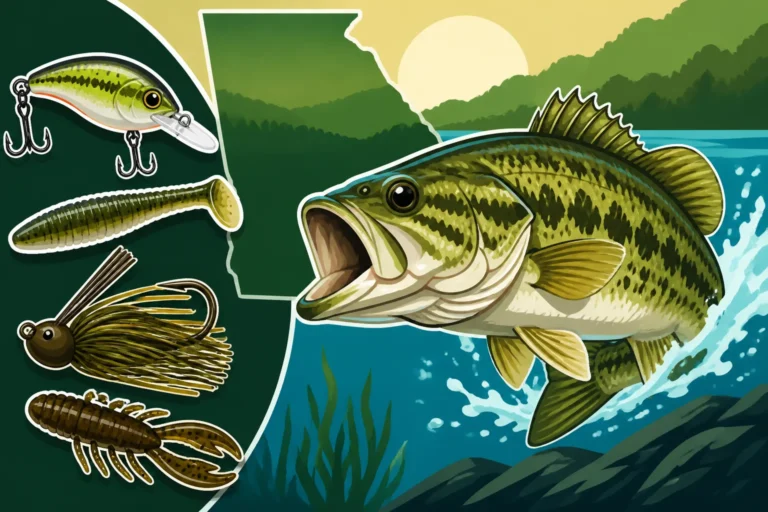
Catching Largemouth Bass is as much an art as it is a science, and anglers employ a vast array of techniques to entice these feisty fish. For many, casting artificial lures is the preferred method, and there’s a dizzying selection available. Spinnerbaits are fantastic for covering water and triggering reaction strikes, especially around submerged cover. Crankbaits, designed to mimic baitfish, are excellent for probing different depths and are effective in a variety of conditions. Soft plastic worms and jigs, fished slowly and meticulously, can be deadly when bass are holding tight to structure or are less active. You can find a wide selection of these lures, as well as rods and reels, on platforms like Amazon.
Live bait, such as shiners or small bluegill, can also be incredibly effective, especially for targeting larger, more lethargic bass. The key to success often lies in "matching the hatch" – choosing a lure or bait that closely resembles what the bass are naturally feeding on in that particular body of water. Heavy cover often calls for stout rods and strong line to muscle fish out of snags. Best Rods and Reels for Georgia Fishing can help you choose the right setup.
The Elusive Brook Trout: Georgia's Native Mountain Gem
Venture into the pristine, cold-water streams of North Georgia's Appalachian Mountains, and you might just encounter one of our state's most cherished and elusive fish: the Brook Trout. This beautiful char is a true indicator of healthy, untouched wilderness and holds a special place in the hearts of fly anglers and conservationists alike. It represents the wild spirit of our high-country waterways.
Identification and Unique Traits
The Brook Trout (Salvelinus fontinalis) is arguably one of the most strikingly beautiful fish in Georgia. Its back is usually olive green with distinctive worm-like markings, often called "vermiculations," that are lighter in color. Its sides are speckled with red dots surrounded by blue halos, a feature unique to the brook trout. The lower fins – pelvic, pectoral, and anal – are typically reddish-orange with a crisp white leading edge, often followed by a black stripe, making them truly stand out.
What makes the Brook Trout truly unique in Georgia is its native status. Unlike Rainbow and Brown Trout, which were introduced to our waters, Brook Trout are the only trout species indigenous to Georgia. This means they've been here for millennia, evolving with our mountain streams, and their presence is a sign of a truly wild, untainted ecosystem. While they don't grow to the massive sizes of some other trout or bass, their vibrant colors and the challenge of catching them in their natural habitat make them a highly prized catch. For more details on this special fish, read Brook Trout: Georgia's Only Native Trout Species.
High-Altitude Habitats and Survival
Brook Trout are cold-water specialists, absolutely dependent on clean, clear, and exceptionally cold water to survive and thrive. This is why you'll primarily find them in the highest elevations of North Georgia's mountain streams and headwaters, often nestled in dense forests where canopy cover keeps water temperatures consistently low. These small, freestone streams are typically characterized by rocky bottoms, swift currents, and plenty of oxygen.
Their survival is intimately tied to the health of these delicate ecosystems. Any degradation, such as deforestation leading to increased water temperatures, siltation from erosion, or pollution, can severely impact their populations. They are incredibly sensitive to changes in their environment, making them a crucial indicator species for the overall health of our mountain wilderness. Their preference for these remote, unspoiled areas often means an adventure just to reach their haunts, adding to their mystique. Protecting these habitats is a continuous effort that ensures these native gems continue to grace our streams for generations.
Fishing Strategies for Brook Trout
Fishing for Brook Trout in Georgia is a truly immersive experience, often requiring a hike into remote wilderness areas where the streams are small and overgrown. Fly fishing is the most popular and often most effective method, using lightweight rods and delicate presentations. Small dry flies, mimicking terrestrial insects or emerging aquatic insects, are often deadly, as are small nymphs drifted naturally along the stream bottom. Presentation is paramount; these fish are easily spooked in their clear, shallow habitats.
Spin fishing can also be successful, but typically requires ultra-light tackle and small lures like inline spinners or tiny spoons. Live bait, such as small worms, can work but is often discouraged in sensitive native trout waters to minimize impact and reduce incidental harm. The challenge isn't usually the fish's fighting power (they are small, after all), but the art of stealthily approaching a pristine pool, making a precise cast, and then gently coaxing a strike. It’s an experience that connects you deeply with the wilderness. For general information on trout species, you can consult Georgia Trout Fishing: Rainbow, Brown, and Brook Trout Explained.
The Coastal Champion Redfish: Georgia's Saltwater Star
When we shift our focus from the mountain streams and freshwater lakes to Georgia's stunning coast, a different kind of champion emerges from the saltmarsh estuaries: the Redfish. This powerful, copper-colored sportfish is synonymous with saltwater angling in Georgia, offering thrilling sight-fishing opportunities and hard-pulling fights. It perfectly represents the wild and untamed beauty of our coastal ecosystem.
Distinctive Features and Growth
The Redfish (Sciaenops ocellatus), also commonly known as Red Drum, is easily identified by its vibrant, coppery-bronze to reddish-brown coloration on its back and sides, fading to a lighter belly. Its most defining feature is the prominent black spot (or sometimes multiple spots) located at the base of its tail. This spot is often thought to mimic an eye, confusing predators. They have a relatively elongated body, a large, downward-angled mouth, and powerful fins built for navigating strong currents and making explosive runs.
Redfish can vary greatly in size, from smaller "rat reds" measuring under 20 inches to massive "bull reds" that can exceed 40 pounds and well over 40 inches in length. Our coastal waters are renowned for producing impressive redfish, with the larger specimens often found in deeper channels or offshore. They are relatively long-lived and grow quite large, making them a prized catch for both their sporting qualities and, for those who choose to keep them within slot limits, their table fare. Learn more about this dynamic species in Redfish: One of Georgia's Three State Fish.
Estuarine Environments and Feeding Habits
Redfish are perfectly adapted to the dynamic and nutrient-rich estuarine environments of Georgia's coast. They thrive in the vast network of salt marshes, tidal creeks, shallow flats, and oyster beds that characterize our barrier island ecosystems. These areas provide abundant food sources and protection from larger offshore predators. Redfish are often found "tailing" in super shallow water during high tides, with their tails sticking out of the water as they root through the grass and mud for crabs, shrimp, and small fish.
They are opportunistic feeders with a diverse diet. Juvenile redfish primarily feed on small crustaceans like shrimp and crabs, as well as marine worms. As they grow, their diet expands to include a wider variety of crabs, larger shrimp, and numerous species of baitfish, such as mullet and menhaden. Their strong sense of smell and their downward-facing mouth are perfectly suited for foraging along the bottom, but they are also known to chase down schools of baitfish in open water. Their feeding behavior makes them an exciting target for sight-fishing anglers.
Angling for Redfish
Fishing for Redfish in Georgia's coastal waters offers a diverse range of experiences, from patient sight-fishing on shallow flats to casting into deeper channels. For many, the thrill is stalking tailing reds in skinny water during an incoming tide, casting a weedless soft plastic lure or fly directly in their path. This requires stealth, accuracy, and quick reflexes. Popular artificial baits include jig heads with soft plastic shrimp or paddle-tail lures, spoons, and topwater plugs. You can find a wide array of specialized saltwater lures and tackle on popular online retailers like Amazon.
Live bait is also incredibly effective, with shrimp, fiddler crabs, and finger mullet being top choices. These can be fished on a simple Carolina rig or under a popping cork, especially when fishing deeper channels or around oyster beds. Fly fishing for redfish is a growing passion, requiring powerful rods and flies that mimic shrimp or baitfish. Whether you're in a poling skiff, kayak, or wading the flats, the pull of a strong redfish is an unforgettable experience. For more information on where to find these coastal giants, check out Coastal Georgia Fishing Spots Guide.
Conservation and Management: Protecting Georgia's Treasures
With such diverse and beloved state fish, the responsibility to protect and manage these resources for future generations falls squarely on our shoulders. Georgia's commitment to conservation ensures that these iconic species continue to thrive in their natural habitats. It’s a delicate balance of allowing recreational opportunities while safeguarding the populations.
The Role of Georgia Wildlife Resources Division
The Georgia Wildlife Resources Division (WRD) plays a critical role in the conservation and management of all three of Georgia's state fish. For Largemouth Bass, the WRD conducts extensive research on population dynamics, monitors fish health, and implements stocking programs in various reservoirs and public fishing areas. They also manage creel limits and size restrictions, such as the 14-inch minimum length limits on certain reservoirs, to ensure sustainable fisheries. Their efforts are designed to maintain healthy bass populations that can support both recreational fishing and the natural ecosystem.
For Brook Trout, the WRD focuses heavily on habitat protection and restoration in North Georgia's sensitive mountain streams. This often involves working with landowners to improve stream bank stability, planting riparian buffers to lower water temperatures, and managing forest health. While some stocking of non-native trout occurs in certain areas, the emphasis for native brook trout is on preserving and enhancing existing wild populations. The WRD also enforces strict regulations regarding fishing in these delicate headwater streams. You can often find detailed information on regulations in the Georgia Fishing Regulations Explained guide.
On the coast, the WRD manages Redfish populations through science-based regulations, including strict size and creel limits, which are crucial for protecting breeding stock and allowing juveniles to mature. They conduct surveys to assess population health, monitor habitat conditions in the estuaries, and participate in regional management plans with other states to ensure the health of the species across its range. Their work is continuous, adapting to environmental changes and fishing pressure to ensure a robust redfish fishery.
Angler Responsibility and Sustainable Practices
As anglers, we have a vital role to play in the conservation of Georgia's state fish. Our actions on the water directly impact the health of these fisheries. Practicing catch-and-release, especially for larger breeding fish, is one of the most impactful ways to contribute. Learning proper fish handling techniques – minimizing air exposure, using wet hands, and supporting the fish's body – greatly increases the survival rate of released fish. This is particularly important for species like brook trout, which can be very delicate.
Adhering strictly to all fishing regulations, including size limits, creel limits, and seasonal closures, is non-negotiable. These rules are put in place by experts based on scientific data to protect fish populations. Beyond compliance, being mindful of our environmental footprint is essential. This means properly disposing of all trash, avoiding the introduction of invasive species, and minimizing damage to delicate habitats like salt marshes and stream banks. Buying a Georgia Fishing License Guide also contributes to conservation efforts through license fees. By being responsible stewards, we ensure that the joy of pursuing Georgia's state fish can be experienced for generations to come.
Fishing for Georgia's State Fish: Tips and Techniques
Hooking into one of Georgia's state fish is a rewarding experience, but each species demands a slightly different approach. Knowing the right gear and techniques for the conditions can make all the difference between a frustrating day and a memorable catch. It’s about being prepared and understanding the nuances of each fish.
Essential Gear for Each Species
The tackle you choose will be specific to your target. For Largemouth Bass, a medium-heavy to heavy casting or spinning rod, typically 6'6" to 7'6" in length, is a good all-around choice. Pair this with a baitcasting reel for accuracy and power, or a spinning reel for lighter lures and ease of use. Line strength usually ranges from 12-20 lb monofilament or fluorocarbon, or 30-50 lb braided line when fishing heavy cover. Lures vary wildly, but a selection of plastic worms, jigs, spinnerbaits, and crankbaits will cover most situations. Many anglers find great deals on these items through retailers like Amazon.
For Brook Trout, finesse is key. An ultra-light spinning rod, 5 to 6 feet long, paired with a small spinning reel spooled with 2-6 lb test monofilament or fluorocarbon, is ideal for spin fishing. If fly fishing, a 2-5 weight fly rod, 7 to 8.5 feet in length, matched with a corresponding reel and floating fly line, is the standard. Tiny inline spinners, small spoons, or a selection of dry flies and nymphs are essential for these wary fish. Remember, lighter lines and smaller baits are generally more effective in clear, mountain streams.
When targeting Redfish on the coast, you'll need gear that can stand up to saltwater and strong fish. A medium-heavy spinning rod, 7 to 7'6" in length, paired with a corrosion-resistant spinning reel capable of holding 150-250 yards of 10-20 lb braided line, is a versatile setup. A fluorocarbon leader of 20-30 lb test is crucial for abrasion resistance against oyster shells and for invisibility. Preferred baits include soft plastic shrimp or paddle-tail jigs, spoons, topwater lures, and live bait like shrimp or mullet. Always rinse your saltwater gear thoroughly after each use to prevent corrosion.
Seasonal Considerations and Best Practices
Timing is everything when it comes to fishing. For Largemouth Bass, spring (pre-spawn and spawn) and fall (feeding frenzy) are generally the most productive seasons. During spring, they move shallow and are aggressive, while in fall, they are bulking up for winter. Summer can be challenging due to heat, often requiring early morning, late evening, or night fishing techniques. Winter sees them move to deeper structure.
Brook Trout fishing is best during the cooler months, typically spring and fall, when water temperatures are ideal. Summer fishing can be good in the highest, coolest headwaters, but low water levels can make fish wary. Winter fishing can be productive on milder days. Always respect water flow and clarity, as too much rain can make streams unfishable, while too little can make fish easily spooked. When Georgia's Mountain Trout Streams Fish Best has more information.
Redfish are active year-round in Georgia's coastal waters, but their patterns shift with the seasons. Spring and fall often bring the best fishing as water temperatures are moderate, and baitfish are abundant. During the summer, redfish might move to slightly deeper water during the hottest parts of the day or feed more actively during cooler morning and evening tides. Winter sees them schooling up in deeper channels and creeks, making them a bit harder to find but potentially leading to big hauls once located. Always check local tide charts, as tides heavily influence redfish behavior and access to flats. Knowing How to Choose the Right Bait and Lure for the Season is crucial for all species.
The Cultural Significance of Georgia's State Fish
Beyond their biological importance and the thrill they provide to anglers, Georgia's three state fish hold a deep cultural significance. They represent different facets of our state's natural beauty and recreational heritage, weaving themselves into the fabric of local communities and family traditions. These fish are more than just creatures; they are part of our identity.
How These Fish Shape Georgia's Angling Identity
Each of Georgia’s state fish contributes uniquely to our angling identity. The Largemouth Bass has cultivated a vibrant tournament scene across the state, drawing professional and amateur anglers to our major reservoirs like Lake Lanier, Lake Oconee, and West Point Lake. These events create a powerful economic impact and foster a strong sense of community among competitive bass anglers. The pursuit of a trophy largemouth is almost a rite of passage for many freshwater fishermen in Georgia. It’s about the challenge, the strategy, and the sheer power of the fight. You can explore some top spots in Best Bass Fishing Lakes in Georgia.
The Brook Trout, on the other hand, embodies the spirit of wilderness adventure and preservation. The pursuit of these native fish often leads anglers into the most remote and beautiful corners of our mountains, fostering a connection with nature that goes beyond just catching fish. It shapes an identity focused on solitude, respect for pristine environments, and the challenge of stalking truly wild fish. This type of fishing appeals to those who seek tranquility and a deeper appreciation for conservation. For those interested in the mountain experience, Best Trout Streams in Georgia is a great resource.
The Redfish speaks to Georgia's rich coastal heritage and the unique challenges and rewards of saltwater angling. From the bustling fishing charters of the Golden Isles to the quiet kayak anglers poling through saltmarsh creeks, redfish bring people together to experience the raw power of the ocean. They represent the rugged beauty of our barrier islands and estuaries, creating a distinctive coastal angling culture that celebrates strong tides, abundant wildlife, and the thrill of the hunt in a vast, open environment.
Passing Down the Legacy
One of the most profound cultural impacts of Georgia's state fish is how they facilitate the passing down of traditions from one generation to the next. For many families, fishing for largemouth bass is a cherished ritual, teaching patience, outdoor skills, and the joy of a shared experience. Grandparents teach their grandkids how to rig a worm or cast a spinnerbait on their favorite lake or pond, creating lasting memories. It’s often the first "big" fish a child catches, sparking a lifelong passion.
The journey to fish for brook trout, though often more challenging, instills a deep appreciation for nature and conservation in young anglers. It teaches them about the importance of clean water and unspoiled habitats, creating future stewards of our wild places. And on the coast, learning to cast for redfish with a parent or mentor connects kids to the maritime culture of Georgia, teaching them about tides, estuarine ecosystems, and the unique challenges of saltwater fishing. These experiences are fundamental in shaping not just anglers, but individuals with a respect for the natural world. Consider Best Fishing Spots for Kids and Families in Georgia for some ideas.
Where to Encounter Georgia's State Fish
Knowing what fish represent Georgia is one thing; knowing where to go to experience them firsthand is another. Our state offers an incredible array of locations where you can try your hand at catching one, or all three, of these magnificent species.
Top Spots for Largemouth Bass
Georgia is a largemouth bass angler's paradise, with numerous lakes and rivers consistently producing excellent catches. Without a doubt, Lake Lanier just north of Atlanta is a legendary spot, known for its deep clear waters and abundant spotted bass, but also for producing sizable largemouth. Its vast coves, submerged timber, and brush piles are prime habitat. Down in Central Georgia, Lake Oconee and Lake Sinclair are renowned for their healthy largemouth populations, especially around docks, rip-rap, and lily pads. These lakes offer fantastic opportunities throughout the year.
Further west, the Walter F. George Reservoir (also known as Lake Eufaula) on the Georgia-Alabama border is consistently ranked among the top bass fishing lakes in the country, with incredible numbers of largemouth and the potential for true giants. Other notable lakes include Lake Seminole in Southwest Georgia, famous for its hydrilla beds, and West Point Lake near LaGrange, which offers diverse structure for bass. Public Fishing Areas (PFAs) scattered across the state also provide excellent bank fishing and boat access to well-managed bass ponds.
Pristine Streams for Brook Trout
For the elusive Brook Trout, you’ll need to head to the headwaters of North Georgia's mountain streams. These fish thrive in the coldest, cleanest, and often highest-elevation waters. The Toccoa River in its upper reaches, particularly above the Cooper Creek confluence, holds wild brook trout. Similarly, the Chattahoochee River Headwaters (e.g., above Helen) and its feeder creeks are prime brook trout territory, offering challenging but rewarding fly-fishing opportunities.
Many of the smaller, un-named tributary streams within the Chattahoochee National Forest are also home to native brook trout, but often require significant hiking and bushwhacking to reach. These are typically small streams, often no wider than a car, where stealth and a delicate presentation are key. Look for streams with dense canopy cover, clear water, and plenty of natural structure like fallen logs and rocks. Remember that many of these are in designated wilderness areas, so check regulations carefully before heading out.
Coastal Hotspots for Redfish
Georgia's extensive coastline, characterized by vast salt marshes and barrier islands, provides an incredible habitat for Redfish. The Golden Isles, including St. Simons Island, Jekyll Island, and Brunswick, are prime locations. The tidal creeks, oyster beds, and expansive flats around these islands are teeming with redfish. Anglers often target them by poling shallow skiffs or kayaks, or by wading the flats during low tide. The areas around the mouths of major rivers like the Altamaha River and the Savannah River also offer excellent redfish opportunities, particularly where freshwater runoff meets saltwater estuaries.
Inshore fishing guides operating out of coastal towns like Darien, St. Marys, and Tybee Island specialize in putting anglers on redfish. Look for areas with strong tidal flow, abundant baitfish, and structure like marsh grass edges or oyster reefs. During certain times of the year, particularly late summer and fall, large "bull reds" can be found closer to the inlets and nearshore waters, offering a different kind of challenge.
| Species | Habitat Type | Key Identification Feature | Average Size (Georgia) | Common Techniques |
|---|---|---|---|---|
| Largemouth Bass | Lakes, Ponds, Rivers | Large mouth (jaw past eye) | 1-5 lbs (up to 10+ lbs) | Lure casting, Live bait |
| Brook Trout | Cold Mountain Streams | White-edged fins, red spots | 6-12 inches (rarely larger) | Fly fishing, Ultra-light spin |
| Redfish | Coastal Estuaries | Black spot(s) at tail base | 15-30 inches (up to 40+ lbs) | Sight casting, Live bait |
Disclaimer
This article is for general informational purposes only and does not constitute professional advice. Laws, prices and regulations vary by location and change over time. Consult a qualified professional for guidance on your specific situation.