How many trout are stocked by the end of March
It's a question every avid angler asks as winter's chill finally starts to loosen its grip: "Just how many trout has Georgia put into the water by the end of March?" That feeling of anticipation, knowing that the streams and rivers are waking up and fresh fish are being introduced, is something special. But figuring out the exact numbers can feel like a guessing game, especially when you're trying to plan that perfect early spring fishing trip. This guide is here to shed some light on Georgia's trout stocking efforts and what you can generally expect by the time March fades into April.
Understanding Georgia's Trout Stocking Philosophy in Early Spring
For us trout enthusiasts in Georgia, early spring isn't just a season; it's practically a pilgrimage. We’ve been waiting all winter, and as the dogwoods start to bud, our thoughts turn to those cold, clear mountain streams. The Georgia Department of Natural Resources (DNR), specifically the Wildlife Resources Division (WRD), understands this eagerness, and their stocking programs are designed to meet that demand head-on.
Why March is a Crucial Month for Trout Stocking
March really kicks off the heavy trout stocking season in Georgia. As water temperatures begin their slow climb out of winter lows, fish become more active, and frankly, so do anglers! The weather becomes more inviting for spending long days on the water, making it the perfect time for the WRD to start heavily supplementing our natural trout populations. It's a strategic move to ensure that as soon as the conditions are right, there are plenty of feisty rainbow, brown, and sometimes brook trout ready to test our lines. This early season push is critical for establishing a vibrant fishery that can sustain the increasing pressure from anglers throughout the spring and into the summer. If you're wondering about the overall rules, our guide on Georgia Fishing Regulations Explained is a great place to start.
The Species and Size of Stocked Trout
When we talk about stocked trout in Georgia, we're primarily referring to Rainbow Trout. These beautiful, hard-fighting fish are the bread and butter of Georgia's put-and-take fisheries. You'll often find them ranging from 9 to 14 inches, a perfect eating size, and big enough to give you a thrill on light tackle. While Rainbows are dominant, you'll also find some Brown Trout mixed in, especially in certain rivers like sections of the Chattahoochee. Brown trout tend to be a bit more elusive and can grow to impressive sizes, offering a different kind of challenge.
It's worth noting that while Georgia does have native Brook Trout, especially in the headwaters of some pristine North Georgia streams, these are rarely, if ever, part of the routine stocking program. Their populations are much more sensitive, and efforts focus on conservation rather than supplementing them for recreational harvest. If you want to pursue native Brookies, you'll need to venture into more remote, higher-elevation waters, often with stricter catch-and-release rules.
Gauging the Volume of Trout Stocked by the End of March
So, how many trout are actually stocked by the end of March? While the Georgia WRD doesn't typically provide a precise "by March 31st" figure that's published daily or weekly for the public, we can understand the magnitude of their early season efforts by looking at their annual plans and general stocking patterns.
The Annual Spring Stocking Blitz Begins
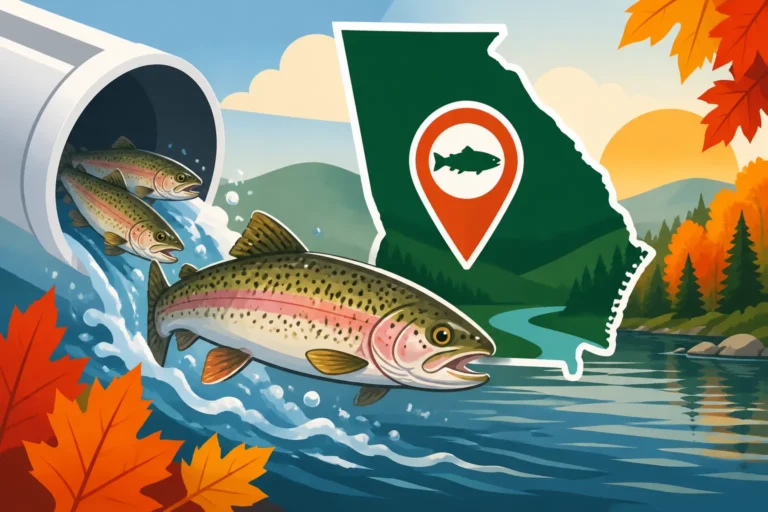
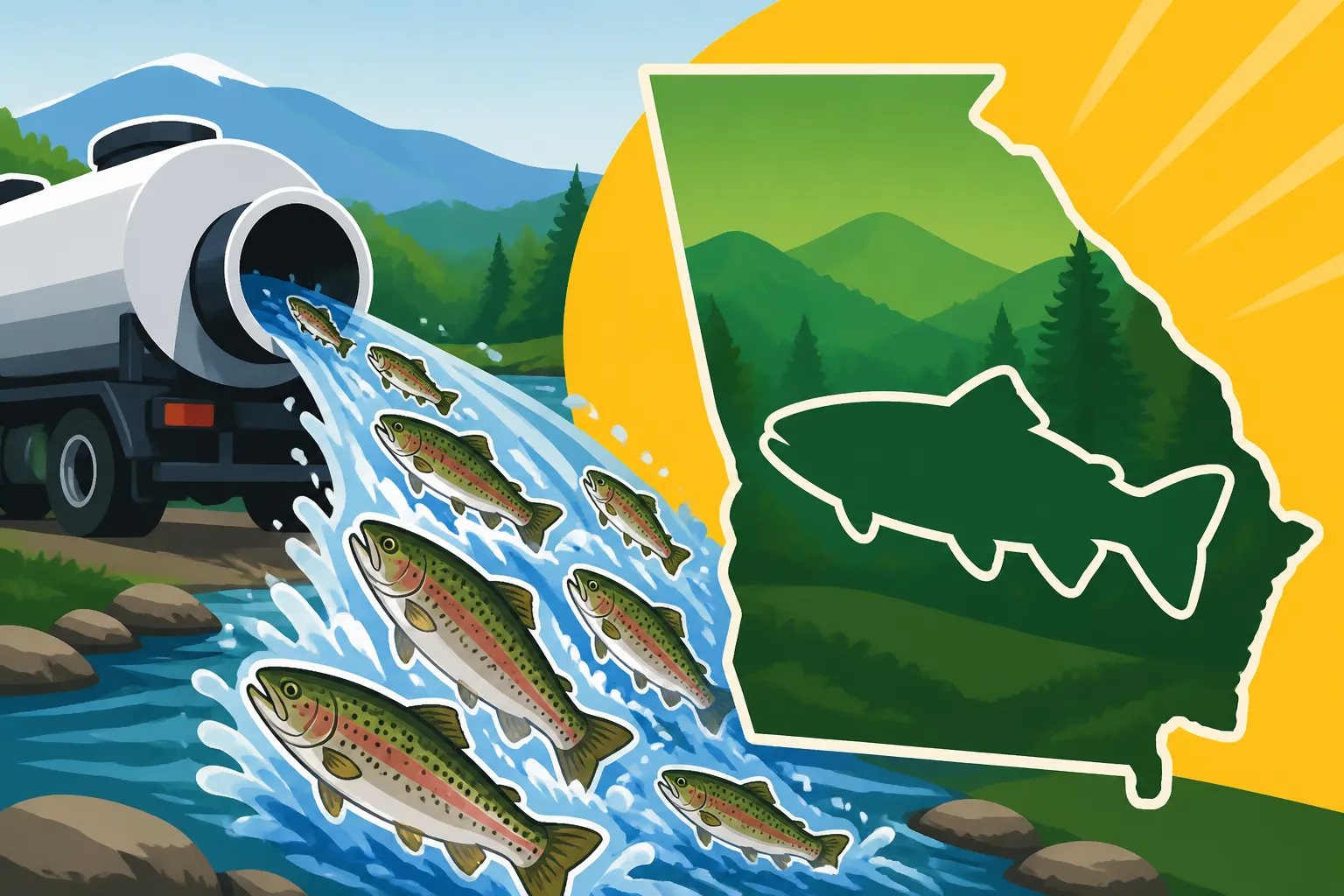
March is when the gears really start turning for Georgia's trout hatcheries. Facilities like the Buford Hatchery and the Summerville Hatchery are busy raising hundreds of thousands of trout, and as spring approaches, these fish are ready for release. The WRD aims to stock well over a million trout annually across the state, and a significant portion of that number begins to hit the water from late February through March. Think of it as the ramp-up phase. Instead of a trickle, it becomes a steady flow, transitioning into a full-on weekly blitz as April arrives.
For example, by the end of March, it's not uncommon for tens of thousands, or even hundreds of thousands, of trout to have already been stocked into designated trout streams and public fishing areas. This isn't a one-time drop; it's a continuous process, with trucks making their rounds multiple times a week to ensure a fresh supply of fish. Many anglers eagerly await the Georgia's Trout Stocking Schedule Explained for clues, even though it provides broader monthly expectations rather than precise daily counts. Knowing the pattern is key!
| Stocking Period | Estimated Total Trout Stocked (General) | Primary Focus | Notable Characteristics |
|---|---|---|---|
| January-February | ~50,000 – 100,000 | Winter holds, Delayed Harvest | Lower volume, focused areas |
| March | ~200,000 – 300,000+ | Early Spring Kick-off | Significant increase, weekly stocking begins |
| April-May | ~400,000 – 600,000+ | Peak Spring Stocking | Highest volume, widespread |
| June-August | ~150,000 – 250,000 | Summer stocking, cooler waters | Focus on higher elevation/PFAs |
| September-Dec | ~100,000 – 200,000 | Fall/Winter stocking, DH | Resumes after summer heat |
Note: These numbers are generalized estimates based on historical trends and annual WRD reports. Actual figures can vary significantly based on environmental conditions, hatchery production, and angler demand.
Factors Influencing Early Spring Stocking Numbers
You might wonder why the numbers aren't always a rigid, predictable count. Well, a lot goes into it! Several factors play a role in how many trout are stocked by the end of March:
- Weather Conditions: Heavy rains can blow out streams, making stocking difficult and potentially harmful to newly released fish. Conversely, drought conditions can lower water levels and raise temperatures too much for trout. The WRD constantly monitors these conditions.
- Hatchery Production: The health and growth rate of the fish in the state's hatcheries (like Buford and Summerville) directly impact how many are ready for release. Sometimes, unexpected issues can cause slight delays or adjustments.
- Water Temperatures: Trout are cold-water fish, and stocking too early into freezing waters or too late into rapidly warming waters can stress them. March generally provides that sweet spot where water temperatures are cool but not frigid, ideal for acclimating new fish.
- Angler Pressure: The WRD also considers anticipated angler turnout. They want to ensure there's enough fish to go around, especially during popular times like spring break or early weekend excursions.
These dynamic elements mean that while the commitment to stocking is steadfast, the precise day-to-day or week-to-week numbers can shift. However, by the end of March, you can be confident that the vast majority of popular trout waters have received multiple rounds of fresh fish. If you're curious about the longer schedule, check out Georgia's Trout Stocking Schedule From March to October.
Where Do All These Early Season Trout Go?
Once those trout leave the hatchery trucks, they're headed to specific types of waters across Georgia, ensuring diverse fishing opportunities for everyone. Knowing where they're typically released can really help in planning your early spring adventures.
Types of Streams Receiving Early Spring Stocking
The WRD carefully selects streams for stocking, categorizing them into several types to manage expectations and fishing pressure.
- General Regulation Streams: These are the bread and butter of Georgia trout fishing. Found mostly in North Georgia, these streams receive frequent stockings and allow anglers to keep a daily creel limit of trout. Popular examples include sections of the Chattahoochee River, Amicalola Creek, and Cooper Creek. These are often the first to see a significant influx of trout by the end of March. Many families bring their kids to these spots, armed with basic spin fishing gear they might have picked up on Amazon for a fun day out.
- Public Fishing Areas (PFAs): Georgia has several PFAs that are regularly stocked, some even with trout. These areas are designed for easy access and family-friendly fishing, often offering amenities like piers and accessible banks. Some PFAs that are managed for trout will also see early spring stockings.
- Delayed Harvest (DH) Streams: These are special, catch-and-release-only waters during a specific season (typically November 1st to May 14th). During this time, they receive heavy stockings but no trout can be kept. This creates an incredible opportunity for anglers to hone their skills on numerous, healthy fish. By the end of March, these streams like the Upper Toccoa River and Amicalola Creek are usually brimming with trout. Our detailed guide on Delayed Harvest Trout Streams in Georgia offers a deep dive into these unique fisheries.
For a comprehensive list of great spots, don't forget to check out our article on the Best Trout Streams in Georgia. Whether you're planning a trip to the Toccoa River Trout Fishing in Georgia spots or exploring the Chattahoochee River Headwaters Trout Fishing, the end of March is usually a prime time.
Planning Your Early Spring Trout Trip
With all those trout going into the water, how do you make the most of it? Planning is crucial, and a little homework can pay off big time.
First, always check the Georgia WRD website for the latest stocking schedules. While it won't give you a live count, it provides weekly updates on which streams have been stocked. This is the most reliable way to find out where the fish are fresh. Remember that a valid fishing license with a trout stamp is always required if you're 16 or older – you can learn more in our Georgia Trout Fishing License Requirements guide.
When it comes to gear, early spring trout can be eager biters. Simple setups with corn, powerbait, or small spinners often do the trick on freshly stocked fish. For those looking to try different tactics, small inline spinners like a classic Rooster Tail or a Panther Martin are fantastic choices. You can easily find a good selection of these on Amazon before your trip. If you're looking for more specific advice, our articles on Best Lures for Stocked Trout and Best Bait for Stocked Trout are packed with tips.
For the more adventurous, fly fishing can be incredibly rewarding, especially on Delayed Harvest streams. Nymphs and small wet flies are usually effective this time of year. If you're just starting, getting some basic Fly Fishing Basics for Trout knowledge under your belt will be a huge advantage. Even if you're a spin fisherman, understanding How to Spin Fish for Trout effectively will increase your chances of success. Good quality waders and waterproof layers, often available through retailers like Amazon, are also a must for staying comfortable in the still-chilly March waters.
No matter where you go, embrace the opportunity. Early spring trout fishing in Georgia is an experience, a chance to reconnect with nature and enjoy the beautiful scenery of our state while reeling in some fantastic fish.
Disclaimer
Fishing conditions and regulations in Georgia can change. Always consult the Georgia Department of Natural Resources (DNR) Wildlife Resources Division (WRD) website or their official publications for the most current information regarding licenses, stocking schedules, and regulations before planning your trip.