Georgia shoal bass fishing regulations
It's incredibly frustrating when you're excited to hit the water, maybe explore a new river system for a specific type of fish, only to realize the regulations aren't as straightforward as you thought. Many anglers, especially those targeting unique species like the magnificent shoal bass in Georgia, often find themselves scratching their heads over what's allowed and what's not. This comprehensive guide is here to clear up all that confusion, walking you through the ins and outs of Georgia's shoal bass fishing regulations so you can cast your line with confidence and respect for these incredible fish.
Understanding Georgia's Prized Shoal Bass
Before we dive into the rules, let's take a moment to appreciate what makes the shoal bass such a special catch in Georgia. Unlike their largemouth cousins who prefer slow, murky waters, shoal bass are true river specialists, thriving in the fast-moving currents and rocky bottoms of specific Georgia river systems. They're a unique, native species, and their distinct habitat preferences are a big part of why their regulations are often a bit different.
What Makes Shoal Bass Unique
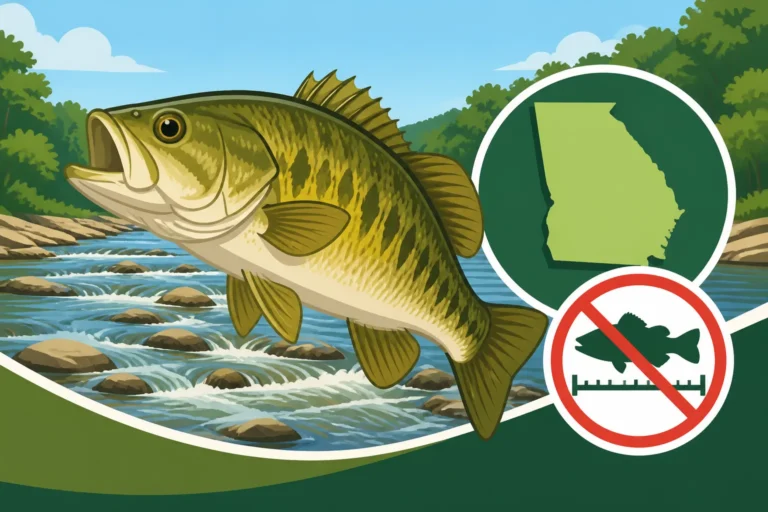
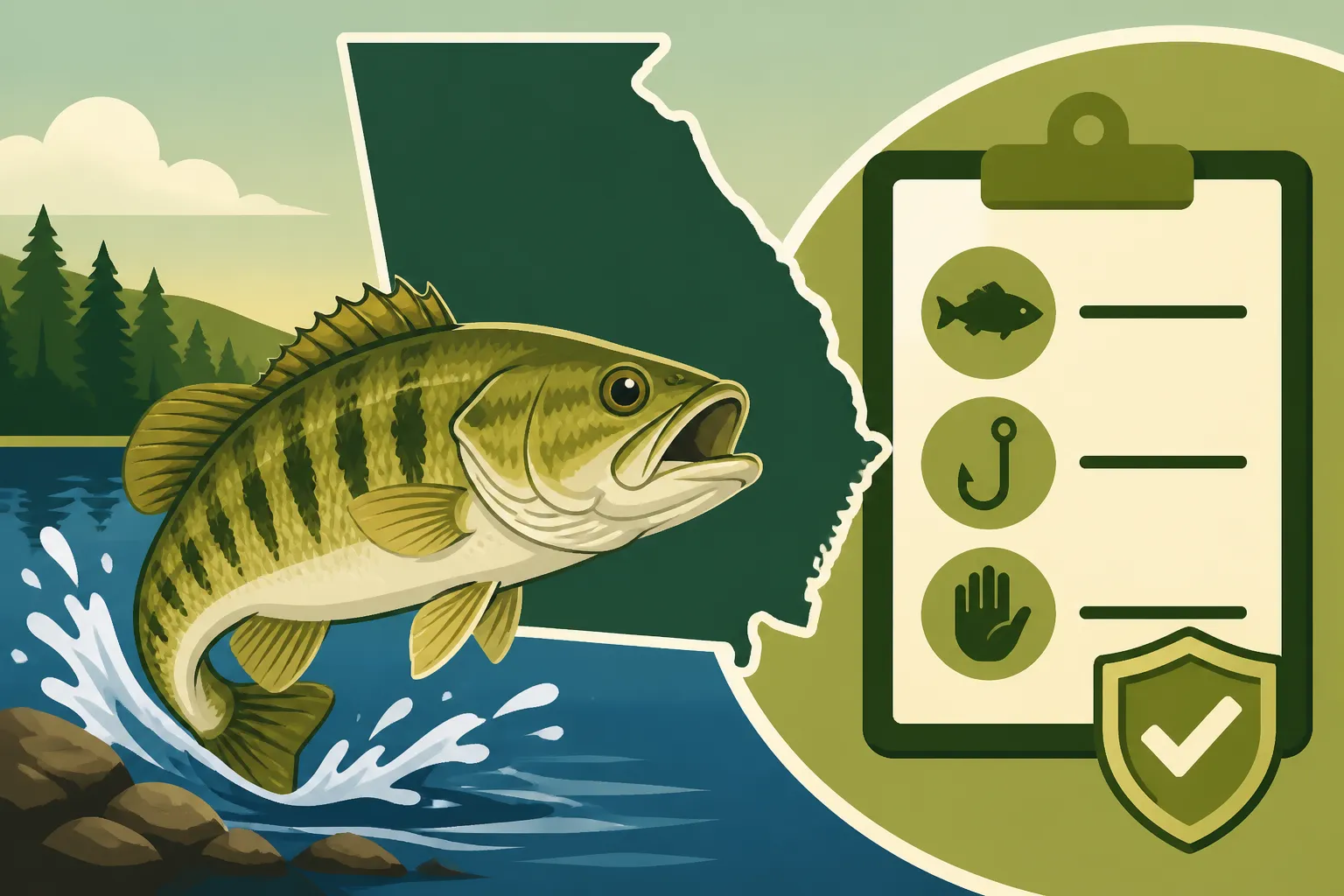
Shoal bass (scientific name: Micropterus cataractae) are a distinct species of black bass, known for their streamlined bodies, olive-green backs, and often beautiful, dark vertical bars or blotches along their sides. They typically have a more pointed snout and a smaller mouth than a largemouth bass, with the upper jaw extending only to the middle of the eye. What truly sets them apart, however, is their love for rocky shoals and swift currents. You won't find them lounging in lily pads; instead, they'll be tucked behind boulders, ambush points in the current, or in deep scour holes.
Their spirited fight in strong currents makes them a highly sought-after sport fish, offering a thrilling challenge on light tackle. Anglers often travel specifically to target these hard-fighting fish, and understanding their unique characteristics helps us appreciate the importance of protecting their populations. Many devoted anglers consider catching a true river shoal bass to be a hallmark of skill and patience.
Where Shoal Bass Live in Georgia
In Georgia, the primary stronghold for shoal bass is the Flint River system. This includes the main stem of the Flint River itself, stretching from its headwaters down to its confluence with the Chattahoochee River, as well as many of its tributaries. You'll find these fish clinging to the limestone and granite shoals that give the river its distinct character. The Apalachicola Basin, which includes the lower Chattahoochee River, also hosts populations of shoal bass, although the Flint River is arguably the most famous and productive fishery for them.
These specific riverine habitats are critical for the shoal bass's survival. They rely on clean, flowing water, abundant insect life, and healthy rock structures for spawning, feeding, and protection. Any changes to water quality, flow, or habitat can have a significant impact on their populations, which is why diligent management and angler compliance with regulations are so vital. If you're planning a trip, be sure to check out our guide on the "Flint River Fishing Guide, Georgia" for more specific spot recommendations.
Navigating Specific Shoal Bass Regulations
This is where the rubber meets the road. Georgia's wildlife management agencies have put specific rules in place for shoal bass to ensure their populations remain healthy and sustainable for future generations of anglers. These regulations can differ from statewide bass limits, so paying close attention is key.
Size and Creel Limits for Shoal Bass
The Georgia Department of Natural Resources (DNR) has established clear guidelines for shoal bass. Let's break down the general rule and then the important exception:
- General Statewide Rule for Shoal Bass: Across most waters in Georgia where shoal bass might be found, the regulation specifies a 12-inch minimum total length with a 10-fish creel limit per day.
- The Flint River Exception: This is a critical one for any serious shoal bass angler. For the Flint River and its tributaries, specifically from Warwick Dam downstream to the river's mouth, the regulations are significantly stricter to protect this crucial native population. Here, the minimum length is increased to 15 inches, and the creel limit is reduced to just 2 fish per day.
What does "creel limit" mean, exactly? It refers to the maximum number of fish of a particular species that an angler is allowed to keep in a single day. So, even if you catch more than two legal-sized shoal bass on the lower Flint River, you can only keep two of them. The rest must be released safely. This kind of nuanced regulation underscores the importance of understanding specific rules for specific locations. To avoid any issues, it’s always a good idea to refresh your knowledge with the "Georgia Fishing Regulations Explained" before heading out.
Special Management Zones and Gear Considerations
Beyond size and creel limits, there can occasionally be other considerations, such as special management zones or gear restrictions, although for shoal bass, the main focus is typically on size and creel.
- Catch-and-Release Areas: While not as common for shoal bass as they are for some trout streams (you can read more about "Delayed Harvest Trout Streams in Georgia" for an example of such zones), it's always wise to be aware if any specific stretches of river have been designated as purely catch-and-release. These zones are usually clearly marked and aim to protect vulnerable populations or enhance fishing quality.
- Gear Restrictions: Generally, for shoal bass, standard fishing methods are allowed. However, in sensitive areas or during specific times, certain gear might be restricted. Always double-check the latest regulations from the Georgia DNR, perhaps even grabbing a comprehensive Georgia fishing regulations guide off Amazon before your trip, to ensure you're using legal tackle. For example, some sensitive trout streams have limitations on artificial lures or single hooks, though these typically don't apply to general bass fishing.
The table below summarizes the key differences in bass limits, making it easier to compare:
| Bass Species / Location | Minimum Length | Daily Creel Limit | Notes |
|---|---|---|---|
| Largemouth Bass (Statewide) | 12 inches | 10 fish | General regulation for most lakes and rivers. |
| Spotted Bass (Statewide) | 12 inches | 10 fish | Often caught alongside largemouth. |
| Shoal Bass (General Waters) | 12 inches | 10 fish | Applies to most rivers except the lower Flint. |
| Shoal Bass (Lower Flint River) | 15 inches | 2 fish | Special Regulation for Flint River from Warwick Dam downstream. |
This table clearly highlights why it's so important to know which bass you're targeting and where you're fishing.
The "Why" Behind Shoal Bass Conservation Efforts
Sometimes, these specific regulations might feel like a hassle, another hoop to jump through before enjoying a day on the water. But there's a really good reason why the Georgia DNR takes such a keen interest in shoal bass. It all comes down to preserving a unique natural resource.
Protecting a Native Gem
Shoal bass are not only native to Georgia's waters but are also considered a "species of special concern" in some areas due to habitat loss and fragmentation. Unlike many other popular game fish that are widely stocked, shoal bass populations are largely sustained through natural reproduction in their specific riverine environments. This means their survival is intimately tied to the health of those ecosystems.
Overfishing, even by a small margin, can have a disproportionately large impact on these localized populations. When you follow the size and creel limits, especially the stricter ones on the Flint River, you're directly contributing to the long-term health and genetic integrity of this incredible fish. It’s about more than just catching fish; it’s about being a steward of Georgia's natural heritage. These efforts are similar to those taken to protect other valuable species, such as outlined in "Georgia Freshwater Fishing Rules."
How Anglers Contribute to Conservation
Every angler plays a vital role in conservation. By understanding and adhering to the "Shoal bass size limit rules, Georgia," you become an active participant in protecting these fish. Here are a few ways your actions make a difference:
- Following Creel Limits: Sticking to the allowed number of fish helps prevent overharvesting, ensuring enough fish remain to reproduce and replenish the population.
- Respecting Size Limits: Minimum size limits ensure that fish have a chance to grow to maturity and spawn at least once before they can be harvested. For the 15-inch limit on the Flint, it means the fish have had even more time to contribute to the next generation.
- Practicing Proper Catch and Release: For any fish you don't intend to keep, especially on the Flint River where the creel limit is low, proper catch and release techniques are crucial. This means minimizing handling time, keeping the fish in the water as much as possible, using barbless hooks, and ensuring the fish is revived before release. You can learn more about this in our guide on "How to Catch and Release Trout Properly" which applies to bass too.
- Reporting Violations: While no one likes to be the "tattle-tale," reporting observed violations to the Georgia DNR helps enforcement agencies protect the resource. It ensures that those who disregard regulations don't jeopardize the future of the fishery for everyone else.
It's a collective effort, and when everyone does their part, Georgia's shoal bass populations can thrive.
Ensuring You're Compliant and Ready to Fish
With all these specific rules, it's easy to feel a bit overwhelmed. But don't worry, there are straightforward ways to make sure you're always on the right side of the law and fully prepared for a successful day of shoal bass fishing.
Resources for Up-to-Date Information
The best defense against unknowingly breaking a regulation is to stay informed. Here are your go-to resources:
- Georgia DNR Website: The official website of the Georgia Department of Natural Resources (www.gooutdoorsgeorgia.com) is your primary source for the most current and accurate fishing regulations. They update these annually, and sometimes mid-year if there's an urgent change. This is also where you'd go to learn "How to Get a Fishing License in Georgia" or get a "Georgia Fishing License Guide."
- Official Georgia Fishing Regulations Guide: Every year, the DNR publishes a physical or digital guide that outlines all regulations. You can usually pick up a printed copy at bait and tackle shops, DNR offices, or download a PDF from their website. Keep a copy on your phone or in your tackle box.
- Local Bait and Tackle Shops: These local experts are invaluable. Shop owners and staff are often seasoned anglers themselves and can provide hyper-local insights into specific regulations, recent changes, and even what the fish are biting on. Don't be shy to ask questions!
Remember, regulations can change, so a guide from a few years ago might be outdated. Always confirm the latest rules before heading out.
Essential Gear for Shoal Bass Fishing
Beyond the regulations, having the right gear can make all the difference in your shoal bass pursuit. These fish are powerful, and their rocky habitats demand specific tackle.
- Light-to-Medium Spinning or Baitcasting Gear: A 6-foot, 6-inch to 7-foot medium-light to medium power rod with a fast action is ideal for casting smaller lures and handling strong fish in current. Pair it with a reliable spinning reel in the 2000-3000 size range or a low-profile baitcasting reel spooled with 8-12 lb fluorocarbon or braided line with a fluorocarbon leader. Or perhaps you need a new lightweight spinning reel, and a quick search on Amazon will show you countless options.
- Lures and Baits: Shoal bass are aggressive predators. Small crankbaits, spinnerbaits, plastic worms (Texas-rigged to avoid snags), and jigs are all highly effective. Look for lures that mimic crawfish, minnows, or small baitfish. Many anglers swear by specific shoal bass lures, which you can often find readily available on Amazon.
- Wading Gear: Since shoal bass often inhabit shallow, rocky shoals, chest waders are essential for accessing the best fishing spots and safely navigating the river. Good wading boots with felt soles or sticky rubber can provide crucial traction.
- Polarized Sunglasses: These are non-negotiable. They cut the glare off the water, allowing you to see submerged rocks, structure, and even the fish themselves. You can even check Amazon for high-quality polarized sunglasses to help spot those submerged rocks and fish.
- Tackle Management: Consider a durable, waterproof tackle box, easily found on Amazon, to keep your specialized shoal bass lures organized and protected from the elements. A small backpack or sling pack can keep essentials handy while wading.
By arming yourself with knowledge of the regulations and the right gear, you'll be well-prepared to enjoy the exhilarating experience of fishing for Georgia's native shoal bass, all while contributing to their continued well-being. Good luck out there!
Disclaimer
The information provided in this guide is for general informational purposes only and does not constitute legal advice. Fishing regulations in Georgia are subject to change by the Georgia Department of Natural Resources (DNR). While we strive to provide accurate and up-to-date information, it is the sole responsibility of the angler to consult the latest official Georgia DNR fishing regulations before engaging in any fishing activities. Failure to comply with current regulations may result in penalties.