How to Spin Fish for Trout
Oh, the thrill of trout fishing in Georgia! There's something truly special about seeking out those beautiful, vibrant fish in our clear mountain streams and rivers. While fly fishing often gets all the glory when it comes to trout, let's be real – not everyone has the time, the budget, or frankly, the patience to master a fly rod. For many of us, the spinning rod is our trusty companion, offering a versatile and incredibly effective way to catch trout without needing a lifetime of casting lessons. This guide is all about embracing the spin rod, getting you geared up, understanding Georgia's waters, and mastering the techniques to bring those elusive trout to hand.
Getting Your Gear Right: Spin Fishing Essentials for Georgia Trout
When you're heading out to chase trout, especially in Georgia's often-tight and brushy streams, having the right gear can make all the difference. You don't need to break the bank, but a few key choices will drastically improve your success and enjoyment. It’s about balance, sensitivity, and choosing tackle that matches the size of the fish and the conditions you'll encounter.
Rod and Reel Selection for Trout
Choosing the right rod and reel setup is foundational for successful spin fishing for trout. Forget your heavy bass gear; trout demand a lighter touch. You're often dealing with smaller fish, lighter lines, and smaller lures, so your equipment needs to be dialed in accordingly.
For your rod, an ultralight or light action spinning rod is the way to go. Think something in the 5 to 7-foot range. The "ultralight" or "light" action refers to how much the rod bends and how much backbone it has. A lighter action rod will bend more readily, making it incredibly sensitive to subtle bites from trout and allowing for better casting of those tiny lures. A 5'6" to 6'6" rod is often perfect for Georgia's smaller, brush-lined creeks, giving you accuracy without constantly snagging trees behind you. Longer rods, around 7 feet, can be great for slightly wider rivers or when you need a bit more casting distance, but they can be a hindrance in dense cover.
When it comes to the reel, you'll want a small spinning reel, typically a 1000 or 2000 series. These reels are designed to balance perfectly with those ultralight rods. They're lightweight, have smooth drags, and are built to handle the thinner lines you'll be using. A smooth drag system is absolutely critical, as a sudden surge from even a small trout on light line can snap you off instantly if your drag isn't set correctly. Brands widely available on platforms like Amazon offer excellent entry-level and mid-range options that are perfectly suitable for Georgia trout. The key is finding a combination that feels comfortable and balanced in your hand, allowing for hours of effortless casting.
Line Choices: Mono, Fluoro, or Braid?
Ah, fishing line! This is often where anglers get overwhelmed, but for trout, keeping it simple and understanding the basics of each type will serve you well. Each line has its pros and cons, and the "best" choice often comes down to personal preference and the specific conditions you're fishing.
Monofilament, or mono, is arguably the most common and forgiving line. It has a good amount of stretch, which acts like a shock absorber, making it more forgiving if a trout makes a sudden run or you set the hook a little too hard. It also floats, which can be an advantage when fishing topwater lures or suspending baits. Its visibility in clear water can be a drawback, but many anglers still swear by it, especially in lighter tests. If you're just starting, mono is a fantastic choice.
Fluorocarbon line is highly regarded for its low visibility in water, making it nearly invisible to wary trout. It has less stretch than mono, offering increased sensitivity to detect those light bites. Fluorocarbon also sinks, which can be beneficial when you want your lure to get down deeper faster. The downside is it can be a bit stiffer and sometimes more prone to memory (coiling) if not managed properly. Many anglers use a fluorocarbon leader tied to a braided mainline to combine the best properties of both.
Speaking of braided line, this option offers incredible strength for its diameter and virtually no stretch. This means maximum sensitivity – you'll feel every bump and nibble! However, braid is highly visible in clear water, and its lack of stretch can lead to hook pulls if you're not careful with your drag and hookset. Because of its visibility, most anglers using braid for trout will tie on a fluorocarbon leader, typically 3-6 feet long, using a knot like the FG knot or a double uni. Regardless of your choice, for trout in Georgia, you'll want to stick to lighter line tests, generally 4 to 6-pound test. Anything heavier can inhibit lure action and be too visible for finicky fish.
Lures and Baits That Trout Can't Resist
This is where the fun really begins! Trout are opportunistic feeders, and while they can be picky, having a varied tackle box will ensure you're ready for whatever mood they're in. From flashing artificials to irresistible natural offerings, there’s a wide world of options.
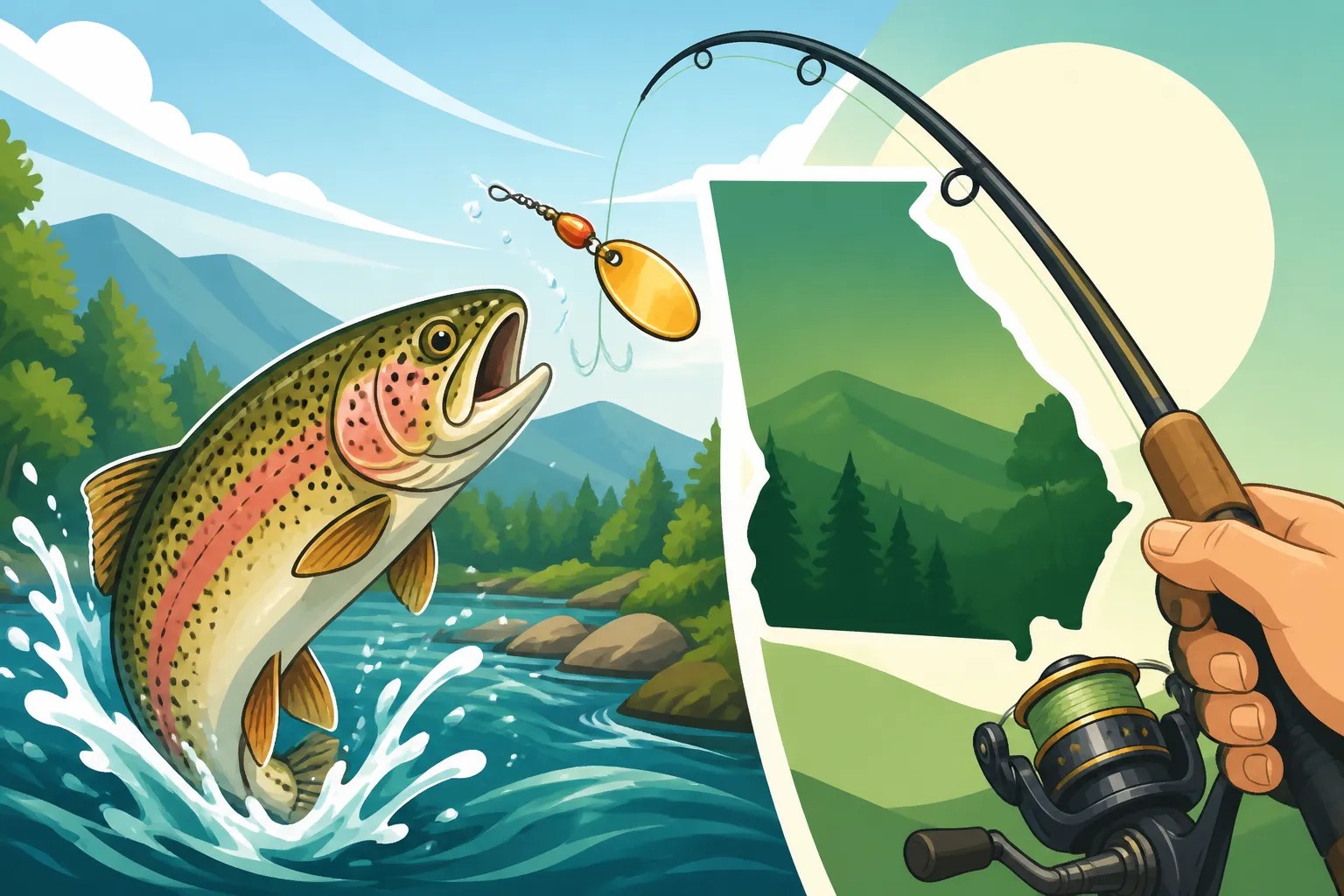
When it comes to artificial lures, inline spinners are often considered a trout angler's bread and butter. Think about brands like Mepps, Panther Martin, or Rooster Tail – these are classic designs for a reason. Their rotating blades create flash and vibration that mimic small baitfish or insects, triggering an aggressive strike. Small spoons, like a 1/8 oz Kastmaster or Little Cleo, also work wonders, especially in deeper pools or faster currents where their wobbling action can really shine. Tiny jerkbaits or stickbaits, typically 1.5 to 2.5 inches, can be incredibly effective, particularly for larger, more aggressive trout. And don't forget soft plastics! Small grub tails, worm imitations (like Berkley Gulp! Trout Worms), or even tiny finesse swimbaits can entice bites, especially when fished on a light jig head. When choosing colors, often natural patterns (silver, gold, brown, black) work well, but don't shy away from brighter colors (chartreuse, orange) in stained water or on overcast days.
For those who prefer live baits or natural offerings, the options are just as compelling. Good old earthworms, whether they're nightcrawlers (pinched in half for trout) or smaller red wigglers, are universally effective. Trout simply can't resist a wiggling worm drifting naturally in the current. Other popular choices include corn (yes, plain ol' canned corn!), PowerBait (especially the glitter varieties), and salmon eggs. These baits are often fished on a small hook (size 10-14), sometimes with a tiny split shot or two a foot or so above the hook to help them sink. You can find a fantastic selection of these lures and baits, along with other essential fishing accessories, readily available for purchase on Amazon, making it easy to stock up before your next trip.
Understanding Georgia's Trout Waters and Seasons
Georgia might be known for its peaches and coastal beauty, but up in the North Georgia mountains, we have some fantastic trout fishing opportunities. Knowing where and when to fish can make all the difference between a frustrating day and a memorable one. Our trout waters vary widely, and so does the behavior of the fish throughout the year.
Types of Trout Streams and Their Characteristics
Georgia's trout fishing isn't a one-size-fits-all experience. We have a diverse range of stream types, each with its own characteristics and requiring slightly different approaches. Understanding these differences is key to becoming a successful trout angler.
First, let's talk about freestone streams. These are your classic mountain streams, flowing over rocky beds, often characterized by clear, cold water and a mix of riffles, runs, and pools. These streams rely on natural rainfall and snowmelt, meaning their water levels and temperatures can fluctuate more with the weather. Trout in these streams, whether wild or stocked, tend to be more wary and require a stealthier approach. They feed on a mix of aquatic insects, small baitfish, and terrestrial insects that fall into the water. Finding current breaks, submerged rocks, and undercut banks is crucial here. The Best Trout Streams in Georgia often fall into this category, offering a true mountain angling experience.
Next, we have delayed harvest streams. These are special waters designated by the Georgia Department of Natural Resources, where specific regulations are in place to enhance the trout fishing experience. Typically, from November 1 to May 14, these streams are managed under strict catch-and-release rules, often with artificial lures-only restrictions. This allows trout to grow larger and become more educated, providing a challenging and rewarding experience. After May 14, they revert to general regulations, allowing anglers to keep fish. These streams are heavily stocked, ensuring a robust population. For those looking for a unique challenge or an extended season of catch-and-release, exploring Delayed Harvest Trout Streams in Georgia is a must.
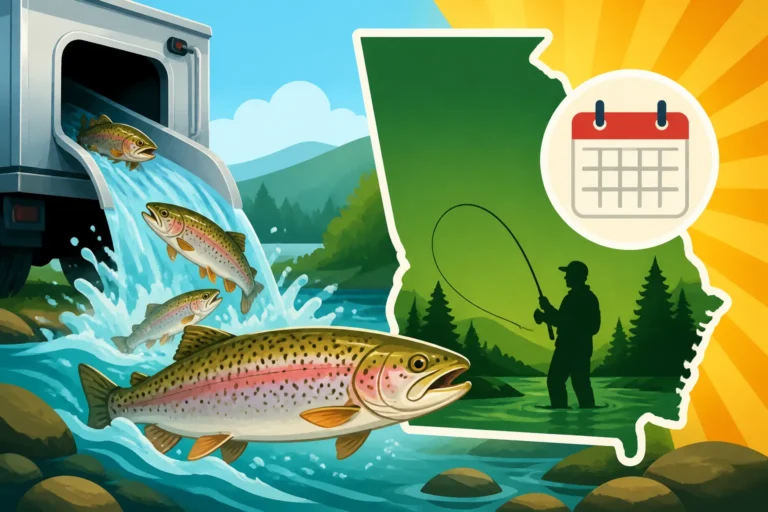
Finally, we have stocked waters. These include many public fishing areas, larger rivers, and lakes that are regularly stocked with trout by the state. These spots often have easier access and provide a more consistent fishing experience, especially for beginners or families. While the fish might be less wary right after stocking, they quickly become accustomed to angling pressure. Keep an eye on the Georgia Trout Stocking Schedule to know when and where fresh batches of trout are being released. These streams can range from small creeks to larger rivers like the Chattahoochee River below Buford Dam. Each type of water presents its own joys and challenges, making trout fishing in Georgia a continuously engaging pursuit.
Seasonal Considerations for Spin Fishing
Just like the leaves change color, so do the optimal strategies for trout fishing throughout the year. Understanding the seasons and how they affect trout behavior and water conditions is a crucial part of the puzzle.
Spring is often considered prime time for trout fishing. As water temperatures begin to rise after winter, trout become more active and are eager to feed. This is especially true right after stocking events, when newly introduced fish are less wary. Water levels can be higher due to spring rains, which can both spread fish out and make them less spooky. During this time, aggressive presentations with spinners or spoons can be highly effective. The trout are waking up, and so should your fishing efforts!
Summer brings warmer water temperatures, which can make trout fishing more challenging, especially in lower elevation streams. Trout are cold-water species, so as the water warms, they'll seek out cooler, more oxygenated areas. This often means fishing early in the morning or late in the evening when temperatures are coolest, or targeting deeper pools, shaded areas, and the mouths of cooler tributaries. Lighter lines and more subtle presentations with small lures or natural baits become more important. It's also a good time to explore higher elevation streams that naturally stay colder.
Fall is another fantastic season for trout. As air and water temperatures begin to drop, trout become more active again, feeding heavily in preparation for winter. This is a time of beautiful scenery in the North Georgia mountains, making the fishing experience even more enjoyable. Trout will be spread throughout the stream, often in shallower riffles and runs as they forage. Fall also brings about the brown trout spawn, making these fish particularly aggressive, though it's important to treat spawning fish with extra care. Many anglers find success with a variety of lures, from spinners to small crankbaits.
Winter fishing for trout requires patience and a slower approach. Trout metabolism slows down in the cold water, making them less active. They'll often congregate in deeper, slower pools where they can conserve energy. Your presentation needs to be slow and deliberate, perhaps dragging a small natural bait along the bottom or slowly retrieving a small jig. Mid-day, when the sun has had a chance to warm the water slightly, can be the most productive time. While not as action-packed as spring, winter can offer surprisingly good fishing for those willing to brave the chill.
Reading the Water: Where Trout Hide
Finding trout is often less about casting randomly and more about understanding where they hold in a stream. Trout are constantly looking for three things: food, cover, and favorable water conditions (like oxygen and temperature). If you can identify these key areas, your chances of success will skyrocket.
Pools are often the easiest places to start. These are sections of deeper, slower-moving water. Trout love pools because they offer refuge from fast currents, depth for security, and a collection point for food drifting downstream. Pay particular attention to the tail of a pool, where the current begins to quicken again, as this is a prime feeding lie. The head of a pool, where faster water enters, can also be productive.
Riffles are shallow, faster-moving sections of water where the surface is broken. While seemingly chaotic, these areas are vital oxygenators and conveyor belts for aquatic insects. Trout won't usually hold in the fastest part of a riffle but will position themselves just below it or along its edges, in the slightly slower water, waiting for food to be delivered. Casting small spinners or natural baits into the head of a riffle and letting them drift naturally can be very effective.
Runs are deeper sections of flowing water, typically between riffles and pools. They offer a good balance of current and depth, making them excellent holding spots. Trout will often hold along the bottom or behind any structure in a run, darting out to grab food as it passes. These areas can be tricky to fish with spin gear, often requiring careful lure selection and weight to get down to the fish without snagging.
Always look for cover. Trout are prey animals, and they instinctually seek shelter from predators (like birds and us!). This means targeting areas with undercut banks, where the current has eroded beneath the shoreline, creating a hiding spot. Logjams and fallen trees provide overhead cover and break the current. Even large boulders can create eddies and current breaks where trout can rest and ambush food. When you see these features, approach cautiously, cast precisely, and expect a strike. Often, the best fish are found in the hardest-to-reach spots.
Mastering Spin Fishing Techniques for Trout
Having the right gear and knowing where to find the fish are essential, but it's your technique that ultimately seals the deal. Spin fishing for trout isn't just about throwing a lure out; it's about subtle presentations, understanding the bite, and playing the fish correctly.
Casting and Retrieve Techniques
One of the biggest misconceptions about trout fishing, especially in smaller streams, is that you need to cast as far as possible. In reality, casting accuracy and stealth are far more important than distance. Trout have excellent eyesight and are easily spooked. Short, precise casts that land your lure gently in the target zone – a current seam, behind a rock, or under an undercut bank – are much more effective than long, splashy casts that might scare every fish in the vicinity.
The direction of your cast also plays a significant role. Often, an upstream presentation is the most effective. This means casting your lure or bait slightly upstream and across the current, then allowing it to drift naturally downstream past where you believe the trout are holding. This allows your lure to approach the fish from behind, mimicking how natural food items drift, and reduces the chance of spooking them with your line or presence. When retrieving, try to match the speed of the current if using bait, or impart a lifelike action to your lure.
Varying your retrieve speed is crucial, especially with artificial lures. Trout aren't always looking for the same thing. Sometimes a slow, steady retrieve with a spinner is irresistible. Other times, a twitch-and-pause retrieve with a small jerkbait, mimicking a wounded baitfish, will trigger a strike. Don't be afraid to experiment. If you're not getting bites, try speeding up, slowing down, or adding pauses. For natural baits, try to achieve a controlled drift, using just enough weight to get your bait down but still allowing it to tumble naturally with the current, as if it were unattached. Observing how natural debris floats down the stream can give you clues about the perfect drift.
Setting the Hook and Fighting Trout
The moment of truth: the bite! Trout bites can range from an aggressive thump to a very subtle tick or simply a feeling of added weight on your line. Learning to feel for the bite takes practice, but it's a skill that pays off. With highly sensitive ultralight gear and low-stretch lines, you'll be able to detect even the most delicate takes. Watch your line where it enters the water for any sudden twitches or pauses that might indicate a fish has taken your bait.
When you feel a bite, resist the urge to rear back with a heavy, bass-style hook set. Trout have relatively soft mouths, and a strong hookset can tear the hook free. Instead, use a gentle hook set – a quick, firm lift of the rod tip is usually all that's needed to bury the small hooks you'll be using. Once hooked, it's time to play the fish. Use the flex of your rod to absorb the trout's runs and head shakes, and rely on your reel's smooth drag system to let line out when needed. Avoid "horsing" the fish in; this often results in pulled hooks or broken lines. Keep your rod tip up, maintain constant pressure, and guide the fish towards you, reeling steadily when it's not pulling line. For a comprehensive overview of rules, check out Georgia Fishing Regulations Explained.
Catch and Release Best Practices
Many trout anglers, especially those fishing in delicate ecosystems or on Delayed Harvest Trout Streams in Georgia, practice catch and release to preserve fish populations and allow fish to grow larger. If you intend to release your catch, doing so properly is essential for the trout's survival.
The most important rule is to minimize handling. Keep the fish in the water as much as possible. If you must handle it, wet your hands thoroughly first. Dry hands can remove the protective slime coat from a fish, making it vulnerable to disease. Avoid squeezing the fish, especially around its gills or belly. Use dehooking tools like long-nosed pliers or forceps (which you can easily find on Amazon) to quickly and gently remove the hook. If the hook is deeply swallowed and cannot be removed without causing significant damage, it's often best to simply cut the line as close to the hook as possible; smaller hooks will often rust out over time.
Once dehooked, revive the fish by holding it gently in the water, facing upstream into the current. This allows oxygenated water to flow over its gills. Don't pump the fish back and forth; this can actually inhibit proper gill function. Hold it steadily until it regains its strength and swims away on its own. For detailed information on specific size and creel limits for different waterways, be sure to consult resources like Georgia Trout Stream Size Limits by Creek or Daily Creel Limits for Trout in Georgia. By practicing responsible catch and release, you help ensure healthy trout fisheries for years to come.
Common Challenges and Troubleshooting
Even the most seasoned trout anglers face challenges. It's part of the game! Understanding common issues and knowing how to troubleshoot them will not only save you frustration but also lead to more successful outings.
Dealing with Snags and Break-offs
Snags and break-offs are an inevitable part of trout fishing, especially in brushy streams with lots of underwater structure. The delicate balance of light line, small hooks, and lures means that hanging up is going to happen.
They primarily occur because trout love to hide in places where you also love to cast: around fallen logs, submerged rocks, tangled roots, and dense cover. These are prime ambush points for trout, but also prime snagging spots for your lure. Fishing with ultralight line means that when you do get snagged, trying to pull free often results in a lost lure and a broken line.
Prevention is key. One of the best ways to reduce snags is to be mindful of your casts. Avoid directly targeting areas that are obvious lure traps. Instead, cast to the edges of cover, or just upstream, allowing the current to carry your lure naturally into the strike zone. Learning to "read" the water for underwater obstacles can also help. When retrieving, stay alert to any bumps or changes in resistance that might signal a potential snag. If you feel resistance that isn't a fish, immediately stop reeling and try to gently lift or shake your rod to dislodge the lure before it gets fully wedged. If you do get snagged, a common technique is to point your rod tip directly at the snag, put a bit of slack in your line, and then give a firm, quick strum of the line, like a guitar string. Sometimes the vibrations will free the lure. If not, and you're in an area that allows it, a slow, steady pull directly at the snag can sometimes free it without breaking. Remember, sometimes a lost lure is just the price of admission to those honey holes.
When Trout Are Finicky: Adjusting Your Approach
There will be days when the trout seem to have lockjaw. You're casting to all the right spots, using your go-to lures, and nothing. This is when patience and the willingness to adjust your approach truly pay off.
The first thing to consider is changing lures. If what you're throwing isn't working, don't keep throwing it. Try a different size – sometimes going smaller (1/32 oz or 1/64 oz lures) can make a huge difference. Experiment with different colors; if natural colors aren't producing, try something brighter, or vice-versa. And don't be afraid to switch lure types entirely. If spinners aren't working, try a spoon, a small jerkbait, or switch to a natural bait like a worm or PowerBait. Sometimes, even just adding a tiny piece of corn or a Berkley Gulp! PowerBait Nugget to your bare hook can entice a strike when artificials fail.
Next, change your presentation. Trout are often very sensitive to how a lure or bait is moving through the water. If you've been retrieving quickly, slow down considerably. If you've been using a steady retrieve, try adding twitches, pauses, or even letting your lure hit the bottom momentarily before continuing. Sometimes, simply letting a bait drift completely naturally with the current, with no retrieve at all, is the ticket. Adjusting your depth is also crucial; if you're not getting bites, you might be fishing above or below where the trout are holding. Add or remove a split shot, or use a slightly heavier or lighter lure to get into that sweet spot.
Finally, if nothing seems to be working in your current spot, it might be time to try different spots. Trout fishing is often about covering water. Move upstream or downstream, try different types of habitat – from slow pools to faster runs. Sometimes, just moving 50 feet can put you on actively feeding fish. The trout are out there; it's just a matter of finding what they want and where they're holding on a given day. Keep your Mountain Trout License Add-On in Georgia handy, as some of our best trout waters require it.
Respecting the Resource: Etiquette and Regulations
Being a responsible angler goes beyond just catching fish; it's about preserving the environment, respecting other users, and adhering to the rules. Following good etiquette and regulations ensures that Georgia's beautiful trout fisheries remain healthy and enjoyable for everyone.
First and foremost, always leave no trace. Pack out everything you pack in, and if you see any litter, consider picking it up. Our natural spaces are precious, and it's up to all of us to keep them clean. This also extends to protecting the stream banks and vegetation; try to minimize disturbance when walking along the water.
When it comes to other anglers, be mindful. Trout streams, especially popular ones, can get crowded. Give other anglers plenty of space. If someone is fishing a stretch of water, either start well upstream or downstream from them, or politely ask if you can pass. Avoid wading through water someone else is actively fishing, as this can spook fish for them. A simple nod or polite greeting goes a long way. This is particularly important when sharing the water with fly fishers, who often require more space for their backcasts and value undisturbed water. Understanding Fly Fishing Basics for Trout can give you an appreciation for their technique.
Finally, and perhaps most importantly, understand and follow all Georgia fishing regulations. This includes having a valid Georgia Fishing License Guide and any necessary endorsements like the Mountain Trout License Add-On in Georgia. Know the specific rules for the waters you're fishing, particularly regarding Georgia Trout Stream Size Limits by Creek and Daily Creel Limits for Trout in Georgia. Some streams may have artificial lures-only restrictions or special seasons, like the delayed harvest streams. Regulations are in place to protect fish populations and ensure sustainable fishing. Ignorance of the law is no excuse, and wardens regularly patrol these areas. A quick check of the Georgia Department of Natural Resources website before you head out can save you a fine and help you be a more responsible angler.
| Lure/Bait Type | Best Conditions | Retrieve Tips | Pros | Cons |
|---|---|---|---|---|
| Inline Spinners | General purpose, flowing water, stocked streams | Steady retrieve, vary speed; cast upstream & drift | Highly effective, easy to use, wide range of colors/sizes | Can cause line twist, prone to snagging in heavy cover |
| Small Spoons | Deeper pools, faster currents, still water | Wobbling retrieve, jigging; vary sink time | Good for depth, casts far, enticing wobble | Can be less effective in very shallow water, prone to snagging |
| Soft Plastics (Grubs, Worms) | Finicky fish, clear water, slow presentations | Slow drag/twitch on bottom; use light jig head | Very natural look/feel, versatile, scent can attract | Less flash/vibration than spinners, can be torn easily |
| Natural Baits (Worms, Corn, PowerBait) | All conditions, especially stocked waters, slow current | Natural drift with minimal weight, still fishing | Universally appealing, often very effective for stocked fish | Less active presentation, can be messy, often swallowed deeper |
Disclaimer
This article is for general informational purposes only and does not constitute professional advice. Laws, prices and regulations vary by location and change over time. Consult a qualified professional for guidance on your specific situation.