Golden Isles Coastal Fishing Spots, Georgia
Finding the perfect saltwater fishing spot along Georgia's stunning coast can feel a bit overwhelming, especially with so many tidal creeks, vast marshlands, and open waters stretching out before you. It's easy to get lost wondering where the fish are biting, what species are most active, and what techniques will actually yield a rewarding day on the water. This comprehensive guide is here to cut through that confusion, taking you deep into the heart of Georgia's captivating Golden Isles to reveal the best coastal fishing spots, what you can expect to catch, and how to make the most of your angling adventure.
The Allure of Georgia's Golden Isles for Anglers
The Golden Isles of Georgia – encompassing barrier islands like St. Simons, Jekyll, Sea Island, and Brunswick – are a true gem for any angler seeking a vibrant saltwater experience. This region isn't just about beautiful beaches and historic charm; it's a dynamic ecosystem teeming with life, offering some of the most productive fishing grounds on the East Coast. Understanding what makes this area so special is the first step toward a successful trip.
A Unique Tapestry of Marsh and Estuary
What truly sets the Golden Isles apart is its expansive, intricate network of salt marsh and estuarine systems. Imagine miles upon miles of Spartina grass, winding tidal creeks, and nutrient-rich waters that act as a massive nursery for countless marine species. The strong tidal influence here, with daily fluctuations often exceeding 6-8 feet, constantly flushes the marsh, moving baitfish, shrimp, and crabs in and out of hiding. This creates a constantly shifting buffet for predatory fish, making it a prime hunting ground for anglers who learn to read the currents.
For newcomers, the sheer vastness of the marsh can feel daunting, like trying to find a needle in a haystack. But for those who embrace its rhythm, this unique habitat offers unparalleled opportunities. These protected, shallow waters are critical for the early life stages of many game fish, ensuring a healthy population year after year. The deep cuts and oyster beds found within these estuaries provide shelter and ambush points, making them prime targets for a variety of species that thrive on the rich biodiversity found here. From the smallest baitfish to formidable red drum, the Golden Isles' marsh system is a living, breathing testament to nature's bounty.
A Haven for Diverse Saltwater Species
The Golden Isles is home to an incredible array of saltwater fish, each offering its own challenge and thrill. The inshore waters are famous for their "Big Three": Redfish (also known as Red Drum), Spotted Seatrout, and Flounder. These species are residents year-round, though their activity levels and locations can shift with the seasons. Redfish are notorious for their powerful runs, especially the "bull" reds that patrol the sounds and nearshore waters. Spotted Seatrout offer exciting topwater action, particularly during the cooler months, while Flounder are masters of camouflage, providing a rewarding hunt near structure.
Beyond the inshore favorites, the nearshore and offshore waters hold even more excitement. During warmer months, you can target species like the acrobatic Tarpon, the elusive Tripletail, and various shark species. Further out, King Mackerel, Spanish Mackerel, Black Sea Bass, and several types of snapper and grouper call the artificial reefs and natural ledges home. This diversity means that no matter your preferred fishing style or the time of year, there’s almost always something biting in the Golden Isles, making it a true angling paradise for both casual recreational anglers and serious sport fishermen alike.
Unlocking the Best Inshore Fishing Hotspots
When it comes to inshore fishing in the Golden Isles, you're looking at a playground of tidal creeks, oyster beds, and grass flats. These areas are incredibly productive, holding the "Big Three" inshore species throughout the year. Knowing where to focus your efforts can make all the difference between a slow day and a memorable catch.
St. Simons Island and Brunswick: Tidal Treasures
The waters surrounding St. Simons Island and Brunswick are arguably the most fished and most diverse inshore grounds in the Golden Isles. The confluence of St. Simons Sound, the Frederica River, and the Brunswick River, along with countless smaller creeks and marsh drains, creates a complex network that fish love. Here, you'll find endless opportunities to target Redfish, Spotted Seatrout, and Flounder.
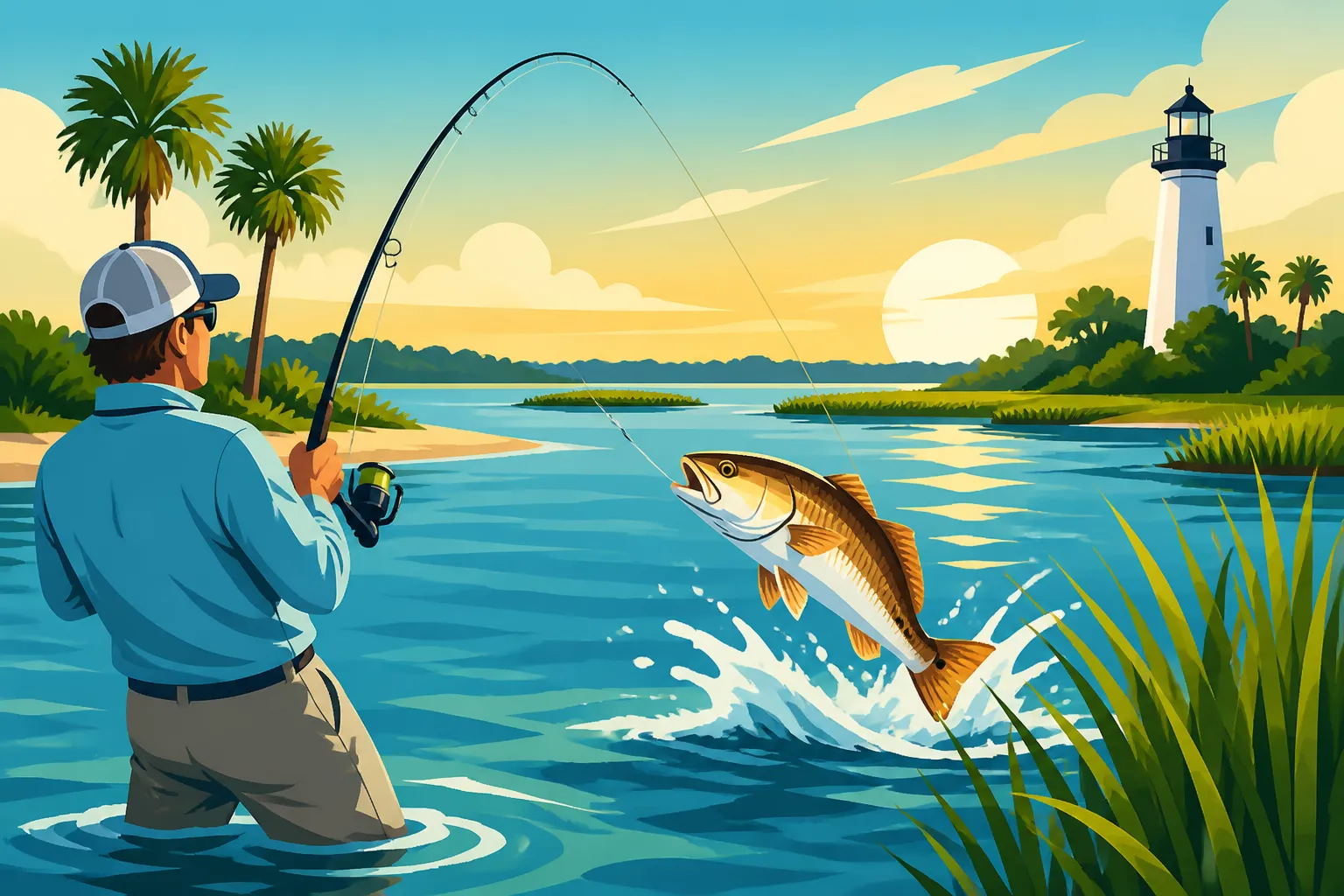
For Redfish, focus your attention on the edges of oyster bars, deep creek bends, and areas with strong current near marsh grass. They often "tail" in the shallows during high tide, feeding on fiddler crabs and shrimp, presenting an exciting sight-casting opportunity. During lower tides, they'll congregate in deeper holes and along creek banks. Try using live shrimp, mud minnows, or a Gulp! shrimp under a popping cork. The sounds and river mouths here are particularly known for producing good numbers of Redfish. Many anglers specifically seek out the prime St. Simons Island Redfish Fishing Spots for their consistent action. For those launching from the mainland, the Brunswick, Georgia Saltwater Fishing Spots offer equally fantastic access to these rich tidal environments.
Spotted Seatrout often hold over grass flats and around the mouths of creeks, especially when the tide is moving. They love ambush points, so cast artificial baits like soft plastic paddle tails on a light jig head, or even topwater plugs during low light conditions, near any structure or current break. Live shrimp under a popping cork is almost always a surefire bet for trout. Flounder, the masters of camouflage, prefer sandy or muddy bottoms near oyster shell, docks, or other submerged structure. A Carolina rig with a live mud minnow or finger mullet slowly dragged along the bottom is a classic and highly effective method for these tasty flatfish.
Jekyll Island and Sea Island: Secluded Opportunities
While St. Simons and Brunswick are bustling with activity, Jekyll Island and Sea Island offer slightly more secluded and often equally productive inshore fishing experiences. Jekyll Island Creek, which runs along the western side of Jekyll, is a fantastic spot. It's often less crowded than the more central Golden Isles waterways, offering a peaceful backdrop for your fishing endeavors. The creek features numerous feeder creeks, oyster rakes, and marsh edges that are perfect for hunting Redfish and Spotted Seatrout.
Accessing these waters, particularly the backside marshes of Sea Island, often requires a shallower draft boat or even a kayak, which can be an advantage. The shallower, more intricate channels here tend to hold resident fish that might be less pressured. Targeting areas where water drains off the marsh during an outgoing tide can be particularly effective, as baitfish and crustaceans are flushed out, making them easy prey. For those who prefer the quiet solitude and the thrill of exploring less-trodden paths, the fishing around Jekyll and Sea Island can be incredibly rewarding. The tranquility is often a welcome change, allowing anglers to truly immerse themselves in the natural beauty of the Georgia coast while pursuing their favorite inshore species.
Venturing into Nearshore and Coastal Waters
Sometimes, the inshore marsh just isn't enough, and the call of the open ocean beckons. The Golden Isles offers fantastic opportunities for nearshore and coastal fishing, where you can target bigger, faster, and often more migratory species. These areas require a boat and a bit more planning, but the rewards can be truly exhilarating.
Artificial Reefs and Wrecks: Structure for Success
Just a few miles offshore from the Golden Isles, the Georgia coast boasts an impressive network of artificial reefs and natural ledges. These structures, made from everything from old military tanks and concrete rubble to sunken barges and bridge sections, create vital habitats in an otherwise flat, sandy bottom. Fish are naturally drawn to structure for food, shelter, and spawning, making these reefs absolute magnets for a diverse range of species.
Anglers venturing to these reefs can expect to encounter bottom dwellers like Black Sea Bass, various species of Snapper (including Red Snapper when in season, though strict regulations apply), and sometimes even Grouper. You'll typically use a bottom fishing setup with cut bait (like squid or cigar minnows) or live bait dropped straight down to the structure. For pelagic species, the reefs also attract King Mackerel and Spanish Mackerel, especially during the warmer months. Trolling spoons or live bait around the perimeter of these reefs can be incredibly effective for these toothy predators. While getting to these spots requires a longer boat ride and good navigation skills, the chance to hook into larger, hard-fighting fish makes the effort absolutely worthwhile. Local charts and GPS will show coordinates for many of Georgia's public artificial reefs, providing clear targets for your offshore adventure.
Barrier Island Beaches and Passes: Dynamic Zones
The barrier island beaches and the deep passes between them offer another unique coastal fishing experience. Surf fishing directly from the beach provides a completely different challenge and thrill, allowing anglers to target species like Pompano, Whiting, and even large Red Drum (often called "bull reds") without needing a boat. These fish cruise the surf zone, feeding on sand fleas, ghost shrimp, and small baitfish churned up by the waves. A heavy surf rod with a pyramid sinker and a simple two-drop rig baited with shrimp or sand fleas is a common and effective setup.
The inlets and passes, such as St. Simons Sound and Jekyll Sound, are dynamic environments where strong currents concentrate bait and predatory fish. These areas are prime hunting grounds for larger game fish, especially during their migratory periods. Here, you might hook into massive Jack Crevalle, which fight like freight trains, or even the highly sought-after Tarpon during the summer months. Tarpon fishing in Georgia is an intense experience, often requiring live mullet or menhaden free-lined into the current. Anglers specifically seeking out the impressive Redfish: One of Georgia's Three State Fish, often find the largest specimens patrolling these deeper channels and nearshore waters, particularly in the fall. During the peak summer heat, don't be surprised to encounter various shark species, from Blacktips to Atlantic Sharpnose, especially if you're fishing with cut bait.
Accessible Fishing: Piers and Public Shoreline Access
Not everyone has a boat, or the desire for one, and that's perfectly fine! The Golden Isles provides plenty of fantastic fishing opportunities for anglers who prefer to stay on solid ground or paddle a small craft. These accessible spots are often family-friendly and require minimal gear, making them perfect for beginners or those just looking for a relaxing day by the water.
Georgia's Popular Coastal Fishing Piers
The fishing piers scattered across the Golden Isles are true community hubs, offering convenient access to prime fishing waters without the need for a boat. The St. Simons Island Pier, located in the village, is perhaps the most famous. It extends far out into the St. Simons Sound, placing anglers in excellent position to catch a wide variety of species. You can expect to reel in Whiting, Croaker, Spot, Flounder, and even Spotted Seatrout, especially during tide changes. The pier is well-lit at night, making it popular for those looking to fish after dark, and there's usually a bait shop nearby for convenience.
Similarly, the Jekyll Island Pier offers excellent opportunities, particularly for anglers targeting larger species like King Mackerel, Spanish Mackerel, and even Tarpon when they are running close to shore. This pier is also known for its strong currents, which can be advantageous for targeting certain fish. These piers are fantastic for families, providing a safe and easy way to introduce kids to the joys of saltwater fishing. While they can get crowded, especially on weekends and holidays, the sheer convenience and consistent action make them some of the Best Coastal Fishing Piers in Georgia. Don't forget to grab your Georgia fishing license and the free Georgia Saltwater Fishing Permit Explained before you go!
Bank Fishing and Kayak Launch Points
Beyond the piers, there are numerous spots where you can effectively fish from the bank or launch a kayak to explore the shallower marsh creeks. Many causeways and bridges over tidal creeks offer prime bank fishing spots, though always be mindful of traffic and posted regulations. Areas within state parks or designated public access points often have cleared banks or small docks that provide safe and legal access. These locations are ideal for targeting Redfish and Spotted Seatrout, especially on an incoming or outgoing tide when they patrol the edges of the marsh grass.
Kayak fishing has exploded in popularity in the Golden Isles, and for good reason. Kayaks offer stealth, allowing you to get into very shallow, skinny water where powerboats can't go. This opens up countless hidden creeks and marsh ponds that are absolutely brimming with fish. Launch points can be found at various public boat ramps, designated kayak launches within state parks, or even from undeveloped access points along roadsides, though always scout ahead for safe entry and exit. Some favorite spots for kayak anglers include the intricate creeks off the Frederica River on St. Simons Island and the quieter marsh systems around Jekyll Island. With a kayak, you gain access to some of the most remote and pristine fishing environments, providing a true sense of adventure and often yielding impressive catches. For more ideas on where to get to the water without a large vessel, consider exploring general Coastal Georgia Fishing Spots Guide that highlight accessible areas.
Mastering the Tides and Seasons for Optimal Results
Coastal fishing in Georgia is inextricably linked to the tides. Unlike freshwater systems, where fish behavior is often dictated by weather and water temperature alone, the ebb and flow of the ocean profoundly influence where fish are, what they're eating, and how actively they're biting. Understanding this dynamic, combined with knowing seasonal patterns, is the secret sauce to consistent success in the Golden Isles.
The Critical Role of Tides and Currents
If there's one piece of advice veteran saltwater anglers in Georgia will give you, it's "fish the tides." The incoming (flood) tide brings cooler, cleaner, and often more oxygenated water, along with a fresh supply of bait, into the marsh. As the water rises, Redfish and Seatrout will push deep into the grass, foraging for shrimp and fiddler crabs. This can be an excellent time for sight casting to tailing reds in the flooded marsh or targeting trout along creek edges that are newly submerged.
The outgoing (ebb) tide, on the other hand, pulls water, bait, and nutrients back out of the marsh and into the main creeks and sounds. This concentrates baitfish in deeper channels and at the mouths of feeder creeks, creating prime ambush points for predatory fish. Flounder often stage at the bottom of these drains, waiting for an easy meal to be flushed their way. Strong currents during the middle of the tide can be challenging to fish, but they also signal active feeding times. Slack tide – the brief period between high and low tide when the water is still – can sometimes be slow, but it can also offer a window for fish to relax and become more catchable, particularly for bottom feeders. Always consult a local tide chart for the Golden Isles before heading out, as the timing of the tides changes daily and varies slightly by specific location.
Seasonal Species Migration and Best Times to Visit
While many inshore species are year-round residents, their activity levels, locations, and the presence of migratory species vary significantly with the seasons. A Georgia Fishing Seasons by Month guide can be incredibly helpful for planning, but here's a quick overview of what to expect in the Golden Isles:
- Spring (March-May): As water temperatures rise, fish become incredibly active. Redfish and Spotted Seatrout fishing is excellent, especially as baitfish begin to reappear in abundance. This is also a prime time for Tripletail, which can be found floating near buoys and crab trap markers, and the first migratory Spanish Mackerel show up nearshore.
- Summer (June-August): The heat drives many fish into deeper, cooler waters during the day, but early mornings, late evenings, and night fishing can be phenomenal. Tarpon arrive in force, offering a world-class challenge, particularly around the major sounds and nearshore waters. Shark fishing is popular, and King Mackerel move closer to shore and around the artificial reefs. Inshore, Redfish and Trout will still be biting, but you might need to target them in deeper holes or during lower light conditions.
- Fall (September-November): Many consider fall to be the absolute prime time for fishing in the Golden Isles. Water temperatures cool, and the "mullet run" begins, bringing massive schools of baitfish along the coast. This triggers aggressive feeding frenzies among game fish. Giant "bull" Redfish are a major target in the sounds and nearshore, while inshore Redfish and Seatrout action is absolutely red-hot. Flounder fishing is also excellent as they begin their migration offshore. For a more detailed breakdown, check out an A Year-Round Guide to Fishing in Georgia.
- Winter (December-February): While fishing slows down compared to the prolific fall, winter in the Golden Isles can still be very productive. Redfish will school up in large numbers in deeper holes in the marsh and creeks, making them easier to locate but sometimes harder to entice. Spotted Seatrout can still be caught, often preferring slower presentations. Bottom fishing for Sheepshead around docks and pilings can also be a fantastic winter option.
Essential Gear and Techniques for Golden Isles Anglers
Stepping into saltwater fishing requires a slightly different approach and equipment compared to freshwater. The harsh, corrosive environment of saltwater demands durable gear, and the powerful nature of marine species often calls for stronger setups. Having the right tools and knowing how to use them will dramatically improve your success and enjoyment in the Golden Isles.
Rods, Reels, and Line for Saltwater Challenges
For most inshore fishing in the Golden Isles, a medium-light to medium-heavy spinning rod, typically 7 to 7.5 feet in length, will be your workhorse. This length provides good casting distance while still offering the sensitivity needed to feel subtle bites and the backbone to fight strong fish. Pair this with a corrosion-resistant spinning reel in the 2500 to 4000 series, capable of holding 150-200 yards of line. Reputable brands like Penn, Shimano, or Daiwa offer excellent saltwater-specific reels that can withstand the demands of the marine environment. Don't skimp on quality here; cheap freshwater gear will quickly succumb to the saltwater.
For line, braided superline is the standard for its strength, sensitivity, and casting distance. A 10-20 lb test braided line is usually sufficient for inshore species like Redfish and Trout. Always tie on a fluorocarbon leader (20-30 lb test, 2-3 feet long) between your braid and your lure or hook. Fluorocarbon is nearly invisible underwater, more abrasion-resistant, and helps prevent fish from seeing your main line. For heavier nearshore fishing for species like King Mackerel or Tarpon, you'll want to step up to a medium-heavy or heavy conventional or spinning setup with 30-50 lb braid and a much heavier fluorocarbon or monofilament leader.
Bait, Lures, and Rigs That Get Bites
The Golden Isles fish have a varied diet, so having a selection of baits and lures will give you an edge. Live bait is often king in saltwater, and the most common options include live shrimp (fished under a popping cork or free-lined), mud minnows (excellent for flounder and redfish on a Carolina rig), and finger mullet (great for Redfish, Flounder, and larger predatory fish). You can usually buy these at local bait shops, or even catch your own with a cast net if you're up for the challenge.
When it comes to artificial lures, soft plastics are incredibly versatile. Paddle tail grubs, like those from Z-Man or DOA, rigged on a jig head (1/8 to 1/4 oz for shallow water, heavier for deeper current) are deadly for Spotted Seatrout and Redfish. Colors like chartreuse, white, and "new penny" are perennial favorites. Popping corks, which create a "chugging" sound to attract fish, are fantastic when paired with a live shrimp or soft plastic. Topwater plugs can provide exhilarating strikes, especially for trout and reds during low light conditions. Spoons, particularly gold or silver weedless varieties, are also highly effective for redfish. For targeting Best Bait for Redfish, live and cut bait are hard to beat, but soft plastics are gaining popularity.
Common rigs include the popping cork rig (popping cork, leader, swivel, hook, and bait/lure) for active fish over grass flats, and the Carolina rig (egg sinker, swivel, leader, hook) for bottom fishing, especially for Flounder. Learning to tie basic knots like the Uni-knot, improved Clinch knot, and a good loop knot will serve you well.
| Species | Best Season | Typical Location | Preferred Bait/Lure |
|---|---|---|---|
| Redfish | Year-round | Marshes, oyster beds | Live shrimp, mud minnows, Gulp! shrimp, spoons |
| Spotted Seatrout | Spring, Fall | Grass flats, creek mouths | Live shrimp, DOA Shrimp, Z-Man Paddle Tails, topwater |
| Flounder | Spring, Fall | Structure, creek bottoms | Live mud minnows, finger mullet, Gulp! swimming mullet |
| Black Sea Bass | Year-round | Artificial reefs, wrecks | Squid, cut bait, bucktail jigs |
| Tarpon | Summer | Inlets, nearshore | Live mullet, menhaden, large flies, Hogy lures |
| Tripletail | Spring, Fall | Buoys, floating debris | Live shrimp, small fish, D.O.A. Terroreyz |
| King Mackerel | Summer, Fall | Offshore reefs, nearshore | Live mullet, spoons, cigar minnows, Drone Spoons |
Planning Your Golden Isles Fishing Adventure
Embarking on a fishing trip to the Golden Isles can be one of the most rewarding experiences, but a little preparation goes a long way. Understanding the local rules and considering hiring a professional can save you headaches and significantly boost your chances of success.
Navigating Regulations and Permits
The waters of Georgia, both fresh and saltwater, are managed to ensure healthy fish populations for generations to come. This means there are rules you need to follow. First and foremost, anyone aged 16 or older needs a valid Georgia Fishing License Guide to fish in Georgia's waters, whether fresh or saltwater. For saltwater specifically, you'll also need a free Georgia Saltwater Fishing Permit Explained. Even though it doesn't cost anything, it's mandatory and helps the state monitor fishing effort. You can easily obtain both online through the Georgia Department of Natural Resources (DNR) website or from authorized license agents.
Beyond licenses, it's crucial to familiarize yourself with Georgia Fishing Regulations Explained, including species-specific size limits and daily creel limits. These regulations are in place for a reason – to protect fish stocks – and penalties for violations can be steep. For example, some species have minimum lengths you must adhere to, and others might have slot limits (where you can keep fish within a certain size range, but not too small or too large). It's also important to know that Do you need a permit for saltwater fishing in Georgia? Yes, absolutely, even though it's free, it's a requirement. Ignorance of the law is truly no excuse, so take the time to review the most current regulations before your trip.
Choosing a Guide or Charter Service
For many anglers, especially those new to the Golden Isles or saltwater fishing in general, hiring a local fishing guide or charter service is an invaluable investment. These professionals spend countless hours on the water, possess an intimate knowledge of the local tides, fish behavior, and productive spots, and can significantly increase your chances of a successful and enjoyable trip. They also provide all the necessary gear, bait, and often handle the regulations, ensuring you're compliant.
A good guide knows exactly where the fish are biting based on the time of year, tide, and recent conditions – something that can take years for an individual angler to learn. Whether you're interested in fly fishing for Redfish in the skinny water, bottom fishing for Sea Bass on an artificial reef, or chasing Tarpon in the sounds, there's a guide service tailored to your ambition. If you're looking to simplify the booking process and ensure you find a reputable, licensed captain, consider using platforms like FishingBooker. Many experienced captains in the Golden Isles list their services on sites like FishingBooker, making it easy to compare options, read reviews, and find the perfect trip for your group or family. From inshore light tackle trips targeting Where to Catch Sea Trout Along the Georgia Coast to exciting nearshore adventures, FishingBooker offers a wide array of charter options. Using a service like FishingBooker ensures you connect with licensed and knowledgeable captains who prioritize safety and a great fishing experience, taking the guesswork out of planning your saltwater excursion.
Disclaimer
Please note that fishing regulations, license requirements, and seasonal patterns can change. Always consult the official Georgia Department of Natural Resources (DNR) website or their current fishing regulations guide for the most up-to-date and accurate information before planning your fishing trip. This guide is for informational purposes only and should not replace official sources.