St. Simons Island Redfish Fishing Spots
Trying to pin down the best redfish fishing spots on St. Simons Island can feel like chasing ghosts sometimes, especially with the intricate marsh system, shifting tides, and varied structure that define our beautiful coast. It’s easy to get overwhelmed by the sheer amount of water, wondering where to even start for that bronze beauty. This comprehensive guide is designed to cut through the confusion, offering you an insider's look at the most productive redfish havens around St. Simons, ensuring your next trip is a success.
Understanding Redfish Behavior Around St. Simons Island
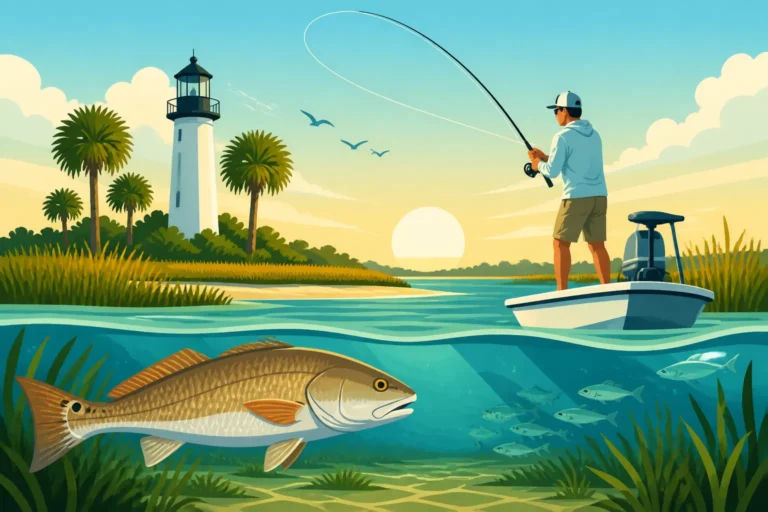
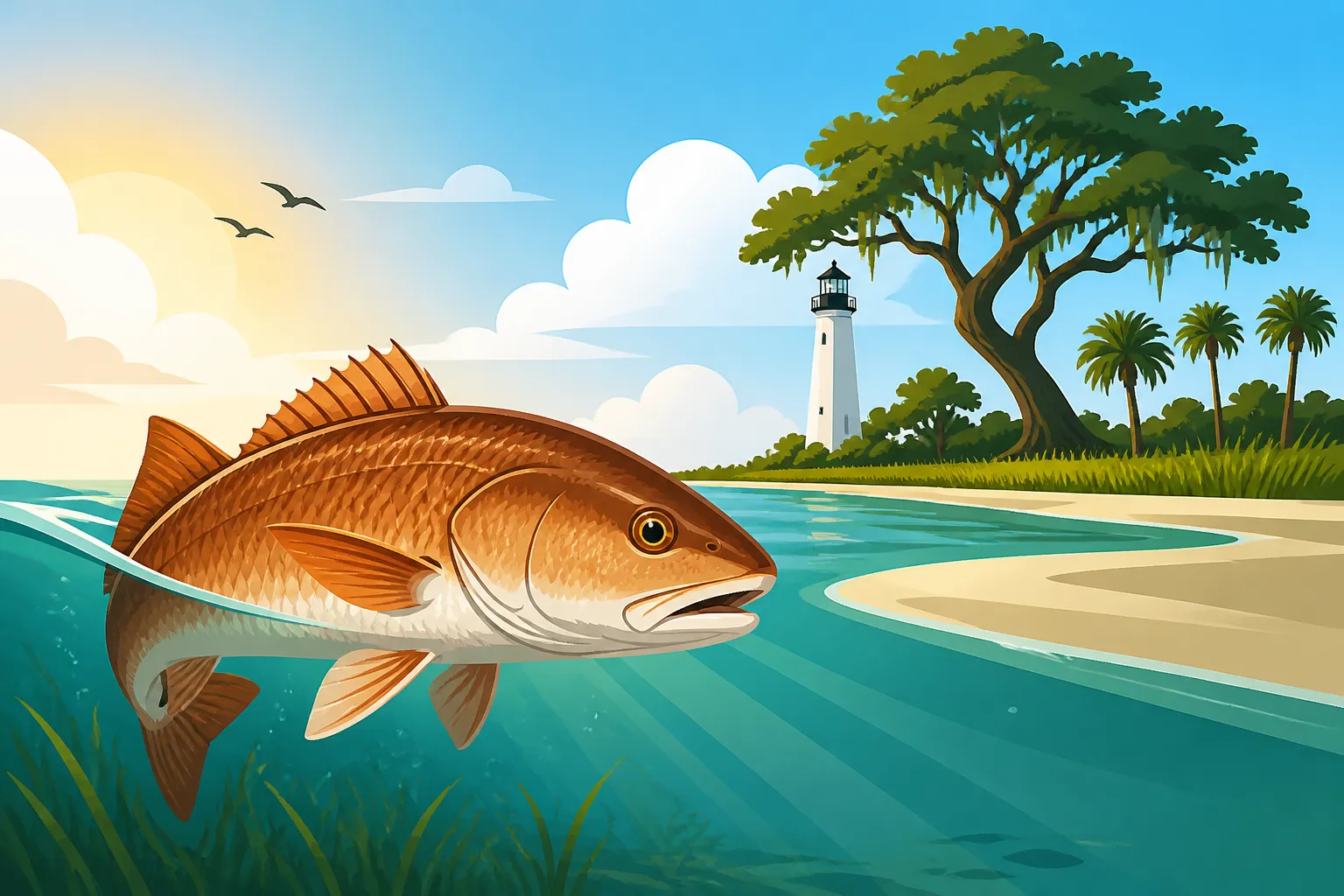
Redfish, also known as red drum, are a beloved species here in Georgia, and for good reason. They put up an incredible fight, are stunning to look at, and they're generally quite abundant in our inshore waters. On St. Simons Island, redfish thrive in the brackish marsh estuaries, tidal creeks, and along the oyster beds that crisscross the area. Their behavior is heavily influenced by the tides, water temperature, and the availability of baitfish, shrimp, and crabs.
During higher tides, redfish often venture out of the deeper channels and into the flooded marsh grass, tailing as they forage for fiddler crabs and other crustaceans. This is an exciting time for sight fishing, though it requires stealth and keen observation. As the tide recedes, they'll pull back into the creeks, around oyster shells, and into deeper holes, offering excellent opportunities for bait and lure fishing. Understanding these tidal movements is absolutely crucial for consistently finding redfish. The extensive network of creeks around St. Simons, which forms part of the larger Golden Isles Coastal Fishing Spots, provides ample habitat, from shallow flats to deeper bends, catering to redfish at all stages of the tide.
Tidal Influence on Redfish Location
The ebb and flow of the tide dictates almost everything when it comes to inshore redfish fishing on St. Simons. It's not just about high tide versus low tide; it's about understanding the stage of the tide. On a falling tide, redfish are often concentrated in specific areas as the water drains from the marshes. Look for them funneling out of smaller feeder creeks into larger ones, or holding tight to oyster bars and creek bends where ambush points are abundant. The current can also concentrate bait, creating prime feeding opportunities for redfish.
Conversely, a rising tide can spread fish out as new feeding grounds become accessible. This is when you might find them pushing into the spartina grass, especially during strong flood tides. Many anglers swear by the last two hours of the incoming tide and the first two hours of the outgoing tide as the most productive windows. This transition often triggers aggressive feeding as redfish either rush to new food sources or are forced to consolidate around remaining cover. Pay attention to the moon phase as well, as spring tides (new and full moons) bring higher highs and lower lows, intensifying these movements and concentrating fish even further.
Preferred Habitats and Food Sources
St. Simons redfish are opportunistic feeders and masters of their environment. Their diet mainly consists of shrimp, fiddler crabs, mud minnows, mullet, and small baitfish like finger mullet and pogies. This diverse menu means they can be found in a variety of habitats throughout the island's inshore waters. Oyster beds are a classic redfish magnet, providing both food and protection. The jagged shells harbor countless small crustaceans and baitfish, and the structure itself offers current breaks and ambush points.
Mud flats adjacent to deep channels are another prime spot, especially as the tide drops and fiddler crabs are exposed. Shallow grass flats, particularly those with a mix of shell and sand, are also productive, especially for sight fishing when the water is clear. Deeper creek bends and holes provide refuge during extreme low tides or colder water temperatures, and are often overlooked by anglers focused solely on the flats. When considering your gear, it's wise to carry a variety of baits and lures to match what the redfish are actively feeding on in these varied environments. For a full picture of the species, check out this guide on Redfish: One of Georgia's Official State Fish.
Prime Inshore Redfish Hotspots on St. Simons
St. Simons Island offers a plethora of spots to chase redfish, each with its unique charm and challenges. From expansive marshes to accessible docks, there's a place for every angler, whether you're poling a skiff or casting from shore. Knowing where to go and what to expect can dramatically increase your chances of success. Many of these areas are also highlighted in the broader St. Simons Island Inshore Fishing Guide, providing excellent context for your redfish pursuits.
The Marshes and Tidal Creeks of St. Simons
The vast marsh system surrounding St. Simons Island is, without a doubt, the quintessential redfish habitat. These labyrinthine creeks and grass flats hold an incredible density of fish. One particularly productive area is the intricate network of creeks off the Brunswick River, west of St. Simons. These creeks, like those emptying into the Back River or near the Hampton River, offer countless bends, oyster bars, and shallow flats. Accessing these spots often requires a shallow-draft boat or even a kayak, allowing you to quietly penetrate deeper into the marsh where larger boats can't go. Look for areas where several smaller creeks merge into a larger one, creating a natural funnel for fish moving with the tide.
Another hotspot within the marsh complex includes the numerous smaller feeder creeks that drain into the larger bodies of water. These "cuts" are especially productive on a falling tide, as redfish stage at their mouths to ambush bait being flushed out. Don't be afraid to explore. A good mapping app on your phone or fish finder can reveal hidden cuts and oyster reefs that aren't immediately obvious. Booking a local guide through platforms like FishingBooker can also provide invaluable insights into these specific, ever-changing marsh patterns.
Public Docks and Piers for Shore Anglers
Not everyone has access to a boat, and thankfully, St. Simons offers excellent opportunities for shore-bound anglers as well. The St. Simons Island Pier, located right in Pier Village, is a fantastic place to start. While known for a variety of species, redfish are frequently caught here, especially during cooler months when they school up. Fishing the incoming and outgoing tides around the pilings can be very effective. Use live bait like shrimp or finger mullet, or artificial lures that mimic these forage species. The deep water under and around the pier provides cover and a strong current flow, which redfish love.
Another accessible spot is the area around the causeway leading onto the island. While direct access can be tricky due to private property, there are sometimes public fishing areas or small pull-offs that offer bank access, particularly on the mainland side closer to Brunswick. Always be mindful of private property signs and respect local regulations. For a broader overview of coastal access, consider checking out other Coastal Georgia Fishing Spots Guide resources that list public access points.
Oyster Bars and Shell Rakes
If you’re talking redfish in Georgia, you have to talk about oyster bars. These natural structures are redfish magnets, providing both abundant food and crucial habitat. On St. Simons, countless oyster bars line the banks of nearly every tidal creek and river. You can spot them at low tide as exposed mounds of sharp shells. The key is to fish them effectively as the tide covers them or drains from them.
On a rising tide, redfish will move onto the bars to feed on crabs and other critters. Cast your bait or lure right onto the edge of the bar, letting it fall into the deeper water alongside. On a falling tide, fish the deeper holes and cuts adjacent to the oyster formations, as redfish will often hold there, waiting for prey to be washed off the bar. Be prepared for snags, as these areas are notorious for eating tackle. Strong fluorocarbon leader is a must here. Understanding the intricacies of how to fish around these shell rakes is a hallmark of experienced inshore anglers.
Seasonal Strategies for St. Simons Redfish
Redfish are present in St. Simons waters year-round, but their behavior and preferred locations change significantly with the seasons. Adapting your strategy to the time of year is crucial for consistent success. What works in the sweltering heat of summer won't necessarily yield results in the brisk chill of winter.
Spring and Fall Fishing
Spring and fall are arguably the best times to target redfish on St. Simons. In spring, as water temperatures rise, redfish become increasingly active after the slower winter months. They'll start spreading out from their wintering holes and move onto the flats and into the marsh to feed aggressively. This is a fantastic time for sight fishing, as the water can be clear, and redfish are often found tailing in the shallows. Look for them feeding around the edges of marsh grass and oyster bars. Live shrimp under a popping cork is incredibly effective, as are soft plastics like Berkley Gulp! shrimp or Z-Man paddletails.
Fall brings cooler temperatures and the annual mullet run, which is pure gold for redfish anglers. As large schools of finger mullet migrate out of the estuaries, redfish gorge themselves, often forming large schools that can be spotted busting bait on the surface. Target creek mouths, points, and anywhere bait is concentrated. Topwater lures can be explosive during this time, creating thrilling strikes. Live finger mullet on a Carolina rig or under a float are also deadly. The sheer abundance of bait and the active feeding patterns make fall an incredibly productive season for redfish.
Summer and Winter Tactics
Summer fishing on St. Simons requires an adjustment to avoid the heat and adapt to the fish's behavior. Redfish tend to be more active during the cooler parts of the day – early mornings, late evenings, and even into the night. During the midday heat, they often retreat to deeper, cooler water, or seek shade under docks and mangroves. Focus your efforts on these times and locations. Live bait like shrimp, mud minnows, or small crabs presented on a light Carolina rig are excellent choices. Artificials like weedless spoons or soft plastics can also be effective when fished slowly along the bottom or near structure. Don't forget to protect yourself from the sun!
Winter can be a challenging but rewarding time for redfish. As water temperatures drop, redfish will often school up in large numbers and seek out deeper, warmer holes within the creeks and rivers. These schools can be found by looking for subtle signs like baitfish flickering on the surface or by using a good fish finder. Once you locate a school, the fishing can be phenomenal, but they can also be very spooky. Approach quietly and use smaller, natural baits like live shrimp or mud minnows. Fishing slow and deep is key. On sunny days, they might move into very shallow, dark-bottomed flats that absorb heat, offering sight-casting opportunities. Remember that cooler temperatures can also affect other species, so understanding how Fishing After a Cold Front impacts various fish can be helpful.
| Season | Best Tidal Stage | Preferred Habitat | Recommended Baits/Lures | Key Strategy |
|---|---|---|---|---|
| Spring | Rising/Falling | Marsh grass, oyster bars, creek mouths | Live shrimp, soft plastics, topwaters | Sight fishing, target active fish |
| Summer | Early/Late/Night | Deeper channels, shaded docks, creek bends | Live shrimp/minnows, weedless spoons | Fish cool hours, target shade/depth |
| Fall | Rising/Falling | Creek mouths, points, bait concentrations | Live mullet, topwaters, soft plastics | Target schooling fish, bait runs |
| Winter | Low/Rising | Deep holes, dark-bottomed flats | Live shrimp/mud minnows, small jigs | Locate schools, fish slow and deep |
Essential Gear and Techniques for Success
Having the right gear and knowing how to use it makes all the difference when chasing redfish on St. Simons Island. From rod and reel setups to the best baits, being prepared for what these powerful fish demand will significantly boost your angling success.
Rod, Reel, and Line Selection
For inshore redfish fishing, a versatile medium-light to medium-heavy spinning rod, typically 7 to 7.5 feet in length, is a solid choice. This length provides good casting distance for covering water and enough backbone to muscle a strong redfish out of heavy cover. Pair it with a 2500-4000 series spinning reel, known for its smooth drag system and sufficient line capacity. Companies like Shimano, Daiwa, and Penn make excellent reels suitable for this type of fishing.
For your main line, 10-20 lb braided line is highly recommended. Braid offers superior casting distance, sensitivity, and strength-to-diameter ratio, allowing you to feel even the slightest tap. The lack of stretch in braid also aids in solid hooksets. Always use a fluorocarbon leader, typically 20-30 lb test, tied to your braid with a strong knot like an FG or Albright. Fluorocarbon is nearly invisible underwater, more abrasion-resistant against oyster shells, and helps prevent wary redfish from seeing your main line.
Top Baits and Lures for Redfish
Redfish are not overly picky, but certain baits and lures consistently outperform others. When it comes to natural bait, live shrimp are king. They are a universal redfish snack and can be fished under a popping cork, on a Carolina rig, or free-lined. Live finger mullet, mud minnows, and small crabs are also incredibly effective, especially for larger reds. Fresh cut bait, such as mullet or pogies, fished on the bottom, can also entice sluggish or deeper-holding fish.
For artificials, soft plastic paddletail or jerk shads, typically 3-5 inches long, rigged on a 1/8 to 1/4 ounce jig head, are incredibly versatile. Colors like chartreuse, white, natural shrimp, or dark purples and browns (often called "root beer") are popular. Weedless spoons, like those from Johnson Silver Minnow, are fantastic for fishing over shallow grass and oyster beds without snagging. Topwater lures like poppers or walk-the-dog baits can provide explosive strikes during low light conditions or when redfish are actively feeding on the surface. For a deep dive into specific options, you can consult a guide on the Best Bait for Redfish.
Essential Rigging Techniques
Matching your rigging technique to the conditions is crucial. One of the most common and effective setups for live shrimp is the popping cork rig. This involves a rattling cork, a leader (usually 18-36 inches of fluorocarbon), and a small J-hook or circle hook. The cork creates sound and disturbance, mimicking feeding baitfish, while suspending your bait at a desired depth.
For fishing live or cut bait on the bottom, a Carolina rig is ideal. This simple setup uses an egg sinker (1/4 to 1 ounce, depending on current and depth) above a swivel, then a 12-24 inch fluorocarbon leader, and finally a circle hook. This allows the bait to drift naturally while keeping your weight on the bottom. When using circle hooks, remember to let the fish take the bait and swim away, allowing the hook to set itself in the corner of its mouth without needing a hard hookset. For fishing very shallow flats, a simple weedless jig head with a soft plastic or a weedless spoon can be cast and retrieved effectively to avoid snags.
When heading out, especially on a fishing charter through services like FishingBooker, your captain will often provide all necessary gear and expert advice on these techniques. For those interested in understanding the species better, learning How to Identify a Redfish can also improve your chances of success.
Conservation and Responsible Angling Practices
As stewards of our natural resources, responsible angling practices are paramount, especially when targeting popular species like redfish. The health of the redfish population and the pristine marsh environments of St. Simons Island depend on every angler doing their part to ensure sustainable fishing for generations to come.
Georgia Fishing Regulations for Redfish
Before you even make your first cast, make sure you're familiar with Georgia's specific fishing regulations for redfish. These rules cover minimum and maximum size limits, daily creel limits (how many fish you can keep), and sometimes even specific gear restrictions. For redfish in Georgia, there's typically a slot limit, meaning you can only keep fish within a certain size range, and a daily bag limit. These regulations are designed to protect both juvenile fish, allowing them to grow and reproduce, and large breeding adults. Always check the latest Georgia Fishing Regulations Explained or the Georgia Department of Natural Resources (DNR) website before heading out, as regulations can change. Remember, you'll also need a valid Georgia Saltwater Fishing Permit Guide to legally fish these waters. It's often free, but still required!
Catch and Release Best Practices
Many anglers practice catch and release for redfish, especially for the larger "bull reds" which are often the most prolific breeders. If you plan to release a fish, take every precaution to minimize stress and injury. Handle the fish as little as possible, keeping it in the water if you can. If you must remove it, support its body horizontally and avoid holding it by the jaw alone. Use a de-hooking tool to quickly and safely remove the hook, especially if it's deeply set. If the fish is bleeding or looks stressed, take a moment to revive it by gently holding it upright in the water, facing into the current, until it swims away strongly. This ensures that the fish has the best chance of survival.
Protecting the St. Simons Ecosystem
The marsh and coastal environment of St. Simons Island is a delicate ecosystem. Beyond following fishing regulations, there are broader responsibilities. Never litter, and if you see trash, pick it up. Avoid disturbing nesting birds or other wildlife. If you're running a boat, be mindful of shallow areas and prop scarring, which can damage vital grass beds. Keep your wake to a minimum in narrow creeks. Use biodegradable lures when possible and dispose of old fishing line properly, as it can be deadly to wildlife. By practicing ethical angling and respecting the environment, we can all contribute to preserving the beauty and productivity of St. Simons Island's redfish fishery for years to come.
Disclaimer
The information provided in this guide is for general informational purposes only and is subject to change. Fishing regulations, conditions, and fish behavior can vary significantly. Always consult the official Georgia Department of Natural Resources (DNR) website or local authorities for the most up-to-date regulations, licensing requirements, and safety guidelines before engaging in any fishing activities. The author and publisher are not responsible for any inaccuracies or for any loss, damage, or injury incurred as a result of using this information.