St. Simons Island Inshore Fishing Guide
Stepping onto St. Simons Island, many anglers feel that familiar tug of excitement, but also a dash of overwhelm. The sheer vastness of the marsh, the winding creeks, and the ever-present tides can make finding the fish feel like an impossible puzzle. This guide is here to untangle that mystery, offering you a comprehensive look at how to approach inshore fishing around St. Simons, so you can spend less time guessing and more time reeling in those incredible coastal catches.
The Allure of St. Simons Island Inshore Fishing
There's something truly magical about fishing the inshore waters of St. Simons Island. It’s a different world from the deep blue sea, a place where the rhythm of the tides dictates everything and the vibrant marsh ecosystem comes alive with every cast. If you've ever felt intimidated by the sheer scale of the ocean, or perhaps you just crave a more intimate connection with nature, then inshore fishing here is absolutely for you.
Why Inshore Fishing is Unique Here
The landscape itself is what truly sets St. Simons inshore fishing apart. We're talking about a labyrinth of estuaries, expansive marsh grass, countless oyster beds, and intricate tidal creeks that snake their way inland. This isn't just pretty scenery; it's a dynamic, nutrient-rich environment that provides shelter and sustenance for an incredible array of fish species. These calmer, protected waters are a stark contrast to the often-rough conditions found offshore, making it a fantastic option for anglers of all skill levels, from seasoned pros to families with little ones just learning the ropes. Plus, the beauty of it all is that the fishing can be fantastic year-round, with different species providing excitement in every season.
What Makes St. Simons Special for Anglers
Beyond the sheer number of fish, St. Simons Island offers a unique blend of abundant natural resources and a relaxed, charming atmosphere that just makes a day on the water feel right. The area is absolutely teeming with baitfish – think finger mullet, shrimp, and mud minnows – which, in turn, draws in larger predatory species. The nutrient-rich waters flowing in and out with the tides act like a superhighway for these fish, ensuring a healthy and thriving population. It's not just about the fishing; it’s about soaking in the natural beauty, the quiet serenity of the marsh, and the chance to spot everything from playful dolphins to majestic wading birds. The island's proximity to other stunning destinations like Jekyll Island and Sea Island, part of the larger Golden Isles chain, means you're at the heart of coastal Georgia's best angling opportunities. For a broader perspective on the region, check out our guide to Golden Isles Coastal Fishing Spots, Georgia.
Top Species to Target in St. Simons Inshore Waters
When you hit the inshore waters around St. Simons, you'll find a lively cast of characters ready to test your angling skills. Knowing what you're likely to encounter and how to approach each species is half the battle, and honestly, it makes the pursuit so much more rewarding.
Redfish Red Drum The Inshore King
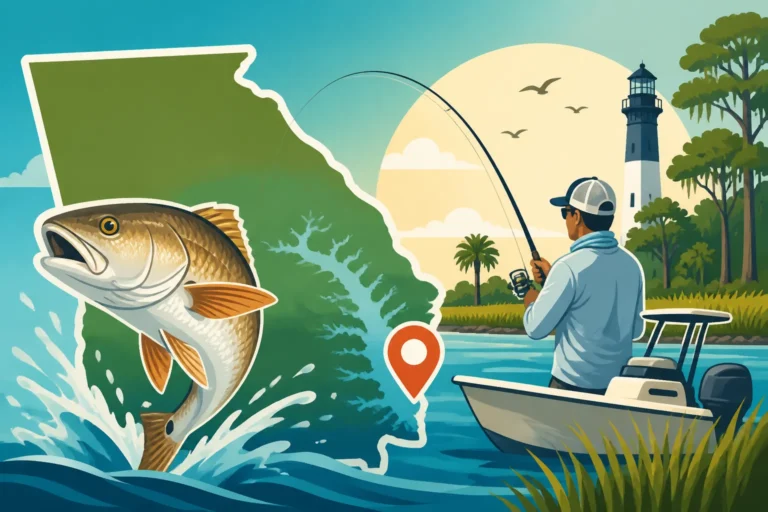
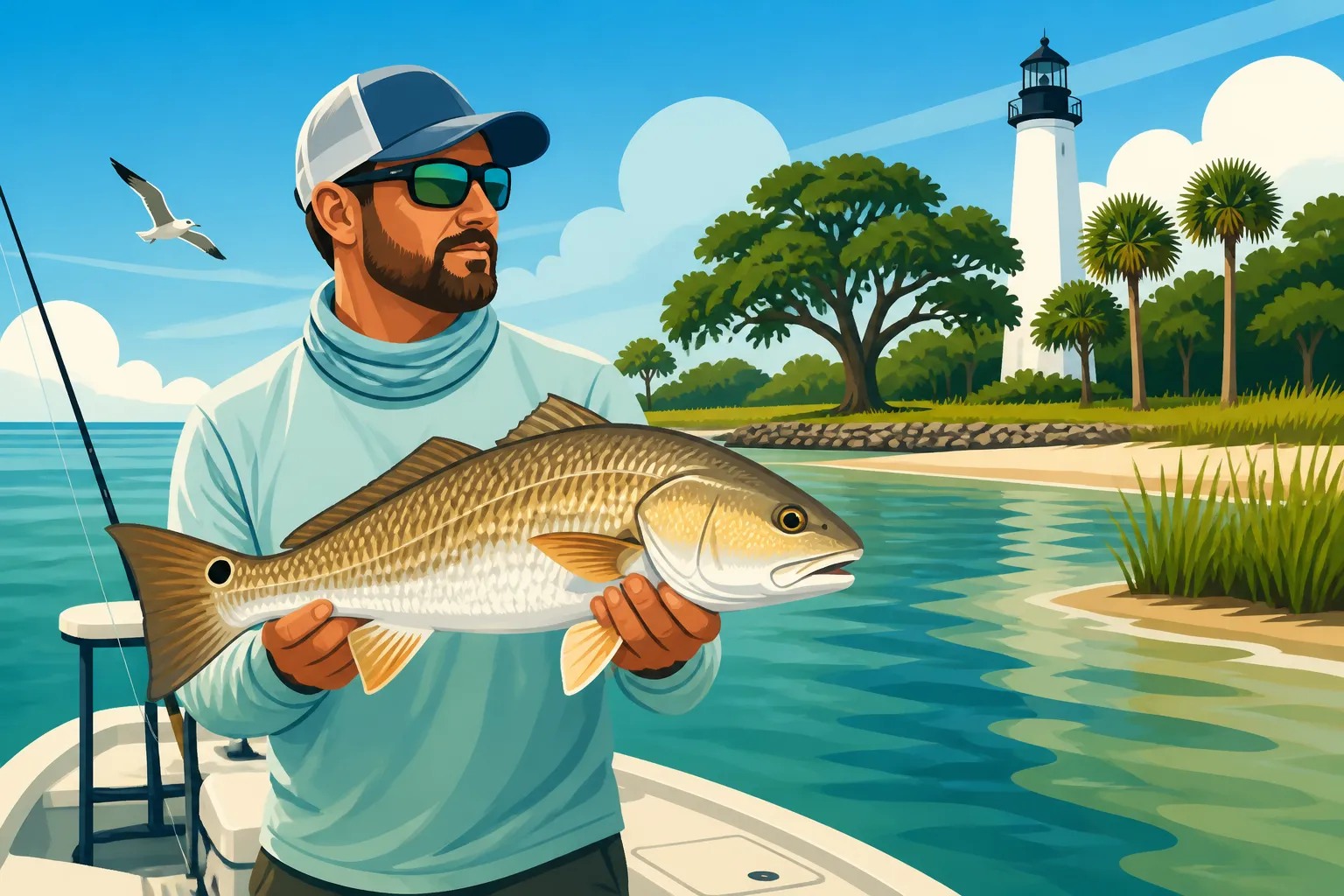
Ah, the redfish – often considered the undisputed king of the inshore flats here! These powerful, copper-colored beauties are a favorite among local anglers for their strong fight and often dramatic "tailing" behavior in shallow water. You might spot their tails waving above the water as they root around in the mud and grass for crabs and shrimp, a true sight-fishing thrill. They tend to school up, especially smaller "rat" reds, but you can also find larger, solitary "bull" reds patrolling deeper channels.
While you can catch them throughout the year, the fall often brings some of the most consistent and exciting redfish action as they gorge themselves on baitfish preparing for colder months. Live bait like shrimp and finger mullet are always a go-to, rigged under a popping cork or on a simple Carolina rig. For those who prefer artificials, soft plastics like paddle tails (chartreuse or natural shrimp colors work wonders) and weedless gold spoons are incredibly effective, especially when cast near marsh grass edges and oyster beds. Always keep an eye on current Georgia Fish Size and Creel Limits for redfish. For more dedicated tips on targeting this species, our St. Simons Island Redfish Fishing Spots guide delves deeper.
Spotted Seatrout Speckled Trout The Widespread Fighter
Next up, we have the spotted seatrout, affectionately known as "specks" or "speckled trout." These sleek, aggressive predators are a joy to catch, offering quick strikes and acrobatic fights. They're widespread in the inshore system, often found ambushing baitfish around oyster bars, deeper holes, and lush grass flats. You'll recognize them by their distinct spots scattered across their backs and fins.
Spring and fall are prime times for trout, when water temperatures are just right, though you can certainly catch them year-round. A classic and highly effective technique is fishing live shrimp under a popping cork. The "pop-pop-pause" retrieve mimics a feeding shrimp and often triggers aggressive strikes. Soft plastics, especially those that imitate shrimp or small baitfish, rigged on a lightweight jighead, are also incredibly productive. Topwater lures can provide exhilarating action during low light conditions at dawn or dusk, as trout violently strike the surface. Again, make sure you're aware of the Georgia Fishing Regulations Explained regarding spotted seatrout size and bag limits. For more information on identifying this species, you can read our guide on Where to Catch Sea Trout Along the Georgia Coast.
Flounder Masters of Camouflage
Flounder are the sneaky bottom dwellers of the inshore world, masters of camouflage, patiently waiting to ambush unsuspecting prey. You'll find them lying flat on sandy or muddy bottoms, often near structure like oyster beds, docks, or creek mouths, perfectly blended in. Their unique flat bodies and eyes on one side make them instantly recognizable.
The warmer months, from late spring through fall, are generally the best for flounder fishing, as they move into shallower areas to feed. The key to catching flounder is getting your bait right on the bottom, where they lie in wait. Live mud minnows, fished on a Carolina rig with a kahle hook, are incredibly effective. Artificial options like scented soft plastics, particularly Gulp! shrimp or minnow imitations, jigged slowly along the bottom, can also entice a strike. When you feel that subtle "thump," give them a moment to fully engulf the bait before setting the hook. Don't forget to check the current Georgia regulations for flounder size and creel limits before you head out.
Other Exciting Inshore Catches
While redfish, trout, and flounder are the "big three," St. Simons inshore waters host plenty of other exciting species that can round out your day:
- Black Drum: Cousins to the redfish, black drum are often found in similar habitats, especially deeper holes and around oyster beds. They're powerful fighters and typically prefer natural baits like crabs (fiddler crabs are a favorite) or shrimp fished on the bottom.
- Sheepshead: Known as "convict fish" for their black and white stripes and human-like teeth, sheepshead are notorious bait stealers. They're structure-oriented, so look for them around bridge pilings, docks, and rocky areas. Fiddler crabs, barnacles, or shrimp are their preferred menu items, and you need a quick hookset to catch them.
- Tarpon: During the summer months, the mighty tarpon, Georgia's "silver king," makes an appearance in the larger inshore sounds and estuaries. These migratory giants offer an incredible, acrobatic fight, though they can be quite challenging to hook and land. They're typically targeted with live mullet or large artificial lures.
Essential Techniques and Tackle for St. Simons Inshore Waters
Having the right gear and knowing how to use it makes all the difference when you're navigating the varied environments of St. Simons' inshore waters. From delicate presentations to powerful retrieves, these techniques and tackle choices will set you up for success.
Live Bait Rigs and Strategies
Live bait is often the cornerstone of successful inshore fishing, especially when the bite is tough or you're targeting specific species. Around St. Simons, live shrimp, mud minnows, and finger mullet are your most valuable assets.
- Popping Corks: This rig is an absolute staple for spotted seatrout and redfish. You'll have a popping cork (a float that creates a "pop" sound when jerked) rigged above a leader (typically 18-24 inches of fluorocarbon) with a J-hook or circle hook. Hook your live shrimp through the head, just behind the horn, or a mud minnow through the lips. Cast it out, let it sit for a moment, then give your rod tip a sharp twitch to make the cork "pop." This sound mimics a feeding shrimp and alerts nearby predators. This is a particularly effective strategy when fishing over grass flats or along marsh edges.
- Bottom Rigs: For flounder, black drum, and sheepshead, getting your bait right on the bottom is crucial. A simple Carolina rig works wonders: slide an egg sinker (1/2 to 1 oz, depending on current) onto your main line, tie on a swivel, then attach an 18-36 inch fluorocarbon leader with a circle hook. Bait it with a mud minnow, fiddler crab, or live shrimp. Cast near structure or into deeper channels and let it soak. For sheepshead around pilings, a lighter split shot rig with a small hook and fiddler crab can be deadly.
- Bait Choices:
- Live Shrimp: The universal candy of the inshore waters. Almost everything eats a live shrimp.
- Mud Minnows: Excellent for flounder and redfish, and they're hardy on a hook.
- Finger Mullet: A top choice for larger redfish and sometimes trout, particularly when they're feeding on schools of baitfish. You can often net your own in the shallows.
- Fiddler Crabs: The absolute best bait for sheepshead, and black drum love them too.
Artificial Lures When and What to Use
While live bait has its place, the thrill of getting a fish to strike an artificial lure you're working yourself is unparalleled. Plus, it allows for more active fishing and covering more water.
- Soft Plastics: These are incredibly versatile. Paddle tails (like Z-Man PaddlerZ or Vudu Shrimp) rigged on a jighead (1/8 to 1/4 oz is common) are fantastic for trout and redfish. Shrimp imitations, like those from Gulp!, are also incredibly effective for flounder and trout when jigged slowly along the bottom. Vary your retrieve from a steady reel to a twitch-twitch-pause to find what the fish prefer on any given day.
- Spoons: Weedless gold spoons (like the Johnson Silver Minnow) are redfish magnets, especially when they're feeding in shallow grass flats. Their flash and wobble imitate a fleeing baitfish, and their weedless design helps them glide over vegetation.
- Topwater Lures: For explosive, heart-stopping strikes, topwater lures (like Heddon Super Spook Jr. or MirrOlure MirrOdine) are hard to beat. Best used during low light conditions (dawn and dusk) or on overcast days, they're fantastic for aggressive trout and redfish. Work them with a "walk-the-dog" retrieve to create an enticing side-to-side action.
- Jigs: Bucktail jigs can be surprisingly effective for flounder when bounced along the bottom. Pair them with a strip of artificial bait for added scent. Jigheads with soft plastics are, as mentioned, a go-to for almost all inshore species.
Rods, Reels, and Lines for Inshore Success
Having the right setup makes fishing more enjoyable and effective. You don't need a boatload of specialized gear, but a few key choices will make a big difference. For comprehensive advice on selecting gear, consider exploring our guide on Best Rods and Reels for Georgia Fishing.
- Rods: For general inshore fishing around St. Simons, a medium-light to medium power spinning rod, typically 7 to 7.5 feet long with a fast action, is ideal. This length provides good casting distance and leverage, while the fast action allows for sensitive bite detection and quick hooksets. Brands like Ugly Stik, St. Croix, and Fenwick offer excellent options that can handle the saltwater environment.
- Reels: Pair your rod with a quality spinning reel in the 2500-3000 series. Look for reels designed for saltwater use, with good corrosion resistance. Smooth drag systems are essential for fighting powerful redfish and avoiding break-offs. Shimano and Penn are popular choices among inshore anglers.
- Line: Most inshore anglers opt for braided main line, typically 10-20 lb test. Braid offers superior sensitivity, incredible casting distance, and a thin diameter for its strength. Because braid is visible to fish and has no stretch, you'll need to tie on a fluorocarbon leader (2-4 feet long, 15-30 lb test) using an FG knot or Alberto knot. The fluorocarbon leader is nearly invisible underwater and provides abrasion resistance against oyster shells and fish teeth.
Navigating St. Simons Island's Inshore Hotspots
St. Simons Island offers a smorgasbord of inshore environments, each with its own unique charm and fishing potential. Understanding these diverse habitats and how fish utilize them at different tides is key to unlocking consistent success.
Tidal Creeks and Estuaries
The intricate network of tidal creeks and estuaries is the lifeblood of St. Simons inshore fishing. These winding waterways are constantly flushing with the tides, bringing in fresh nutrients and baitfish, and creating dynamic feeding zones. The movement of water is everything here – it concentrates bait and causes predatory fish to position themselves in ambush points.
- Importance of Tides: The tide cycle is your most important tool.
- Incoming Tide: As the tide pushes in, it floods the marsh grass, allowing redfish to move into shallower areas to feed on crabs and shrimp. This is often when "tailing" redfish are most visible. Trout might move closer to the marsh edges and oyster bars.
- Outgoing Tide: As the tide recedes, it pulls baitfish and shrimp out of the marsh, concentrating them in creek channels, cuts, and around oyster bars. Fish will often stage at these pinch points, waiting for an easy meal. This is a fantastic time to fish creek mouths and deeper holes.
- Specific Creeks and Areas: While specific honey holes are often closely guarded secrets, look for feeder creeks emptying into larger sounds, oyster beds lining the banks, and areas where the current creates eddies or breaks. Backwater areas that offer protection from strong currents can hold fish during slack tides. You might find success exploring spots like Gould's Inlet or the smaller creeks that flow into the larger sounds.
- Targeting Species in These Areas: Redfish will patrol the marsh edges and oyster bars. Trout will often sit deeper in the creek channels or just off the grass edges. Flounder will be lying on the bottom, often near any irregularities or structure where they can ambush prey.
Docks, Piers, and Artificial Structure
While the natural marsh is abundant, artificial structures provide concentrated fishing opportunities and are often excellent places to target species that prefer cover or readily available food.
- St. Simons Pier: The St. Simons Island Pier is a fantastic public access point, especially if you're fishing without a boat. Here, you can target a variety of species, including sheepshead, flounder, redfish, speckled trout, and even some migratory species like Spanish mackerel or small sharks depending on the season. Fishing on the bottom with live or dead shrimp, fiddler crabs, or cut bait is often productive. Just be mindful of the current and adjust your weight accordingly.
- Private Docks: While you should always respect private property, docks provide excellent habitat for fish. Their pilings are often encrusted with barnacles, attracting sheepshead and black drum. Juvenile redfish and flounder also love to hide under docks. If you have access to private docks, pitching a fiddler crab or a piece of shrimp near the pilings can yield great results.
- Bridge Pilings and Rock Jetties: Any substantial structure in the water will attract fish. The pilings of bridges spanning the tidal creeks can hold sheepshead, black drum, and sometimes even larger redfish. Similarly, any rock jetties or rip-rap seawalls provide excellent ambush points and food sources. These areas often have strong currents, so heavier weights might be necessary.
Grass Flats and Shallow Water
The expansive grass flats, particularly those found in the calmer backwaters, are quintessential redfish habitat. This is where the magic of sight fishing often happens.
- "Tail-fishing" for Redfish: This is one of the most exciting forms of inshore fishing. As redfish root around in the shallow grass for crabs and shrimp, their tails will often break the surface, giving away their position. This is your cue to cast a weedless spoon or a soft plastic a few feet in front of them and slowly retrieve. Stealth is absolutely paramount here – approach quietly, either poling a boat or wading.
- Importance of Stealth and Polarized Sunglasses: In shallow water, fish are incredibly wary. Any sudden movements or loud noises can spook them. Use a trolling motor at low speed, paddle silently, or wade carefully. High-quality polarized sunglasses are non-negotiable for spotting fish, reading the bottom, and identifying structure. They cut the glare off the water, allowing you to see into the depths.
- Best Tides for Shallow Water Access: The higher stages of the incoming and outgoing tides are typically best for fishing the grass flats, as there's enough water for the fish to move in and out, but not so much that they disappear entirely into the deepest parts of the marsh.
Planning Your St. Simons Inshore Fishing Trip
Preparing for your St. Simons inshore adventure is more than just grabbing a rod and reel. A little forethought regarding your approach, essential gear, and local rules can turn a good trip into a truly unforgettable one.
Choosing Between Self-Guided and Guided Trips
This is often the first big decision for any angler visiting a new area. Both options offer unique benefits and drawbacks, so it really depends on your experience, goals, and budget.
- Self-Guided Trips:
- Pros: Cost-effective, offers complete freedom to explore at your own pace, and provides a deep sense of accomplishment when you crack the code yourself. If you have your own boat, kayak, or enjoy bank fishing, this is a great way to experience the area.
- Cons: Requires significant research into tides, channels, and hotspots. You'll need all your own gear, including safety equipment. A lack of local knowledge can lead to frustration and missed opportunities. Navigating unfamiliar waters, especially shallow tidal creeks, can be challenging and even risky if you're not careful.
- Guided Trips:
- Pros: Invaluable local knowledge! A good guide knows the tides, where the fish are biting, what bait they prefer, and how to navigate the complex marsh safely. They provide all the necessary gear (rods, reels, bait), teach you techniques, and often put you on fish quickly. This is highly recommended for first-timers to the area or those looking to maximize their chances of success and learn the ropes efficiently.
- Cons: Can be more expensive than a self-guided trip. You're on the guide's schedule and working their fishing plan. However, the investment often pays off in terms of experience and fish caught. When looking for reputable guides, platforms like FishingBooker can be an excellent resource, allowing you to compare charters, read reviews, and book with confidence. Searching for a St. Simons Island fishing charter on FishingBooker will show you a range of experienced captains ready to share their knowledge.
- When a Guide is Invaluable: If you're targeting a specific species like tarpon, want to try fly fishing for redfish, or simply want to ensure a productive and safe day on unfamiliar waters, a local guide from a service like FishingBooker is worth every penny.
Essential Gear Beyond Rod and Reel
Beyond your core fishing setup, a few other items are absolute necessities for a comfortable and safe day on St. Simons' inshore waters.
- Sun Protection: The Georgia sun, especially reflecting off the water, can be brutal. A wide-brimmed hat, polarized sunglasses, and broad-spectrum sunscreen (SPF 30+) are non-negotiable. Long-sleeved, breathable fishing shirts also help protect you.
- Cooler: For keeping your drinks and snacks cool, and for safely storing any fish you plan to keep.
- Tackle Box/Bag: Organized and stocked with extra hooks, weights, leaders, and a selection of your chosen lures.
- Pliers/Forceps: Essential for safely removing hooks from fish. Long-nose pliers are great for deeper hooks.
- Landing Net: A rubber-coated net is ideal for landing fish, as it's gentler on their scales and helps prevent snags.
- Camera: To capture those memorable catches and stunning marsh views.
- Weather-Appropriate Clothing and Rain Gear: Coastal weather can change quickly. Layers are always a good idea, and pack a lightweight rain jacket even if the forecast looks clear.
- First-Aid Kit: For minor cuts, scrapes, or insect bites.
Understanding Georgia's Saltwater Regulations
Before you even make your first cast, it is imperative to familiarize yourself with Georgia's saltwater fishing regulations. These rules are in place to protect fish populations and ensure sustainable fishing for future generations. Ignoring them can lead to hefty fines and a ruined trip.
- Fishing License Requirements: Every angler over the age of 16 needs a valid Georgia fishing license. For saltwater fishing, you'll also need a free Georgia Saltwater Information Permit Explained. You can easily obtain your license and permit online through the Georgia Department of Natural Resources (DNR) website or from authorized license agents. Make sure you understand How to Get a Fishing License in Georgia.
- Size and Creel Limits: These vary significantly by species. For example, redfish, spotted seatrout, and flounder all have minimum and maximum size limits, as well as daily bag limits (creel limits). These limits can change, so always check the most current regulations provided by the Georgia DNR. A quick search for "Georgia DNR fishing regulations" will get you the latest information. Our comprehensive Georgia Fishing Regulations Explained guide provides a detailed overview.
- Conservation: Practice catch-and-release, especially for larger breeding-size fish (often referred to as "bull" redfish, which are outside the slot limit). Handle fish gently, minimize their time out of water, and use proper dehooking tools. This helps ensure healthy fish populations for everyone.
Seasonal Inshore Fishing Opportunities on St. Simons
The beauty of St. Simons Island's inshore fishery is that there's always something to chase, no matter the time of year. However, understanding the seasonal shifts will significantly improve your chances of success, allowing you to tailor your approach to what the fish are doing.
Spring Fishing Awakening Waters
As the chill of winter finally recedes, spring breathes new life into the St. Simons inshore waters. This is a transition period, and the fishing can be incredibly dynamic.
- Transition Period: The warming water temperatures signal an increase in activity for many species. Baitfish, like shrimp and mullet, begin to reappear in larger numbers, attracting predators from their winter hideouts.
- Trout and Redfish Moving Shallow: Spotted seatrout and redfish, which often school in deeper holes during the coldest months, will start to spread out and move into shallower waters, actively feeding along the marsh edges and over grass flats. This is a fantastic time for both live bait and artificial lures, especially soft plastics and popping corks. Look for them to be particularly active on the incoming tides.
- Migratory Species: As spring progresses into early summer, you might start to see the first signs of migratory species, like Spanish mackerel, pushing into the larger sounds, often chasing schools of bait.
Summer Fishing Heat and Activity
Summer fishing on St. Simons is defined by its heat, but also by intense fish activity, especially during specific times of day.
- Early Mornings and Late Evenings: The scorching midday sun can make fishing tough, causing fish to become lethargic or seek deeper, cooler water. The sweet spots are typically the early morning hours (just before and after sunrise) and late evenings (leading up to sunset). Topwater action for trout and redfish can be explosive during these low-light periods.
- Tarpon and Larger Redfish: This is the prime time to target the impressive tarpon in the larger sounds and estuaries, though they are a challenging catch. Larger redfish may also be found in deeper channels and around current breaks, feeding aggressively.
- Thunderstorms and Heat Challenges: Be mindful of afternoon thunderstorms, which are common in summer. Always check the weather forecast. The heat also means you need to stay hydrated and protect yourself from the sun, as discussed earlier.
Fall Fishing The Peak Season
For many, fall is the absolute pinnacle of St. Simons inshore fishing. The cooler temperatures, abundant bait, and aggressive feeding frenzies make for unforgettable days on the water.
- "Bull" Redfish and Abundant Bait: The fall migration of baitfish, particularly mullet, triggers a feeding frenzy among predatory species. This is when you'll often encounter large "bull" redfish pushing into the sounds and estuaries, gorging themselves before winter. They put up an incredible fight and are a bucket-list catch for many anglers.
- Cooler Temperatures, Aggressive Feeding: The water temperatures are ideal, and fish are actively building up reserves. This translates to more consistent bites and aggressive strikes.
- Topwater Action and Sight Fishing: With the return of more comfortable temperatures, the early morning topwater bite for trout and redfish becomes phenomenal. The clear, calm conditions often present excellent opportunities for sight fishing for tailing redfish in the shallow grass. This is the time to really hone your artificial lure skills.
Winter Fishing Challenging but Rewarding
While many think of fishing as a warm-weather activity, winter on St. Simons offers its own unique charm and rewarding opportunities for those willing to brave the cooler conditions.
- Fish Schooling in Deeper, Warmer Holes: As water temperatures drop, fish tend to school up in deeper, warmer pockets of water, often in the main creek channels or protected basins. Finding these schools is key, and once you do, the action can be fast and furious.
- Slower Bites, but Potential for Larger Fish: The bite might be slower and more subtle in winter, requiring more patience and a slower presentation of your bait or lure. However, the fish you do catch can often be larger, as they are conserving energy and tend to be solitary or in smaller, dense schools.
- Sheepshead, Black Drum, and Redfish: Sheepshead are particularly active in winter, often congregating around docks, bridges, and oyster reefs. Black drum are also a common winter catch in deeper holes. You can still find redfish, especially on sunny days when they may move into shallower, dark-bottomed areas that warm up faster. Focus on fishing the warmest part of the day around midday.
| Species | Best Time to Target | Preferred Habitat | Effective Bait/Lure |
|---|---|---|---|
| Redfish | Fall, Spring, Summer (morn/eve) | Marsh edges, oyster beds, grass flats, deeper creeks | Live shrimp/mullet, soft plastics, gold spoons, popping corks |
| Spotted Seatrout | Spring, Fall, Summer (morn/eve) | Grass flats, oyster bars, creek mouths, deeper holes | Live shrimp, soft plastics, popping corks, topwater lures |
| Flounder | Late Spring, Summer, Fall | Sandy/muddy bottoms near structure, creek mouths | Live mud minnows, Gulp! shrimp, jigged soft plastics |
| Sheepshead | Winter, Spring | Docks, bridge pilings, oyster reefs, rock jetties | Fiddler crabs, barnacles, live shrimp |
| Black Drum | Fall, Winter | Deeper channels, oyster beds | Fiddler crabs, live/dead shrimp |
| Tarpon | Summer (migratory) | Large sounds, deep estuaries | Live mullet, large artificial lures |
Disclaimer
Fishing involves inherent risks, including but not limited to adverse weather conditions, natural hazards, and personal injury. Always exercise caution, adhere to all local and state regulations, and prioritize safety on the water. This guide is for informational purposes only and does not substitute professional advice or current official regulations. Ensure you possess the necessary licenses and permits, and check the latest Georgia Department of Natural Resources guidelines before your trip.