Best Coastal Fishing Piers in Georgia
It’s a common scenario: you’re visiting Georgia’s beautiful coast, maybe staying on Tybee Island or Jekyll Island, and the urge to fish hits you hard. But you didn't bring your boat, or perhaps you don't even own one, and chartering a boat isn't in the cards. The thought of missing out on Georgia's incredible saltwater action can be a real bummer. Fear not, because this guide is all about connecting you with the best coastal fishing piers in Georgia, giving you fantastic access to diverse species without needing a vessel.
Why Coastal Piers Are a Game-Changer for Georgia Anglers
Let's be real, the dream of fishing offshore or cruising the inshore marshes in your own boat is appealing, but it's just not practical for everyone. Boats are expensive, require maintenance, and then there's the whole hassle of launching and retrieving. For many, especially those on vacation or just looking for a casual outing, the idea of getting out on the water to fish can seem daunting. That's where Georgia's coastal fishing piers truly shine, breaking down barriers and offering a direct path to the angling action. They provide accessible, affordable entry points to prime fishing grounds that would otherwise be out of reach for many.
Beyond the sheer convenience, piers offer a unique community atmosphere. You’re often fishing alongside other passionate anglers, sharing tips, stories, and sometimes even a little friendly competition. Plus, many piers are equipped with amenities that make your trip even more enjoyable, from bait shops and restrooms to cleaning stations, ensuring you have everything you need for a successful day.
Accessibility and Convenience for All
One of the biggest advantages of fishing piers is their incredible accessibility. Imagine not having to worry about boat ramps, trailers, or even navigating tricky channels. Piers are literally built to give you a straightforward path to fishable waters. This makes them absolutely perfect for families with young children, beginners just dipping their toes into the world of fishing, or even experienced anglers who might have mobility challenges. You can simply walk on, set up your gear, and start fishing.
Many of Georgia’s coastal piers, like the Tybee Island Pier and Pavilion, go above and beyond with amenities. They often feature covered areas that provide shade on hot summer days or shelter from unexpected rain showers. Benches are usually plentiful, offering a comfortable spot to sit back and enjoy the view while waiting for a bite. You’ll frequently find nearby restrooms and even dedicated fish cleaning stations, making the end of your trip as easy as the beginning. This level of convenience transforms a simple fishing trip into a relaxing and enjoyable outing for everyone involved. If you're planning a family trip, be sure to check out some of the Great Fishing Spots for Kids and Families in Georgia.
What You Can Expect to Catch from a Pier
The beauty of pier fishing on the Georgia coast is the sheer variety of species you can encounter. While you won't typically target deep-sea giants, the inshore and nearshore waters accessed by these piers are teeming with popular sport and eating fish. Depending on the season and tide, you might find yourself reeling in delicious Whiting, feisty Flounder, hard-fighting Red Drum (Redfish), or the always-popular Spotted Seatrout.
Other common catches include Croaker, Spot, and around the pilings, you'll often find Sheepshead and Black Drum. During warmer months, especially in late summer and early fall, even juvenile Tarpon or smaller sharks can make an appearance, adding an exciting challenge to your day. The seasonal migration patterns mean that the species you target will shift throughout the year, keeping things interesting. Spring and fall are generally considered prime times for a wider variety of catches as fish move in and out of the estuaries.
Top Coastal Fishing Piers in Georgia
Georgia's coastline might not be as expansive as some other states, but what it lacks in length, it more than makes up for in quality fishing opportunities, especially when it comes to piers. These coastal structures act as magnets for baitfish, which in turn attract larger predatory species, creating hot spots right within walking distance. Whether you're near Savannah or exploring the Golden Isles, there's a pier waiting for you.
You'll quickly realize that each pier has its own unique charm and fishing characteristics, influenced by its location, structure, and the surrounding environment. It's always a good idea to chat with local anglers or even check out nearby bait shops for the most current intel on what's biting.
Tybee Island Pier and Pavilion
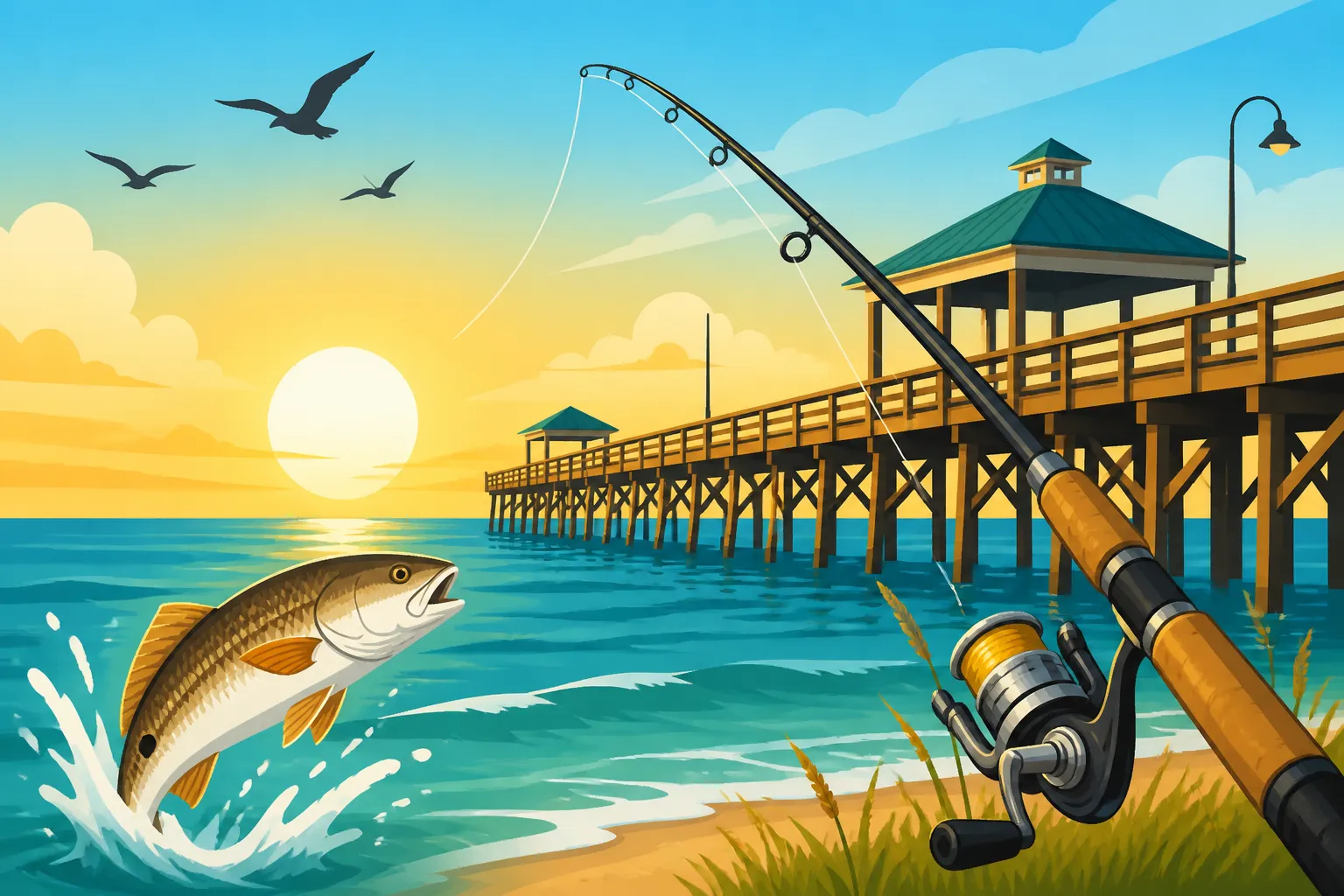
When most people think of coastal fishing in Georgia, the Tybee Island Pier and Pavilion often comes to mind first, and for good reason. Located just a short drive from historic Savannah, this pier is a true landmark. It's an expansive structure, extending a significant distance into the Atlantic Ocean, offering anglers access to deeper water than many other bank fishing spots. The covered pavilion at the end provides ample shade and shelter, making it comfortable even on the sunniest or drizzliest days.
The Tybee Island Pier is a fantastic spot for anglers of all skill levels. You'll frequently find families with kids reeling in Croaker and Whiting, which are abundant and relatively easy to catch. More experienced anglers will target Red Drum, Spotted Seatrout, and Flounder, especially around the pilings and deeper sections. During the warmer months, keep an eye out for seasonal visitors like Spanish Mackerel, small sharks, and even the occasional Tarpon. Amenities here are top-notch, including clean restrooms, a snack bar for when hunger strikes, and convenient fish cleaning stations. It's a bustling hub of activity, and a great place to soak in the coastal atmosphere. For general rules, always consult the Georgia Fishing Regulations Explained.
St. Simons Island Pier
Further south, nestled within the beautiful Golden Isles, you'll discover the historic St. Simons Island Pier. This pier is arguably one of the most popular fishing and crabbing spots on the entire Georgia coast. It's a vibrant hub, often bustling with activity, but don't let the crowds deter you – there's usually plenty of room for everyone. The pier offers fantastic views of the St. Simons Sound, Jekyll Island, and the vast marshlands, making it a picturesque spot even if the fish aren't biting constantly.
Anglers here consistently pull in a variety of species. Flounder are a popular target, especially during their migrations, often caught by jigging near the pilings or using live bait on the bottom. Spotted Seatrout and Redfish are also common catches, particularly during incoming and outgoing tides when baitfish are being pushed through the currents. Sheepshead are another pier favorite, requiring a bit more finesse to catch around the barnacle-encrusted pilings using small pieces of fiddler crabs or shrimp. The currents around the St. Simons Pier can be quite strong, so it's wise to use heavier sinkers to keep your bait in place. If you're keen on exploring more of the area, you might find our St. Simons Island Inshore Fishing Guide helpful.
Jekyll Island Pier
Just a short drive across the causeway from Brunswick, the Jekyll Island Pier offers a slightly different, often more relaxed, pier fishing experience compared to its busier neighbors. This unique pier is known for its distinctive "T" shape, providing plenty of linear footage for anglers to spread out. It juts out into the Jekyll Sound, offering excellent access to the tidal currents that bring in a variety of inshore species. The backdrop of marsh grasses and stunning sunsets also makes it a favorite among photographers.
The Jekyll Island Pier is an excellent spot for targeting Spotted Seatrout and Redfish, particularly during the cooler months of spring and fall. These fish often patrol the edges of the channel and the structure of the pier itself. Flounder are also consistently caught here, often by slowly bouncing a leadhead jig with a soft plastic or a live mud minnow along the bottom. Sheepshead are abundant around the pilings, providing a fun challenge for those with the patience to master their subtle bites. While not as heavily trafficked as some other piers, you'll still find a good community of local anglers willing to share insights. For a deeper dive into the surrounding area, check out Coastal Georgia Fishing Spots Guide.
Brunswick Landing Marina Fishing Pier
For those looking for a slightly different coastal fishing experience, the Brunswick Landing Marina Fishing Pier, located in Brunswick, offers access to the deeper, brackish waters of the Brunswick River. This pier tends to be less tourist-focused and more geared towards serious local anglers, though it's still welcoming to all. Its location often provides access to species that prefer deeper channels and stronger currents, including some larger specimens.
Here, you'll often find anglers targeting larger Redfish and Black Drum, especially on incoming tides when these fish move into the river from the sounds. Spotted Seatrout are also present, as are various types of catfish that thrive in the brackish environment. During certain times of the year, you might even encounter the occasional juvenile Striped Bass venturing into these waters. This pier offers a fantastic opportunity to experience the working port vibe of Brunswick while enjoying some excellent fishing. If you're thinking of exploring other options in the vicinity, our guide to Brunswick, Georgia Saltwater Fishing Spots has more information.
Here’s a quick overview of some of Georgia’s best coastal fishing piers:
| Pier Name | Location | Primary Target Species | Key Amenities | Best Times to Fish |
|---|---|---|---|---|
| Tybee Island Pier and Pavilion | Tybee Island | Whiting, Croaker, Flounder, Red Drum, Spotted Seatrout | Covered pavilion, restrooms, snack bar, cleaning stations | Incoming/Outgoing Tide; Spring/Fall |
| St. Simons Island Pier | St. Simons Island | Flounder, Spotted Seatrout, Redfish, Sheepshead, Black Drum | Nearby bait shops, good crabbing | Incoming/Outgoing Tide; Year-round |
| Jekyll Island Pier | Jekyll Island | Spotted Seatrout, Redfish, Flounder, Sheepshead, Croaker | "T" shape, scenic views, usually less crowded | Incoming/Outgoing Tide; Spring/Fall/Winter |
| Brunswick Landing Marina Pier | Brunswick | Redfish, Black Drum, Spotted Seatrout, Catfish | Access to deeper water, often less touristy | Incoming/Outgoing Tide; Year-round |
Essential Gear and Tips for Pier Fishing in Georgia
Stepping onto a fishing pier might seem straightforward, but just like any other fishing venture, having the right gear and understanding a few key techniques can dramatically improve your chances of success. You don't need a boatload of expensive equipment, but being prepared will make your day much more enjoyable and productive. Think of it as bringing your portable fishing station to the ultimate elevated bank fishing spot.
It's not just about what you bring, but also how you use it and how you interact with the environment and other anglers. A little bit of knowledge and courtesy goes a long way in ensuring a pleasant experience for everyone.
The Right Rods, Reels, and Tackle
For most pier fishing scenarios on the Georgia coast, you'll want a versatile setup that can handle a variety of species and conditions. A medium-heavy spinning rod, typically between 7 to 9 feet in length, is a fantastic choice. This length gives you enough leverage for longer casts and sufficient power to fight larger fish that might pass by. Pair this with a corrosion-resistant spinning reel in the 3000 to 5000 series, spooled with 15 to 30 lb. test monofilament or braided line. Braided line offers superior sensitivity and casting distance, while monofilament is more forgiving.
When it comes to terminal tackle, simplicity often wins. A basic Carolina rig or a double-drop bottom rig (often called a "fish finder rig") are incredibly effective for targeting fish like Whiting, Croaker, Redfish, and Flounder on the bottom. For species like Spotted Seatrout or even Spanish Mackerel, a popping cork rig with a live shrimp or a soft plastic lure can be deadly. Don't forget an assortment of hooks (sizes 1 to 4/0 are usually good), various weights (from 1/2 oz to 3 oz depending on current), and swivels. Having a sturdy net with a long handle is also a must for landing larger fish safely. If you're specifically targeting Redfish, knowing the Best Bait for Redfish can give you an edge. For general bank fishing ideas, our Best Gear for Bank Fishing in Georgia article might also be relevant.
Baits That Get Bites and Pier Etiquette
Choosing the right bait is crucial for pier fishing. On the Georgia coast, live shrimp are king – they're irresistible to nearly every inshore species, from Trout and Redfish to Flounder and Sheepshead. You can buy them fresh at local bait shops near most piers. Other excellent live bait options include mud minnows or finger mullet. If live bait isn't available or you prefer dead bait, fresh cut bait (like pieces of mullet, shrimp, or squid) works wonders for bottom feeders like Whiting, Croaker, and even larger Redfish or Drum. Artificial lures like soft plastic paddletails or shrimp imitations, especially under a popping cork, are also highly effective for Trout and Redfish. For something simple and effective for many panfish, you might even consider tips from Best Bait for Bluegill Fishing.
Beyond bait, remember pier etiquette. Piers can get crowded, especially on weekends and holidays. Be mindful of your casting space, avoid crossing other anglers' lines, and always clean up your fishing area. Dispose of any trash, old line, or bait properly. A bucket for your catches and a separate bag for trash are always good ideas. Respecting fellow anglers and the environment ensures a great experience for everyone.
Understanding Tides and Seasons for Optimal Pier Fishing
Tides are the lifeblood of coastal fishing, and understanding them is paramount for successful pier fishing in Georgia. The movement of water during incoming (flood) and outgoing (ebb) tides creates currents that push baitfish, shrimp, and crabs, which in turn triggers feeding frenzies among predatory fish. Generally, the two hours leading up to and the two hours following a high or low tide are considered the most productive times to fish. This is when the water movement is strongest, actively flushing out food and concentrating bait. Always check a local tide chart before heading out.
The seasons also play a significant role in what you can expect to catch. Spring and fall are often considered the prime fishing seasons, as many species migrate through the sounds and estuaries. Spring sees the return of baitfish and the warming of waters, bringing in Trout, Redfish, and Flounder. Fall is particularly excellent as fish fatten up before winter, leading to aggressive feeding. Summer offers good opportunities for a variety of species, though midday heat might push fish into deeper or cooler waters. Winter can be slower, but species like Sheepshead and some Redfish remain active, especially on warmer days. Our Where to Catch Sea Trout Along the Georgia Coast guide can give you more insights into seasonal patterns for specific species.
Maximizing Your Coastal Pier Fishing Experience
Fishing from a pier in Georgia isn’t just about the fish you catch; it’s about the whole experience. It’s a chance to connect with nature, enjoy the fresh sea air, and create lasting memories. While a successful catch is always a bonus, embracing the journey, learning new things, and engaging with the community can truly elevate your day.
Whether you're new to the sport or a seasoned angler, there's always something more to discover or a new way to enjoy your time on the pier. It's about more than just a hook in the water; it's about connecting with the rhythm of the coast.
Family Fun and Creating Memories
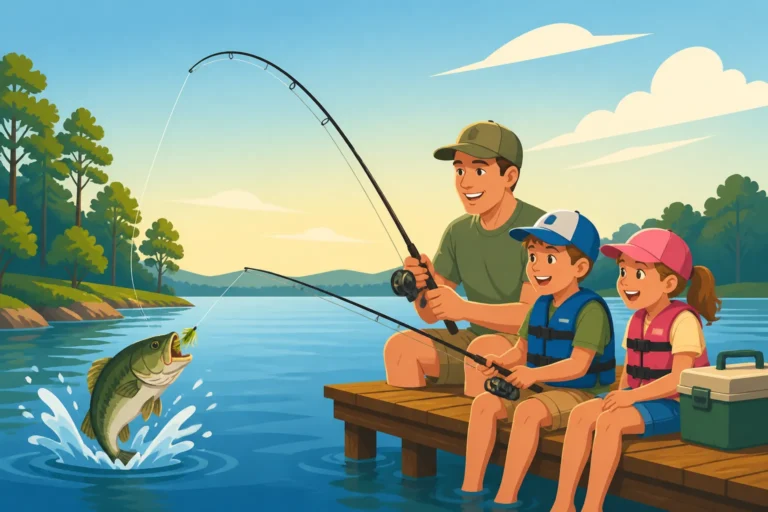
Piers offer a uniquely safe and engaging environment for family fishing trips. You don't have to worry about the dangers of open water boating or the complexities of navigating. Kids can run around (safely, of course), watch other anglers, and have immediate access to restrooms and snacks, making it far less stressful than a boat trip. Introducing children to fishing on a pier can instill a lifelong love for the outdoors and conservation. Imagine the pure joy on a child's face as they reel in their first Whiting or Croaker – it's an unforgettable moment.
Pack a cooler with drinks and snacks, bring some comfortable folding chairs, and make it an all-day event. Even if the fish aren't biting, the sea breeze, the views, and the shared experience of just "being there" create cherished memories. Many piers are near beaches or other attractions, so you can easily combine fishing with other family activities, making for a truly memorable coastal adventure.
Connecting with Local Anglers and Guides
One of the often-overlooked benefits of pier fishing is the incredible opportunity it provides to connect with the local fishing community. Piers are natural gathering spots for anglers, and most seasoned locals are more than happy to share their knowledge, tips, and even the "hot bait" of the day. Don't be shy! Strike up a conversation, observe what others are using and catching, and you'll quickly pick up invaluable local insights that can dramatically improve your success. This organic exchange of information is a rich part of the pier fishing culture.
Sometimes, after a few successful pier outings, you might find yourself wanting to explore beyond the pier's edge. This is where resources like FishingBooker can come in handy. While you're enjoying the accessibility of a pier, you might see charter boats departing nearby. Chatting with local anglers on the pier could even lead to recommendations for fantastic local guides who can take you out on the water for a more targeted experience, whether it's chasing Redfish deep in the marshes or venturing further into the sounds for larger game. It’s a great way to transition from pier fishing to exploring more extensive fishing opportunities.
Disclaimer
The information provided in this guide is for general informational purposes only and is not intended as legal or professional advice. Fishing regulations, license requirements, and local conditions can change frequently. Always consult the Georgia Department of Natural Resources (GA DNR) for the most current rules and regulations before fishing. It is the angler's responsibility to ensure compliance with all applicable laws.