Coastal Georgia Fishing Spots Guide
There’s nothing quite like the salty air, the cry of gulls, and the thrill of a bending rod when you’re saltwater fishing. But if you’ve ever stared at a map of Georgia’s vast coastline, wondering where to even begin your angling adventure, you're not alone. It can feel a bit overwhelming, trying to figure out the best tides, the right species, and those hidden honey holes. This comprehensive guide is designed to cut through that confusion, giving you the insider scoop on the best coastal Georgia fishing spots, so you can spend less time guessing and more time reeling in that dream catch.
Why Coastal Georgia is a Saltwater Angler's Paradise
Georgia's coastline might not be as long as some of its neighbors, but what it lacks in length, it more than makes up for in richness and diversity. This isn't just about pretty beaches; it's a vibrant, living ecosystem that hums with life, making it an absolute dream for any saltwater angler. From the sprawling marshlands to the barrier islands and the deep blue beyond, there's a reason so many of us are drawn to these waters year after year.
The Unique Ecosystem and Its Bounty
What makes coastal Georgia truly special is its incredible estuarine system. We’re talking about vast expanses of Spartina marsh grass, winding tidal creeks, and nutrient-rich sounds where freshwater from our rivers meets the Atlantic Ocean. These brackish waters are nurseries for countless marine species, providing shelter and abundant food for everything from tiny shrimp to trophy game fish. It's this intricate network of habitats that supports such a diverse array of fish, making every trip a potential surprise.
Think about it: those mud flats at low tide, crisscrossed with oyster beds and creek mouths, are prime hunting grounds for redfish. The deeper channels and inlets, constantly flushed by strong tides, attract speckled trout and flounder. And then, just beyond the calmer inshore waters, you have the nearshore reefs and wrecks that become magnets for larger predators. This dynamic environment means that whether you're fly fishing in skinny water or bottom fishing in a sound, you're always in a vibrant, productive fishery.
The sheer volume of baitfish – finger mullet, shrimp, menhaden – schooling in these waters is astounding. This abundance, coupled with the protective cover of the marsh, creates an ideal environment for fish to grow large and healthy. It's not uncommon to pull a feisty redfish or a chunky speckled trout from waters that look almost too shallow to hold anything substantial. This rich bounty is a testament to the health and vitality of Georgia's coastal ecosystem, making it a true jewel for recreational anglers.
Year-Round Opportunities for Coastal Anglers
One of the most appealing aspects of fishing Georgia’s coast is that there’s really no "off-season." While certain species might be more prevalent during specific times of the year, the mild climate and diverse fisheries mean you can always find something biting, no matter when you decide to wet a line. This flexibility is a huge bonus, especially for those of us who hate putting our gear away for months on end.
Spring brings a burst of activity as the water temperatures rise. Redfish become more active, and speckled trout move into shallower areas. This is also when migratory species like tripletail start showing up, often found floating near crab trap buoys, offering a unique sight-fishing challenge. As summer arrives, the heat might push some fish to deeper, cooler waters, but it also ushers in king mackerel, Spanish mackerel, and tarpon, especially in the nearshore and offshore zones.
Fall is arguably the most celebrated season for many coastal anglers. The famous "bull redfish" run begins, with massive red drum moving into the sounds and nearshore waters, offering epic battles. Speckled trout also become incredibly active, fattening up for the cooler months. Even in winter, when many northern fisheries are frozen solid, you can still find plenty of action in Georgia. Trout and redfish often school up in deeper creek channels and protected bays, making them easier to locate if you know where to look. It's truly a year-round playground.
Understanding Coastal Georgia's Fisheries
Before we dive into specific locations, it’s really helpful to understand the different "zones" you'll encounter when fishing coastal Georgia. Each zone offers distinct opportunities, challenges, and target species, so knowing the difference can help you plan your trip and ensure you have the right gear for the job. It's not just "saltwater fishing;" it's a nuanced experience depending on how far out you go.
Inshore vs. Nearshore vs. Offshore
Let's break down these distinctions so you can picture where you'll be casting your line.
Inshore Fishing: This is perhaps the most iconic coastal Georgia experience. Inshore fishing happens in the protected waters of the sounds, bays, tidal creeks, and expansive marsh flats. It’s typically done in shallower depths, often less than 15-20 feet, and involves navigating winding channels and oyster beds. The beauty of inshore fishing is its accessibility and the relatively calmer waters, making it popular for smaller boats, kayaks, and even bank anglers in certain spots.
The primary target species here include redfish (often called red drum), spotted seatrout (speckled trout), flounder, and sometimes sheepshead and black drum around structure. This type of fishing often involves sight-casting to visible fish, casting artificial lures into creek mouths, or soaking live bait near oyster rakes. The entire ecosystem is at your fingertips, and the ever-changing tides dictate much of the strategy. If you're looking for a quintessential Georgia saltwater experience, especially for active fish, inshore is where it's at.
Nearshore Fishing: As you move just beyond the protective barrier islands and into the Atlantic Ocean, you enter the nearshore zone. This typically extends from the beach out to about 10-20 miles, with depths ranging from 20 to 60 feet. These waters are more exposed to ocean swells but are still relatively close to shore. You'll often find artificial reefs, natural live bottoms, and wrecks in this zone, which act as fish magnets. This type of fishing usually requires a slightly larger boat, capable of handling choppier conditions.
Here, you're looking for a mix of species. Spanish mackerel and king mackerel are common seasonal catches, often found schooling around baitfish. Tripletail can be found near floating debris or buoys, especially in spring and early summer. Bottom fishing on the reefs can yield black sea bass, snapper, grouper, and sometimes even cobia. The nearshore environment offers a thrilling bridge between the calm of the marsh and the vastness of the deep ocean, providing diverse action without a super long run. Many anglers book charters through services like FishingBooker to explore these nearshore reefs efficiently.
Offshore Fishing: This is where the big boats and serious adventurers head. Offshore fishing involves long runs, often 30 miles or more, into the deep waters of the Atlantic, sometimes out to the continental shelf and beyond. Depths here can range from hundreds to thousands of feet, targeting pelagic species that roam the open ocean. This requires specialized vessels, experienced captains, and a solid understanding of offshore weather patterns and safety.
The quarry here is often large and powerful: various species of tuna, mahi-mahi (dolphin fish), wahoo, and billfish like marlin and sailfish. Bottom fishing in deep canyons and ledges can also produce impressive catches of snapper and grouper. Offshore trips are typically full-day or multi-day excursions, offering the ultimate big-game fishing experience. While it demands more time, resources, and expertise, the reward of battling a true ocean leviathan is an unparalleled thrill for many anglers.
Key Target Species in Coastal Georgia
Georgia's coast is teeming with an incredible variety of fish. Knowing what you're likely to encounter can help you prepare your tackle and tactics. Here's a rundown of some of the most popular catches.
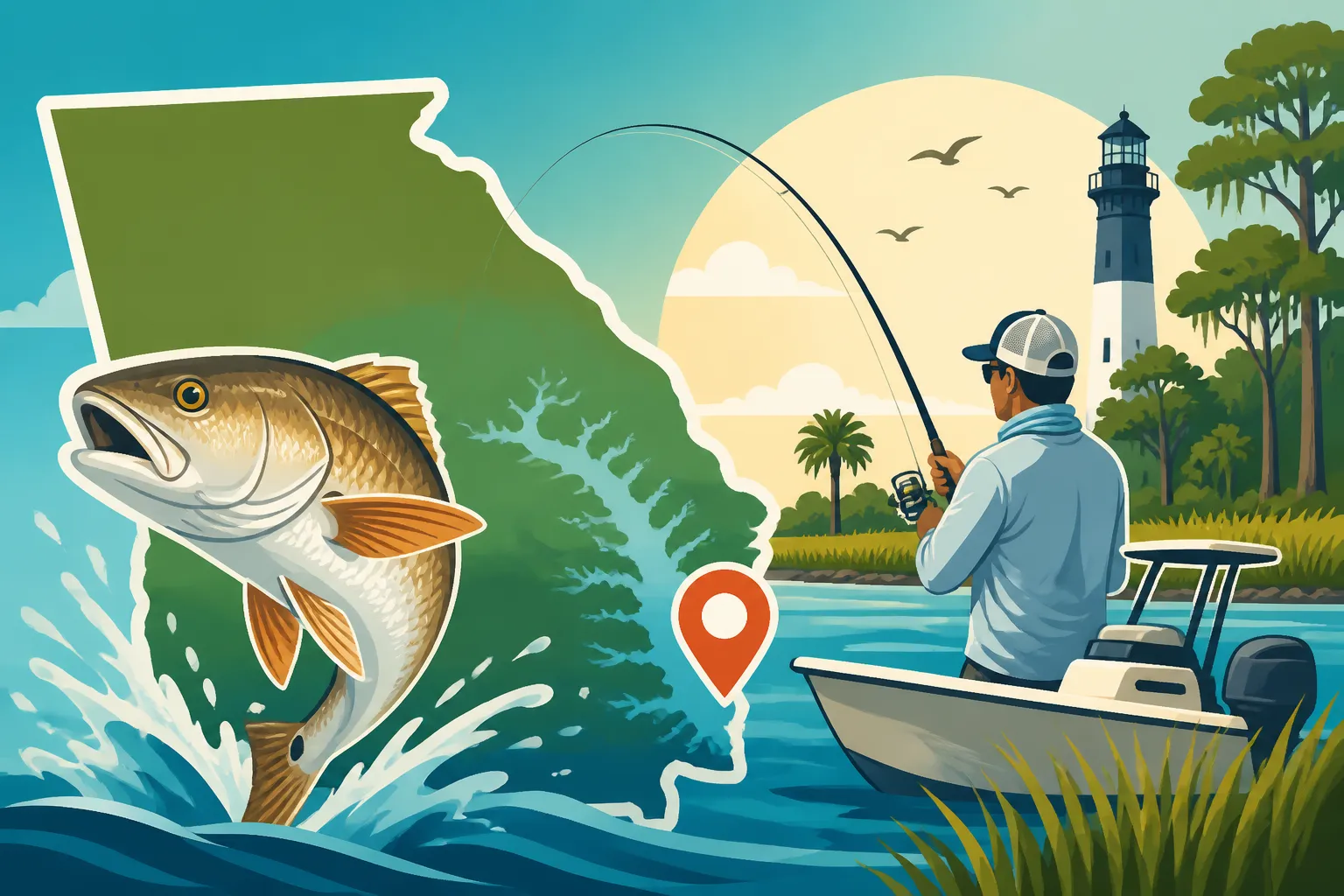
Redfish (Red Drum): Arguably the most sought-after inshore species in Georgia. Redfish are strong fighters, identified by their distinctive black spot (or spots!) on their tail. They inhabit the marsh creeks, oyster beds, and mud flats, often feeding on shrimp, crabs, and baitfish. Anglers target them with live bait (shrimp, mullet), cut bait, or a wide array of artificial lures like soft plastics, spoons, and topwaters. The "bull redfish" run in the fall, where large breeding-sized fish move into the sounds, is legendary, offering a chance at true trophy fish. Remember to check the Georgia Fish Size and Creel Limits before you head out, as regulations can vary.
Spotted Seatrout (Speckled Trout): Another inshore favorite, speckled trout are known for their beautiful spotted flanks and delicious white meat. They prefer slightly deeper, cooler waters than redfish, often congregating in creek channels, around shell beds, and near structure like docks or fallen trees. They readily strike soft plastic jigs, popping corks with live shrimp or artificials, and small topwater lures. Fall and spring are prime times for "specks," but they can be caught year-round in protected waters. Many anglers find excellent success targeting them in spots outlined in the Where to Catch Sea Trout Along the Georgia Coast guide.
Flounder: These masters of camouflage lie flat on the bottom, ambushing unsuspecting baitfish and shrimp. You'll find them around structure like dock pilings, jetties, oyster beds, and creek mouths. Flounder are typically caught by jigging a live mud minnow or a soft plastic close to the bottom. They have a subtle bite, often feeling like a slight "thump," so a sensitive rod is key. While not as flashy as a redfish, their flaky white meat makes them a prized table fare.
Tripletail: A unique and highly prized species, tripletail are known for their unusual shape and their habit of "free-floating" on the surface, often near buoys, pilings, or floating debris. This makes them a fantastic target for sight-fishing. When spotted, a live shrimp or artificial lure presented carefully can entice a strike. They offer a surprisingly strong fight for their size and are exceptional eating. Look for them in the warmer months in the nearshore waters just outside the barrier islands.
Tarpon: The "Silver King" makes its appearance in Georgia’s nearshore and inshore waters during the summer months. These magnificent, acrobatic fish are a bucket-list species for many anglers. While incredibly challenging to hook and land, they offer an unforgettable battle with their powerful runs and spectacular jumps. Tarpon are typically targeted with large live baits like mullet or menhaden, or big artificial lures. Catching a tarpon in Georgia is a true testament to an angler's skill and patience.
King Mackerel and Spanish Mackerel: These sleek, fast-swimming predators are found in the nearshore and offshore waters, especially during the warmer months. Spanish mackerel are smaller, often targeted by trolling spoons or casting flashy lures near bait schools. King mackerel are larger, requiring heavier tackle and are usually caught by trolling live baits (like pogies or menhaden) or large artificials. Both are tremendous fun to catch and can provide fast-paced action when they’re schooling.
Snapper and Grouper: These bottom-dwelling species are a staple of nearshore and offshore reef fishing. Red snapper, vermilion snapper, gag grouper, and scamp grouper are just a few of the delicious species you might encounter. They are caught by dropping baited hooks (squid, cut fish, live bait) to the bottom over artificial reefs, wrecks, and natural ledges. These fish are known for their powerful initial runs and make for excellent eating. Just be sure to check current regulations as many snapper and grouper species have strict seasons and limits.
The Golden Isles: A Prime Fishing Destination
When people talk about coastal Georgia fishing, the Golden Isles almost always come up. This stretch of beautiful barrier islands – St. Simons, Jekyll, Sea Island, and Brunswick – is the heart of the region's inshore and nearshore angling scene. It’s a place where you can find world-class fishing just minutes from charming coastal towns.
St. Simons Island and Brunswick
St. Simons Island and the adjacent mainland city of Brunswick form the epicenter of fishing activity in the Golden Isles. The area is a labyrinth of productive waterways, from tiny marsh creeks to wide-open sounds, offering endless opportunities for anglers.
Jekyll Sound and the Marshes of Glynn: The waters surrounding St. Simons and Jekyll Islands, particularly Jekyll Sound and the expansive Marshes of Glynn, are legendary for their fishing. This vast estuarine system provides ideal habitat for redfish and speckled trout. Anglers frequently work the oyster beds and creek mouths with live shrimp under a popping cork, or cast soft plastics and spoons along the grass lines. The tidal flow here is strong, constantly bringing in nutrients and bait, so understanding the tides is paramount. The deeper channels in the sound are excellent for targeting trout, especially during cooler months when they school up. Many of the Best Inshore Fishing Spots in the Golden Isles, Georgia are found right here.
For those without a boat, the St. Simons Island Pier is a fantastic public access point, allowing anglers to cast into the productive waters of the St. Simons Sound. You can catch everything from flounder and whiting to redfish and even small sharks from the pier. Similarly, the Sidney Lanier Bridge area in Brunswick, while requiring careful navigation, provides access to deeper waters and strong currents where larger fish often congregate. The sheer diversity of fishing spots around Brunswick, Georgia, makes it a top-tier destination for any angler. If you're looking for an in-depth guide, check out the St. Simons Island Inshore Fishing Guide for more specific tactics and locations.
Nearshore Reefs and Wrecks: Just a short boat ride from the inlets of St. Simons and Jekyll lie numerous artificial reefs and natural live bottoms. These structures are magnets for baitfish, which in turn attract larger predatory species. Spanish mackerel, king mackerel, black sea bass, and various snapper species are commonly caught here. Trolling spoons for mackerel or bottom fishing with cut bait and squid are productive methods. These nearshore havens provide excellent action when the inshore bite is slow, and they're relatively easy to access for boats of moderate size.
Jekyll Island and Sea Island
While connected by causeways, Jekyll and Sea Island offer slightly different fishing vibes compared to the bustling St. Simons/Brunswick area. They tend to be a bit quieter, with unique access points and fishing challenges.
Jekyll Island's Deeper Cuts and Inlets: Jekyll Island offers incredible fishing opportunities, particularly around its many tidal creeks and the Jekyll River. The marsh system here is very similar to St. Simons, with excellent redfish and speckled trout action. What makes Jekyll stand out is its access to deeper channels and the ocean via St. Andrews Sound and Jekyll Creek. These areas can be fantastic for targeting bigger reds and trout, especially on outgoing tides as bait is flushed out. The Jekyll Island Pier is another popular spot, offering views of the iconic Driftwood Beach and chances at many of the same species found at the St. Simons pier. It’s always worth exploring the lesser-known creeks here; sometimes, the best spots are those that get less pressure.
Sea Island's Exclusive Waters: Sea Island, known for its luxury resorts, also offers phenomenal fishing. While much of the access might be more private, the surrounding waters are incredibly rich. Anglers fishing from boats or through guided charters will find themselves in prime territory for redfish, trout, and flounder in the pristine creeks and along the productive marsh edges. The waters surrounding Sea Island, particularly the Brunswick River and adjacent sounds, are deeply connected to the larger estuarine system, providing excellent flow and diverse habitats. The more exclusive nature can sometimes mean less fishing pressure in certain areas, potentially leading to bigger and bolder fish for those who can access them. When planning a trip, consider exploring Brunswick, Georgia Saltwater Fishing Spots as many guides launch from there to access Sea Island's prime fishing.
Savannah and Tybee Island Area Fishing
Moving north along Georgia's coast, the Savannah and Tybee Island area presents a different, yet equally exciting, saltwater fishing landscape. Dominated by the mighty Savannah River, this region offers a unique blend of urban accessibility and pristine natural beauty, making it a diverse destination for anglers.
Savannah River and Estuary
The Savannah River is a significant waterway, forming part of the border between Georgia and South Carolina. As it nears the coast, it widens into a massive, dynamic estuary that is a powerhouse of marine life. This area, with its deep shipping channels and extensive marsh system, offers a truly unique fishing experience.
Deep Water, Strong Currents, and Diverse Species: The Savannah River's deep channels are constantly scoured by strong tidal currents, creating a challenging yet highly productive environment. These deeper waters attract a variety of species that tolerate or even prefer the swift flow. Striped bass (though often more common upstream in freshwater, they do venture into the brackish areas), redfish, flounder, and various catfish species can be found here. The key to fishing the Savannah River estuary is understanding the currents and finding areas of slack water or eddies where fish can rest and ambush prey. Often, heavy tackle and strong anchoring are necessary. For more details on this specific fishery, definitely check out the Best Fishing Spots on the Savannah River, Georgia article.
The river's banks are lined with historical sites, commercial docks, and vast marshlands. This blend means you can be fishing in a highly industrialized zone one moment, and then turning into a pristine, quiet marsh creek the next. The strong currents also mean that baitfish are constantly on the move, making it a feeding frenzy for predatory fish. Anglers often use cut bait, live mullet, or large artificials to tempt the fish hiding in these strong currents or along submerged structure. It’s a place where big fish live, but you have to work for them!
Tybee Island's Beaches and Piers
Tybee Island, Savannah's charming barrier island, offers excellent public access for shore anglers and boaters alike. Its beaches, jetties, and piers provide diverse fishing opportunities, from casual family outings to serious angling endeavors.
Public Access and Diverse Fishing Styles: Tybee Island is a fantastic spot for anglers who prefer to keep their feet on solid ground or fish from easily accessible structures. The most prominent fishing spot is the Tybee Island Pier and Pavilion. This well-maintained pier extends far out into the ocean, providing access to deeper water and offering a wide range of catches throughout the year. You can expect to find whiting, croaker, flounder, redfish, speckled trout, and various small sharks here. It’s a popular spot for families, and it’s common to see folks fishing with shrimp, squid, or cut bait on bottom rigs. This is one of the Best Coastal Fishing Piers in Georgia and for good reason!
Beyond the main pier, Tybee’s North and South Beach areas offer opportunities for surf fishing. Anglers can cast into the waves for whiting, pompano, redfish, and even sharks. A simple surf rod setup with a pyramid sinker and a two-hook bottom rig baited with shrimp or cut fish can be very effective. The Tybee Island Jetties, particularly at the northern end of the island, are also excellent fishing locations, though they require careful navigation over rocks. These jetties break the current and create prime feeding lies for flounder, redfish, and sheepshead. Whether you're a seasoned surf angler or just looking for a relaxing day by the water, Tybee has options for every style.
Further South: Darien, Sapelo, and St. Marys
Venturing further south along Georgia’s coast unveils some of its most pristine and productive fishing grounds. The areas around Darien, Sapelo Island, and down to St. Marys near the Florida border offer a more remote, wilder fishing experience, characterized by vast river deltas, unblemished marshlands, and deeper ocean access.
Darien and the Altamaha River Delta
Darien, Georgia, is a historic fishing village nestled on the banks of the mighty Altamaha River, which empties into the Atlantic Ocean, creating one of the largest river deltas on the East Coast. This immense system is an ecological marvel and an angler’s dream, offering an unparalleled diversity of fish.
Massive Estuary and Diverse Fishing: The Altamaha River Delta is absolutely immense. It’s a sprawling network of freshwater, brackish, and saltwater environments, making it incredibly rich in nutrients and baitfish. This means the fishing opportunities are incredibly diverse. You can catch freshwater species like catfish and striped bass well into the brackish zones, while saltwater species like redfish, speckled trout, and flounder penetrate far upriver. This unique blend makes it a fascinating place to explore. Anglers often target the confluence points where different creeks meet the main river, or the extensive oyster beds that line the banks. Live shrimp, mud minnows, and finger mullet are highly effective baits here. If you want to fish a truly wild and productive river, the Where to Fish the Altamaha River is a must-read.
Because of its size and the sheer volume of water it handles, fishing the Altamaha requires a good understanding of the tides and currents. The incoming tide pushes saltwater species upriver, while the outgoing tide flushes bait out of the marshes, creating prime feeding opportunities. The area around Butler Island and the various delta creeks are renowned for their redfish and trout. This region also offers excellent crabbing and shrimping, adding to the overall coastal experience. It’s a place where you can truly get lost in the natural beauty and the abundance of the fishery.
Remote Feel and Untouched Beauty: Unlike some of the more developed coastal areas, the Altamaha Delta retains a wild, untouched feel. Much of the fishing takes place amidst endless marsh grass, towering cypress trees, and abundant wildlife. This sense of remoteness adds to the allure, allowing anglers to connect with nature in a profound way. It's not uncommon to see bald eagles, alligators, and countless species of birds while out on the water. This pristine environment is a testament to conservation efforts, ensuring that these fishing grounds remain productive for generations to come. While you might not find as many public amenities here, the trade-off is often unparalleled peace and quiet, and some truly incredible fishing.
St. Marys and Cumberland Island
At the very southern tip of Georgia, bordering Florida, lies the charming town of St. Marys. This area, with its proximity to the vast waters around Cumberland Island National Seashore, offers some of Georgia's deepest inshore channels and access to prime nearshore and offshore fishing.
Deeper Channels and Big Fish Potential: The waters around St. Marys are known for their deep, powerful tidal channels, particularly the St. Marys River and Cumberland Sound. These deeper cuts, influenced by the Atlantic, create excellent habitat for larger, more migratory species. Large redfish, especially bull reds during their seasonal runs, frequent these channels. Spotted seatrout often school in these deeper areas during cooler months. Because of the direct connection to the ocean, this area also sees a good influx of species like flounder, drum, and even some juvenile sharks. Anglers often fish live or cut bait on the bottom in these channels, paying close attention to the tidal shifts.
The proximity to the open ocean also means that nearshore and offshore opportunities are easily accessible. A relatively short boat ride can take you to productive reefs and wrecks where king mackerel, Spanish mackerel, cobia, and various snapper and grouper species are found. Cumberland Island itself, with its undeveloped coastline, provides an undisturbed backdrop, enhancing the wild fishing experience. While access to the island is limited, the surrounding waters are fair game, offering some of the best deep-water inshore and accessible nearshore fishing in Georgia. It’s a prime spot to look for charters through services like FishingBooker to maximize your time on the water, especially if you're targeting bigger game.
Cumberland Island's Undisturbed Waters: The unspoiled wilderness of Cumberland Island National Seashore significantly contributes to the health of the surrounding fishery. With minimal development, the waters are exceptionally clean and teeming with bait. This ecological integrity supports a robust fish population. Anglers fishing the channels and sounds adjacent to Cumberland Island benefit from this pristine environment, often encountering healthier, more vibrant fish. The beauty of fishing near Cumberland is the blend of serious angling potential with the serene backdrop of one of Georgia's most incredible natural treasures. It truly feels like stepping back in time to a wilder coast.
Essential Gear and Techniques for Coastal Success
Venturing into coastal Georgia’s saltwater fisheries requires more than just enthusiasm; having the right gear and understanding effective techniques will dramatically increase your chances of success. Saltwater fishing can be tough on equipment, and the fish can be even tougher!
Rods, Reels, and Line for Saltwater
Choosing the right tackle is fundamental to enjoying your time on the water and successfully landing fish. Saltwater environments demand durable, corrosion-resistant gear.
Inshore Tackle: For redfish, speckled trout, and flounder in the marsh, a medium to medium-heavy spinning rod, typically 6'6" to 7'6" in length, paired with a 2500 to 4000 size spinning reel, is ideal. This setup provides enough backbone to fight powerful fish while still being light enough for sensitive presentations and all-day casting. Look for reels with sealed drag systems to protect against saltwater intrusion.
For line, 10-15 lb braided line is a popular choice for its sensitivity, casting distance, and strength-to-diameter ratio. You'll want to add a 2-3 foot fluorocarbon leader (20-30 lb test) via a strong knot like an FG or Alberto knot. Fluorocarbon is nearly invisible underwater and offers excellent abrasion resistance against oyster shells and fish teeth. A good quality rod and reel for inshore can handle the unexpected bull red or even a small tarpon if you're lucky.
Nearshore and Offshore Tackle: As you move into nearshore and offshore waters, heavier tackle becomes necessary. For Spanish mackerel and smaller bottom fish, a medium-heavy spinning outfit (4000-6000 size reel, 7-foot medium-heavy rod) spooled with 20-30 lb braid is sufficient. For king mackerel, cobia, and larger bottom fish, you'll want to step up to a heavier conventional or spinning setup (6000-10000 size reel, 7-foot heavy rod) with 40-60 lb braided line and a heavier fluorocarbon leader.
Offshore trolling for tuna, mahi, or billfish requires specialized heavy-duty conventional reels (often lever-drag) spooled with 50-80 lb monofilament or braid, paired with stout trolling rods. These setups are designed to handle immense pressure and long, powerful fights. Always ensure your reel is properly maintained and washed down with fresh water after every saltwater outing to prevent corrosion.
Baits, Lures, and Rigs
The right presentation is just as important as the right gear. Coastal Georgia fish can be picky, so having a variety of baits and lures in your tackle box is a smart move.
Live Bait: For inshore fishing, live shrimp are king. They are irresistible to redfish, speckled trout, and flounder. They can be fished under a popping cork, on a Carolina rig, or free-lined. Live mud minnows (also called tiger minnows) are excellent for flounder and redfish. Live finger mullet are fantastic for larger redfish and especially for tarpon in the summer. For nearshore and offshore, live pogies (menhaden) or cigar minnows are top choices for king mackerel and cobia. Knowing how to keep your live bait healthy is crucial for success.
Artificial Lures: Soft plastic lures rigged on jig heads are incredibly versatile for inshore species. Paddle tails, shrimp imitations, and jerk shads in various colors (chartreuse, white, natural shrimp colors) are staples. Topwater plugs are exhilarating for redfish and trout during low-light conditions, creating explosive strikes. Spoons are also effective for redfish. For Spanish mackerel, small flashy spoons or Gotcha Plugs are highly productive when trolled or cast into schools. Larger plugs and stickbaits are used for king mackerel and tarpon.
Popular Rigs:
- Popping Cork Rig: A floating cork that makes a "pop" sound to attract fish, with a leader (18-30 inches) tied to a hook with live shrimp or a soft plastic. Ideal for speckled trout and redfish.
- Carolina Rig: A sliding egg sinker above a swivel, followed by a fluorocarbon leader and a hook. Perfect for presenting live or cut bait on the bottom for redfish, flounder, and drum.
- Knocker Rig: Similar to a Carolina rig but with the weight directly above the hook. Good for getting bait down quickly in current or around structure.
- Fish Finder Rig: A sliding sinker above a swivel, with a leader and hook. Used for surf fishing or bottom fishing in deeper channels for a variety of species.
- Jig Head with Soft Plastic: The simplest and often most effective rig for active casting and retrieving for trout and redfish.
| Species | Primary Habitat | Best Seasons | Common Baits/Lures |
|---|---|---|---|
| Redfish | Marshes, oyster beds | Year-round, Fall/Spring peak | Live shrimp, mullet, soft plastics, spoons |
| Speckled Trout | Creeks, shell beds | Year-round, Fall/Spring peak | Live shrimp, soft plastics under cork |
| Flounder | Bottom structure, jetties | Spring-Fall | Live mud minnows, soft plastics on jigs |
| Tripletail | Nearshore floating debris | Spring-Summer | Live shrimp, artificial shrimp imitations |
| King Mackerel | Nearshore/Offshore | Summer-Fall | Live pogies, large trolling spoons/plugs |
| Spanish Mackerel | Nearshore | Spring-Fall | Small spoons, Gotcha Plugs, jigs |
| Black Sea Bass | Nearshore reefs | Year-round | Cut bait, squid, small jigs |
| Snapper/Grouper | Nearshore/Offshore reefs | Varies by species, check regs | Live/cut fish, squid |
| Tarpon | Inshore/Nearshore | Summer | Live mullet, large soft plastics |
Navigating Regulations and Conservation
Fishing in coastal Georgia, like anywhere, comes with rules. These regulations aren't there to make your life harder; they're crucial for protecting our precious marine resources and ensuring healthy fish populations for generations to come. Understanding them is not just about avoiding fines, it's about being a responsible angler.
Georgia Saltwater Fishing Permit Explained
First things first: if you're planning to fish in saltwater, you're going to need a Georgia fishing license. And beyond that, specifically for saltwater, you’ll also need to be aware of the Georgia Saltwater Information Permit Explained requirement. This is a crucial distinction that sometimes trips people up.
While a basic fishing license covers you for most freshwater species, if you intend to fish in Georgia's saltwater or brackish waters, you generally need to possess a Saltwater Information Permit (SIP). The good news? This permit is absolutely free! It doesn't cost a dime, but it is required. The purpose of the SIP is to help the Georgia Department of Natural Resources (DNR) gather vital data on saltwater fishing effort, catch, and harvest. This information is critical for managing the health and sustainability of our coastal fisheries. It's often automatically added to your license when you indicate you'll be saltwater fishing, but it's always wise to double-check. Don't fall into the trap of thinking just a regular license is enough.
So, how do you get one? When you purchase your standard Georgia Fishing License Guide online, over the phone, or at a licensed agent, you'll typically be asked about your fishing intentions. If you select saltwater fishing, the SIP should be included. It's a quick and easy process, but forgetting it could lead to an unnecessary penalty. Always make sure you're compliant before you cast that first line in the surf or marsh. Understanding that the Georgia Saltwater Information Permit Explained is free but mandatory is a simple step towards being a responsible coastal angler.
Size and Creel Limits
Beyond the permits, one of the most important aspects of responsible fishing is adhering to size and creel (bag) limits. These limits are set by the Georgia DNR, often in conjunction with federal guidelines, to manage fish stocks and prevent overfishing. They vary by species and can change, so it's vital to check the most current regulations before each trip.
Why Limits Matter: Imagine if everyone kept every fish they caught, regardless of size or number. Our fisheries would quickly become depleted. Size limits protect juvenile fish, allowing them to grow and reproduce before being harvested. Creel limits prevent individual anglers from taking an unsustainable number of fish, spreading the harvest among more people and protecting overall stock levels. These regulations are scientifically determined to ensure long-term sustainability. For a full breakdown, consult the Georgia Fish Size and Creel Limits guide.
Key Species and Common Limits (Always Verify!):
- Redfish: Often have a slot limit, meaning you can only keep fish within a certain size range (e.g., 14-23 inches). There's usually a daily bag limit as well. This protects both the very small, growing fish and the large, breeding "bull reds."
- Speckled Trout: Typically have a minimum size limit and a daily bag limit.
- Flounder: Generally have a minimum size limit and a daily bag limit.
- Snapper and Grouper: These species often have complex regulations, with specific seasons, minimum size limits, and bag limits that can vary by species and even within the year. It's crucial to check the specific rules for the species you're targeting offshore.
- Other Species: Whiting, croaker, and other common panfish often have generous or no size/bag limits, but it's always best to be informed.
You can find the most up-to-date information on the Georgia DNR Wildlife Resources Division website, usually in their annual fishing regulations guide. Smart anglers keep a copy on their phone or printed out, so they can quickly verify limits on the water. It’s a small effort that makes a huge difference in protecting the future of our coastal fisheries.
Hiring a Guide vs. DIY Exploration
So, you've got your license, you understand the regulations, and you're dreaming of big fish on the Georgia coast. Now comes a big decision: do you try to figure it all out yourself, or do you enlist the help of a professional? Both options have their merits, and the "best" choice really depends on your experience level, budget, and what kind of adventure you're seeking.
When to Consider a Fishing Charter
For many anglers, especially those new to saltwater fishing or visiting the area, hiring a fishing charter is an absolute game-changer. It takes a lot of the guesswork and stress out of the equation, allowing you to focus on the fun part: fishing!
Local Knowledge is Priceless: This is perhaps the biggest advantage. A good local guide lives and breathes these waters. They know the tides, the currents, where the fish are holding based on the time of year and recent weather patterns, and what baits and techniques are working best right now. They've spent countless hours learning the subtle nuances of each creek, sound, and reef. Trying to acquire that level of knowledge on your own can take years, if ever. Guides often have years, even decades, of experience that simply can't be replicated in a single trip. Using platforms like FishingBooker can help you find reputable local captains with solid reviews, ensuring you connect with someone who truly knows their stuff.
Access to Gear and Boats: Don't have a specialized bay boat, heavy offshore tackle, or the right baitcasting setup for sight-fishing redfish? No problem. A charter provides all the necessary, high-quality gear. You don't need to worry about purchasing expensive rods, reels, or navigation electronics. The guide also has a boat perfectly suited for the type of fishing you'll be doing, whether it's a shallow-draft skiff for sneaking into the marsh or a comfortable center console for nearshore reefs. Plus, they handle all the bait, ice, and safety equipment. All you typically need to bring are snacks, drinks, sunscreen, and your enthusiasm.
Safety and Efficiency: Fishing in saltwater, especially offshore, comes with inherent risks. A professional captain is trained in maritime safety, first aid, and navigating coastal waters. They constantly monitor weather conditions and know when it’s safe to go out and when to stay in. This ensures a much safer trip. Furthermore, guides are incredibly efficient. They won't waste time looking for fish; they'll take you directly to proven spots, maximizing your fishing time. This is especially valuable for a vacation where every hour on the water counts.
Learning Experience: A charter isn't just about catching fish; it's a fantastic learning opportunity. A good guide will teach you about the local ecosystem, explain techniques, show you how to properly cast, set the hook, and fight different species. You'll gain valuable insights that you can then apply to your own future fishing adventures. It's an investment in both a memorable experience and your own angling education.
Planning Your Own Coastal Adventure
For experienced anglers, those with their own boats, or those on a tighter budget, a do-it-yourself (DIY) coastal fishing trip can be incredibly rewarding. It offers the freedom to explore at your own pace and the satisfaction of finding fish on your own terms.
Boat Ramps and Shore Access: If you have your own boat, Georgia's coast offers numerous public boat ramps, from primitive dirt ramps on small creeks to large, modern facilities at major marinas. Researching these in advance is crucial, especially regarding tidal access (some ramps are only usable at high tide) and parking availability. For shore-bound anglers, places like the Tybee Island Pier and Pavilion, the St. Simons Island Pier, and various public docks and beach access points provide great opportunities. Many of the Best Boat Ramp Access Points in Georgia are found along the coast, but always check conditions.
Research and Preparation: DIY success hinges on thorough preparation. Before you go, study nautical charts to understand water depths, channels, and oyster beds. Pay close attention to tide charts – the tides dictate everything in coastal Georgia. Weather forecasts are also paramount, especially wind and wave predictions. Having a good fish finder and GPS unit on your boat is invaluable for navigating and locating structure. Talk to local tackle shop owners; they are often a goldmine of current fishing reports and advice. They might even tell you what baits have been most effective recently.
Challenges and Rewards: The challenges of DIY fishing are real: navigating unfamiliar waters, dealing with changing weather, finding bait, and locating fish without expert guidance can be tough. You might spend more time searching than fishing, and there will inevitably be slow days. However, the rewards are immense. There's a profound sense of accomplishment in successfully navigating the marsh, finding a hidden school of redfish, and landing them on your own terms. It’s an adventure that fosters independence, builds skills, and often leads to deeper appreciation for the environment. Just remember to prioritize safety; always tell someone where you're going and when you expect to return, and have all required safety gear aboard.
Disclaimer
Fishing regulations, including license requirements, size limits, and creel limits, are subject to change by the Georgia Department of Natural Resources (DNR) and other governing bodies. While we strive to provide accurate and up-to-date information, it is the angler's responsibility to verify current regulations before engaging in any fishing activity. Always consult the official Georgia DNR Wildlife Resources Division website or their current printed regulations guide for the most precise and legally binding information. This guide is for informational purposes only and should not be considered legal advice.