Chattahoochee River Fishing Through Atlanta
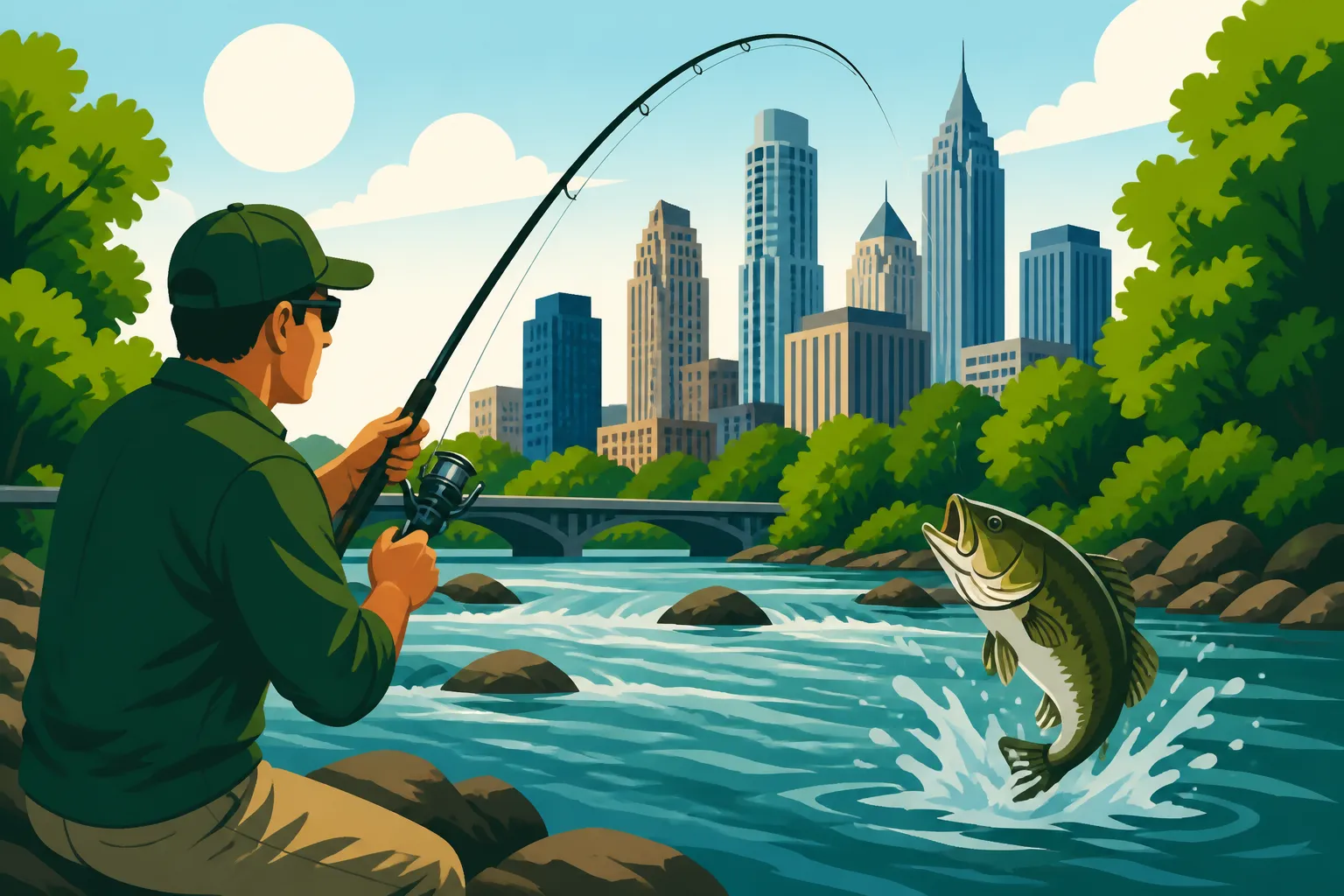
Fishing in a bustling metropolitan area often feels like a contradiction, doesn't it? You crave the peace and challenge of the catch, but the thought of traffic and concrete jungles can be a real deterrent. But for those of us in Georgia, the Chattahoochee River, flowing right through the heart of Atlanta, offers an incredible urban fishery, a true anomaly that brings the wilderness surprisingly close to home. This guide will walk you through everything you need to know to successfully navigate and fish this unique stretch of water, turning urban angst into angling adventure.
The Unique Character of the Chattahoochee Through Atlanta
The Chattahoochee River, affectionately known as "the Hooch" by locals, isn't just any river. As it carves its way through the metro Atlanta area, it transforms from a cold, oxygen-rich tailwater to a warmer, more diverse ecosystem. This transition creates a fascinating blend of fishing opportunities that few other urban rivers can boast. It’s a place where you can catch trout just minutes from skyscrapers, then switch gears for bass or panfish downstream.
From Tailwater to Urban Fishery: A River Transformed
Upstream of Atlanta, particularly below Buford Dam which forms Lake Lanier, the Chattahoochee is a bona fide trout stream. The dam releases cold water from the lake's depths, creating a tailwater environment ideal for trout. This is where you'll find the famed "blue ribbon" trout fishing, an unexpected gem so close to millions of people. As the river flows south through the northern suburbs and into the city, it gradually picks up warmer runoff and changes character.
This means you’re fishing a river with a split personality. In the colder sections near the dam, you'll be focused on trout. Further downstream, as temperatures rise, the habitat becomes more suitable for warmwater species like largemouth bass, smallmouth bass, spotted bass, and various panfish. It's a dynamic system that demands versatility from anglers, but also rewards that adaptability with a wide array of potential catches. It's a testament to good river management that such a thriving ecosystem can exist in such close proximity to urban development.
Water Temperatures and Flow: The Lifeblood of the Hooch
Understanding the water temperature and flow rates is absolutely critical when fishing the Chattahoochee, especially for trout. The releases from Buford Dam dictate the conditions significantly. When the generators are running at the dam, the river can rise rapidly, become swift, and cool down considerably. This can make wading dangerous and fishing challenging. Conversely, during periods of low flow, the river becomes very wadeable, but warmer temperatures in the lower stretches can stress trout.
For trout anglers, colder, consistent flows are ideal. You can check the U.S. Geological Survey (USGS) website or the Georgia Power generation schedule for real-time flow information, which is a non-negotiable step before heading out. High water might mean shifting your strategy to heavier baits, fishing from a boat or kayak, or simply waiting for safer wading conditions. During summer, even with dam releases, the lower sections can warm up too much for trout to survive catch-and-release, making them strictly warmwater fisheries during those months. Knowing How Water Temperature Affects Fish Behavior is key to success on the Hooch.
Understanding Different Zones: North to South Metro
The Chattahoochee through Atlanta can be broadly divided into several zones, each with its own characteristics and primary target species. The uppermost sections, from Buford Dam downstream through areas like Settles Bridge, Bowmans Island, and Medlock Bridge, are predominantly coldwater trout fisheries. Here, the river is narrower, with more riffles and runs.
As you move further south, through zones like Johnson Ferry, Powers Island, and Cochran Shoals, the river begins its transition. You'll still find trout, especially in the deeper, colder pockets, but warmwater species become more prevalent. The river also widens and often has more slow-moving pools. Finally, downstream of I-285 and into areas like Paces Mill and beyond, the river is primarily a warmwater fishery. Here, bass, catfish, and various panfish dominate. Understanding these zones will help you pick the right gear and techniques for your target species. It's truly like having several different rivers all rolled into one, demanding varied approaches depending on where you drop your line.
Prime Fishing Spots and Public Access Points
One of the great advantages of fishing the Chattahoochee through Atlanta is the sheer number of public access points. The Chattahoochee River National Recreation Area (CRNRA) manages many parks and boat ramps, making it relatively easy for anglers to get on the water, whether you prefer to wade, bank fish, or use a boat or kayak. You don’t need to venture far from the city to find productive water.
Popular Parks and Recreation Areas for Anglers
Many of the most popular fishing spots are located within the CRNRA, offering amenities like parking, restrooms, and sometimes even picnic areas.
- Abbotts Bridge, Medlock Bridge, and Jones Bridge: These are excellent upstream spots for trout, offering good wading access and a mix of riffles, runs, and deeper pools. They're often heavily stocked, especially Medlock Bridge, making them popular for fly and spin anglers alike. The scenery here can make you forget you're so close to a major city.
- Settles Bridge: Known for its good access and diverse water, Settles Bridge is another prime trout spot, particularly for those looking to wade. The river here offers a good variety of structure.
- Island Ford: Home to the CRNRA headquarters, Island Ford offers beautiful hiking trails and good bank access for fishing. It's a versatile spot where you can target both trout and warmwater species, depending on the section you choose and the time of year.
- Johnson Ferry North and South: These sections are immensely popular, offering broad access for both wading and bank fishing. Trout are definitely present, but you'll also find plenty of bass and panfish, especially in the slower moving water. The accessibility here makes it a favorite for families and casual anglers.
- Powers Island and Cochran Shoals: These areas are known for their extensive trails and excellent wading opportunities. They tend to fish well for trout during colder months and offer great bass fishing as you move into the warmer sections. The sheer amount of river access here means you can always find a quiet spot if you're willing to walk a bit.
These parks often have well-maintained paths and plenty of parking, making them ideal for a quick fishing trip without too much hassle. Just remember that popularity can mean crowds, especially on weekends, so an early start or a weekday trip can offer more solitude.
Hidden Gems and Kayak-Accessible Stretches
While the popular parks are great, the Chattahoochee also holds many lesser-known spots, particularly if you're willing to explore by kayak or canoe. These watercraft allow you to access stretches of river that are difficult or impossible to reach from the bank, often leading to less pressured fish.
- Paddling the Upper Hooch: Sections between the major access points, like the float from Medlock Bridge down to Jones Bridge, or from Johnson Ferry to Powers Island, can reveal fantastic fishing. These floats offer a mix of fast water and slower pools, perfect for drifting flies or casting lures for both trout and bass. It’s a great way to experience the river’s wild side within the city limits.
- Small Tributary Mouths: Keep an eye out for where smaller creeks flow into the Chattahoochee. These areas can often be holding spots for fish, especially after rain, bringing in new food and oxygenated water. While not always easily accessible, a kayak can get you right to these productive seams.
- Urban Overlooks: Even in the most urbanized sections, small, often unmarked paths or green spaces might offer limited bank access. These can be quick stops for a few casts, especially if you're targeting adaptable species like bass or catfish. Sometimes, the most unexpected spots yield the best results. If you're looking to explore new waters or find a guide to show you the ropes, services like FishingBooker can help connect you with local experts who know these hidden gems intimately.
Always be mindful of private property when exploring less-known areas. The CRNRA boundaries are well-marked, and it’s always best to stick to public land unless you have explicit permission.
Boat Ramps and Wading Opportunities
For those with larger boats, or even smaller jon boats and rafts, several boat ramps offer excellent access to the Chattahoochee.
- Settles Bridge and Medlock Bridge: While known for wading, these spots also offer small boat or kayak launch points suitable for drift boats or rafts, especially for trout fishing.
- Jones Bridge: Has a good boat ramp for larger rafts and drift boats, ideal for floating the trout section.
- Johnson Ferry and Powers Island: These popular spots offer ample parking and launch points suitable for kayaks, canoes, and even smaller motorboats (though motor use can be restricted in certain CRNRA sections).
- Morgan Falls Dam (Bull Sluice Lake): This lake, just upstream of Powers Island, is technically part of the Chattahoochee system and offers deeper water fishing, often for striped bass, hybrid striped bass, and big catfish. It has a dedicated boat ramp for motorized vessels.
For waders, the upper sections are generally safer, but always check flow rates from Buford Dam before stepping in. A good rule of thumb is that if the water is above your knees and moving swiftly, it's probably too dangerous to wade. During low flow periods, many miles of river are easily wadeable, offering fantastic opportunities to explore riffles and runs. Make sure you have proper wading boots with good grip, as the river bottom can be slick. Additionally, consider safety items like a wading staff and a personal flotation device (PFD), especially if you're new to river wading.
Targeting the Chattahoochee's Diverse Fish Species
The Chattahoochee River, flowing right through the urban sprawl of Atlanta, is a testament to the resilience of nature and thoughtful conservation efforts. It offers an incredible diversity of fish species, each requiring its own approach. From the delicate dance of fly fishing for trout to the aggressive strikes of bass, there’s something for every angler.
Trout Fishing: A Coldwater Oasis in the City
It still surprises many visitors that you can catch trout, especially healthy rainbow and brown trout, mere minutes from downtown Atlanta. This "urban trout fishery" is primarily sustained by the cold water releases from Buford Dam and extensive stocking efforts by the Georgia Department of Natural Resources. The upper sections of the river, roughly from Buford Dam downstream to approximately Cochran Shoals, are where you'll find the best trout action.
- Rainbow Trout: These are the most commonly stocked trout and are often eager biters, making them excellent targets for both fly and spin anglers. They’ll readily take small inline spinners (like Panther Martins or Rooster Tails), artificial worms (like Berkley PowerBait or Gulp! Trout Dough), and a variety of flies (woolly buggers, pheasant tails, caddis, midges). They tend to hang out in riffles, runs, and the heads of pools where the current brings them food.
- Brown Trout: While also stocked, brown trout are often more elusive and tend to grow larger. They are more predatory and can be found in deeper pools, under cut banks, and near submerged structure. They respond well to larger streamers, minnow imitations, and sometimes even topwater presentations during low light conditions. You might need to adjust your retrieve speed to entice a strike.
- Brook Trout: Georgia's only native trout species, brook trout are rarely found in the main stem of the Chattahoochee through Atlanta. They prefer the colder, cleaner headwaters of smaller tributary streams in the North Georgia Mountains. If you're specifically chasing brookies, you'll need to venture much further north.
Remember that a Georgia Trout Fishing License Requirements and a basic Georgia Fishing License Guide is necessary to fish for trout in these waters. It's a small price to pay for such an exceptional opportunity. For those looking to learn more about where and when trout are stocked, checking the Georgia Trout Stocking Schedule is incredibly helpful.
Bass and Panfish: Warmwater Action
As you move further downstream, or during warmer months in the mid-river sections, the Chattahoochee transitions into an excellent warmwater fishery, providing thrilling action for bass and various panfish.
- Largemouth Bass: These are plentiful in the slower, weedier sections, especially in eddies, backwaters, and around laydowns. They respond well to classic bass lures like plastic worms (Texas-rigged or wacky-rigged), spinnerbaits, crankbaits, and topwater frogs or poppers during low light. Look for areas with slower current and plenty of cover.
- Spotted Bass: Often found alongside largemouth, spotted bass prefer slightly more current and rockier areas. They’re aggressive fighters and will hit many of the same lures as largemouth, but often prefer smaller presentations like grubs, small crankbaits, or even inline spinners.
- Shoal Bass: While the Flint River is famous for its shoal bass, they can occasionally be found in the Chattahoochee’s rocky, current-heavy sections. These hard-fighting bass are a prized catch, often favoring jigs, swimbaits, and crankbaits that imitate their preferred prey.
- Panfish (Bluegill, Redbreast Sunfish, Crappie): The Chattahoochee is also a fantastic place to introduce kids or beginners to fishing for panfish. Bluegill and redbreast sunfish are abundant and eager biters, found in slower pockets, around submerged vegetation, and near structure. A simple worm under a bobber is often all you need. Crappie can be found in deeper pools, especially around brush piles or submerged timber. Small jigs, minnows, or even tiny spinners work wonders. These species provide consistent action and are great table fare.
The beauty of the Chattahoochee is that you can often target both trout and warmwater species on the same day, simply by moving a few miles up or downriver. This versatility makes it an exciting destination for anglers of all stripes.
Other Notable Catches and Surprises
Beyond the main gamefish, the Chattahoochee through Atlanta offers a few other interesting species that can surprise you.
- Catfish (Channel, Flathead, Blue): These bottom dwellers are present throughout the river, especially in the deeper, slower sections downstream. They can grow quite large and offer a powerful fight. Chicken livers, cut bait, or stink baits fished on the bottom are highly effective. Night fishing for catfish can be particularly productive.
- Striped Bass and Hybrid Striped Bass: While more common in the larger impoundments like Lake Lanier and Lake Oconee, stray stripers and hybrids can occasionally be found in the river, particularly in the sections closest to Lake Lanier or in deeper holes. They’re powerful fish and will often hit large swimbaits, live bait, or even topwater lures when they're actively feeding. Targeting these can be a real bonus catch for an unsuspecting angler.
- Carpe Diem: Common carp are also present and can provide a surprisingly challenging fight on light tackle. They are often overlooked but can be targeted with corn, dough balls, or specialized carp baits.
It's this blend of opportunities that makes the Chattahoochee River so captivating. You never quite know what might grab your line next, adding an element of exciting unpredictability to every cast.
Seasonal Strategies for Success on the Hooch
Just like any great fishery, the Chattahoochee River through Atlanta demands a seasonal approach. What works wonderfully in spring might fall flat in the heat of summer, and winter offers its own unique challenges and rewards. Understanding these patterns is crucial for consistent success and for maximizing your enjoyment on the water.
Spring and Fall: Prime Time for Many Species
If you had to pick two seasons to fish the Chattahoochee, spring and fall would be at the top of the list. These transitional periods offer cooler temperatures, often stable water flows, and highly active fish.
- Spring: As water temperatures begin to rise from their winter lows, all species become more active. Trout fishing remains excellent in the upper sections, especially with increasing insect activity, leading to better fly fishing. For bass, spring is pre-spawn and spawn time, making them aggressive and often moving into shallower areas. Crankbaits, jigs, and soft plastics fished near structure are highly effective. Panfish also become very active, biting readily on small worms, crickets, or tiny jigs. It’s a time of abundance, as fish are looking to feed heavily after the leaner winter months and prepare for spawning. The river often has good flow from spring rains, which keeps the water fresh and oxygenated.
- Fall: This season sees water temperatures begin to cool, re-energizing fish that might have been sluggish during the summer heat. Trout fishing picks up significantly in the upper river, especially as stocking increases and cooler nights bring water temperatures down. Dry fly fishing can be exceptional during hatches. For bass and panfish, fall is a "feeding frenzy" as they stock up for winter. They'll chase baitfish aggressively, making spinnerbaits, crankbaits, and topwater lures very effective. Look for schooling baitfish, and the predators won't be far behind. The foliage along the river also turns beautiful colors, adding to the aesthetic appeal of a fall fishing trip.
Both spring and fall offer a fantastic balance, allowing anglers to target multiple species across different sections of the river. It's often the most comfortable time of year to be out on the water.
Summer Challenges and Opportunities
Summer fishing on the Chattahoochee can be tough, especially in the lower, warmer sections. High air temperatures can heat the water, stressing fish and making them lethargic. However, with the right strategy, it can still be a productive time.
- Trout: In the upper, tailwater sections, trout fishing is still viable due to the cold water releases from Buford Dam. However, lower flows combined with hot days can still warm the water, particularly in shallower areas. Focus on fishing early mornings or late evenings when the air and water are coolest. Target deeper pools, oxygenated riffles, and shaded areas. Using heavier tippets and minimizing handling of fish are crucial for catch-and-release success to ensure trout survival. Some ethical anglers will even avoid trout fishing altogether when water temperatures climb above 68-70°F.
- Warmwater Species: This is prime time for largemouth bass, spotted bass, and catfish in the mid to lower sections of the river. Like trout, they will often move to deeper, cooler water during the hottest parts of the day. Fish early, late, or even at night for the best action. Target areas with shade, submerged cover, and current breaks. Topwater lures can be explosive at dawn and dusk. For catfish, summer nights are excellent, with cut bait or stink bait yielding big results. Panfish will still be active, often moving into the shade of overhanging trees or deeper pockets.
- Hydropower Generation: Pay close attention to the Buford Dam generation schedule during summer. Increased water releases will bring cooler water downstream, often kickstarting a bite, but also making wading dangerous. Always check the river conditions before heading out, especially if you plan to wade.
Summer fishing requires patience, good timing, and a willingness to adapt. Stay hydrated, wear sun protection, and be prepared for warmer conditions. If you're looking for an unforgettable summer fishing experience, perhaps even booking a guided trip with an experienced local through a service like FishingBooker, can help you navigate these seasonal challenges and find the most productive spots.
Winter Fishing: Embracing the Cold
Winter fishing on the Chattahoochee is often overlooked, but it can be incredibly rewarding, especially for trout. The crowds thin out, and the river often takes on a peaceful, serene quality.
- Trout: This is arguably the best time of year for trout in the upper Chattahoochee. Consistent cold water from the dam keeps the trout active and comfortable. While insect hatches might be less prolific, subsurface nymphing with small flies (midges, stoneflies, pheasant tails) can be highly effective. Spin anglers will find success with small jigs, artificial worms, or inline spinners. Focus on deeper, slower pools where trout can conserve energy and find refuge from stronger currents. The fish are often schooled up, so if you find one, there are likely more.
- Warmwater Species: Bass and panfish become much slower in winter. They'll typically move to the deepest, most stable water they can find, often suspending or hugging the bottom. Techniques like slow-rolling crankbaits, jigging spoons, or fishing subtle soft plastics on the bottom can elicit strikes. It's a game of patience and finesse. Catfish can still be caught, particularly in deep holes with fresh cut bait, but their activity will also be reduced.
- Dress Warm and Safely: The biggest challenge in winter is dealing with the cold. Layer up, wear waterproof outerwear, and consider insulated waders. Hypothermia is a real risk. Always let someone know where you're going and when you expect to return. While the bite might be slower, the opportunity for solitude and the chance to land a hefty winter trout makes it well worth the effort for dedicated anglers.
Regardless of the season, a valid Georgia Fishing License Guide is always required. It's important to be familiar with the current Georgia Fishing Regulations Explained, including any seasonal closures or specific rules for certain sections of the Chattahoochee.
Essential Gear, Bait, and Techniques for Urban Fishing
Successfully fishing the Chattahoochee River through Atlanta isn't just about knowing where to go or what fish live there; it's also about having the right tools and knowing how to use them. The river's diverse environments, from swift trout runs to slow bass pools, demand versatile gear and adaptable techniques.
Rods, Reels, and Lines for Versatile Angling
Given the variety of species and conditions, a versatile rod and reel setup is incredibly beneficial.
- For Trout (Spin Fishing): A light to medium-light spinning rod, typically 6 to 7 feet long, with a fast action tip, is perfect. Pair this with a 1000 or 2000 series spinning reel spooled with 4-6 pound monofilament or fluorocarbon line. This setup allows for delicate presentations of small lures and baits while still having enough backbone to handle a good-sized trout in current. Fluorocarbon leaders (4-6 lb) are excellent for their invisibility and abrasion resistance when fishing clear water.
- For Trout (Fly Fishing): A 9-foot, 5-weight fly rod is considered the most versatile "all-around" rod for the Chattahoochee. It can handle dry flies, nymphs, and smaller streamers. Pair it with a matching fly reel, appropriate floating line, and a selection of tapered leaders and tippet (3x to 6x, depending on fly size and conditions). For larger trout or heavier streamers, a 6 or 7-weight rod might be preferred. Learning How to Fly Fish for Trout as a Beginner can open up a whole new world on the Hooch.
- For Bass and Panfish (Spin Fishing): A medium-light to medium power spinning rod, 6.5 to 7 feet long, with a fast to extra-fast action, is ideal. Spool a 2500 or 3000 series reel with 8-12 pound monofilament or braided line with a fluorocarbon leader. This setup offers enough power for bass while still being sensitive enough for panfish.
- For Bass (Baitcasting): For targeting larger bass with heavier lures or in dense cover, a medium-heavy baitcasting rod, 6.5 to 7.5 feet long, paired with a baitcasting reel spooled with 12-20 pound fluorocarbon or braided line, is a solid choice. This allows for powerful hooksets and accurate casting.
Many anglers opt for a single, versatile spinning setup (medium-light, 7-foot rod, 2500 reel, 6-8 lb line) that can handle most situations for both trout and warmwater species, especially if they are primarily bank fishing or wading. For more specialized trips, having dedicated trout and bass setups is certainly advantageous. If you're unsure about what rods and reels would be best, check out guides on Best Rods and Reels for Georgia Fishing.
Baits and Lures: Matching the Hatch and Mood
Choosing the right bait or lure is paramount. The Chattahoochee offers such a varied environment that you need a diverse tackle box.
- Trout Baits/Lures:
- Live Bait: Live worms (red wigglers, nightcrawlers) are universally effective. Corn, salmon eggs, and PowerBait/Gulp! Dough are also very popular, especially for recently stocked trout.
- Spinning Lures: Small inline spinners (Panther Martin, Rooster Tail, Mepps) in sizes #0 to #2 are deadly. Tiny spoons (Phoebe, Kastmaster) can also work well, especially in deeper water. Small jigs (1/32 to 1/8 oz) tipped with a piece of worm or Gulp! are also effective.
- Flies: For fly anglers, the selection is vast. Midges and tiny nymphs (pheasant tails, hare's ears) are consistent producers. Caddis, stonefly, and mayfly patterns (dry flies, emergers, nymphs) are important to match the prevalent insect hatches. Streamers (woolly buggers, Clouser Minnows) are excellent for targeting larger, more aggressive trout.
- Bass and Panfish Baits/Lures:
- Live Bait: Earthworms, crickets, and small minnows are irresistible to panfish and smaller bass.
- Soft Plastics: Texas-rigged worms, wacky-rigged stick baits (Senkos), shaky head jigs, and small swimbaits are bass staples. For panfish, tiny grubs or tubes on small jig heads work wonders.
- Crankbaits and Spinnerbaits: These are excellent for covering water and eliciting reaction strikes from active bass. Choose colors and sizes appropriate for the water clarity and depth.
- Topwater Lures: Poppers, walk-the-dog baits, and frogs are incredibly exciting for bass, especially during low light conditions or over weed beds.
- Jigs: For bass, flipping jigs and swim jigs are highly effective around cover. For panfish, tiny unpainted jigs or micro-jigs under a bobber can be lights out.
Don't be afraid to experiment! Fish preferences can change quickly based on time of day, water clarity, and river conditions.
Kayaks, Waders, and Bank Fishing Essentials
Your choice of access method will dictate some of your essential gear.
- Wading Gear: If you plan to wade the upper Chattahoochee for trout, good quality chest waders (neoprene for winter, breathable for warmer months) and sturdy wading boots with felt or rubber soles for grip are a must. A wading staff provides stability and safety in current. A small fishing vest or chest pack to hold your tackle, nippers, and forceps is also helpful.
- Kayak/Canoe Gear: A fishing kayak or canoe offers incredible versatility on the Hooch. You'll need a PFD, paddle, and a dry bag for electronics and essentials. Consider a small anchor, a paddle leash, and rod holders. Many anglers outfit their kayaks with fish finders and small tackle boxes. Services like FishingBooker sometimes offer guided kayak trips for those looking to explore with an expert. If you're looking to get into kayak fishing, check out a Kayak Fishing Gear Guide for Beginners or Best Kayaks for Fishing Georgia Lakes.
- Bank Fishing Essentials: For those fishing from the bank or piers, a comfortable chair, a cooler for drinks and snacks, a landing net, and a basic tackle bag are essential. A long-handled net is particularly useful from the bank. For catfish anglers, rod holders to keep your rods off the ground are a good idea.
Regardless of your chosen method, always carry a small first-aid kit, plenty of water, sunscreen, and insect repellent. A pair of polarized sunglasses will greatly aid in spotting fish and structure in the water, especially for trout. And, of course, a valid Georgia Fishing License Guide is always necessary.
Navigating Regulations, Etiquette, and Safety on the River
Fishing the Chattahoochee River through Atlanta, while immensely rewarding, also comes with a responsibility to understand and adhere to local regulations, practice good river etiquette, and prioritize safety. This is a heavily used river by anglers, paddlers, and recreational users, so respecting the rules and each other is paramount.
Understanding Licenses, Creel, and Size Limits
Before you even make your first cast, you absolutely need to make sure your paperwork is in order.
- Fishing License: Every angler over the age of 16 needs a valid Georgia fishing license. If you're targeting trout in designated trout waters, you'll also need to purchase the trout stamp add-on. These licenses can be purchased online, by phone, or at authorized license agents like bait shops or sporting goods stores. Make sure you understand the nuances, for example, Is a Georgia fishing license good for 365 days? or if you need a Georgia Trout Fishing License Requirements. Don't risk a fine for fishing without the proper documentation.
- Creel and Size Limits: The Chattahoochee River, especially the trout section, has specific creel (daily bag) and size limits that can vary by species and even by specific sections of the river. For instance, the Daily Creel Limits for Trout in Georgia are generally 8 fish per day, but specific regulations for certain "trophy" or "delayed harvest" sections might apply to other trout streams in Georgia (though less common in the main stem of the Hooch through Atlanta). For bass, the statewide limit is generally 10 fish per day, with a minimum size of 12 inches, but always double-check the latest Georgia Fishing Regulations Guide for any local exceptions. These limits are in place to ensure sustainable fish populations, so adhere to them strictly. Releasing fish carefully, especially trout in warmer water, helps ensure their survival.
It's a good practice to always carry a copy of the current Georgia Fishing Regulations Explained, either printed or on your phone, to quickly reference any rules if you're unsure.
River Etiquette and Respect for Fellow Anglers and Nature
Given the popularity of the Chattahoochee, practicing good river etiquette is crucial for everyone's enjoyment.
- Share the Water: The Chattahoochee is shared by anglers, kayakers, rafters, and swimmers. Be mindful of others. If you're wading, try not to block boat channels. If you're in a boat or kayak, give waders and bank anglers plenty of space. Avoid casting over other people's lines.
- Respect Other Anglers' Space: On crowded days, give fellow anglers ample room. A general rule of thumb is to give at least 50-100 feet of space, especially for fly anglers who need more casting room. Don't crowd someone's fishing spot, and avoid wading directly upstream of someone already fishing, as this can disturb the water they are trying to fish.
- Leave No Trace: Pack out everything you pack in, including fishing line, bait containers, and any other trash. Litter is not only unsightly but also harmful to wildlife. Consider picking up any litter you see, even if it's not yours.
- Handle Fish Responsibly: If you're practicing catch-and-release, especially with trout, handle fish as little as possible. Keep them in the water, use wet hands, and release them gently. Avoid touching their gills or squeezing them tightly. This is particularly important for trout during warmer periods when they are already stressed.
- Be Mindful of Noise: Keep voices and boat noise down, especially in quieter sections. Loud noises can spook fish and disturb the peace for others enjoying nature.
Following these simple guidelines helps create a positive experience for everyone and preserves the river's natural beauty.
Safety First: Water Levels, Weather, and Wildlife
The river environment, while beautiful, can also be unpredictable. Prioritizing safety is paramount.
- Monitor Water Levels and Flow: This is probably the single most important safety consideration on the Chattahoochee, particularly for waders. Water levels can rise rapidly and dangerously due to releases from Buford Dam. Always check the USGS water data and the Georgia Power generation schedule before heading out. If the water looks high or is rising quickly, stay out of the river or stick to very safe bank areas. Never wade into water you're unsure about.
- Weather Conditions: Georgia weather can change quickly. Be prepared for sudden thunderstorms, especially in summer. Lightning is a serious hazard on open water. Dress in layers to adapt to temperature changes, and always carry rain gear.
- Sun Protection: Even on cloudy days, the sun's reflection off the water can cause severe sunburn. Wear sunscreen, a wide-brimmed hat, and polarized sunglasses. Long-sleeved shirts with UPF protection are also a good idea.
- Hydration: Always carry plenty of water, especially during warmer months. Dehydration can quickly lead to fatigue and impair judgment.
- Footing and Currents: The river bottom can be slick with algae-covered rocks, and currents can be strong. Wear appropriate wading boots with good traction. A wading staff can provide essential stability. If you're wading alone, consider wearing a PFD.
- Wildlife: While not typically dangerous, be aware of local wildlife. Snakes, snapping turtles, and sometimes even venomous spiders can be present, especially in vegetated areas. Give wildlife their space.
- Emergency Preparedness: Always let someone know where you are fishing and when you expect to return. Carry a fully charged cell phone. In case of an emergency, call 911 or the local ranger station for the CRNRA.
By being informed and prepared, you can ensure that your fishing adventures on the Chattahoochee River through Atlanta are not only successful but also safe and enjoyable. For those visiting from out of state or new to the area, checking a guide for Best Fishing Spots Near Atlanta could give you a great starting point for safe and accessible locations.
Disclaimer
Please note that fishing regulations, conditions, and fish populations can change. Always consult the latest regulations from the Georgia Department of Natural Resources (GDNR) and check current river conditions (like USGS water levels and Georgia Power generation schedules) before planning your trip. This guide is for informational purposes only and should not replace official sources.