Redfish: One of Georgia’s Three State Fish
There's nothing quite like the pride we Georgians have in our natural heritage, and when it comes to the salty side of things, the Redfish stands tall. Along our beautiful coast, from the tidal creeks of the Golden Isles to the vast marsh flats, this incredible fish isn't just a prized catch for its powerful fight and delicious meat; it holds a special place in our state's heart. But for many, especially those newer to saltwater angling or visiting our shores, understanding what makes the Redfish so special, how to find them, and how to catch them can feel like navigating a complex maze of tides and marsh grass. This comprehensive guide is here to untangle all of that, walking you through everything you need to know to appreciate, pursue, and hopefully land one of Georgia's true coastal treasures.
The Georgia State Fish Lineup: Why Redfish Made the Cut
Georgia is a state rich in angling opportunities, boasting an incredible diversity of fish species from the mountains to the coast. It’s no small feat to be designated a "State Fish," and the Redfish earned its spot for compelling reasons. It represents the vibrant and essential saltwater ecosystem that defines a significant portion of our state's natural beauty and economy. This isn't just a random pick; it's a nod to a species that truly embodies the spirit of coastal Georgia.
More Than Just a Pretty Face: Identifying Georgia's Redfish
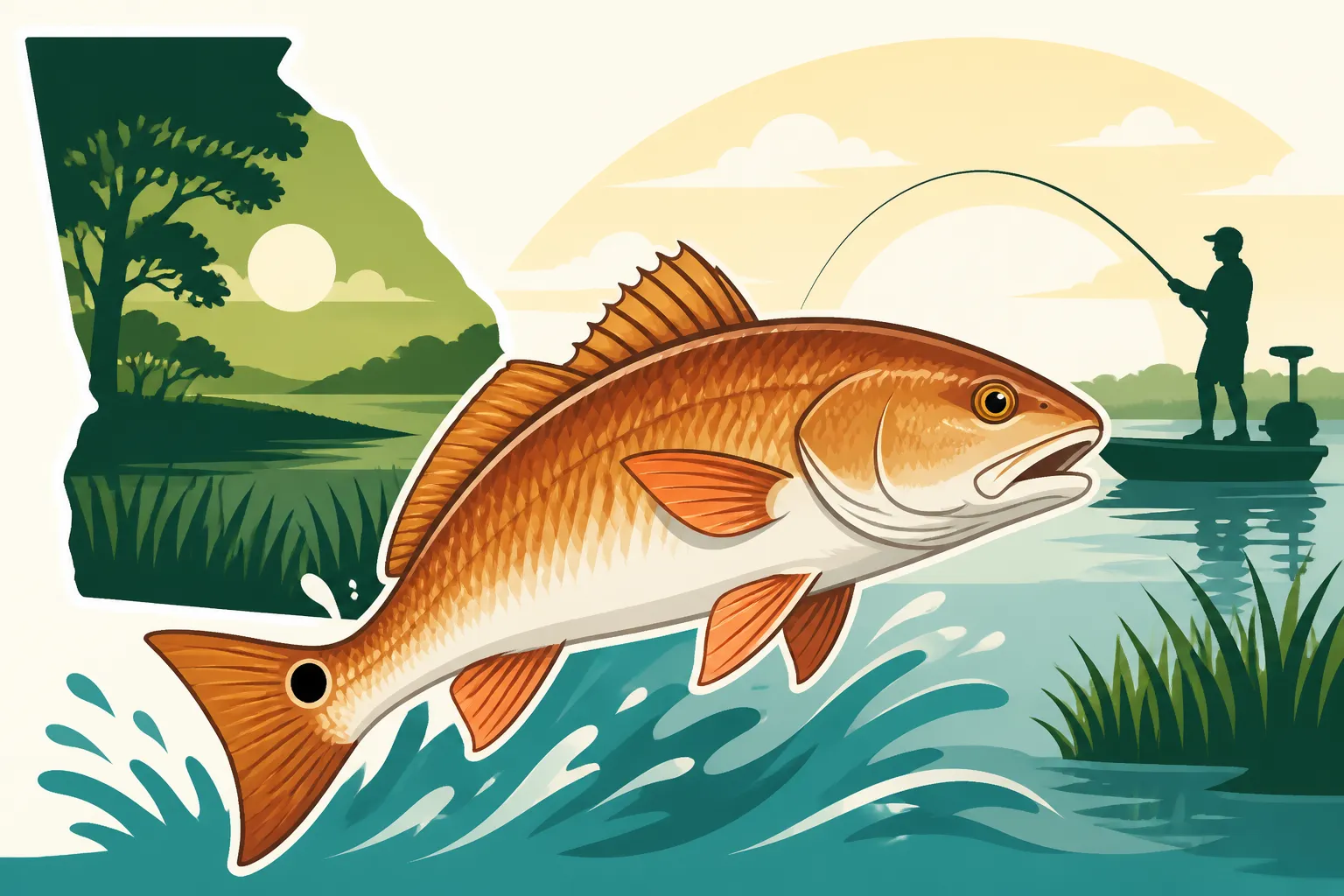
When you're out on the water, especially in the murky waters of a tidal creek or among the spartina grass, quick and accurate identification is crucial. Redfish, often called Red Drum, Channel Bass, or Spot-tail Bass, have some very distinctive features that set them apart. Their body shape is robust and elongated, with a slightly humped back, designed for powerful bursts of speed and maneuvering through shallow water. The color can vary quite a bit, ranging from a coppery bronze in darker, tannin-stained waters to a much lighter, almost silvery red when they're feeding over bright sand flats. This color variation is a defense mechanism, helping them blend into their surroundings.
But the real giveaway, the signature mark, is the prominent black spot or spots on the upper part of their tail fin, right at the base. While most Redfish have just one spot, it's not uncommon to see fish with multiple spots, sometimes even dozens, creating a unique pattern for each individual. These spots are thought to mimic eyes, potentially confusing predators like birds of prey or larger fish. Their large, powerful tail is for propulsion, and their downward-pointing mouth is perfectly adapted for grubbing for crabs, shrimp, and small fish in the muddy bottoms of the marsh. Many anglers new to the coastal scene might confuse them with Black Drum, which are a related species, but Black Drum have chin barbels (whisker-like appendages) and typically have vertical bars on their sides when young, along with a more silvery-grey coloration. The Redfish, with its distinct copper hue and iconic tail spot, really stands out once you know what to look for.
The Significance of "State Fish" Status
Being recognized as a "State Fish" is more than just a ceremonial title; it carries considerable weight and helps elevate public awareness and conservation efforts for the species. For Redfish, this designation underscores its ecological importance to Georgia's coastal environments and its economic value as a highly sought-after game fish. It's a symbol of the health of our saltwater ecosystems, reminding us of the intricate balance required to sustain these vibrant populations.
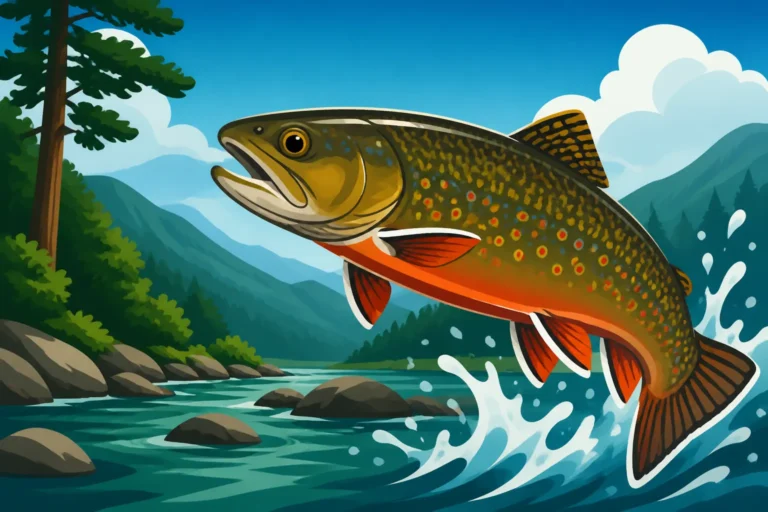
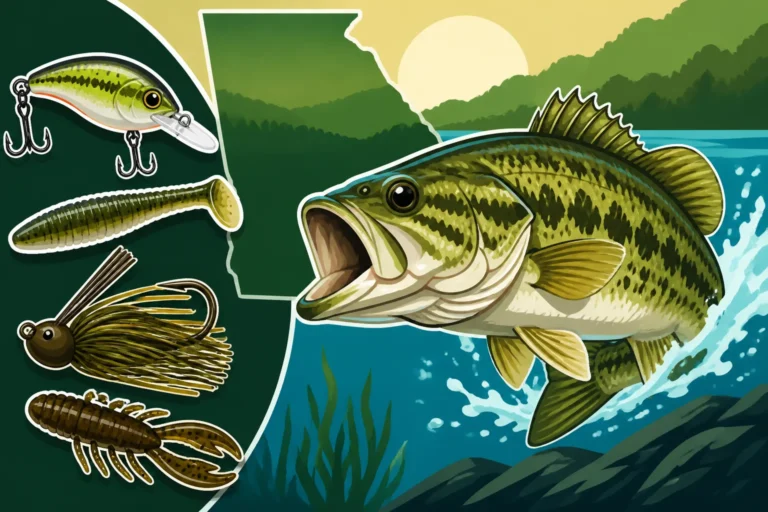
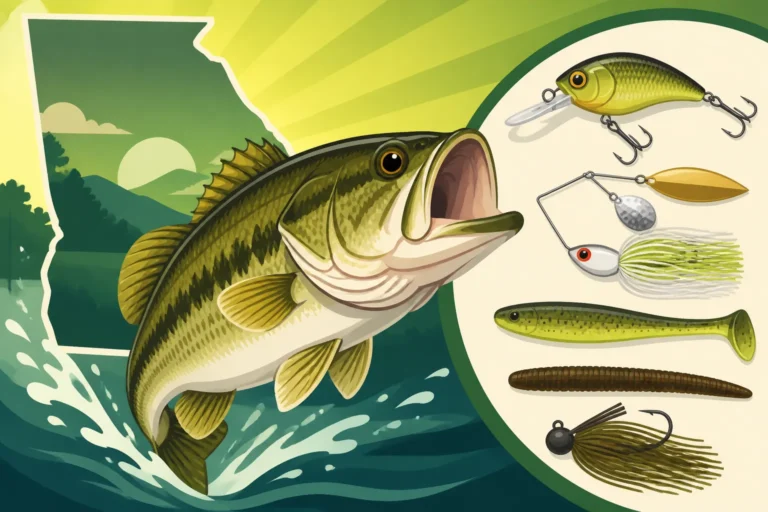
Georgia actually boasts three official state fish, each representing a different facet of our diverse aquatic landscape. The Georgia's Three State Fish: Bass, Trout, and Redfish collectively highlight the best of our freshwater lakes and rivers, our pristine mountain streams, and our expansive tidal marshes. The Largemouth Bass reigns supreme in our freshwater lakes, a true icon for its aggressive strikes and powerful fights. The Brook Trout, our only native trout species, represents the pristine beauty and delicate ecosystems of our cold mountain waters. And then there's the Redfish, our coastal ambassador. Its status highlights the critical need to protect our estuaries, salt marshes, and tidal creeks – the nurseries of the sea. This recognition helps direct resources and attention towards sustainable fishing practices and habitat preservation, ensuring that future generations can continue to chase these magnificent bronze beauties across Georgia's coastal plains.
Where the Redfish Roam: Habitats and Hotspots in Georgia
Understanding where Redfish live is paramount to finding and catching them. They aren't just swimming aimlessly; they are creatures of habit, driven by feeding instincts, protection from predators, and the ever-present rhythm of the tides. Georgia's coast offers a vast and intricate network of ideal Redfish habitat, making it a prime destination for targeting this species.
Coastal Estuaries, Marshes, and Inshore Havens
Redfish are quintessential inshore species, meaning they primarily inhabit the shallow, brackish waters of estuaries, salt marshes, tidal creeks, and mud flats. Georgia's coast is particularly blessed with miles upon miles of this perfect Redfish haven. Think about the sprawling spartina grass marshes that define our shoreline – these are not just pretty landscapes; they are vital feeding grounds and protective cover for Redfish, especially juvenile fish, often referred to as "puppy drum." Oyster beds are another magnet, providing both food (oysters and the creatures that live among them) and structure for ambush predators.
These shallow environments offer abundant food sources like fiddler crabs, shrimp, small baitfish, and marine worms. The muddy bottoms are rich in nutrients, supporting the entire food web that Redfish rely on. Specific regions along the Georgia coast are renowned for their Redfish populations. The Best Inshore Fishing Spots in the Golden Isles, Georgia, for instance, offers an incredible network of tidal creeks and flats around barrier islands like St. Simons, Jekyll, and Sea Island. Areas near Brunswick, with its deep-water access but proximity to expansive marsh systems, are also fantastic. Anglers often explore the intricate creek systems behind these islands, looking for schooling fish or individual "tailing" Redfish in the shallows. Whether you're poling a skiff across a flat on a rising tide or quietly paddling a kayak through a winding creek, these inshore havens are where you'll most consistently find Georgia's Redfish. If you're looking for St. Simons Island Redfish Fishing Spots, you'll find plenty of opportunities in the expansive marsh surrounding the island. Furthermore, the numerous tidal creeks and marsh systems near Brunswick are well-known for producing excellent Redfish action, as detailed in guides like Best Saltwater Fishing Spots Near Brunswick, Georgia.
The Influence of Tides and Water Conditions
If you're going to chase Redfish in Georgia, you absolutely must become intimately familiar with the tides. The tide is the heartbeat of the marsh, dictating everything from fish movement to feeding patterns. As the tide rises, it floods the expansive marsh grass, providing Redfish access to new feeding grounds and cover. They'll push into these flooded areas, often with their tails breaking the surface – a phenomenon known as "tailing" – as they root around for crabs and shrimp. This is a prime opportunity for sight fishing. As the tide falls, Redfish are funneled out of the shallowest areas and into the deeper channels, creek mouths, and oyster bars, making them more concentrated and often easier to target.
Water conditions also play a huge role. Ideal water temperatures for active Redfish are typically between 65-80 degrees Fahrenheit, though they can tolerate a wider range. Salinity is also important; while they are a saltwater species, they are often found in brackish estuaries where freshwater mixes with saltwater. Water clarity, especially for sight fishing, is critical. After heavy rains, runoff can make the water murky, dispersing fish and making them harder to spot. Conversely, clear, calm days with high sun can be excellent for spotting Redfish on the flats. Understanding these factors and consulting tide charts and local weather conditions before heading out will dramatically increase your chances of success.
Gear Up for Redfish: Rods, Reels, and Tackle Essentials
One of the most common frustrations for new saltwater anglers is figuring out the right gear. Freshwater setups, while sometimes adaptable, often fall short when battling a powerful, broad-shouldered Redfish. Choosing the correct rod, reel, line, and terminal tackle is not just about catching fish; it's about making the experience enjoyable and increasing your chances of success.
Choosing the Right Rod and Reel Combo
For Redfish in Georgia's inshore waters, a medium-heavy spinning rod is generally the workhorse. Look for a rod between 7 and 7.5 feet in length. This length provides enough leverage for casting longer distances, fighting strong fish, and still maintaining accuracy when you need to drop a bait precisely next to a piece of structure. The medium-heavy action gives you the backbone to handle fish in heavier cover, yet enough tip sensitivity to detect subtle bites. While guides often recommend specialized gear, a good quality medium-heavy rod designed for general inshore saltwater use will serve you well. For those curious about general bass setups, you can find more information in our guide, Best Rod and Reel Combo for Largemouth Bass in Georgia, and adapt the principles to the saltwater environment.
Pair your rod with a reliable spinning reel in the 3000 to 4000 series size. These reels offer a good balance of line capacity, drag power, and comfortable retrieve. Look for models specifically designed for saltwater use, which means they'll have better corrosion resistance. Spool your reel with 10-20 lb braided line. Braid offers superior casting distance, sensitivity, and strength-to-diameter ratio compared to monofilament. Because braid is so visible to fish, you'll need a fluorocarbon leader, typically 20-30 lb test, tied to your main line with a strong knot like an FG or Alberto knot. Fluorocarbon is nearly invisible underwater and has excellent abrasion resistance, which is vital when fishing around oyster shells and pilings. Having a good quality reel, like many options available on Amazon, can make all the difference in a tough fight.
Baits, Lures, and Rigging for Redfish Success
Redfish are opportunistic feeders, so your bait and lure choices can vary depending on the conditions and what the fish are keying in on. The good news is that they are rarely too picky!
Live Bait: When Redfish are in a feeding frenzy or you're fishing in murky water, live bait is often king. Shrimp are a universal Redfish snack, whether live-lined under a popping cork or fished on the bottom. Small live mullet, mud minnows, and even fiddler crabs are also excellent choices. These natural offerings mimic the Redfish's everyday diet and are incredibly effective. You can learn more about specific bait choices in our Best Bait for Redfish guide.
Artificial Lures: For anglers who prefer to cast and retrieve, artificial lures are incredibly productive.
- Jigs: A jig head (1/8 to 1/2 oz, depending on current and depth) paired with a soft plastic shrimp, grub, or paddle tail body is perhaps the most versatile Redfish lure. Colors like "root beer," "new penny," "chartreuse," and "pearl" are perennial favorites.
- Spoons: Gold or silver weedless spoons are fantastic for fishing over grass flats, mimicking fleeing baitfish.
- Topwater Lures: During low light conditions (dawn and dusk) or when fish are actively busting on the surface, topwater plugs can provide explosive strikes that are truly unforgettable. "Walk-the-dog" style baits are particularly effective.
- Plugs and Hard Baits: Shallow-diving crankbaits or suspending twitch baits can work well in certain situations, especially when imitating baitfish.
Rigging for Success:
- Popping Cork Rig: This is a classic, especially when using live shrimp or small artificials. The cork creates a "chugging" sound that mimics feeding shrimp, attracting Redfish. A 2-3 foot leader beneath the cork is typical.
- Carolina Rig (Slip Sinker Rig): Ideal for fishing on the bottom, especially around oyster beds or ledges. A sliding egg sinker (1/4 to 1 oz), a small swivel, and a fluorocarbon leader with a circle hook (1/0 to 3/0) is the standard setup.
- Weedless Jig Heads: When fishing in heavy grass, weedless jig heads (with an upward-facing hook or a wire guard) are invaluable for preventing snags.
Always carry a variety of baits and lures, as what works one day might not work the next. It’s a good idea to stock up on different sizes and colors, and Amazon is a convenient place to find a huge selection of soft plastics, jig heads, and even specialty popping corks.
Mastering the Hunt: Techniques for Landing Georgia Redfish
Once you have your gear sorted and a general idea of where the Redfish might be, it's time to put those plans into action. Redfish fishing isn't always about brute force; it often requires a combination of stealth, precision, and understanding their behavior.
Sight Fishing and Casting in the Flats
Sight fishing for Redfish on shallow flats is, for many, the pinnacle of inshore angling. Imagine poling a boat silently across crystal-clear water, scanning the horizon for the tell-tale sign of a bronze tail breaking the surface, or a dark shadow moving through the grass. It’s an incredibly visual and exciting way to fish, but it demands patience and a keen eye.
The key here is stealth. Redfish in shallow water are easily spooked. Approach slowly, quietly, and against the wind if possible. Once you spot a fish or a school, the cast becomes critical. You need to deliver your lure or bait accurately, usually a few feet in front of the fish's direction of travel, without making a big splash that sends them fleeing. This requires practice and a smooth, controlled casting motion. If you cast too close or land your lure with a heavy plop, you'll simply watch them vanish in a burst of speed. Once your bait is in the water, retrieve it slowly and naturally, mimicking a wounded baitfish or a foraging crab. Pay close attention to how the Redfish reacts. Sometimes they'll charge aggressively, other times they'll follow cautiously. It's a thrilling game of cat and mouse, and the reward of watching a Redfish inhale your lure in shallow water is truly unmatched.
Fishing the Tides and Structure in Tidal Creeks
While sight fishing on the flats is exhilarating, a significant portion of Redfish angling in Georgia takes place in the winding tidal creeks and around various structures that offer ambush points. Here, understanding the tides becomes even more crucial.
Rising Tide: As the tide floods, Redfish will push into the grass, so targeting the edges of the marsh grass and the mouths of smaller feeder creeks can be very effective. They'll be looking for crabs and shrimp that are displaced by the rising water. Casting a weedless spoon or a soft plastic jig parallel to the grass line and retrieving it slowly can entice a strike.
Falling Tide: This is often the most productive time in the creeks. As the water recedes, Redfish are forced out of the grass and into deeper channels. They’ll congregate around oyster bars, fallen trees, dock pilings, and creek bends – any structure that creates a current break or an ambush point. A Carolina rig with live bait or a jig bounced along the bottom near these structures is an excellent tactic. Also, look for eddies and areas where current converges, as these often hold feeding fish. Pay close attention to water movement; Redfish will typically face into the current, waiting for food to be swept to them. Fishing the last two hours of a falling tide and the first hour of a rising tide in these creek systems can often lead to explosive action. Our guide on Best Inshore Fishing Spots in the Golden Isles, Georgia provides more localized insights into these types of habitats.
Conservation and Regulations: Protecting Georgia's Redfish
As passionate anglers, we have a responsibility to protect the resources we cherish. Redfish are a robust species, but their popularity means that careful management and adherence to regulations are absolutely essential for their long-term health and abundance in Georgia's waters. Ignorance of the rules is never an excuse, and knowing them ensures you're doing your part.
Georgia's Redfish Size and Creel Limits
The Georgia Department of Natural Resources (DNR) sets specific regulations to ensure the sustainability of our Redfish population. These regulations typically involve a "slot limit" and a daily "creel limit." A slot limit means that only fish within a specific length range can be legally kept, while fish below or above that range must be released. For example, if the slot limit is 14-23 inches, you would release any Redfish shorter than 14 inches (to allow them to mature and reproduce) and any Redfish longer than 23 inches (to protect the large, productive spawning females). These specific numbers can change, so it's vital to always check the most current regulations from the Georgia DNR before you head out. Our Georgia Fish Size and Creel Limits guide covers these broadly, but always check the most recent official sources for specific species like Redfish.
The daily creel limit dictates how many fish per person you can keep within that slot. These limits are carefully determined by fisheries biologists who study the population dynamics, reproductive rates, and fishing pressure on the species. Adhering to these rules is not optional; it's a legal requirement and a critical part of responsible angling. Make sure you have a valid Georgia fishing license with the appropriate saltwater endorsements before you even cast your line. If you're wondering How to Get a Fishing License in Georgia or even Do you need a permit for saltwater fishing in Georgia?, rest assured that we have detailed guides to walk you through the process, including our comprehensive Georgia Saltwater Fishing Permit Guide.
Here's a generalized look at common regulations (always check official sources for current, precise figures):
| Regulation Type | Typical Range (Consult GA DNR for specifics) | Purpose |
|---|---|---|
| Minimum Length | Usually around 14 inches | Allows juvenile fish to grow and reach spawning age. |
| Maximum Length | Often around 23 inches | Protects large, mature breeding stock (brood fish). |
| Slot Limit | Fish between minimum and maximum | Focuses harvest on healthy, reproductively active fish. |
| Daily Creel Limit | Varies, typically 3-5 fish per person | Prevents overharvesting and ensures sustainable populations. |
Catch and Release Best Practices
Even if a Redfish is within the legal slot limit, many anglers choose to practice catch and release, especially for the larger "bull reds" that are often outside the slot. Proper catch and release techniques are crucial for minimizing stress and increasing the fish's survival rate after being released.
Here are some best practices:
- Land the Fish Quickly: Don't play the fish to exhaustion, especially in warmer water.
- Handle Gently: Support the fish horizontally, avoiding contact with its eyes or gills. Minimize time out of the water.
- Use Wet Hands: Always wet your hands before touching the fish to protect its slime coat, which is vital for disease resistance.
- De-Hook Carefully: Use a de-hooking tool or needle-nose pliers to remove the hook quickly. If the fish is deeply hooked, cut the line as close to the hook as possible. Circle hooks, which are often recommended for live bait, tend to hook in the corner of the mouth, making removal easier. You can find essential de-hooking tools and other gear on Amazon to ensure you're well-equipped for a successful release.
- Revive if Necessary: If the fish seems sluggish, hold it gently in the water, facing into a gentle current, until it regains its strength and can swim away on its own.
By following these guidelines, we contribute to a thriving Redfish population for generations of Georgia anglers to enjoy.
The Joy of the Catch: Redfish Table Quality and Experience
While the thrill of the chase and the powerful fight of a Redfish are often the primary drivers for anglers, there's no denying that the culinary appeal of this species adds another layer of satisfaction. Taking home a legal, healthy Redfish for dinner is a fantastic culmination of a successful day on the water.
Is Redfish Good to Eat? Absolutely!
The short answer is a resounding "yes!" Redfish, particularly those within the slot limit, are highly prized for their table quality. The meat is firm, white, and flaky, with a mild, slightly sweet flavor that lends itself well to a variety of cooking methods. Unlike some other fish, Redfish doesn't have an overly "fishy" taste, making it a favorite even among those who are sometimes hesitant about seafood. Our Redfish Table Quality and Taste guide dives deeper into why this fish is such a culinary delight.
Common preparations include:
- Blackened Redfish: A classic preparation where fillets are seasoned heavily with Cajun spices and seared quickly in a super-hot cast iron pan until a dark, flavorful crust forms.
- Grilled Fillets: Simple grilling with a squeeze of lemon, butter, and herbs allows the natural flavor of the fish to shine.
- Baked: Baked Redfish with vegetables or in a foil packet is a healthy and delicious option.
- Fish Tacos: Flaked, seasoned Redfish meat makes for excellent fish tacos, especially with a fresh slaw and a tangy sauce.
The satisfaction of preparing and sharing a meal made from a fish you personally caught, especially one as magnificent as a Georgia Redfish, is an experience that truly connects you to the natural world. It's a reminder of the bounty our coastal waters provide and the rich flavors that come from fresh, responsibly harvested seafood.
Beyond the Plate: The Full Redfish Experience
While a delicious dinner is a fantastic bonus, the Redfish experience in Georgia is truly about so much more. It's about the entire adventure, from the moment you start planning your trip to the last cast of the day.
- The Fight: A Redfish on the end of your line is a formidable opponent. Their broad tails and muscular bodies mean powerful runs and stubborn head shakes. They test your gear and your angling skill, providing an adrenaline rush that keeps you coming back for more.
- Connecting with Nature: Redfish fishing takes you deep into the heart of Georgia's stunning coastal ecosystem. The serene beauty of the marsh, the calls of wading birds, the gentle lapping of the tides against the boat – it's an immersive experience that rejuvenates the soul. It's a chance to truly unplug and appreciate the wild, untamed beauty of our state.
- The Challenge and Learning: Every Redfish trip offers new lessons. Learning to "read" the water, understanding tidal patterns, perfecting your cast, or discovering a new honey hole (which you can often find discussed in general terms in a comprehensive guide like Best Fishing Spots in Georgia) makes you a more skilled and knowledgeable angler. It's a continuous journey of learning and discovery.
- Memories Made: Whether it's a solo expedition of quiet contemplation or a lively outing with friends and family, Redfish fishing creates lasting memories. The shared laughter, the high fives after a big catch, or even the stories of the ones that got away become cherished moments.
Ultimately, targeting Redfish in Georgia is a holistic experience that blends the thrill of the sport with the peace of nature, the challenge of the hunt with the satisfaction of a meal. It's an integral part of what makes our state such a special place for anglers.
Disclaimer
This article is for general informational purposes only and does not constitute professional advice. Laws, prices and regulations vary by location and change over time. Consult a qualified professional for guidance on your specific situation.