Best Gear for Bank Fishing in Georgia
There's a special kind of peace and challenge that comes with bank fishing in Georgia. You don't need a fancy boat or expensive electronics, but that doesn't mean you can just show up with any old rod and hope for the best. Anglers often face frustrations with limited reach, tricky terrain, and carrying all their essentials. This guide will walk you through the best gear for bank fishing in Georgia, ensuring you're well-equipped for a successful and comfortable day on the water, whether you're targeting bass in a local pond or trout in a mountain stream.
The Essentials: Rods, Reels, and Line for Bank Fishing
When you're planted firmly on the shore, your rod, reel, and line become your most crucial tools for reaching fish and battling them effectively. Unlike boat fishing, where you might have multiple setups ready, bank anglers often rely on one or two versatile combos. Making the right choices here can truly make or break your day.
Choosing the Right Rod Length and Action
For bank fishing, rod length is often the first thing people consider, and for good reason. A longer rod generally allows for longer casts, which can be absolutely vital when you're trying to reach that submerged timber or distant weed line from shore. We're often talking about rods in the 7 to 9-foot range for general purpose bank fishing in Georgia's larger lakes and rivers. This extra length helps you propel lures further and gives you better line control over obstacles. However, if you're fishing a tight, brushy stream for trout, a shorter rod around 5 to 6 feet might be more manageable, preventing snags on overhead branches.
Beyond length, rod "action" and "power" are critical. Power refers to the rod's lifting strength (light, medium, heavy), while action describes where the rod bends (fast, moderate). A medium-heavy power rod with a fast action is a fantastic all-around choice for many bank anglers in Georgia. It has enough backbone to handle a good-sized largemouth or catfish, but the fast tip still offers sensitivity for detecting subtle bites and making accurate casts. A medium power, moderate action rod can be great for casting lighter lures or for species like crappie and bream, providing a softer bend that keeps those smaller hooks from tearing out.
Spinning vs. Baitcasting Reels for Shoreline Anglers
The age-old debate between spinning and baitcasting reels becomes even more pronounced for bank anglers. For most, especially those just starting out or focusing on lighter lures and smaller species, a spinning reel is the clear winner. They are incredibly forgiving when it comes to casting, handling lighter baits with ease, and are less prone to those dreaded backlashes. This makes them perfect for pitching a weightless worm into a lily pad field or casting a small spinner for trout. A good quality spinning reel with a smooth drag system, paired with a versatile medium power rod, is perhaps the single best combo you can have for bank fishing in Georgia. You can find excellent options at Bass Pro Shops or browse a wide selection on Amazon.
Baitcasting reels, on the other hand, offer superior casting accuracy and power, especially when you're throwing heavier lures or battling bigger, stronger fish. They provide better control over the line during the fight, and their direct drive mechanism often gives a more "connected" feel to your lure. However, they come with a steeper learning curve, and backlashes can be frustrating for beginners. If you're an experienced angler targeting larger bass with heavy jigs or topwater lures, or big catfish with substantial baits, a baitcaster can be a powerful asset from the bank. Just be prepared to practice your casting technique to avoid tangles.
Selecting the Ideal Line Type and Test
Your fishing line is the direct connection to the fish, so choosing the right type and strength is paramount for bank fishing success. The environment you're fishing in, and the species you're targeting, will heavily influence your choice.
Monofilament line is a popular choice for its versatility, stretch, and relative invisibility underwater. The stretch in mono can be beneficial when fighting fish, acting as a shock absorber and preventing hooks from pulling free, which is great if you're setting the hook from a distance. It's also budget-friendly, making it a good option for general-purpose fishing for panfish, bass, or catfish. For most bank fishing, a 6 to 12-pound test monofilament is a solid range.
Fluorocarbon line offers excellent abrasion resistance and is nearly invisible underwater due to its refractive properties. This makes it ideal for clear waters or wary fish, like pressured trout or shy bass. However, it has less stretch than mono and can be a bit stiffer, which can sometimes lead to more line memory. Many anglers use fluorocarbon leaders attached to a braided main line.
Braided line has virtually no stretch, incredible strength-to-diameter ratio, and superior sensitivity. This lack of stretch means you can feel even the lightest bites from a long distance, and its strength allows you to really lean into a cast and muscle fish out of heavy cover. The downside is its visibility and lack of forgiveness. For bank anglers targeting bass in thick vegetation or fishing for large catfish, a 20 to 40-pound test braid can be a game-changer. Just remember to use a fluorocarbon or monofilament leader if fish are line-shy. Consider checking out Best Rod and Reel Combo for Largemouth Bass in Georgia for more specific recommendations on pairing your gear.
Tackle Box Must-Haves for Georgia Bank Anglers
When you're bank fishing, every item in your tackle box needs to earn its spot. You can't just pile everything in your boat locker; portability and versatility are key. Thinking smart about what you carry will save you hassle and ensure you have what you need when that bite finally happens.
Essential Lures and Baits for Common Georgia Species
No matter what you're chasing, having a selection of proven lures and baits is essential. For largemouth bass, soft plastics like Texas-rigged worms and creature baits are incredibly effective from the bank, allowing you to probe cover without constant snagging. Spinnerbaits and chatterbaits are great for covering water and triggering reaction strikes, especially in stained water. Crankbaits can work well in open areas. Don't forget a few topwater lures for those magical dawn and dusk hours!
If you're after crappie and bream, small jigs, curly-tail grubs, and tiny spinnerbaits are incredibly productive. Live bait, like crickets for bream or minnows for crappie, is often unbeatable. You'll want ultralight hooks and small bobbers for these feisty panfish. For those interested in Best Bait for Bluegill Fishing, fresh worms are almost always a winner.
Catfish anglers know the power of stinky baits. Prepared stink baits, cut bait (like shad or chicken liver), and even hot dogs can be highly effective. Remember, catfish often cruise the bottom, so heavy sinkers to hold your bait in place are a must. Best Bait for Channel Catfish and Best Bait for Blue Catfish can give you more targeted ideas.
Here's a quick reference table for common species and go-to options:
| Species | Lure/Bait Type | Key Characteristics |
|---|---|---|
| Largemouth Bass | Soft Plastics (worms, creature baits), Spinnerbaits, Crankbaits, Topwater | Versatile, weedless options, reaction baits, surface lures for low light |
| Crappie | Small Jigs, Curly-Tail Grubs, Minnows | Finesse presentation, live bait often superior, target brush piles |
| Bream/Bluegill | Crickets, Worms, Small Jigs, Bread Balls | Easy to catch, live bait or small artificials, ideal for kids |
| Catfish | Cut Bait, Stink Baits, Live Worms/Minnows | Odor attracts from afar, bottom fishing, strong scent |
| Trout | Inline Spinners, Small Spoons, Worms, PowerBait | Flash and vibration for stocked trout, natural bait for wild trout in streams |
Terminal Tackle: Hooks, Weights, and Floats
Your terminal tackle connects your line to your lure or bait, and precision here is key. Having a variety of hooks is non-negotiable. Circle hooks are excellent for catfish, promoting lip hooks and easy release. Worm hooks (EWG and offset styles) are perfect for Texas rigging soft plastics for bass, keeping them weedless. Treble hooks are on many hard baits, but you might want to carry some spares if they get bent or dull. Make sure you have hooks sized appropriately for your target species – tiny panfish hooks to larger catfish hooks.
Weights (sinkers) are essential for getting your bait down to the fish. Bullet weights for Texas rigs, split shots for light presentations, and egg sinkers or no-roll sinkers for bottom fishing heavier baits are all crucial. Again, variety is your friend. You'll need different sizes depending on current, depth, and how far you need to cast.
Floats (bobbers) are indispensable for visual bite detection, especially for panfish and trout, or when you want to suspend your bait at a specific depth. Both clip-on and slip bobbers have their place; slip bobbers are fantastic for fishing deeper water from the bank without having to manage a long leader on your cast.
Tools and Accessories Every Bank Angler Needs
Beyond the core tackle, a few essential tools can greatly enhance your bank fishing experience.
- Pliers/Forceps: For removing hooks safely from fish and cutting line. This is an absolute must-have.
- Line Clippers: Small, sharp clippers or even a nail clipper work wonders for clean line cuts.
- Stringer or Cooler: If you plan on keeping fish, a stringer is lightweight and easy to carry for short trips. For longer outings or if you want to keep your catch colder, a small cooler is better.
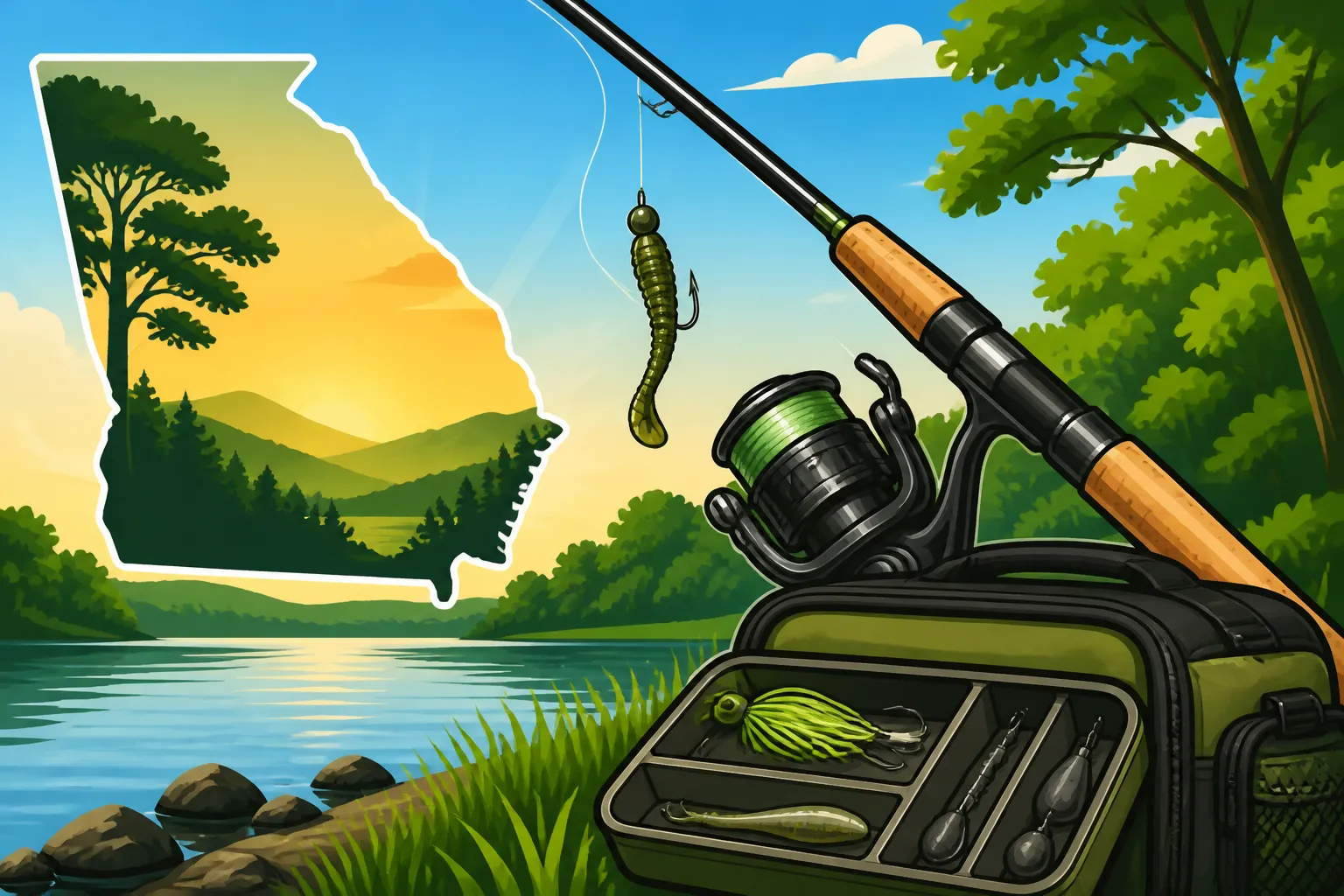
- Small Tackle Bag/Backpack: Forget the giant tackle box. A compact bag or a fishing-specific backpack is ideal for carrying your essentials comfortably. Companies like Bass Pro Shops and Amazon offer great specialized bags for bank anglers.
- Headlamp/Flashlight: If you're fishing at dawn, dusk, or even Night Fishing Techniques for Catfish, a light source is critical.
- First-Aid Kit: Small cuts and scrapes happen. A basic first-aid kit with bandages, antiseptic wipes, and pain relievers is always a good idea.
- Multi-tool: A good multi-tool can often replace several other items, offering pliers, knives, screwdrivers, and more in one compact package.
Remember, the goal is to be prepared without being burdened. Every item should have a purpose and be easily accessible.
Comfort and Convenience: Gear to Make Your Day Easier
Bank fishing, while relaxing, can also be physically demanding if you're not prepared. You might be standing for hours, walking uneven terrain, or sitting on uncomfortable rocks. Investing in a few comfort and convenience items can drastically improve your time on the water.
Comfortable Seating and Shelter Options
While some anglers are content to stand or perch on whatever nature provides, a comfortable seat can make a huge difference, especially on longer outings. A lightweight, foldable fishing chair or a bucket with a padded lid (which can also double as tackle storage) are excellent options. They keep you off the damp ground and provide a stable spot to relax. If you’re fishing in a spot with little natural shade, a small, portable umbrella or even a wide-brimmed hat can offer much-needed protection from the sun on those hot Georgia days.
For those more adventurous souls who might spend hours in a remote area, a compact hammock can even serve as a comfortable break spot, provided there are suitable trees. The key is finding a balance between comfort and portability that suits your fishing style and the distance you'll be traveling from your vehicle. Consider bringing Best Folding Chair for Bank Fishing if you plan to be stationary for a while.
Hydration, Nutrition, and First Aid
Staying hydrated is absolutely critical, especially during Georgia's warm spring and sweltering summer months. Always bring plenty of water, more than you think you'll need. A refillable water bottle or a small hydration pack can be a good investment. Energy drinks or electrolyte packets can also be beneficial on long, active days.
For nutrition, pack snacks that are easy to eat, non-perishable, and provide sustained energy. Think granola bars, trail mix, fruit, and sandwiches that can withstand a few hours in a small cooler. Avoid overly messy or sugary foods that can lead to a quick crash.
As mentioned before, a small, comprehensive first-aid kit is non-negotiable. Beyond basic cuts and scrapes, consider adding insect repellent, pain relievers, and any personal medications you might need. Being prepared for minor mishaps means you won't have to cut your trip short.
Keeping Your Catch Fresh and Safe
If you plan on taking some fish home for dinner, keeping your catch fresh is paramount. A stringer is the most basic and portable option for bank fishing. It keeps fish alive in the water, which helps preserve their freshness. However, on really hot days, or if you're going to be out for an extended period, a small, insulated cooler with ice is a far better choice. Bleeding your fish immediately after catching them and placing them on ice can significantly improve their taste and quality.
Another often overlooked item for safety and cleanliness is a small towel or rag. It's invaluable for wiping fish slime off your hands, drying gear, or cleaning up spills. Keeping your fishing area tidy also helps preserve the natural beauty of Georgia's waterways for everyone to enjoy.
Safety and Navigation for Bank Fishing Adventures
Bank fishing can sometimes take you off the beaten path, into areas where slips, falls, or getting disoriented are real possibilities. Prioritizing safety and knowing how to navigate your surroundings is just as important as knowing what lure to throw.
Footwear and Clothing for Varied Terrains
Your feet are your foundation when bank fishing. Good footwear is essential. You'll want sturdy, comfortable, and preferably waterproof or water-resistant shoes with good traction. Sneakers might work on paved paths, but if you're venturing onto rocky banks, muddy shores, or uneven trails, hiking boots or rugged fishing shoes are a much better choice. Look for features like ankle support and aggressive tread patterns to prevent slips and provide comfort over long periods.
Clothing should be chosen with layers in mind, especially in Georgia where temperatures can fluctuate dramatically, even during a single day. Lightweight, breathable, moisture-wicking fabrics are ideal for warmer weather, protecting you from the sun while keeping you cool. In cooler months, thermal layers under a water-resistant outer shell will keep you comfortable. Don't forget a wide-brimmed hat for sun protection and a rain jacket that can be easily stowed in your pack – Georgia weather can be unpredictable! For more on staying comfortable, check out Best Rain Gear and Layers for Boat Fishing, many principles apply to bank fishing too.
Sun Protection and Insect Repellents
The Georgia sun, even on a cloudy day, can be intense. Protecting your skin is vital. Sunscreen with a high SPF is a must, applied liberally and reapplied frequently, especially if you're sweating or getting splashed. UV-protective clothing, including long-sleeved shirts and fishing buffs (neck gaiters), can offer an extra layer of defense without making you feel hot. As mentioned, a good wide-brimmed hat is also critical.
When it comes to insects, especially during the warmer months, mosquitoes, gnats, and ticks can turn a pleasant fishing trip into an unbearable ordeal. Carrying a reliable insect repellent (with DEET or picaridin) is crucial. Apply it to exposed skin and clothing. For tick-heavy areas, consider treating your clothing with permethrin before you go. Being proactive about bug protection allows you to focus on the fish, not the bites.
Basic Navigation and Communication for Shore Anglers
While most bank fishing might be in familiar areas, it's wise to be prepared for the unexpected, especially if you explore new or more remote spots. A fully charged cell phone is your primary communication device, but remember service can be spotty in some wilderness areas. Consider telling someone where you're going and when you expect to return.
For navigation, a simple map of the area (digital or paper) can be invaluable. Familiarize yourself with landmarks and trails. If you're using a smartphone for navigation, download offline maps in advance, as cell service isn't always reliable. A small, inexpensive compass can be a lifesaver if your phone dies or loses signal. Staying aware of your surroundings and knowing how to get back to your starting point are fundamental safety practices for any outdoor adventure.
Specialized Gear for Different Georgia Bank Fishing Scenarios
Georgia offers an incredible diversity of fishing experiences, and while general gear works for many situations, having a few specialized items can significantly boost your success and enjoyment in specific bank fishing scenarios.
Trout Fishing from the Bank in Mountain Streams
North Georgia's mountain streams offer some incredible trout fishing, and bank anglers can absolutely thrive here. For these often tight, brushy environments, a shorter, lighter action spinning rod (5-6 feet) is usually preferred. This allows for more accurate casts into small pockets and under branches, and better control over fish in tight quarters. Ultralight spinning reels spooled with 4-6 pound monofilament or fluorocarbon are common.
Your tackle box for trout will look different too. Think small inline spinners (like Rooster Tails or Mepps), tiny spoons, and soft baits like PowerBait or small scented trout worms. Live bait such as worms or crawfish can also be very effective. Since many trout streams have specific regulations, including Georgia Trout Stream Size Limits by Creek and Daily Creel Limits for Trout in Georgia, make sure you're familiar with the rules for the specific stream you're visiting. Waders or waterproof boots are also often essential for navigating rocky stream beds and getting to prime casting positions. If you're planning a trip, definitely check out Best Trout Fishing Spots on the Toccoa River.
Catfish and Carp Fishing from the Shoreline
When targeting whiskered giants like catfish or hard-fighting carp from the bank, your gear needs to be robust. You'll want medium-heavy to heavy power rods that are 7 to 10 feet long, capable of handling heavy weights and powerful fish. Sturdy spinning reels or conventional (baitcasting) reels with strong drag systems, spooled with 15-30 pound monofilament or 30-60 pound braided line, are ideal.
Terminal tackle will include larger, stronger circle hooks (sizes 2/0 to 8/0, depending on target size) and heavy egg sinkers or no-roll sinkers (1-4 ounces or more) to keep your bait on the bottom in current. As for bait, cut bait (shad, chicken liver, hot dogs), prepared stink baits, and large live worms are go-tos for catfish. For carp, corn, bread, and dough balls are often very effective. A sturdy rod holder (either a bank stick or a homemade PVC setup) is also a fantastic addition, allowing you to set your rod down while waiting for a bite. Don't forget a large landing net or lip gripper for handling these bigger fish. If you're thinking about How to Bottom Fish for Catfish, this heavy-duty gear is a must.
Pond and Lake Bank Fishing Specifics
Fishing local ponds and smaller lakes from the bank is often a more relaxed affair, but specialized gear can still improve your chances. For these waters, a medium power, fast action spinning rod (6'6" to 7'6") is extremely versatile, allowing you to cast a wide range of lures for bass, crappie, and bream. Eight to 10-pound monofilament or fluorocarbon is a good all-around line choice.
Since ponds often have abundant vegetation, carrying a weedless hook selection (like Texas rig hooks) and some weedless lures (e.g., soft plastic frogs or fluke baits) is smart. A small selection of topwater lures can be incredibly exciting in ponds. If the pond is managed and stocked with trout, adding a few small inline spinners or PowerBait to your kit is a good idea. A lightweight folding chair and a small cooler are particularly useful for these more stationary fishing spots. For local pond recommendations, check out Best Kid-Friendly Fishing Ponds in Georgia.
Having the right gear for your specific bank fishing adventure in Georgia makes all the difference. It turns potential frustration into comfortable, productive, and memorable days on the water. Happy fishing!
Disclaimer
This article is for general informational purposes only and does not constitute professional advice. Laws, prices and regulations vary by location and change over time. Consult a qualified professional for guidance on your specific situation.