Georgia Boat Registration Cost for a 26 to 40 Foot Boat
It's no secret that owning a boat in Georgia is a dream for many, opening up endless possibilities for adventure on our beautiful lakes and coastal waters. But let's be honest, the excitement can quickly turn to a bit of a headache when you start looking into the nitty-gritty details, especially when it comes to registration costs for those larger vessels. This guide is here to untangle the complexities of registering your 26 to 40-foot boat in Georgia, breaking down the fees, additional considerations, and the process, so you can spend less time worrying about paperwork and more time planning your next trip.
Navigating Georgia's Boat Registration System
Before we dive into the numbers, it’s really helpful to understand the "why" behind boat registration in Georgia. It's not just a bureaucratic hurdle; it’s a system designed to ensure safety, identify vessels, and manage our waterways effectively. For anyone who's ever worried about what happens if something goes wrong on the water, having a registered vessel means there's a clear record, which can be incredibly important in emergencies or legal situations.
Why Registration Matters for Larger Vessels
When you're talking about a boat in the 26 to 40-foot range, you're looking at a significant investment and a vessel that often carries more people, requires more specialized equipment, and can cover greater distances. The state's interest in registering these larger boats isn't just about collecting fees; it's about accountability and safety. A properly registered vessel ensures that law enforcement and rescue services can quickly identify your boat if there's an incident. It also helps track ownership, which can be crucial for recovering stolen property or resolving disputes. Think of it as your boat's official ID card, confirming its legality on Georgia's waters.
Furthermore, the fees collected from registration often go back into maintaining our waterways, improving boat ramps, and funding critical conservation efforts. So, while it might feel like just another cost, it's actually contributing to the overall health and accessibility of the very places you love to fish and boat. It’s all part of the larger system to keep our aquatic playground thriving for generations to come.
The Difference Between Registration and Titling
This is where things can sometimes get a little confusing for new boat owners. In Georgia, there's a distinct difference between registering your boat and titling it, and it's important to understand both. Registration is essentially like getting a license plate for your car; it gives you the right to operate your boat on public waters and provides unique identification numbers that must be displayed on the hull. This registration needs to be renewed periodically. Georgia Boat Registration Requirements Explained elaborates on this further.
On the other hand, titling is about proving ownership, much like the title to your car. The boat title is a legal document that establishes who the rightful owner of the vessel is. While most motorized boats in Georgia are required to be titled, some non-motorized vessels or smaller boats might be exempt. Generally, if your boat is 12 feet or longer and has a motor, it'll need a title. The title is usually a one-time process when you first acquire the boat, whereas registration is an ongoing requirement. Understanding this distinction is key to navigating the entire process smoothly. You can learn more about the specifics in Georgia Boat Titling Process Explained.
Decoding Registration Costs for 26 to 40 Foot Boats
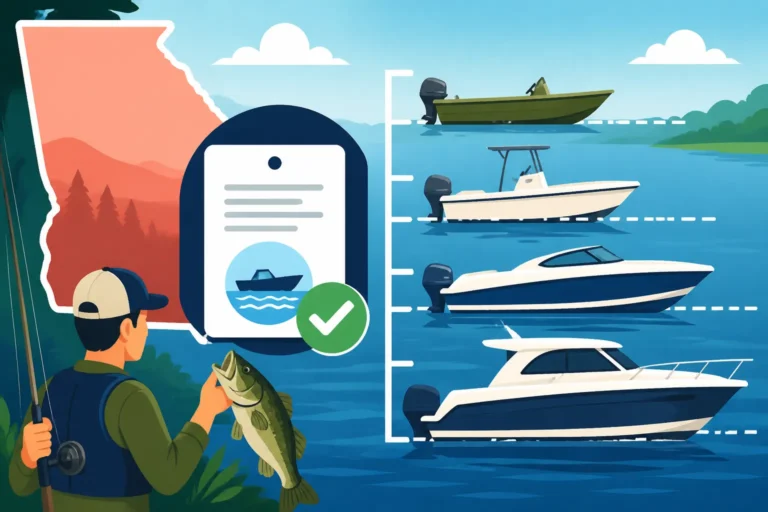
Now, let's get down to the brass tacks: what does it actually cost to register a boat of this size in Georgia? Unlike some smaller vessels that might have a flat fee, Georgia's registration system for larger boats is typically tiered. This means the longer your boat, the higher the registration fee, reflecting the greater impact and often value associated with larger vessels.
The Tiered Fee Structure for Larger Boats
For boats falling into the 26 to 40-foot category, you're going to be in a higher tier of registration fees. The exact amount isn't fixed across the board; it's structured to increase incrementally as the length of the vessel increases within this range. While I can't give you exact dollar figures, you should anticipate a significant increase compared to registering, say, a 16-foot fishing boat. This tiered system ensures that those operating larger, more complex vessels contribute a bit more to the state's marine resources, which makes sense when you consider the scale of operation and potential impact these boats have.
It’s always best to check the official Georgia Department of Natural Resources (DNR) website for the most current fee schedule. They have a detailed breakdown, often with clear categories for different boat lengths. This way, you can plug in your boat's specific measurements and get a precise understanding of the fee you'll be looking at. Just remember, these fees are for the basic registration and don't include other potential costs we'll discuss shortly.
Understanding the Annual Renewal Cycle
Once you've successfully registered your 26 to 40-foot boat, the journey isn't quite over. Georgia boat registrations, regardless of size, are not lifetime permits. They operate on a renewal cycle, typically requiring renewal every year. This annual renewal means you'll need to factor this cost into your yearly boating budget. The good news is that the renewal process is usually much simpler than the initial registration.
You'll typically receive a renewal notice in the mail or via email a few weeks before your current registration is set to expire. This notice will include instructions on how to renew, whether online, by mail, or in person. It’s crucial to pay attention to these deadlines, as operating an unregistered vessel can lead to fines and penalties. Think of it like renewing your driver's license tags – it's a routine task that keeps you legal on the water. For more details on this, you might find Georgia Boat Registration Renewal Deadline Explained helpful.
Here's a simplified look at the typical registration fee structure by boat length in Georgia (remember, specific figures are not available and can change):
| Boat Length Category | Registration Fee |
|---|---|
| Less than 16 feet | Lower Fee |
| 16 feet to under 26 feet | Mid-Range Fee |
| 26 feet to under 40 feet | Higher Fee |
| 40 feet and over | Highest Fee |
Please note: This table illustrates the tiered fee structure. Actual costs are subject to change and should be verified on the official Georgia DNR website.
Beyond the Basics: Hidden Fees and Other Financial Considerations
While the registration fee itself is a primary concern, savvy boat owners know that the cost of getting your vessel on the water extends beyond that initial sticker price. There are several other financial considerations you absolutely need to factor in, especially for a larger 26 to 40-foot boat. Ignoring these can lead to some unpleasant surprises down the line, so it's best to be prepared from the start.
Sales Tax and Documentation Fees
When you purchase your 26 to 40-foot boat, whether it's brand new from a dealership or a pre-owned gem, you'll almost certainly encounter sales tax. This isn't a registration fee, but it's a significant upfront cost tied to the boat's value and purchase price. Georgia's sales tax applies to most large purchases, and a boat of this size will definitely fall into that category. It’s a percentage of the total sale, so it can quickly add up to a substantial amount. Don't forget to budget for this, as it's often due at the time of purchase or when you apply for the title.
Beyond sales tax, you might also run into documentation fees, especially if you're buying from a dealer. These fees cover the administrative costs of preparing all the necessary paperwork, including the bill of sale, title application, and registration forms. While they might seem small compared to the boat's price, they're another line item on the invoice that can sneak up on you if you haven't accounted for them. Always ask for a clear breakdown of all charges before finalizing your purchase, so there are no surprises when you're ready to hit the water.
Essential Safety Gear and Equipment Costs
For a larger vessel, safety isn't just a recommendation; it's a legal requirement and, more importantly, a crucial responsibility. The cost of essential safety gear can be significant, but it's an investment you simply cannot afford to skimp on. For instance, you'll need Coast Guard-approved life jackets for every person on board, and for a 26-40 foot boat, that could mean quite a few. These aren't just for kids either; adults need them, and the type required can vary. Coast Guard-Approved Life Jackets for Georgia Boaters gives a good overview. You'll also need throwable flotation devices, visual distress signals (flares or electronic alternatives), a sound-producing device (horn or whistle), navigation lights, and fire extinguishers, especially given the size and potential fuel capacity of your boat.
Consider visiting a reputable marine retailer like Bass Pro Shops, or checking online marketplaces like Amazon, to get an idea of the costs involved for these items. While the basic requirements are non-negotiable, many boaters choose to invest in additional safety equipment, such as a first-aid kit, a VHF radio for communication, a GPS, and anchor with sufficient rode. These items enhance your safety and preparedness, making your time on the water much more enjoyable and secure.
Insurance: A Smart Investment
While boat insurance might not always be legally mandated for private recreational vessels in Georgia, it is an incredibly smart investment, especially for a 26 to 40-foot boat. Imagine the unexpected: an accident on the lake, damage from a storm, or even theft. Without insurance, you could be facing astronomical repair or replacement costs, not to mention potential liability for damages to other boats or injuries to passengers.
Boat insurance policies can cover a range of scenarios, from hull damage and personal property loss to liability for accidents. The cost of insurance will depend on several factors, including the boat's value, length, age, engine type, where it's stored, and your boating history. It’s always wise to shop around and get quotes from several providers to find the right coverage at a competitive rate. Don't view it as an optional expense, but rather as peace of mind that protects your investment and your finances in case of unforeseen circumstances.
Your Step-by-Step Guide to Registering a Mid-Size to Large Boat
Getting your 26 to 40-foot boat registered in Georgia might seem like a daunting task, but by breaking it down into manageable steps, you'll find it's quite straightforward. Preparation is key, so let's walk through the process to ensure you're ready to go when you visit the Department of Natural Resources (DNR).
Gathering Your Documents
The first and most crucial step is to gather all the necessary paperwork. Without the right documents, you'll find yourself making multiple trips, which is frustrating for everyone. For initial registration and titling of a boat in the 26 to 40-foot range, you'll typically need:
- Proof of Ownership: This is usually the manufacturer's statement of origin (MSO) for a new boat or a properly assigned title (and potentially a bill of sale) for a used boat. If you purchased it used and there isn't a title, you'll need a comprehensive bill of sale that includes details about the buyer, seller, boat, and purchase price.
- Application for Certificate of Title and Registration: This is the official form provided by the Georgia DNR. You can often download this form from their website or pick one up at a DNR office.
- Proof of Georgia Residency: A valid Georgia driver's license or state ID is usually sufficient. For out-of-state buyers who plan to register their boat in Georgia, specific requirements may apply. What Documents You Need to Register a Boat in Georgia provides a comprehensive list of what you'll need.
- Payment for Fees: Be prepared to pay the registration and titling fees. While specific cash amounts won't be listed here, always check the Georgia DNR website for current figures and accepted payment methods. Having a debit card, credit card, or check ready is usually a safe bet.
Make sure all information on your documents matches exactly. Any discrepancies can cause delays in the process, so double-checking everything before you head to the DNR office is a great habit to get into.
The Application Process
Once your documents are in order, you're ready to submit your application. In Georgia, you typically handle boat registration and titling through the Georgia Department of Natural Resources (DNR).
- Visit a DNR Office or Designated Agent: The most common way to register your boat is by visiting a local DNR office or a designated registration agent. These agents are often found at various sporting goods stores or marinas.
- Submit Forms and Fees: Present all your gathered documents, the completed application form, and the required fees to the agent. They will review everything to ensure it's correct and complete.
- Receive Your Registration and Decals: If everything is in order, you'll typically receive your temporary registration document and boat decals on the spot or shortly thereafter. The permanent title may be mailed to you separately. For a detailed guide on the various steps, refer to How to Get a Fishing License in Georgia, which, while focused on fishing licenses, touches on the general process for state permits.
While some states offer online registration for initial applications, Georgia generally requires an in-person visit for new titling and registration of larger vessels, especially due to sales tax collection and document verification. However, renewals can often be done online or by phone, which is a great convenience. How to Renew a Georgia Fishing License offers insights into renewal processes that are similar for boat registrations.
Displaying Your Registration Properly
You've done all the hard work: gathered documents, paid the fees, and completed the application. Now you have your registration numbers and validation decals. The final, crucial step is to display them correctly on your boat. This isn't just about aesthetics; it's a legal requirement that ensures your boat is easily identifiable by law enforcement.
For motorboats, the registration numbers (GA followed by a series of numbers and letters) must be displayed on both sides of the bow, as high above the waterline as practical. The characters need to be block letters, at least three inches high, and in a contrasting color to the hull, making them clearly visible. There should be a hyphen or equivalent space between the two letters and the first four numbers, and another between the four numbers and the last two letters (e.g., GA-1234-AB). Your current registration decal, which indicates the validity period, must be placed within six inches of the registration number on the port (left) side of the boat. This ensures that at a glance, officials can confirm your boat is legally registered and ready for the water. Skipping this step, or displaying them incorrectly, can lead to unnecessary stops and potential fines. Always double-check the official guidelines for placement to avoid any issues. You can find more specific guidance in Where to Put Your Georgia Boat Registration Decal.
Disclaimer
This article is for general informational purposes only and does not constitute professional advice. Laws, prices and regulations vary by location and change over time. Consult a qualified professional for guidance on your specific situation.