Best Beginner Fishing Spots for Bluegill in Georgia
There's nothing quite like introducing someone to fishing, especially a child, and seeing their eyes light up with that first tug on the line. But let's be real, it can also be frustrating if the fish aren't biting, leading to disappointment and a quick end to the enthusiasm. If you're looking for a dependable, joyful fishing experience for beginners, particularly when teaching kids, bluegill are your secret weapon, and this guide will show you exactly where to find the best spots in Georgia to make those first fishing memories truly special.
Why Bluegill are Perfect for Beginners and Kids
When you're starting out in the world of fishing, or you're guiding a new angler, the last thing you want is a complicated setup, a long wait, or the frustration of not catching anything. That's precisely why bluegill are the unsung heroes of beginner angling. They're abundant, cooperative, and incredibly fun to catch, making them the ideal species to spark a lifelong love of the sport.
The Joy of the First Catch
Imagine the scene: a hopeful young angler, or even an adult new to fishing, holding a simple rod, staring intently at a bobber. Then, suddenly, it dances, twitches, and plunges! That immediate, unmistakable tug on the line is pure magic. Bluegill are notorious for being aggressive biters. They aren't shy, and they're usually plentiful, which means the chances of getting that "first catch" feeling are incredibly high. It's not just about landing a fish; it's about the excitement, the surprise, and the sheer accomplishment of bringing something in. This positive reinforcement is invaluable for keeping new anglers engaged and eager for their next outing. You can almost guarantee a bending rod, and that’s a huge win for confidence.
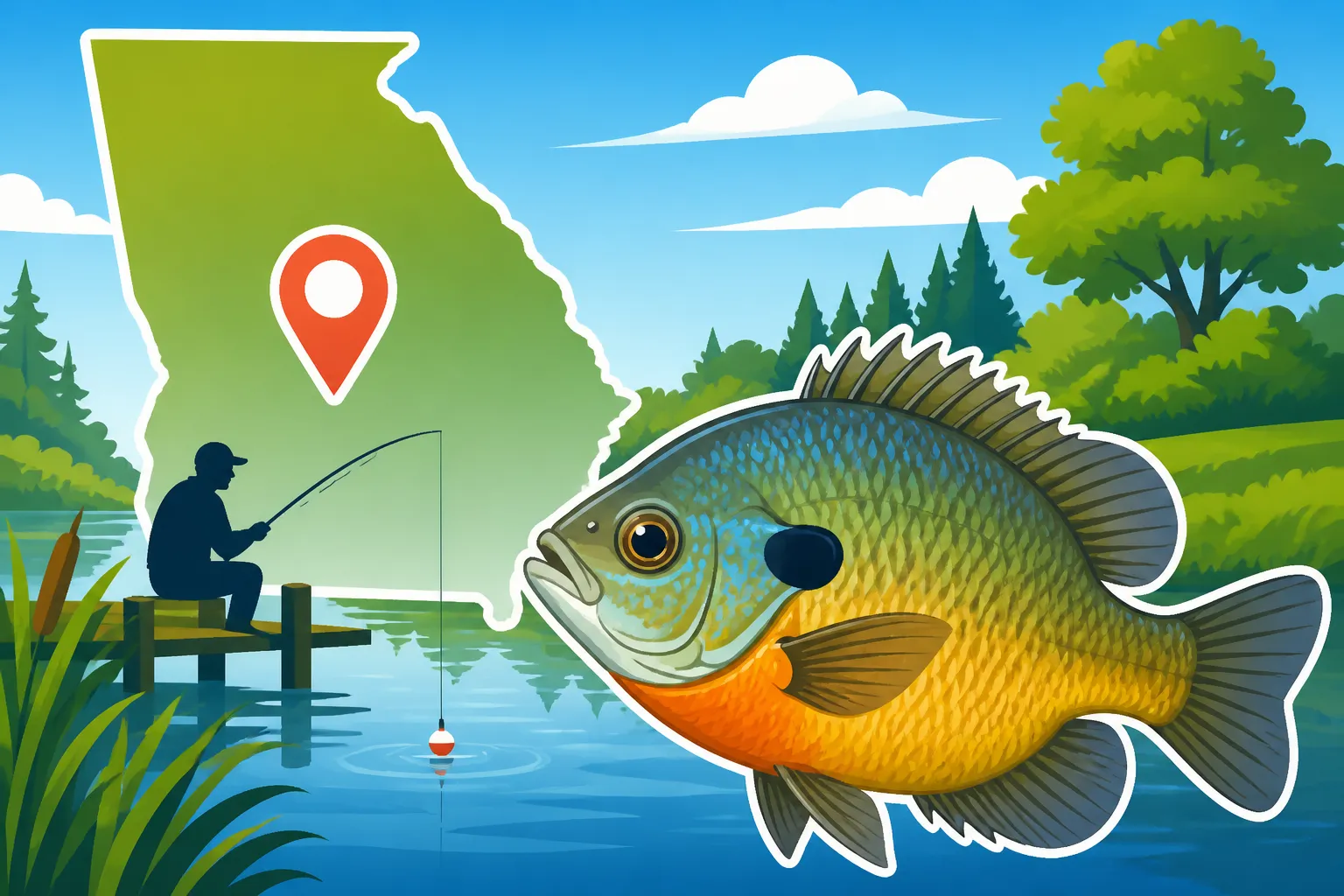
The visual appeal of bluegill also plays a role. With their vibrant colors, distinct markings, and pancake-flat bodies, they are genuinely pretty fish. They're often referred to as "bream" along with other sunfish species, and they represent the quintessential panfish experience. Holding one of these feisty little fighters in your hand for the first time is a moment etched in memory, far more impactful than a fish that merely nibbles or requires advanced techniques to entice. For a comprehensive look at this perfect beginner fish, check out Bluegill Fishing: A Great First Fish for Georgia Kids.
Simple Gear, Simple Techniques
One of the biggest hurdles for new anglers is the perceived complexity and cost of fishing gear. With bluegill, you can toss all that worry out the window. You truly don't need a high-end setup. A basic spinning rod and reel combo, often available for a very reasonable price, is more than enough. Many experienced anglers even start kids with a simple cane pole – no reel, just a line tied to the end, perfect for dropping bait right next to the bank.
The techniques are equally straightforward. We're talking about fundamental fishing skills: casting (or just dropping), watching a bobber, and reeling in. There's no need for intricate lure presentations, specific retrieves, or advanced knot tying. A small hook, a split shot to sink the bait, and a bobber to indicate a bite are the main components. This simplicity reduces the intimidation factor, allowing beginners to focus on the joy of the activity itself rather than getting bogged down in technical details. You can easily find these basic items on Amazon, often in convenient beginner kits. When you're ready to learn the ropes, a guide on How to Catch Bluegill as a Beginner will be incredibly helpful.
Key Characteristics of Great Bluegill Spots in Georgia
Finding the "best" bluegill spots isn't always about secret honey holes known only to a few. For beginners, it's more about finding locations that offer the right combination of fish habitat, accessibility, and comfort. These factors contribute to a successful outing, especially when you're bringing along new anglers or young children.
Shallow, Sheltered Waters
Bluegill absolutely thrive in shallow, sheltered areas, and understanding this preference is key to finding them. Think about places where the water isn't too deep, perhaps 2 to 6 feet, and where there's some kind of cover or structure. This could be a patch of lily pads, a fallen tree limb extending into the water, a dock with pilings, or even just a dense weed line along the bank. These areas offer bluegill protection from larger predators and provide a smorgasbord of insects and other small organisms for them to feed on.
For a beginner, fishing in these types of spots is a huge advantage. They're usually calmer, less prone to strong currents or waves, which makes casting easier and reduces the chances of getting tangled. Moreover, the fish are often closer to the bank, meaning you don't need to cast a mile to reach them. It's a win-win: prime bluegill habitat that's also safer and more manageable for new anglers. Looking for these visual cues in a lake or pond will immediately increase your chances of finding bluegill.
Access and Amenities for Families
Let's face it, a fishing trip with beginners, particularly families with kids, is about more than just the fish. The overall experience matters immensely. This is why the best beginner bluegill spots in Georgia are those that offer excellent access and convenient amenities.
Imagine trying to navigate a steep, muddy bank with a wobbly child and a tackle box. Not fun, right? Instead, look for spots with gentle, stable bank access, perhaps even paved paths leading to fishing piers or designated bank fishing areas. These make the approach and setup much easier and safer. Beyond just getting to the water, consider what else makes an outing comfortable: readily available restrooms, picnic tables for snacks and lunch breaks, and maybe even a playground nearby for when attention spans wane. These facilities turn a simple fishing trip into a full-fledged family outdoor adventure. Having these conveniences helps prevent minor annoyances from derailing the entire experience, keeping spirits high and making everyone more likely to want to come back for more. Many of Georgia's public fishing areas and state parks are designed with these considerations in mind, making them truly Best Family-Friendly Fishing Spots in Georgia.
Top Types of Beginner-Friendly Bluegill Spots in Georgia
Georgia is blessed with an abundance of diverse waterways, but not all are created equal for beginner bluegill anglers. Fortunately, our state has several fantastic types of locations that are specifically designed, or naturally suited, to provide accessible and rewarding experiences for those just starting out.
Public Fishing Areas (PFAs)
Georgia's Public Fishing Areas (PFAs) are absolute gems for beginner anglers, and frankly, for anyone who enjoys a reliable fishing experience. These are properties managed by the Georgia Department of Natural Resources, often with a focus on providing high-quality fishing opportunities. What makes them so perfect for bluegill beginners?
First, they are meticulously maintained. This means clear, accessible bank fishing areas, often with fishing piers that extend over prime habitat, allowing anglers to reach deeper water or pockets of cover easily. You won't typically find yourself battling overgrown brush or slick, unsafe terrain. Second, PFAs are actively managed for fish populations. This often includes regular stocking and habitat improvement efforts, ensuring a healthy population of panfish like bluegill. This dramatically increases the chances of a successful catch, which, as we discussed, is paramount for new anglers. Many PFAs also feature amenities like restrooms, picnic areas, and paved parking, taking a lot of the logistical stress out of your trip. Some even offer loaner tackle programs, which is a fantastic way to try fishing without a big initial investment. Exploring Georgia State Parks with the Best Fishing Ponds will often lead you to some excellent PFA-like options.
Community Ponds and Local Parks
Don't overlook the local treasures right in your own backyard! Many communities across Georgia, from bustling suburbs to quiet rural towns, maintain small ponds within their public parks. These community ponds are often overlooked by more experienced anglers chasing bigger game, but they can be bluegill havens.
These spots are usually highly accessible, often designed with walking trails, park benches, and easy bank access. They're typically stocked and managed, even if on a smaller scale than PFAs, and the fish are often accustomed to human presence, making them less wary. The beauty of community ponds is their convenience. You can often pop over for a quick hour or two without a major production, which is ideal for short attention spans or for fitting fishing into a busy schedule. Always check local park regulations, as some may have specific rules about bait, catch limits, or fishing hours, but generally, these are welcoming environments for a leisurely bluegill outing. A quick search for "local parks with fishing" in your area can reveal some surprising opportunities.
State Parks with Fishing Programs
Georgia's State Parks aren't just for hiking and camping; many offer fantastic fishing opportunities, often with special programs tailored for beginners. These parks provide a blend of scenic beauty, excellent amenities, and managed fishing waters, making them an ideal destination for a family fishing trip.
Many state parks feature lakes or ponds that are well-stocked with bluegill and other panfish. They often have dedicated fishing piers, sometimes even floating ones, that offer safe and stable platforms for anglers of all ages. What truly sets some state parks apart are their educational programs, which might include ranger-led fishing clinics or loaner rod and reel programs, perfect for those who want to try before they buy. Combining fishing with a nature walk, a picnic, or even a paddle boat ride turns a simple fishing trip into a memorable day out. It's an opportunity to connect with nature on multiple levels while enjoying the thrill of the catch. For more ideas on where to go, check out Top Fishing Spots Inside Georgia State Parks.
Here’s a quick comparison of these excellent beginner-friendly spot types:
| Feature | Public Fishing Areas (PFAs) | Community Ponds & Local Parks | State Parks with Fishing Programs |
|---|---|---|---|
| Accessibility | Excellent; dedicated piers, paved paths. | Varies; often good bank access, neighborhood convenience. | Very Good; well-maintained grounds, sometimes piers. |
| Fish Density | High; actively managed and stocked. | Moderate to High; often stocked by local municipalities. | High; managed lakes, often part of stocking programs. |
| Amenities | Restrooms, picnic areas, parking, sometimes loaner gear. | Restrooms, playgrounds, picnic areas (varies by park). | Full range of park amenities (camping, hiking, restrooms). |
| Learning Opps | Often have educational signage, sometimes programs. | Less formal; good for self-teaching. | Often offer ranger-led programs, loaner tackle. |
| Overall Vibe | Dedicated fishing focus, family-friendly. | Casual, convenient, community-oriented. | Recreational hub, combine fishing with other outdoor fun. |
Essential Tips for a Successful Bluegill Outing
Even with the perfect spot, a little preparation and the right mindset can elevate a good bluegill outing to a truly fantastic one. Remember, especially when introducing new people to fishing, the goal isn't just to catch fish, but to create a positive, enjoyable experience that makes them want to go again.
Simple Bait and Tackle Setup
I cannot stress this enough: keep it simple! Bluegill are not picky eaters, and trying to overcomplicate your bait or tackle will only lead to frustration for a beginner.
For bait, live bait is king. Earthworms (especially red wigglers or nightcrawlers), crickets, and small mealworms are incredibly effective. You can find these at almost any bait shop, many convenience stores, or even online through retailers like Amazon if you want them delivered right to your door before your trip. For artificial options, tiny jigs (1/32 to 1/16 ounce) in bright colors like chartreuse, pink, or white, tipped with a small piece of worm or grub, can also work wonders.
Your tackle setup should be basic: a light action rod and reel, 4-6 pound test monofilament line, a small hook (size 8 or 10 is perfect for bluegill), a couple of small split shot weights, and a small bobber. The bobber is crucial for beginners; it provides a visual indicator of a bite, which is incredibly exciting. Don't worry about fancy knots; a simple improved clinch knot will do the trick. If you want to dive deeper into what works, Best Bait for Bluegill Fishing offers more specific recommendations. For an easy start, consider purchasing a pre-assembled spinning combo, readily available online or at most outdoor retailers.
Best Times to Go Bluegill Fishing
Bluegill are generally active fish, but certain times of day and seasons will definitely increase your chances of success.
During the warmer months of spring, summer, and early fall, bluegill are most active during the cooler parts of the day: early morning, from sunrise until about 9 or 10 AM, and late afternoon, from around 4 PM until sunset. During the midday heat, they tend to move to deeper, shadier areas or hold tight to dense cover, making them harder to entice. Overcast days can also be fantastic, as the diffused light encourages them to roam more freely throughout the day. In cooler months, their activity slows down, but they can still be caught, often by fishing deeper and slower. Remember, even if the fish aren't biting constantly, enjoying the serene atmosphere of a Georgia morning or evening by the water is a reward in itself. Best Time of Day to Fish for Bluegill offers more detailed seasonal advice.
Making it Fun for Everyone
Ultimately, a beginner's fishing trip is about fostering a love for the outdoors and creating positive memories. Here are some extra tips to ensure everyone has a blast:
- Patience is a Virtue: Teach it, but also practice it yourself. Not every cast will yield a fish, and that's okay. Focus on the process, the environment, and the company.
- Celebrate Every Success: Even a small bluegill, or just a good cast, deserves a cheer. Build confidence with positive reinforcement.
- Pack Smart: Bring plenty of snacks and drinks, sun protection (hats, sunscreen – Amazon has great options), insect repellent, and a small first-aid kit. Comfort keeps spirits high.
- Take Breaks: Kids (and even some adults!) have limited attention spans. Plan for breaks, switch activities, or let them explore the bank. The fishing rod can always wait a few minutes.
- Manage Expectations: It’s not about catching a trophy fish; it’s about the experience of fishing. Explain that before you even start.
- Learn Proper Handling: Teach responsible catch and release, or how to properly dispatch and clean a fish if you plan to keep them for a meal. This shows respect for the resource.
- Capture the Moments: Take photos! Those smiles, that first fish, those moments of connection – they'll be cherished for years to come.
By focusing on these elements, you're not just taking someone fishing; you're cultivating an appreciation for nature, teaching patience, and creating cherished memories. For specific guidance on teaching the youngest anglers, refer to How to Teach a Kid to Fish for Bluegill.
Disclaimer
This article is for general informational purposes only and does not constitute professional advice. Laws, prices and regulations vary by location and change over time. Consult a qualified professional for guidance on your specific situation.