Where to Catch Native Brook Trout in Georgia
Many anglers dream of catching Georgia's elusive native brook trout, but finding these stunning fish isn't always as simple as heading to your local stocked stream. If you've ever felt frustrated by crowded fishing holes or longed for the challenge and reward of a truly wild catch, you're not alone. This guide is dedicated to helping you understand the unique world of Georgia's native brook trout, from their pristine mountain habitats to the best strategies for finding and appreciating them in the wild.
The Allure and Challenge of Native Brook Trout
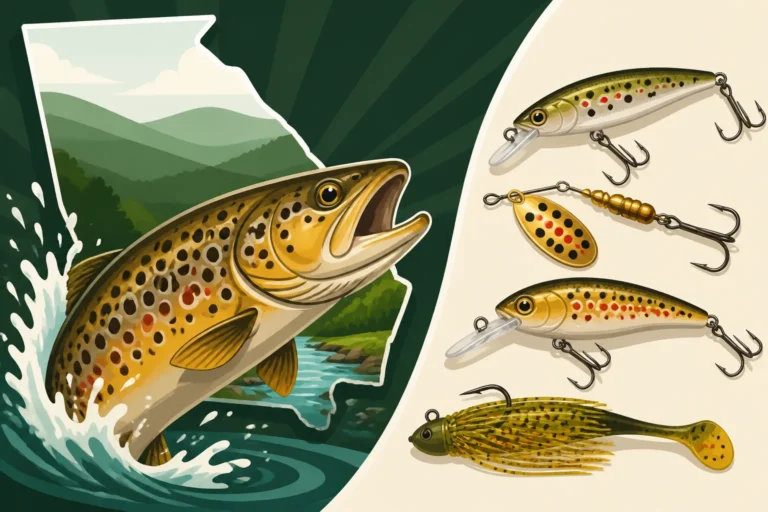
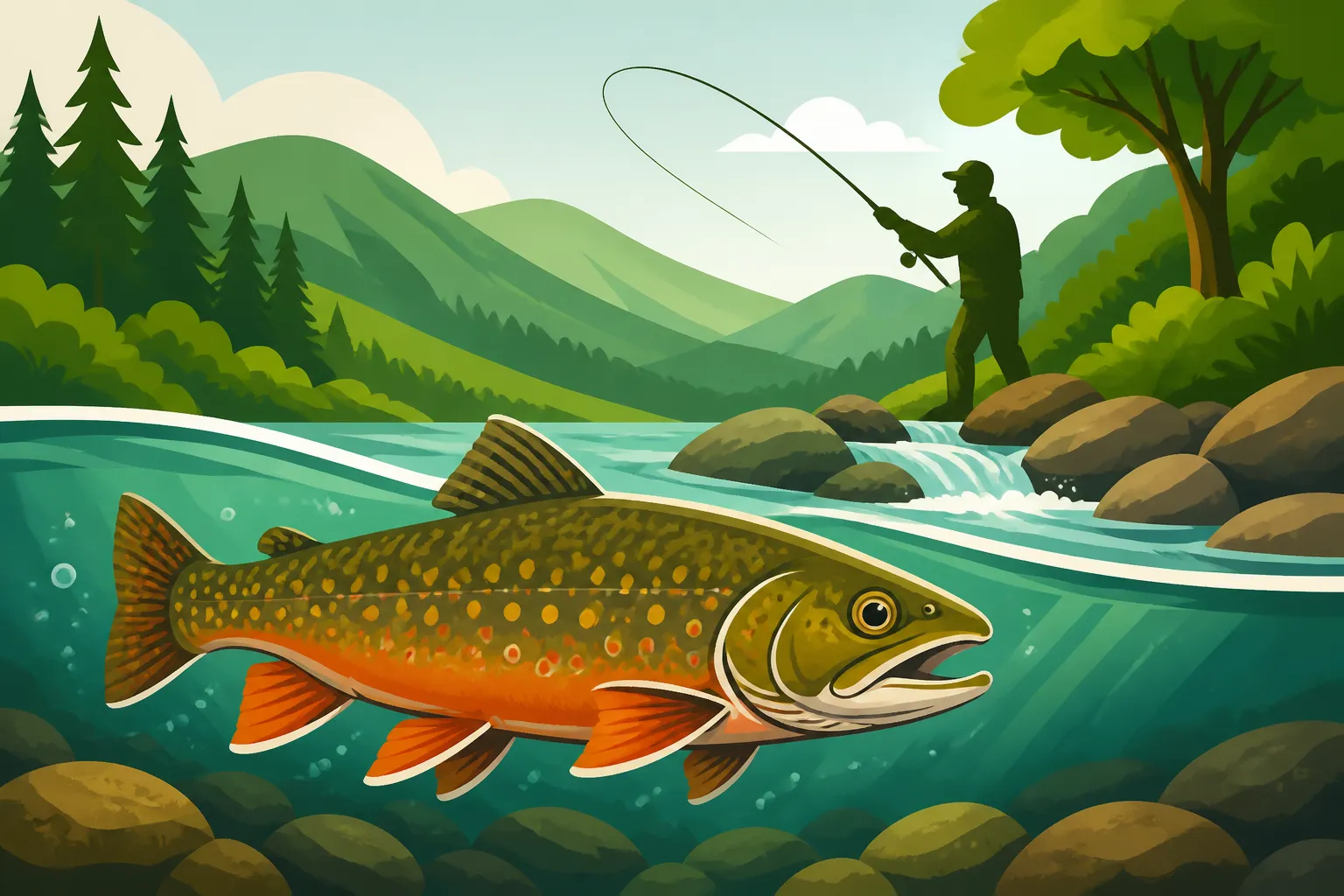
There's something truly special about a native brook trout. Their vibrant, worm-like markings and striking coloration make them a jewel of the stream, a living testament to the health and purity of Georgia's mountain waters. But their beauty isn't the only draw; it's the challenge of finding them in their untouched, often remote, sanctuaries that truly captivates anglers. These aren't your average stocked fish; these are descendants of trout that have thrived in these waters for millennia, and encountering one feels like stepping back in time.
Why Native Brook Trout Are So Special and Elusive
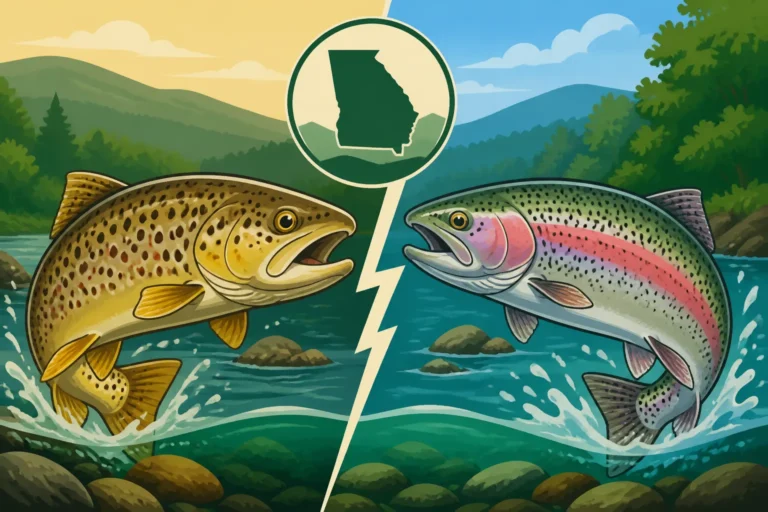
Native brook trout are more than just a beautiful fish; they are biological indicators of pristine environmental conditions. Unlike their rainbow or brown trout cousins, brook trout are Georgia's only native trout species, making them a precious part of the state's natural heritage. They require exceptionally cold, clear, and highly oxygenated water, which means they can only survive in the headwaters of mountain streams, often far from human disturbance. This need for specific, unpolluted conditions is precisely what makes them so special, and simultaneously, so challenging to find.
Their elusive nature comes from their habitat. These fish aren't found in wide, easily accessible rivers. Instead, you'll often find yourself bushwhacking through dense rhododendron thickets, scrambling over moss-covered rocks, and navigating steep terrain to reach their hidden pools. It's a journey, not just a fishing trip, and the reward of a wild brookie is directly proportional to the effort invested. For many, the peace and solitude of these remote areas are as much a part of the experience as the fishing itself.
Understanding Their Habitat Requirements
To truly understand where to catch native brook trout in Georgia, you first need to think like a brook trout. They are highly sensitive to water temperature, preferring water that rarely exceeds 68 degrees Fahrenheit, even in the peak of summer. This is why you'll primarily find them in the highest elevations of the North Georgia mountains, where spring-fed streams maintain a consistently cold flow, often sheltered by a dense forest canopy that provides crucial shade.
Beyond temperature, brook trout demand crystal-clear, oxygen-rich water with plenty of natural cover. This includes fallen logs, undercut banks, deep pools, and rocky crevices where they can hide from predators and ambush insects. They thrive in streams with a significant gradient, creating pockets of aeration and varying water flows. If you find a small, trickling headwater stream with a thick canopy and a rocky bottom, you're likely looking at prime brook trout territory, even if it doesn't look like a "traditional" fishing spot. Their home is often where other fish simply can't survive due to the harsh conditions.
Prime Regions for Native Brook Trout in Georgia
When it comes to native brook trout, Georgia's North Georgia mountains are truly in a league of their own. This rugged, forested region provides the essential cold-water habitat and pristine conditions that these fish absolutely require. You won't find them down south in the warmer waters; their world is defined by high elevations and dense, protective forests. It's an adventure to even reach these spots, but that's part of the magic.
North Georgia Mountains: The Epicenter
The vast expanse of the Chattahoochee National Forest is essentially the heartland for Georgia's native brook trout. This federally protected land, stretching across multiple counties, contains countless headwater streams, many of which are too small to even appear on standard maps. These are the veins of the mountains, often no wider than a casting rod, but teeming with life. Think about areas around Towns, Union, Fannin, and Rabun counties – these tend to hold the highest concentrations of suitable habitat.
The key to success here is focusing on the very uppermost sections of streams. As water flows down the mountains, it gradually warms, especially during the summer months, becoming less hospitable for brook trout. So, if you're looking at a map, identify larger trout streams, and then trace them upstream as far as possible, noting the highest elevation tributaries. These tiny branches, often just a few feet wide, are where the true native brookies make their home. They are territorial and thrive in these isolated pockets, away from the competition of larger trout species like rainbows or browns that often inhabit the lower, more accessible sections of streams.
Key Wilderness Areas and Their Characteristics
Within the Chattahoochee National Forest, several designated wilderness areas offer some of the most untouched and challenging, yet rewarding, brook trout fishing experiences. Places like the Cohutta Wilderness, Raven Cliffs Wilderness, and Blood Mountain Wilderness contain miles of remote streams and their tributaries. Access to these areas often requires significant hiking, sometimes for hours, over difficult terrain with no marked trails. You'll want to review our guide on Remote Wilderness Fishing Spots in North Georgia for more detailed information.
The characteristics of these wilderness streams are consistently similar: they are small, steep, and heavily canopied. The dense forest cover is critical, not just for camouflage, but for maintaining the ultra-cold water temperatures brook trout need. You'll find countless plunge pools, small waterfalls, and rocky runs, each potentially holding a jewel-toned brook trout. While the fish in these tiny streams aren't usually large – a 6 to 8-inch brookie is a trophy – their vibrant colors and wildness are unparalleled. It's a spiritual experience as much as a fishing trip, connecting you with an untouched part of Georgia's natural beauty. Just remember, these spots are remote, so proper preparation is absolutely essential.
Identifying and Accessing Productive Streams
Finding native brook trout isn't just about knowing the general region; it's about developing an eye for their specific micro-habitats and understanding how to reach them responsibly. Many of these small, high-gradient streams can be challenging to navigate, both on foot and with a fishing rod. But with the right approach and a respectful mindset, you can unlock some truly incredible fishing experiences.
Reading the Water: Signs of Brook Trout Presence
When you're hiking through the North Georgia mountains, keep an eye out for streams that fit the brook trout profile. Look for streams that are relatively small, often no wider than 10-15 feet, especially in their headwater sections. The water should be exceptionally clear, with a noticeable chill even on a warm day. A good indicator is the presence of a dense, overhead tree canopy, particularly rhododendron thickets, which keeps the water shaded and cool.
Focus on stretches with a decent gradient – where the stream drops and tumbles over rocks, creating small pockets and pools. Brook trout love these oxygen-rich areas, particularly where a plunge pool has formed behind a log jam or a large boulder. Undercut banks also provide excellent cover. You're not looking for wide, slow-moving water; you're looking for intricate, broken currents and small, well-defined hiding spots. Sometimes, simply dipping your hand in the water can tell you a lot; if it feels surprisingly cold, you might be in the right place. Consider How Water Temperature Affects Fish Behavior plays a role here.
Gear and Techniques for Remote Brookie Fishing
Fishing for native brook trout in these small, brushy streams requires a specialized approach. Forget your long bass rods; a short, ultra-light spinning rod (4-5 feet) or a shorter fly rod (6-7 feet, 2-3 weight) is ideal for navigating tight quarters and casting in cramped spaces. The dense canopy often makes overhead casting impossible, so roll casts, bow-and-arrow casts, and short, accurate flicks are your best friends.
For spinning gear, tiny inline spinners (like Panther Martins or Mepps), micro-jigs, or even small worm pieces are incredibly effective. If fly fishing, small dry flies (like an Adams or Parachute Adams) or tiny nymphs (like a Copper John or Pheasant Tail) are excellent choices. Stealth is paramount; these fish are wild and easily spooked. Approach pools slowly, stay low, and make your first cast count. You'll want to pack light, but bring essentials like a small backpack for water, snacks, a first-aid kit, and navigation tools. You might find reliable hiking boots or a durable backpack on Amazon. It's always a good idea to bring a pair of forceps for easy, safe hook removal to minimize stress on these delicate fish. If you're looking for more advanced fly fishing tips, check out How to Fly Fish for Trout as a Beginner.
The Importance of Conservation and Ethics
When pursuing native brook trout, ethical angling and conservation aren't just good practices—they're essential for preserving this fragile resource. These populations are self-sustaining, but they are also highly vulnerable to overfishing and habitat degradation. Most dedicated brook trout anglers practice strict catch-and-release, often using barbless hooks to minimize harm. Handling the fish as little as possible, keeping them in the water, and releasing them quickly is crucial for their survival.
Beyond the fish themselves, protecting their habitat is vital. Stick to existing paths where possible, avoid trampling stream banks, and pack out everything you pack in (and maybe a little extra trash you find). Consider checking the current Georgia Trout Stream Size Limits by Creek for specific regulations if you intend to keep any fish, though most recommend releasing native brookies. These streams are a treasure, and our responsibility as anglers is to leave them as pristine as we found them, ensuring future generations can experience the same wild beauty.
Navigating the Challenges of Native Brook Trout Fishing
Let's be real: chasing native brook trout isn't like going to a local pond for bluegill. It's an undertaking that demands preparation, resilience, and a willingness to embrace the wild. The very elements that make these spots so special – their remoteness and ruggedness – also present unique challenges that every aspiring brookie angler needs to be ready for.
Physical Demands and Preparation
The most significant hurdle for many anglers is the physical demand. Native brook trout streams are often located deep within wilderness areas, requiring strenuous hikes. You'll likely encounter steep ascents and descents, uneven terrain, slippery rocks, and dense vegetation that can feel like you're literally swimming through the woods. Don't expect paved trails or easy access points; often, the "path" is an animal trail, or you're simply making your own way through the bush.
Proper preparation is key. Invest in good quality, waterproof hiking boots with excellent ankle support. Wear appropriate clothing that can handle snags and offers protection from the elements, including long sleeves and pants to guard against scratches and insect bites. A comfortable, well-fitting backpack is essential to carry your gear, water, and emergency supplies. Before you go, ensure you're in decent physical shape and honestly assess your ability to navigate challenging terrain. It's always a good idea to tell someone where you're going and when you expect to return. This isn't just a walk in the park; it's an expedition.
Dealing with Remote Conditions
One of the beautiful aspects of these native brook trout haunts is their isolation, but that also means you'll be largely on your own. Cell service is often non-existent in these deep mountain valleys, so relying on your phone for navigation or emergencies is a risky gamble. Always carry a physical map of the area and a compass, and know how to use them. A portable GPS device can also be a lifesaver, and you can find a variety of reliable options on Amazon.
Emergency preparedness is non-negotiable. A small first-aid kit, extra water, a headlamp, a fire starter, and even a lightweight emergency shelter can turn a potential disaster into a minor inconvenience. Dehydration, sprains, insect bites, or getting lost are all real possibilities. The solitude is part of the appeal, but it also means you are responsible for your own safety. Take the time to research the specific wilderness area you plan to visit, understand its potential hazards, and prepare accordingly.
Seasonal Considerations for Success
While you can technically fish for brook trout year-round, certain seasons offer better chances and more comfortable conditions. Spring (March-May) is often a fantastic time, as melting snow and spring rains keep water levels up and temperatures consistently cold. The fish are often more active as insects emerge, and the foliage isn't as dense, making casting a bit easier. Best Months to Fish Georgia's Mountain Streams provides a more in-depth look at seasonal dynamics.
Summer can be challenging. While the high-elevation headwaters remain cold, lower sections of streams can warm up, pushing brook trout into even smaller, higher tributaries. Also, summer brings denser foliage, more insects, and the potential for pop-up thunderstorms. Fall (September-November) is another prime season. The water temperatures drop again, the crowds thin out, and the changing leaves create a breathtaking backdrop. Winter can also be productive if you're prepared for cold weather, but access can be difficult due to icy roads and trails. Always check weather forecasts and stream conditions before heading out, as conditions in the mountains can change rapidly.
Characteristics of North Georgia Trout Streams
| Feature | Typical Brook Trout Stream | General Stocked Trout Stream |
|---|---|---|
| Location | High elevation headwaters, often remote wilderness | More accessible, larger streams and rivers, state parks |
| Stream Size | Very small (1-15 feet wide), shallow | Moderate to large (15-50+ feet wide), deeper sections |
| Water Temperature | Consistently very cold (below 65°F), spring-fed | Varies more, can warm up in summer |
| Canopy Cover | Dense, heavy shade from trees/rhododendron | Varies, more open in places |
| Accessibility | Difficult, requires hiking, bushwhacking, no marked trails | Easy to moderate, often near roads, marked trails |
| Fish Size | Smaller (4-10 inches), wild, vibrant coloration | Larger (8-14+ inches), often hatchery-raised, can be less vibrant |
| Fishing Pressure | Very low, solitude is common | Moderate to high, especially after stocking |
| Recommended Gear | Ultra-light short rod, small flies/lures, hiking essentials | Standard trout rod, wider variety of lures/bait/flies |
| Conservation | Strict catch-and-release highly recommended | Regulations vary, keeping legal fish is common |
Disclaimer
This article is for general informational purposes only and does not constitute professional advice. Laws, prices and regulations vary by location and change over time. Consult a qualified professional for guidance on your specific situation.