How to Choose Lures for Cold Water
When the water temperatures drop across Georgia's beautiful lakes and rivers, many anglers find themselves scratching their heads, wondering why their usual go-to lures aren't producing. Fish become notoriously lethargic in cold conditions, moving slower and feeding less aggressively, which can make a successful outing feel impossible. This comprehensive guide will walk you through the art and science of selecting the absolute best lures for cold water fishing, ensuring you're prepared to entice those finicky fish, even when the thermometer dips.
Understanding Cold Water Fish Behavior
Cold water fundamentally changes how fish behave. It's not just a minor shift; it's a complete slowdown of their metabolism, impacting everything from their movement to their feeding habits. If you try to fish them like it's a warm summer day, you'll likely go home empty-handed.
The Impact of Water Temperature on Fish Metabolism
Think of fish like cold-blooded athletes. When it's warm, their internal engines are running hot, and they're active, chasing prey, and burning calories. When the water gets cold, especially below 50-55 degrees Fahrenheit for many popular Georgia species like bass and crappie, their metabolism grinds almost to a halt. They don't need as much food, and they certainly aren't going to expend much energy to get it. This means they're not going to chase a fast-moving bait very far, if at all. They become opportunistic, looking for an easy meal that's practically handed to them. This crucial understanding informs every lure choice you make. It's about presenting something irresistible and slow. If you want to dive deeper into how different conditions impact fish, read up on How Water Temperature Affects Fish Behavior.
Where Fish Hold in Cold Water
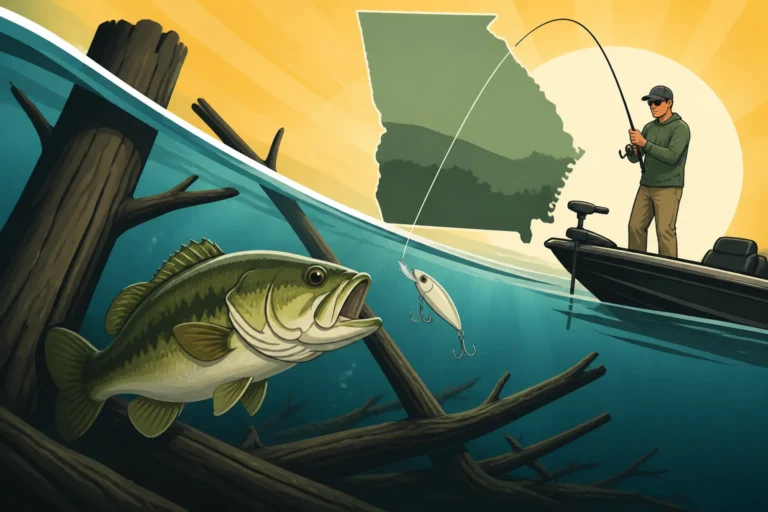
Another critical piece of the puzzle is where the fish are. In cold water, fish often seek out areas of stable temperature, which usually means deeper water. They might suspend over deep channels, hug the bottom near ledges, or bury themselves in thick cover. They're trying to conserve energy and find comfort. This is why you'll often hear about anglers targeting creek channels, deep points, or the lower ends of humps during the colder months. They might also gravitate towards areas that retain heat slightly better, like rocky banks that absorb sun or near power plant discharges, if available. Understanding these holding patterns helps you present your carefully chosen lures right in their strike zone. Knowing Winter Fishing Patterns on Georgia's Reservoirs can be a huge advantage.
Key Characteristics of Effective Cold Water Lures
Since fish are slower and less aggressive in cold water, your lures need to cater to these behaviors. It’s not about bright colors and erratic action anymore; it's about subtle triggers and easy meals.
Slow Action and Subtle Presentation
The most important characteristic of a cold water lure is its ability to be fished slowly. This means lures that have a lot of inherent action at slow speeds, or those that are designed to be moved minimally, are key. A lure that wobbles, shimmers, or moves its appendages with just a slight twitch of the rod tip is going to outperform something that needs to be burned quickly to get any action. Think about the energy a lethargic fish has; it's not going to chase down a fleeing bait. Instead, it's looking for something struggling, easy to ambush, or barely moving. This subtle approach is paramount for tempting those reluctant bites.
Realistic Appearance and Vibration
While flash can sometimes attract attention, a realistic appearance becomes more important when fish are finicky. They're scrutinizing their meals more closely. Lures that mimic natural prey like shad, crawfish, or small baitfish in terms of shape, color, and even texture can be incredibly effective. Beyond appearance, subtle vibrations can be a game-changer. Fish possess a lateral line system that detects pressure changes and vibrations in the water. Lures that emit a low-frequency thump or a gentle shimmer can be detected by fish from a distance, even if their vision isn't perfect in deeper, murkier cold water. This can draw them in for a closer look without being overly aggressive or alarming. Many anglers find great selections of these specialized baits when browsing on Amazon, where detailed product descriptions can help match them to local forage.
Top Lure Categories for Cold Water Fishing in Georgia
Now that we understand the "why," let's get into the "what." Certain lure categories consistently excel in cold water conditions across Georgia's diverse fisheries, from our trout streams to our vast reservoirs.
Jigs and Soft Plastics
When it comes to versatility and effectiveness in cold water, jigs and soft plastics are hard to beat. Their ability to be fished painstakingly slow, mimic natural prey, and target various depths makes them indispensable.
Finesse Jigs and Ned Rigs
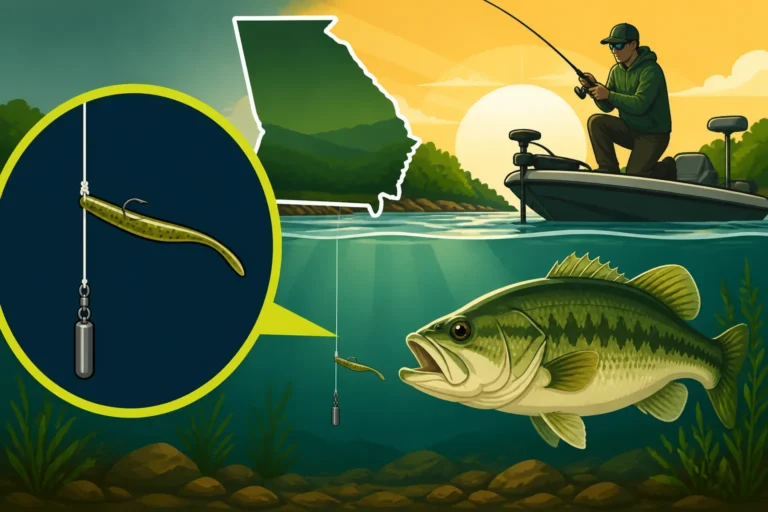
For bass that are tight-lipped and hunkered down, a finesse jig or a Ned Rig can be your secret weapon. Finesse jigs, often dressed with small, crawfish-imitating trailers, can be hopped slowly along the bottom, mimicking a crawfish that's been stunned by the cold. The key is to barely move it, letting the skirt and trailer do the work. Ned Rigs, on the other hand, are designed for even more subtle presentations. A small mushroom-shaped jig head paired with a buoyant, typically 2.5-3 inch soft plastic worm, stands straight up off the bottom. This "hovering" action is incredibly appealing to lethargic bass and even crappie. You can drag it, hop it, or dead-stick it – just let it sit there and quiver. The subtle movement is often all it takes to trigger a strike from a hesitant fish. Many anglers swear by green pumpkin or darker colors in clear, cold water, while brighter options like chartreuse can work in stained conditions. Don't be afraid to experiment with different sizes; sometimes a tiny 1/16 oz Ned Rig is the ticket. You can often find great value packs of soft plastics or jig heads on Amazon, which is perfect for trying out different colors and sizes without breaking the bank.
Soft Plastic Stickbaits and Grubs
Soft plastic stickbaits, like the ever-popular Senko-style baits, are fantastic for cold water. Their high salt content causes them to sink slowly with a mesmerizing wobble, even with no retrieve. This slow, natural fall is deadly for bass suspending near cover or holding on deep structure. You can rig them weightless, wacky, or Texas-rigged, allowing them to shimmy down through the water column directly into the fish's face. Grubs, especially those with small, subtle tails, can be fished on a lightweight jig head and slowly reeled or hopped. They present a small, easy meal for crappie, trout, and even smaller bass. The key is to choose grubs with thin tails that provide action even with the slowest retrieve. Colors like white, clear, or natural baitfish patterns often work best.
Blade Baits and Spoons
Sometimes, a bit of flash and vibration is exactly what's needed to trigger a reaction strike, even in cold water. This is where blade baits and spoons shine, especially when fish are suspended.
Blade Baits
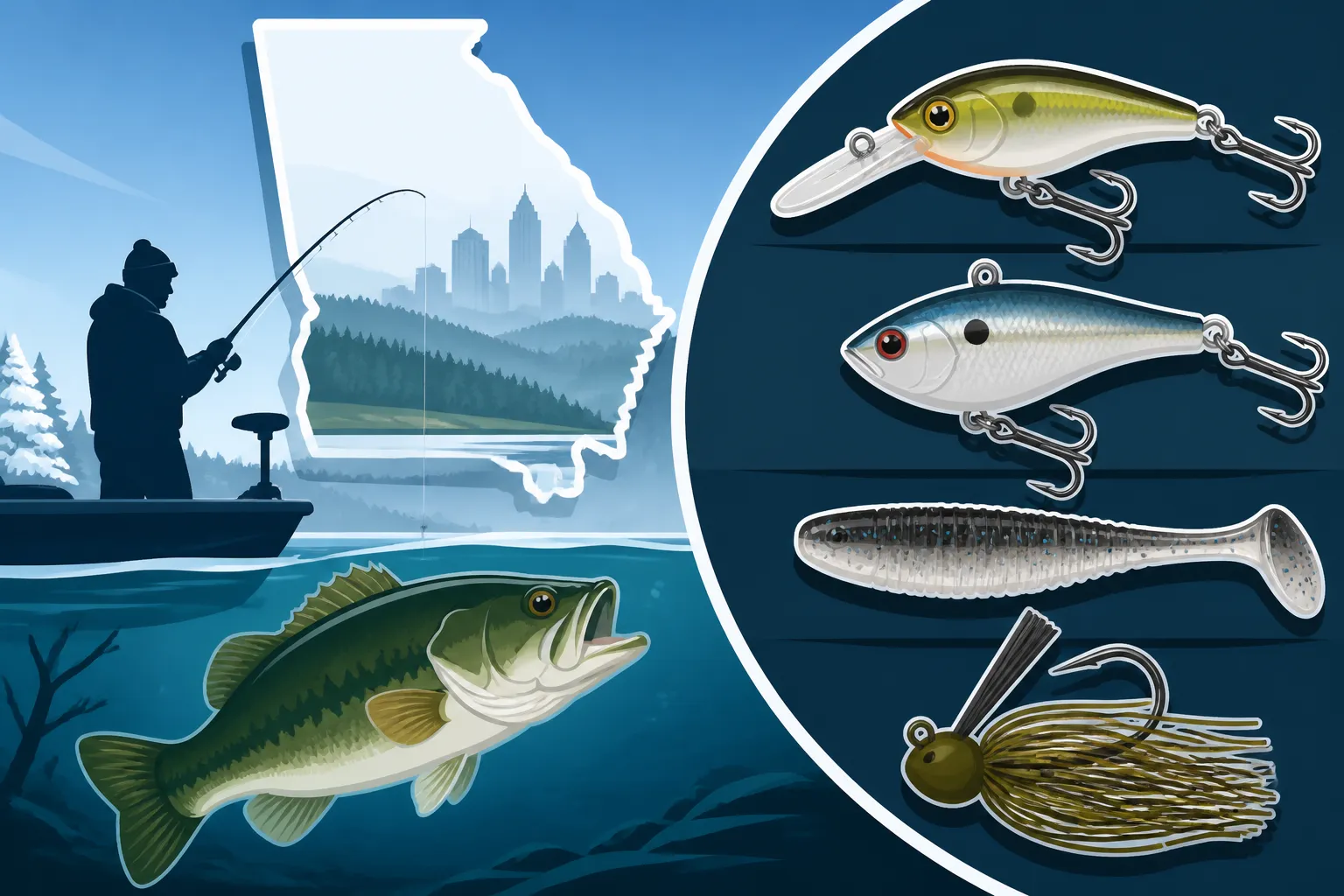
Blade baits are phenomenal cold water lures because they create a lot of vibration and flash with minimal effort. Their unique design allows them to sink quickly to deep water, and with a short, sharp lift of the rod, they vibrate intensely, imitating a fleeing or struggling baitfish. On the fall, they flutter enticingly. The trick is a lift-and-drop retrieve: lift your rod tip a foot or two, let the bait fall on a slack line, and repeat. Most strikes occur on the fall, so pay close attention to your line. These lures are particularly effective for suspended bass and striped bass. Colors mimicking shad or chrome are often top producers. A quick search on Amazon will show you countless options for blade baits in various sizes and finishes.
Jigging Spoons
Jigging spoons are another classic cold water choice, especially for deep-water presentations. These heavy, metallic lures flutter and flash as they fall, and their weight gets them down to where those lethargic fish are holding. Much like blade baits, they are fished with a lift-and-drop technique. Let the spoon sink to the bottom, then lift your rod sharply a few feet and let it flutter back down on a semi-slack line. The flash and erratic fall are often too much for even inactive fish to resist. They're excellent for targeting schools of baitfish and the predators that follow them in deep pockets and creek channels. Silver, gold, or white are common and effective colors. When targeting specific species in deeper water, consider techniques like How to Jig for Crappie in Deep Water.
Suspending Jerkbaits
Jerkbaits are a staple in many anglers' arsenals, but in cold water, it's the suspending variety that truly shines. These lures are designed to sink to a certain depth and then literally hang motionless in the water column when you pause your retrieve.
The "Stop and Go" Retrieve
The magic of a suspending jerkbait in cold water lies in its ability to be worked with long pauses. You cast it out, twitch it a few times to get it down to its running depth, and then… pause. A long, excruciating pause of 5, 10, even 20 seconds. This allows the lure to sit there, perfectly still, right in the strike zone of a cold, slow fish. It looks like a stunned or dying baitfish, an easy meal just waiting to be eaten. Then, a subtle twitch or two, and another long pause. Most strikes will come during these pauses, as the fish slowly approaches and finally commits. For bass, shad patterns, blues, or even transparent colors can be incredibly effective in the colder months. When choosing a jerkbait, ensure it truly suspends; some cheaper models might slowly sink or float, defeating the purpose. For techniques that can trigger a strike even on a tough day, explore How to Adjust Lure Choice After a Cold Front.
Crankbaits (Diving and Flat-Sided)
While many crankbaits are associated with aggressive, fast retrieves, certain types can be highly effective in cold water if fished correctly.
Deep-Diving Crankbaits for Structure
For fish holding on deep ledges, humps, or channel edges, a deep-diving crankbait can be a good choice. The key here is to slow your retrieve dramatically and focus on making contact with the bottom or structure. A slow, grinding retrieve that occasionally deflects off a rock or log can trigger a reaction strike from a fish that's otherwise uninterested. Look for crankbaits with a tight wiggle rather than a wide, aggressive wobble, as a tighter action is often preferred in colder water. Natural baitfish colors are usually best.
Flat-Sided Crankbaits for Shallow Targets
When fish move up onto shallower flats or points during warmer periods of a cold day, a flat-sided crankbait can be incredibly effective. These baits have a very tight, subtle wobble and can be fished slowly. They often excel in clearer water where their more natural profile and subtle vibration are appealing. These are great for areas where bass might be basking in the sun or looking for an opportunistic meal near shallow cover. Again, slow your retrieve and focus on making contact with any available structure. For seasonal approaches, check out Best Lures for Early Spring Fishing.
Tips for Presenting Cold Water Lures Effectively
Having the right lure is only half the battle. How you present it in cold water is equally, if not more, important. Your retrieve speed, pauses, and even your equipment choices can make all the difference.
The Art of the Slow Retrieve
This can't be stressed enough: slow down. Most anglers fish too fast in cold water. You're not trying to trigger a chase; you're trying to offer an easy meal. For jigs and soft plastics, think about dragging them, barely hopping them, or even dead-sticking them for extended periods. With jerkbaits, those long pauses are crucial. Even with crankbaits, a slow, steady retrieve that just barely gets the bait working is often more effective than a fast crank. It takes patience, but it pays off. Imagine you're fishing through molasses – that's the kind of speed you're aiming for.
Line Choice and Sensitivity
In cold water, bites can be incredibly subtle, often feeling like nothing more than a slight "tick" or just extra weight on your line. This makes line choice and rod sensitivity critical. Fluorocarbon line is often a favorite for cold water because of its low stretch, which enhances sensitivity, and its near invisibility underwater, which is a big plus in clear, cold conditions. Pairing this with a sensitive graphite rod will help you detect those faint bites that you might otherwise miss. Make sure to check reviews on platforms like Amazon before committing to a new brand, especially for specialized cold-water gear, to ensure you're getting high-quality, sensitive equipment. For bass anglers, improving your overall setup can lead to more success, so consider looking into Best Rod and Reel Combo for Largemouth Bass in Georgia.
Targeting Specific Depths and Cover
Because fish are lethargic, you really need to put your lure right in front of their face. Use your electronics to identify baitfish schools, deep structure, or temperature breaks. Pay attention to changes in depth contour. If fish are hugging the bottom, make sure your jig or spoon is making contact. If they are suspended, work your blade bait or jerkbait at that exact depth. Cold water fishing is very precise. Don't just cast aimlessly; use your knowledge of fish behavior and your boat's technology to present your lure exactly where the fish are holding. This is crucial for success, whether you're chasing bass, crappie, or even trout. For instance, knowing the right depth for different species is key to success on Trout Fishing on the Chattahoochee River.
Cold Water Lure Selection Table
To summarize, here's a quick reference for choosing lures in different cold water scenarios:
| Lure Type | Ideal Water Temperature (Fahrenheit) | Best Presentation | Target Species | Key Characteristics |
|---|---|---|---|---|
| Finesse Jigs/Ned Rigs | 40-55 | Slow hop, drag, dead-stick | Largemouth Bass, Spotted Bass, Crappie | Subtle action, small profile, bottom-oriented |
| Soft Plastic Stickbaits | 45-58 | Weightless fall, slow twitch, pause | Largemouth Bass, Spotted Bass | Slow, natural fall, subtle wobble |
| Grubs (on jig head) | 40-55 | Slow reel, light hop | Crappie, Trout, Panfish, Smaller Bass | Small profile, subtle tail action, easy meal |
| Blade Baits | 40-55 | Lift and drop, yo-yo | Largemouth Bass, Striped Bass, Hybrids | High vibration, flash, reaction strikes, deep-diving |
| Jigging Spoons | 40-55 | Vertical jigging, flutter on fall | Largemouth Bass, Striped Bass, Crappie | Heavy, deep-diving, flash, erratic fall |
| Suspending Jerkbaits | 45-58 | Twitch, long pause, twitch | Largemouth Bass, Spotted Bass | Hangs motionless, mimics dying baitfish |
| Deep-Diving Crankbaits | 50-58 | Slow grind, deflect off structure | Largemouth Bass, Spotted Bass | Tight wiggle, deep contact, reaction strikes |
| Flat-Sided Crankbaits | 48-58 | Slow retrieve, tight wobble | Largemouth Bass, Spotted Bass | Subtle action, good for clear water |
Conclusion: Patience and Precision are Your Cold Water Allies
Fishing in cold water can be challenging, but it's also incredibly rewarding when you crack the code. The key is to shift your mindset from aggressive power fishing to a more patient, precise approach. Understanding how fish react to cold temperatures, selecting lures that cater to their lethargic state, and then presenting those lures with deliberate slowness and accuracy will transform your winter fishing experiences. Don't be afraid to experiment with different colors and sizes within these lure categories, as fish preferences can vary even within the same lake. By embracing the subtleties of cold water fishing, you'll find that Georgia's waters still hold plenty of excitement, even when the air bites.
Disclaimer
This article is for general informational purposes only and does not constitute professional advice. Laws, prices and regulations vary by location and change over time. Consult a qualified professional for guidance on your specific situation.