Flint River shoal bass size limit exception
It’s easy to feel like you need a law degree just to understand all the fishing regulations out there, especially when you’re dealing with a specific species in a particular river system. You’re trying to enjoy a peaceful day on the water, maybe even hook into one of Georgia’s unique native black bass, and suddenly you’re worrying if you’re doing everything by the book. This guide is here to untangle the specifics of the shoal bass size limit exception that applies to a very special place: Georgia's own Flint River.
Understanding Georgia's Shoal Bass Regulations
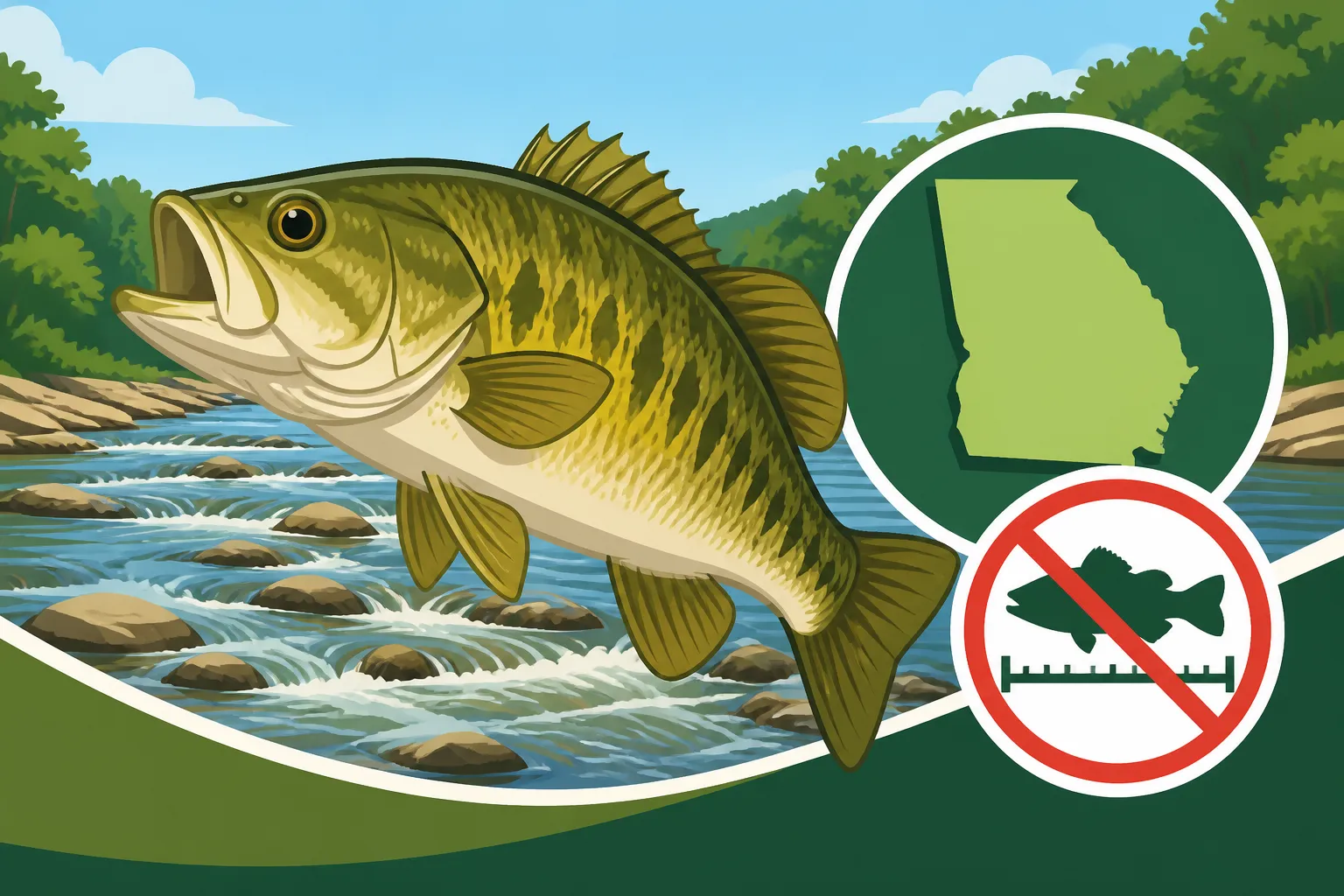
Georgia is a treasure trove for anglers, boasting an incredible diversity of fish species, and among them is the formidable shoal bass. This native black bass species, often mistaken for a spotted bass, is a true river dweller, favoring strong currents and rocky bottom structures. However, when it comes to keeping these beauties, the rules aren't always a one-size-fits-all situation across the entire state.
The Statewide Shoal Bass Limit
Generally, if you're out fishing for shoal bass in most Georgia waters where they occur, you'll find a pretty straightforward set of regulations. The Georgia Department of Natural Resources (DNR), specifically the Wildlife Resources Division, sets these guidelines to ensure healthy fish populations. For shoal bass, this often includes a minimum length limit and a daily creel limit (the number of fish you can legally keep in a day). Typically, the statewide minimum length for shoal bass is 12 inches, with a daily creel limit of 10 fish. This standard helps protect younger fish and allows them to mature and reproduce, contributing to a sustainable fishery. It's the kind of regulation that makes sense to most anglers—let the little ones grow, and take a few for the table if you like. You can always check the full details in the annual fishing regulations guide or look up information on Georgia shoal bass fishing regulations online.
However, the "statewide" rule isn't truly universal, which is where the confusion often creeps in. Anglers who bounce between different river systems might be surprised to learn that what applies on one waterway might be different on another, especially when a particular fish population requires specific management. It's a key part of understanding where shoal bass rules differ from statewide limits in Georgia.
Why the Flint River is Special for Shoal Bass
Now, let's talk about the Flint River. This incredible waterway is nothing short of legendary for shoal bass. It's one of the few places where these fish truly thrive, possessing the clear, flowing water, rocky shoals, and abundant insect and baitfish populations that shoal bass absolutely adore. The Flint River isn't just a habitat for shoal bass; it's arguably the best natural stronghold for the species in Georgia, making it a critical area for their conservation and management.
Because of its unique ecological significance and the incredible quality of its shoal bass fishery, the Flint River is often subject to special regulations designed to protect and enhance its population. The DNR recognizes that a blanket statewide rule might not adequately serve the specific needs of the Flint River’s shoal bass, especially given its role as a premier destination for anglers seeking trophy-sized fish. Managing a fishery this important requires a nuanced approach, which is why we see exceptions to the general rules here. It's about preserving a unique natural resource for future generations of anglers.
The Flint River Shoal Bass Size Limit Exception Explained
So, you're on the Flint, and you've just hooked into a beautiful shoal bass. Now what? This is where understanding the specific exception becomes crucial. Unlike many other rivers, the Flint River has a slot limit for its shoal bass, meaning there's a specific size range of fish that you cannot keep.
Specifics of the Flint River Exception
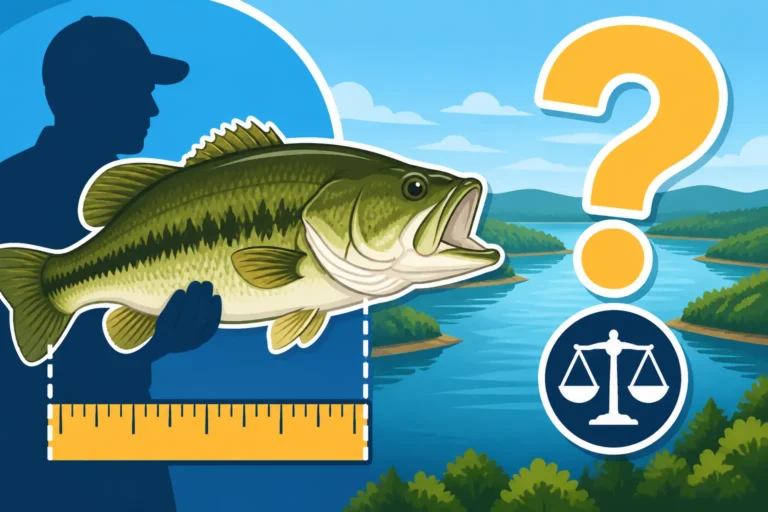
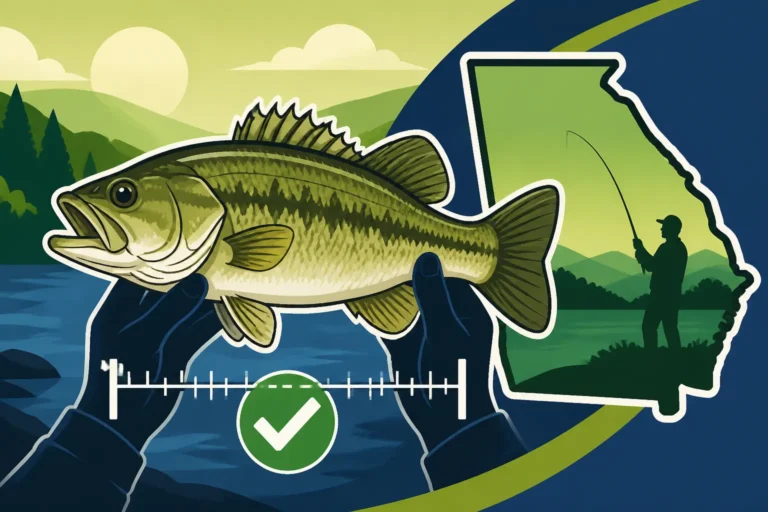
The Flint River, particularly in certain stretches, operates under a unique size limit for shoal bass: a 12 to 16-inch slot limit. What does this mean in plain English? It means that any shoal bass you catch that measures between 12 and 16 inches in total length must be immediately released. You can, however, keep shoal bass that are under 12 inches or over 16 inches. The daily creel limit remains at 10 fish, but with this crucial slot limit in place. For example, if you catch seven shoal bass: two are 10 inches, three are 14 inches, one is 17 inches, and one is 18 inches. You must release the three 14-inch fish. You could keep the two 10-inch fish, the 17-inch fish, and the 18-inch fish. That’s four fish, well within your 10-fish daily limit. It's critical to carry a reliable tape measure or a bump board with you, easily found on Amazon, to accurately measure your catch. If you're specifically targeting the section of the Flint River below Warwick Dam, these rules are explicitly stated as shoal bass rules below Warwick Dam, so pay close attention.
This slot limit applies to the Flint River from its confluence with the Ocmulgee River upstream to the Georgia Highway 100 bridge in Meriwether County. It's a significant stretch of river, so it's not just some small, isolated area. This means if you're fishing anywhere along this vast section, you need to be dialed into these specific rules. You won't find this exact restriction in many other places, reinforcing that the shoal bass limit is different on the Flint River.
The Rationale Behind the Exception
The Georgia DNR didn't just pull this specific regulation out of thin air. There's a well-thought-out scientific and conservation strategy behind it. The 12 to 16-inch slot limit is primarily designed to protect the breeding stock of shoal bass. Fish within this size range are often the most reproductively active, meaning they are crucial for producing the next generation of shoal bass. By requiring anglers to release these mid-sized fish, the DNR ensures that these vital breeders can continue to spawn and contribute to the population, leading to more fish overall.
This management strategy also aims to foster a trophy fishery. By protecting the intermediate-sized fish, there's a greater chance for them to grow into larger, truly impressive specimens that attract anglers from all over. Imagine landing a shoal bass well over 16 inches—that's a memory, and a photo, you'll cherish! It's a forward-thinking approach that balances angler opportunity with species conservation, making the Flint River a sustainable powerhouse for shoal bass fishing. It showcases the dedication to maintaining Georgia's native bass species: Largemouth, Spotted, and Shoal Bass for future generations.
Navigating the Flint River for Shoal Bass
Fishing the Flint River for shoal bass is an experience unlike any other. Its clear waters and strong currents demand a certain approach, but the rewards are truly spectacular. Knowing where to go and what gear to use can make all the difference, especially when you’re strictly adhering to those specific size limits.
Key Sections of the Flint River Under the Exception
The specific slot limit applies to a substantial portion of the Flint River. From the broad expanse where it joins the Ocmulgee River, all the way upstream to the Georgia Highway 100 bridge in Meriwether County, you'll be fishing under these special rules. This covers many popular access points and stretches, including famous shoals and rapids that are prime shoal bass habitat. For instance, the section immediately below Warwick Dam is renowned, and it's a place where paying close attention to the shoal bass rules below Warwick Dam is paramount. Other notable areas include stretches near Albany, Montezuma, and around the upstream parts of Lake Blackshear. These areas offer diverse fishing opportunities, from shallow, swift shoals to deeper pools, all holding excellent populations of shoal bass.
It’s always a good idea to consult a detailed map or even local guide services if you’re new to the area to pinpoint the best access points. Many of these sections are beautiful, remote, and truly offer a wilderness fishing experience. Understanding Flint River Fishing Guide, Georgia can further enhance your trip planning, giving you a holistic view of this incredible waterway.
Gear and Techniques for Shoal Bass on the Flint
When it comes to targeting shoal bass on the Flint, you'll want gear that can handle strong currents and aggressive strikes. Medium-light to medium-heavy spinning or baitcasting setups are ideal, spooled with 8-12 pound test fluorocarbon or monofilament line. The clear waters often call for stealth, so lighter lines can be an advantage. Lures that mimic baitfish and crawfish are particularly effective. Think crankbaits, spinnerbaits, plastic worms rigged Texas-style, and especially jigs. Jigs in natural colors, tipped with soft plastics or even a small piece of live bait, are deadly when worked along the bottom in rocky areas. For topwater action, small poppers and walking baits can be exhilarating in the mornings and evenings.
It's also essential to carry proper measuring tools, like a fish ruler or a sturdy measuring board. Having one readily accessible, perhaps clipped to your fishing vest or boat, will save you a lot of guesswork and ensure you're compliant with the slot limit. You can find excellent, durable measuring tools on Amazon that are perfect for this exact purpose. Beyond the gear, practicing proper catch-and-release techniques is vital, especially since many of your catches will need to go back into the river unharmed. Gently unhooking fish, minimizing their time out of water, and supporting them until they swim away strongly are key to conservation. Understanding Best Bait and Lures for Shoal Bass Fishing can give you an edge in selecting the right tackle for your trip.
Staying Compliant and Conserving Shoal Bass
Nobody wants to accidentally violate a fishing regulation. It's not just about avoiding fines; it's about being a responsible steward of our natural resources. Especially with a unique and vital fishery like the Flint River shoal bass, diligence in following the rules helps ensure its health for years to come.
How to Confirm Current Regulations
Fishing regulations can sometimes change, often due to new biological assessments or management strategies. While this guide provides the most current information, the absolute best way to stay up-to-date is to directly consult the official sources. The Georgia Department of Natural Resources (DNR) Wildlife Resources Division is your go-to. Their website hosts the most recent annual fishing regulations summary, which you can usually download as a PDF. Many local bait and tackle shops, as well as sporting goods stores, also provide free printed copies. You can even call the DNR's customer service line if you have specific questions that aren't clearly answered in the guides. Before every fishing trip to a new or unique area, taking a few minutes to confirm the current rules, especially regarding specific species and local exceptions, is a habit every responsible angler should cultivate. This proactive step can prevent misunderstandings and ensure your trip is both fun and compliant with the Georgia Fishing License Guide and all other regulations.
Best Practices for Catch and Release
Since a good portion of your shoal bass catches on the Flint River will likely fall within that protected 12 to 16-inch slot, mastering catch-and-release techniques isn't just a good idea—it's essential for the fishery's health. Here are a few tips:
- Handle with Care: Always wet your hands before touching the fish. Dry hands can remove the fish's protective slime coat, making it vulnerable to disease.
- Minimize Air Time: Keep the fish in the water as much as possible. If you must remove it for a photo, do so quickly and gently.
- Support the Fish: When holding a fish, support its entire body, especially if it’s a larger one. Avoid holding it by the jaw vertically, as this can damage its internal organs or jaw structure.
- Use Proper Tools: Invest in good quality needle-nose pliers or a hook remover. Barbless hooks can also make unhooking much easier and less traumatic for the fish. Many anglers even pinch down the barbs on their treble hooks for this very reason. You can find these tools, along with many other useful fishing accessories, on Amazon.
- Revive, Don't Throw: After unhooking, gently hold the fish in the water, facing upstream into the current. Move it back and forth slightly to help water flow over its gills until it regains strength and swims off on its own. Don’t just toss it back; give it a chance to recover.
By diligently following these practices, you're not just adhering to the rules; you're actively participating in the conservation of the incredible shoal bass fishery on the Flint River.
Shoal Bass Regulations at a Glance
To help clarify the differences, here's a quick comparison of the general statewide shoal bass regulations versus the specific exception on the Flint River.
| Regulation Category | Statewide Shoal Bass Rules | Flint River Shoal Bass Rules (from Ocmulgee Confluence to GA Hwy 100 bridge) |
|---|---|---|
| Minimum Length | 12 inches | No minimum length for fish under 12 inches |
| Slot Limit | None | 12 to 16 inches (must be released) |
| Maximum Length | None | None for fish over 16 inches |
| Daily Creel Limit | 10 fish (total) | 10 fish (total, but only fish under 12" or over 16" count towards limit) |
This table clearly illustrates the key difference: the protected slot on the Flint River. Always consult the most current Georgia DNR regulations for any updates.
Disclaimer
Please remember that fishing regulations are subject to change. While we strive to provide the most accurate and up-to-date information, it is always your responsibility to verify current rules and regulations with the official Georgia Department of Natural Resources, Wildlife Resources Division before heading out on the water. Following all applicable laws ensures a safe and enjoyable experience for everyone and helps conserve Georgia's valuable fisheries.