Shoal Bass vs Largemouth Bass: Habitat Differences
It's a common struggle for anglers in Georgia to understand why one bass species thrives where another barely survives, leading to frustrating days on the water when you're targeting the wrong fish in the wrong place. This guide will dive deep into the distinct habitat differences between Shoal Bass and Largemouth Bass across Georgia, helping you understand their preferred environments and how that knowledge can drastically improve your fishing success.
Understanding Georgia's Bass Diversity
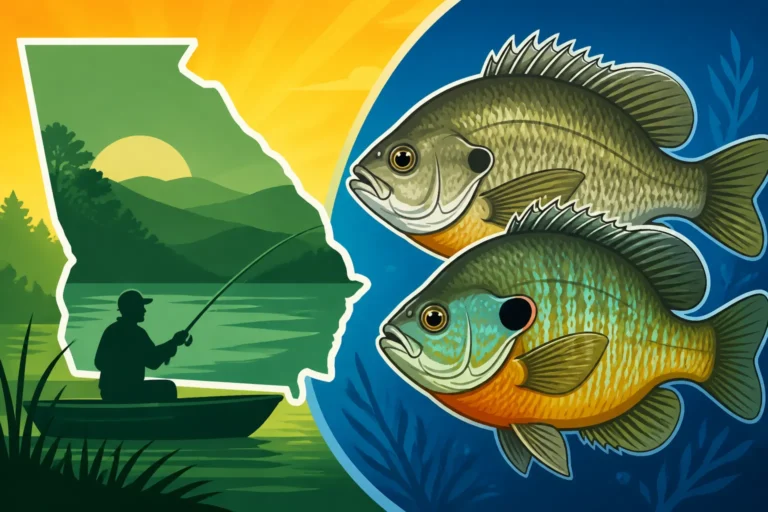
Georgia is a true angler's paradise, boasting a fantastic array of bass species that offer unique challenges and thrills. However, many of us, especially those newer to the sport or visiting from out of state, often lump all "bass" together. This oversight can lead to a lot of head-scratching when your tried-and-true largemouth tactics fail completely on a different type of water. The truth is, Georgia is home to not just the ubiquitous Largemouth Bass but also the powerful Shoal Bass, among others, and these two particular species couldn't be more different in where they choose to live and how they behave. Georgia's Native Bass Species: Largemouth, Spotted, and Shoal Bass This distinction is crucial, not just for identifying your catch, but for truly understanding how to find and tempt them.
Why Habitat Matters So Much
Think of it like this: you wouldn't expect to find a deer in the middle of the ocean, right? Similarly, expecting a fish that thrives in fast-moving, rocky rivers to bite in a stagnant, muddy pond is just setting yourself up for disappointment. A fish's habitat dictates everything from its diet and physical adaptations to its spawning rituals and predatory instincts. Understanding these differences allows you to approach each fishing scenario with a tailored strategy, selecting the right gear, lures, and techniques that align with the environment and the fish you're targeting. It’s about working with nature, not against it, to increase your chances of a successful and enjoyable day.
Largemouth Bass: Masters of the Still and Structured
When most folks think of bass fishing in Georgia, they're probably picturing the Largemouth Bass. These iconic fish are truly a statewide favorite, and for good reason—they're aggressive, grow to impressive sizes, and are found in an incredible variety of waters. But while they are adaptable, Largemouth Bass definitely have a preferred "home style" that sets them apart from their river-dwelling cousins.
Preferred Environments: Lakes, Ponds, and Slow Rivers
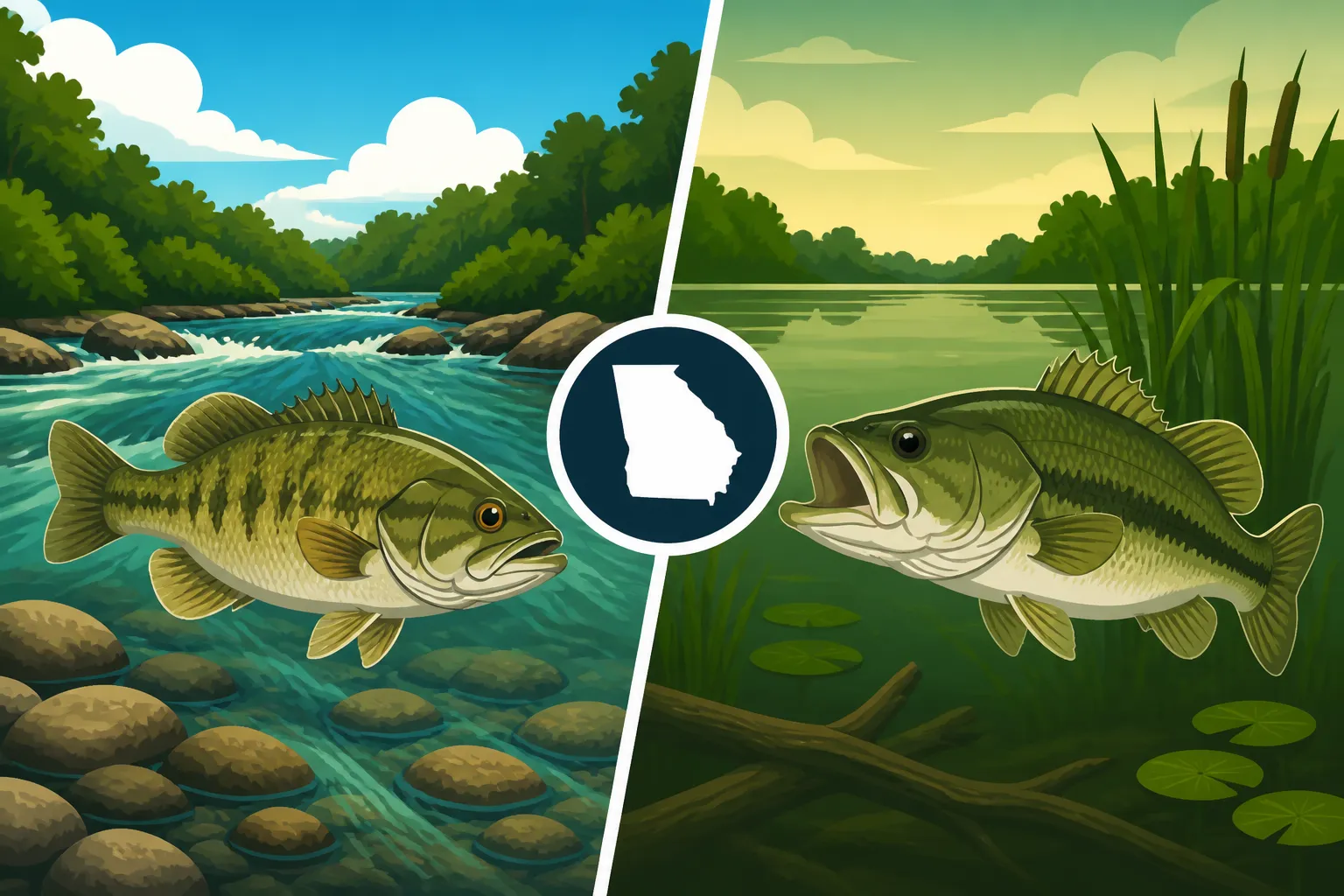
Largemouth Bass are classic residents of Georgia's sprawling reservoirs, tranquil ponds, and the slow, meandering stretches of larger rivers. They thrive in environments where the current is minimal or nonexistent, allowing them to ambush prey from cover. Think of massive impoundments like Lake Lanier, Lake Oconee, or even smaller farm ponds across the state. These are prime largemouth territory. They absolutely love calm water. Best Bass Fishing Lakes in Georgia
A largemouth bass's perfect home often features:
- Abundant Cover: Submerged timber, brush piles, docks, lily pads, hydrilla, coontail, and other aquatic vegetation are magnets for largemouth. They use these structures for ambush points, shade, and protection from predators.
- Soft Bottoms: While they'll tolerate rocky areas, soft, silty, or muddy bottoms are common in their preferred habitats, especially in areas rich with submerged vegetation.
- Varying Depths: They'll move between shallow flats, submerged humps, creek channels, and deep points depending on the season, water temperature, and time of day.
If you're fishing a vast reservoir with endless coves and flooded timber, you can bet your bottom dollar you're in largemouth country.
Behavioral Adaptations to Still Water
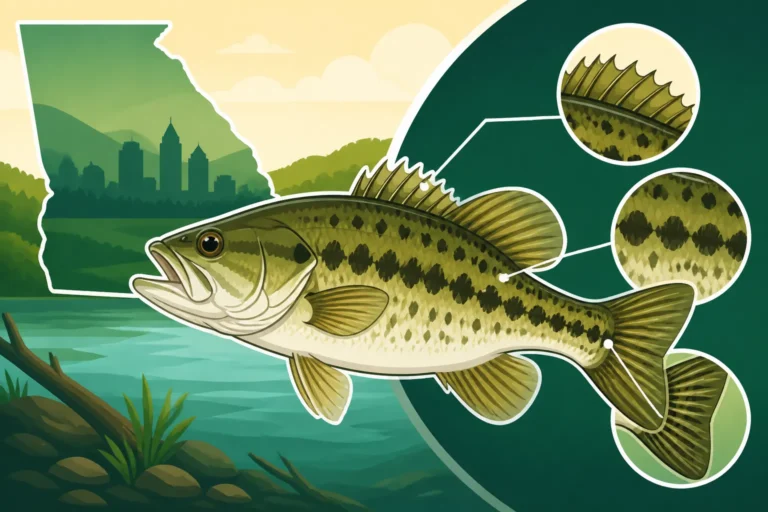
The Largemouth Bass's physical and behavioral traits are perfectly suited for these still-water environments. They have a powerful, stocky body designed for short, explosive bursts of speed, ideal for ambushing unsuspecting prey from heavy cover. Their large mouths are excellent for engulfing sizable prey, and they are opportunistic feeders, chowing down on everything from baitfish and crawfish to frogs, snakes, and even small birds or mammals if the opportunity arises.
When it comes to fishing them, these adaptations are key. You'll often find largemouth patiently waiting in the shadows of a submerged tree or tucked deep into a weed bed. They are primarily sight feeders in these clearer waters, reacting strongly to movement and vibration. This is why lures like plastic worms, jigs, spinnerbaits, and crankbaits that mimic their prey are so effective. You're trying to provoke that ambush instinct. For example, a reliable baitcasting combo from Amazon rigged with a Texas-rigged worm is a classic setup for punching through cover to reach these hiding largemouth.
Shoal Bass: Kings of the Flowing Waters
Now, let's talk about the Shoal Bass – a true gem of Georgia's rivers that often gets overlooked by anglers focused solely on their larger, lake-dwelling cousins. These fish are a completely different beast, adapted to a world of current, rocks, and rapids. Shoal Bass: Georgia's River-Specialist Black Bass
Preferred Environments: Rivers, shoals, and Rapids
Shoal Bass are river specialists, almost exclusively found in the clear, flowing waters of medium to large rivers, particularly those with strong currents and rocky bottoms. They absolutely thrive in areas with:
- Rocky Shoals and Rapids: As their name suggests, shoal bass are masters of the shoals. These areas of shallow, fast-moving water with exposed rocks, boulders, and gravel beds are their prime real estate. The oxygen-rich, turbulent water is where they hunt and live.
- Strong Current: Unlike largemouth, shoal bass prefer current. They are built to hold their position in the flow, using it to their advantage to ambush prey that gets swept past them.
- Minimal Vegetation: You won't find shoal bass hiding in dense lily pads or hydrilla. Their riverine homes typically lack extensive aquatic vegetation due to the strong current and rocky substrate. Their cover comes from underwater rock formations and fallen trees that create current breaks.
- Clear, Cooler Water: Generally, shoal bass prefer clearer water than largemouth, and they tend to be found in rivers that maintain a slightly cooler temperature.
Iconic Georgia rivers like the Flint River, especially the stretches with rocky shoals, are legendary for their shoal bass fishing. Flint River Shoal Bass Fishing Guide The Ocmulgee River also holds good populations in its upper stretches.
Behavioral Adaptations to Current
The Shoal Bass is a sleek, muscular fish, built for navigating and holding its own in moving water. They often have a torpedo-like body shape and strong fins to combat the current. Their predatory instincts are honed to target prey that struggles against the flow or hides among the rocks. They are incredibly agile and powerful, able to dart out from a current break to snatch a meal before quickly returning to their protected spot.
When fishing for shoal bass, you're looking for areas where the current creates natural eddies, seams, and breaks. These are the fish's waiting rooms. They feed on insects, crawfish, and baitfish that are carried by the current or are hiding among the rocks. Therefore, presentations that mimic these natural food sources are most effective. Think small crankbaits, jigs with soft plastic trailers, or spinnerbaits that can be worked through the current without getting hung up constantly. Gear that helps you stay in control in current, like a sturdy spinning reel or baitcaster with reliable drag, which you can easily find on Amazon, is essential. Best Rod and Reel Combo for Largemouth Bass in Georgia (While this link is for largemouth, the gear principles often cross over, especially for heavier river fishing.)
How Habitat Influences Fishing Tactics
Understanding the preferred habitats of Largemouth and Shoal Bass is not just an academic exercise; it's the foundation of effective fishing. The "where" directly impacts the "how." Trying to fish a weedless jig in a fast-moving rocky river or a shallow-running crankbait in a deep, murky lake filled with timber just won't cut it.
Matching Gear and Lures to the Environment
The biggest takeaway here is to adapt your tackle and techniques. For Largemouth, you're often thinking about presentations that can penetrate or work through heavy cover. This means:
- Weedless Rigs: Texas rigs, Carolina rigs, and weedless jigs are your best friends in vegetation.
- Topwater Lures: Frogs, poppers, and walking baits are fantastic over lily pads or shallow cover.
- Crankbaits and Spinnerbaits: These are great for covering water along contours and around submerged structures.
- Senkos and Soft Plastics: Versatile options for pitching into tight spots or slow-finessing over flats.
For Shoal Bass, your approach changes dramatically. You need lures that can handle current, bounce off rocks, and mimic riverine prey.
- Small Crankbaits: Especially those with a tight wobble that can deflect off rocks.
- Jigs with Crawfish or Grub Trailers: These imitate a staple of the shoal bass diet and can be hopped along the bottom.
- Spinnerbaits and Buzzbaits: Effective for covering water in faster current, especially in clearer conditions.
- Topwater: In certain river conditions, especially around dawn or dusk, topwater plugs can draw explosive strikes from shoal bass. Best Bait and Lures for Shoal Bass Fishing
You might even consider different rod actions and line types. For largemouth in heavy cover, a heavy-action rod with braided line helps you pull fish out of the nastiest spots. For shoal bass in rocky rivers, a medium-heavy rod with fluorocarbon or mono might give you better feel and stretch against sudden strikes and snags. You can find a huge variety of specialized rods, reels, and lines on Amazon to suit either species.
Reading the Water for Each Species
Another critical skill is learning to "read the water" for the specific species you're after.
For Largemouth Bass, reading the water means looking for:
- Transition Areas: Where shallow water meets deep water, or where different types of cover converge.
- Structure: Points, humps, ledges, old roadbeds, submerged bridges, and any man-made or natural features that break up the bottom.
- Cover: Docks, fallen trees, brush piles, and any vegetation, whether it's lily pads, hydrilla, or coontail. Look for irregularities in these patterns.
- Shade: Especially on bright, sunny days, largemouth will gravitate to shady areas.
For Shoal Bass, you're scanning for different cues:
- Current Breaks: Any boulder, log, or bank irregularity that creates a calm spot (an eddy) behind it. Shoal bass will sit in these spots, waiting for food.
- Seams: The line where fast water meets slower water. These are prime ambush points.
- Deep Pockets: Areas of deeper water within or adjacent to rapids, offering refuge and feeding opportunities.
- Submerged Rocks and Ledges: These offer cover and act as natural pathways for fish moving up and down the river.
- Confluence Points: Where smaller creeks meet the main river, often bringing in new food sources.
Understanding these visual cues is paramount. If you see vast expanses of rocky shoals with strong current, you're in shoal bass territory, so don't throw your deep-diving crankbait meant for reservoir ledges. Conversely, if you're in a calm, vegetated cove, you're not likely to find a shoal bass lurking. How Water Temperature Affects Fish Behavior and Seasonal Bass Fishing Patterns in Georgia also play a huge role, but habitat remains a constant guide.
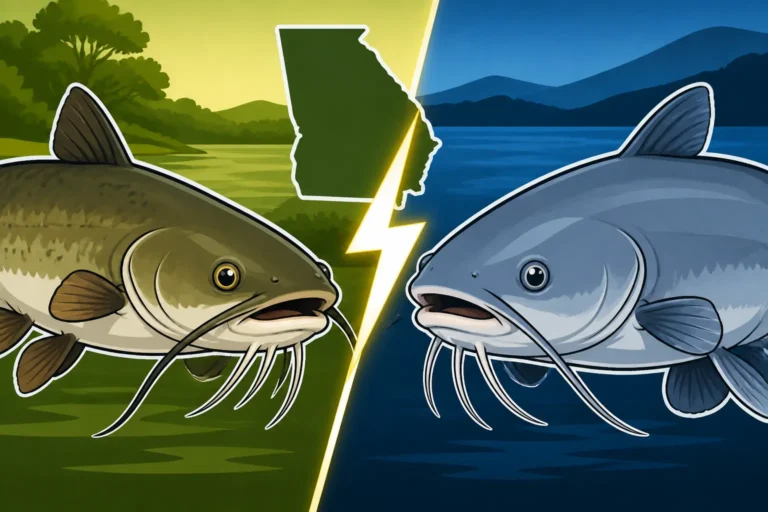
Comparing Shoal Bass and Largemouth Bass Habitats
To really drive home the differences, let's look at a quick comparison of their preferred habitats. This table isn't exhaustive, but it highlights the primary distinctions that Georgia anglers should keep in mind.
| Feature | Largemouth Bass (Micropterus salmoides) | Shoal Bass (Micropterus cataractae) |
|---|---|---|
| Primary Environment | Lakes, reservoirs, ponds, slow-moving river sections | Medium to large rivers with moderate to strong current |
| Water Flow | Prefers still or very slow-moving water | Requires moving water, thrives in strong current |
| Bottom Composition | Soft bottoms (silt, mud) often with detritus | Rocky, gravel, sand; minimal soft bottom |
| Cover Type | Abundant aquatic vegetation (hydrilla, lily pads), timber, docks, brush piles | Rock ledges, boulders, current breaks, submerged logs (but not dense vegetation) |
| Water Clarity | Tolerates a wide range, from clear to murky | Generally prefers clear water |
| Oxygenation | Does well in varying oxygen levels | Thrives in highly oxygenated, turbulent water |
| Feeding Style | Ambush predator from heavy cover | Ambush predator using current breaks and rock structures |
This table clearly illustrates why trying to apply the same tactics to both species is a recipe for frustration. Their worlds are fundamentally different, and successful anglers respect those differences.
Conclusion: Embrace the Diversity
Ultimately, the key to becoming a more successful angler in Georgia is to recognize and respect the habitat preferences of the fish you're targeting. Whether you're chasing the trophy Largemouth Bass in the sprawling impoundments or seeking the thrill of a hard-fighting Shoal Bass in a swift river, understanding their respective homes is paramount.
Don't be afraid to change your mindset, your gear, and your approach when moving from one type of water to another. The beauty of fishing in Georgia lies in its incredible diversity, offering a unique challenge and reward for every type of angler. By learning to distinguish the world of the Largemouth from that of the Shoal Bass, you'll not only catch more fish but also gain a deeper appreciation for the intricate ecosystems that make our state a true angling paradise.
Disclaimer
This article is for general informational purposes only and does not constitute professional advice. Laws, prices and regulations vary by location and change over time. Consult a qualified professional for guidance on your specific situation.