Best Bait for Striped Bass in Georgia
Trying to figure out the absolute best bait for striped bass in Georgia can feel like trying to solve a puzzle with a million pieces. These powerful fish are notorious for being finicky one day and aggressive the next, making your bait choice a critical factor in a successful outing. This guide is here to cut through the confusion and give you a comprehensive breakdown of the most effective baits and techniques to help you land those hard-fighting stripers in Georgia's diverse waters.
Understanding Striped Bass Preferences
Before we even talk about specific baits, it's crucial to understand what makes a striped bass tick. They're not like your average docile panfish; stripers are apex predators that hunt in schools and can be incredibly opportunistic. Knowing their natural habits will help you choose the right presentation, whether you're using live bait or artificial lures.
Their Natural Diet and Hunting Style
Striped bass in Georgia's lakes and rivers primarily feast on whatever baitfish are abundant in their environment. This usually means a steady diet of shad, herring, and smaller panfish. They are built for speed and power, often herding schools of baitfish into tight balls against the surface or into coves before launching a coordinated attack. This aggressive hunting style means they respond well to baits that either perfectly mimic their natural forage or trigger a strong reaction strike.
Think about it from a striper's perspective: if they see a struggling baitfish, it's an easy meal. If they see a school of baitfish scattering, they'll instinctively chase. Your job as an angler is to capitalize on these natural instincts. A bait that looks, swims, or smells like something they're accustomed to eating will always be a top contender. Understanding this baseline behavior is the foundation for selecting any successful bait or lure.
Seasonal Changes in Foraging Behavior
Just like us, striped bass have different moods and appetites depending on the season. What works wonderfully in the spring might be completely ignored in the heat of summer or the chill of winter. Their metabolism slows down in colder water, making them less willing to chase fast-moving baits, but they still need to eat. In warmer water, they're more active and can be incredibly aggressive.
During the spring, as water temperatures rise, stripers become more active and often feed closer to the surface, especially during low-light conditions. Summer heat sends them deeper, seeking cooler, oxygen-rich water, often suspending over deep channels or around thermoclines. Fall sees them back in shallower water, fattening up for winter, and winter usually means lethargic fish holding tight to structure or in deep basins. Adapting your bait and presentation to these seasonal shifts is paramount.
Top Live Baits for Striped Bass in Georgia
When it comes to consistently catching striped bass, especially the bigger ones, live bait is often king. Nothing quite imitates a natural meal like a real, swimming fish. The struggle, the scent, the visual appeal – it all adds up to an irresistible offering for a hungry striper.
Herring and Shad – The Striped Bass Staple
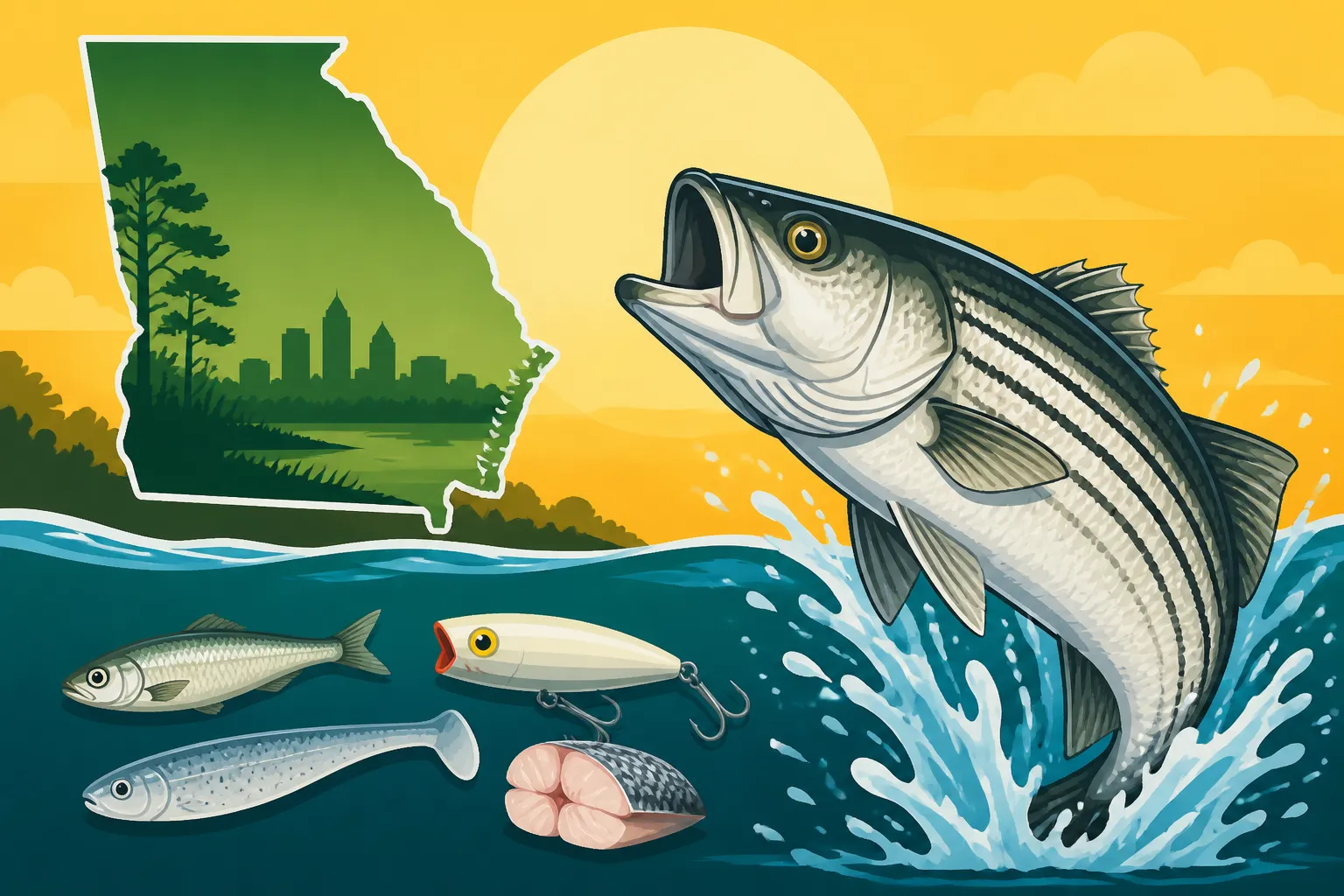
If you ask seasoned striper anglers in Georgia what their go-to live bait is, you'll hear "herring" and "shad" more often than anything else. Blueback herring are particularly potent in reservoirs like Lake Lanier and Lake Hartwell, where they form a significant part of the stripers' diet. Gizzard and threadfin shad are also excellent choices and can be found in many other Georgia reservoirs and rivers. These baitfish are what stripers are programmed to eat, and they rarely pass up an easy meal.
Acquiring live herring or shad usually means using a cast net, which can be an art form in itself. Once you have them, keeping them alive and frisky requires a good bait tank with proper aeration and filtration. A healthy baitfish is a lively baitfish, and a lively baitfish is far more likely to get noticed by a striper. Remember, the fresher and more active your bait, the better your chances of a strike. For specialized bait tank equipment or even cast nets, you can often find a good selection on sites like Amazon.
Other Productive Live Bait Options
While herring and shad are undoubtedly superstars, don't overlook other live bait options that can be incredibly effective, especially if you're fishing in waters where these primary forage species might be less abundant or harder to catch. Smaller crappie, bream (bluegill or shellcrackers), and shiners can all be excellent alternatives. These are readily available in many bait shops or can be caught with simpler methods like cane poles or small minnow traps.
The key with these alternative baits is to match the hatch as much as possible, or at least offer something appealing. A lively crappie or bream suspended over a brush pile can tempt a striper that might be holding tight to cover, reluctant to chase. Shiners are particularly easy to keep and can be very active on the hook, making them a good choice for beginners or when you need a readily available option. Just be sure to check Georgia Fish Size and Creel Limits for any regulations on using game fish as bait in certain areas.
Effective Artificial Lures for Striped Bass
Sometimes, live bait isn't an option, or perhaps you prefer the challenge and action that comes with casting and retrieving lures. Artificial lures can be incredibly effective for striped bass, especially when they are actively feeding or when you need to cover a lot of water quickly to find them. The variety of options means you can always find something to match the conditions.
Hard Baits for Reaction Strikes
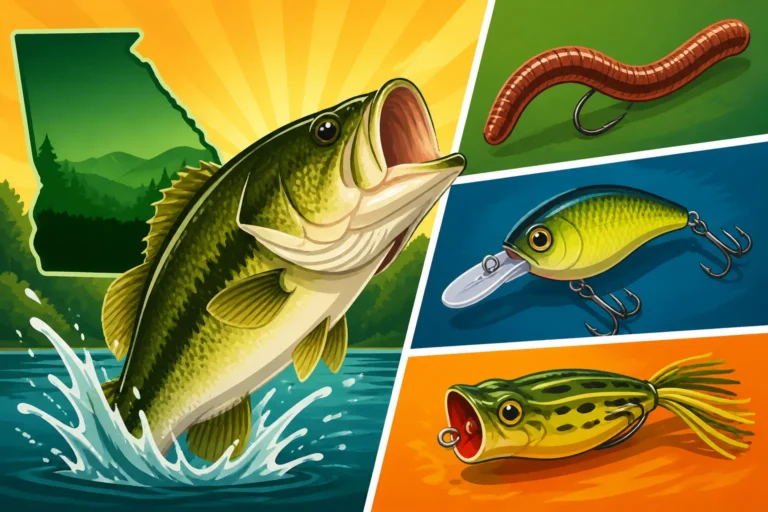
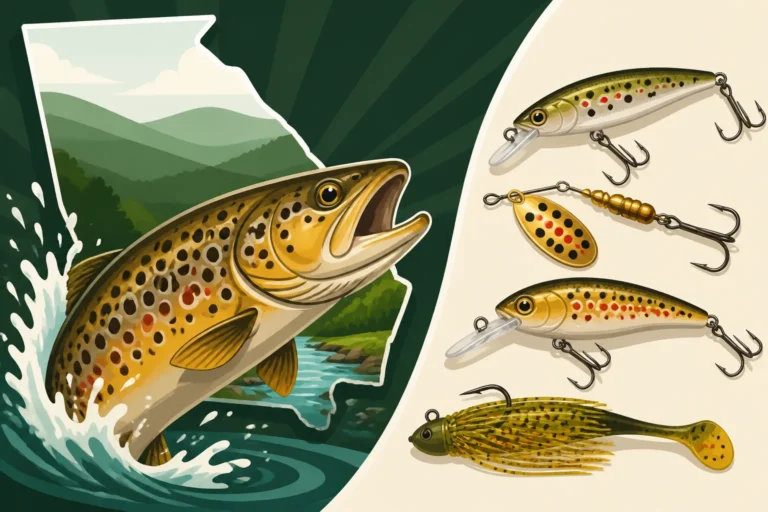
Hard baits are fantastic for triggering aggressive reaction strikes from striped bass, particularly when they're feeding on schools of baitfish. Jerkbaits are excellent for mimicking dying or wounded baitfish, with their erratic darting action. Long-casting crankbaits can cover vast amounts of water and reach different depths, making them perfect for trolling or searching for suspended schools. Topwater plugs, like poppers and walk-the-dog lures, offer thrilling surface strikes, especially during low-light conditions at dawn or dusk.
When choosing hard baits, consider colors that mimic the local baitfish (silver, white, blue) or bright, contrasting colors for murky water. Size is also important – match the size of the predominant forage. Experiment with retrieve speeds and pauses; stripers often hit on the pause or when the lure changes direction. Many popular hard bait brands, offering a wide range of colors and sizes, are easily available through online retailers like Amazon.
Soft Plastics and Jigs for Deeper Water
When stripers are holding deeper, perhaps near the bottom or suspended in the water column, soft plastics and jigs become invaluable tools. Soft plastic swimbaits, rigged on appropriate jig heads, provide a lifelike swimming action that can entice even lethargic stripers. Flukes, fished with a twitch-twitch-pause retrieve, can imitate a wounded baitfish perfectly. Bucktail jigs, often tipped with a piece of plastic or a strip of pork rind, are classic striper killers, especially when vertically jigged directly under the boat or cast and retrieved with an undulating motion.
The beauty of soft plastics and jigs lies in their versatility. You can adjust the weight of your jig head to fish at various depths, and the wide array of shapes and colors allows for precise imitation. Scented soft plastics can add another layer of attraction, especially in stained water. Just like hard baits, it's wise to have a selection of these on hand, which you can conveniently browse and purchase from places like Amazon to find the specific patterns and sizes you need. Remember, understanding Deep Water Techniques for Striped Bass can greatly improve your success with these lures.
Bait Presentation and Techniques for Success
Having the best bait in the world won't do you much good if you don't present it correctly. Striped bass are smart and wary, and a natural, enticing presentation is often the difference between a memorable catch and a frustrating day on the water.
Rigging Live Baits for Maximum Appeal
Properly rigging live bait is crucial for both its longevity and its effectiveness. For freelinig, where the bait swims naturally near the surface or in the upper water column, a single hook through the nose or lip allows the bait to swim freely and realistically. This is deadly when stripers are busting bait on the surface, especially on lakes like Lanier. When fishing deeper, using a downline rig with a weight can present your live bait right in front of suspended stripers. Hooking the bait through the back, just behind the dorsal fin, allows it to swim naturally while still being securely attached.
Another effective technique is the planner board rig, which allows you to spread out multiple lines and present baits away from the boat, covering more water. Regardless of the rig, always use sharp, strong hooks appropriate for the size of your bait and the potential size of the striper. A dull hook or one that's too small can lead to missed strikes and lost fish. For more detailed insights on presentation, check out Live Bait Rigs for Striped Bass.
Mastering Artificial Lure Retrieves
The retrieve you use with artificial lures is just as important as the lure itself. You need to impart action that mimics natural prey and triggers a predatory response. For crankbaits, a steady retrieve with occasional pauses or changes in speed can be very effective. Jerkbaits require a series of rod twitches followed by pauses, allowing the lure to suspend or slowly rise, imitating a struggling baitfish. Topwater lures often demand a "walk-the-dog" retrieve, where you twitch the rod tip to make the lure sashay back and forth across the surface.
Experimentation is key. Pay attention to how the fish are reacting. If they're aggressive, a faster, more erratic retrieve might be best. If they're more lethargic, a slower, more subtle presentation could be the ticket. Water temperature, light conditions, and the stripers' mood all play a role in what retrieve speed and style will be most effective. Don't be afraid to try different things until you crack the code for that particular day and location. It's not just about what lure you throw, but how you "make" it swim. You can find a vast array of specialized fishing lines and terminal tackle to help with these techniques on Amazon.
Here's a quick comparison of live vs. artificial options:
| Feature | Live Bait (Herring, Shad, Bream) | Artificial Lures (Crankbaits, Jigs, Swimbaits) |
|---|---|---|
| Natural Appeal | High – real scent, movement, and texture | Moderate to High – designed to imitate, no natural scent |
| Cost | Can be higher (bait acquisition, keeping equipment) | Varies (one-time purchase, reusable) |
| Ease of Use | Requires more effort to acquire and maintain | Easier to grab and go, less maintenance |
| Versatility | Good for targeting specific depths/situations | Highly versatile for various depths, retrieves, and conditions |
| Effectiveness | Often superior for larger, finicky fish | Excellent for active fish, covering water, or reaction strikes |
| Preparation | Time-consuming (cast netting, bait tank prep) | Minimal (tie on and cast) |
| Durability | Fragile, can be lost or damaged easily | Very durable, reusable for many fish |
Whether you're after those hard-hitting giants on Lake Lanier or testing your luck in another one of Georgia's great striper lakes, having a variety of baits and knowing how to present them will greatly increase your odds. Remember, the Best Time of Year for Striped Bass Fishing in Georgia will also influence which baits and techniques yield the most success. Keep exploring, keep learning, and most importantly, keep enjoying your time on the water chasing Georgia's magnificent striped bass! For more on specific fish, you might like to read Striped Bass Fishing Guide for Georgia Rivers or Hybrid Striped Bass Fishing at Lake Oconee. If you are looking to learn how to prepare your setup, check out Best Gear for Striped Bass Fishing.
Disclaimer
This article is for general informational purposes only and does not constitute professional advice. Laws, prices and regulations vary by location and change over time. Consult a qualified professional for guidance on your specific situation.