Brown Trout vs Rainbow Trout: How to Tell Them Apart
There's nothing quite like the thrill of hooking a beautiful trout in a crystal-clear North Georgia stream. But for many anglers, especially those just starting out, a common frustration crops up: telling the difference between a brown trout and a rainbow trout. They both shimmer and fight, but their subtle distinctions are important, not just for appreciating their unique beauty but also for adhering to specific fishing regulations. This comprehensive guide will walk you through the key features to help you confidently identify whether you've landed a feisty brown or a vibrant rainbow.
The Distinctive Features of Brown Trout
Brown trout ( Salmo trutta) are truly a picture of natural camouflage and robust beauty. Often considered the wariest of the trout species, they demand respect and a keen eye. Let's delve into what makes them stand out.
Coloration and Body Markings
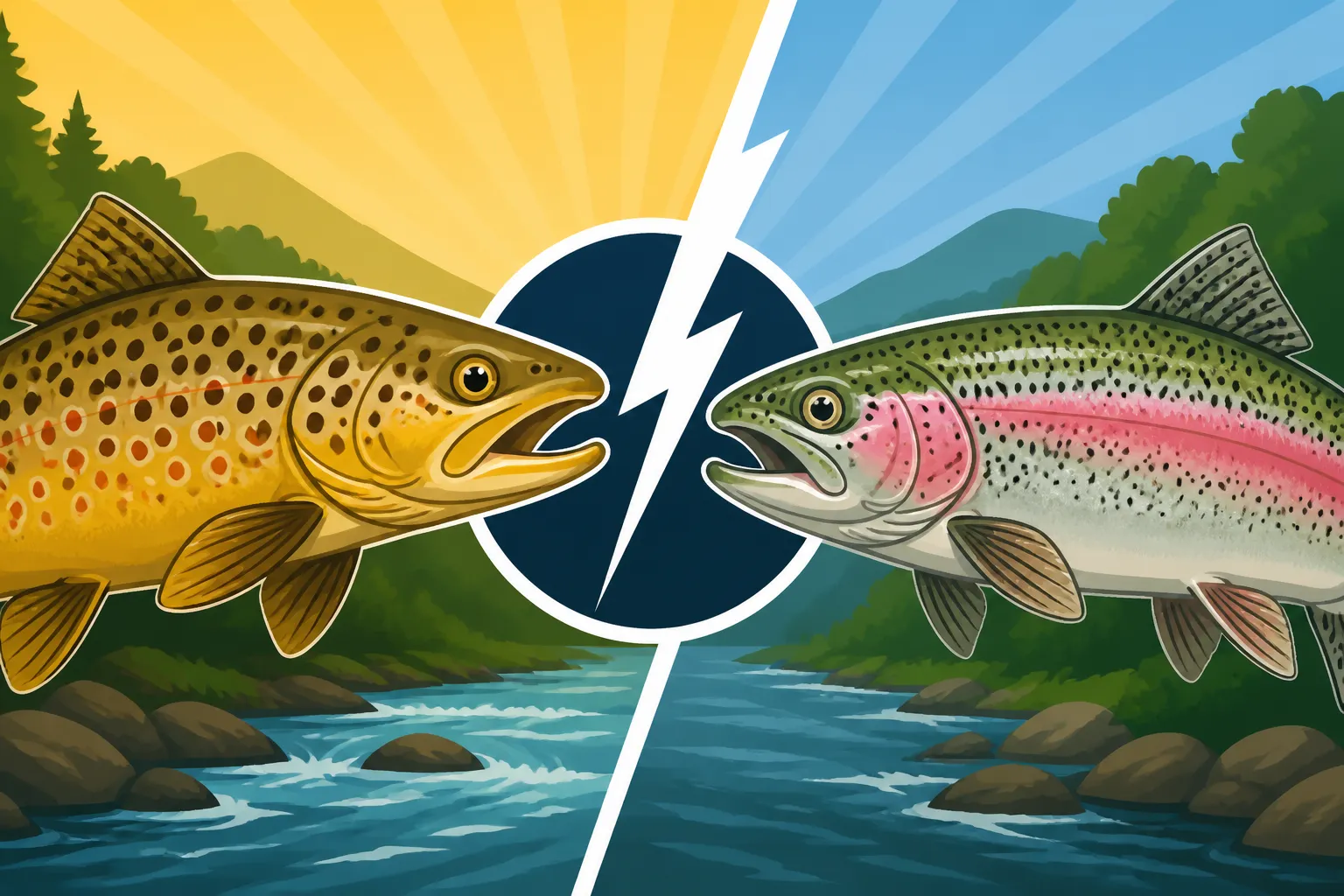
When you pull a brown trout from the water, the first thing you'll likely notice is its earthy, golden-brown to olive-green back, almost like the stream bed itself. This color subtly fades into a creamy, yellowish, or even bronze belly. But the real giveaway for browns are their spots. They typically have prominent dark spots – often black or dark brown – scattered across their sides, back, and even onto their dorsal and adipose fins.
What truly sets these spots apart, however, is that many of the dark spots on a brown trout are surrounded by a pale halo, frequently reddish or orange. Imagine tiny bullseyes painted on their flanks. These spots are usually larger and less numerous than those on a rainbow trout, and they'll often extend well below the lateral line, sometimes almost reaching the belly. The exact shade and intensity of these colors and spots can vary quite a bit depending on the specific water the fish lives in. A brown trout from a dark, tannic river might appear much darker and more richly colored than one from a clear, rocky mountain stream.
Head and Jaw Structure
Take a closer look at the head of a brown trout, and you'll often see a more aggressive, predatory appearance. Their mouth is typically larger, extending noticeably beyond the back of the eye, especially in older, larger specimens. You can sometimes even spot a formidable set of teeth inside. During spawning season, particularly in males, this jaw can undergo a remarkable transformation, developing a hooked lower jaw known as a "kype." This distinct feature is a strong indicator of a mature male brown trout, a characteristic you won't observe to the same degree in rainbow trout. This robust jaw is built for hunting, reflecting their diverse diet which often includes other fish.
Tail Fin Shape
The tail fin, or caudal fin, of a brown trout is another excellent identifier. While there can be some variation, brown trout generally have a square or only very slightly forked tail. It won't have the deep, pronounced fork that you might see on some salmon species, nor the more obviously forked and heavily spotted tail of a rainbow. The edges of the tail might appear somewhat blunt or straight across. Pay attention to the absence of heavy spotting on the tail itself; while they have spots on their bodies, they don't typically extend as profusely onto the tail fin as they do on a rainbow.
The Identifying Marks of Rainbow Trout
Rainbow trout (Oncorhynchus mykiss) are celebrated for their vibrant beauty and spirited fight. They are a beloved species for many anglers in Georgia, especially in the cooler mountain streams. Let's explore the characteristics that make them unique.
Signature Pink or Reddish Stripe
If there's one defining characteristic of a rainbow trout, it's that iconic, iridescent pink or reddish stripe running horizontally along its lateral line. This stripe, sometimes described as a "rainbow" band, can vary in intensity from a subtle blush to a brilliant, almost neon, hue. It's often most pronounced in breeding males or wild, healthy fish, truly living up to their "rainbow" name.
Beyond this vibrant streak, their backs are typically darker, ranging from an olive green to a steely blue or grayish color, often with a silvery belly. This coloration gives them a streamlined, almost metallic appearance that glistens under the sunlight. Unlike brown trout, the overall body color tends to be less golden and more silvery or steely.
Spotting Patterns
While both brown and rainbow trout are spotted, the pattern and nature of the spots on a rainbow trout are quite different. Rainbows generally have numerous, smaller, and more uniformly distributed black spots. These spots typically lack the pale or reddish halos you often see on brown trout.
Crucially, these black spots cover a much broader area of the fish's body, extending not only across their sides and back but also densely covering their dorsal fin, adipose fin, and especially their caudal (tail) fin. Often, their tail will be so heavily spotted that it looks almost speckled, a key differentiator from the generally less-spotted tail of a brown trout. The sheer density and consistent size of these spots are a strong clue.
Tail and Mouth Characteristics
When examining a rainbow trout's tail fin, you'll generally find it to be distinctly forked, often moderately so. This forked shape, combined with the heavy spotting mentioned above, makes for a very reliable identification marker. The fork isn't always as deep as, say, a sea-run salmon, but it's usually more pronounced than the typically square tail of a brown trout. You'll want to review Trout Species Compared: Rainbow vs Brown vs Brook in Georgia for even more details on these subtle differences.
As for their mouth, rainbow trout tend to have a smaller mouth compared to brown trout. The jaw typically does not extend past the eye. This gives them a somewhat "softer" or less aggressive facial profile than their brown trout cousins. This difference in jaw size often correlates with their diet, which, while varied, typically doesn't involve preying on larger fish as frequently as mature brown trout.
Habitat and Behavioral Differences That Aid Identification
Beyond their physical appearance, understanding where and how these two trout species live can provide valuable clues when you're trying to identify your catch in Georgia's diverse waters. Knowing their preferred hangouts and habits is almost like knowing their secret handshake!
Preferred Waters and Locations
Brown trout are incredibly adaptable fish, known for their resilience. While they thrive in cold, clear mountain streams, they also have a higher tolerance for slightly warmer water temperatures and lower oxygen levels than rainbow trout. This adaptability means you can find brown trout in a wider variety of Georgia's waterways. They inhabit not only the classic cool, rocky streams of North Georgia, like many stretches of the Chattahoochee River, but also some larger rivers and even the tailwaters below dams where conditions are suitable. They are often less dependent on heavy stocking programs to sustain their populations, with wild, reproducing browns found in many areas. You might find yourself fishing for them in more open river sections or even in slower-moving pools where they can ambush prey. For more specifics, check out Where to Find Brown Trout in North Georgia.
Rainbow trout, on the other hand, are generally more demanding when it comes to their environment. They prefer colder, highly oxygenated water, which is why they are predominantly found in the higher elevation streams and rivers of North Georgia. Think sparkling, swift-flowing mountain creeks that cascade over rocks. Many of Georgia's rainbow trout fisheries are sustained through active stocking programs by the state, bringing these beautiful fish to accessible locations for anglers. This means you're more likely to encounter them in heavily stocked sections of rivers, particularly during the cooler months. If you're wading a brisk, clear mountain stream, chances are high you'll be targeting rainbows. Georgia's Trout Stocking Schedule often dictates where and when you'll find an abundance of rainbows.
Diet and Feeding Habits
The differences in their preferred habitats and physical characteristics also influence their dining preferences and hunting strategies. Brown trout are incredibly opportunistic feeders, often considered the more aggressive and predatory of the two. While they certainly eat insects – both aquatic nymphs and terrestrial bugs that fall into the water – they are also known to consume larger prey. This includes small baitfish, crayfish, frogs, and even mice or other small critters that might fall into the water. This broad diet, combined with their often more nocturnal feeding habits, means they're frequently targeted with larger lures, streamer flies, or live bait that mimics their substantial meals. Their larger mouths are perfectly suited for engulfing these bigger offerings.
Rainbow trout, while also opportunistic, tend to have a diet that leans more heavily towards aquatic and terrestrial insects. Nymphs, emergers, dry flies, and small worms are often the go-to baits and lures for rainbows. They are more visual feeders and are often caught during daylight hours, keying in on insect hatches or small presentations drifting through the current. Their smaller mouths are well-suited for picking off these smaller food items. Of course, a hungry rainbow won't turn down a small minnow or pellet, especially if they are recently stocked fish, but their natural inclination is often toward insect life. Understanding these dietary preferences can even help you predict which species you might catch given your chosen bait or lure, as detailed in Best Bait for Rainbow Trout in Georgia.
Practical Tips for Anglers in Georgia
Being able to quickly and accurately tell the difference between a brown trout and a rainbow trout isn't just a fun parlor trick; it's genuinely helpful for a few reasons. Firstly, regulations can sometimes differ between species, especially regarding size and creel limits. Secondly, knowing your quarry can help you refine your techniques and bait choices for future trips.
Observing Your Catch Carefully
When you land a fish, it’s easy to get caught up in the excitement. But take a moment before releasing or keeping it. Instead of just a quick glance, consciously look at the key identification features we’ve discussed.
- Body Color and Iridescence: Is the fish generally golden-brown, or does it have more of a silvery, steely sheen? Does a distinct pink or red stripe jump out at you along its side?
- Spotting: Are the spots larger, more sparse, and do they have halos? Or are they numerous, smaller, and spread evenly, including all over the tail fin?
- Mouth and Jaw: Does the mouth extend far past the eye, giving it a more robust look? Or is it smaller, ending roughly even with the eye?
- Tail Fin: Is the tail relatively square or only slightly notched? Or is it more distinctly forked and covered in spots?
It takes practice, but by consciously going through these points, you’ll build your recognition skills. Sometimes, the fish might have a blend of characteristics, or its color might be muted by water conditions, making it tricky. In those cases, try to find the most dominant features. Remember, sometimes a visual comparison with a known image can be invaluable.
Utilizing Field Guides and Online Resources
One of the best tools an angler can have, besides a good rod and reel, is a reliable field guide. There are many excellent, waterproof guides specifically for freshwater fish of the Southeast or Georgia. These guides often have clear illustrations or photos highlighting the distinguishing features of each trout species. You can often find these types of guides easily on Amazon, or at local tackle shops.
Beyond physical guides, your smartphone can be a great resource (just make sure it's waterproof!). Many fishing apps and websites offer detailed fish identification sections. A quick search can often pull up comparison images that can help you confirm your suspicions right there on the bank. Just be sure you're getting information from a reputable source, like a state wildlife agency website.
Catch and Release Considerations
Regardless of whether you can identify your trout with 100% certainty, always prioritize ethical Catch and Release Trout Properly practices. If you're ever unsure about a fish's species, especially if it's close to a size limit or in an area with special regulations, it's always best to err on the side of caution and release it gently.
Many trout anglers in Georgia, particularly those targeting wild or native fish, practice catch-and-release by default. This ensures the health of the fishery for future generations. Minimizing handling, using wet hands, and getting the fish back into the water quickly are crucial. Learning to identify these beautiful fish helps us understand and respect the unique ecosystems they inhabit, and allows us to follow specific rules for Georgia Trout Fishing License Requirements or Georgia Trout Stream Size Limits by Creek that might apply.
Trout Identification Comparison Chart
To help you quickly differentiate between brown and rainbow trout, here's a handy comparison chart focusing on their primary identification features:
| Feature | Brown Trout | Rainbow Trout |
|---|---|---|
| Back Color | Golden-brown, olive, often mottled | Olive, blue-green, grayish, often silvery |
| Belly Color | Creamy, yellowish, bronze | Silvery or whitish |
| Lateral Stripe | Generally absent or very faint | Prominent, iridescent pink or reddish stripe |
| Body Spots | Large, sparse, dark spots (black/brown) | Numerous, smaller, uniformly black spots |
| Spot Halos | Often surrounded by pale/reddish halos | Spots generally lack halos |
| Tail Fin Spots | Few to no spots, especially on wild fish | Heavily spotted, often speckled |
| Tail Fin Shape | Square or very slightly forked | Moderately forked |
| Mouth Size | Large, jaw extends well past the eye | Smaller, jaw typically ends even with or before eye |
| Spawning Males | Develop distinct "kype" (hooked jaw) | No significant kype development |
| Fin Spots | Spots on dorsal and adipose, less on caudal | Spots on all fins, especially dorsal and caudal |
| Habitat Inclination | Tolerates warmer water, rivers, lakes, streams | Prefers colder, highly oxygenated mountain streams |
Disclaimer
This article is for general informational purposes only and does not constitute professional advice. Laws, prices and regulations vary by location and change over time. Consult a qualified professional for guidance on your specific situation.