Channel Catfish Size in Southern Reservoirs
It's incredibly exciting to head out to your favorite Georgia reservoir, dreaming of hooking into a monster channel catfish. But let's be honest, sometimes what comes to the boat is a bit… smaller than those legendary tales you hear. It can be frustrating to put in the time and effort only to reel in fish that look more like oversized panfish than the hard-fighting giants you're after. This guide is here to shed some light on what you can realistically expect regarding channel catfish size in our southern reservoirs, what influences their growth, and how you can increase your chances of finding those bigger fish.
Understanding Channel Catfish Growth in Southern Reservoirs
Channel catfish are one of Georgia's most popular sport fish, and for good reason! They're abundant, widespread, and put up a great fight. But their size can vary wildly depending on where you're fishing and what conditions they're living in. It's not just luck; there's a science to why some reservoirs produce larger fish than others.
Factors Influencing Catfish Size
Think of a channel catfish's life like a long, hungry journey. What they encounter along that journey directly impacts how big they get.
- Food Availability: This is perhaps the biggest factor. Reservoirs with an abundant and diverse food chain—plenty of smaller baitfish like shad, bream, and even crayfish, along with insect larvae and detritus—will support larger catfish. If a lake is overpopulated with catfish, competition for food can stunt growth, leading to a higher number of smaller fish. On the other hand, a reservoir with a healthy balance allows individual fish to grow much larger. For instance, a lake with a robust gizzard shad population often means well-fed catfish.
- Water Quality and Habitat: Good water quality (optimal oxygen levels, pH, and temperature) is crucial for any fish species to thrive. Reservoirs with stable conditions and varied habitats – like deep channels, submerged timber, rocky ledges, and muddy flats – provide both ample feeding grounds and secure hiding spots. Catfish, being bottom dwellers and scavengers, benefit from structures that trap food particles and offer refuge from predators, allowing them to grow undisturbed.
- Genetic Strain: While less of a day-to-day concern for the average angler, different genetic strains of channel catfish can have varying growth potentials. Some populations simply have the genes to get bigger faster than others. This is often more controlled in aquaculture settings but plays a subtle role in wild populations too.
- Fishing Pressure: Heavily fished waters might see a higher harvest rate of larger fish, leaving smaller ones to dominate the population. While Georgia anglers love to fish, consistent removal of bigger fish can certainly impact the overall average size in a particular spot. Conversely, waters with less pressure, or those managed for trophy potential, might hold more mature, larger individuals.
- Age and Longevity: Like us, fish grow throughout their lives, but their growth rate slows significantly after reaching sexual maturity. A channel catfish can live a good long while, sometimes into their teens or even twenties, especially in pristine environments. The oldest, most elusive fish are naturally the biggest.
Typical Size Ranges in Georgia's Lakes
So, what should you really expect when you drop a line in a Georgia reservoir? It's easy to get carried away by photos of massive fish, but those are often the exception, not the rule.
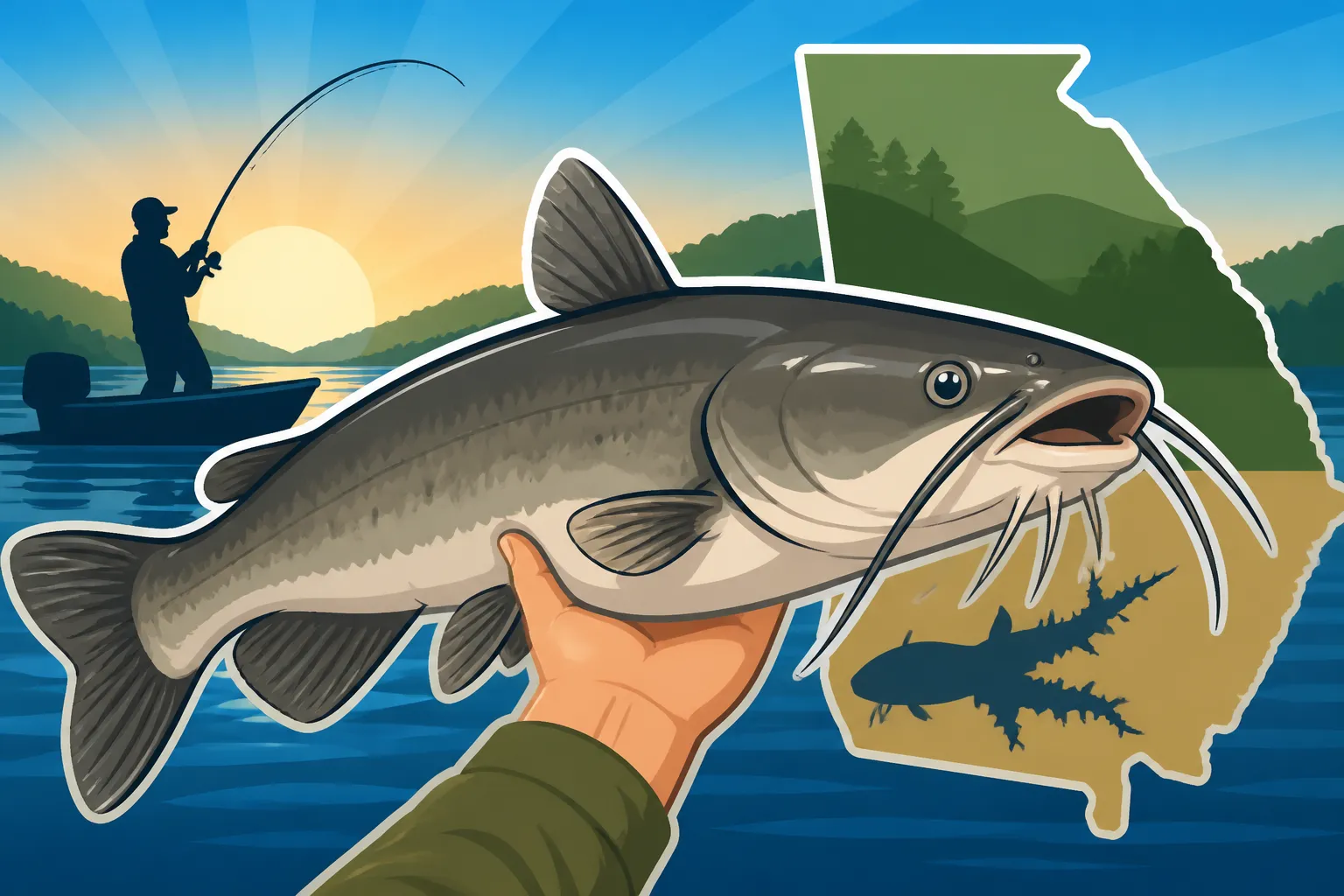
A more common catch in most Georgia reservoirs will fall into the 1 to 5-pound range. These are often healthy, vibrant fish that provide plenty of fun on the line and are excellent for the dinner table. They're typically 15 to 22 inches long, sometimes a bit more. These are the fish you'll encounter most frequently when targeting channel cats with common baits and methods. Think of Lake Sinclair or Lake Oconee; you'll regularly pull in fish of this size.
However, many reservoirs across Georgia also hold fish in the 5 to 10-pound range, which are considered good-sized cats. These can be 22 to 28 inches or even longer and offer a much more substantial fight. Targeting these often requires a bit more intentionality with gear and location. And then, there are the real giants, the 10-pound-plus fish. These are your trophy-class channel catfish, sometimes pushing 20, 30, or even 40 pounds! Fish of this caliber are generally older, wiser, and much less common. While you might hook one in a place like Lake Lanier or West Point Lake, they are truly special catches.
It's important to differentiate between average catches and those truly exceptional fish that make headlines. Most of the channel catfish you'll encounter will be of a manageable size, perfect for a casual outing and a delicious meal. But the potential for a lunker is always there, and that's part of the thrill!
The Hunt for Bigger Channel Catfish
If your goal is to land those bigger, harder-fighting channel cats, you'll need to adjust your approach. It's not just about getting a bite; it's about attracting and successfully battling mature fish. This often means upgrading your gear and understanding their preferred hangouts.
Gear and Techniques for Larger Catfish
Trying to land a 20-pound channel cat on ultralight tackle is a recipe for heartbreak. Big fish require substantial gear.
- Rods and Reels: Opt for a medium-heavy to heavy action rod, typically 7 to 10 feet long. These rods have the backbone to handle powerful runs and the leverage to turn a big fish away from snags. Pair it with a sturdy baitcasting reel or a large spinning reel capable of holding a good amount of heavy line. Many anglers find the Best Catfish Gear for Georgia Rivers and Lakes helpful when upgrading.
- Line: Forget your 8-pound test. You'll want at least 15- to 20-pound monofilament or fluorocarbon, or even heavier braided line (30- to 50-pound test) for serious trophy hunting. Braided line offers superior strength, sensitivity, and a smaller diameter, which can be advantageous in current or deep water.
- Hooks and Terminal Tackle: Larger fish have larger mouths and stronger jaws. Use stout, sharp hooks in sizes appropriate for your bait, often ranging from 4/0 to 8/0 circle hooks. Circle hooks are fantastic for catfish because they typically hook in the corner of the mouth, making for easier release and reducing gut-hooking. For rigs, a simple slip-sinker rig is a classic and effective choice. This setup allows the fish to pick up the bait and run without feeling the weight of the sinker immediately, which can be critical for wary, larger cats. You can find robust terminal tackle and other essentials for catfish fishing readily available online, perhaps even through a quick search on Amazon for "heavy duty catfish tackle."
- Baits: While smaller channel cats will eat just about anything, bigger fish often prefer heartier meals.
- Cut Bait: Shad, herring, carp, or even bream (where legal) cut into chunks are irresistible to large channel cats. The scent trail they emit is a powerful attractant.
- Prepared Baits: Stink baits and punch baits can be incredibly effective, especially formulated for strong scent. Some popular options are available from brands like Catfish Charlie or Uncle Josh, and you can often find a good selection of these on Amazon.
- Live Bait: Smaller live fish like bluegill or shad (again, check local regulations) can entice a trophy channel cat looking for a substantial meal. Just be sure your bait is lively and presented naturally.
- Techniques: Bottom fishing is king for channel catfish. Cast your bait out and let it settle on the bottom, allowing the scent to disperse. How to Bottom Fish for Catfish details this approach, which is vital for targeting bigger fish that often cruise deep channels and ledges. Consider using multiple rods spread out to cover more area and different depths.
Prime Locations and Seasons for Trophy Cats
Knowing how to fish is only half the battle; knowing where and when to fish is equally important for targeting bigger channel cats.
- Deep Channels and River Bends: In reservoirs, the old river channels that were flooded are often highways for big catfish. These deeper areas provide stability, cooler water in summer, and act as natural travel corridors. Look for bends in these channels, especially where there's a current break or structure.
- Humps, Ledges, and Drop-offs: Catfish will often patrol these underwater features, moving up to shallower flats to feed during low light and retreating to deeper water during the day. A good fish finder can be invaluable for identifying these structure changes.
- Submerged Timber and Brush Piles: These areas offer cover, ambush points for feeding, and can hold large concentrations of baitfish, which in turn attract hungry catfish. Just be prepared for snags!
- Creek Mouths and Inflows: After rains, these areas can wash in nutrients and food, creating feeding frenzies for catfish. They also often provide a current, which catfish appreciate.
- Night Fishing: Channel catfish are primarily nocturnal feeders. As the sun sets, they become more active, moving into shallower areas to hunt. Night fishing is arguably the most productive time for targeting larger channel cats. How to Catch Catfish at Night explores this in detail.
- Warm Months (Late Spring to Early Fall): While you can catch channel catfish year-round, the warmer months, particularly late spring and summer, are generally the most productive. This is when their metabolism is highest, and they are actively feeding. The pre-spawn period in late spring, when fish are bulking up before spawning, can be particularly good for catching larger, heavier females. Fall can also be excellent as they feed heavily before winter.
Setting Realistic Expectations and Conservation
While the dream of catching a massive channel catfish is what keeps many of us coming back, it's essential to have realistic expectations and to understand the role we play in conserving these incredible fish.
Average Catfish Size vs. State Records
It's easy to scroll through social media or fishing forums and see pictures of truly gargantuan channel catfish, often weighing upwards of 30 or 40 pounds. Georgia has a storied history of trophy catches, with state records that inspire awe. However, these are exceptionally rare occurrences, the result of years of growth in perfect conditions, combined with dedicated angling effort and a bit of luck.
The vast majority of channel catfish you'll encounter in Georgia's southern reservoirs will be much smaller – typically ranging from 1 to 5 pounds. These are still fantastic fighting fish and make for excellent table fare. Aiming to consistently catch fish in the 5-10 pound range is a very commendable and achievable goal for a dedicated angler. Breaking the 10-pound mark is a significant accomplishment and should be celebrated as such. Don't be discouraged if you're not pulling in giants every trip; enjoy the process, the fight, and the experience of being out on the water. Every fish is a good fish!
To truly understand what you're up against, it's worth checking out the Georgia state records for channel catfish. These fish are often caught in specific, highly productive reservoirs known for their large populations and excellent forage. But remember, the state record is called a "record" for a reason – it's the pinnacle, not the average daily catch.
Practicing Responsible Catfish Angling
As anglers, we have a responsibility to ensure healthy fish populations for future generations. This includes how we approach harvesting and releasing fish.
- Selective Harvest: For channel catfish, many experienced anglers practice "selective harvest." This means keeping the smaller, younger fish (say, under 5 pounds) for eating, as they tend to have the best flavor and texture. The larger, older fish (especially those 10 pounds and up) are often the prime breeders. Releasing these bigger fish allows them to continue contributing to the gene pool and producing more catfish. This strategy helps maintain a healthy balance in the fishery.
- Minimize Stress on Released Fish: If you decide to release a larger fish, do so carefully.
- Handle with Care: Avoid holding fish by the gills or eyes. Support their weight horizontally, especially larger fish, to prevent internal injury.
- Quick Release: Have your camera ready if you want a photo, but get the fish back in the water as quickly as possible.
- Revive if Necessary: If a fish seems sluggish, hold it gently in the water, supporting its belly, and move it back and forth to force water over its gills until it swims away under its own power.
- Know Your Limits: Always adhere to Georgia's Georgia Fish Size and Creel Limits for channel catfish. These regulations are in place to help manage fish populations and ensure sustainable fishing for everyone. You can usually find a current copy of these regulations on the Georgia Wildlife Resources Division website, or often in print at local bait shops.
- Respect the Environment: Pack out everything you pack in. Leave the fishing spot cleaner than you found it. This simple act benefits not only the fish but also your fellow anglers and the natural beauty of Georgia's waterways.
By understanding what drives channel catfish growth, equipping yourself with the right gear, and practicing ethical angling, you'll not only improve your chances of catching those impressive fish but also contribute to the long-term health of Georgia's incredible channel catfish fisheries.
Disclaimer
This article is for general informational purposes only and does not constitute professional advice. Laws, prices and regulations vary by location and change over time. Consult a qualified professional for guidance on your specific situation.