Best Kid-Friendly Fishing Ponds in Georgia
The desire to share the simple joy of fishing with children is something many of us feel deep in our bones. But let's be honest, finding that perfect spot—one that's safe, easy to access, and actually promises a decent chance of a bite for a little one—can often feel like a bigger challenge than catching the fish itself. You're trying to create cherished memories, not introduce frustration. This comprehensive guide is here to cut through the confusion and point you directly to Georgia's best kid-friendly fishing ponds, ensuring your family's next outdoor adventure is nothing short of delightful.
Why Kid-Friendly Ponds are a Game-Changer for Family Fishing
It’s easy to get caught up thinking you need a huge boat, fancy electronics, and a deep knowledge of sprawling reservoirs to truly go fishing. But when you’re bringing kids along, especially younger ones, that's often the exact opposite of what you need. Kid-friendly ponds offer a wonderfully low-stress, high-reward environment that sets everyone up for success. They are designed with accessibility and enjoyment in mind, making them perfect for those first, foundational fishing experiences that can spark a lifelong passion for the outdoors.
Safety First: Calm Waters and Gentle Shores
One of the biggest worries for any parent near water is safety. Large lakes and rivers, with their unpredictable currents, heavy boat traffic, and often steep or slippery banks, can be a constant source of anxiety. Kid-friendly ponds, on the other hand, typically feature calm, shallow waters and easily accessible, gently sloping banks or well-maintained fishing piers. This means significantly less worry about strong currents or sudden drop-offs, allowing you to relax a bit more and focus on teaching your child how to cast and reel. These controlled environments often have fewer inherent hazards, letting kids explore a little without venturing into dangerous territory. The peace of mind that comes from knowing your little angler is in a safe, manageable spot is truly invaluable, and it allows for a much more enjoyable and focused day for everyone involved.
Easy Access and Amenities for Little Anglers
Imagine trying to wrangle kids, multiple tackle boxes, a cooler full of snacks and drinks, and all the associated gear across a rugged, uneven shoreline just to find a suitable fishing spot. It's enough to make anyone want to stay home! Kid-friendly ponds are usually designed to minimize these logistical headaches. They often boast paved parking areas located conveniently close to the water's edge, easily accessible and clean restrooms, plenty of picnic tables for lunch breaks, and sometimes even playgrounds for when the wiggles set in. Many even feature designated Shore Fishing Access Points in Georgia that are specifically designed for ease of use. These thoughtful amenities make a world of difference when you're managing small children, ensuring that comfort breaks are simple, and there's a comfortable place to refuel and recharge without having to pack up everything and trek miles away. This focus on convenience ensures that the entire family can have a comfortable and stress-free day, from the moment you arrive until it’s time to head home.
The Thrill of the Catch: High Success Rates
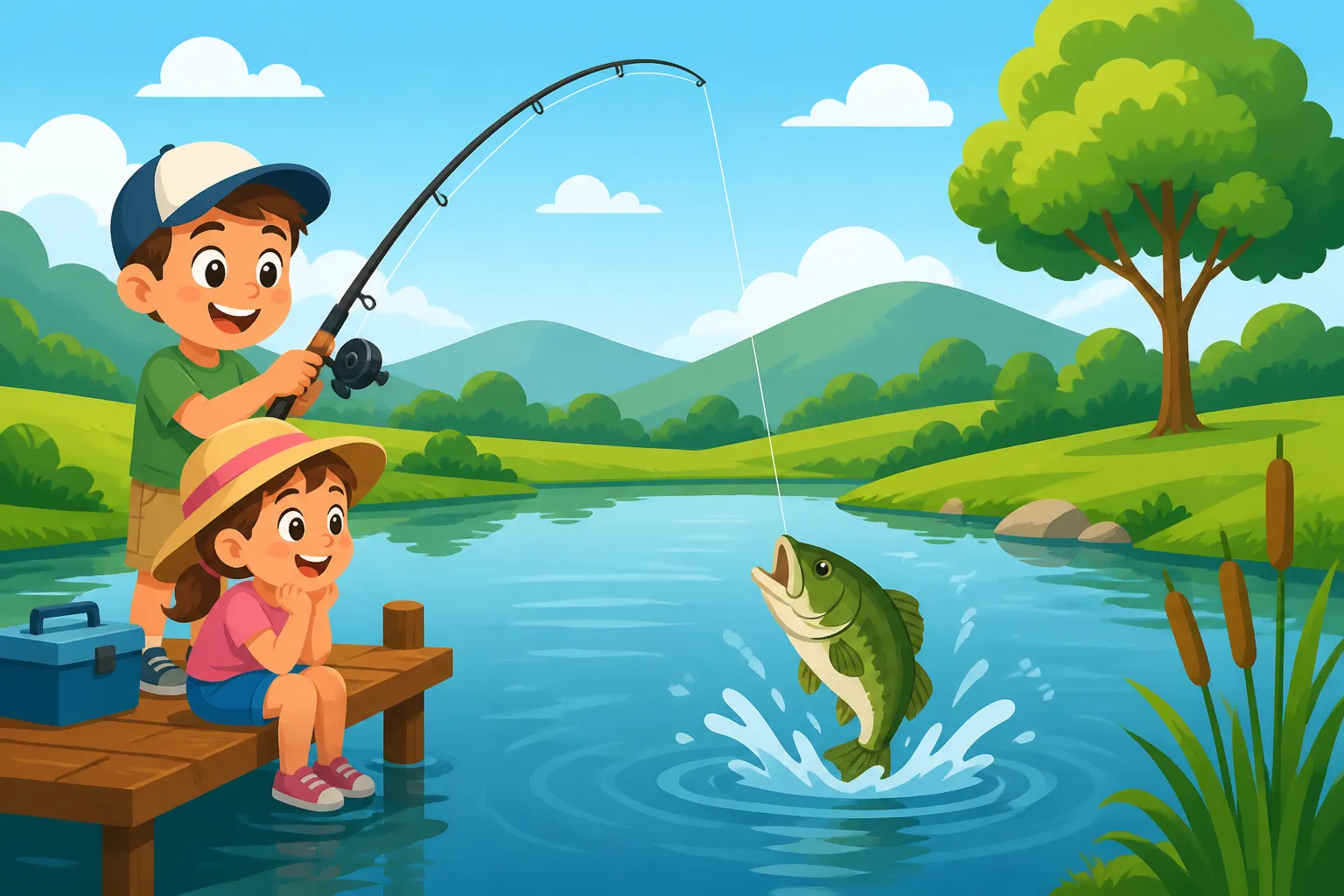
Let's be real: for kids, fishing isn't just about the peace and quiet; it's about the excitement of catching fish! The magic of that first tug on the line, the sheer joy of reeling in a bluegill or a small bass, is what truly hooks them for life. Kid-friendly ponds are often actively managed by agencies like the Georgia Department of Natural Resources (DNR) or local parks departments to ensure a healthy and abundant population of panfish like bluegill, shellcrackers, and catfish, which are known to be enthusiastic biters. These ponds are frequently stocked, especially at Georgia's Public Fishing Areas (PFAs), meaning there’s a much higher chance of consistent action and plenty of bites. This greatly increases the odds of a successful outing, and nothing beats the look of pure wonder and triumph on a child's face when they land their first fish, no matter how small it might be. A high catch rate keeps their attention and enthusiasm high, laying the groundwork for a lifelong love of the sport and providing ample opportunities to catch the Easiest Fish for Kids to Catch.
Top Picks: Georgia's Best Kid-Friendly Fishing Ponds
Georgia is absolutely blessed with a fantastic array of fishing opportunities, and many of them are tailor-made for families. Forget the hustle and bustle of massive lakes; we're talking about dedicated spots where the focus is on ease, accessibility, and, most importantly, providing a great chance for your kids to catch fish. These places truly shine when you're introducing a child to the wonderful world of angling.
Public Fishing Areas PFAs for Guaranteed Fun
Georgia's Public Fishing Areas are absolute gems, often managed specifically to provide quality bank fishing and small boat access, with a strong emphasis on family-friendly experiences. They are consistently stocked with a variety of species, making them prime locations for kids to get some bites. One fantastic example is Marben Farm PFA in Jasper County, part of the Charlie Elliott Wildlife Center near Mansfield. It boasts numerous ponds, some of which are specifically designated for youth or offer enhanced fishing opportunities for smaller fish like bream and catfish. These locations frequently feature accessible docks, clean restrooms, and paved parking, making the logistics incredibly simple for families. Another excellent choice is McDuffie PFA near Thomson, which features several ponds teeming with bass, bream, and catfish, complemented by excellent bank access and fishing piers. These PFAs are meticulously managed by the Georgia DNR, meaning you can expect healthier fish populations and a significantly better chance for your kids to feel that exciting tug on the line. Before heading out, always check the specific PFA's rules, as some might have special youth-only fishing days or specific creel limits. You can find comprehensive details about these managed areas and many others through the Georgia DNR website, or by looking up Georgia Fishing Regulations Explained.
State Parks: Nature, Fun, and Fish
Many of Georgia's beautiful state parks offer fantastic fishing opportunities that are perfect for families, often combining a fishing trip with other engaging outdoor activities like hiking, picnicking, or even camping. Think of it as a whole adventure rolled into one convenient package! High Falls State Park near Jackson, for instance, has a lovely lake where kids can fish for crappie, catfish, and bass from the bank or from easily accessible rental boats. It’s not just about the fishing; you’re surrounded by stunning natural beauty, and there are often playgrounds nearby for burning off extra energy. Similarly, Fort Yargo State Park in Winder offers a sizable lake with good bank access and boat rentals, making it easy for beginners to get out on the water. These parks usually feature well-maintained facilities, including clean restrooms, inviting picnic areas, and sometimes even educational visitor centers. The tranquility and natural beauty of these settings create an ideal backdrop for a truly memorable family outing. For a deeper dive into the array of choices, be sure to check out our dedicated guide on Georgia State Park Fishing Spots. As with any outdoor excursion, it’s always a good idea to check the park's specific fishing regulations and amenity availability before your visit.
Local Community Ponds: Hidden Gems
Sometimes, the best fishing spots are the ones closest to home, tucked away in local communities. Many towns and counties across Georgia maintain small fishing ponds within their public parks, specifically designed for public use and often periodically stocked to ensure good fishing. While these ponds might not always receive as much fanfare as the larger state-managed areas, their proximity and ease of use can be huge advantages. For example, local parks in thriving communities like Alpharetta, Marietta, or Peachtree City often have small ponds that are incredibly easy to access, perfect for a quick afternoon trip after school or on a lazy weekend. These spots usually hold a healthy population of panfish, making them ideal for kids just learning the ropes of fishing. While they might not have all the bells and whistles of a large PFA, their convenience and local charm are undeniable. Sometimes these hidden gems are so close, you can practically walk to them. A quick search on your specific county's parks and recreation website can often reveal some fantastic local options. And if you're ever looking to explore further afield or need specific local insights, services like FishingBooker can sometimes help connect you with local guides who are intimately familiar with these lesser-known, family-friendly fishing holes, offering a unique perspective on local opportunities.
Gear and Techniques for Little Hands
Getting kids into fishing doesn't require a massive investment in high-tech gear or advanced skills. In fact, keeping it simple is often the best approach to ensure they have fun and don't get overwhelmed. The goal is to make the experience accessible and enjoyable, focusing on the shared moments and the pure joy of being outdoors, rather than solely on landing a trophy fish.
Simple Setups: Rods, Reels, and Bait
When you're out with the little ones, simplicity is truly your best friend. Skip the complicated baitcasters and finesse rigs. A basic spincast rod and reel combo, often affectionately called a "push-button" reel, is absolutely perfect for beginners. They're incredibly easy for small hands to operate, significantly minimizing frustrating tangles and snags. A lightweight rod, typically around 4 to 5 feet in length, is ideal, allowing them to handle it comfortably without getting tired quickly. For line, 6 to 8-pound monofilament is usually more than sufficient for the panfish and small bass they'll encounter. As for bait, you truly can't go wrong with the classics. Earthworms, crickets, or even small pieces of hot dog or corn work wonders for catching eager bream and bluegill. These baits are readily available, relatively inexpensive, and consistently irresistible to the common panfish found in kid-friendly ponds. A small hook (size 8 or 10) and a bobber will complete the essential setup. The bobber is especially crucial as it provides a clear visual cue when a fish bites, which is an incredibly exciting moment for kids. Learning How to Rig a Bobber for Bream is a fundamental skill that will serve them well. Don't forget a small pair of pliers or a hook remover to make unhooking easier and safer for everyone involved.
Patience and Play: Keeping Kids Engaged
Let's face it, kids often have shorter attention spans than adults. While we might enjoy the quiet contemplation and solitude of fishing, they frequently need more action and stimulation! It's vital to manage expectations – both yours and theirs. Don't go into it expecting to fill a cooler; instead, go in with the primary goal of having fun and making memories. If the bites are slow, have a backup plan ready. Bring along a frisbee, a nature scavenger hunt list, a drawing pad, or even just some extra fun snacks to break up the waiting periods. The act of simply being outdoors and spending quality time together is often just as important, if not more so, than the fishing itself. Teach them how to cast, even if it's just practicing on the grass before you get to the water. Explain what the bobber does and the thrilling anticipation of waiting for it to dip. Talk about the different kinds of fish you might catch. Celebrate every nibble, every missed bite, and definitely every single catch! It's all about building positive associations with fishing and the outdoors. Even if they only actively fish for 30 minutes, if those 30 minutes were full of laughter, wonder, and excitement, you've achieved a huge win. Our guide on How to Teach a Kid to Fish for Bluegill has some fantastic tips for making the experience engaging and educational.
Essential Safety Gear and Comfort Items
Fishing with kids isn't just about rods and reels; it's equally about ensuring their comfort and safety. Even in the calmest of ponds, a properly fitted life jacket is a non-negotiable item, especially for younger children or those who aren't strong swimmers. Make sure it's Coast Guard-approved and fits snugly without riding up. Sun protection is equally important in Georgia's often strong sun. Wide-brimmed hats, sunglasses, and plenty of sunscreen should be standard issue for everyone. Pack a cooler full of water, juice boxes, and easy-to-eat snacks to keep energy levels up. A small, well-stocked first-aid kit for minor scrapes, bug bites, or hook pokes is always a smart addition. Bug spray is practically a necessity, especially during warmer months or at dawn/dusk. Remember to bring a towel or two, maybe a change of clothes, and a plastic bag for any wet items or trash. A comfortable camp chair for you and a small, portable stool for them can make a huge difference in overall enjoyment, preventing tired legs and helping them stay focused. Being prepared for anything will allow you to address minor issues quickly and keep the fun flowing. Consider some of the recommendations in our article on Best Gear for Bank Fishing in Georgia to round out your comfort and safety kit.
Planning Your Family Fishing Adventure
A successful family fishing trip, especially when children are involved, often comes down to thoughtful preparation. It’s not just about showing up with a rod and bait; it’s about setting the stage for a wonderful, low-stress experience that everyone will enjoy. A little bit of forethought can truly transform a good day into an unforgettable one.
Checking Regulations and Licenses for the Whole Family
This is a big one, folks, and often overlooked! Nothing puts a damper on a fun day faster than realizing you're not legal. In Georgia, everyone aged 16 and older needs a valid fishing license. This crucial requirement includes adults who are accompanying children, even if the adults aren't actively casting a line themselves. Children under 16 generally do not need a license, which is a fantastic perk for family outings and helps keep costs down. However, it's always best practice to double-check the very latest regulations, as rules can occasionally change. If you're planning on trout fishing in specific mountain streams, an additional trout stamp might be required for those over 16, even in some ponds that are stocked with trout. Make sure you understand the specifics of Do Kids Need a Fishing License in Georgia? before you head out. Getting your Georgia Fishing License Guide online through the Georgia Department of Natural Resources website (GoOutdoorsGeorgia.com) is usually quick and easy. They also offer a handy mobile app, which allows you to keep your license right on your phone! Don't forget to check for any specific pond rules, such as catch-and-release only policies or special size and creel limits, which are often clearly posted at the site or readily available on the DNR website. Also, while unlikely for most ponds, remember that if you plan to venture into saltwater, a Georgia's Free Saltwater Fishing Permit is typically required for those 16 and older, even if it's free.
Best Times to Go and What to Expect
Timing can truly make a significant difference in the success and enjoyment of a fishing trip, especially with kids in tow. Generally, the early morning or late afternoon are the best times to fish in Georgia, as fish tend to be more active during these cooler periods. The harsh midday sun can make fishing tougher due to lower fish activity and can also be less comfortable for little ones, increasing the chance of sunburn and dehydration. Weekdays are typically less crowded than weekends at popular spots, offering a more peaceful and relaxed experience. When planning your outing, consider the season too. Spring and fall often provide excellent fishing conditions with moderate temperatures. Summer can still be productive, but it's crucial to stick to the early or late parts of the day, carefully avoiding the scorching midday heat. In winter, while some panfish might be less active, catfishing can still be quite good in many ponds.
When you head out, expect the unexpected! Kids can be wonderfully unpredictable. They might get bored quickly, get a hook stuck in a tree, or suddenly decide they'd rather chase butterflies. The key is to roll with it and remain flexible. The goal isn't necessarily to catch a cooler full of fish, but rather to create positive memories, foster a love for the outdoors, and enjoy quality time together. If they only actively fish for 15 minutes but have an absolute blast, that's a huge win in itself! Our guide on Best Time of Day to Fish for Crappie has some general insights on fish activity patterns that can often apply to other species found in these ponds. Learning How to Fish From the Bank Effectively during these optimal times can greatly improve your chances.
Making it an Educational and Memorable Experience
Fishing with kids is a fantastic, hands-on opportunity for learning and discovery that extends far beyond just catching fish. Take the time to talk about the different types of fish you might encounter – teach them how to identify a bluegill versus a small bass, for instance. Discuss their habitat, what they eat, and why they might bite certain baits at different times. This can be a great chance to talk about why you're using the Best Bait for Bream Fishing. Teach them about responsible catch-and-release practices if you're not planning to keep fish, emphasizing gentle handling and how to safely return a fish to the water. This instills respect for nature and conservation from a very young age.
Bring a camera (or simply use your phone!) to capture those priceless moments: the intense concentration on their face, the triumphant smile with a small but mighty catch, the pure wonder of being outdoors. These photos will become cherished family memories for years to come. Consider bringing a small notepad and pencil for them to draw what they see, or to jot down how many fish they caught – it can turn into a fun tally! Turn the entire outing into an adventure, a story, a shared experience that goes far beyond just the act of fishing itself. Who knows, this very trip might just be the spark that ignites a lifelong passion for angling and the great outdoors!
| Kid-Friendly Fishing Spot Example | Location (Nearest City) | Primary Fish Species | Key Amenities for Families | Notes for Families |
|---|---|---|---|---|
| Marben Farm PFA (Charlie Elliott Wildlife Center) | Mansfield (near Shady Dale) | Bream, Bass, Catfish | Restrooms, picnic areas, youth fishing ponds, designated bank access, boat ramps, visitor center | Multiple ponds, some specifically managed for youth fishing. Very well-maintained facilities and abundant fish. |
| Fort Yargo State Park Lake | Winder | Bream, Bass, Crappie, Catfish | Restrooms, picnic areas, playgrounds, boat rentals (kayak, canoe), swimming beach, camping | Great all-around state park experience. Offers good bank access and additional activities beyond fishing. |
| McDuffie PFA | Thomson | Bream, Bass, Catfish | Restrooms, picnic areas, fishing piers, paved parking, boat ramps, accessible trails | Several ponds with consistent stocking by DNR. Excellent bank fishing opportunities from piers and shore. |
| Little Mulberry Park Lake | Dacula | Bream, Bass, Catfish | Restrooms, playgrounds, walking trails, bank access, dog park | A fantastic local park option for Gwinnett residents. Smaller scale but very convenient and well-maintained. |
Disclaimer
Fishing regulations and environmental conditions in Georgia can change rapidly. Always consult the Georgia Department of Natural Resources (DNR) official website (GoOutdoorsGeorgia.com) or local park authorities for the most current rules, license requirements, and any advisories or closures before heading out on your fishing adventure. Your safety and adherence to regulations should always be your top priorities.