Best Fishing Spots on the Savannah River, Georgia
Navigating Georgia's vast waterways can sometimes feel like trying to find a needle in a haystack, especially when you're looking for that perfect fishing spot that truly delivers. The Savannah River, in particular, offers such a diverse range of environments that knowing where to drop your line can be overwhelming. This comprehensive guide is designed to cut through the confusion, offering you an in-depth look at the prime fishing locations along the Savannah River, from its freshwater beginnings to its salty embrace with the Atlantic.
Understanding the Savannah River Fishery
The Savannah River isn't just one type of fishery; it's a dynamic, sprawling system that transforms as it flows from the Appalachian foothills to the coast. This incredible diversity is what makes it such a remarkable destination for anglers, but it also means you need to understand its various personalities to fish it effectively.
From Mountains to Marsh: The Diverse Ecosystem
Picture this: you start up near the headwaters, where the river is a relatively narrow, fast-flowing stream, hinting at the clean, cool waters often associated with trout fishing. As it journeys south, the river widens, slows, and becomes a major interstate boundary, picking up nutrients and sediment, transforming into a rich freshwater environment supporting robust populations of warmwater species. Then, as it approaches the coast, the tides begin to assert their influence, mixing fresh water with salt, creating a brackish estuary teeming with different life forms. Finally, it spills into the Atlantic, opening up coastal and inshore opportunities. This journey of transformation means that depending on where you are on the river, you'll encounter completely different fish species and fishing challenges. It’s like fishing a dozen different rivers all rolled into one magnificent waterway!
Key Species to Target in the Savannah River
Given the river's incredible diversity, the species you target will largely depend on which section of the river you're exploring. Knowing what’s biting where is half the battle won, right?
In the upper and middle freshwater stretches, especially around areas like Augusta, you're looking at prime black bass territory. Largemouth bass are abundant, and you'll find plenty of feisty spotted bass, too. These areas also hold an impressive number of catfish, including channel catfish, blue catfish, and even some hefty flathead catfish, providing fantastic opportunities for anglers who love a strong fight. Panfish like bluegill and other bream species are also plentiful, making for excellent family-friendly fishing.
As you move downstream, closer to the coast and into the tidal freshwater and brackish zones, the species mix changes. Here, you'll still find largemouth bass in certain backwaters, but the big draw becomes striped bass. These powerful fish migrate upriver, offering thrilling action, especially during cooler months. This is also where you'll start to encounter classic coastal species like redfish (red drum), spotted seatrout, and flounder, particularly in the lower estuary and tidal creeks that feed into the main river channel. For those looking for a diverse angling experience, the Savannah River truly delivers. If you're curious about specific regulations, be sure to check out our Georgia Fishing Regulations Explained guide.
Top Freshwater Fishing Spots and Access Points on the Savannah River
Let's dive into some of the specific sweet spots in the Savannah River's freshwater domain. This is where many Georgia anglers cut their teeth and often return for the consistent action.
Upper River: Augusta and Beyond
The area around Augusta, Georgia, is a major hub for upper Savannah River fishing, offering a fantastic blend of urban accessibility and productive waters. The river here is wide and navigable, providing ample opportunities for both boat and bank anglers.
One of the most well-known areas is the stretch of river directly below the Augusta Lock and Dam. The constant flow of water and varied bottom structure create ideal conditions for a multitude of species. You'll find excellent populations of largemouth bass here, often holding around submerged timber and current breaks. It's also a hotspot for channel and blue catfish, especially during the warmer months when they become more active. The Augusta Canal, a historic waterway that parallels the river, offers unique bank fishing opportunities for bass and panfish in a more controlled, often quieter environment. Public boat ramps like those at the Augusta Marina or Riverfront Park make launching your boat fairly straightforward, though weekend crowds can be substantial. For those who prefer to fish without a boat, many sections of the riverfront parks provide good bank access, allowing you to cast from shore or one of the many fishing piers. It’s a great place to spend a day, whether you're targeting a trophy bass or simply enjoying catching bream with the family.
Middle River: Between Augusta and the Coast
As the Savannah River flows south from Augusta, the landscape gradually shifts, and with it, the fishing opportunities. This middle stretch, less densely populated than the urban areas, offers a more serene and often highly productive fishing experience, particularly for those willing to explore a bit.
This section is characterized by extensive swamps, oxbow lakes, and tributary creeks that feed into the main river channel. These backwater areas are absolute havens for largemouth bass and various panfish. The slower currents and abundant cover, such as cypress trees, lily pads, and fallen timber, provide perfect ambush points for bass. Anglers often find success by venturing into these quieter sloughs and creeks, either by small jon boat, kayak, or even by carefully wading in some areas. Catfishing remains strong throughout this middle section, with both channel and blue catfish readily available. Look for deeper holes and river bends where these whiskered giants tend to congregate. While specific public access points are less frequent than near Augusta, several smaller, informal ramps exist, and some state and county parks along this stretch offer boat launches and limited bank access. Exploring this often-overlooked middle section can lead to some truly memorable catches, especially if you're looking to escape the crowds. Remember to bring a good map and be aware of private property boundaries.
Exploring the Savannah River's Tidal and Saltwater Opportunities
The lower Savannah River presents a whole new world of angling, where freshwater species give way to brackish and saltwater inhabitants, and the tides dictate much of the fishing action.
Savannah City Front and Estuary Fishing
The iconic city of Savannah sits right on the estuary, and the river here is a dynamic mix of fresh and salt water, creating a unique fishing environment. This is where the big migratory striped bass often make their appearance, pushing upriver from the ocean. Targeting these powerful fish can be exhilarating, requiring heavier tackle and sometimes live bait presentations.
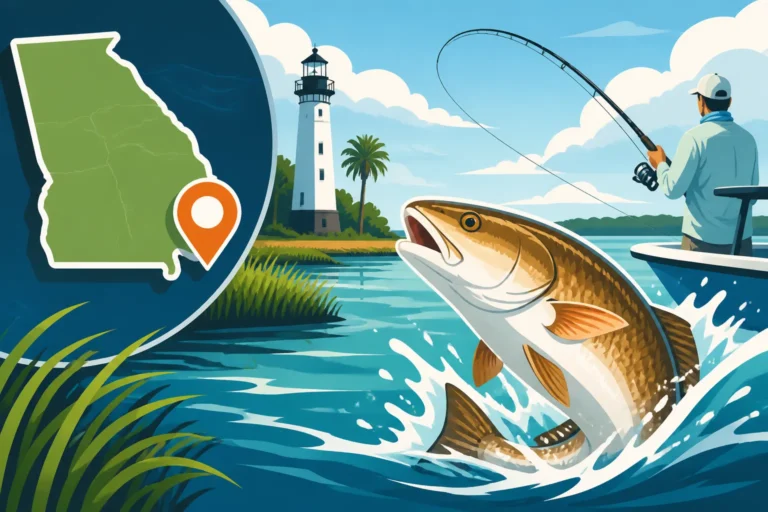
Beyond stripers, the Savannah estuary is renowned for its inshore saltwater species. Redfish, with their distinctive tail spots, are a primary target, often found foraging in the shallow marsh grass or around oyster beds. Spotted seatrout, known for their aggressive strikes, are also plentiful, especially around current breaks and structures. Flounder, masters of camouflage, lie in wait on the sandy or muddy bottoms. Many anglers find success fishing from the various public piers and docks dotting the Savannah Riverfront, or from the numerous access points along the smaller creeks and rivers that merge with the main channel. For those who prefer a guided experience, hiring a local charter is an excellent way to navigate these complex tidal waters and increase your chances of success. Websites like FishingBooker can be incredibly helpful for finding experienced local captains who know the estuary like the back of their hand. They can take you to the best spots for species like redfish or even help you hook into a bull drum during the right season. If you're ever in the area, be sure to check out the fishing opportunities near the Talmadge Memorial Bridge – it’s a striking landmark and a known fishing area.
Lower River and Coastal Marsh Access
Beyond the immediate city of Savannah, the river continues its journey, widening considerably and intertwining with an expansive network of coastal marshes and barrier islands before finally meeting the Atlantic. This vast area offers incredible opportunities for true saltwater and inshore fishing.
Here, the focus is squarely on species adapted to salty environments. Redfish are abundant, often found in large schools, particularly during cooler months. You can target them by sight fishing in the shallow marsh flats on an incoming tide or by casting lures and live bait around creek mouths and oyster reefs. Spotted seatrout are another favorite, often schooling up in deeper channels or ambushing baitfish around submerged structures. Flounder can be found tucked into sandy depressions near oyster beds or jetties. Access to these areas is primarily by boat, with numerous public boat ramps available along the coast. Ramps near Tybee Island, Thunderbolt, or Fort McAllister are popular choices, providing quick access to the sounds, creeks, and the main Savannah River channel. Exploring these tidal creeks and Spartina grass flats is a quintessential Georgia coastal fishing experience. Charters are also popular here, and you can easily find guides specializing in different species through services like FishingBooker, ensuring you get on the water with someone who knows these intricate waters best. Remember, if you're venturing into saltwater, you'll need the appropriate permits; our guide to the Georgia Saltwater Information Permit Explained can help you understand the requirements.
Essential Tips for Fishing the Savannah River
Fishing a river as extensive and varied as the Savannah requires a bit of forethought and the right approach. From understanding the currents to choosing your gear, these tips will help you make the most of your time on the water.
Navigating the River: Safety and Regulations
The Savannah River, especially its lower reaches, is a significant commercial waterway, and safety should always be your top priority. Large container ships and barges regularly traverse the shipping channel, particularly near the Port of Savannah. Always maintain a watchful eye, be aware of their immense wake, and give them a wide berth. In the tidal sections, understanding the ebb and flow of the tide is critical, not just for fishing success but for safe navigation. Strong currents can develop, making boat control challenging, especially in smaller craft. Always check tide charts before heading out.
Beyond safety, staying compliant with Georgia's fishing regulations is paramount. Different size and creel limits apply to various species, and these can sometimes vary between freshwater and saltwater zones. For instance, bass fishing often has statewide and sometimes reservoir-specific limits, while saltwater species like redfish and trout have their own distinct regulations. Always carry your valid fishing license and be familiar with the current rules. Our comprehensive guide on the Georgia Fishing License Guide is an excellent resource for understanding all the requirements. For many saltwater species, you'll also need to be aware of the Georgia's Free Saltwater Fishing Permit requirements, which, while free, are still mandatory.
Best Baits, Lures, and Techniques
The diverse nature of the Savannah River means there's no single "best" bait or lure; it all depends on what you're targeting and where.
For freshwater bass in the upper and middle river, a variety of artificials work well. Plastic worms rigged Texas-style, spinnerbaits, crankbaits, and topwater lures can be incredibly effective, especially around visible cover like fallen trees and docks. Live shiners or shad can also produce big bass. For catfish, the classic bottom fishing setup with cut bait (like shad or chicken liver), stink baits, or even worms is hard to beat. Our article Where to Catch Catfish in Georgia delves deeper into these techniques. Panfish like bluegill respond well to crickets, worms, and small artificial jigs fished under a bobber.
As you move into the brackish and saltwater sections, the bait choices shift. Live shrimp are a universal favorite for redfish, spotted seatrout, and flounder. They can be fished under a popping cork or on a simple Carolina rig. Mud minnows and finger mullet are also excellent live bait options. For artificials, soft plastics rigged on jig heads (especially those mimicking shrimp or baitfish), spoons, and topwater plugs can be deadly for redfish and trout, particularly during cooler mornings or evenings. Striped bass in the lower river will often hit large swimbaits, bucktail jigs, or live bait like eels or large menhaden. Knowing how water temperature affects fish behavior is crucial, as is adjusting your approach based on the time of day; our guide on Fishing Techniques for Every Time of Day offers valuable insights. Ultimately, local bait shops are your best friends for up-to-date information on what's biting and what baits are currently most effective.
| Fish Species | Best River Section | Typical Baits/Lures | Prime Techniques |
|---|---|---|---|
| Largemouth Bass | Upper, Middle Freshwater | Plastic worms, spinnerbaits, crankbaits, shiners | Casting to cover, pitching, jigging |
| Spotted Bass | Upper, Middle Freshwater | Smaller crankbaits, jigs, finesse worms, shiners | Vertical jigging, slow retrieves, targeting rocky areas |
| Channel Catfish | All Freshwater sections | Cut bait, chicken liver, stink bait, worms | Bottom fishing, drift fishing |
| Blue Catfish | Middle, Lower Freshwater | Cut bait (shad, mullet), live sunfish | Heavy bottom fishing, trotlining, jug fishing |
| Flathead Catfish | Middle Freshwater | Live bluegill, sunfish, large shiners | Heavy bottom fishing, targeting structure |
| Striped Bass | Lower Freshwater, Estuary | Large swimbaits, bucktail jigs, live bait (shad, eels) | Trolling, casting, live baiting |
| Redfish (Red Drum) | Estuary, Coastal Marsh | Live shrimp, mud minnows, soft plastics, spoons | Sight fishing, casting, popping cork |
| Spotted Seatrout | Estuary, Coastal Marsh | Live shrimp, soft plastics, topwater lures | Popping cork, jigging, topwater |
| Flounder | Estuary, Coastal Marsh | Live mud minnows, shrimp, Gulp! | Bottom fishing (Carolina rig), jigging |
| Bream (Bluegill) | Upper, Middle Freshwater | Worms, crickets, small jigs | Bobber fishing, ultralight spinning |
Disclaimer
The information provided in this guide is for general informational purposes only. Fishing conditions, regulations, and access points can change frequently. Always consult the latest regulations from the Georgia Department of Natural Resources (DNR) and exercise caution and good judgment when on the water. Stay safe and respectful of the environment and other anglers.