Best Inshore Fishing Spots in the Golden Isles, Georgia
Finding that perfect inshore fishing spot in Georgia's Golden Isles can feel like trying to find a needle in a haystack, especially with miles of marsh, tidal creeks, and winding rivers all calling your name. It’s overwhelming to know where to start, what to use, and when the bite will be best. But don't you worry, because this guide is here to cut through the confusion and point you directly to the most productive, exhilarating inshore fishing experiences these beautiful barrier islands have to offer.
Understanding Inshore Fishing in Georgia's Golden Isles
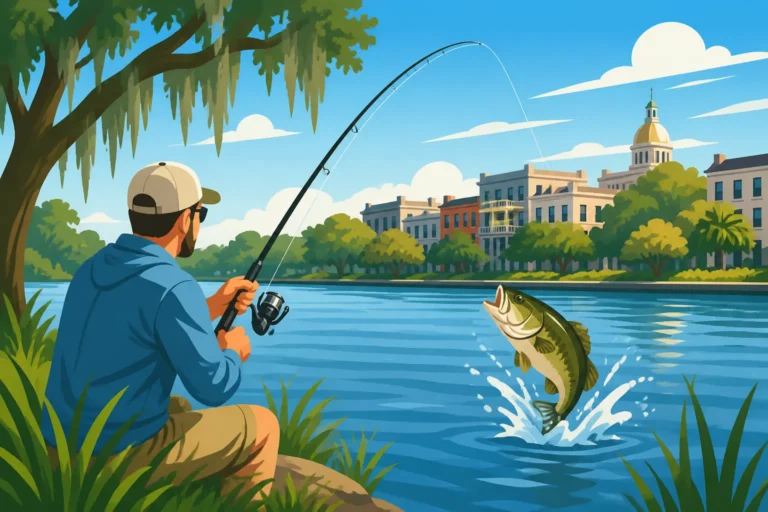
The Golden Isles of Georgia—which include St. Simons Island, Jekyll Island, Sea Island, and Brunswick—are a true paradise for inshore anglers. It's not just the stunning scenery that draws you in, but the incredibly rich and diverse estuarine system that acts as a nursery for countless species. This intricate network of salt marsh, tidal creeks, and sounds provides perfect habitats for target fish, offering both ample food and protection.
What Makes the Golden Isles Unique for Anglers?
What truly sets the Golden Isles apart is its vast expanse of pristine salt marsh, one of the largest on the East Coast. Imagine thousands of acres of spartina grass, cut through by countless tidal creeks, rivers, and the expansive sounds that separate the barrier islands from the mainland. This environment is an ecological powerhouse, teeming with baitfish, shrimp, and crabs—the very things our target species love to eat. The constant ebb and flow of the tides are the lifeblood of this system, dictating fish movement and feeding patterns, which is a crucial element for any angler to understand. You'll find yourself fishing areas that can look completely different just a few hours apart, as the water rises and falls, unveiling oyster beds and mudflats that were previously submerged. It’s this dynamic nature that makes every trip a unique adventure.
The protection offered by the barrier islands themselves, like Jekyll and St. Simons, creates calmer, more fishable waters even when offshore conditions are a bit rough. This means more consistent fishing opportunities for those targeting redfish, speckled trout, and flounder closer to shore. From the vastness of St. Simons Sound to the intricate network of creeks behind Jekyll, the variety of habitats ensures that there’s always a productive spot to explore, whether you prefer casting from a pier, wading the flats, or navigating a shallow-draft boat through the marsh. This unique geography truly defines the fishing experience here. For a deeper dive into the region's overall appeal, check out our guide on Golden Isles Coastal Fishing Spots, Georgia.
Key Fish Species to Target Inshore
When you're casting your line in the Golden Isles, you're primarily going after a few star players that make inshore fishing so exciting. These species are not only abundant but also put up a fantastic fight and, for many, are delicious on the dinner table.
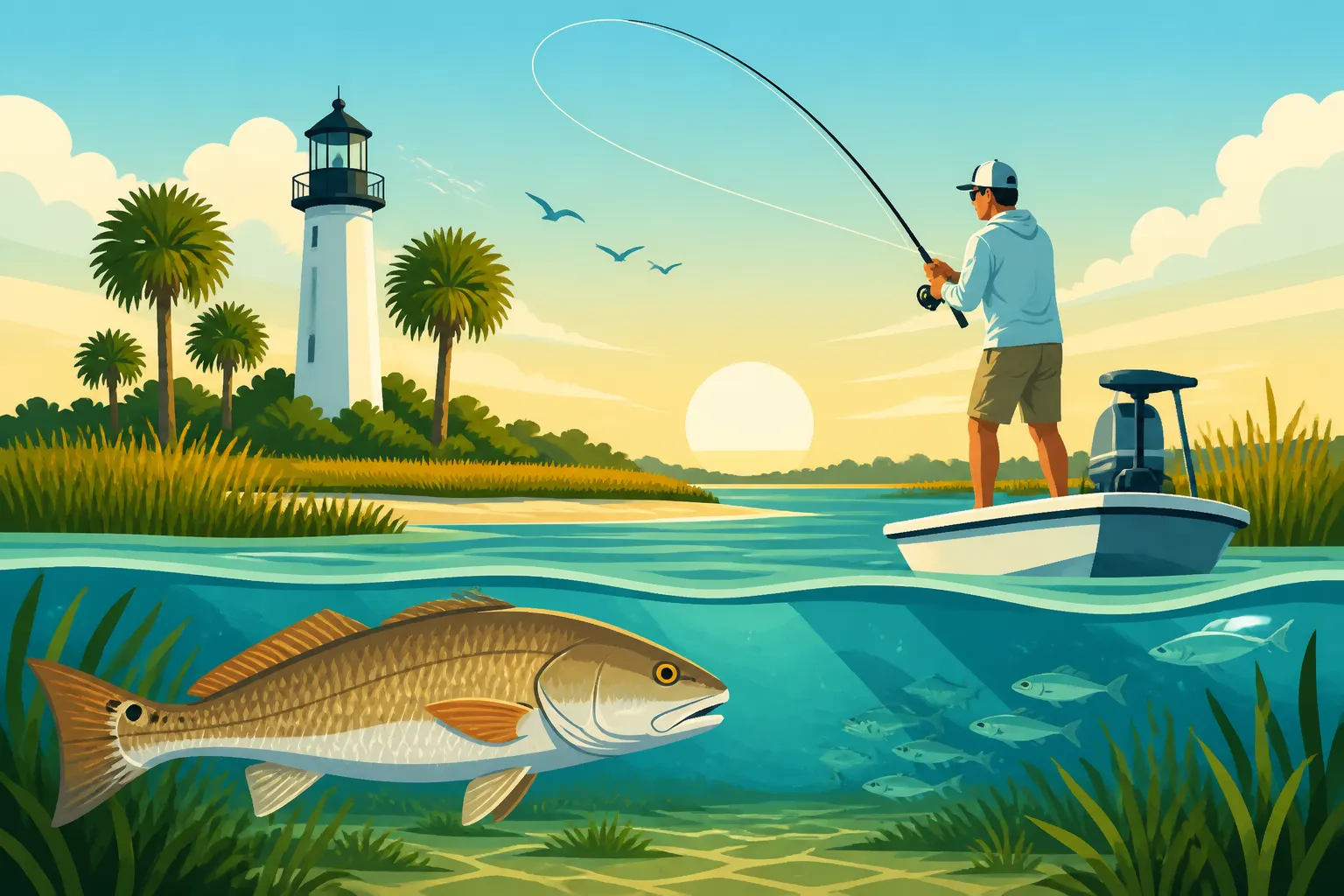
- Redfish (Red Drum): Ah, the mighty redfish! These bronze beauties are arguably the most sought-after inshore species in Georgia. You'll find them tailing in the shallow marsh during high tide, lurking around oyster beds, or schooling in deeper creek bends. Their powerful runs and aggressive strikes make them a thrill to catch, whether you're sight-fishing with artificials or soaking live bait. Their characteristic spot (or spots!) on their tail makes them instantly recognizable. If you're passionate about these fish, you might enjoy our article on Redfish: One of Georgia's Official State Fish.
- Speckled Trout (Spotted Seatrout): Known for their striking colors and willingness to hit a variety of lures, speckled trout are another inshore favorite. They tend to hang out in deeper pockets of tidal creeks, along grass lines, and near oyster reefs, especially when the water temperature is cooler. While not as brutish as a redfish, their delicate mouths require a lighter touch, and their swift, acrobatic fights are incredibly satisfying. They're often caught alongside redfish, making for a fantastic mixed bag.
- Flounder: These masters of camouflage are ambush predators, lying in wait on sandy or muddy bottoms near structure like oyster beds, docks, or creek mouths. Flounder fishing is a bit different; it often involves a slower retrieve or a gentle jigging motion to entice a bite. When you feel that distinctive "thump," it's usually a flounder taking the bait. They're not the flashiest fighters, but their delicious white meat makes them highly prized.
- Sheepshead: With their human-like teeth, sheepshead are notorious for stealing bait, but once you get the hang of catching them, they're incredibly rewarding. They feed on crustaceans and mollusks, so you'll typically find them around barnacle-encrusted pilings, bridge structures, and oyster reefs. They put up a surprising fight and are excellent table fare.
Top Inshore Fishing Locations in the Golden Isles
Knowing which species you're after is half the battle; the other half is knowing where to find them. The Golden Isles offer a variety of spots, from easily accessible public areas to more remote wilderness experiences.
St. Simons Island and Brunswick: Accessible Hotspots
St. Simons Island and the adjacent mainland town of Brunswick are often considered the heart of the Golden Isles and provide some of the most accessible and productive inshore fishing grounds. Whether you're a seasoned boater or prefer to cast from solid ground, there are options galore.
The St. Simons Island Pier at Mallory Street is a fantastic starting point for many anglers. It stretches out into the St. Simons Sound, offering opportunities to catch speckled trout, redfish, flounder, and even sheepshead, especially around the pilings. The pier is lit at night, which can be fantastic for targeting trout and redfish that feed under the lights. It's a social spot, perfect for families, and requires minimal gear to get started. Just remember to be mindful of others, especially when the pier gets busy. Nearby, the vast marsh system behind St. Simons is riddled with tidal creeks like Dunbar Creek and Village Creek, which are prime spots for redfish and trout. These creeks are best accessed by boat or kayak, allowing you to get deep into the marsh where fish patrol the grass lines on incoming and outgoing tides. You'll want to pay close attention to the smaller feeder creeks emptying into the main channels, as these act as bait highways. For more specific insights into these waters, our guide on St. Simons Island Redfish Fishing Spots is a must-read.
Across the causeway, Brunswick itself offers excellent access to the Turtle River and Brunswick River, which eventually flow into the larger sounds. There are several public boat ramps here, making it easy to launch your vessel and explore the extensive tidal creek systems. These rivers offer a mix of habitats, from deeper channels to shallow mudflats, and are particularly good for larger redfish and even occasional striped bass during cooler months. Dock fishing around Brunswick, especially where there are significant pilings and current, can also be quite productive for sheepshead and flounder. If you’re visiting from out of town and don't have your own boat, Brunswick is also an excellent hub for finding experienced inshore fishing charters. Many reputable captains operate out of the marinas here. If you’re looking to hire a local guide, FishingBooker is a great resource for finding and booking charters with experienced captains who know these waters like the back of their hand. They can take you straight to the honey holes, saving you precious fishing time. You can find more details on fishing around the mainland in our Brunswick, Georgia Saltwater Fishing Spots article.
Jekyll Island: Diverse Habitats and Hidden Gems
Jekyll Island, another jewel of the Golden Isles, offers a slightly different, often more serene fishing experience with a diverse array of habitats, from beachfront to marsh creeks. Its natural beauty is truly breathtaking, and the fishing can be equally spectacular.
The Jekyll Island Causeway itself offers numerous pulloffs and fishing areas along its length, providing access to tidal creeks and the sounds. These spots are fantastic for bank anglers targeting redfish, flounder, and speckled trout, especially during outgoing tides when bait is funneled out of the marsh. Pay attention to the culverts and bridge structures, as these create current breaks and ambush points for predatory fish. The Jekyll Creek area, accessible by boat or kayak from various points around the island, is a vast network of pristine marsh that holds incredible numbers of redfish and trout. It’s a bit more remote than some St. Simons spots, offering a chance for a more solitary fishing experience. You can spend hours drifting or poling through these creeks, sight-casting to tailing redfish on the flats. Just be mindful of the tides, as it's easy to get stranded in shallower areas at low tide.
For those looking for a truly unique experience, the St. Andrews Beach Park on the island's south end offers beachfront access that can be surprisingly productive. While technically surf fishing, the jetties and deeper water here attract fish, especially during migrations or bait runs. It's not strictly "inshore marsh," but it's close enough to be considered part of the overall inshore experience. You might catch larger red drum, pompano, or even whiting here. Additionally, the fishing pier at Clam Creek offers a similar experience to the St. Simons pier, providing easy access to deeper water and passing schools of fish. It’s a great family-friendly option and a perfect spot to try your luck for flounder or sheepshead around the pier pilings.
Sea Island and Little St. Simons Island: Exclusive but Productive Waters
These islands represent a more exclusive or wilderness-oriented fishing experience within the Golden Isles. While access might be more limited, the fishing can be truly exceptional, often with less pressure.
Sea Island, known for its luxurious resorts, still offers incredible fishing opportunities, primarily through guided trips or if you are a guest with private access. The marsh creeks surrounding Sea Island are incredibly healthy and hold trophy-sized redfish and abundant speckled trout. Anglers often find larger, less pressured fish in these waters. While it’s not a place you can just "pull up and fish" easily, those who get to experience it often rave about the quality of the fishing. Guides operating out of St. Simons or Brunswick often have permits or knowledge to fish these pristine waters, making a charter a wise investment if you want to explore this area.
Little St. Simons Island takes the wilderness experience to another level. As a privately owned conservation island, access is strictly limited to guests of the Lodge on Little St. Simons Island, or through specific ecotours. However, for those fortunate enough to visit, the fishing is an unparalleled wilderness adventure. The island boasts miles of untouched marsh, creeks, and beachfront, providing incredible opportunities for sight-fishing redfish on secluded flats, targeting trout in pristine creeks, and even surf fishing for various species on its undeveloped beaches. The lack of fishing pressure means fish are often less wary and more aggressive. While it's certainly not a budget-friendly option, the experience of fishing in such a wild, unspoiled environment is truly unforgettable. It’s the kind of place where you might not see another angler all day, just vast expanses of marsh and abundant wildlife. For an exclusive, pristine fishing adventure, look for charters that specifically offer trips to areas near or around Little St. Simons; FishingBooker can sometimes connect you with guides offering these unique experiences.
Essential Techniques and Tips for Golden Isles Inshore Success
Understanding the local conditions and refining your techniques are key to consistently catching fish in the Golden Isles. It's not just about being there, it's about knowing how to interact with the environment.
Tides are Your Best Friend
In the Golden Isles, the tides aren't just a suggestion; they are the absolute dictate of fish behavior and your fishing success. The massive tidal swings, sometimes exceeding 8 feet, completely transform the landscape and influence everything from bait movement to predator activity. Ignoring the tides is like trying to drive a car without gas – you won't get far!
- Incoming Tide: As the tide floods the marsh, water pushes into the smaller creeks and over the grass flats. This is when baitfish and shrimp scatter from the main channels and move into the newly submerged areas to feed. Redfish, in particular, will follow them, often "tailing" as they root around in the shallow grass for crabs and other crustaceans. This is an ideal time for sight-fishing with artificials or stealthily casting live bait into the grass edges. Early incoming tide can also be productive in the main creeks as fish start to move up.
- Outgoing Tide: As the tide recedes, the water pulls out of the marsh, concentrating baitfish back into the creeks and channels. This is an excellent time to fish creek mouths, points, and bends where fish will stack up, waiting to ambush bait. Look for areas where feeder creeks dump into larger channels, creating a funnel effect. Live shrimp or mud minnows drifted with the current can be deadly. The last hour or two of the outgoing tide, when water levels are low, can also reveal oyster beds and structure that hold fish, making them easier to target before the next flood. It truly is a dynamic environment, and understanding these shifts will dramatically improve your catch rate.
Best Baits and Lures for Inshore Species
Having the right offerings is crucial. Fish in the Golden Isles can be picky, but generally, a few go-to options will cover most situations.
- Live Bait: You simply can't beat live bait, especially live shrimp and mud minnows, when fish are finicky or during slower periods. Shrimp, hooked through the horn or just under the tail, are irresistible to redfish, trout, and flounder. Mud minnows, durable and active, are fantastic for flounder and larger redfish. Fished under a popping cork or on a Carolina rig, live bait is often the most consistent producer. Many local bait shops in Brunswick and St. Simons sell fresh live bait daily.
- Soft Plastics: These are the workhorses of artificial bait for inshore anglers. "Gulp! Shrimp" by Berkley, or similar scented soft plastic shrimp imitations (like those from Z-Man or Vudu), rigged on a 1/8 to 1/4 ounce jig head, are incredibly effective for both redfish and trout. Vary your retrieve, from a slow drag to sharp jigs, to see what the fish prefer. Colors like natural shrimp, root beer, chartreuse, or white are perennial favorites.
- Topwater Lures: When conditions are right—calm water, low light (dawn/dusk), and active fish—nothing beats the excitement of a topwater strike. Walk-the-dog style lures or poppers can drive aggressive redfish and trout wild. The key is to work them with a steady rhythm that mimics a struggling baitfish. Brands like Heddon's Super Spook or MirrOLure's Top Dog are popular choices.
- Spoons and Scented Artificial Worms: Gold spoons are classic redfish attractors, especially in shallower water. Their flash and wobble can draw strikes from a distance. For flounder, smaller scented artificial worms or grubs rigged on a jig head and worked slowly along the bottom are often very effective. Choosing the right lure often depends on the season; learn more with our guide on How to Choose the Right Bait and Lure for the Season.
Gear Recommendations for Inshore Adventures
You don't need a boatload of gear, but having the right tools makes a huge difference in your fishing experience. Investing in quality tackle will pay dividends.
- Rods and Reels: For most inshore fishing in the Golden Isles, a medium-light to medium power spinning rod, 6'6" to 7'6" in length, paired with a 2500-3000 series spinning reel, is a versatile setup. This combination offers enough backbone to handle a powerful redfish but is sensitive enough for a light-biting trout. Look for rods with a fast action tip for better sensitivity and hook sets. For specific recommendations, our article on Best Rods and Reels for Georgia Fishing can help.
- Line and Leader: Spool your reel with 10-20 lb braided line. Braid offers superior casting distance, sensitivity, and strength for its diameter. Always tie on a fluorocarbon leader, typically 20-30 lb test, about 2-3 feet long. Fluorocarbon is nearly invisible underwater and provides abrasion resistance against oyster shells and fish teeth, which is essential in this environment.
- Hooks and Sinkers: A variety of jig heads (1/8 oz to 1/4 oz) with strong, sharp hooks are crucial for soft plastics. For live bait, use appropriate circle hooks (1/0 to 3/0) to ensure proper hook sets and minimize harm to released fish. A selection of weights, from split shots for delicate presentations to Carolina rig weights (1/4 oz to 1 oz) for fishing deeper channels, will cover most scenarios.
- Essentials: Don't forget a good pair of pliers (for hooks), a fishing net (especially for larger fish), a cooler with ice (for keepers and drinks), polarized sunglasses (to spot fish in shallow water), sunscreen, a hat, and plenty of water. A wade fishing belt with a stringer can be handy if you're exploring the flats on foot.
Planning Your Golden Isles Inshore Fishing Trip
A little preparation goes a long way. Knowing when to go, how you'll get on the water, and what rules to follow will ensure a smooth and successful trip.
When to Go: Best Seasons for Inshore Action
The Golden Isles offer year-round fishing, but certain seasons shine for specific species. Understanding these patterns will help you plan your most productive trip.
- Spring (March-May): This is arguably one of the best times to fish the Golden Isles. As water temperatures rise, fish become incredibly active. Speckled trout are abundant, redfish are moving out of their winter haunts, and flounder begin to show up in greater numbers. Baitfish and shrimp become more plentiful, igniting feeding frenzies. The weather is generally pleasant, making for comfortable days on the water. It’s a fantastic time for a mixed bag, with opportunities for topwater action and consistent live bait bites.
- Summer (June-August): While it can get hot and humid, summer fishing is still excellent, especially during early mornings or late evenings when temperatures are cooler. Redfish will be in their usual marsh haunts, and speckled trout can be found in deeper, cooler creek bends or near structure. Flounder fishing is strong, and you’ll also encounter a variety of other species like croaker and whiting. Thunderstorms can pop up quickly, so always keep an eye on the weather forecast. Night fishing can also be very productive for trout and redfish, especially around lighted docks and piers.
- Fall (September-November): Many consider fall to be the absolute prime time for inshore fishing in Georgia. The "bull redfish" run often begins in the sounds and near the inlets, where massive red drum gather before moving offshore. Smaller "slot" redfish are ravenous in the marsh, fattening up for winter. Speckled trout fishing is usually at its peak, with anglers often catching large numbers of quality fish. Flounder are also abundant as they begin to migrate. The cooler temperatures and lower humidity make for incredibly enjoyable days on the water.
- Winter (December-February): Don't dismiss winter! While some species slow down, cold-weather fishing can be incredibly rewarding. Redfish often school up in large numbers in deeper, protected creek channels and on sunny mudflats, making them easier to target. Trout can also be found in deeper holes, though their bite might be more subtle. Sheepshead fishing around structures like bridges and jetties can be excellent. The key is to fish during warmer spells or on sunny days, and to fish slower. For a comprehensive overview of year-round opportunities, check out our A Year-Round Guide to Fishing in Georgia.
Here's a quick overview of some prime times for Golden Isles inshore fishing:
| Species | Best Season | Secondary Season | Prime Time of Day | Common Baits/Lures |
|---|---|---|---|---|
| Redfish | Fall, Spring | Summer, Winter | All Tides | Live Shrimp, Mud Minnows, Soft Plastics, Spoons, Topwater |
| Speckled Trout | Spring, Fall | Summer | Dawn/Dusk, Night | Live Shrimp, Soft Plastics, Topwater |
| Flounder | Spring, Summer, Fall | Winter (slow) | Outgoing Tide | Live Mud Minnows, Soft Plastic Grubs |
| Sheepshead | Winter, Spring | Fall | All Tides | Fiddler Crabs, Live Shrimp |
Getting on the Water: Charters vs. DIY
Once you've decided when to go, you need to figure out how you'll access these fantastic fishing grounds. You have a couple of main choices, each with its own benefits.
- Hiring a Charter Guide: For many, especially those visiting the area or new to inshore fishing, hiring a local fishing guide is the best option. Guides provide all the necessary gear, bait, and most importantly, their extensive knowledge of the local waters, tides, and fish behavior. They know where the fish are biting right now. This saves you time and effort and significantly increases your chances of success. A good guide will also teach you techniques specific to the Golden Isles and ensure you adhere to all local regulations. This is where services like FishingBooker really shine. You can browse local captains in the Brunswick and St. Simons area, read reviews, compare prices, and book your trip with confidence. It's an investment that often pays off with a memorable and productive day on the water, especially for targeting Where to Catch Sea Trout Along the Georgia Coast.
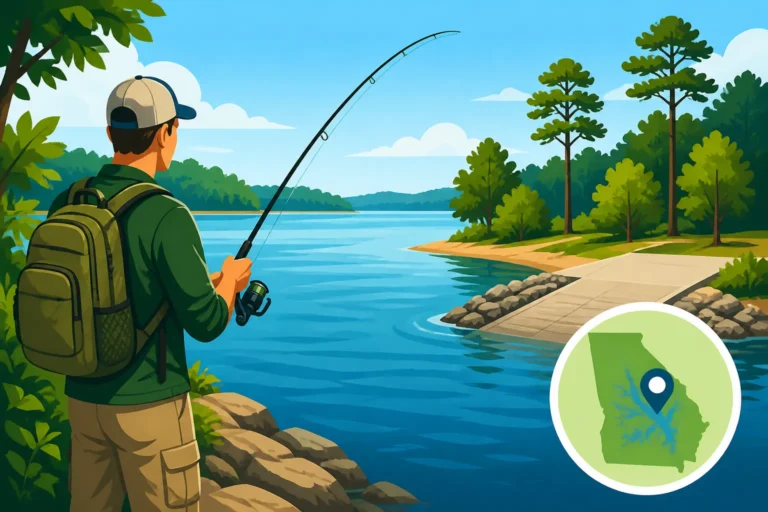
- Do-It-Yourself (DIY) with Your Own Boat/Kayak: If you own a shallow-draft boat or kayak, exploring the Golden Isles on your own offers incredible freedom and a sense of adventure. There are numerous public boat ramps in Brunswick, on St. Simons Island, and Jekyll Island that provide access to the sounds and tidal creeks. Kayaks are particularly effective for silently navigating the shallower marsh creeks, allowing you to get into areas larger boats can't reach and providing excellent sight-fishing opportunities. However, going DIY requires a solid understanding of navigation, tides, and local conditions. Always have up-to-date charts, a tide chart, and safety gear. Make sure your boat or kayak is properly registered and equipped before you head out.
Important Regulations and Permits
Before you even think about casting a line, it's absolutely crucial to understand Georgia's fishing regulations. Ignorance of the law is not an excuse, and fines can be steep.
- Georgia Fishing License: If you're 16 years of age or older, you need a valid Georgia fishing license. This applies to both residents and non-residents. You can purchase them online through the Georgia Department of Natural Resources (DNR) website, by phone, or from authorized license agents (like bait shops or sporting goods stores). Our comprehensive guide on How to Get a Fishing License in Georgia provides all the details you'll need.
- Saltwater Information Permit (SIP): In addition to your regular fishing license, if you plan to fish in saltwater, you must also obtain a free Saltwater Information Permit (SIP). This helps the state gather valuable data on saltwater fishing activity. It's quick and easy to get, and you can add it to your license when you purchase it. Don't skip this step! Read more about it in our article, Georgia Saltwater Information Permit Explained.
- Size and Creel Limits: Georgia has specific size and daily creel (bag) limits for various species, especially redfish, speckled trout, and flounder. These limits are in place to ensure sustainable fish populations. Always consult the current Georgia DNR fishing regulations handbook before your trip, as these can change. For instance, redfish often have a slot limit (e.g., 14-23 inches), meaning you can only keep fish within that size range. Exceeding creel limits or keeping undersized/oversized fish can result in significant penalties. You can find detailed information in our Georgia Fishing Regulations Explained article.
- Boating Regulations: If you're operating a boat, be aware of Georgia's boating laws, including requirements for life jackets, safety equipment, and boater education.
Always make sure you're up-to-date on the latest regulations before heading out. A quick check of the Georgia DNR website is always a good idea to ensure you have the most current information. Being prepared and respectful of the rules not only keeps you out of trouble but also helps preserve these incredible fishing opportunities for future generations.
Disclaimer
Always check the latest regulations from the Georgia Department of Natural Resources (DNR) before fishing, as rules and limits can change.