Best Time of Year to Catch Bass at Lake Lanier, Georgia
Ever feel like you're out on Lake Lanier, surrounded by endless water, but the bass just aren't biting? It's a common frustration for many anglers, especially on a vast and dynamic lake like Lanier. Knowing the best time of year to target largemouth and spotted bass isn't just about luck; it's about understanding seasonal patterns, fish behavior, and how environmental factors play a huge role. This comprehensive guide is designed to help you crack the code, revealing exactly when and how to maximize your bass fishing success on Georgia's iconic Lake Lanier throughout the year.
Understanding Lake Lanier's Bass Fishery
Before we dive into the nitty-gritty of seasonal patterns, it's crucial to grasp what makes Lake Lanier such a unique and, at times, challenging fishery. This isn't just any old pond; it's a massive, deep, and often crystal-clear reservoir that demands a thoughtful approach.
The Lake Lanier Experience: A Unique Challenge
Lake Lanier is a sprawling body of water in north Georgia, known for its deep, clear, and often cold waters, especially in its northern arms originating from mountain fed streams. Its diverse underwater landscape features everything from submerged timber and rocky points to expansive open water and numerous boat docks. This structural variety means that bass have an incredible array of places to hide, feed, and spawn, making locating them a constant puzzle. It’s not uncommon for even experienced anglers to spend hours without a bite if they haven't quite dialed into what the bass are doing on any given day. The sheer size and varying depths can be intimidating, but that’s also part of its allure and why local knowledge is so valuable.
The lake's character shifts dramatically with each passing season. The tactics that yield success in the vibrant spring might fall completely flat during the dog days of summer. Furthermore, the generally clear water often means bass can be more skittish and visually aware, requiring a stealthier approach, lighter lines, and more natural lure presentations in certain conditions. While the challenge is undoubtedly part of what draws so many anglers, a well-thought-out game plan, rather than simply casting randomly, significantly increases your chances of a rewarding day on the water. For a broader perspective on this remarkable fishery, consider reading our comprehensive Lake Lanier Fishing Guide, Georgia.
Primary Bass Species: Largemouth and Spotted Bass
When you're casting lines into Lake Lanier, your main targets will be two prominent black bass species: the largemouth bass and the spotted bass. While both offer thrilling fights and are highly sought after, they possess distinct preferences and behaviors that are important to recognize. Largemouth bass, with their iconic large mouths and dark lateral stripe, typically favor heavier cover. You’ll often find them lurking around boat docks, brush piles, submerged vegetation, and shallow wood. They are the quintessential "bucketmouths" that many anglers dream of catching, famous for their powerful initial runs and spectacular aerial leaps.
Spotted bass, on the other hand, are the true backbone of Lanier's bass population, thriving particularly in the lake's deeper, clearer sections. They tend to school up in large numbers on offshore humps, points, and ledges, often suspending over open water in pursuit of baitfish. While they generally don't reach the gargantuan sizes of largemouths, spotted bass are renowned for their aggressive nature and relentless fighting spirit, often making up for their smaller stature with sheer tenacity. Understanding the subtle differences between these two species, from their physical characteristics to their preferred habitats, is a critical step in tailoring your approach throughout the year. For a deeper dive into distinguishing these fish, our guide on Largemouth Bass vs Spotted Bass: How to Tell Them Apart in Georgia is an excellent resource.
Seasonal Bass Patterns on Lake Lanier
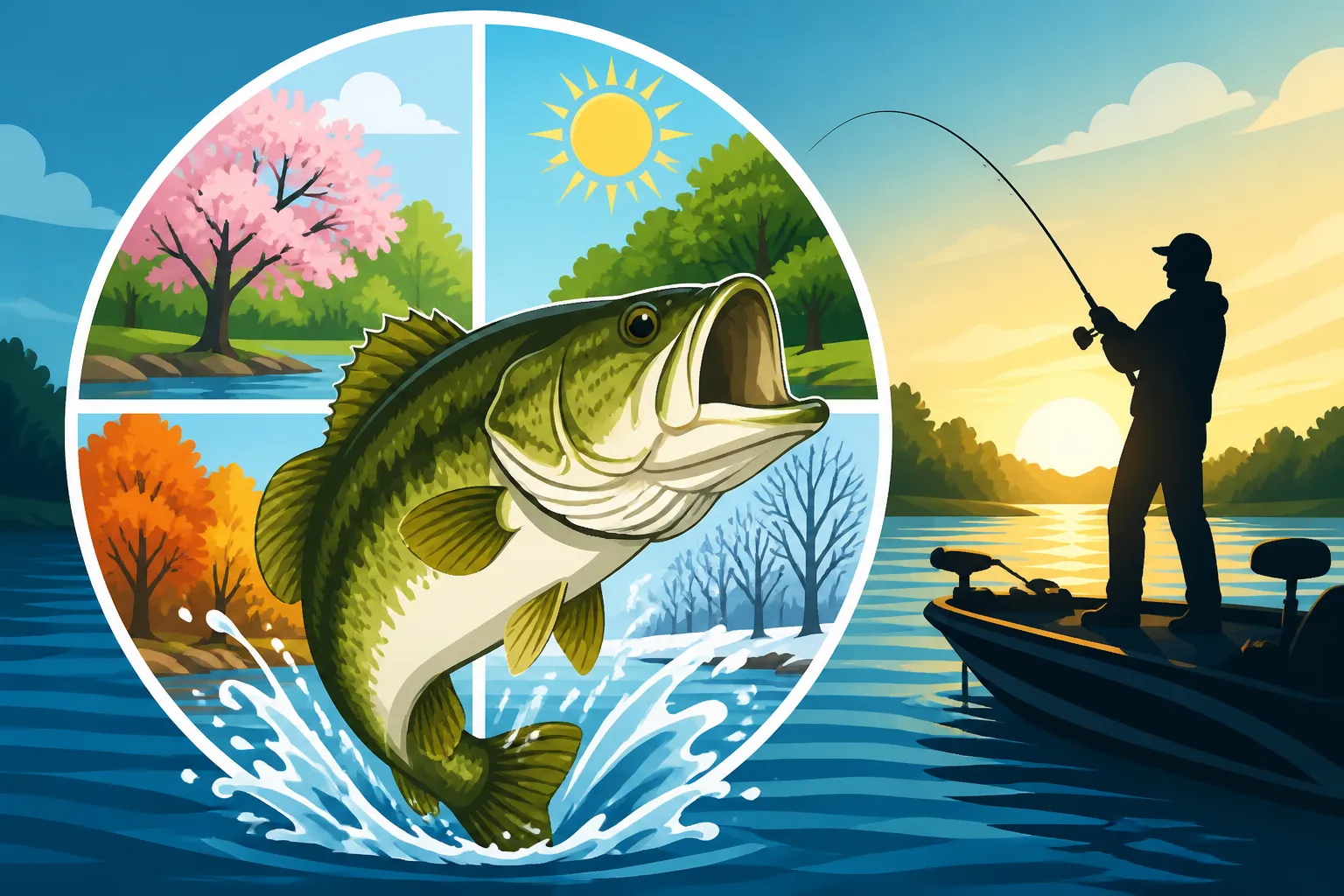
The secret to consistent bass fishing on Lake Lanier lies in understanding the lake's seasonal rhythms. Each season brings unique challenges and opportunities, dictating where bass will be, what they'll be eating, and how you can best entice them.
Spring: The Spawn Explosion (March-May)
Spring on Lake Lanier is arguably the most anticipated and action-packed time for bass anglers. As the frigid grip of winter loosens and water temperatures steadily climb into the 50s and 60s Fahrenheit, the bass population shifts into high gear for their annual spawning ritual. During the early spring, known as the pre-spawn phase (typically late March through early April), big female bass move out of their deeper wintering areas and begin staging in transition zones, often gorging themselves on baitfish. They'll be found around main lake points, secondary points, and creek mouths, getting ready to move to shallower waters. This period is characterized by aggressive feeding, making them relatively easier to catch and offering some of the best opportunities for trophy-sized fish.
As water temperatures continue to rise into the ideal 60-68°F range, bass move into the extremely shallow coves, pockets, and along rocky banks and seawalls to build nests and spawn. This is when sight fishing becomes popular, as bass are visible on their beds. While thrilling, it's vital to practice ethical angling during the spawn, minimizing disturbance to ensure the successful reproduction of these fish. Post-spawn (late May) sees fish recuperating and often holding on nearby secondary points, submerged brush, or boat docks before eventually heading to their deeper summer haunts. Topwater lures, jigs, spinnerbaits, and soft plastics like worms and lizards are incredibly effective during this season. For more general insights into this productive period, check out our article on Spring Bass Fishing Patterns on Georgia's Reservoirs.
Summer: Deep and Early/Late Bites (June-August)
Summer fishing on Lake Lanier can present a significant challenge, but it's by no means an impossible task for the determined angler. As Georgia's intense summer heat drives surface water temperatures into the 80s, bass—especially the abundant spotted bass—seek refuge in deeper, cooler water. You'll often find them suspended over offshore humps, points, and creek channels, sometimes at depths ranging from 20 to 60 feet, closely relating to schools of blueback herring, their primary forage. The midday sun often means a sluggish bite in shallow water, necessitating a shift to deep-water tactics.
However, the early mornings and late evenings offer fleeting but often explosive windows for topwater action in shallower pockets or around boat docks, especially as bass push bait to the surface. Look for active schooling fish breaking the surface; these "jumps" are a clear sign that bass are aggressively feeding on herring. Techniques like downlining live blueback herring, drop-shotting finesse worms, or vertical jigging with spoons and blade baits become incredibly productive in deeper water. For those who can brave the heat, night fishing on Lanier can also be surprisingly effective for both bass and catfish, as cooler nighttime temperatures encourage bass to cruise shallower. Remember to stay hydrated and protect yourself from the sun during those long summer days.
Fall: The Feeding Frenzy (September-November)
Fall on Lake Lanier is often considered one of the most exciting times to be on the water, frequently rivaling the productivity of spring. As the oppressive summer heat gives way to cooler temperatures and shorter days, the lake's bass embark on an aggressive feeding frenzy. This is their crucial period to bulk up and build fat reserves in preparation for the leaner winter months. You'll find fish actively pushing into shallower and mid-range depths, relentlessly chasing schools of baitfish that are themselves moving into creek arms, pockets, and along main lake points. The topwater bite can be absolutely phenomenal in the early fall, particularly on overcast mornings or during periods of stable weather.
Bass during the fall often relate to main lake and secondary points, as well as the mouths of creeks, diligently following the movements of the abundant threadfin shad and blueback herring. Lures that mimic these baitfish, such as crankbaits (both shallow and mid-diving), jerkbaits, and swimbaits, are exceptionally effective. As the season progresses and water temperatures continue their downward trend, bass may begin to transition towards deeper holding areas, but their activity levels generally remain high. This is a fantastic time for both numbers and quality fish. For additional strategies tailored to this season, our guide on Fall Bass Fishing Patterns on Georgia's Lakes provides valuable insights.
Winter: Slow and Steady (December-February)
Winter fishing on Lake Lanier might not offer the fast-paced, high-volume action characteristic of spring or fall, but for the patient and strategic angler, it can be incredibly rewarding, often producing some of the biggest bass of the year. As water temperatures plunge into the 40s and low 50s, bass become far more lethargic, conserving energy and generally moving slower. They tend to school up tightly in deep water, seeking out thermal refuge and stable environments. You’ll find them congregating near significant underwater structure such as major creek channel swings, deep humps, pronounced ledges, and standing timber.
During this season, slow, methodical presentations are absolutely critical. Vertical jigging with spoons, blade baits, or a painstakingly slow-rolled football jig can tempt these cold-water bass into biting. Live bait, particularly shiners or blueback herring, presented on a downline or free line, can also be a highly effective tactic, as it offers a natural, irresistible meal to less active fish. While the bites might be fewer and much farther between, the fish you do manage to hook are often larger, healthy individuals that are well worth the effort. It's an excellent time to target trophy spotted bass, known for their wintertime schooling habits.
Here's a quick reference table summarizing the seasonal bass patterns on Lake Lanier:
| Season | Typical Water Temp Range | Key Bass Behavior | Prime Locations | Go-To Lures/Baits |
|---|---|---|---|---|
| Spring | 55-70°F (13-21°C) | Pre-spawn, Spawn, Post-spawn; aggressive feeding | Shallow coves, rocky banks, docks, secondary points, creek mouths | Spinnerbaits, jigs, soft plastics, shallow crankbaits, topwater |
| Summer | 75-85°F (24-29°C) | Deep-water schooling, early/late topwater; heat-driven retreat | Deep humps, channels, ledges, offshore brush, main lake points, timber | Drop-shots, jigging spoons, deep crankbaits, live herring, topwater (briefly) |
| Fall | 60-75°F (16-24°C) | Aggressive feeding frenzy; chasing bait in schools | Main lake points, creek mouths, schooling areas, shallow to mid-depths | Topwater, crankbaits, jerkbaits, swimbaits, football jigs |
| Winter | 45-55°F (7-13°C) | Deep-water staging; lethargic bite; schooling tightly | Deep channels, humps, standing timber, main lake points, deep brush | Jigging spoons, blade baits, slow-moving jigs, live shiners/herring (downlined) |
Key Factors Influencing Bass Activity
While understanding the general seasonal patterns is a huge step, truly successful anglers on Lake Lanier delve deeper, recognizing how specific environmental factors constantly influence bass behavior on a day-to-day, or even hour-to-hour, basis.
Water Temperature: The Ultimate Driver
Without a doubt, water temperature is the single most critical factor dictating bass activity on Lake Lanier. As cold-blooded creatures, a bass's metabolism, activity level, and behavioral patterns are directly controlled by the temperature of the water around them. Every major seasonal shift in bass behavior, from the frantic spring spawn to the sluggish winter deep-water retreats, is directly triggered by changes in water temperature. In spring, warming waters signal the urge to spawn; in summer, rising surface temperatures force them into cooler depths; and in fall, cooling waters spark their intense feeding spree. Our article on How Water Temperature Affects Fish Behavior explores this in more detail.
Successful anglers constantly monitor water temperature. Knowing the ideal temperature ranges for different bass activities is crucial. For instance, largemouths often become highly active in the pre-spawn phase when water temperatures are between 55-65°F, while spotted bass might tolerate slightly cooler conditions. Investing in a reliable water thermometer, whether it's integrated into your fish finder or a simple handheld device often available on Amazon, provides invaluable real-time data. This information will inform your choice of fishing depth and lure selection more than almost any other variable, helping you pinpoint where and how bass are likely to be positioned and what they might be willing to bite.
Water Levels and Clarity
Lake Lanier's water levels, while generally managed, can fluctuate noticeably due to rainfall patterns and drawdowns for downstream needs. These fluctuations significantly impact where bass position themselves. When water levels are high, fish might push into newly flooded cover, such as shallow bushes or timber, making flipping and pitching techniques highly effective. Conversely, low water conditions can concentrate fish in tighter, deeper channels, expose previously submerged structures like humps and rock piles, and alter their ambush points, often pulling them further offshore. Keeping an eye on lake levels (available from various local sources) can give you a significant advantage.
Clarity is another major consideration on Lanier, which is generally known for its very clear waters. This clarity means bass often rely heavily on sight for feeding, necessitating lighter fishing lines, more natural lure colors, and longer casts to avoid spooking wary fish. However, after heavy rain events, specific creek arms or sections of the lake can become stained or even muddy from runoff. In these less clear conditions, bass tend to rely more on their lateral line to detect vibrations and sound. This makes lures with rattles, brighter colors, or those that displace more water (like spinnerbaits or ChatterBaits) more effective, as they can be sensed even when visibility is poor.
Weather Patterns: Fronts and Rain
Beyond the general seasonal shifts, daily weather patterns play a constant and often frustrating role in bass behavior. High-pressure systems that roll in after a strong cold front often cause the bite to shut down almost completely. Bass become lethargic and tight-lipped, typically dropping deeper and becoming far less willing to chase. In these post-front conditions, slow, finesse presentations are almost always your best bet. Conversely, stable, overcast conditions or the approach of a low-pressure system (just before a storm hits) can often trigger an aggressive feeding pattern, as bass sense the impending change and feed proactively. If you want to learn more about this, check out our guide on How to Fish After a Cold Front.
Rain, especially a gentle, steady drizzle, can actually improve fishing conditions. It helps break up the surface tension, providing a more stealthy approach for anglers and reducing light penetration, which can make bass more comfortable in shallower water. Rain also oxygenates the water and washes baitfish and nutrients into the lake, often activating the bass and their forage. However, heavy, torrential downpours that lead to significant muddy runoff can make fishing extremely challenging in the affected areas, pushing fish out or making them difficult to locate visually. Always check the local weather forecast before heading out and understand how different conditions might impact the fish's mood and location.
Essential Gear and Techniques for Lanier Bass
Having the right gear and knowing how to effectively use various techniques can dramatically increase your success rate on Lake Lanier, regardless of the season. Being prepared for diverse conditions is key to adapting on the fly.
Recommended Lures and Baits by Season
Matching your lure selection to the season and the predominant baitfish on Lake Lanier is a fundamental aspect of successful bass fishing. What works in one season might be completely ignored in another.
- Spring: During the pre-spawn and spawn, aggressive lures like spinnerbaits, ChatterBaits, and lipless crankbaits are highly effective for active fish. Jigs, especially in natural colors like green pumpkin or black/blue, are excellent for probing cover or targeting fish on beds. Soft plastics, such as Zoom Lizards or Trick Worms, are also deadly. As the water warms, don't shy away from topwater walking baits and poppers, particularly around shallow cover. You can find many of these versatile baits on Amazon.
- Summer: As bass move deep, your arsenal should shift. Deep-diving crankbaits are great for covering water, while jigging spoons and blade baits excel for vertical presentations to suspended fish. Drop-shot rigs with finesse worms are perfect for coaxing bites from finicky, deep-water bass. However, the undisputed king for many Lanier anglers in summer is live blueback herring, presented on a downline rig. When fish are schooling on the surface, quickly cast topwater baits, flukes, or small swimbaits into the fracas.
- Fall: The fall feeding frenzy calls for lures that imitate baitfish. Crankbaits, ranging from shallow to mid-depth, are excellent for covering main lake points and creek mouths. Jerkbaits are fantastic for imitating dying baitfish, and topwater baits (walking baits, poppers) can still deliver explosive bites, especially early in the season. Swimbaits, both hard and soft, are also incredibly effective. As water cools, consider working blade baits or slow-rolling spinnerbaits near deeper structure.
- Winter: Slow and deliberate is the name of the game. Vertical jigging spoons, blade baits, and slow-moving football jigs are essential for tempting lethargic bass holding deep. Live bait, such as shiners or herring, presented slowly, often out-produces artificials during the coldest months. Finesse techniques like a Damiki Rig (a small jig head with a soft plastic minnow body) or a dropshot can also coax bites from finicky fish. For an in-depth look at lure choices, consult our guide on Best Lures for Georgia Largemouth Bass.
Locating Bass on Lanier
Success on Lake Lanier is often less about what you throw and more about where you throw it. Effectively locating the fish is paramount. In spring, concentrate your efforts on shallow coves, main lake points that receive early sun, and areas with visible boat docks or seawalls. These are prime staging and spawning grounds. For specific productive areas, our article on Best Spots for Bass Fishing on Lake Lanier can point you in the right direction.
During the deep-water seasons of summer and winter, your marine electronics become your most indispensable tool. Utilize your fish finder to identify schools of baitfish, humps, ledges, and submerged timber in deep water. Pay close attention to contour lines and distinct structural features on your mapping systems. Spotted bass are notorious for schooling up, so if you catch one, there are almost certainly more nearby. Largemouths, while sometimes found in small groups, tend to be more solitary. Observing bird activity, particularly gulls diving, can often pinpoint schooling baitfish being pushed to the surface by predatory bass below. Furthermore, understanding the Best Time of Day to Fish for Bass can further refine your approach to specific windows of activity.
Smart Fishing Practices for Success
To truly maximize your time on the water and enjoy consistent success on Lake Lanier, adopting a few smart fishing practices will make a world of difference:
- Adaptability is Key: Always carry a variety of rods and reels rigged with different lure types. This allows you to quickly adapt to changing conditions, whether it's a sudden shift in water temperature, cloud cover, or bass moving shallower or deeper. A versatile Best Rod and Reel Combo for Largemouth Bass in Georgia is a great starting point, but having several options is better.
- Master Your Electronics: Modern fish finders and GPS units are incredible tools. Take the time to learn how to interpret your sonar, side imaging, and mapping features. Understanding what you're seeing below the surface will significantly improve your ability to find fish-holding structure and bait.
- Practice Catch and Release: To help sustain Lanier's excellent fishery for future generations, practice responsible catch and release, especially for larger breeding fish. Handle fish gently and return them to the water quickly.
- Stay Informed: Check local fishing reports from bait shops, guides, and online forums. They often provide the most current information on what's biting, where, and what techniques are working. Local knowledge is invaluable.
- Be Patient and Persistent: Lake Lanier is a challenging but incredibly rewarding lake. Some days will be tougher than others, but persistence, combined with a strategic approach, will ultimately pay off. Don't get discouraged by slow periods; keep experimenting until you crack the code.
- Consider a Guide: Even if you’re an experienced angler, hiring a reputable local guide for a day can provide invaluable insights into Lanier's unique nuances. They can quickly teach you seasonal patterns, productive spots, and effective techniques specific to the lake.
- Gear Up Smartly: Ensure you have quality tackle that can handle strong Lanier bass. From line strength to hook sharpness, every detail matters. You can easily find high-quality gear and tackle on Amazon to suit any season or technique. And for those essential items like a reliable headlamp for night fishing or quality polarized sunglasses, a quick search on Amazon can get you geared up efficiently. Our guide on Choosing Lures by Season can help you select the right baits for your tackle box throughout the year. For those in the Atlanta area, these tips also apply to finding Best Fishing Spots Near Atlanta which includes Lake Lanier.
Disclaimer
The information provided in this guide is for general informational purposes only and is subject to change. Fishing conditions, regulations, and fish behavior can vary. Always consult the latest Georgia Department of Natural Resources (GDNR) regulations before fishing. Exercise caution and good judgment when on the water.