Best Time of Year to Catch Bass at Lake Oconee, Georgia
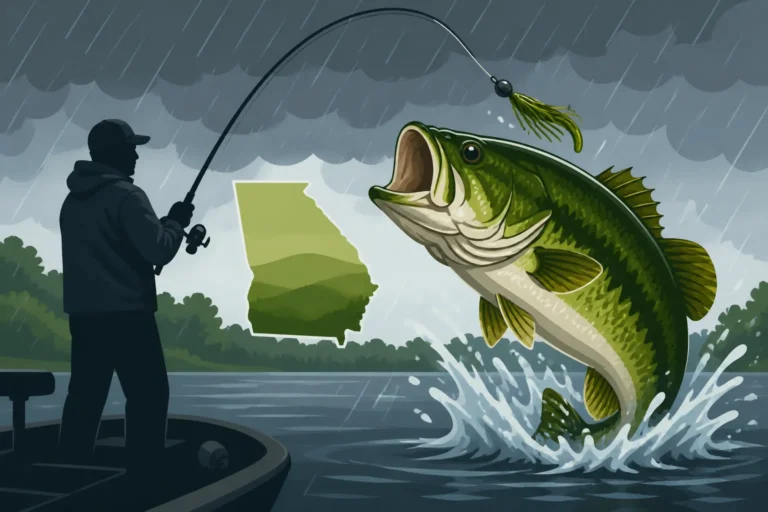
Trying to pin down the absolute "best" time to catch bass on a lake as dynamic as Oconee can feel like chasing a phantom, especially with its unique features like the thermal plant. It's a common frustration for anglers, feeling like you're missing the prime window. This guide is here to cut through the guesswork, breaking down the seasonal patterns, specific techniques, and crucial environmental factors that dictate when and where you'll find the most success reeling in those Lake Oconee bass.
Lake Oconee's Unique Bass Fishery Explained
Lake Oconee isn't just another pretty face in Georgia's impressive lineup of reservoirs; it's a vibrant, ever-changing ecosystem that demands a slightly different approach from anglers. Understanding what makes it tick is the first step to consistently finding bass, no matter the season.
The Warm Water Advantage and Forage Base
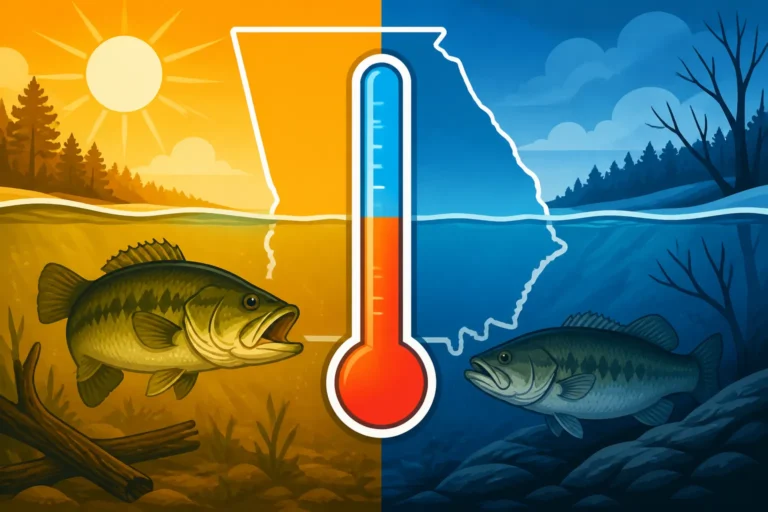
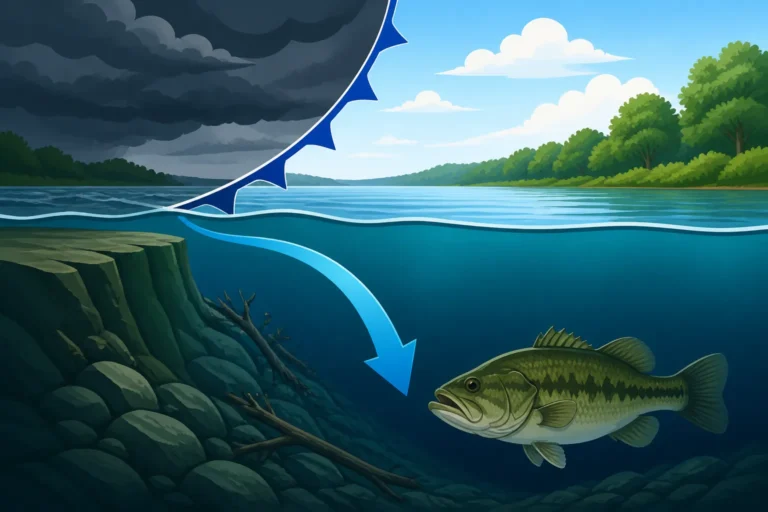
One of the biggest factors setting Lake Oconee apart is the influence of Georgia Power's Wallace Dam and its associated thermal plant. This facility discharges warmer water into the lake, particularly noticeable in the winter months, which can significantly alter the typical seasonal patterns you might expect in other, colder reservoirs. This warmth acts like a magnet for baitfish, keeping them active and providing a consistent food source for bass even when other lakes slow down dramatically. This can be a game-changer for anglers looking to extend their fishing season.
Beyond the thermal influence, Lake Oconee boasts a robust forage base that keeps its bass population healthy and aggressive. Anglers will commonly find threadfin shad, gizzard shad, and blueback herring. These baitfish are the primary diet for most of the predatory fish in the lake, and understanding their movements and habits throughout the year is absolutely key to predicting where the bass will be. When you can locate the bait, you're usually not far from the hungry bass. This rich food source contributes to the impressive size and fighting spirit of Oconee's bass, making it a truly exciting fishery.
Main Bass Species: Largemouth, Spotted, and Hybrid Stripers
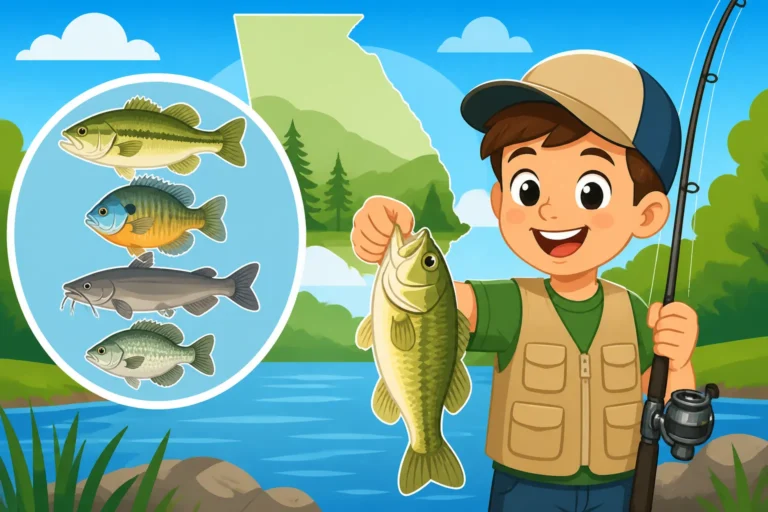
When you cast your line into Lake Oconee, you're likely to encounter a diverse range of bass species, each with its own preferred habitats and feeding tendencies. The most sought-after is, of course, the largemouth bass. These iconic green fish are abundant, grow to impressive sizes, and are often found in the shallower, cover-rich areas of the lake, especially during warmer months or the spawn. They love flipping around docks, submerged timber, and brush piles, making them a classic target for many anglers.
However, Lake Oconee is also home to a significant population of spotted bass, often referred to as "spots." These feisty fish typically prefer deeper, clearer water and rocky structures, and they are notorious for schooling up and chasing open-water baitfish. They might not reach the sheer size of a trophy largemouth, but their aggressive nature and strong fight on lighter tackle make them incredibly fun to catch. Often, you'll find both species coexisting, with largemouth dominating the shallow cover and spots holding court on deeper points and humps. Knowing the differences can help you tailor your approach.
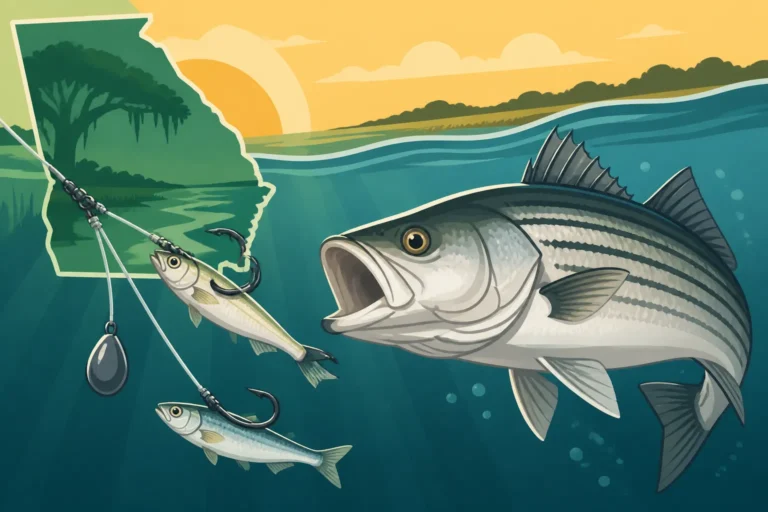
And let's not forget the thrilling hybrid striped bass, which are regularly stocked in Lake Oconee. These powerful hybrids are a cross between striped bass and white bass, offering an incredible fight and often schooling in large numbers in open water, particularly around the thermal discharge areas. While not technically a "black bass" like largemouth or spotted bass, they share similar forage and often feed alongside the bass, providing an exciting bonus catch for anglers targeting other species. You can often find them in the same areas as schooling spotted bass, particularly when they're actively chasing bait on the surface. For more on these incredible fighters, check out our guide on Hybrid Striped Bass at Lake Oconee.
Spring Bass Fishing on Lake Oconee: The Pre-Spawn and Spawn Boom (March – May)
Spring is arguably the most anticipated time of year for bass anglers on Lake Oconee, bringing with it a flurry of activity as bass shake off their winter lethargy and prepare to spawn. This season offers some of the most exciting and productive fishing opportunities, but understanding the nuances of the pre-spawn and spawn periods is crucial.
Targeting Shallow Water and Spawning Areas
As the water temperatures begin to climb into the 50s and then 60s, typically from March through May, the bass in Lake Oconee start their annual migration from deeper winter haunts to shallower waters. This is the pre-spawn period, characterized by bass aggressively feeding to bulk up for the energy-intensive spawning ritual. They'll stage on points, creek channel bends, and secondary humps near prime spawning grounds. Think of them as hungry teenagers raiding the pantry before a big event.
Once temperatures settle into the mid-60s, usually peaking in April and early May, the true spawn begins. Largemouth bass will move into protected coves, shallow pockets, and sandy or gravelly flats to build nests and lay eggs. Spotted bass, while also spawning shallow, often prefer harder bottoms and slightly deeper water or areas with current. Look for visible beds in clear water, or target shallow docks, seawalls, and submerged brush in slightly stained areas. Fishing around these protected areas can be incredibly productive, but remember to practice good catch-and-release, especially with bedding fish, to protect the fishery. If you're looking for general patterns, our guide on Spring Bass Fishing Patterns on Georgia's Reservoirs offers some excellent insights.
Top Lures and Techniques for Spring Bass
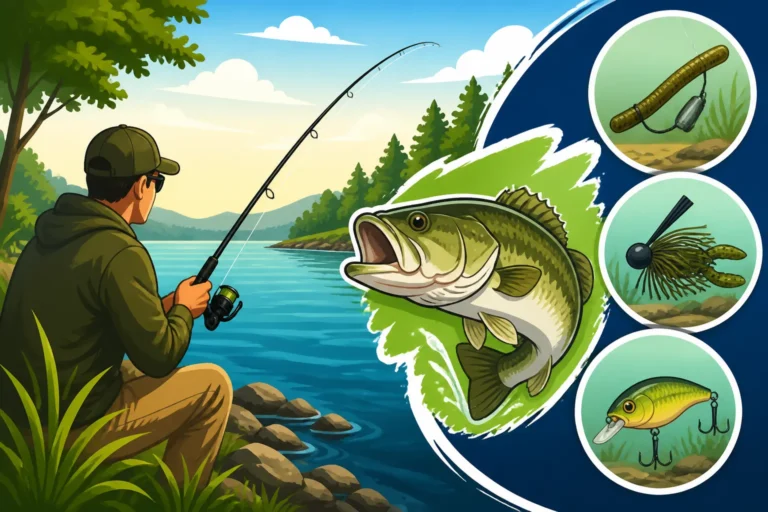
During the pre-spawn, reaction baits are king. Bass are actively chasing and will hit anything that looks like a hearty meal. Lipless crankbaits, especially in shad or crawfish patterns, are incredibly effective when retrieved over shallow grass or rocky points. Medium-diving crankbaits can also shine as bass transition to deeper staging areas. Spinnerbaits, particularly those with chartreuse or white skirts, are fantastic for covering water and triggering strikes around submerged wood and brush. Don't underestimate the power of a good jig, either – flipping jigs into cover or pitching them to points can land you some true giants. Many of these effective lures can be easily found and ordered through online retailers like Amazon, ensuring you have your tackle box stocked.
Once the bass are on their beds during the spawn, presentation becomes a bit more subtle but equally effective. Soft plastics, such as Texas-rigged worms, lizards, or creature baits, pitched accurately to visible beds, can entice strikes from protective parent fish. Weightless Senkos or Flukes are also incredibly versatile for finicky bedding bass or those cruising the shallows. Topwater action can also pick up on warmer, overcast days, with baits like Pop-Rs or walking baits drawing explosive strikes. Remember, patience and precise casts are often more important than speed during this crucial time of year. For more on getting those fish to bite, consider How to Jig for Largemouth Bass.
Summer Bass Fishing on Lake Oconee: Deep Water and Night Moves (June – August)
When the scorching Georgia summer sun beats down, Lake Oconee's bass shift their patterns dramatically. The shallow water, which was so productive in spring, often becomes too warm and oxygen-depleted for comfort during the heat of the day. Anglers who cling to spring strategies will often find themselves struggling.
Locating Bass in the Thermocline and Offshore Structure
As water temperatures soar into the 80s, bass, particularly the larger ones, retreat to deeper, cooler, and more oxygenated waters. This is where the thermocline becomes your best friend. The thermocline is a distinct layer in the water column where the temperature drops rapidly. Bass and their primary forage will often suspend or hold just above or within this layer. On Lake Oconee, this usually means targeting depths from 15 to 30 feet, sometimes even deeper, depending on the specific area of the lake and the clarity of the water.
Focus your efforts on offshore structures such as main lake points, humps, ledges, and deep creek channel bends. Submerged timber, especially old flooded trees or brush piles placed by anglers, can be absolute magnets for summer bass. Using your boat's electronics, like a good fish finder, to locate these underwater features and identify schools of baitfish or arches representing bass is paramount. Without this technology, finding these deep-water havens can feel like searching for a needle in a haystack.
Early Morning, Evening, and Night Fishing Strategies
While deep-water daytime fishing can be productive, summer also brings incredible opportunities during low-light conditions. The early morning hours, right at dawn, and the late evening, leading into dusk, often see bass moving shallower to feed before or after the sun's peak intensity. During these times, topwater lures can be explosive, as bass will ambush baitfish that venture into the cooler, oxygenated surface layers. Walking baits, poppers, and even buzzbaits can produce heart-stopping strikes.
However, the real secret weapon for many seasoned Lake Oconee summer anglers is night fishing. As the sun sets, the water temperature cools slightly, and bass become much more active, often moving into shallower depths or suspending in the mid-column to feed under the cover of darkness. This is when large spinnerbaits, bladed jigs, and dark-colored worms become incredibly effective. Some anglers even use lights to attract baitfish, which in turn attract the bass. Night fishing on Oconee can be a magical experience, offering solitude and the chance at trophy-sized fish that are otherwise wary during the day. For more on navigating those tricky summer patterns, take a look at our Summer Fishing Patterns on Georgia's Big Lakes guide.
Fall Bass Fishing on Lake Oconee: The Shad Run Frenzy (September – November)
As summer's heat begins to wane and the first hints of autumn color appear, Lake Oconee undergoes another significant transformation. Fall is a prime time for bass fishing, often rivaling spring in terms of action, as bass enter a vigorous feeding period known as the "fall turnover" or, more commonly, the "shad run."
Following the Baitfish and Surface Activity
The key to fall bass fishing on Lake Oconee is understanding the migration of baitfish. As water temperatures cool and oxygen levels stabilize throughout the water column, the massive schools of threadfin and gizzard shad, along with blueback herring, begin to move from their deeper summer haunts towards shallower creek arms, main lake points, and flats. The bass, keenly aware of this abundance, follow them relentlessly, often pushing schools of bait to the surface in explosive feeding frenzies. You'll frequently see seagulls and herons diving into the water, a dead giveaway that baitfish are being harassed from below.
This period, typically from September through November, is characterized by highly active, schooling bass that are putting on weight for the upcoming winter. Look for bass schooling in the backs of creeks, around bridge pilings, and on the ends of points, particularly in the lower end of the lake. Areas with submerged timber or brush that previously held fish in spring can become active again as bass move into shallower ambush positions. It's an exciting time to be on the water, with plenty of opportunities for multiple hook-ups.
Reaction Baits and Schooling Fish Tactics
Given the aggressive nature of fall bass and their focus on chasing bait, reaction baits are incredibly effective. Topwater lures like poppers, walking baits, and buzzbaits shine, especially during early morning and late evening, or on cloudy days, as bass smash unsuspecting baitfish on the surface. When the bass are pushing bait just under the surface, a fast-retrieved jerkbait or a small swimbait can be deadly. These lures mimic the frantic movements of fleeing shad perfectly.
For schooling fish, keeping a variety of baits on hand is wise. Spoons, particularly jigging spoons, can be dropped quickly into a breaking school of fish to entice strikes. Small crankbaits and lipless crankbaits, retrieved quickly, can also draw violent reactions from hungry bass. Pay close attention to your electronics to spot schools of bait and any bass lurking beneath them. The fall feeding frenzy is a fantastic opportunity to catch numbers of aggressive bass, so be ready for fast action when you find a school. For more insights on this productive season, check out our guide to Fall Bass Fishing Patterns on Georgia's Lakes.
Winter Bass Fishing on Lake Oconee: Slow and Steady Near the Warmth (December – February)
Winter bass fishing on Lake Oconee can be incredibly productive, often defying the slowdown seen in many other Georgia lakes. This is largely thanks to the consistent warm water discharge from the Wallace Dam thermal plant, which creates a unique environment for both bass and their prey.
Harnessing the Power Plant's Influence
While other lakes might see bass retreating to deep, stagnant waters with slow metabolisms, Lake Oconee's thermal impact keeps things considerably more active. The warm water discharge areas and the immediate vicinity become magnets for baitfish, which in turn attract bass. These warmer pockets of water allow bass to maintain a higher metabolism than their counterparts in colder lakes, meaning they'll continue to feed, albeit often with a more subtle approach.
During the coldest months, from December through February, concentrate your efforts near the power generation facilities and in the immediate creeks and channels that receive the warmer water flow. While you might not find bass schooling on the surface like in the fall, they will congregate in these areas, often holding on channel swings, subtle humps, and submerged structure where they can ambush passing baitfish. Electronics become even more critical here, helping you identify warmer water pockets and pinpoint fish that are often tightly grouped. You might also find that Lake Sinclair Fishes Better in Winter Than Other Georgia Lakes due to similar thermal influences.
Finesse and Slow Presentation Techniques
Winter bass on Lake Oconee are still catchable, but they generally require a more refined approach. Gone are the days of fast-moving reaction baits dominating every bite. Instead, finesse techniques become incredibly effective. Jigs, especially football jigs or finesse jigs tipped with a small crawfish or creature bait trailer, are deadly when slowly dragged or hopped along the bottom in deeper water. Shaky heads, rigged with a straight-tail worm, are another fantastic option for enticing reluctant bites.
Spoons, particularly blade baits and jigging spoons, can also be very productive when vertically jigged over schools of fish or suspended bait. Don't be afraid to experiment with retrieve speeds; often, the slowest presentation possible will yield the most strikes. Slow-rolling spinnerbaits in deeper water, allowing them to barely turn, can also draw strikes. The key is to match the slower metabolism of the bass and present baits in a way that requires minimal effort for them to strike. Remember, even in winter, Lake Oconee offers fantastic opportunities for patient anglers willing to adapt their techniques. For broader winter strategies, our guide on Winter Fishing Patterns on Georgia's Reservoirs can offer additional tips.
Essential Gear and Strategy Tips for Lake Oconee Bass
Having the right gear and a smart strategy can truly elevate your success on Lake Oconee, regardless of the season. It’s not just about having a rod and reel; it’s about having the right tools for the job and knowing how to use them effectively within the lake's unique characteristics.
Choosing the Right Rods, Reels, and Lines
When it comes to rods and reels for Lake Oconee bass, versatility is key. You'll want a selection that allows you to confidently fish various techniques and lure weights. A good starting point for most anglers would be a medium-heavy casting rod, typically 6'6" to 7'3" in length, paired with a reliable baitcasting reel. This setup is perfect for throwing jigs, crankbaits, spinnerbaits, and heavier soft plastics. Many anglers prefer baitcasting reels for their power and precision, and you can find excellent options from reputable brands like Lew's or Abu Garcia on Amazon, which offer durability and smooth retrieves.
For finesse techniques, such as shaky heads, drop shots, or weightless worms, a medium-action spinning rod (6'9" to 7'6") with a matching spinning reel is indispensable. Spinning gear allows for lighter lines and more sensitive presentations, which can be crucial when bass are finicky, especially in clear water or during colder months. Consider a reel from Shimano or Daiwa for their smooth drag systems and consistent performance. As for line, a fluorocarbon line in the 12-17 lb test range is a great all-around choice for casting gear due to its low visibility and sensitivity, while 6-10 lb fluorocarbon or braided line with a fluorocarbon leader is ideal for spinning setups.
Utilizing Electronics and Understanding Lake Conditions
In today's bass fishing world, especially on large reservoirs like Lake Oconee, good electronics are no longer a luxury—they're a necessity. A quality fish finder with side-imaging and down-imaging capabilities can be a game-changer for locating offshore structure, identifying baitfish schools, and even spotting individual bass. Brands like Humminbird and Lowrance offer a wide range of units that can help you map contours, find brush piles, and see what's lurking beneath your boat, allowing you to fish more efficiently and effectively. Learning to interpret the readings from your fish finder takes time and practice, but it's an investment that pays huge dividends.
Beyond electronics, always pay close attention to the current lake conditions. Factors like water temperature (which, as we discussed, is heavily influenced by the thermal plant), water clarity, and water levels can dramatically affect bass behavior. The generation schedule at Wallace Dam can also create current, which often positions bass in predictable ambush points. Checking local reports, weather forecasts, and observing the water are all crucial elements of a successful day on Lake Oconee. Understanding how these factors influence fish behavior is paramount, and our detailed guide on How Water Temperature Affects Fish Behavior can give you a deeper dive into this critical aspect of fishing. Even something as simple as the Best Time of Day to Fish for Bass can be directly tied to these changing conditions.
| Season | Typical Water Temperature | Primary Bass Behavior | Recommended Lure Types |
|---|---|---|---|
| Spring (Mar-May) | 50-70°F | Pre-spawn staging, spawning shallow, aggressive feeding | Lipless crankbaits, spinnerbaits, jigs, soft plastics (worms, lizards), shallow crankbaits |
| Summer (Jun-Aug) | 75-85°F | Deep water (thermocline), nocturnal feeding, schooling | Deep-diving crankbaits, jigging spoons, worms, topwater (dawn/dusk), large spinnerbaits (night) |
| Fall (Sep-Nov) | 60-75°F | Following baitfish schools, aggressive feeding, surface activity | Topwater (walking baits, poppers), jerkbaits, swimbaits, lipless crankbaits, small crankbaits |
| Winter (Dec-Feb) | 48-60°F | Near thermal discharge, slow metabolism, tightly grouped | Finesse jigs, shaky heads, jigging spoons, blade baits, slow-rolled spinnerbaits |
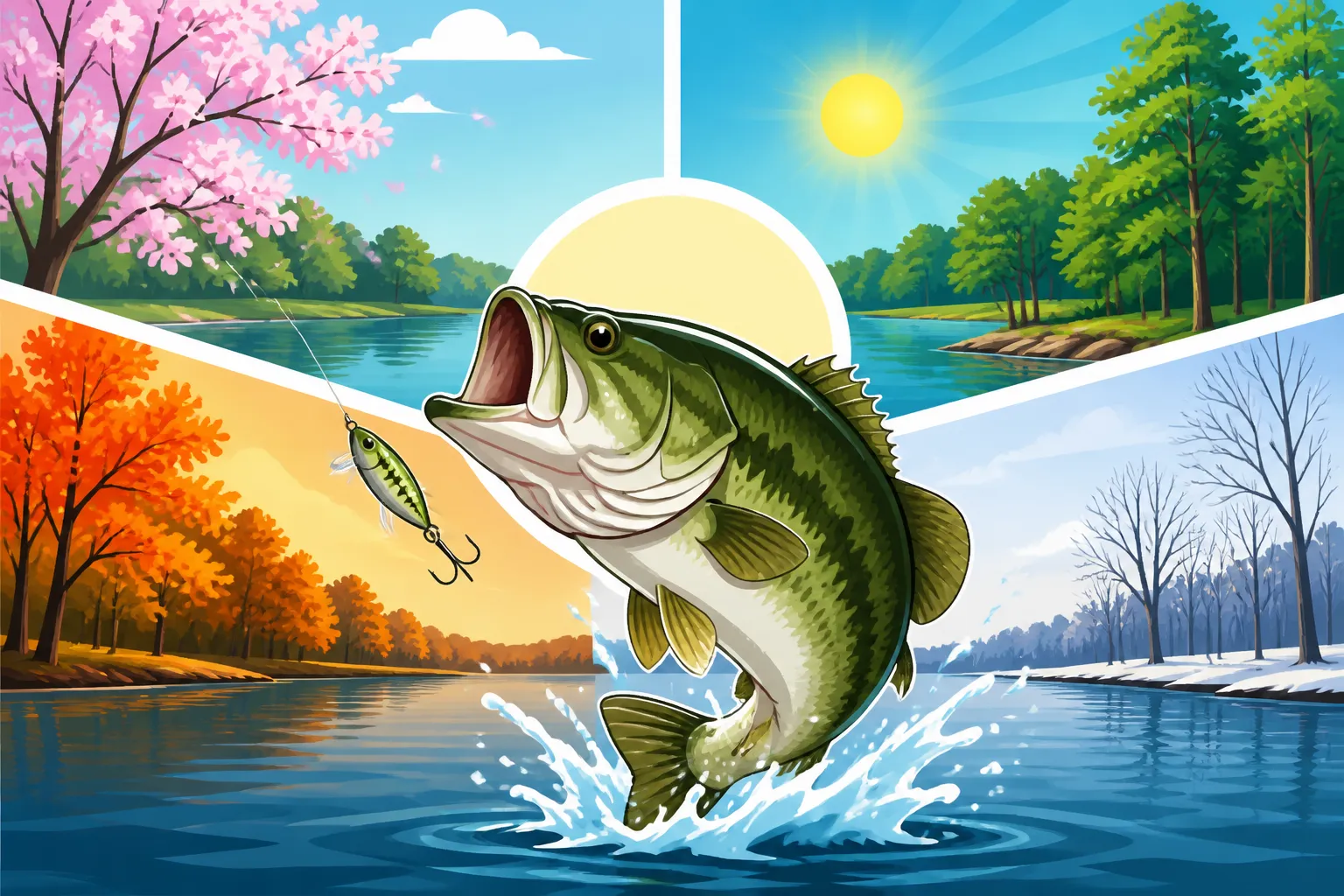
This table provides a quick reference to help you plan your Lake Oconee bass fishing trips throughout the year. While these are general guidelines, always be prepared to adapt to the specific conditions you encounter on any given day.
Disclaimer
Fishing regulations, license requirements, and local conditions can change. Always consult the Georgia Department of Natural Resources (GDNR) for the most current rules and safety guidelines before heading out on the water. This guide is for informational purposes only.