Best Spots to Fish From the Bank
It's a common frustration, isn't it? You love the idea of spending a peaceful day by the water, reeling in a feisty bass or a plump bream, but the thought of needing an expensive boat, a trailer, and all the hassle of launching just puts a damper on your fishing dreams. Many folks feel locked out of the best spots without a vessel. But here's the good news: Georgia offers an incredible array of accessible fishing locations where you can enjoy fantastic angling right from the bank. This guide will walk you through how to identify those prime spots, what gear you’ll need, and the techniques that will make your shore fishing adventures truly rewarding.
The Hidden Gems: Why Bank Fishing is Often Overlooked But Incredibly Rewarding
For many anglers, the image of "serious" fishing involves a bass boat roaring across a lake or a john boat drifting down a river. This mindset often leads people to believe that if you don't have a boat, you're missing out on all the action. But I'm here to tell you that's simply not true! Bank fishing in Georgia is not just a fallback plan; it's a legitimate, enjoyable, and often incredibly productive way to fish. It's about connecting with nature, finding those quiet corners, and proving that skill and observation can trump horsepower.
Dispelling the "Need a Boat" Myth
Let's be real, boats are great. They open up vast expanses of water and get you to those hard-to-reach honey holes. But they also come with a significant cost, maintenance, and a whole lot of logistics. For many of us, that's a barrier. What often goes unsaid is that fish, especially in lakes and rivers that see a lot of pressure, often stick close to cover and structure found near the shoreline. They're looking for food, shade, and protection, all of which the bank often provides.
Think about it: fallen trees, rocky outcrops, lily pad beds, and even submerged culverts are all fantastic fish habitat, and many of these are perfectly accessible from shore. You don't need to motor out to the middle of the lake to find fish; sometimes, they're literally at your feet. Understanding these natural patterns can empower you to find Best Spots to Fish From the Bank that boaters might even overlook as they zoom by.
The Joys of Simplicity and Accessibility
One of the greatest appeals of bank fishing is its inherent simplicity. You don't need to worry about gas, oil changes, or complicated electronics. Grab your rod, tackle box, a comfortable Best Folding Chair for Bank Fishing, and you're good to go. This low-barrier-to-entry makes it perfect for beginners, families with kids, or anyone looking for a stress-free outing. It's also incredibly budget-friendly compared to the upfront and ongoing costs of boating.
Beyond the practicalities, there's a unique joy in bank fishing. It forces you to slow down, observe your surroundings more closely, and truly engage with the environment. You might spot deer grazing at dawn, a majestic heron stalking its prey, or a kingfisher diving for minnows. It's a more immersive experience, offering a sense of peace and tranquility that can be hard to find when you're navigating boat traffic. Plus, walking the shoreline and exploring new areas can be an adventure in itself, revealing hidden pockets of potential fish habitat.
Scouting the Perfect Shoreline: Finding Bank Fishing Hotspots
So, you're convinced that bank fishing is the way to go. Fantastic! Now comes the fun part: figuring out where to actually cast your line. Georgia is blessed with a diverse landscape, from vast reservoirs to winding rivers and serene ponds. Each offers unique opportunities for the shore angler. The key is knowing what to look for and where to find public access points.
Lake and Reservoir Shorelines: Coves, Points, and Public Access
When you're looking at a big lake like Lanier, Oconee, or West Point, the sheer amount of water can feel overwhelming if you don't have a boat. But fear not! There are plenty of fantastic Lake Lanier Shore Fishing Access Points and similar spots on other big waters. The trick is to identify key features from the bank that attract fish.
- Coves and Creeks: These are often shallower, warmer, and protected from wind, making them ideal for baitfish and, consequently, predator species like bass and crappie. Look for coves with standing timber, brush piles, or rocky bottoms. In the spring, these areas are prime for spawning fish.
- Points and Submerged Humps: Points that extend into the main lake or large creek arms act as highways for fish moving between shallow and deep water. Submerged humps, even if you can only reach the shallower edges from shore, are also excellent ambush points. These areas often attract schooling fish.
- Public Access Areas: Many large reservoirs have public parks, recreation areas, and boat ramps that also offer excellent bank fishing opportunities. While boat ramps themselves might be busy, nearby shoreline or fishing piers are often available. Search for "public fishing access" for specific lakes you're interested in. Just be mindful of boat traffic if you're near a launch ramp.
River and Creek Banks: Reading the Flow and Finding Structure
Fishing rivers and creeks from the bank offers a completely different, but equally rewarding, experience. Here, you're not just looking for cover; you're also "reading the water" and understanding how the current influences fish behavior. Rivers like the Chattahoochee or the Flint offer diverse bank fishing possibilities.
- Eddies and Seams: Fish in rivers don't want to fight the current constantly. Look for eddies – areas where the current slows down or swirls – often found behind large rocks, fallen trees, or bends in the river. The "seams" where fast water meets slow water are prime feeding lanes.
- Deep Pools and Runs: Rivers often feature deeper pools interspersed with shallower, faster runs. Fish will hold in the deeper, calmer water, especially during hot weather or when they need to conserve energy. Targeting the transition zones between these pools and runs can be very productive.
- Fallen Timber and Undercut Banks: These are absolute magnets for fish in rivers. Fallen trees provide excellent cover from predators and current, while undercut banks offer shade and hiding spots. Approach these areas quietly and present your bait or lure carefully. For trout anglers, finding good Toccoa River Delayed Harvest Fishing Spots often means finding these types of structures.
Georgia's Public Fishing Areas PFAs: Designed for Bank Anglers
If you're looking for bank fishing that's practically tailor-made for you, Georgia's Public Fishing Areas (PFAs) are a goldmine. These managed lakes and ponds are specifically designed to maximize fishing success and accessibility, often with paved walking trails, fishing piers, and clear banks.
- Purpose-Built Access: PFAs are managed by the Georgia Department of Natural Resources (DNR) and are often stocked regularly with various species, including bass, bream, catfish, and sometimes even trout. They typically feature multiple fishing piers, handicap-accessible spots, and plenty of open shoreline for easy casting.
- Family-Friendly Environment: Because of their accessibility and consistent stocking, PFAs are fantastic places for families and beginners. You often have a better chance of catching something, which is great for keeping kids engaged. Many offer picnic areas and restrooms, making for a comfortable day out.
- Specific Examples: Check out places like Paradise PFA near Tifton, Marben Farm PFA near Covington, or the Altamaha River PFA near Jesup. Each PFA has its own unique character and target species. It's a great way to experience Georgia State Park Fishing Spots or similar managed waters. You can often find detailed maps and fish stocking information on the DNR website.
Here's a quick comparison of popular bank fishing spot types in Georgia:
| Spot Type | Primary Appeal | Target Species (Common) | Pros | Cons |
|---|---|---|---|---|
| Lake/Reservoir Shore | Access to large bodies of water | Bass, Crappie, Striped Bass, Catfish | Potential for larger fish, diverse habitat | Can be crowded, limited access in some areas, boat traffic |
| Rivers/Creeks | Dynamic water, current-dwelling fish | Trout, Bass, Catfish, Shoal Bass | Unique challenge, often less crowded, beautiful scenery | Current can be tricky, limited casting room, uneven terrain |
| PFAs (Ponds/Lakes) | Managed for public access and fishing success | Bass, Bream, Catfish, Trout | Excellent accessibility, higher catch rates, family-friendly | Smaller fish size average, can be crowded on weekends |
| Small Ponds | Local convenience, quiet | Bream, Bass, Catfish | Very accessible, great for beginners/kids, peaceful | Limited space, fish might be smaller, private property issues |
Essential Gear and Techniques for Successful Bank Fishing
Alright, you've scouted your spot. Now, let's talk about what you need to bring and how to make those casts count. One of the beauties of bank fishing is that you don't need a ton of specialized equipment, but having the right tools for the job can make a huge difference in your success and enjoyment. Plus, smart technique can outfish fancy gear any day.
The Right Rod, Reel, and Line for the Bank
Choosing your primary setup is crucial for bank fishing. You need versatility, casting distance, and enough backbone to handle whatever might bite.
- Rod Selection: A medium-action spinning rod, anywhere from 6.5 to 7.5 feet long, is usually a fantastic all-around choice. The extra length helps with casting distance, which is key when you're limited to the shore. It also helps with keeping your line out of shoreline brush. Look for something that's sensitive enough to feel subtle bites but strong enough to haul in a decent fish. You can find excellent options on Amazon.
- Reel Choice: Pair that rod with a quality spinning reel in the 2500-3000 size range. This size offers a good balance of line capacity and smooth drag. A smooth drag is vital for fighting larger fish without breaking your line, especially when you can't chase them down with a boat.
- Line Recommendations: Monofilament line in 8-12 pound test is a versatile choice for most freshwater bank fishing. It's forgiving, easy to cast, and has good knot strength. If you're targeting heavier cover or bigger fish, consider a braided line (20-30 pound test) with a fluorocarbon leader (10-15 pound test) for better sensitivity and abrasion resistance. Remember, you might need to cast How to Cast Farther When Bank Fishing to reach desired areas.
Tackle Box Essentials for Shore Anglers
You don't need to haul a massive tackle box with you, but a well-stocked smaller one can make a world of difference. Think about versatility and efficiency.
- Hooks: A variety of sizes, from small Aberdeen hooks for bream to larger worm hooks for bass and circle hooks for catfish.
- Weights/Sinkers: Split shots, bullet weights, and egg sinkers will cover most situations, allowing you to get your bait down to the strike zone.
- Floats/Bobbers: Slip bobbers are fantastic for adjusting your bait depth, especially useful when you're fishing near submerged structure or on a Best Family-Friendly Fishing Spots in Georgia outing where kids are learning.
- Lures:
- Soft Plastics: Worms, creature baits, and swimbaits are incredibly versatile for bass. Rig them Texas-style for weedless fishing.
- Spinners/Inline Spinners: Great for panfish and trout in creeks.
- Jigs: Crappie jigs for panfish, or heavier bass jigs for targeting cover.
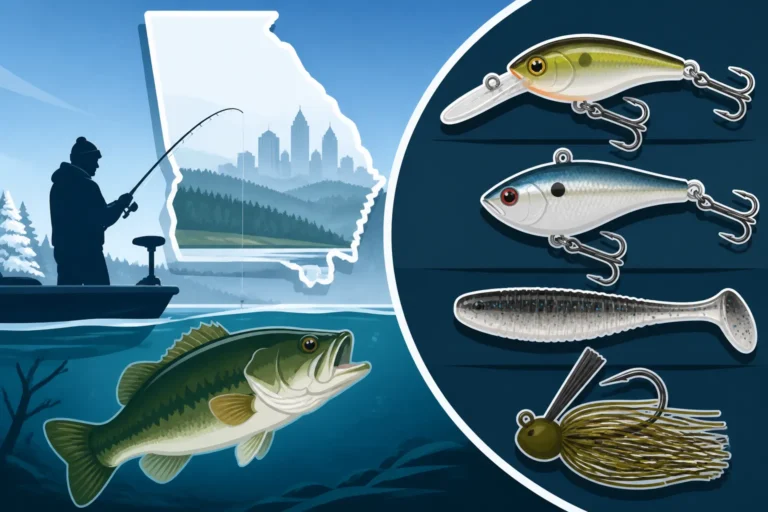
- Crankbaits: Small to medium crankbaits can be effective for bass, especially those with a lip that helps them deflect off cover.
- Bait: Don't underestimate the power of natural bait! Worms, crickets, and minnows are universal fish catchers. You can pick these up at local bait shops. If you're targeting catfish, stink bait or cut bait can be incredibly effective. Amazon also offers a range of artificial baits and tackle organizers that are perfect for keeping your gear streamlined.
- Tools: Pliers/forceps for hook removal, line clippers, a small towel, and a measuring tape are indispensable. Don't forget a small cooler for keeping your catch fresh or your drinks cold. For a more organized approach, check out options for a Best Tackle Bag for Bank Anglers.
Mastering Bank Fishing Techniques
Just having the gear isn't enough; knowing how to use it effectively from the bank is where the magic happens.
- Fan Casting: Since you can't move your boat around, you need to cover as much water as possible from your stationary spot. Cast your lure or bait in a fan pattern, starting to your left, then moving straight out, then to your right. This ensures you're exploring different depths and potential fish-holding spots.
- Targeting Structure: Always look for visible structure: logs, rocks, lily pads, docks, bridge pilings, or even changes in bank contours. These are fish magnets. Cast your lure beyond the structure and retrieve it past or through it. Don't be afraid to try different angles. This is where a longer rod and precise casting really shine. Learning How to Fish From the Bank Effectively means mastering these techniques.
- Stealth and Patience: Bank fishing often puts you closer to the fish than boat fishing. Be mindful of your movements; heavy footsteps on the bank or bright clothing can spook shallow-water fish. Move slowly and quietly. Patience is also key. Don't just cast once and move on; work an area thoroughly before relocating. Spend at least 15-20 minutes in a promising spot, trying different retrieves or baits.
Maximizing Your Catch: Species-Specific Bank Fishing Tips in Georgia
Georgia's diverse waterways mean you can target a wide variety of fish species right from the bank. Knowing what you're after and tailoring your approach can dramatically increase your success. Let's dive into some common targets and how to hook them from shore.
Targeting Bass and Crappie from Shore
Largemouth and spotted bass are arguably Georgia's most popular game fish, and they are definitely catchable from the bank. Crappie, those delicious "slab" panfish, are also a fantastic shore fishing target, especially in the cooler months.
-
Bank Fishing for Bass:
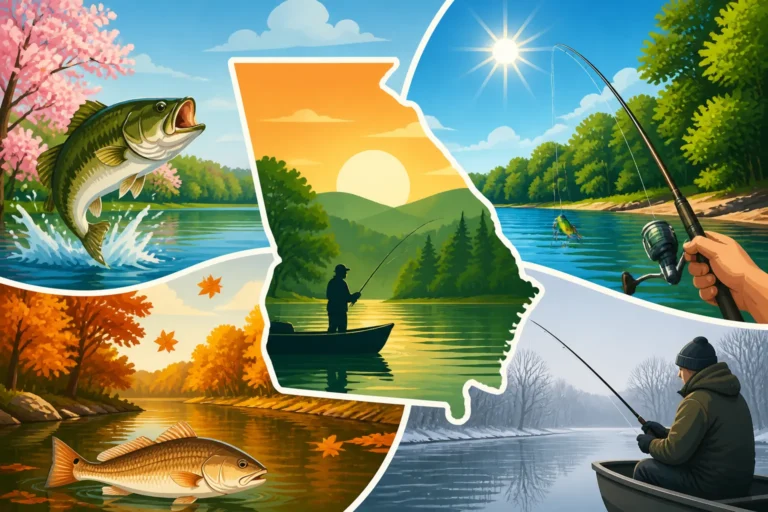
- Location: Look for bass in areas with cover: fallen trees, brush piles, docks, rock piles, or areas where the bank drops off quickly into deeper water. In the spring, shallow coves and points are excellent as bass move in to spawn. During summer, target shaded areas or fish early mornings and late evenings. You can often find great Best Largemouth Bass Fishing Spots on Lake Hartwell along accessible shorelines.
- Lures/Bait: Soft plastic worms (Texas-rigged or wacky-rigged) are fantastic for working through cover. Spinnerbaits and small crankbaits can cover water effectively. Topwater lures are thrilling during low-light conditions. If all else fails, a live shiner or minnow under a bobber can be irresistible.
- Technique: Cast close to cover. Let your soft plastics sink naturally, twitching them periodically. With spinnerbaits and crankbaits, vary your retrieve speed until you find what triggers a bite.
-
Bank Fishing for Crappie:
- Location: Crappie love structure. From the bank, target bridge pilings, submerged brush, fallen timber, or fishing piers. They often school up, so if you catch one, there are likely more nearby. Look for them in slightly deeper water during the day, moving shallower at dawn and dusk. Best Crappie Lakes in Georgia often have good bank access.
- Lures/Bait: Small jigs (1/32 to 1/8 oz) tipped with a small soft plastic grub or a live minnow are crappie killers. Use light line (4-6 pound test) for a natural presentation.
- Technique: Present your jig or minnow under a small bobber, adjusting the depth until you find the fish. Slowly retrieve or let it sit, twitching occasionally. When using a jig without a bobber, a slow, steady retrieve with a subtle jigging motion can be very effective.
Hooking Catfish and Bream on the Bank
Catfish and bream (bluegill, sunfish) are arguably the most accessible and consistently catchable species from the bank, making them perfect for beginners and seasoned anglers alike.
- Bank Fishing for Catfish:
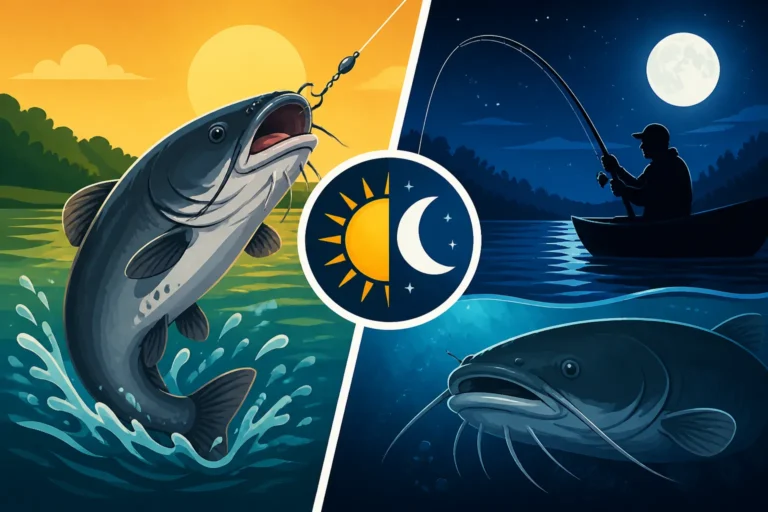
- Location: Catfish often congregate in deeper holes, around fallen trees, or along the edges of channels in lakes and rivers. They are bottom feeders, so look for areas with a soft, muddy bottom. Many Best Catfish Fishing Spots on Lake Sinclair, Georgia are reachable from shore. They also bite well at night, making Night Fishing Techniques for Catfish a great bank option.
- Lures/Bait: Forget the lures; catfish are all about bait. Stink bait, chicken livers, cut bait (like shad or bream fillets), and even hot dogs work wonders. For big flatheads, live bream or sunfish are preferred.
- Technique: Use a bottom rig (Carolina rig or slip-sinker rig) to present your bait on the bottom. Cast out and let it sit. Catfish often mouth the bait before taking it, so be patient and wait for a steady pull on your rod tip before setting the hook. A heavy rod and reel are recommended.
- Bank Fishing for Bream (Bluegill, Sunfish):
- Location: Bream are everywhere! They love shallow, vegetated areas like lily pad beds, weed lines, and around docks or fallen trees in ponds, lakes, and slow-moving rivers. Easiest Fish for Kids to Catch are often these feisty panfish.
- Lures/Bait: Worms, crickets, and small artificial lures like tiny spinners or jigs are irresistible to bream.
- Technique: A simple bobber rig with a small hook and a piece of worm or cricket is all you need. Cast near cover and let it sit. Bream are usually aggressive biters, so you'll know when they're around. They're also great fun on ultra-light tackle.
Trout Fishing from the Banks of Mountain Streams
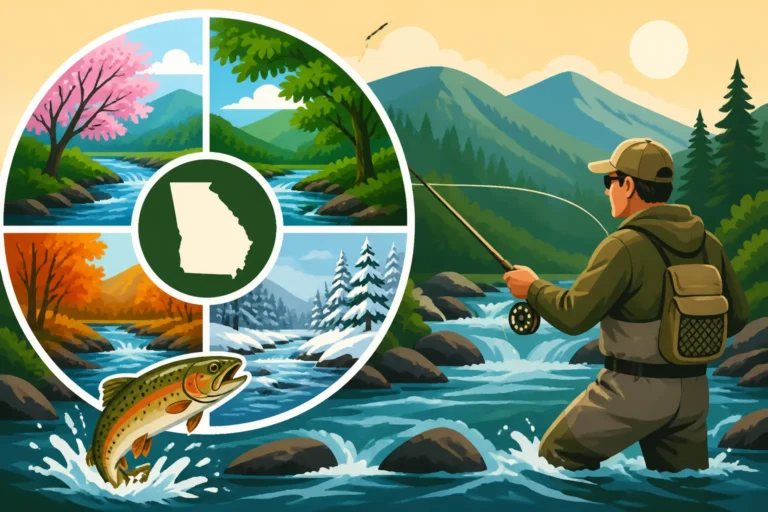
For those who crave the cool, clear waters of North Georgia, bank fishing for trout is a serene and rewarding experience. Rainbow, brown, and native brook trout can all be caught from the banks of various streams.
- Location: Trout thrive in cold, oxygenated water. Look for them in runs, riffles, and especially in deeper pools around rocks, fallen logs, or undercut banks. Many Best Trout Fishing Spots on the Toccoa River and other mountain streams have ample bank access.
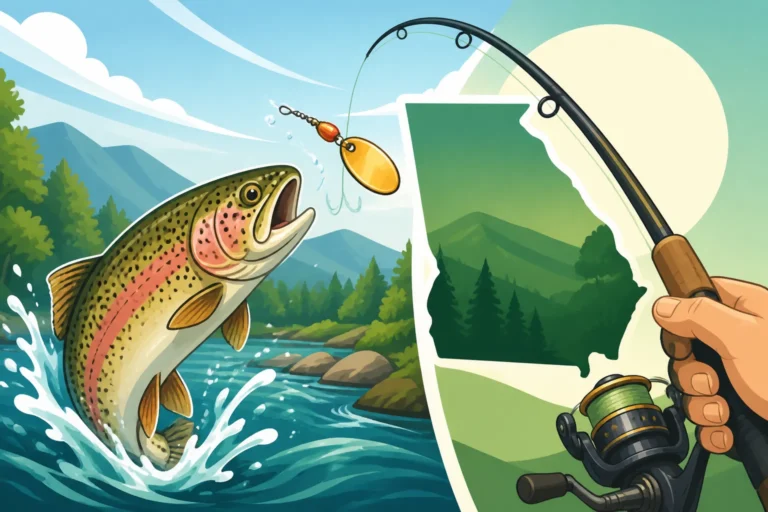
- Lures/Bait: Small inline spinners (like Rooster Tails or Mepps), artificial trout baits (PowerBait, Gulp!), small worms, or crickets are very effective. Fly fishing from the bank is also possible if you have enough backcasting room.
- Technique: Stealth is paramount when trout fishing. Approach stream banks slowly and quietly. Cast upstream and let your bait or lure drift naturally downstream through prime holding water. Use light line (2-6 pound test) for a natural presentation. Be prepared for a quick bite; trout are often aggressive strikers. If you're fishing Delayed Harvest Trout Streams in Georgia during the catch-and-release season, handle the fish carefully and release them quickly.
Remember, regardless of the species you're targeting, respect the local regulations regarding size and creel limits. Always practice responsible angling by packing out all your trash and leaving the shoreline cleaner than you found it. Happy bank fishing, Georgia!
Disclaimer
This article is for general informational purposes only and does not constitute professional advice. Laws, prices and regulations vary by location and change over time. Consult a qualified professional for guidance on your specific situation.