Georgia’s Daily Creel Limit on General Trout Waters
It’s easy to feel a little lost when you’re trying to make sense of all the fishing regulations here in Georgia. One minute you're just excited to get out on the water, and the next you're squinting at tiny print, wondering if you're even allowed to keep that beautiful rainbow trout you just caught. Don't worry, you're not alone! Many anglers, even experienced ones, find themselves confused by the nuances of daily creel limits, especially when it comes to trout. This guide is here to clear up exactly what Georgia's daily creel limit is for general trout waters, so you can fish with confidence and peace of mind.
Understanding Georgia's General Trout Water Regulations
When you're gearing up for a trout fishing adventure in Georgia, the first thing to wrap your head around is the distinction between "general trout waters" and those with special regulations. It can feel like a labyrinth, but once you understand the basics, it becomes much clearer. The Georgia Department of Natural Resources (WRD) does a great job outlining these, but sometimes you just need it broken down in plain language.
What "General Trout Waters" Actually Means
Think of "general trout waters" as the default setting for trout fishing in Georgia. These are the vast majority of our streams, rivers, and even some smaller lakes and ponds that either naturally hold trout or are regularly stocked by the state, but without any highly specific, additional rules regarding minimum sizes or catch-and-release windows. If a body of water isn't specifically listed by the Georgia WRD as a "Delayed Harvest stream" or a "Trophy Trout Stream" or some other special management area, chances are it falls under the "general regulation" umbrella.
For instance, many of the smaller, unnamed creeks flowing through the Chattahoochee National Forest might be considered general waters, or even accessible sections of larger rivers outside of designated special regulation zones. These are the places where the state aims for a balance between providing angling opportunities and maintaining a healthy fish population through stocking efforts. It’s important to remember that while these waters are generally more relaxed, they still have rules, and knowing them is your responsibility as an angler. This stands in contrast to spots like the famed Delayed Harvest Trout Streams in Georgia, which have very specific catch-and-release seasons.
The Standard Daily Creel Limit for Trout
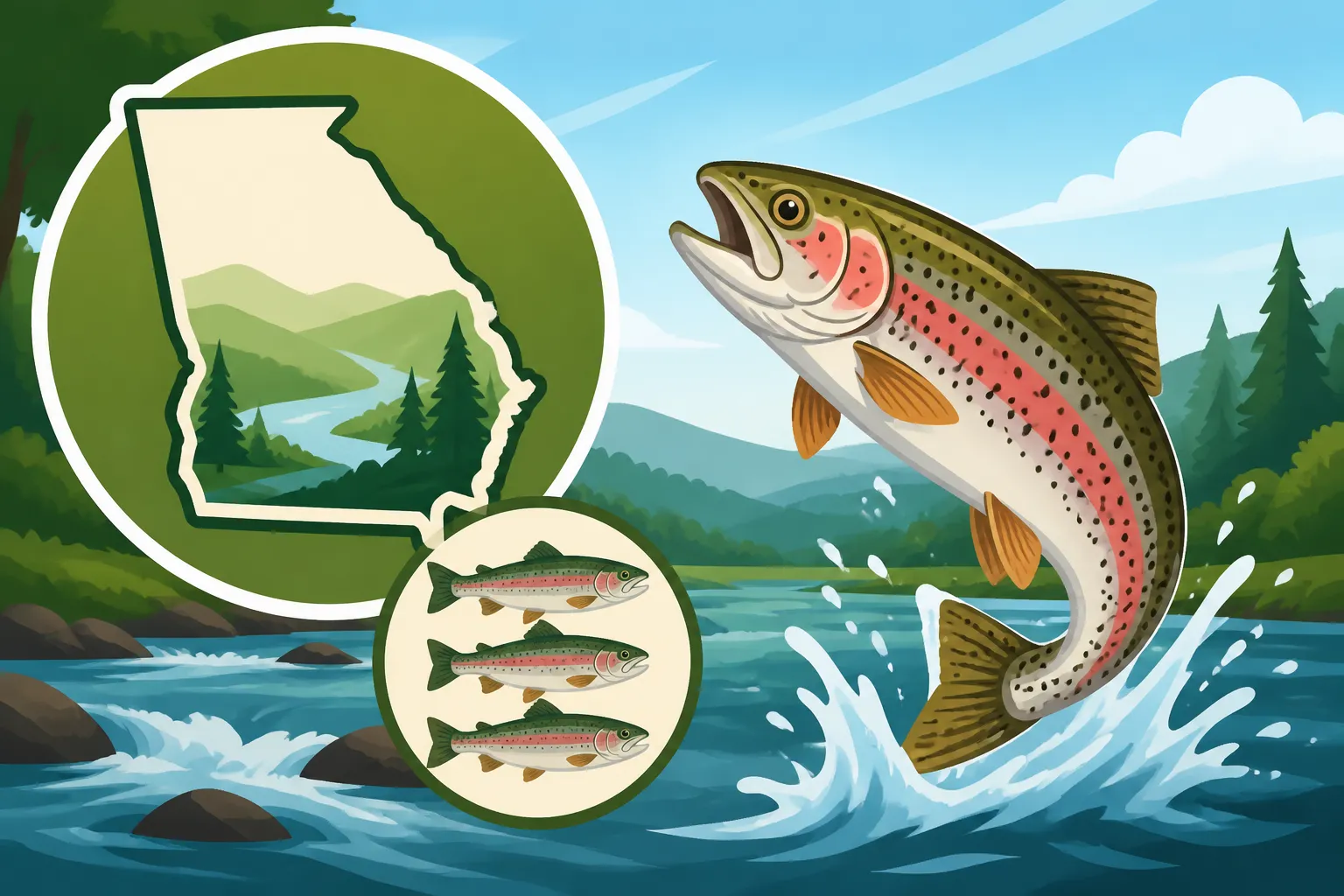
So, what's the magic number for general trout waters? It's pretty straightforward: the standard daily creel limit is 8 trout per person, per day. This means that from the moment you start fishing until the end of the calendar day (midnight, essentially), you are allowed to legally possess a maximum of eight trout that you've caught from general regulation waters.
This limit applies no matter the species of trout you catch – whether it's a feisty Rainbow, a beautiful Brown, or even a native Brook Trout. You can have any combination of these species, as long as the total doesn't exceed eight. For example, if you catch five Rainbows and three Browns, you’ve hit your limit. This limit is designed to ensure that while anglers can enjoy a successful day and take home some fish for dinner, the overall trout population isn't overharvested. It's a key piece of the puzzle in sustainable fishing, allowing for both enjoyment and conservation. This is separate from needing a specific Georgia Trout Fishing License Requirements, which is a prerequisite for even casting a line in trout waters.
Species and Size: What Counts Towards Your Creel Limit
Once you understand the general creel limit, the next logical question is usually about specific species and any minimum size requirements. After all, not all trout look alike, and some streams are known for particular types. Getting this wrong can lead to headaches, so let's break it down.
Counting Your Catch: Rainbow, Brown, and Brook Trout
Georgia is home to three primary species of trout that anglers pursue: Rainbow Trout, Brown Trout, and the native Brook Trout. On general trout waters, all three of these species count towards your 8-fish daily creel limit. There's no special exception where you can keep eight Rainbows plus eight Browns. It's simply eight total trout, regardless of their species.
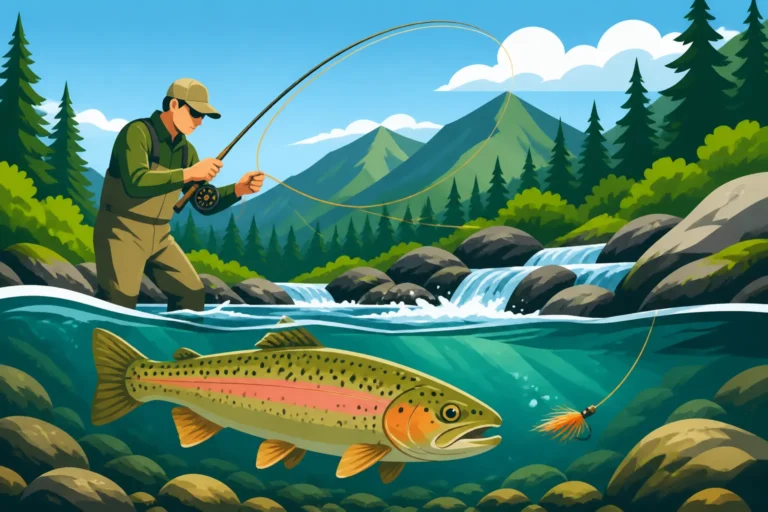
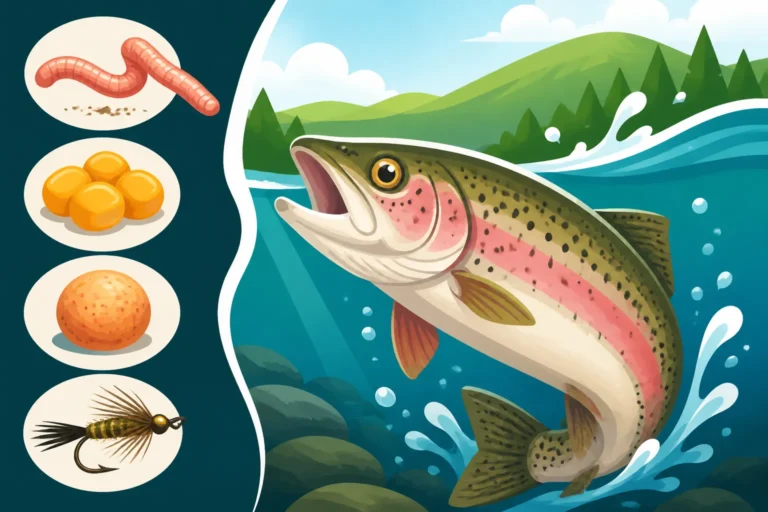
Identifying these species isn't too difficult with a little practice. Rainbow Trout are probably the most common in stocked waters, often sporting a distinctive reddish-pink stripe along their side, usually with small black spots all over. Brown Trout tend to have a more olive or golden-brown coloration, with larger, often haloed spots that can be red, black, or orange. Our precious native Brook Trout, though often smaller, are truly beautiful with their worm-like markings (vermiculations) on their backs, red spots with blue halos on their sides, and white leading edges on their fins. If you're unsure, it's always best to err on the side of caution. Even if you don't keep them, knowing how to identify them adds to the richness of your fishing experience. You can learn more about how these different species compare in "Trout Species Compared: Rainbow vs Brown vs Brook in Georgia".
Minimum Size Requirements on General Waters
Here's where it gets a little less complicated, which is a nice change of pace! For general trout waters in Georgia, there typically isn't a statewide minimum size requirement for trout. This means that if you catch a trout of any legal size (meaning it's not from a special regulation stream with a specific minimum), it counts toward your 8-fish creel limit. You could, theoretically, keep eight very small trout if you chose to.
However, it's incredibly important to stress that this is a key difference from special regulation waters. Streams like the lower sections of Waters Creek or Noontootla Creek, for example, have very strict minimum size limits – sometimes as high as 16 or 22 inches for certain species or areas. You absolutely cannot keep a trout under that minimum size on those specific waters, even if you are well under your 8-fish creel limit. Always double-check the specific regulations for the stream you're fishing.
For general waters, while there’s no legal minimum, many anglers choose to practice their own form of conservation by releasing smaller fish, especially wild-born trout. This allows them to grow larger and contribute to future fish populations. It's a personal choice, but a thoughtful one. When fishing general waters, it's often more about the daily numbers you can take home, rather than specific sizes, unless you're trying to target trophy fish.
Practical Implications of the Creel Limit for Anglers
Understanding the regulations isn't just about avoiding trouble; it's about being a responsible member of the angling community and ensuring that Georgia's beautiful trout resources remain vibrant for generations to come. Trust me, the last thing you want is a run-in with a game warden because of a simple misunderstanding.
Avoiding Penalties: Why Knowing the Limit is Crucial
Let's be blunt: exceeding the daily creel limit isn't just a minor oversight; it's a violation of state law. And like any violation, it comes with consequences. The Georgia Department of Natural Resources (DNR) takes these regulations seriously because they are fundamental to managing fish populations. If a game warden checks your cooler and finds nine trout, even if you just "lost count," you could face a citation.
Penalties can range from significant fines to the possible suspension of your fishing license. Nobody wants to deal with that hassle, the cost, or the embarrassment. Imagine having your Georgia Fishing License Renewal Guide come up, only to find you have an issue because of a prior infraction. It’s simply not worth it. The best practice is to keep a mental (or even physical) tally of the fish you've decided to keep. Once you hit that magic number eight, it's time to either switch to catch-and-release only, or simply pack up and enjoy the rest of your day off the water. Being well-versed in general regulations, such as those found in the comprehensive Georgia Fishing Regulations Explained, can save you a lot of grief.
Responsible Angling and Conservation
Beyond the legal ramifications, adhering to creel limits is a cornerstone of responsible angling and conservation. Trout populations, especially in our colder mountain streams, can be delicate. Overfishing, even by a small margin across many anglers, can quickly deplete local fish stocks, impacting not just the number of fish, but also their size and overall health.
By respecting the 8-fish limit on general waters, you're actively participating in the long-term sustainability of Georgia's trout fisheries. You're helping to ensure that there are enough fish for natural reproduction, enough for the state's stocking programs, and enough for other anglers to enjoy in the future. It’s about more than just your individual catch; it’s about contributing to the bigger picture of ecological balance. When you release fish, especially healthy ones, you're giving them a chance to grow larger and spawn, which benefits everyone. Many anglers even go further, choosing to release all wild-caught trout and only keeping stocked fish if they plan to eat them. This kind of personal stewardship is what truly makes a difference.
Where to Find Specific Trout Regulations and Exceptions
Navigating all the various rules and regulations can feel like a full-time job, but luckily, Georgia makes it pretty easy to find the most up-to-date information. As much as I love sharing my knowledge, the official sources are always your go-to for the absolute latest and greatest.
Navigating the Georgia WRD Fishing Regulations
The absolute best and most authoritative source for Georgia's fishing regulations is the Georgia Department of Natural Resources (WRD). They publish an annual "Georgia Sport Fishing Regulations" guide, which is available both online and in print at most places where you can buy a fishing license, like local bait shops or big box stores. The WRD's website is fantastic; you can often find a downloadable PDF of the entire guide, or browse specific sections online.
When you're checking the regulations, pay close attention to the "Trout" section. It will clearly list the general regulations, as well as any specific rules for designated waters. The WRD works hard to manage these resources, and their guide is comprehensive, covering everything from creel limits to license requirements like the Mountain Trout License Add-On in Georgia. Don't just skim it; take the time to read through the sections relevant to where you plan to fish. You can even sometimes buy physical copies of the regulations on Amazon if you prefer a tangible copy for your tackle box.
Understanding Special Regulation Waters and Their Limits
This is where things can get a little tricky, so pay close attention. While the 8-fish creel limit applies to most general trout waters, many of Georgia's prime trout streams and sections of rivers operate under special regulations. These special rules are put in place for specific conservation or trophy management goals.
For example, Georgia has a number of "Delayed Harvest" streams (like the Amicalola Creek or Smith Creek below Unicoi Lake) where during certain months (typically November through May), fishing is strictly catch-and-release, and only artificial lures with single hooks are allowed. During these periods, your creel limit is effectively zero. Then, once the Delayed Harvest season ends, they revert back to general regulations, or sometimes a modified version.
Other streams are managed for trophy trout, meaning they might have a higher minimum size limit, or even slot limits, and sometimes a reduced creel limit. A good example would be Waters Creek Trout Size Rules, Georgia or Noontootla Creek Trout Minimum Length, which are famous for their larger fish and very specific rules. You might be allowed to keep only one or two fish, and they have to be over a certain length. This is why it’s absolutely essential to check the specific regulations for the particular body of water you intend to fish before you even leave the house. A quick call to the local WRD office or checking their website can save you a lot of heartache and potential fines.
To help visualize the difference, here's a quick comparison of general vs. a typical special regulation water during its most restrictive period:
| Regulation Aspect | General Trout Waters | Delayed Harvest (Nov-May) |
|---|---|---|
| Daily Creel Limit | 8 trout (any species combination) | 0 (catch and release only) |
| Minimum Size Limit | None (unless specified locally) | None (all must be released) |
| Gear Restriction | No specific restrictions (bait, lures, flies allowed) | Artificial lures with single hooks only |
| Common Examples | Most small streams, stocked sections | Amicalola Creek, Smith Creek, etc. |
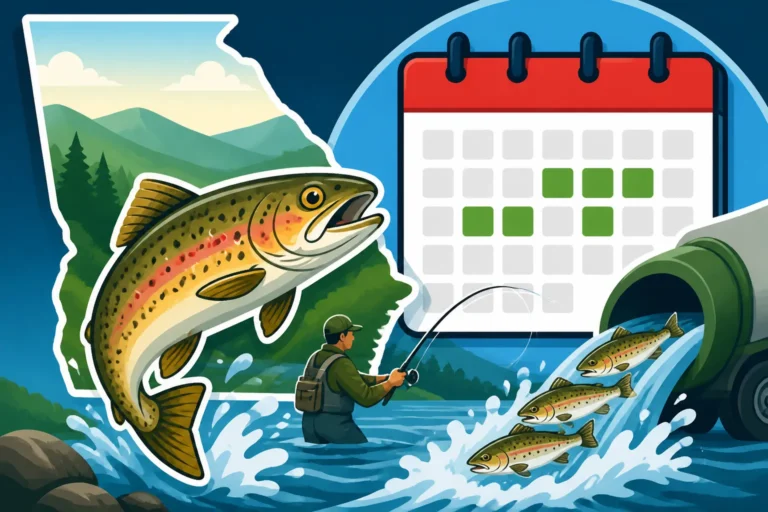
This table clearly illustrates why "general waters" is a specific classification and why it’s crucial not to confuse it with special regulation areas. Knowing How trout size limits differ from creek to creek in Georgia is truly the key to fishing responsibly and successfully across our diverse waterways. And don't forget to keep an eye on the Georgia Trout Stocking Schedule if you're targeting those fresh fish!
Disclaimer
Please remember that fishing regulations can change. While I strive to provide the most accurate and up-to-date information, it is always your responsibility to consult the official Georgia Department of Natural Resources (WRD) fishing regulations guide or website before you head out to fish. This guide is for informational purposes only and should not be considered legal advice.