Choosing Lures by Season
There’s nothing quite like the feeling of hitting your favorite Georgia fishing spot, rod in hand, ready for a productive day. But if you’ve ever found yourself casting the same trusty lure over and over, only to be met with frustrating silence, you know the struggle is real. Fish behavior changes dramatically with the seasons, and what worked wonders in spring might be completely ignored in the dog days of summer. This comprehensive guide is all about helping you decode those seasonal patterns and choose the perfect lures to ensure your tackle box is always stocked with winning options, no matter the time of year.
Spring: The Awakening and Aggressive Bites
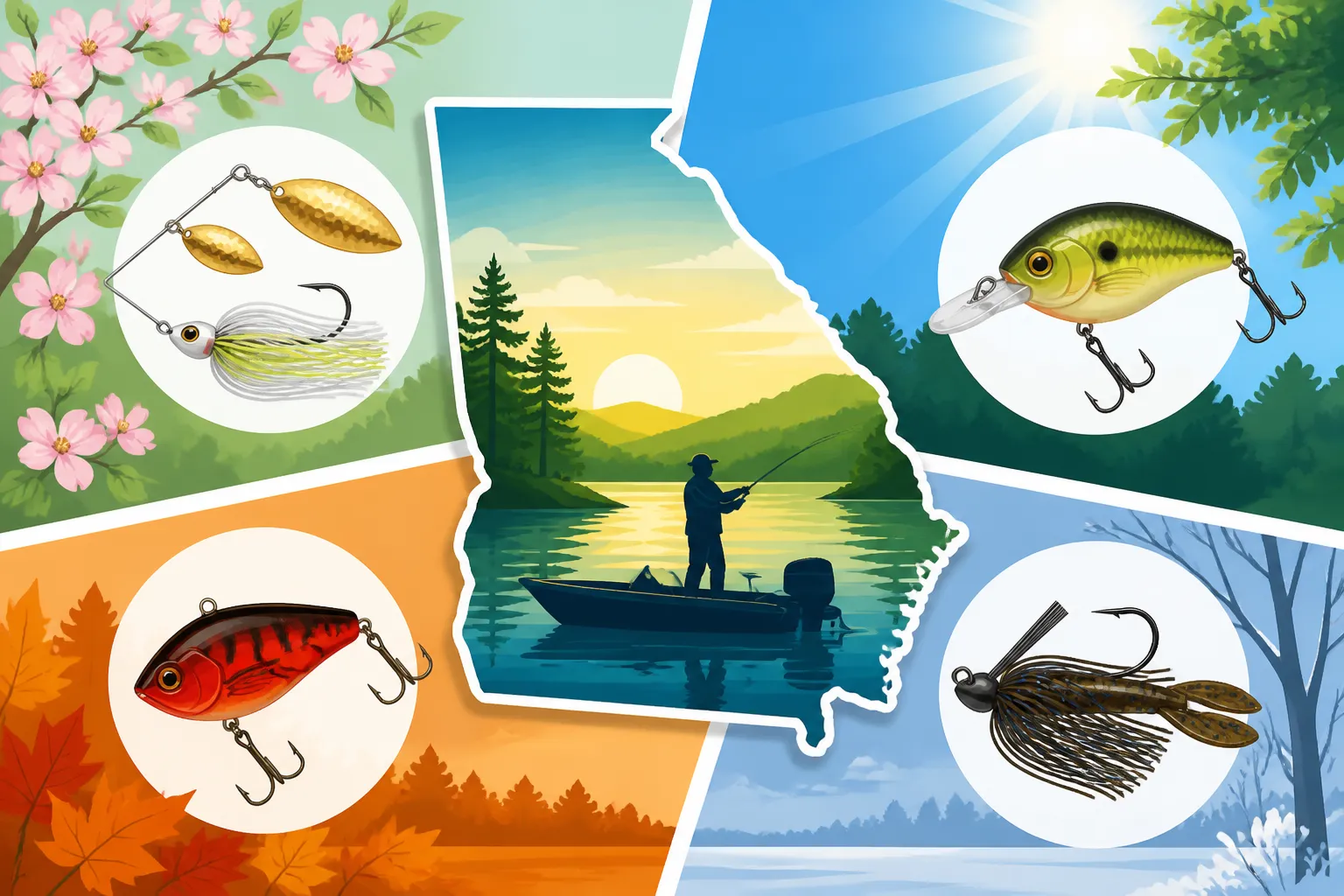
Ah, spring! The air starts to warm, the dogwoods bloom, and a palpable excitement fills the fishing community. This is a magical time in Georgia's waters, as fish shake off their winter lethargy and begin to feed actively, driven by the instinct to spawn. The key to spring fishing is understanding the different phases: pre-spawn, spawn, and post-spawn, as each demands a slightly different approach.
Pre-Spawn Power Fishing
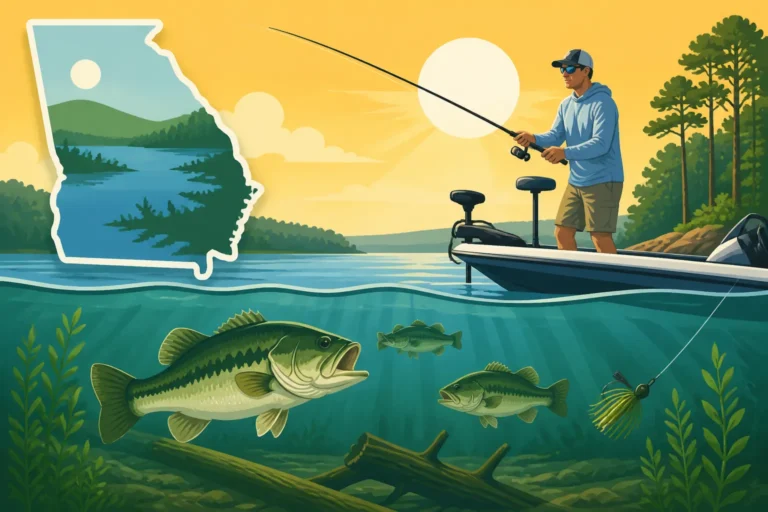
As water temperatures climb into the 50s and low 60s, fish, especially bass, start moving from their deeper winter haunts towards shallower staging areas. They're gorging themselves, trying to pack on calories before the exhausting spawning ritual. This is prime time for "power fishing" – covering a lot of water quickly with aggressive baits to find those active fish.
You’ll want to throw lures that mimic baitfish and crawfish, which are popular meals for hungry bass. Medium-diving crankbaits in shad or crawfish patterns are absolutely killer in Georgia reservoirs like Lake Lanier or Lake Oconee. Cast them around points, channel swings, and submerged cover where bass might be waiting to ambush prey. Jerkbaits, particularly suspending models, are another excellent choice when the water is still a bit chilly, allowing you to pause the bait right in a fish's face, tempting even reluctant biters. Remember, these fish are often on the move, so don't be afraid to keep relocating until you find a concentration.
The Spawn: Sight Fishing and Soft Plastics
Once water temperatures consistently hit the mid-60s, usually from late March through April and into May, it's spawning time. Bass will move into shallow, protected coves and pockets to build their nests. This is where the game changes dramatically, as fish become very territorial and focused on reproduction.
If you can find visible beds, sight fishing with soft plastics becomes incredibly effective. You're trying to irritate the fish into striking, making them believe your lure is a threat to their eggs or fry. Texas-rigged worms, creature baits, and jigs are your best friends here. Cast beyond the bed and slowly drag your bait into the strike zone, twitching it gently. Often, the fish won't inhale the bait, but simply move it off the bed, so watch your line intently for any unnatural movement. For a deep dive into this crucial period, you might want to check out our article on When Largemouth Bass Spawn on Georgia's Lakes.
Post-Spawn Recovery and Reaction Baits
After the spawn, fish are often exhausted and need a little time to recover. Females, especially, might move slightly deeper to rest, while males stay on the beds guarding fry for a short period. As they regain energy, they'll start feeding again, though sometimes less aggressively than in the pre-spawn.
This phase, typically late spring into early summer, is excellent for reaction baits. Spinnerbaits, chatterbaits, and lighter topwater lures like poppers or walking baits can trigger strikes from recovering fish. They're still somewhat shallow, often cruising around grass lines, docks, and submerged timber. A slow-rolled spinnerbait through patchy grass can be deadly on Lake Seminole, while a well-placed topwater frog near lily pads on a calm morning can lead to explosive strikes. Don't forget swim jigs, which offer a subtle presentation around cover and can be rigged with a soft plastic trailer to bulk them up.
Summer: Heat, Depth, and Dawn/Dusk Patrols
Summer in Georgia brings heat, both in the air and, crucially, in the water. As surface temperatures climb, many fish species, especially bass and striped bass, move to deeper, cooler water. Oxygen levels can also become a factor in shallower areas. But don't despair – summer fishing can be incredibly productive if you adjust your tactics.
Deep Water and Structure Tactics
When the sun is high and the air is scorching, you'll often find fish congregating around deep structures. Think offshore humps, ledges, brush piles, submerged timber, and deep points. This is where your electronics really shine, helping you locate these hidden sweet spots.
Jigs, particularly football jigs or stand-up jigs, are fantastic for working deep structure. Pair them with a crawfish or creature bait trailer to mimic natural forage. Deep-diving crankbaits are also essential; these aren't your medium-divers from spring, but lures designed to reach depths of 15-25 feet or more, grinding along the bottom and deflecting off cover. You might find a wider selection of specialized deep-diving crankbaits, perhaps from brands like Strike King or Spro, on Amazon if your local tackle shop doesn't have exactly what you need. Drop-shot rigs, particularly effective for spotted bass on clear lakes like Lanier, allow for a subtle, natural presentation right in the face of deep-holding fish. Understanding How Water Temperature Affects Fish Behavior is crucial during these warmer months.
Early Morning, Late Evening, and Night Fishing
While the midday sun drives fish deep, the cooler hours of dawn and dusk can bring them back to shallower feeding grounds. These low-light periods offer some of the most exciting fishing of the year, especially for topwater enthusiasts.
At first light, or as the sun dips below the horizon, keep those topwater lures handy. Walking baits like a Heddon Super Spook or poppers can entice explosive strikes from bass cruising shallow flats or feeding near boat docks. These brief windows of opportunity are fantastic for targeting active fish before they retreat to deeper water or dense cover. As for night fishing, it's an absolute game-changer, especially for catfish but also for bass. Catfish, particularly blue and channel cats, become incredibly active after dark. Using glow-in-the-dark baits or fishing under lights can make a huge difference. Our guide on Night Fishing Techniques for Catfish offers some excellent strategies for after-hours angling.
Targeting Striped Bass in Georgia's Lakes
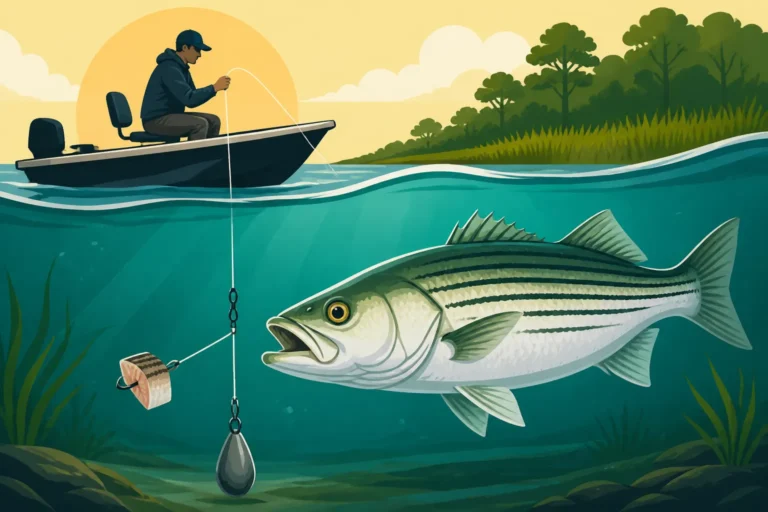
Summer is also a prime time for targeting striped bass on Georgia’s larger reservoirs like Lake Lanier, Lake Hartwell, and Lake Oconee. These powerful fish are often found schooling in open water, chasing baitfish.
Live bait, particularly blueback herring or gizzard shad, slow-trolled or presented on downlines, is incredibly effective. For artificials, think about large swimbaits, bucktail jigs, or spoons that can be jigged vertically in the water column. Trolling with large crankbaits or umbrella rigs can also cover vast expanses of water and locate active schools. If you're looking to gear up for this, finding a robust trolling motor and appropriate rods on Amazon can set you up for success. Learn more about effective methods in How to Troll for Striped Bass.
Fall: The Feeding Frenzy Before Winter
As summer's oppressive heat gives way to cooler temperatures and shorter days, a new excitement builds in the fishing world. Fall is often considered one of the best times of the year to be on the water, as fish enter a major feeding frenzy to fatten up before winter. Baitfish schools become more concentrated, and predatory fish follow suit.
Chasing Baitfish with Reaction Baits
The overarching theme of fall fishing is "find the bait, find the fish." Shad, herring, and other baitfish form large schools in open water or along creek channels, and game fish are never far behind.
Reaction baits that mimic these baitfish are incredibly effective. Spinnerbaits, bladed jigs (like the Z-Man ChatterBait), and lipless crankbaits are perfect for covering water and generating aggressive strikes. Cast them around points, humps, and any visible schooling bait. On a clear, crisp fall morning, you might even see fish busting on the surface, pushing bait to the top – this is your cue to throw a topwater walking bait or a fluke-style soft jerkbait right into the fray. Lakes like Clarks Hill Lake and Lake Hartwell can offer spectacular fall action when the fish are chasing bait.
Covering Water with Cranks and Swimbaits
Fall fishing often means actively searching for schools of feeding fish rather than targeting specific pieces of cover. This makes lures that allow you to cover a lot of water quickly invaluable.
Crankbaits, especially those with tight wobbles in shad or bluegill patterns, are excellent. Vary your retrieve speed and depth until you find what the fish are keying in on. Swimbaits, both hard-bodied and soft plastic versions, are another fantastic choice for mimicking larger baitfish. Retrieve them steadily or with a slight pause-and-go action. For a detailed seasonal outlook, our Georgia Fishing Seasons by Month guide provides valuable insights into what to expect as the year progresses. Finding a variety of reliable swimbaits for different conditions can be easily done with a search on Amazon.
Targeting Transition Zones and Creek Channels
As water temperatures continue to drop, fish will begin their slow migration from summer haunts to wintering areas. These transition zones, especially creek channels and the mouths of major coves, become hotspots.
Fish will often stage along channel edges, humps, and points that offer easy access to both deep water and shallower feeding flats. Jigs, especially casting jigs, fished slowly along these contours, can be very effective for bass that are holding tight to structure. Finesse techniques like a shaky head worm can also pick off more reluctant fish. For trout anglers, the fall season in North Georgia's mountain streams, like the Toccoa River, can be incredible, with fish actively feeding on aquatic insects. Our Best Trout Streams in Georgia article is a great resource if you're planning a mountain trip.
Winter: Slow and Subtle Approaches
Winter fishing in Georgia can be a test of patience, but it can also yield some of the biggest fish of the year. As water temperatures plummet, fish metabolism slows down significantly. They become less active and more lethargic, preferring to conserve energy. This means your lure choices and presentation need to reflect their slower pace.
Slow Presentations for Lethargic Fish
When fish are cold, they're not going to chase down a fast-moving bait. Your presentation needs to be slow, deliberate, and often subtle.
Jigs, in various forms, are king in winter. A football jig dragged slowly along the bottom of a deep ledge or a finesse jig worked meticulously around a brush pile can tempt cold, sluggish bass. Ned rigs, a relatively small, mushroom-headed jig with a floating soft plastic, are incredibly effective for their subtle, stand-up presentation that mimics a small foraging creature. They're particularly good on highly pressured lakes or when fish are extremely inactive. Blade baits, like Silver Buddies, are also excellent for vertical jigging in deep water, fluttering enticingly as they fall.
Vertical Jigging and Deep Water Tactics
Most fish in winter will seek out the warmest, most stable water they can find, which is usually in deeper areas or near sources of slightly warmer water.
Vertical jigging with spoons (like a Hopkins Shorty or a P-Line Laser Minnow) over deep humps, creek channels, or submerged timber can be highly effective for bass, crappie, and even striped bass. Use your electronics to pinpoint schools of fish or bait, then drop your spoon right on their heads, jigging it with short, sharp lifts and pauses. These cold-water conditions are when understanding Winter Fishing Patterns on Georgia's Reservoirs truly pays off.
Warm Water Discharges and Deep Drops
Georgia has several power plants with warm water discharges that can create localized warmer zones. Fish will often stack up in these areas during winter, becoming more active than their counterparts elsewhere on the lake.
Lures that work well in spring might even have a place here. Jerkbaits, crankbaits, and even spinnerbaits can be effective in these warmer pockets. Also, don't overlook natural deep drops and thermoclines where fish might suspend. Sonic lures, like a Rapala Rippin' Rap or a Bill Lewis Rat-L-Trap, can use sound and vibration to attract fish from a distance in these deeper, colder environments. A detailed look at how to tackle the seasons can be found in A Year-Round Guide to Fishing in Georgia.
Factors Beyond Season: Water Temperature, Clarity, and Forage
While the calendar gives us a general idea, Mother Nature doesn't always read the same schedule. Several critical factors can override typical seasonal patterns and drastically influence your lure selection. Ignoring these means you're leaving bites on the water!
Water Temperature is King
We've touched on it already, but it bears repeating: water temperature is perhaps the single most important factor influencing fish behavior and, by extension, lure choice. Fish are cold-blooded, so their metabolism and activity levels are directly tied to the temperature of their environment.
For example, a sudden cold front in spring can push pre-spawn bass back into deeper water, making them less aggressive. Conversely, a warm spell in winter might bring fish shallower and make them more willing to chase. Always check the water temperature before you start fishing. Colder water generally means slower retrieves and more subtle presentations. Warmer water often allows for faster retrieves and more aggressive baits. This is why a good fish finder with a temperature gauge is worth its weight in gold.
Water Clarity Impacts Color and Presentation
The visibility underwater dramatically affects how fish perceive your lure. Clear water demands different tactics than murky, stained water.
In clear water, fish have excellent visibility, meaning they can scrutinize your lure more closely. This calls for more natural colors (e.g., green pumpkin, watermelon, natural shad patterns) and sometimes smaller, more subtle presentations. Fluorocarbon line is often preferred for its near invisibility. Conversely, in stained or muddy water, fish rely more on lateral lines (vibration) and scent. Here, brighter, more contrasting colors (e.g., chartreuse, black and blue, firetiger) and lures that displace more water (e.g., spinnerbaits with large blades, chatterbaits, bulky jigs) can be more effective. Finding the right color variation for your favorite jig can be critical, and browsing Amazon for specific hues can save you time.
Understanding the Local Forage Base
"Match the hatch" isn't just for fly fishing. Knowing what the primary food sources are in your specific Georgia lake or river will give you a significant advantage. Are the fish primarily eating shad, bluegill, crawfish, or perch?
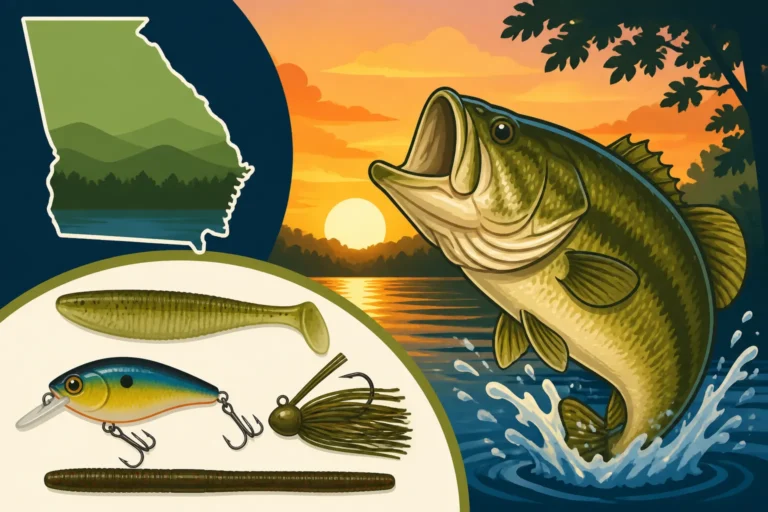
If you're on a lake abundant with shad, then lures in silver, white, and gray shad patterns will naturally be more effective. If it's a lake with a strong crawfish population, then brown, green pumpkin, and orange craw patterns are the way to go for jigs and crankbaits. For striped bass, imitating blueback herring is often key. Observing your surroundings, talking to local bait shop owners, and even checking fish stomachs can provide invaluable clues. Our guide on Best Lures for Georgia Largemouth Bass dives deeper into specific bait recommendations.
Stocked Trout vs. Wild Trout: Lure Choices for Mountain Streams
Georgia's North Georgia mountains offer fantastic trout fishing, but the strategies for stocked trout often differ from those for elusive wild fish. Your lure choices need to reflect whether you're targeting hatchery-raised fish or native brookies.
Lures for Stocked Trout
Stocked trout are typically raised in hatcheries and are accustomed to pelleted food. When first released into a stream, they often aren't as wary as wild trout and might strike at a wider variety of baits.
PowerBait, corn, and salmon eggs are classic, highly effective baits for freshly stocked trout. For artificials, small inline spinners (like Panther Martins or Rooster Tails in gold, silver, or black), small spoons (like a Thomas Buoyant), and tiny crankbaits are excellent. They often respond well to bright, flashy colors. These fish are relatively easy to catch, making them perfect for beginners and families. Check out our Georgia Trout Stocking Schedule Explained to know when and where these fish are released. When preparing for a trip targeting stocked trout, having a diverse range of small, flashy spinners readily available from Amazon is a smart move.
Lures for Wild Trout and Delayed Harvest Streams
Wild trout, especially Georgia's native brook trout, are far more cautious and wary. They tend to live in smaller, colder, and more remote streams, making for a challenging but incredibly rewarding experience. Delayed Harvest (DH) streams also feature catch-and-release regulations during certain months, meaning these fish are usually more educated.
For wild trout, finesse is key. Small, natural-colored inline spinners or spoons can work, but fly fishing is often the most productive method. Dry flies that mimic aquatic insects, nymphs fished subsurface, or small streamers are incredibly effective. If spin fishing, small micro jigs (1/32 to 1/16 oz) tipped with a small soft plastic grub in natural colors, fished on ultralight tackle, can tempt wary fish. Stealth and a delicate presentation are paramount. For more on these special waters, read our article on Georgia's Delayed Harvest Trout Streams Explained.
Seasonal Lure Selection at a Glance (Georgia Freshwater)
| Season | Target Species | Best Lure Types | Key Characteristics | Example Lures |
|---|---|---|---|---|
| Spring | Bass, Crappie, Trout | Crankbaits, Jerkbaits, Jigs, Soft Plastics, Spinnerbaits, Chatterbaits | Fish moving shallow, pre-spawn feeding, spawning activity, post-spawn recovery | Rapala DT Series, Megabass Vision 110, Strike King Hack Attack Jig, Senko, Z-Man ChatterBait |
| Summer | Bass, Striped Bass, Catfish | Deep-diving Crankbaits, Jigs, Drop Shots, Topwater, Live Bait | Fish seeking cooler, deeper water; active dawn/dusk/night; schooling baitfish | Norman Deep Little N, VMC Dominator Jig, Owner Drop Shot Rig, Heddon Super Spook, Blueback Herring |
| Fall | Bass, Striped Bass, Crappie, Trout | Spinnerbaits, Lipless Crankbaits, Swimbaits, Jigs, Shallow Cranks, Topwater | Major feeding frenzy, chasing baitfish schools, transition to wintering areas | Terminator T1, Bill Lewis Rat-L-Trap, Keitech Swing Impact Swimbait, Football Jig, Zara Spook |
| Winter | Bass, Crappie, Catfish, Trout | Jigs, Ned Rigs, Blade Baits, Spoons, Finesse Worms, Jerkbaits (warmer spots) | Fish are lethargic, slow metabolism, holding deep, concentrated in stable areas | Football Jig, Z-Man Finesse TRD, Silver Buddy, Hopkins Shorty, Wacky Worm, Rapala Husky Jerk |
No matter what time of year you head out on Georgia's diverse waters, remember that adapting your lure selection to the current conditions is the ultimate secret to success. Don't be afraid to experiment, pay attention to the details, and most importantly, have fun out there!
Disclaimer
Please note that fishing regulations, license requirements, and local conditions can change. Always consult the Georgia Department of Natural Resources (DNR) for the most current rules and guidelines before heading out on the water. This guide is for informational purposes only and does not constitute legal advice.