Georgia State Park Fishing Spots
You know that feeling, right? You've got a free weekend, the kids are buzzing about going fishing, or maybe you just need a peaceful escape to cast a line yourself. But then the planning dread sets in: Where can we go that's accessible, beautiful, and actually has fish? The thought of battling crowds or ending up at a barren pond is enough to make you just stay home. That's why Georgia's State Parks are such a hidden gem, and this guide is going to walk you through exactly why they're often the perfect answer for a relaxing and rewarding day on the water.
Why Georgia State Parks Are a Fishing Angler's Sanctuary
Georgia's State Parks aren't just pretty places to hike or camp; many of them are meticulously managed fishing havens designed with anglers in mind. They offer a unique blend of convenience, conservation, and serene natural beauty that can be hard to find elsewhere. You're not just showing up to a random body of water; you're entering a thoughtfully maintained ecosystem where the chances of a successful and enjoyable outing are significantly boosted.
Accessibility and Amenities for Every Angler
One of the biggest advantages of fishing in a Georgia State Park is the sheer accessibility. Forget bushwhacking through dense undergrowth or trying to find a parking spot near a crowded boat ramp. State parks typically boast well-maintained roads, ample parking, and often, easy access to the water's edge. You'll find designated fishing piers that are perfect for bank anglers, those with mobility challenges, or families with young children who might not be ready for a full boat trip.
Beyond just getting to the water, these parks usually come equipped with facilities that make a day trip a breeze. We're talking clean restrooms, picnic areas, and often even playgrounds for the little ones who might need a break from fishing. Imagine setting up for a picnic lunch right by the lake, knowing that a bathroom is just a short walk away. This kind of infrastructure dramatically reduces the stress of a fishing trip, especially when you're managing gear, snacks, and impatient kids. Plus, many parks offer boat ramps suitable for various watercraft, from kayaks and canoes to larger fishing boats, making it easy to launch and explore.
Managed Fisheries and Stocking Programs
It’s not just about access; it’s about the fish! Many of the lakes and ponds within Georgia State Parks are actively managed by the Georgia Department of Natural Resources (DNR) to ensure healthy fish populations. This means you’re often fishing in waters where biologists are regularly monitoring species, improving habitat, and sometimes even stocking fish. For instance, certain parks are key players in the state’s impressive Georgia's Trout Stocking Schedule Explained program, especially those in North Georgia.
This proactive management means you’re more likely to encounter robust populations of popular species like largemouth bass, various panfish (bluegill, shellcrackers), crappie, and catfish. The DNR works hard to create balanced ecosystems, which translates to better fishing experiences for us. It takes a lot of the guesswork out of where to go because you know there's a dedicated effort to keep these waters productive. You can even check the DNR's fishing forecasts for specific park lakes, giving you a valuable head start on what to expect.
Natural Beauty and Tranquility
Let's be honest, fishing isn't just about catching fish. It's about the experience, the peace, and the connection with nature. Georgia State Parks deliver on this in spades. Surrounded by pristine forests, rolling hills, and often stunning lake views, these parks offer a tranquil escape from the hustle and bustle of daily life. The air is fresh, the sounds are natural, and the scenery is a balm for the soul.
Whether you're watching a sunrise over a misty lake at Hard Labor Creek or listening to the gentle flow of a mountain stream at Moccasin Creek, the natural beauty enhances every cast. This serene environment is perfect for unwinding, teaching a child the patience of fishing, or simply enjoying some quiet reflection. You'll often spot wildlife, from various bird species to deer, adding another layer of wonder to your outdoor adventure. It’s a holistic experience that feeds both your passion for fishing and your need for natural serenity.
Exploring Top Georgia State Parks for Fishing
Georgia is blessed with a diverse landscape, and its state parks reflect this, offering vastly different fishing experiences depending on where you go. From the northern mountains to the central plains, there’s a park with a fishing spot just waiting for you. Let's cast a line into some of the most popular and productive state park fishing destinations.
Hard Labor Creek State Park: A Central Georgia Gem
Nestled in Rutledge, Hard Labor Creek State Park is a fantastic all-around option, especially for those living in or visiting the central Georgia area. It boasts two lakes, Lake Rutledge and Lake Brantley, offering over 120 acres of prime fishing waters. The fishing here is diverse, with strong populations of largemouth bass, bream (bluegill and redear sunfish), channel catfish, and even some crappie.
Lake Rutledge is particularly known for its largemouth bass, with anglers often pulling out respectable sizes. The lake features plenty of structure, including submerged timber and ledges, which are excellent spots for bass to hide. For those looking for panfish, the shallower coves and around the fishing piers are usually teeming with bream, making it a perfect spot for kids or beginners learning to Bream and Bluegill Fishing for Beginners. Don’t forget your crickets or worms! The park also has excellent camping facilities, so you can make a weekend of it, enjoying not just the fishing but also the extensive hiking trails and even a championship golf course. It’s truly a multi-faceted destination for outdoor enthusiasts.
High Falls State Park: Waterfall Views and Big Catfish
Located near Jackson, High Falls State Park is named for the stunning waterfalls on the Towaliga River that cascade through the park. While the river itself is beautiful, the real fishing draw here is the 650-acre High Falls Lake. This lake is renowned, especially among catfishing enthusiasts, for its impressive populations of channel and flathead catfish. If you're looking to try some Catfish Bottom Fishing Basics, this is definitely a spot to consider.
Beyond catfish, High Falls Lake also offers excellent opportunities for largemouth bass, crappie, and a variety of panfish. The lake features numerous coves, submerged timber, and rocky outcrops that provide great habitat. There’s a marina with boat rentals, making it easy to get out on the water even if you don't own a boat. The park also features plenty of bank access and a fishing pier. The combination of beautiful scenery, the roar of the falls, and the potential for a trophy catfish makes High Falls a truly memorable fishing destination. Plus, it's easily accessible from the Atlanta metro area, making it a popular choice for a day trip.
Vogel State Park: Trout Fishing in the North Georgia Mountains
When you think North Georgia, you often think trout, and Vogel State Park delivers on that promise. Situated in Blairsville at the base of Blood Mountain, Vogel is one of Georgia's oldest and most beloved state parks, offering stunning mountain scenery and access to some fantastic cold-water fishing. The park's main draw for anglers is Lake Trahlyta, a beautiful 22-acre lake, and its proximity to numerous trout streams.
While Lake Trahlyta offers good fishing for bass, bream, and catfish, it's the nearby streams like Wolf Creek and the Toccoa River that really shine for trout. These waters are regularly stocked with rainbow and brown trout, making Vogel an ideal base for a trout fishing adventure. If you're interested in learning more about Trout Fishing in North Georgia's Mountain Streams, Vogel provides a perfect entry point. The park itself is incredibly scenic, with hiking trails that lead to waterfalls and breathtaking vistas. After a day of fishing, you can relax in a cozy cabin or campsite, truly immersing yourself in the mountain experience.
A.H. Stephens State Park: History, Horses, and Hybrid Stripers
Located in Crawfordville, A.H. Stephens State Park offers a unique blend of history and outdoor recreation, with fishing being a significant part of the draw. The park encompasses a beautiful 26-acre lake (sometimes referred to as Lake A.H. Stephens) that provides excellent fishing opportunities, particularly for largemouth bass, bream, and catfish. However, what sets this lake apart is its reputation for hybrid striped bass. These hard-fighting fish provide an exciting challenge for anglers looking for a different kind of tug on their line.
The lake offers good bank access and a fishing pier, making it suitable for anglers of all ages and skill levels. For those who prefer to fish from a boat, there's a boat ramp available (electric motors only, which helps maintain the tranquility). The park is also home to a historic home of Alexander H. Stephens, Vice President of the Confederacy, and an equestrian camping facility, offering more than just fishing to make your visit memorable. It's a peaceful spot, often less crowded than some of the larger lakes, perfect for a quiet day of angling.
Diverse Fishing Opportunities Within State Parks
Georgia's State Parks offer an incredible array of fishing experiences, catering to just about every angler and every species preference. Whether you're chasing trophy bass, filling a cooler with panfish, or seeking the thrill of a mountain trout, there's a state park water body with your name on it.
Catching Largemouth Bass and Panfish
When most people think of freshwater fishing in Georgia, largemouth bass immediately come to mind. And for good reason! Many state park lakes, like those at Hard Labor Creek, High Falls, and Seminole State Park, boast thriving populations of largemouth bass. These parks often have excellent habitat, including submerged timber, weed lines, and rocky points, which are prime locations for bass. If you're looking for specific tactics, knowing Spring Bass Fishing Patterns on Georgia's Reservoirs can give you a significant advantage.
But let's not forget the humble, yet incredibly fun, panfish. Bluegill, redear sunfish (shellcrackers), and crappie are abundant in almost every state park lake. These feisty fighters are perfect for introducing kids to fishing, as they're often eager biters and plentiful. A simple worm under a bobber can lead to a day full of action, providing endless entertainment and plenty of pan-sized fish for a delicious dinner. Crappie, in particular, gather around brush piles and submerged structure, offering a fantastic opportunity for anglers looking to fill a cooler. Remember to check the Statewide Largemouth Bass Size Limits in Georgia and other species for the park you are visiting.
Hunting for Catfish and Hybrid Stripers
If you're after something with a bit more heft, many state park lakes are fantastic for catfish. As mentioned, High Falls State Park is famous for its channel and flathead catfish. Lake Seminole, while primarily known for bass, also holds impressive catfish. These bottom-dwelling giants offer a powerful fight and are often quite active, especially in the evenings or on cloudy days. Using cut bait, worms, or prepared catfish baits can lead to some truly exciting catches.
For a unique and hard-hitting challenge, some state park lakes, like A.H. Stephens, are home to hybrid striped bass. These hybrids are a cross between striped bass and white bass, and they are built for speed and power. They often feed in schools, chasing baitfish on the surface, which can lead to explosive topwater action. Anglers typically target them with spoons, jigs, or live bait like shad. It's a thrilling experience that feels a bit like saltwater fishing in a freshwater environment. Before heading out, consider what gear you'll need; sometimes finding the right guide or charter on platforms like FishingBooker can help you pinpoint the best areas for these specific species.
Trout Fishing in North Georgia Parks
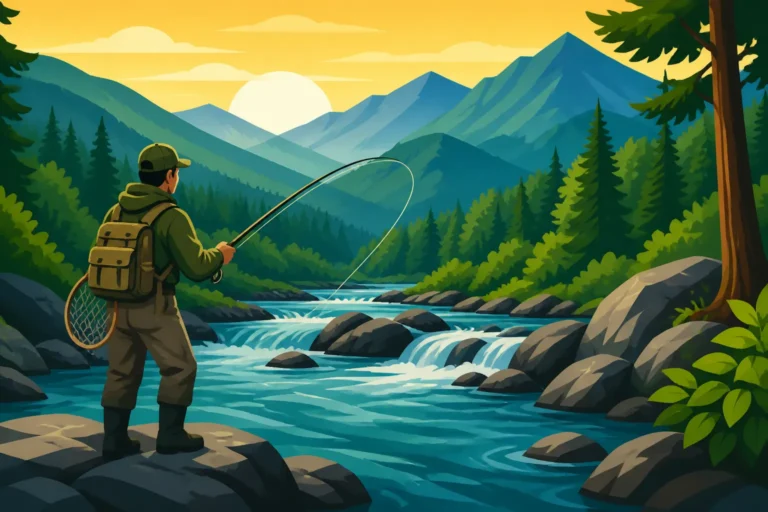
For those drawn to the cool, clear waters of mountain streams, North Georgia's state parks are a paradise for trout anglers. Parks like Vogel, Tallulah Gorge, and Amicalola Falls State Park offer access to some of Georgia's premier trout fishing opportunities. These streams are often stocked regularly with rainbow trout, and in some more remote areas, you might even find native brook trout.
Fly fishing is a popular technique here, but spin anglers also find great success with small inline spinners or bait. The experience of wading a pristine mountain stream, surrounded by the sights and sounds of the forest, is incredibly rewarding. Before you go, make sure you have the correct Mountain Trout License Add-On in Georgia, as an additional permit is required in addition to your basic fishing license. Also, be aware of specific regulations, as some streams have special catch-and-release or artificial-lure-only rules to protect the fishery. Checking the Daily Creel Limits for Trout in Georgia is always a good idea.
Family-Friendly and Beginner Fishing in State Parks
One of the most wonderful aspects of Georgia State Parks is how welcoming they are to families and those just starting their fishing journey. If you've ever felt intimidated by crowded public ramps or complex fishing techniques, state parks offer a refreshing alternative designed for ease and enjoyment.
Piers and Bank Fishing Access
For many, especially families with small children or those new to fishing, getting out on a boat isn't always feasible. That's where the abundant piers and well-maintained bank access in state parks truly shine. Imagine a wide, stable fishing pier where you can set up multiple rods, spread out your tackle box, and keep an eye on the kids without worrying about crowded boat traffic. Parks like Stephen C. Foster State Park in the Okefenokee Swamp, or Cloudland Canyon in the mountains, even if they have smaller ponds, often feature these accessible areas.
These spots are perfect for simple bait fishing techniques, like using worms, crickets, or corn under a bobber. Panfish, like bluegill and catfish, are often readily available near these public access points, providing consistent action that keeps young anglers engaged. You don't need fancy equipment; a basic spin-casting rod and reel combo will do the trick. Many of these piers are also handicap-accessible, ensuring that everyone has the opportunity to enjoy a day of fishing. Learning How to Fish From the Bank Effectively is a skill that will serve you well in these environments.
Kid-Friendly Activities and Rentals
Let's be real: kids, especially younger ones, might not have an adult's boundless patience for fishing. State parks anticipate this and often provide a host of other activities to keep the whole family happy. If the fish aren't biting, or if a child needs a break, there are often playgrounds, swimming areas, or easy hiking trails nearby.
Many parks also offer equipment rentals, such as kayaks, canoes, or paddle boats, which can be a fun way to explore the water even if you're not actively fishing. This flexibility means that a "fishing trip" can easily turn into a "family outdoor adventure" with multiple options for fun. It removes the pressure of having to catch fish to make the day a success, allowing everyone to simply enjoy being outdoors together. Planning an outing with the little ones? Check out the specific rules to see Do Kids Need a Fishing License in Georgia?.
Learning the Ropes: Beginner-Friendly Waters
State parks are fantastic places to learn how to fish, not just for kids, but for adults too. The managed fisheries mean that there are usually plenty of fish, increasing your chances of success and building confidence. The calmer waters of most state park lakes are less intimidating than vast, open reservoirs or fast-moving rivers.
Many parks even host educational programs or "fishing rodeos" designed specifically for beginners, often with loaner rods and reels, and volunteers to help teach the basics. This hands-on guidance can be invaluable for someone just starting out. It's a supportive environment where you can practice your casting, learn about different baits, and understand fish behavior without feeling overwhelmed. If you’re looking to dive deeper, you can also explore how services like FishingBooker connect you with local guides who specialize in beginner trips in these very same parks.
Essential Tips for Fishing Georgia State Parks
To make your state park fishing trip as smooth and enjoyable as possible, a little preparation goes a long way. Understanding the rules, having the right gear, and respecting the environment are key to a successful outing.
Understanding License Requirements
First things first: you absolutely need a fishing license to fish in Georgia's State Parks if you are 16 years of age or older (unless you fall under specific exemptions like certain senior licenses). This is non-negotiable, and park rangers do check. The good news is that getting a license is incredibly easy these days. You can often purchase one online through the Georgia DNR website, by phone, or at various retailers like Walmart or sporting goods stores.
Make sure you have the correct type of license for the waters you plan to fish. A basic Georgia fishing license covers most freshwater fishing. However, if you're targeting trout in designated trout streams in North Georgia, you'll need to purchase an additional trout stamp or add-on license. It's always best to check the current Georgia Fishing License Guide before you head out, as regulations can change. Having your license in order avoids any unnecessary hassle and ensures you're contributing to the conservation efforts that keep these fisheries thriving.
Navigating Park-Specific Regulations
While Georgia has statewide fishing regulations, some state parks or specific bodies of water within them might have additional, more localized rules. These might include:
- Motor Restrictions: Many state park lakes are "electric motors only" or have horsepower limits to maintain tranquility and prevent excessive wake. Always check if you plan to bring your own boat.
- Catch Limits: While statewide limits apply, a park might have a special slot limit for a certain species (e.g., "all bass between 12-16 inches must be released") or a reduced creel limit for specific ponds to maintain fish populations.
- Bait Restrictions: Though rare, some sensitive waters, especially trout streams, might be "artificial lures only" to reduce accidental harm to fish.
- Night Fishing: Many parks close at dusk, and night fishing might only be permitted for registered campers or in specific designated areas.
It's crucial to check the individual park's website or inquire at the park office upon arrival for any specific regulations that might apply. A quick phone call before you leave home can save you a lot of trouble. This information is usually readily available and will help ensure your trip goes smoothly.
Best Practices for a Successful Trip
Beyond licenses and regulations, adopting a few best practices will significantly enhance your state park fishing experience:
- Pack Smart: Bring essentials like sunscreen, insect repellent, plenty of water, and snacks. A first-aid kit is always a good idea. For fishing, have a variety of bait and lures, as fish preferences can change. Consider investing in a good Tackle Box Setup for Bass Fishing or crappie fishing to keep everything organized.
- Practice Catch and Release (When Appropriate): While you can certainly keep legal-sized fish for dinner, consider practicing catch and release, especially for larger breeding fish, to help sustain the fishery. Learn proper handling techniques to minimize stress on the fish.
- Leave No Trace: State parks are beautiful, and we want to keep them that way. Pack out everything you pack in, including fishing line, bait containers, and food wrappers. Use designated trash receptacles.
- Be Mindful of Others: State parks are multi-use areas. Share the space respectfully with hikers, picnickers, and other anglers. Keep noise levels down and be aware of your casting area.
- Check Conditions: Before you go, check the weather forecast and water conditions. Rain can affect water clarity and fish activity. Water temperature, which you can learn about in How Water Temperature Affects Fish Behavior, is also a crucial factor. If you're planning a trip with a guide, perhaps through FishingBooker, they will often advise you on the best conditions and timing.
Beyond the Hook: What Else Georgia State Parks Offer
Fishing is undoubtedly a highlight of Georgia's State Parks, but these natural treasures offer so much more. Turning your fishing trip into a full-fledged outdoor adventure for the whole family can make the experience even richer and more memorable.
Camping and Lodging Options
One of the greatest perks of fishing in a state park is the ability to stay right on site. Many Georgia State Parks offer a variety of camping options, from primitive tent sites to RV hookups with all the amenities. Imagine waking up just steps from the lake, enjoying a cup of coffee as the mist rises, and then walking directly to your favorite fishing spot.
For those who prefer a bit more comfort, many parks also feature cozy cabins, often equipped with kitchens and private baths. Some even have unique lodging like yurts or renovated historic cottages. Staying overnight allows you to maximize your fishing time, especially during prime hours like dawn and dusk, and provides a comfortable base for exploring all the other activities the park has to offer. Make reservations well in advance, especially during peak season, as these spots fill up fast!
Hiking and Nature Trails
After a morning of fishing, or if some members of your party aren't keen on casting a line all day, Georgia State Parks offer an incredible network of hiking and nature trails. These trails range from easy, paved loops perfect for strollers, to strenuous climbs with breathtaking overlooks. Parks like Tallulah Gorge State Park offer challenging hikes down into the gorge itself (with permits required for the toughest sections), while others, like Fort Yargo State Park, have miles of wooded trails popular with mountain bikers and hikers alike.
Exploring these trails is a fantastic way to experience the diverse ecosystems of Georgia, spot local wildlife, and get some fresh air. It’s a perfect complement to a fishing trip, allowing you to immerse yourself fully in the natural beauty of the park. Even a short walk can stretch your legs and give you a different perspective on the landscape.
Boating and Other Water Activities
Beyond fishing, many state park lakes are hubs for other water-based fun. If you brought your own boat, or rented one at the park, you can enjoy pleasure boating, water skiing (where permitted), or simply cruising around and taking in the scenery. Kayaking and paddleboarding are increasingly popular ways to explore the calmer waters, offering a peaceful and intimate connection with the lake. Check out our Kayak Fishing Gear Guide for Beginners if you're interested in combining paddling with angling.
Some parks even have designated swimming beaches, which are a huge hit on hot summer days. The variety of water activities ensures that everyone in your group, regardless of their interest in fishing, can find something to enjoy. This makes state parks ideal for multi-generational trips or groups with varying interests.
Overview of Popular Georgia State Park Fishing Spots
To give you a quick reference, here's a table summarizing some of Georgia's excellent state park fishing destinations and what they're best known for. This isn't an exhaustive list, as there are many fantastic smaller parks, but it highlights some of the top contenders.
| State Park Name | Location | Primary Fish Species | Key Features & Amenities |
|---|---|---|---|
| Hard Labor Creek State Park | Rutledge | Largemouth Bass, Bream, Catfish, Crappie | 2 lakes, fishing piers, extensive camping, golf course, trails |
| High Falls State Park | Jackson | Catfish (Channel, Flathead), Bass, Crappie | 650-acre lake, boat rentals, scenic waterfalls, camping |
| Vogel State Park | Blairsville | Bass, Bream, Catfish (nearby Trout streams) | Mountain lake, access to trout streams, cabins, hiking, scenic |
| A.H. Stephens State Park | Crawfordville | Largemouth Bass, Bream, Hybrid Stripers | 26-acre lake (electric motors), fishing pier, historic site, camping |
| Lake Seminole State Park | Donalsonville | Largemouth Bass, Catfish, Crappie | Large lake access, prime bass fishing, cabins, camping, boat ramps |
| Moccasin Creek State Park | Clarkesville | Trout (in creek), Bass, Bream (in lake) | Smallest state park, trout stream access, camping, lake fishing |
Conclusion: Your Next Adventure Awaits
Georgia's State Parks offer an incredible resource for anglers of all skill levels, from seasoned veterans to families with brand-new fishing enthusiasts. They provide accessible, well-managed, and beautiful environments that enhance every aspect of your outdoor experience. Whether you're chasing a trophy bass, reeling in a stringer of panfish for dinner, or simply enjoying the tranquility of nature, a state park often holds the perfect spot for your next fishing adventure. Don't forget to check the specific regulations, grab your license, and get ready to create some unforgettable memories on Georgia's pristine waters. Happy fishing!
Disclaimer
Please remember that fishing regulations, park amenities, and fish populations can change. Always consult the official Georgia Department of Natural Resources (DNR) website and the specific state park's website for the most up-to-date information before planning your trip. It is your responsibility to understand and adhere to all applicable laws and regulations.