Easiest Fish for Kids to Catch
One of the biggest joys in life is sharing the simple pleasure of fishing with a child, but let's be honest, it can also be a challenge to keep their attention when the fish aren't biting every five minutes. The key to a successful first fishing trip with kids in Georgia isn't about landing a trophy; it's about finding fish that are eager to bite often. This guide will help you understand which fish species are easiest for kids to catch, the simplest gear to use, and where to find those perfect, action-packed spots to ignite a lifelong love for angling in your little ones.
Why Panfish Are the Ultimate Catch for Little Anglers in Georgia
When you're trying to hook a kid on fishing, you need action, and you need it relatively quickly. That's where panfish shine! These smaller, abundant species are often found in large numbers close to shore, making them incredibly accessible for young, impatient anglers. They're not picky eaters, and their aggressive feeding habits mean more bites and more fish landed, which translates directly into more smiles and less boredom.
Patience and Persistence: Setting Realistic Expectations
Let's face it, kids aren't known for their endless patience, especially when they're excited about something new like fishing. Sitting quietly for long stretches, waiting for a finicky bass to decide to strike, can quickly lead to restless energy and declarations of "I'm bored!" The beauty of targeting panfish is that they often bite frequently, which keeps the engagement level high. Even if a fish gets off the hook, another bite is usually just moments away, preventing those long lulls that can derail a family fishing outing. It's about building confidence and making the experience fun, not about mastering advanced techniques right off the bat.
The Thrill of the Bite: Instant Gratification
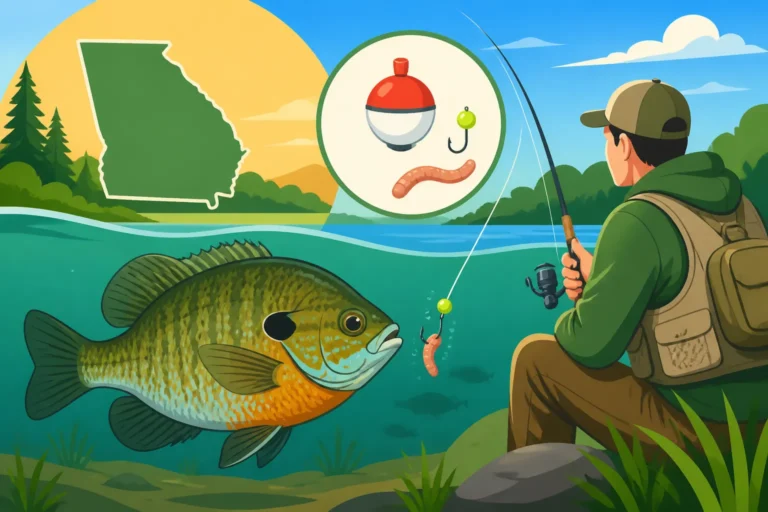
There's nothing quite like the look on a child's face when their bobber suddenly dips under the water, or they feel that first tug on their line. That instant gratification is priceless and absolutely essential for developing a budding angler's interest. Panfish provide this thrill consistently. They don't require complex lures or subtle presentations. Often, a simple hook, a little bait, and a bobber are all it takes to get that exciting strike. This immediate feedback reinforces their efforts and encourages them to keep trying, cementing positive memories of their time on the water.
Meet the Stars: Top Panfish Species for Kids in Georgia
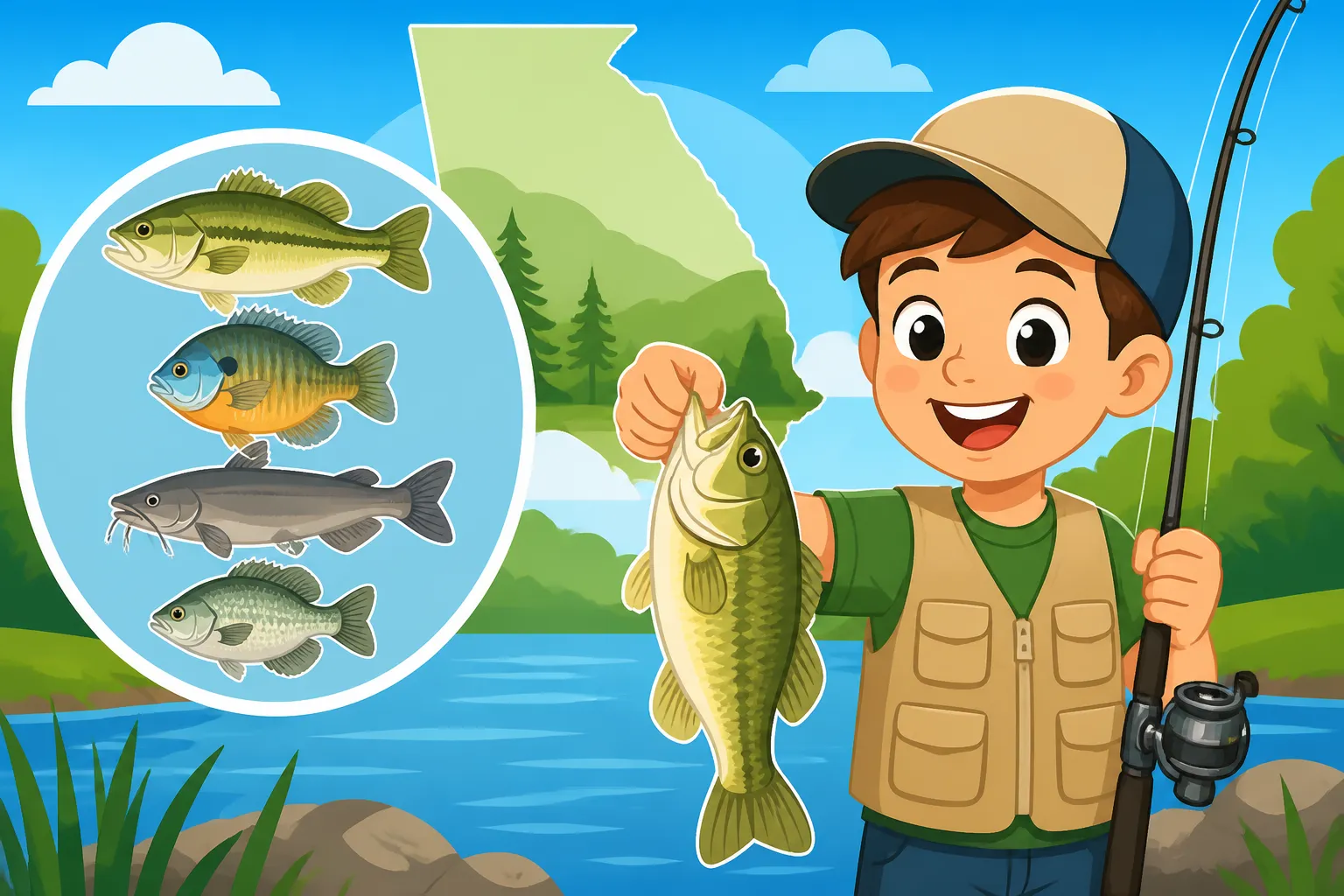
Georgia's waters are teeming with fantastic panfish species that are perfect for young anglers. These fish are not only abundant but also relatively easy to identify and catch, making them ideal targets for a child's first fishing adventures.
Bluegill: The Unbeatable Starter Fish
If there's one fish that truly embodies the term "kid-friendly," it's the bluegill. These ubiquitous sunfish are found in nearly every pond, lake, and slow-moving stream across Georgia. They're notoriously aggressive feeders, often swarming around any bait offered. Bluegill are typically small enough for little hands to manage once caught, but they put up a surprisingly spirited fight for their size, providing a fun challenge without being overwhelming. You can often find them cruising in shallow, weedy areas or around docks and fallen trees, making them easy targets for bank fishing. If you're looking for more tips on how to catch bluegill as a beginner, we have a whole guide dedicated to it!
Redbreast Sunfish and Shellcrackers: Colorful Cousins
Beyond the classic bluegill, Georgia offers other wonderful sunfish species that are equally eager to bite. The redbreast sunfish, with its vibrant orange belly and long operculum flap, is another common panfish found in rivers and streams, particularly in clear water. They share the bluegill's aggressive nature and readily take the same simple baits. Shellcrackers, also known as redear sunfish, are another excellent option. While they prefer a slightly different diet, primarily snails and other invertebrates (hence "shellcracker"), they're also abundant and can be caught with traditional panfish baits, especially if you target areas with sandy or gravel bottoms where snails might reside. Their larger size can make for an even more exciting fight for a young angler. For a deeper dive into these species, check out our guide on Bream and Sunfish Species Found in Georgia Waters.
Crappie: A Delicious Bonus for Patient Kids
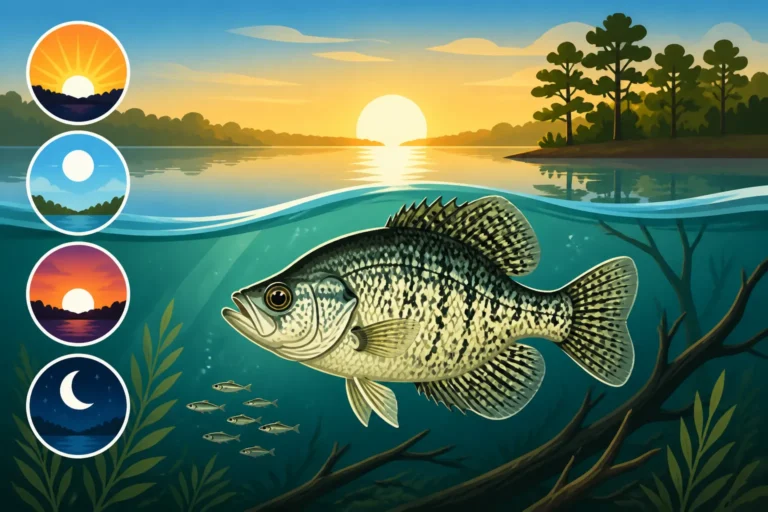
While bluegill and sunfish are the kings of constant action, crappie (both black and white crappie) offer a slightly larger, often even more delicious, reward for kids who show a little more patience. Crappie tend to school up in brush piles, around submerged timber, or under docks, particularly during certain times of the year like the spring spawn. They might not bite quite as relentlessly as bluegill, but when you find a school, the action can be fast and furious. Teaching kids to jig for crappie with small minnows or tiny jigs can be a fantastic next step once they've mastered the basics with bluegill. The feeling of pulling in a slab crappie is definitely a memory maker!
Comparison of Kid-Friendly Fish in Georgia
| Fish Species | Primary Habitat | Preferred Bait | Bite Frequency | Average Size (inches) | Ease of Catch for Kids |
|---|---|---|---|---|---|
| Bluegill | Ponds, lakes, slow rivers (shallow, weedy) | Worms, crickets, corn, small artificials | Very High | 4-8 | Excellent |
| Redbreast Sunfish | Rivers, streams (clear water, rocky bottoms) | Worms, crickets, small spinners | High | 5-9 | Excellent |
| Redear Sunfish (Shellcracker) | Ponds, lakes (sandy/gravel bottoms) | Worms, small crustaceans | High | 6-10 | Very Good |
| Crappie | Lakes, rivers (brush piles, docks, submerged wood) | Minnows, small jigs, worms | Moderate-High | 8-12 | Good |
Kid-Friendly Gear and Super Simple Techniques That Work
Getting kids started in fishing doesn't require a lot of fancy or expensive equipment. In fact, keeping it simple is often the best approach. The goal is ease of use and maximum fun.
The Right Rod and Reel: Simplicity Is Key
For young children, a spincast rod and reel combo is absolutely the way to go. These setups are incredibly user-friendly, featuring a button on the reel that the child simply presses to release the line for casting. There's no complex bail to flip or complicated drag settings to worry about. You can find excellent, durable spincast combos specifically designed for kids at local sporting goods stores or easily browse options on Amazon. Look for a rod that's around 4-5 feet long, which will be manageable for small hands without being too flimsy or too heavy. A shorter rod also makes it easier to cast without getting tangled in trees or bushes. For more specific advice, check out our guide on Kid-Friendly Fishing Techniques.
Bait That Gets Bites: Tried and True Options
Forget the elaborate lures and complex fly patterns for now. When fishing with kids for panfish, live bait is king. It's often irresistible to these eager eaters and provides a tactile experience that kids enjoy (even if they're a little grossed out at first!).
- Worms: Red wigglers or nightcrawlers are universal panfish magnets. They're easy to find at bait shops, tackle stores, or even in your backyard after a rain. Hooking a small piece of worm onto a tiny hook is simple and effective.
- Crickets: Another fantastic option, especially for sunfish. Crickets are lively, and their natural movements in the water can entice a quick strike.
- Corn: Believe it or not, canned whole kernel corn can be a surprisingly effective and very clean bait for panfish, particularly bluegill. It's cheap, easy to handle, and kids often find it less "icky" than worms.
- Small Artificials: For slightly older kids, very small soft plastics (like tiny grub tails) or micro jigs can also work well, especially when tipped with a piece of worm. Brands like Berkley PowerBait offer scented options that can be appealing. You can find a wide variety of these on Amazon if your local tackle shop has a limited selection.
The Magic of the Bobber: Watching for the Strike
A bobber is an absolute must-have for kid-friendly fishing. It serves multiple purposes: it suspends the bait at a desired depth, keeps the line from sinking to the bottom and snagging, and most importantly, it provides a highly visual indication of a bite. There's nothing more exciting for a child than watching that brightly colored bobber dance and then dramatically disappear under the water. It's an instant signal that a fish is interested, building anticipation and making the moment of the strike incredibly clear. Choose brightly colored, easy-to-see bobbers, either the classic round red-and-white style or clip-on models that are simple to attach to the line. Learning how to rig a bobber for bream is a fundamental skill that will serve them well.
Finding the Perfect Family Fishing Spot in Georgia
Location, location, location! Even with the right gear and bait, choosing the right fishing spot can make all the difference between a memorable day and a frustrating one. Look for places that prioritize safety, accessibility, and, of course, a healthy population of eager fish.
Public Fishing Areas and State Parks: Designed for Families
Georgia is blessed with an incredible network of Public Fishing Areas (PFAs) and State Parks that are often specifically designed with family fishing in mind. These locations frequently feature easy bank access, fishing piers, restrooms, and sometimes even playgrounds or picnic areas, making them ideal for a full day out. Many PFAs are regularly stocked with panfish and other species, ensuring a good chance of success. Some even have tackle loaner programs! For a comprehensive list, consult our guide on Georgia State Park Fishing Spots and Best Family-Friendly Fishing Spots in Georgia. Places like the Charlie Elliott Wildlife Center or certain ponds within Georgia State Parks are often teeming with bluegill and offer excellent amenities.
Local Ponds and Small Lakes: Hidden Gems
Don't overlook the smaller, local ponds in your community. These can be fantastic hidden gems for kid-friendly fishing. Many neighborhood ponds, municipal parks, or community fishing holes are less pressured than larger reservoirs and can hold an abundance of bluegill and other sunfish. Always check local regulations regarding fishing in these areas, as some may require specific permits or have catch-and-release rules. The beauty of these smaller waters is often their calm, protected nature, which can be less intimidating for young anglers than vast, open lakes. Exploring your local area for these spots can lead to some truly special discoveries.
Safety First: Picking a Secure Location
When choosing a spot, prioritize safety above all else. Look for areas with:
- Clear, stable banks: Avoid steep, muddy, or slippery edges.
- Open casting room: Ensure there are no overhead power lines, dense trees, or other obstacles that could snag a line or, more importantly, a hook on a backcast.
- Calm water: Strong currents or heavy boat traffic can be dangerous and disruptive.
- Shade: Especially during Georgia's warmer months, shade can make a huge difference in comfort and sun protection. Consider investing in a good wide-brimmed hat and some child-safe sunscreen, which you can also find conveniently on Amazon.
Remember, the goal is to make fishing a fun, positive, and memorable experience for your child. By focusing on eager-to-bite panfish, using simple gear, and choosing safe, accessible locations, you'll be well on your way to raising the next generation of Georgia anglers!
Disclaimer
This article is for general informational purposes only and does not constitute professional advice. Laws, prices and regulations vary by location and change over time. Consult a qualified professional for guidance on your specific situation.