Best Tackle Bag for Bank Anglers
It's happened to all of us: you're excited for a day of bank fishing, you grab your old, bulky tackle box, and by the time you've hiked to your favorite spot on Lake Lanier or a quiet bend of the Chattahoochee, your arm is aching, and half your gear is a tangled mess. Bank anglers face a unique challenge in transporting their essential tools, often having to sacrifice comfort and organization for the sake of mobility. This guide is here to unravel that frustration, walking you through the best tackle bag options specifically designed to make your bank fishing adventures in Georgia far more enjoyable and efficient.
The Unique Challenges of Bank Fishing for Tackle
Let's be real, bank fishing isn't just about finding a good spot and casting out. It's an art, and a big part of that art is being prepared for whatever the day throws at you, without lugging around a boat's worth of gear. The constant movement, varying terrain, and often limited space mean your tackle setup needs to be streamlined and smart.
Why a Standard Tackle Box Just Won't Cut It
Traditional hard-sided tackle boxes have their place – often in the garage, or maybe in the bottom of a jon boat. But for bank fishing, they're generally a nightmare. Imagine trying to navigate a rocky shoreline or a muddy trail with a clunky, square box swinging against your leg. Not only are they cumbersome to carry, but their rigid compartments often lead to a chaotic jumble of lures, weights, and tools after just a few steps.
Think about it: you're walking along the bank of the Flint River looking for shoal bass, or perhaps exploring a new public fishing area on Lake Oconee. You need to be agile. A standard tackle box is designed for stationary use, usually on a flat surface. When you're constantly on the move, bending down, climbing over roots, or wading into shallow water, that box is going to get bounced around. Lure trays pop open, hooks get tangled, and suddenly, you're spending precious fishing time reorganizing instead of casting. It's a universal frustration, and frankly, a waste of good fishing time.
What Makes Bank Angling Different from Boat Fishing
The core difference between bank angling and boat fishing, from a gear perspective, is mobility and storage. When you're on a boat, especially a well-equipped bass boat, you have designated storage compartments, a stable platform, and the ability to carry a vast array of rods, reels, and tackle. Your entire arsenal can come with you, organized in its custom cubbies.
Bank fishing, however, strips away those luxuries. You become your own pack mule, and every ounce counts. You're not just carrying your rod and reel; you're carrying water, snacks, possibly a small cooler, and all your essential terminal tackle, lures, and tools. This forces a different kind of efficiency. You can't just throw everything in and hope for the best. You need a system that allows you to carry what's truly essential, keep it protected from the elements, and access it quickly without having to set everything down and rummage. It's about being nimble, adaptable, and having your gear become an extension of you, rather than a hindrance. This is why a specialized tackle bag is so crucial for serious bank anglers in Georgia, whether you're targeting trout in a mountain stream or catfish on a wide river bend.
Essential Features of a Great Tackle Bag for Bank Anglers
When you're shopping for a tackle bag specifically for bank angling, you can't just grab the first thing you see. You need to consider functionality that directly addresses the challenges we just discussed. It's about finding that sweet spot between capacity, comfort, and quick access.
Portability and Comfort are King
This is arguably the most critical aspect for a bank fishing tackle bag. You're going to be walking, potentially for miles, over varied terrain. A bag that digs into your shoulder or feels unbalanced will quickly ruin your day.
Look for bags with padded shoulder straps or, for backpack styles, padded back panels that breathe. Adjustable straps are a non-negotiable, allowing you to customize the fit to your body and distribute weight evenly. Many modern tackle bags feature waist straps or chest straps, which are fantastic for stabilizing the load, especially when climbing or leaning over water. These extra straps prevent the bag from bouncing around, keeping it snug against your body and freeing up your hands for casting or maneuvering. The material should be lightweight but durable – you don't want the bag itself adding unnecessary bulk. Consider how the bag feels when fully loaded. Can you comfortably walk a few hundred yards? A mile? Two miles? If the answer is no, keep looking. A good bank fishing bag should make you forget you're even carrying it, allowing you to focus on the fishing.
Organization: Keeping Everything Accessible
What's the point of carrying tackle if you can't find what you need when the fish are biting? Effective organization is key to a successful bank fishing trip. You need quick, intuitive access to your lures, tools, and terminal tackle.
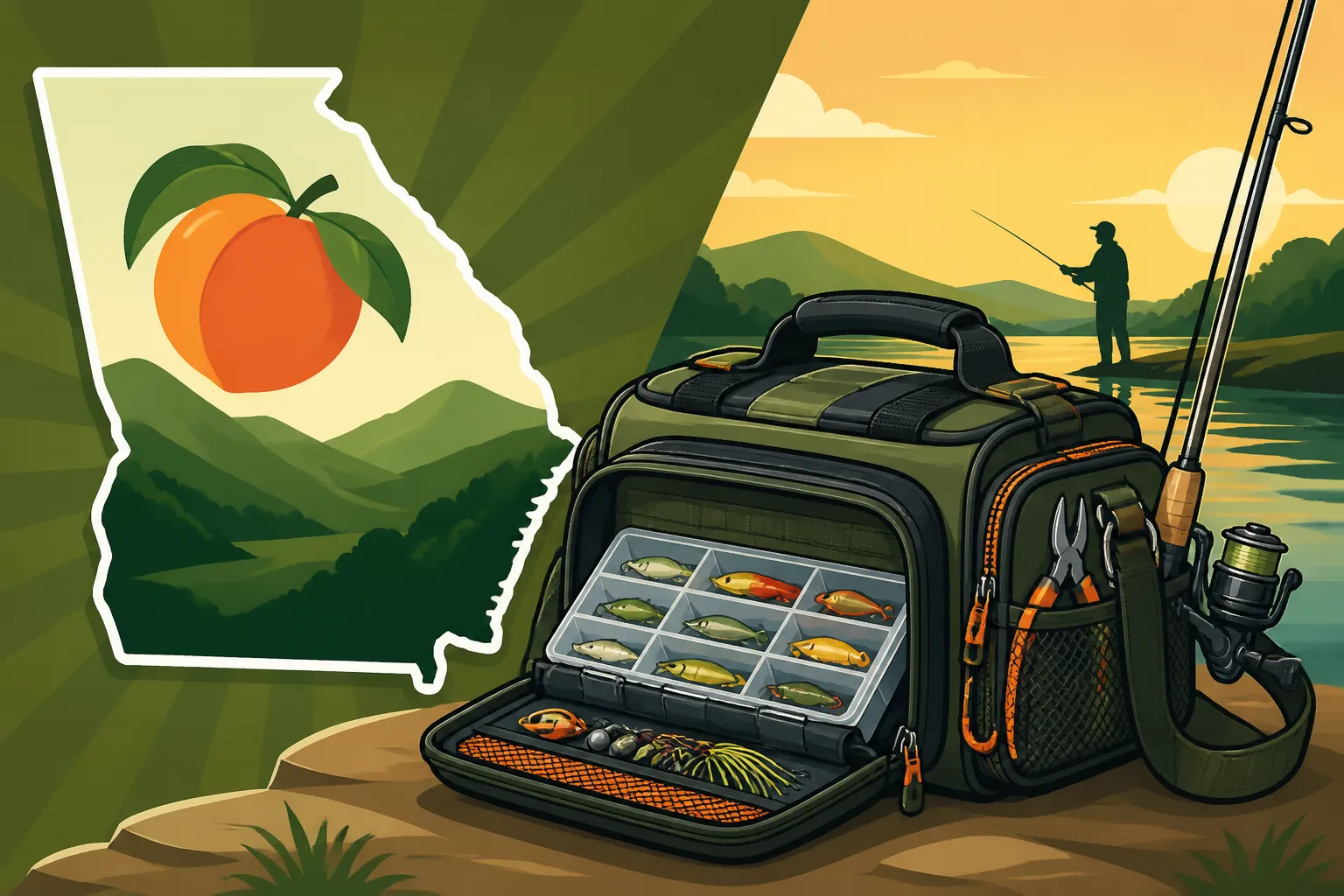
The best tackle bags for bank anglers incorporate multiple compartments, often designed to hold standard plastic utility boxes (like those from Plano or similar brands). These boxes keep your hooks, weights, and lures neatly separated. Look for bags that come with these boxes, or at least clearly state the size and number of boxes they can accommodate. Beyond the main compartments, external pockets are incredibly useful. Think about pockets for pliers, line cutters, a small first-aid kit, your phone, keys, and maybe even a quick-access water bottle pouch. Some bags even feature specialized tool holders or quick-clip loops for items like a stringer or a small landing net. The goal is to minimize rummaging. You should be able to reach for your preferred lure, snips, or unhooking tool almost instinctively. Bass Pro Shops often carries a wide selection of these types of bags, allowing you to see and feel the organizational layout before you buy. Remember, the less time you spend fumbling with your gear, the more time you spend with your line in the water.
Durability and Weather Protection
Georgia weather can be fickle. One minute it's sunny and calm, the next a pop-up shower has you scrambling. Your tackle bag needs to be able to withstand the elements and the rigors of outdoor use.
Look for bags made from robust, water-resistant or waterproof materials. Nylon, polyester, and Cordura are common choices. Pay attention to the zippers – high-quality, corrosion-resistant zippers (often nylon or coated metal) are crucial, especially if you're fishing near saltwater or in humid conditions. Double-stitching at stress points, reinforced bottoms, and strong buckles are indicators of a bag built to last. Some bags even feature a rigid, waterproof bottom to protect contents if you set it down in a puddle or on wet ground. This is a huge benefit when you're on a damp bank. You're investing in this gear to protect your other gear, so don't skimp on durability. A well-constructed bag will not only keep your tackle safe and dry but also stand up to years of abuse from brush, rocks, and unpredictable weather, making it a reliable companion for countless fishing trips.
Types of Tackle Bags Best Suited for Bank Fishing
Now that we know what makes a great tackle bag, let's explore the different styles that are popular and effective for bank anglers. Each type has its pros and cons, and the "best" one often comes down to your personal fishing style, how much gear you typically carry, and the kind of terrain you usually traverse.
Backpack-Style Tackle Bags
For many bank anglers, especially those who like to cover a lot of ground or carry a decent amount of gear, the backpack-style tackle bag is a game-changer. These bags are designed much like a hiking backpack, but with dedicated compartments for fishing tackle.
Pros: The biggest advantage here is weight distribution. Carrying your gear on both shoulders, rather than just one, is significantly more comfortable for longer treks. This means you can hike further to those less-pressured spots on the Toccoa River for trout or explore more of the secluded public fishing areas without fatigue. They often offer the most storage capacity, easily accommodating multiple utility boxes for different lure types, a rain jacket, snacks, water, and even a compact Best Rod for Shore Fishing Without a Boat. Many models feature external rod holders, allowing you to securely carry an extra rod while keeping your hands free. Some even have insulated pockets for drinks or a small cooler section, which is a real bonus on a hot Georgia summer day.
Cons: While great for capacity, backpack bags can sometimes be less convenient for quick access if you need to set the bag down and unshoulder it every time you want to switch lures. If you're fishing a stationary spot for a long time, this isn't an issue, but if you're constantly on the move and changing baits, it can slow you down. They can also be bulkier than other options. When considering a backpack, look for brands like Bass Pro Shops' house brand or popular options on Amazon that offer features like built-in rod holders and water bottle pouches, which make a real difference in usability.
Sling Bags and Shoulder Bags
If you prioritize quick access and lighter loads, sling bags and shoulder bags are excellent choices. These are designed to be worn across your body, allowing you to swing the bag to your front for easy access without taking it off.
Pros: The primary benefit of a sling bag is unparalleled access. When you need to quickly grab a different lure, a pair of pliers, or tie a new knot, you simply rotate the bag from your back to your front. This is perfect for fast-paced fishing, like when you're moving down a river bank targeting actively feeding fish or trying to Cast Farther When Bank Fishing with different lure weights. They are generally much lighter and less bulky than backpacks, making them ideal for shorter trips or when you're truly trying to travel light. Many have well-designed internal pockets and loops for tools, ensuring everything has its place.
Cons: The main drawback is capacity and weight distribution. Carrying all your gear on one shoulder can become uncomfortable on longer hikes, especially if the bag is heavy. You're typically limited to one or two utility boxes and essential tools. If you tend to overpack, a sling bag might force you to be more selective, which isn't always a bad thing! However, if you're planning a full day out with lots of gear or need to carry extra layers, you might find them too small. When choosing a sling or shoulder bag, check for wide, padded straps to maximize comfort and ensure the zippers are smooth for easy one-handed access.
Soft-Sided Tackle Bags with D-Ring Attachments
These are a versatile category that often falls between the backpack and sling bag, offering a modular approach to tackle transport. They're typically soft-sided boxes or bags with a main compartment for utility trays, but critically, they feature numerous D-rings, loops, and external pockets.
Pros: The biggest plus here is customization. The D-rings and external loops allow you to clip on additional gear like a small cooler, a separate tool pouch, a stringer, or even a small, collapsible net. This means you can tailor your setup precisely to your needs for that specific trip. If you're just going for bream in a pond, you can keep it light. If you're targeting largemouth bass on a bigger lake, you can load it up with extra Best Lures for Georgia Largemouth Bass. They also offer good protection for your tackle trays while being less rigid than traditional tackle boxes. Many soft-sided bags have comfortable handles and often come with a removable shoulder strap, offering flexible carrying options.
Cons: Depending on the specific design, some soft-sided bags can still be a bit clunky for long walks compared to a dedicated backpack. The modularity, while a strength, can also lead to a "Christmas tree" effect if you hang too much gear off of it, potentially snagging on brush or becoming unbalanced. If the bag relies solely on a single shoulder strap, comfort can decrease with heavier loads. However, for anglers who like to tweak their setup constantly and have specific tools they want easily accessible via external clips, these bags offer a fantastic balance of protection and adaptability. You can find some excellent examples of these in various sizes, perfect for organizing your Tackle Box Setup for Bass Fishing.
What to Pack in Your Bank Fishing Tackle Bag
Once you've chosen your perfect tackle bag, the next step is to wisely fill it. This isn't just about throwing in every lure you own; it's about strategic packing to ensure you have what you need without being overloaded.
The "Must-Haves" for Every Trip
Regardless of what you're targeting, there's a core set of items that should always find a home in your bank fishing tackle bag. Think of these as your survival kit for a successful day on the water.
- Pliers/Forceps: Essential for removing hooks safely from fish and for basic tackle adjustments. Make sure they're corrosion-resistant.
- Line Cutters/Scissors: A sharp pair of small scissors or line clippers is a non-negotiable for tying knots and cutting line quickly.
- Extra Line: Spool failures, snags, or unexpected break-offs happen. A spare spool of your primary line is a lifesaver.
- Terminal Tackle Organizer: This is where those small plastic utility boxes really shine. Fill one with hooks (various sizes), sinkers (split shot, bullet weights, drop shot weights), swivels, and perhaps some jig heads.
- Basic Lure Selection: Don't bring your entire collection. Bring a small, versatile selection of proven lures for the species you're targeting. For bass, maybe a few soft plastics, a spinnerbait, and a crankbait. For panfish, some small jigs or a handful of crickets.
- First-Aid Kit: A tiny kit with band-aids, antiseptic wipes, and pain relievers is smart for any outdoor activity. Hook punctures happen.
- Water and Snacks: Staying hydrated and energized is crucial, especially on a warm Georgia day.
- Sun Protection: Sunscreen, a hat, and polarized sunglasses are essential. Sunglasses also help you spot fish and underwater structure.
- Valid Fishing License: Always, always, always have your Georgia Fishing License Guide accessible. Digital or printed, just have it.
- Phone (fully charged): For emergencies, photos, and checking local regulations if needed.
Having these essentials means you're prepared for most common situations, allowing you to focus on the fishing rather than worrying about missing a crucial piece of gear.
Specialized Gear for Different Georgia Species
While the "must-haves" form your foundation, you'll want to tailor a portion of your tackle bag to the specific fish you're after. Georgia offers incredible diversity, from mountain trout to coastal redfish, and each demands its own approach.
- For Trout Fishing: If you're heading to a north Georgia stream, your tackle will look different. Think small spinners (like Rooster Tails or Mepps), tiny jigs, salmon eggs, or corn. Fly anglers will pack specific fly boxes with nymphs, dries, and streamers suitable for the season. You might also want a small, soft net to gently land and release trout. Remember the importance of checking Georgia Trout Stream Size Limits by Creek before you head out.
- For Bass Fishing: Largemouth, spotted, and shoal bass have different preferences. You'll want a variety of soft plastics (worms, creature baits), jigs, spinnerbaits, crankbaits, and topwater lures. Consider the time of year and water conditions. For example, in spring, Texas-rigged worms might be deadly, while in summer, topwater lures shine during low light. Having a few different colors and sizes is also key. Check out Best Lures for Georgia Largemouth Bass for more ideas.
- For Catfish: If you're targeting big channel, blue, or flathead catfish, your bag will lean heavily on robust hooks, heavy weights, and maybe some specialized rigs like a slip-sinker rig. Don't forget your bait – cut bait, chicken livers, or a tub of worms. Best Bait for Channel Catfish can give you more specific recommendations.
- For Bream/Panfish: For a fun day catching bluegill and other sunfish, pack small hooks, tiny jigs, bobbers, and plenty of worms or crickets. This is often the simplest setup, making it perfect for beginners or family outings. Best Bait for Bluegill Fishing is a great resource.
The key is to think about where you're going and what you expect to catch. Don't bring your heavy saltwater spoons if you're fishing a small freshwater pond. This selective packing keeps your bag lighter and more organized.
Smart Packing Strategies to Maximize Space
Even with a well-designed tackle bag, knowing how to pack efficiently can make a huge difference in comfort and accessibility.
- Consolidate: Do you really need three different colors of the exact same crankbait? Maybe, but perhaps you can limit yourself to two. Look for multi-purpose tools rather than single-use items. For example, a good pair of fishing pliers often includes a line cutter.
- Layering and Prioritization: Place items you'll use most frequently in easily accessible pockets or on top of the main compartment. Less frequently used items, like spare line spools or a rain jacket, can go at the bottom or in less accessible pockets.
- Use Resealable Bags: Small, heavy-duty resealable bags are your best friend. They're great for storing soft plastics (which can make a mess in tackle boxes), extra hooks, or even separating specific rigs. This prevents leakage and keeps things dry.
- Think Vertical: Many backpack-style bags offer vertical storage for utility boxes. Stack them logically – perhaps top box for current conditions, middle for backup, bottom for less used items.
- Test It Out: Before your first big bank fishing trip with your new bag, load it up and take a walk around the block. This will help you identify any discomfort spots, realize if you've overpacked, or discover that certain items aren't as accessible as you thought. This practice run can save you a lot of grief on the actual fishing trip.
| Tackle Bag Type | Best For | Pros | Cons |
|---|---|---|---|
| Backpack Style | Long hikes, carrying more gear, multiple rods | Excellent weight distribution, high capacity, often has rod holders | Can be bulky, less immediate access without setting down |
| Sling/Shoulder Bag | Quick access, lighter loads, shorter trips | Instant access without removal, lightweight, ideal for mobile anglers | Limited capacity, can be uncomfortable with heavy loads over distance |
| Soft-Sided with D-Rings | Customizable loads, organized utility boxes | Versatile, modular attachments, good tackle protection, adaptable size | Can still be cumbersome without good strap system, potential for "Christmas tree" effect |
By carefully selecting your tackle bag and thoughtfully filling it, you'll transform your bank fishing experience. No more sore shoulders, no more tangled messes, just smooth, enjoyable fishing focused on the catch, not the carry.
Disclaimer
This article is for general informational purposes only and does not constitute professional advice. Laws, prices and regulations vary by location and change over time. Consult a qualified professional for guidance on your specific situation.