Best Dock Fishing Spots on Lake Oconee, Georgia
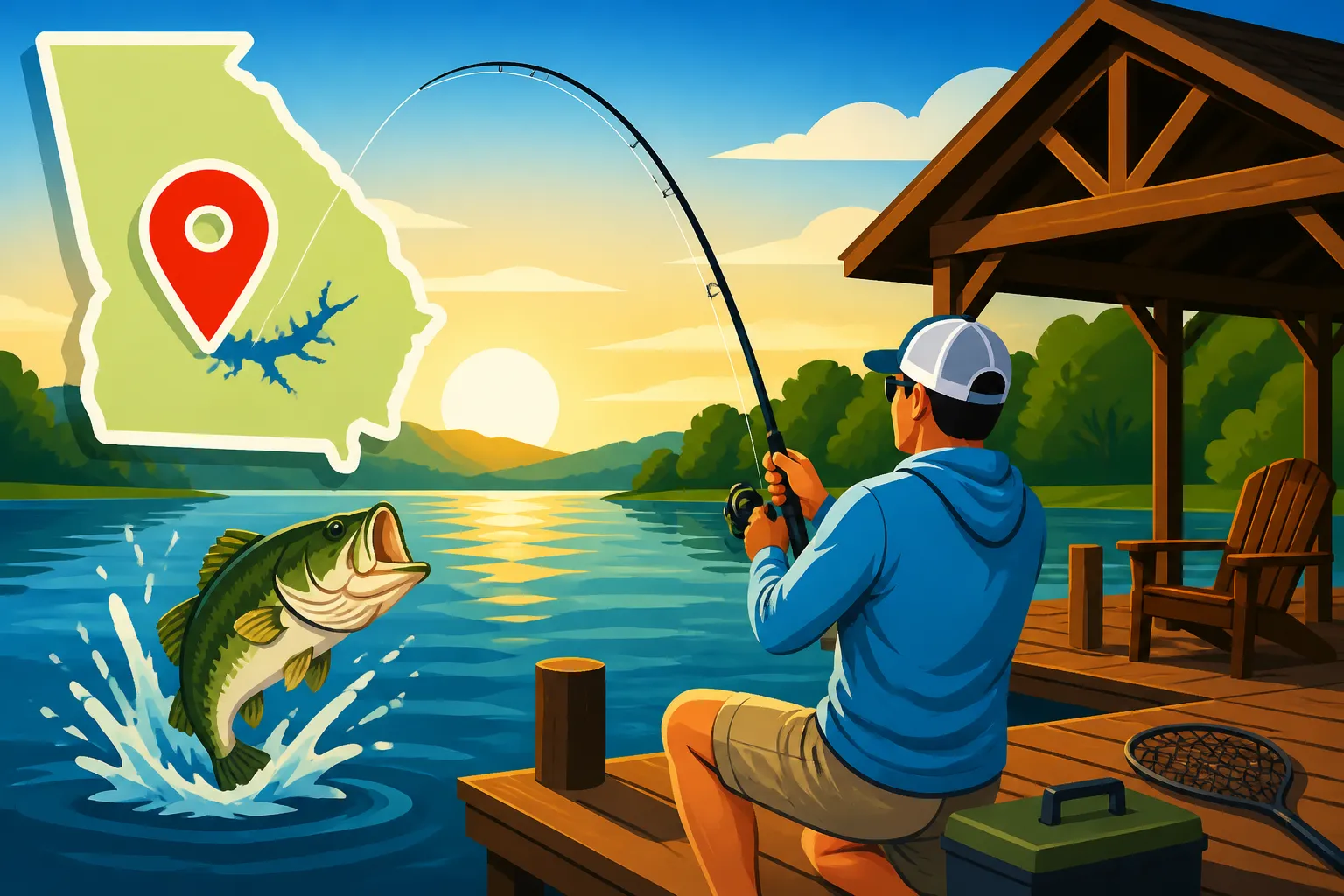
Finding a great fishing spot on a massive lake like Oconee can feel overwhelming, especially if you don't have a boat or are new to the area. But don't despair! Dock fishing offers an accessible, often surprisingly productive way to tap into Lake Oconee's abundant fish populations, providing fantastic opportunities for anglers of all skill levels to enjoy the water and reel in some great catches right from the bank.
Why Dock Fishing on Lake Oconee is a Smart Move
Lake Oconee is renowned for its excellent fishing, but much of its shoreline is privately owned, making bank access a bit tricky. This is where dock fishing shines as a strategic and often overlooked approach. You might not have your own private dock, but plenty of public access areas, parks, and even some marinas offer fantastic dock-like structures or piers that put you right in the thick of the action.
Accessibility and Convenience for All Anglers
One of the biggest perks of dock fishing is its sheer accessibility. You don't need to worry about boat ramps, trailers, or even owning a boat. This makes it a perfect option for families with kids, seniors, or anyone who just wants to enjoy a peaceful afternoon of fishing without the hassle of a full-blown boating trip. Imagine setting up your chair, casting your line, and enjoying the serene beauty of Lake Oconee without any fuss. Many public areas, like Wallace Dam Park, offer amenities such as restrooms and picnic spots, making it a comfortable day out for everyone. It's a fantastic way to introduce newcomers to the joys of fishing without a huge investment in gear or a steep learning curve. If you're looking for an overall guide to fishing on the entire lake, check out our piece on Fishing Lake Oconee, Georgia.
Diverse Fish Species Drawn to Structure
Docks, piers, and associated structures aren't just convenient for anglers; they're also magnets for fish. These man-made features provide vital cover, shade, and feeding grounds for a variety of species. Think about it: pilings, submerged brush, and even the shadows cast by docks offer sanctuary for baitfish, which in turn attract larger predatory fish. On Lake Oconee, you can expect to encounter a wide range of species when dock fishing, including largemouth bass, crappie, various panfish like bluegill and redear sunfish (often called bream), and even catfish. The water depth around docks can vary significantly, from shallow flats perfect for sunfish to deeper channels where bass and crappie might lurk. This structural diversity means you can often target multiple species from a single spot, adding excitement to your day.
Night Fishing Opportunities Under the Lights
One of the coolest aspects of fishing around docks, especially private ones, is the potential for incredible night fishing. Many docks on Lake Oconee have lights installed to illuminate the water at night. These lights do more than just help boaters navigate; they act as powerful attractants for the entire aquatic food chain. Plankton are drawn to the light, then small baitfish like shad and minnows follow, and finally, the larger game fish — bass, crappie, and even hybrid striped bass — move in to feed on the concentrated bait. Casting small jigs or suspending live minnows under these lights after dark can lead to some truly memorable fishing experiences. It’s a completely different atmosphere than daytime fishing, with cooler temperatures and often less boat traffic, making for a tranquil and productive outing.
Key Factors for Choosing a Great Fishing Dock
Not all docks are created equal when it comes to fishing. While any dock provides some cover, certain characteristics will significantly increase your chances of success. Knowing what to look for can turn a slow day into a banner one, helping you pinpoint the most productive spots on Lake Oconee.
Understanding the Importance of Submerged Structure
The visible part of a dock is just the tip of the iceberg. What truly makes a dock a fishing hotspot is often what's hidden beneath the surface. Look for docks that have additional submerged structure nearby. This could be anything from old Christmas trees or brush piles intentionally sunk by homeowners to natural rock piles, stumps, or even old tires. These structures provide complex habitats for baitfish to hide and forage, and for larger fish to ambush their prey. Bass love to hold tight to cover, waiting for an unsuspecting meal to swim by. Crappie will school up around brush piles, especially during cooler months. If you can visually identify these structures from the bank or pier, or if you know a local spot that is famous for them, you've found a goldmine. Even docks that simply extend over a drop-off or into a channel can be prime locations, as fish use these depth changes for migration and feeding.
Water Depth and Current Considerations
The depth of the water around a dock plays a crucial role in determining what species you'll find and when. Shallow docks (3-6 feet deep) are fantastic for sunfish and provide spawning grounds for bass in the spring. Deeper docks (10-20+ feet) offer cooler water and more stable conditions, making them ideal for bass, crappie, and catfish, especially during the warmer summer months or colder winter periods. Pay attention to the surrounding topography – does the dock extend into a cove, over a flat, or along a main lake channel? Main lake docks near river channels, for instance, are often excellent for hybrid striped bass and larger catfish, as these fish use the channels as highways.
Current, even subtle currents created by wind or power generation, can also be a significant factor. Fish often orient themselves into the current, waiting for food to drift by. A dock positioned where there's a gentle flow can concentrate bait and, therefore, game fish. You might find that a dock that is productive in the morning due to its shade may be less so in the afternoon if the sun has shifted. Likewise, a dock that offers excellent fishing on a calm day might be less effective if strong winds are creating too much chop or pushing debris into the area.
Time of Day and Seasonal Patterns
Just like with any other fishing, timing is everything when dock fishing on Lake Oconee. Early mornings and late evenings are generally prime times for most species, as fish are more active and light levels are lower. This is when they're more likely to move out from cover to feed. Overcast days can extend these prime feeding windows throughout the day. And as mentioned, lighted docks can offer exceptional night fishing opportunities.
Seasonally, dock fishing also has its ebb and flow.
- Spring: As water temperatures rise, fish move shallower to spawn. Docks in shallower coves can be fantastic for bass and bream. Crappie will also stage around dock pilings before and after their spawn.
- Summer: Fish seek deeper, cooler water. Target deeper docks, especially those with submerged brush or those near channels. Night fishing under lights becomes incredibly productive.
- Fall: As temperatures cool, fish become very active, feeding heavily in preparation for winter. Docks can be great ambush points for bass, and crappie will often move shallower again.
- Winter: Fishing can be slower, but fish will often congregate in deeper, warmer pockets or around submerged structure under docks, especially those in coves that are somewhat protected from cold winds. Lake Sinclair, a neighboring lake, is particularly known for its warm winter fishing due to a power plant, but Oconee also has its winter hot spots. For more on what to expect, consider our guide on the Best Time of Year to Catch Bass at Lake Oconee, Georgia.
Top Public Dock Fishing Spots on Lake Oconee
While many docks on Lake Oconee are private, there are still excellent public access points and park facilities that provide fantastic dock or pier fishing opportunities. These spots are usually well-maintained and offer a safe, accessible way to enjoy the lake.
Wallace Dam Park Fishing Pier
One of the most popular and well-known public fishing spots on Lake Oconee is the fishing pier at Wallace Dam Park, located near Eatonton. This pier extends out into a productive area of the lake, offering access to deeper water and often benefiting from the current created by the dam's operation (even when the generators aren't actively running, there can be subtle flows). The pier itself provides structure, and the surrounding waters are known to hold a variety of species.
- What You Can Catch: This spot is excellent for crappie, especially during the cooler months when they school up. Anglers frequently pull in healthy numbers of bass (both largemouth and spotted bass), various panfish, and robust catfish. It's a prime location for those targeting bigger catfish, too, so be sure to bring appropriate gear.
- Tips for Success: For crappie, try small jigs or live minnows suspended under a bobber or fished tight-line around the pilings. For bass, cast crankbaits, spinnerbaits, or Texas-rigged worms parallel to the pier and into any visible cover. Catfish anglers will do well with bottom rigs using cut bait, chicken livers, or dough balls. Consider trying your luck at night here if permitted, as the ambient light from the park can still draw in fish. The park also provides ample parking, restrooms, and picnic areas, making it a great family-friendly destination.
Fishing from Shore near Marinas and Public Ramps
While not strictly "docks," areas around public marinas and boat ramps often offer fantastic bank access where you can cast near docks or dock-like structures. Marinas like Sugar Creek Marina, or areas around public boat ramps, often have bulkheads, jetties, or smaller public docks that you can fish from. These spots typically feature good depth, are often cleaned, and attract fish seeking cover and food. Always be respectful of private property and active boating areas, but many public ramps have designated fishing zones or adjacent shorelines.
- What You Can Catch: These locations are often hotspots for baitfish, which means predatory fish are never far behind. You can expect to catch largemouth and spotted bass, especially around the edges of the docks or near any submerged structures. Panfish are almost always present, making it great for kids using worms or crickets. Catfish frequently cruise these areas, especially where boat traffic stirs up the bottom. If you're near a main channel, you might even hook into a feisty hybrid striped bass. For anglers keen on chasing hybrids, our guide on Where to Catch Hybrid Striped Bass on Lake Oconee offers more detailed insights.
- Tips for Success: Use smaller baits and lures to imitate the baitfish congregating in these areas. Soft plastics, small crankbaits, and jigs are excellent choices. If fishing near a boat ramp, cast away from the main traffic lanes and target any visible drop-offs or points. Bottom fishing with worms or stink bait can be very effective for catfish and larger bream. Remember to keep an eye out for boating activity and always wear your life jacket, especially if you're near active ramp areas. FishingBooker is a great resource if you decide to try a guided trip on the lake to explore areas beyond these public access points.
Lake Oconee Area Parks with Bank Access Near Docks
Several parks around Lake Oconee, while not always having dedicated fishing piers, offer excellent bank access that puts you within casting distance of private or community docks. These can include smaller county parks or even some campground access points, such as those found at Oconee Springs Park. While you can't fish from private docks, casting to their vicinity from public property is often perfectly fine and can be highly productive. These spots usually provide a calmer atmosphere than the busiest public piers.
- What You Can Catch: These areas are generally fantastic for panfish, offering a perfect opportunity for beginners or those simply looking for consistent action. Bluegill, redear sunfish, and even some smaller crappie will hang around the shallow ends of docks and adjacent weed lines. Largemouth bass are also common targets, especially during the spring and fall when they move closer to shore. Catfish can be found in deeper holes or near submerged structure. If you are specifically interested in techniques for panfish, you can read our guide on Bluegill Fishing: A Beginner's Guide for Georgia Kids.
- Tips for Success: Light tackle is usually best for these areas. A simple bobber and hook rig with a live worm or cricket is highly effective for panfish. For bass, try casting small spinnerbaits, soft plastic worms, or topwater lures around dock edges in the early morning or late evening. Pay close attention to any shaded areas or brush piles near the docks, as these will hold fish. Always respect private property boundaries and ensure you are fishing from public land. Checking local park regulations before you go is always a good idea. Sometimes, these parks are also listed on platforms like FishingBooker as good general access points, or you can find guides who know the productive public spots.
Here's a quick look at common species you might encounter and the best approaches from a dock:
| Fish Species | Best Bait / Lure | Ideal Conditions | Tips |
|---|---|---|---|
| Largemouth Bass | Worms (Texas/Carolina Rig), Crankbaits, Jigs, Spinnerbaits, Topwater Lures | Early morning, late evening, overcast days, around submerged cover/shade | Cast parallel to docks, target pilings and brush piles. Use weedless rigs in heavy cover. |
| Crappie | Live Minnows, Small Jigs (1/16-1/8 oz) | Cooler months, low light, lighted docks at night | Suspend bait/jig at various depths near pilings/brush. Vertical jigging is effective. |
| Bluegill/Bream | Worms, Crickets, Small Beetle Spins, Corn | Sunny days, shallow areas, any time | Bobber fishing near shallow edges of docks. Great for kids and consistent bites. Check out Best Bait for Bream Fishing. |
| Catfish | Cut Bait, Chicken Livers, Stink Bait, Worms | Night, deep holes, main channels, after rain | Bottom rig with heavier weight. Cast into deeper water or current seams near the dock. Read about How to Bottom Fish for Catfish. |
| Hybrid Striped Bass | Live Shad/Herring, Large Crankbaits, Bucktail Jigs | Main lake docks, current, schooling baitfish | Often roam open water but will push bait into dock areas. Look for active schooling fish. |
Essential Gear and Techniques for Successful Dock Fishing
Having the right gear and understanding a few key techniques can significantly boost your success when fishing from docks on Lake Oconee. You don't need a boatload of expensive equipment, but a thoughtful selection will make all the difference.
Rods, Reels, and Line for Dock Anglers
When it comes to rods and reels for dock fishing, versatility is key. You're often dealing with limited casting space and might encounter a wide range of fish sizes, from small bluegill to surprisingly large catfish or bass.
- Rods: A medium-light to medium-action spinning rod, around 6 to 7 feet long, is a fantastic all-around choice. This setup provides enough backbone to handle bigger fish while still offering the sensitivity to feel lighter bites from panfish. Shorter rods (5-6 feet) can be beneficial if you're fishing in very tight quarters with lots of overhead obstructions. Longer rods (7-8 feet) can help with casting distance if you're trying to reach deeper water away from the dock.
- Reels: A spinning reel in the 2000-3000 size range will balance well with your medium-action rod. It should have a smooth drag system, which is crucial for fighting larger fish without breaking your line.
- Line: For line, 6-10 pound monofilament or fluorocarbon is a good starting point. Monofilament is forgiving, has some stretch, and is visible, which can be helpful for beginners or when using bobbers. Fluorocarbon is less visible underwater and more abrasion-resistant, making it a good choice if you're targeting bass around sharp structures. If you're specifically targeting larger catfish, you might bump up to 15-20 pound test braid with a fluorocarbon leader for added strength and sensitivity. For a deeper dive into general gear, check out Best Rods and Reels for Georgia Fishing.
Baits and Lures That Attract Dock Dwellers
The beauty of dock fishing is that you often don't need highly specialized baits. Simplicity and realism often win the day.
- Live Bait: This is often king for dock fishing.
- Worms: Red wigglers or nightcrawlers are irresistible to nearly all freshwater fish, especially panfish, catfish, and smaller bass.
- Crickets: Excellent for bluegill and other bream.
- Minnows: Live minnows are a top choice for crappie, bass, and even hybrid stripers. Suspend them under a bobber or fish them on a light jig head.
- Artificial Lures:
- Jigs: Small marabou jigs or plastic grub jigs (1/16 to 1/8 oz) are phenomenal for crappie and can catch bass and bream too. Choose colors like white, chartreuse, black, or natural shad patterns.
- Soft Plastics: Small plastic worms (4-6 inches) rigged Texas-style or wacky-rigged are deadly for bass. Creature baits can also be very effective when pitched into cover.
- Crankbaits: Small, shallow-diving crankbaits can be productive when cast parallel to a dock or around its edges, especially in low light.
- Spinnerbaits: Compact spinnerbaits can be good for bass, especially if there's any vegetation or wood near the dock.
- Topwater Lures: In the early morning or late evening, small poppers or walking baits can trigger exciting strikes from bass hiding under the dock.
Simple and Effective Fishing Techniques from a Dock
Dock fishing doesn't require overly complex techniques, but a few fundamental approaches will serve you well. Our guide on Basic Fishing Techniques Every Beginner Should Know can provide a great foundation.
- Bobber Fishing: This classic technique is perfect for panfish and smaller bass. Simply rig a bobber above a hook with a live worm or cricket. Adjust the depth so your bait is suspended a few feet off the bottom or near any visible structure. Cast it out and watch the bobber!
- Bottom Fishing: For catfish and larger bream, a simple bottom rig works wonders. Tie a small bell sinker (1/4 to 1/2 oz) to the end of your line, with a hook (size 4 to 1/0, depending on target species) tied about 12-18 inches above the sinker. Use cut bait, worms, or stink bait. Cast it out, let it sink to the bottom, and wait for a bite.
- Casting and Retrieving Around Structure: This is key for bass and crappie. Make accurate casts parallel to the dock, under it (if possible and accessible), or into any visible submerged structure. Experiment with different retrieve speeds for crankbaits and spinnerbaits. For soft plastics and jigs, a slow, methodical retrieve with occasional pauses or light hops can be very effective, imitating natural forage. Try pitching jigs or worms into the darkest shadows under the dock; often, the biggest bass are lurking there.
- Vertical Jigging: If you're directly over a brush pile or a school of crappie, simply dropping a small jig or live minnow straight down and gently twitching it can be incredibly effective. This technique allows you to precisely target fish holding tight to structure.
Dock fishing on Lake Oconee offers a wonderful way to connect with nature and enjoy the thrill of the catch without needing a boat. By understanding the types of docks, the fish they attract, and using the right gear and techniques, you'll be well on your way to a successful and enjoyable day on the water.
Disclaimer
Fishing regulations, license requirements, and local rules can change. Always consult the Georgia Department of Natural Resources (GDNR) website or local authorities for the most current information before heading out on your fishing trip. Ensure you have the proper Georgia Fishing License Guide and adhere to all Georgia Fish Size and Creel Limits to ensure a legal and responsible outing.