Do Trout Prefer Moving Water or Still Water?
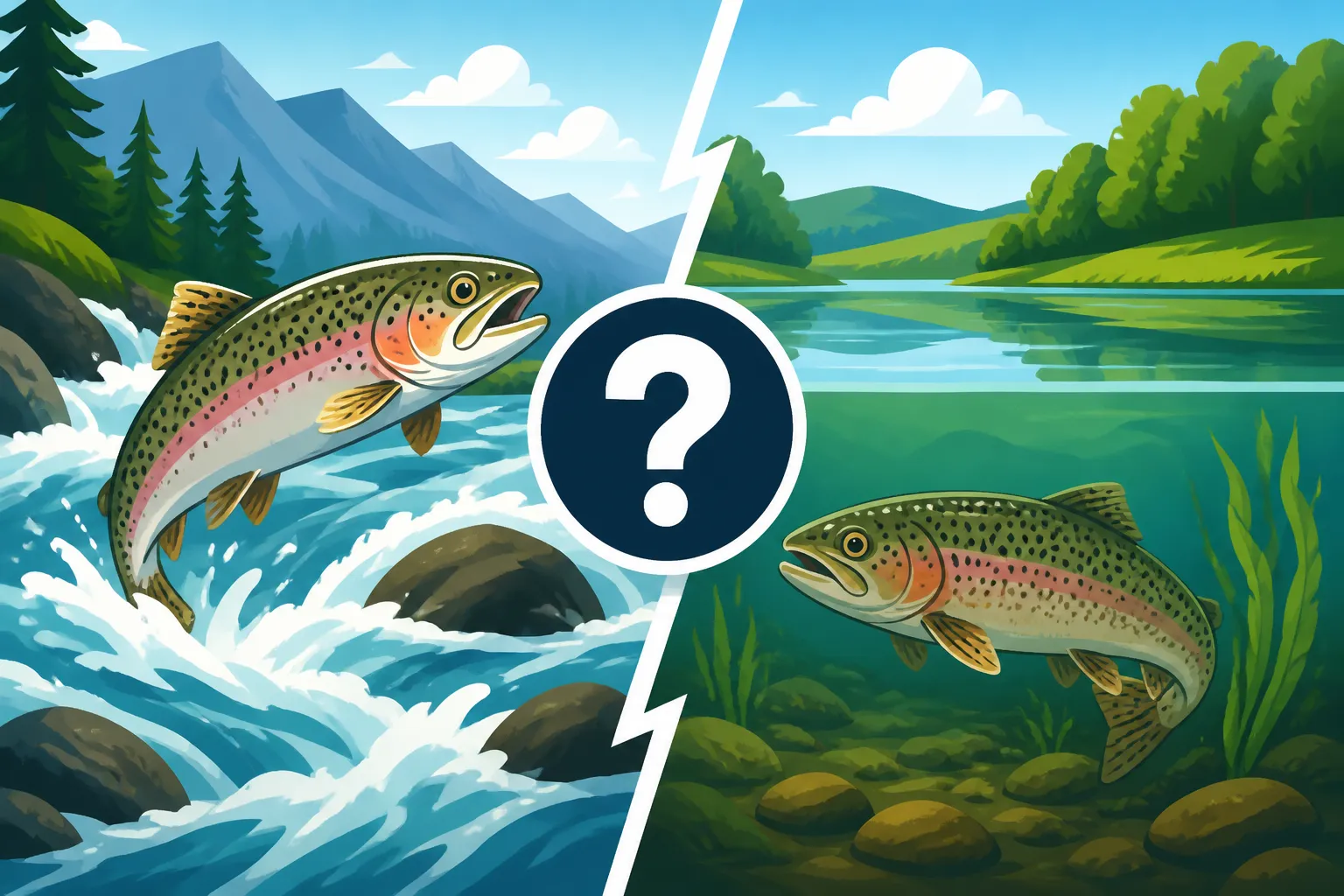
It’s a question that has probably crossed every angler’s mind at some point, whether you're new to the game or have been casting lines for decades: when it comes to trout, do these finicky fish prefer the rush of moving water or the calm stillness of a quiet pond or lake? The truth, like many things in fishing, isn't a simple yes or no. This guide will dive deep into the fascinating world of Georgia trout, exploring their habitat preferences, what drives their choices, and how understanding these nuances can drastically improve your success on the water.
Understanding Trout Biology and Habitat Needs
Before we can truly answer whether trout prefer moving or still water, it’s essential to understand what makes a trout tick. These incredible fish, particularly the rainbow, brown, and brook trout we cherish in Georgia, have specific biological needs that dictate where they can survive and thrive. It's all about survival, comfort, and, of course, dinner.
The Importance of Oxygen and Temperature
Trout are coldwater fish, plain and simple. They absolutely need clear, cool, and well-oxygenated water to survive. Think of it like us needing fresh air; they need dissolved oxygen in their water, and cold water holds more oxygen than warm water. This is a fundamental reason why you'll find trout primarily in higher elevations and spring-fed systems across our state. When water temperatures rise, oxygen levels drop, and trout become stressed, making them vulnerable.
Moving water, like the riffles and runs of a mountain stream, naturally aerates itself, constantly replenishing oxygen. This constant churning helps maintain those crucial high oxygen levels. Still waters, on the other hand, can be a bit more complicated. A stagnant pond in the heat of summer will quickly become an anoxic nightmare for a trout. However, a deep lake with cold spring inputs or a reservoir with a strong thermocline can hold plenty of cold, oxygenated water in its depths, creating a perfectly suitable, albeit different, environment for trout. The balance of temperature and oxygen is always the primary driver.
Food Sources and Predation Avoidance
Beyond simply breathing, trout also need to eat and avoid becoming someone else’s meal. Their diet consists largely of aquatic insects, crustaceans, smaller fish, and even terrestrial insects that fall into the water. These food sources are often more abundant and varied in different water types. For instance, a lively stream might have a prolific mayfly hatch, while a lake could be teeming with baitfish like threadfin shad or smaller sunfish, offering different, but equally nourishing, meals.
When it comes to safety, both moving and still water offer unique forms of cover. In a swift current, trout can use rocks, logs, and undercut banks to break the flow, conserving energy while waiting for food to drift by. This current break also provides a degree of camouflage. In still water, depth becomes a key factor, as does structure like submerged timber, weed beds, or rock piles. Here, trout might use the obscurity of depth or the physical barriers of structure to hide from airborne predators like ospreys or predatory fish lurking nearby. They're always looking for that sweet spot where a meal is easily accessible, and they feel secure from danger.
Trout in Moving Water: The Classic Scenario
When most people picture trout fishing, especially in Georgia, they envision pristine mountain streams with crystal-clear water tumbling over rocks. This image isn't just picturesque; it’s rooted in the biological realities of many trout species. Our state has incredible opportunities for stream fishing, from tiny creeks to larger rivers, each offering a unique experience for anglers targeting Georgia Trout Fishing: Rainbow, Brown, and Brook Trout Explained.
Why Streams and Rivers are Prime Trout Real Estate
Moving water provides a constant conveyor belt of food. Nymphs, larvae, and even terrestrials like grasshoppers are dislodged upstream and carried down, creating easy pickings for trout holding in strategic lies. These lies are typically areas where the current is broken, allowing the trout to expend minimal energy while having a clear view of the incoming buffet. Think of pockets behind boulders, seams where fast water meets slow, or the calm eddies on the inside bends of a river.
The consistent flow also helps regulate water temperature, keeping it cool, especially in shaded mountain drainages. The aeration from riffles and runs ensures a high level of dissolved oxygen, which, as we discussed, is paramount for trout health. Places like the Toccoa River Trout Fishing in Georgia or the Chattahoochee River Headwaters Trout Fishing are perfect examples of robust moving water fisheries where trout thrive due to these optimal conditions. The constant current keeps the water clean, washes away sediment, and prevents the stagnation that can lead to oxygen depletion. Anglers who prefer the challenge and reward of reading water and making precise casts often find moving water to be their preferred trout hunting ground.
Fishing Techniques for Current-Driven Waters
Fishing moving water for trout often involves a range of techniques that capitalize on the current. Fly fishing, with its delicate presentation of artificial flies mimicking insects, is perhaps the most iconic method. Anglers will often "drift" nymphs or dry flies downstream, letting the current carry their offering naturally into a trout's feeding lane. For those who prefer spin fishing, techniques like drifting small baits or lures can be incredibly effective. Small inline spinners, spoons, or soft plastics can be cast upstream and allowed to tumble naturally with the current, imitating injured baitfish or aquatic insects.
When you're How to Spin Fish for Trout in a river, understanding how to mend your line is crucial to prevent drag and ensure a natural drift. Similarly, choosing the Best Lures for Stocked Trout in a recently stocked stream might involve brighter, more aggressive presentations that capitalize on the trout's initial willingness to strike anything. Anglers often move stealthily upstream, casting into pockets, behind rocks, and into deeper pools, constantly searching for those prime trout lies. The key is to present your bait or lure as naturally as possible, letting the current do most of the work, and being ready for a strike that can happen in an instant.
Trout in Still Water: Lakes, Ponds, and Reservoirs
While the image of a trout stream is classic, many excellent trout fisheries in Georgia are found in still or slow-moving water bodies like lakes, ponds, and reservoirs. These can often be overlooked by anglers solely focused on rivers, but they offer incredible opportunities, often for larger, fatter fish.
Adapting to Lake Environments: Unique Challenges and Opportunities
Trout in still water face different challenges than their riverine cousins. Oxygen and temperature stratification, particularly in deeper lakes, become critical factors. During warmer months, a distinct thermocline often forms, separating warmer, less oxygenated surface water from colder, oxygen-rich deep water. Trout will congregate in this deeper, cooler band. Food sources also behave differently; instead of drifting with a current, baitfish might school, or insects might emerge from the bottom.
However, still waters also present unique opportunities. Lakes and reservoirs often have a much higher carrying capacity for fish, meaning more trout and often larger trout. The abundance of baitfish like shad or herring can lead to rapid growth rates for trout, turning them into aggressive predators. Places like some of Georgia's larger reservoirs, particularly those receiving cold water discharges or spring-fed inputs, can be fantastic for stillwater trout. These waters often require a different approach and mindset compared to stream fishing, but the rewards can be substantial, especially if you're looking to catch a trophy-sized fish. Many anglers find the peace and quiet of stillwater fishing a welcome change from battling currents.
Strategies for Stillwater Trout Fishing in Georgia
Stillwater trout fishing often involves techniques that allow you to cover more water or target specific depths. Trolling with spoons, stickbaits, or even live bait behind a boat is a popular method on larger lakes. This allows you to present your lure at various depths and speeds until you find where the fish are holding. For bank anglers or those in smaller boats, casting and retrieving lures like Kastmasters or Rapalas can be effective, especially during cooler months when trout might venture closer to the surface or shore. You might be interested in exploring options on Amazon for versatile trolling setups.
Fly fishing in still water, while less common than in streams, is also highly effective. Techniques like stripping streamers to imitate baitfish, or slowly retrieving nymphs and leeches near the bottom, can entice strikes. Understanding the thermocline and using electronics like fish finders (also readily available on Amazon) to locate temperature breaks and schools of baitfish is incredibly advantageous. Bait fishing with corn, powerbait, or worms is also a go-to, often suspended under a bobber or fished on the bottom with a slip sinker rig, allowing the bait to rest precisely where the trout are feeding. Patience and the willingness to experiment with depth and presentation are key when How to Fish for Trout in a Mountain Stream – or rather, a still mountain lake.
The Nuance: When Still Water Behaves Like Moving Water (and Vice Versa)
It's never quite as simple as "moving" or "still" water, is it? Nature loves to blur the lines, and trout, being adaptable creatures, will exploit these transitional zones. The best anglers understand these nuances and know that sometimes a "still" water can have strong currents, and a "moving" river can have surprisingly still pockets.
Springs, Inflows, and Thermoclines in Lakes
Many lakes and reservoirs that hold trout are fed by cold, oxygenated springs or river inflows. These inflows create localized currents and plumes of cooler, oxygen-rich water that act like magnets for trout, even in an otherwise still body of water. Fishing near these inflows, especially during warmer periods, can be incredibly productive. The incoming water not only brings fresh oxygen but also new food items, mimicking a miniature stream environment within the larger lake. You might find success with a variety of gear found on Amazon in these transitional zones.
Furthermore, a well-defined thermocline in a deep lake effectively creates a "layer" of moving water. While the water itself isn't flowing horizontally, the distinct temperature and oxygen gradient at the thermocline provides a consistent band where trout can live comfortably. They can move freely within this band, feeding on baitfish or emerging insects without having to venture into warmer, less hospitable water. Understanding the depth of the thermocline is crucial for successful stillwater trout fishing, often more important than whether the water is technically "moving." This is why electronic fish finders are a stillwater angler's best friend.
Slackwater Areas and Deep Pools in Rivers
Conversely, even in fast-flowing rivers, there are often areas of slackwater and deep pools that behave more like still water. These can be found behind large obstructions, in eddies, or in the deepest parts of a river where the current slows significantly. Trout will often hold in these areas to rest, conserve energy, and ambush prey that drifts into the calmer water. While the river around them is moving, their immediate environment is relatively static.
Fishing these river pockets can be quite different from fishing the fast runs. You might need to use heavier weights to get your bait down in a deep pool or adjust your fly presentation to a slower retrieve. These areas can be crucial resting spots for larger trout, especially those that have grown weary from fighting constant current. For instance, in some sections, even on Georgia's Delayed Harvest Trout Streams in Georgia when they are in their catch-and-release season, you'll find impressive pools where large trout cruise slowly, waiting for an easy meal. Understanding both types of environments, and where they blend, is a hallmark of an advanced angler. Even the Georgia Trout Stocking Schedule Explained will often mention stocking in both lakes and streams, highlighting the varied habitats available.
Optimizing Your Approach: Matching Technique to Water Type
Knowing where trout prefer to be is only half the battle; the other half is knowing how to effectively target them in those environments. Tailoring your gear and technique to the specific water type you're fishing will drastically increase your chances of success.
Gear Selection for Moving vs. Still Water
Your rod, reel, and line setup can make a huge difference. For moving water, especially smaller streams, a lighter, shorter rod with a fast action might be preferred for precise casting and managing line in tight quarters. Many fly anglers choose a versatile 3-5 weight fly rod for stream work. If you're spin fishing, a light to ultralight spinning rod will allow for delicate presentations of small spinners or baits. You can explore a wide range of these setups on Amazon, from beginner-friendly combos to more specialized equipment.
For still water, especially larger lakes where you might be casting further or trolling, a longer, medium-action rod can be beneficial. It provides more leverage for longer casts and can handle heavier lures or weights. If you're fly fishing a lake, a heavier setup, perhaps a 5-7 weight, might be needed to cast larger streamers or cope with wind. Your line choice will also vary; lighter, less visible line for clear, shallow streams, versus potentially heavier line for deep lake trolling or battling larger lake trout.
Reading the Water: Where to Find Trout
The art of "reading the water" is paramount, whether it's moving or still. In moving water, you're looking for current breaks, eddies, seams, undercut banks, and deep pockets—anywhere a trout can hold without expending too much energy while still having access to food. If you're fishing in areas with specific rules like Trout size rules above the Dick's Creek junction, paying attention to structure is even more critical.
In still water, you're looking for different cues. Focus on drop-offs, submerged structure (like old roadbeds, timber, or rock piles), points, and areas near inflows or outflows. During different seasons, trout will relate to different depths and structures. For example, in spring and fall, they might be closer to the surface or shore, while in summer, they'll seek the cooler, deeper water. Observing other anglers' success, checking water temperature, and using electronics will guide you. Remember, How trout size limits differ from creek to creek in Georgia isn't just about the regulations, but also about the habitat's ability to support bigger fish.
Conclusion: The Adaptable Angler's Mindset
So, do trout prefer moving water or still water? The answer is nuanced: they prefer optimal water conditions, which can be found in both environments. Moving water often provides a natural advantage in terms of oxygenation and food delivery, which is why it's the classic trout habitat. However, still water, especially large, deep, cold-water lakes and reservoirs, can offer equally good, if not better, conditions, often leading to larger fish due to a more abundant and consistent food supply.
The most successful trout anglers in Georgia are those who don't limit themselves to one type of water. They understand the fundamental needs of trout – cold, clean, oxygenated water and accessible food – and they know how to identify those conditions regardless of whether the water is flowing or still. By adapting your techniques, gear, and mindset to the specific characteristics of the water in front of you, whether it's a rushing mountain stream or a serene, deep lake, you'll unlock more opportunities and greatly increase your chances of a successful and rewarding day of trout fishing.
Disclaimer
This article is for general informational purposes only and does not constitute professional advice. Laws, prices and regulations vary by location and change over time. Consult a qualified professional for guidance on your specific situation.