Trout size rules above the Dick’s Creek junction
Trying to figure out the exact trout size limits for specific sections of Georgia's renowned mountain streams can feel like cracking a secret code. You've heard whispers about special regulations, but pinning down the specifics, especially for a particular spot like the waters above the Dick's Creek junction, can be a real head-scratcher. This guide is here to untangle that confusion, providing clear, detailed information on the trout size rules for that particular stretch and why they're so important for Georgia's incredible trout fishery.
Understanding Georgia's Trout Regulations
Georgia's trout waters are a precious resource, and managing them effectively requires a nuanced approach. It’s not a one-size-fits-all situation, which is why understanding the different tiers of regulations is crucial before you even wet a line. Just grabbing a standard fishing license isn't always enough; you might need to understand specific stream rules or even additional permits like the Mountain Trout License Add-On in Georgia.
Why Specific Stream Sections Have Unique Rules
The Georgia Department of Natural Resources (GDNR) works tirelessly to manage our diverse aquatic ecosystems. They know that a small, easily accessible stream near a town will see different fishing pressure and require different management strategies than a remote, high-elevation tributary. This is precisely why certain stream sections, like the one we're discussing above Dick's Creek junction, are often designated with special regulations. These designations aren't arbitrary; they're based on scientific data, angler feedback, and conservation goals.
For instance, some sections might be managed as "trophy waters" to cultivate larger, older fish. Others might be "delayed harvest" streams, designed for catch-and-release fishing for several months of the year, providing a unique experience for anglers. The goal is always to balance recreational opportunities with the long-term health and sustainability of the trout populations. These specific rules help prevent overharvesting in sensitive areas and allow fish to reach impressive sizes, making for an even more rewarding experience when you hook into one.
General Statewide Trout Limits vs. Special Regulations
Most anglers are familiar with the standard Georgia Freshwater Fishing Rules and the general Georgia Fish Size and Creel Limits. For much of the state's general trout waters, these rules are pretty straightforward: you might have a certain daily creel limit (how many fish you can keep) and a minimum size limit. These are the baseline rules that apply unless a specific body of water has been singled out for different treatment.
However, once you venture into the more pristine or heavily managed trout streams, you'll quickly discover that these general rules often don't apply. Special regulation areas, clearly marked by signage and detailed in the annual Georgia Sport Fishing Regulations Guide, supersede the statewide norms. These can include anything from catch-and-release only sections, limitations on bait types (e.g., artificial lures only), or significantly higher minimum size limits designed to protect larger fish. It's really important to know which category your chosen fishing spot falls into, otherwise, you could easily find yourself in violation without even realizing it. Always check the current regulations before heading out, as they can sometimes change season to season.
Here’s a quick overview contrasting typical general regulations with what you might find in a special regulation area:
| Regulation Type | General Trout Waters | Special Regulation Waters (e.g., above Dick's Creek) |
|---|---|---|
| Daily Creel Limit | 8 trout total (mixed species) | Often lower (e.g., 2, 3) or catch-and-release only |
| Minimum Size Limit | 6 inches | Often higher (e.g., 10, 16, or 22 inches for specific species) |
| Bait/Lure Restrictions | Live bait, artificial lures, flies allowed | Artificial lures only, or artificial flies only |
| Purpose | Recreational harvest, widespread access | Trophy management, conservation, unique angling experience |
Decoding Trout Size Rules Above Dick's Creek Junction
When you're fishing the legendary waters of Dick's Creek, especially the section above the junction, you're entering some of Georgia's premier trout fishing territory. The regulations here are purposefully designed to maintain a high-quality fishery, focusing on producing larger, healthier trout. This isn't your average "chuck a worm in" kind of place; it demands a bit more respect and understanding of the specific rules.
The Specifics of the Dick's Creek Section
Specifically, for the section of Dick's Creek from its origin downstream to the Waters Creek confluence, and from the Waters Creek confluence downstream to the Dick's Creek Falls, the rules are quite clear. This area falls under a special regulation that is part of the broader management plan for the Chattahoochee National Forest's blue-ribbon trout streams. The key takeaway for anglers here is the trout size limit and creel limit.
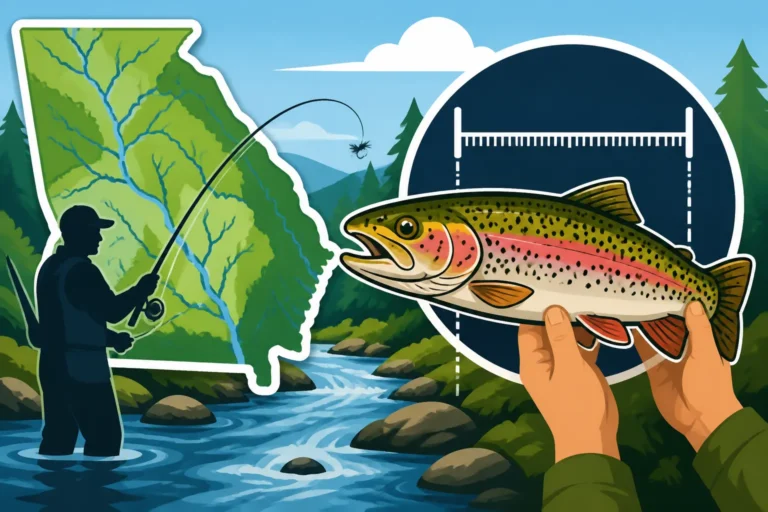
Anglers in this particular section of Dick's Creek are allowed a daily creel limit of three trout. However, there's a significant restriction: only one of these three trout can be 22 inches or longer. The other two fish, if kept, must be under 22 inches. This rule applies to all species of trout found in these waters, including Rainbow, Brown, and the native Brook Trout. Furthermore, only artificial lures with a single hook are permitted. This means no live bait, no treble hooks, and definitely no snagging. The idea is to reduce mortality rates for smaller fish that are caught and released, allowing them to grow into the trophy-sized specimens that anglers seek. These specific Georgia Trout Stream Size Limits by Creek are a testament to the GDNR's commitment to quality angling experiences.
How These Rules Promote Trophy Trout Fishing
You might wonder why such specific and seemingly strict rules are put in place. The answer lies in the concept of "trophy trout management." By limiting the number of fish an angler can keep, and especially by placing a cap on the number of truly large fish, the GDNR ensures that a healthy population of mature, breeding trout remains in the stream. This allows the fish to grow larger, live longer, and contribute more effectively to the natural reproduction cycle.
When you're fishing above Dick's Creek junction, you're not just casting for dinner; you're participating in a conservation effort that rewards patience and skill. These regulations cultivate an environment where anglers have a genuine chance to hook into truly impressive trout – fish that have survived multiple seasons and grown to considerable size. It’s about the quality of the catch, the challenge of the chase, and the satisfaction of knowing you're contributing to a sustainable fishery. This strategy is also employed in other unique areas, and understanding Why do trout size limits vary by stream in Georgia? helps put these local rules into perspective.
Gear and Tactics for Success in Special Regulation Waters
Fishing special regulation waters like the upper reaches of Dick's Creek requires a thoughtful approach to both your gear and your technique. The fish here are often wilder, wiser, and more wary due to lower stocking rates and higher angling pressure from seasoned enthusiasts. This isn't the spot for cheap, brightly colored lures and heavy monofilament.
Choosing the Right Tackle for Challenging Conditions
When you're targeting trout in these clear, cold, and often shallow waters, subtlety is your best friend. A lightweight setup is paramount. Think ultralight spinning gear or a delicate fly fishing outfit. For spinning, a 5' to 6'6" ultralight rod paired with a small reel (1000 or 2000 series) spooled with 2-4 lb test fluorocarbon line is ideal. Fluorocarbon is nearly invisible in water and has less stretch, offering better sensitivity. You can find excellent options on Amazon for specific rods, reels, and lines that are perfect for this type of finesse fishing.
Your lure selection is also critical given the "artificial lures with a single hook" rule. Small inline spinners (like Panther Martins or Mepps Aglias), tiny spoons (such as Phoebe or Kastmaster), and micro jigs (1/32 or 1/16 oz) are effective choices. For fly anglers, the world of nymphs, dry flies, and streamers opens up. Matching the hatch is key, but often generic attractor patterns like pheasant tails, caddis larvae, or small stoneflies will entice a bite. Don't forget to debard your hooks to minimize damage to fish you intend to release. Investing in quality gear, perhaps even finding some specialized fly boxes on Amazon, can make a real difference. If you're new to fly fishing, a guide on How to Fly Fish for Trout as a Beginner can be incredibly helpful.
Embracing Catch and Release Practices
Because these waters are managed for trophy trout and the overall health of the fishery, proper Catch and Release Trout Streams in Georgia techniques are not just encouraged, but often vital. If you plan to release a fish, handle it with the utmost care. Minimize its time out of the water – ideally, keep it in the water while unhooking. Use a pair of forceps or needle-nose pliers to quickly remove the hook. If the fish is deeply hooked, it’s often best to cut the line as close to the hook as possible.
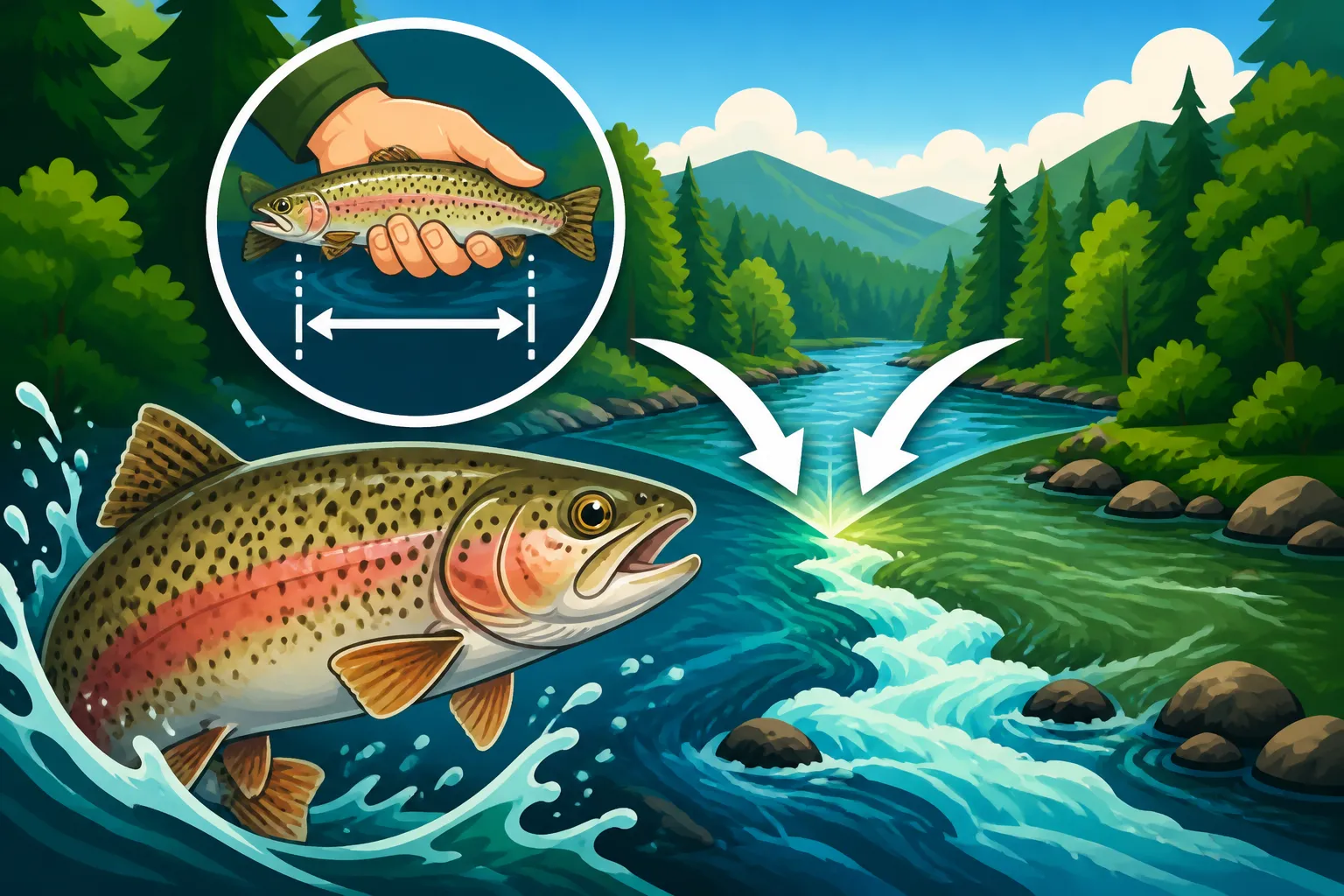
Support the fish horizontally, never by the gills or vertically by the mouth. Allow it to revive in the water, facing upstream, until it can swim away under its own power. Avoid touching the fish's body excessively, especially its scales and slime coat, as this can remove their protective layer and make them susceptible to disease. A good quality, rubber-meshed landing net from Amazon can protect the fish's delicate fins and slime coat much better than a traditional nylon net. Remember, releasing a fish properly ensures it can grow larger and provide another thrilling fight for you or another angler down the line.
Navigating and Accessing the Dick's Creek Area
Getting to these special regulation waters is part of the adventure itself. Dick's Creek is nestled within the beautiful Chattahoochee National Forest, meaning you'll be surrounded by stunning scenery and rugged terrain. Planning your access in advance will save you a lot of hassle and ensure you spend more time fishing and less time navigating.
Public Access Points and Parking
Dick's Creek is primarily accessed via forest service roads off of US-19/US-129, north of Dahlonega, Georgia. One of the most common access points is along Forest Service Road 42 (FS 42), which winds through the area. There are often designated parking areas near popular fishing spots, but these can fill up quickly on weekends, especially during peak trout season. Always park in a way that doesn't block gates, roads, or trail access, and be mindful of any "no parking" signs.
Many anglers choose to approach from the north via Suches, or from the south near Nimblewill Gap. Pay close attention to road conditions; some forest service roads can be rough, especially after heavy rains, and might require a vehicle with good ground clearance. Always have a map or GPS handy, as cell service can be spotty in these remote areas. Being prepared will make your journey to these Best Trout Streams in Georgia much smoother.
Understanding the Terrain and Conditions
The terrain around Dick's Creek is typical of North Georgia's mountain streams: steep banks, rocky bottoms, and dense rhododendron thickets. Wading can be challenging due to slippery rocks and varying water depths. Investing in good quality wading boots with felt or studded soles and a sturdy wading staff is highly recommended for safety. The water is consistently cold, even in summer, so appropriate layers are essential.
Water levels can fluctuate dramatically depending on recent rainfall. After heavy rains, the creek can become high and muddy, making fishing difficult and wading dangerous. Conversely, during dry spells, the water can be exceptionally low and clear, making the trout even warier and requiring a more stealthy approach. Always check stream gauges or local fishing reports before you go. This insight into Georgia's Trout Stocking Schedule Explained can also give you an idea of potential crowding, though wild trout streams like upper Dick's Creek rely less on stocking.
Remember, the reward for navigating these challenges is the chance to fish some of Georgia's most pristine waters and encounter truly magnificent trout under special regulations designed to keep them that way.
Disclaimer
The information provided in this guide is for general informational purposes only and is subject to change. Anglers are solely responsible for checking and complying with all current Georgia Department of Natural Resources (GDNR) fishing regulations, licensing requirements, and any specific rules for the waters they intend to fish. Fishing regulations, including size and creel limits, can vary by species, location, and season. Always consult the official Georgia Sport Fishing Regulations Guide, available from the GDNR website or licensed agents, before heading out on the water.