Georgia’s Fall Trout Stocking Timing
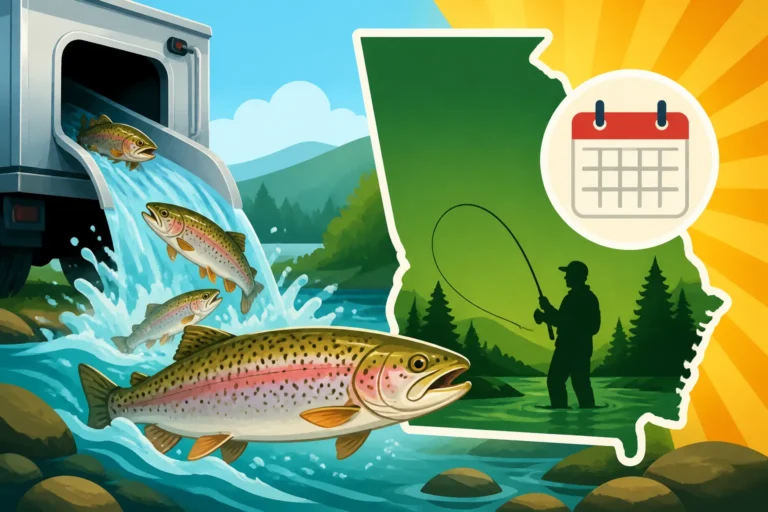
For many of us who live and breathe Georgia fishing, the arrival of fall brings with it a special kind of anticipation: trout stocking season. After the heat of summer can make trout fishing a bit challenging, the cooler temperatures revitalize our mountain streams, and the Georgia Department of Natural Resources (DNR) adds a fresh batch of feisty trout to the mix. But knowing exactly when and where these finned delights are released can feel like trying to solve a puzzle. This guide is here to shed some light on Georgia's fall trout stocking timing, helping you plan your autumn angling adventures.
Understanding Georgia's Trout Stocking Program
Georgia's trout stocking program is a cornerstone of our state's recreational fishing opportunities, especially in the beautiful North Georgia mountains. It's an effort designed to enhance angling experiences, particularly in streams where natural reproduction might not keep up with fishing pressure or where water temperatures simply aren't suitable for wild trout to thrive year-round.
The Purpose of Fall Stocking
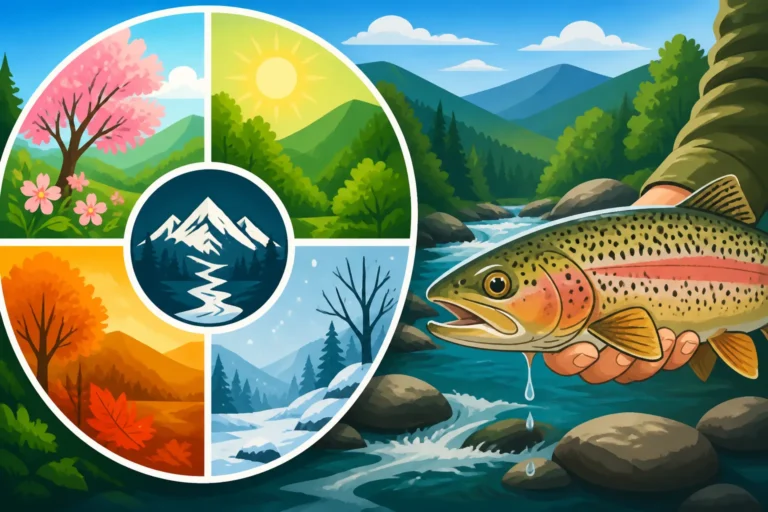
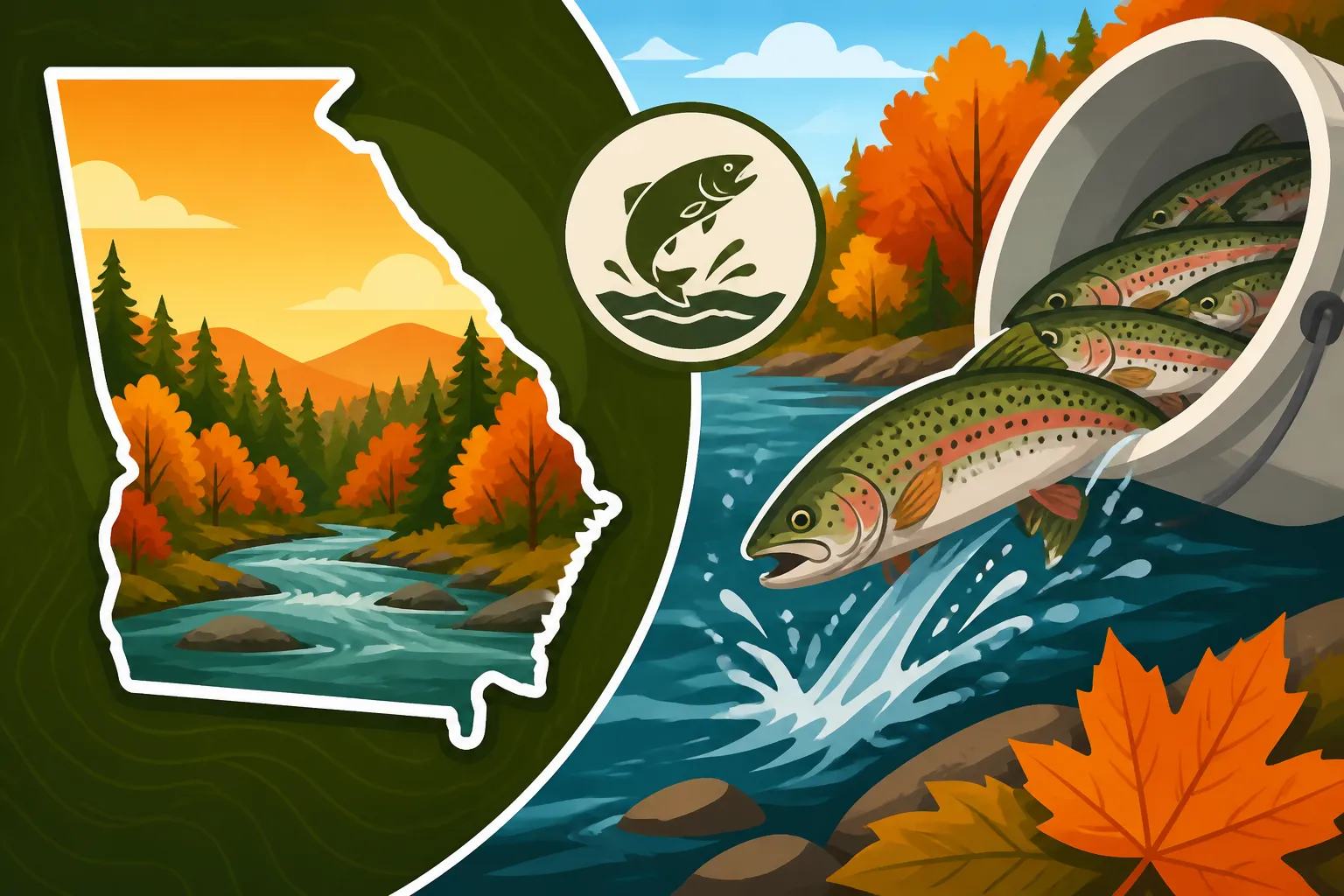
While spring and summer see the bulk of the trout stocking efforts in Georgia, fall stocking serves a distinct and very important purpose. As the oppressive summer heat begins to wane, water temperatures in many streams drop back into the ideal range for trout. This makes the fish more active and creates much more comfortable conditions for anglers. Fall stocking effectively extends the trout fishing season, giving us several more months of prime action before the depths of winter fully set in. It’s a wonderful opportunity to enjoy the crisp mountain air, the changing leaves, and some exciting fishing without the summer crowds or the sluggish behavior of heat-stressed fish. For a broader overview, you might want to check out our complete guide on the Georgia Trout Stocking Schedule Explained.
The cooler water temperatures mean stocked trout are generally more vigorous and willing to bite, offering a fantastic experience for both seasoned veterans and new anglers. It’s also a way to provide consistent fishing opportunities as natural populations might be recovering or sparse in certain areas. Think of it as the DNR giving Mother Nature a helping hand to ensure we always have somewhere to cast a line for these beautiful fish.
Which Trout Species Are Stocked in Fall?
When we talk about fall trout stocking in Georgia, we're primarily referring to Rainbow Trout. These are the workhorses of the stocking program, known for their strong fighting spirit and their readiness to take a variety of baits and lures. While you might occasionally encounter a Brown Trout that was stocked earlier in the year and has survived, the vast majority of fall-stocked fish will be rainbows.
Rainbow trout are perfectly suited for the put-and-take fisheries that dominate many of Georgia's stocked streams. They adapt well to new environments, and their robust nature makes them a popular target. They’re also beautiful fish, often displaying vibrant colors, which adds to the allure of catching them against a backdrop of autumn foliage. If you're interested in learning more about the different types of trout you might encounter, our guide on Georgia Trout Fishing Rainbow, Brown, and Brook Trout Explained offers a deep dive into each species.
The Specifics of Fall Trout Stocking Timing
This is often the million-dollar question for many anglers: "When exactly does it happen?" The truth is, while there's a general window, pinpointing exact dates can be a bit like predicting the weather – sometimes you get it right, sometimes you're a day off.
General Timeline and When to Expect the First Drops
Generally speaking, fall trout stocking in Georgia kicks off as soon as water temperatures consistently cool down, typically starting in late September and continuing through November, sometimes even into early December. The exact start date for specific streams depends heavily on local conditions – primarily water temperature and flow rates. If we've had a prolonged warm spell into September, stocking might be delayed a bit. Conversely, an early cold front can bring it on a little sooner.
The process isn't a one-time event, either. The DNR often conducts multiple stocking runs throughout the fall, ensuring a continuous supply of fresh fish. This staggered approach helps distribute the angling pressure and provides ongoing opportunities. So, even if you miss the very first drop, there's a good chance more fish will be released in the following weeks. For an idea of the overall schedule, you can refer to the Georgia's Trout Stocking Schedule From March to October which gives context to the seasonal changes.
Here's a general table outlining typical stocking periods:
| Season | Primary Stocking Months | Key Factors Influencing Timing | Main Trout Species Stocked |
|---|---|---|---|
| Spring | March, April, May | Water temperature rise, angler demand | Rainbow, occasional Brown |
| Summer | June, July, August | High water temperatures, flow rates | Primarily Rainbow (cooler, higher elevation streams) |
| Fall | Late Sept., Oct., Nov. | Cooling water temps, seasonal transition | Primarily Rainbow |
| Winter | December, January, Feb. | Very limited stocking (some Delayed Harvest streams) | Rainbow (for DH programs) |
How Stocking Schedules Are Determined and Why They Can Change
The DNR doesn't just randomly dump fish into streams. There's a methodical approach behind their stocking decisions. Several factors come into play:
- Water Temperature: This is paramount. Trout are cold-water fish, and stocking them into water that's too warm would be detrimental to their survival and overall health. Monitoring stream temperatures is a continuous process.
- Stream Flow and Levels: High flows after heavy rains can make stocking difficult and quickly disperse fish. Conversely, very low flows can concentrate fish in vulnerable areas. The DNR aims for optimal flow conditions.
- Hatchery Production: The trout hatcheries need time to grow the fish to a catchable size. Their production schedule dictates availability.
- Manpower and Logistics: Getting thousands of trout to dozens of streams requires a significant logistical effort, including specialized trucks and personnel. Schedules are built around these operational realities.
- Special Events: Sometimes stocking might be timed around local fishing rodeos or special events, though this is less common for general fall stocking.
Because these factors are dynamic, stocking schedules can, and often do, change. A sudden cold snap might accelerate stocking, while an unexpected warm front or heavy rain could delay it. This is why staying up-to-date with the latest information is crucial, which we’ll cover next. While it might seem frustrating not to have a fixed calendar, this flexibility ensures the fish are released under the best possible conditions for both the trout and the anglers.
Finding Out About Specific Stocking Dates and Locations
Knowing the general window is great, but getting the specifics is what really helps you plan a successful trip. Thankfully, the Georgia DNR makes a concerted effort to keep anglers informed, even with the dynamic nature of stocking.
Official Sources for Stocking Information
The absolute best place to get the most current information on trout stocking in Georgia is directly from the source: the Georgia Department of Natural Resources (DNR) Wildlife Resources Division website. They maintain a dedicated page, often updated weekly, listing which streams have been stocked recently. You'll typically find this under their "Fisheries" or "Trout" sections. It's a goldmine of information, showing not just which streams were stocked, but often when and how many trout were released.
Beyond the website, consider these additional resources:
- Social Media: Follow the Georgia DNR Wildlife Resources Division on their social media channels (Facebook, X/Twitter). They frequently post updates about stocking, fishing conditions, and other relevant news. This can sometimes be the quickest way to get real-time alerts.
- Local Bait Shops and Fly Shops: These local businesses are often the first to know about recent stockings, as they are deeply embedded in the local angling community. A quick call or visit can yield invaluable local intelligence. They also often have the Best Bait for Stocked Trout recommendations for their specific area.
- Signage at Public Access Points: Sometimes, streams at public fishing areas will have signs indicating recent stockings. Always keep an eye out when you're visiting.
Remember, while the DNR aims for transparency, the exact timing of a truck showing up at a particular stream is rarely announced days in advance to prevent overcrowding. Your best bet is to monitor the official channels regularly, especially during the peak fall stocking window.
Tips for Planning Your Fall Trout Fishing Trip
With the uncertainty of exact dates, here’s how you can still plan a fantastic fall trout fishing trip:
- Be Flexible: Your best approach is to have a few target streams in mind and be ready to go when you see they've been stocked. Don't put all your eggs in one basket, as conditions at one stream might not be ideal, but another nearby could be perfect. Many of the Best Trout Streams in Georgia are stocked, offering plenty of options.
- Monitor the Weather: A cold front following a stocking can make the fish less active, while stable, cool weather is often ideal. Keep an eye on rain forecasts too, as heavy rain can blow out streams.
- Check Stream Conditions: Beyond stocking reports, look for information on current stream levels and clarity. The USGS (U.S. Geological Survey) website provides real-time stream flow data for many Georgia waterways, which can be invaluable.
- Pack Appropriately: Fall in North Georgia can bring unpredictable weather. Layer your clothing, bring rain gear, and wear waterproof boots. Investing in a good pair of waders (you can often find great options on Amazon) will also keep you comfortable and allow you to access more water.
- Consider Weekdays: If you can swing it, fishing on a weekday immediately after a stocking will typically mean fewer crowds than on a weekend.
By being prepared and knowing where to look for information, you significantly increase your chances of being on the water when the fall trout are biting.
Best Practices for Fishing Fall Stocked Trout
Once you've nailed down the timing and found a freshly stocked stream, it's time to put some fish in the net! Fishing for stocked trout, especially newly introduced ones, has its own set of nuances compared to targeting wild trout.
Gear and Bait Recommendations for Freshly Stocked Waters
Stocked trout are generally less wary than their wild counterparts, especially immediately after release. They are accustomed to being fed in a hatchery environment and haven't yet developed the same instincts for dodging predators or discerning natural foods. This makes them often quite aggressive and willing to strike.
For gear, a light to ultralight spinning rod (around 5-6 feet) paired with a small spinning reel spooled with 4-6 lb test line is perfect. Brands like Shimano, Daiwa, or even entry-level combos available on Amazon work wonderfully. If you're into fly fishing, a 3-5 weight fly rod is ideal for most North Georgia trout streams. Remember to ensure you have the proper Trout license requirements for north Georgia mountain streams before you head out.
When it comes to bait and lures, a wide array of options can be effective:
- PowerBait and Trout Dough: These scented, moldable baits are perennial favorites for stocked trout. Colors like chartreuse, orange, and rainbow are often very effective. Fish them off the bottom with a small split shot and a light leader, or suspend them under a bobber.
- Small Spinners: Classic inline spinners like Rooster Tails, Mepps, or Panther Martins in sizes 0 to 2 are deadly. Silver, gold, and brass blades with bright colored dressings (chartreuse, orange, white) are usually great choices. For tips on how to use them, check out How to Spin Fish for Trout.
- Worms: Good old red wigglers or nightcrawlers are always a reliable option. Rig them on a small hook (size 8-12) with a split shot or under a bobber.
- Artificial Flies: If you're fly fishing, patterns like Woolly Buggers, Squirmy Wormies, egg patterns, and mop flies are often very effective on freshly stocked trout. Don't be afraid to try some gaudy colors!
It's a good idea to bring a variety of options. Sometimes the trout will key in on one specific color or presentation, so having choices means you can adapt to what they're biting. You can easily stock up on a diverse range of lures and baits from Amazon before your trip.
Ethical Angling and Catch Limits
While stocked trout can be easier to catch, it's still crucial to practice ethical angling. This means:
- Respecting Regulations: Always know and follow the current Daily Creel Limits for Trout in Georgia and size restrictions for the specific stream you are fishing. These can vary, so a quick check of the Georgia Fishing Regulations is always a good idea. Also, don't forget that many mountain streams require a Mountain Trout License Add-On in Georgia in addition to your basic fishing license.
- Responsible Catch and Release: If you plan to release fish, handle them gently. Wet your hands before touching the fish, minimize time out of water, and use needle-nose pliers or a hemostat to quickly remove hooks. For a deeper understanding of responsible practices, check out our guide on How to Catch and Release Trout Properly.
- Leave No Trace: Pack out everything you pack in, including any discarded fishing line or bait containers. Let's keep our beautiful Georgia streams pristine for everyone to enjoy.
- Be Considerate of Others: Stocked streams can attract crowds, especially right after a stocking. Give other anglers space, avoid casting over their lines, and be patient. We're all out there to enjoy the peace and thrill of fishing.
Fall trout stocking in Georgia is a truly exciting time for anglers. With the right information, preparation, and a commitment to ethical practices, you can enjoy some of the most beautiful scenery and rewarding fishing our state has to offer. So, keep an eye on those DNR reports, get your gear ready (maybe a new tackle box from Amazon!), and get ready to hit the water!
Disclaimer
Please note that fishing regulations, stocking schedules, and local conditions can change. Always consult the official Georgia Department of Natural Resources (DNR) Wildlife Resources Division website or their current printed regulations guide before heading out on any fishing trip to ensure you have the most up-to-date information.