Mountain Trout License Add-On in Georgia
Ah, the beautiful, clear waters of Georgia's mountain streams! There's nothing quite like the crisp air, the sound of rushing water, and the thrill of a trout rising to your line. But let's be honest, figuring out the specific licensing requirements for these pristine waters can feel like trying to untangle a particularly stubborn fishing knot. Many anglers find themselves scratching their heads, wondering if their basic fishing license is truly enough, or if there's some extra hoop they need to jump through. Well, you're not alone in that confusion, and this comprehensive guide is here to untangle all those questions about the Georgia Mountain Trout License Add-On, ensuring you're fully prepared and legal for your next angling adventure.
Understanding Georgia's Mountain Trout License Add-On
You've got your general Georgia fishing license, right? You're thinking, "Great, I'm ready to hit the water!" And for most species in most waters, you'd be absolutely correct. But when it comes to the highly sought-after, cold-water trout in Georgia's designated mountain streams, there's a specific requirement that many folks overlook or simply don't understand: the Mountain Trout License Add-On. This isn't just a bureaucratic formality; it's a critical component of Georgia's conservation efforts for one of its most cherished fisheries.
Why a Separate Trout License is Necessary
The simple truth is, fishing for trout in Georgia's designated trout waters requires more than just your standard fishing license. Think of it this way: your basic Georgia Fishing License Guide covers a vast array of species and locations, from largemouth bass in Lake Lanier to catfish in the Flint River. It’s a broad stroke covering general fishing activities. However, mountain trout streams are a unique and fragile ecosystem. These waters often require active management, including regular trout stocking, habitat restoration, and specific enforcement to maintain healthy populations. The revenue generated from the Mountain Trout License Add-On directly funds these crucial programs. If you show up to a prime trout stream like the Chattooga River or a popular stretch of the Chattahoochee River Headwaters Trout Fishing without this specific add-on, you could quickly find yourself in a heap of trouble with a wildlife ranger, even if your general license is current.
Differentiating General Fishing vs. Trout Fishing Regulations
So, what's the real difference? Your general license permits you to fish in public waters for non-trout species, or for trout in waters not designated as "trout streams" by the Georgia Department of Natural Resources (DNR). For instance, if you happen to catch a stray trout in a lake that's primarily known for bass, your general license covers you. However, Georgia has a specific list of streams and rivers that are actively managed for trout. These are often cold-water creeks in the northern part of the state. These designated trout waters come with their own set of specific rules, often including unique size limits, creel limits, and special regulations like those found in Delayed Harvest Trout Streams in Georgia. The Mountain Trout License Add-On is your ticket to legally fish in these special, regulated areas. Without it, even if you have a valid general license, you're not in compliance when targeting trout in these specific streams. It's a critical distinction to understand if you plan on experiencing Georgia's premier trout fishing opportunities.
The Importance of the Add-On for Conservation
Let's talk about why this add-on truly matters beyond just legality. The fees collected from the Mountain Trout License Add-On are directly reinvested into the very waters we love to fish. The Georgia Department of Natural Resources (DNR) uses these funds for a variety of conservation initiatives. A significant portion goes towards funding the Georgia Trout Stocking Schedule, which sees hundreds of thousands of trout – predominantly rainbow trout, but also brown and brook trout – released into public waters each year. These stockings ensure that even with heavy angling pressure, there are still plenty of fish for everyone to enjoy. Beyond stocking, the funds support critical habitat improvement projects, scientific research into trout populations and stream health, and enforcement of regulations designed to protect these sensitive ecosystems. When you purchase this add-on, you're not just buying a piece of paper; you're actively contributing to the health and future of Georgia's spectacular trout fishery. It's a small investment that yields huge dividends for every angler who appreciates these beautiful fish and the pristine environments they inhabit.
Who Needs the Mountain Trout License Add-On
Understanding who exactly needs this specialized license add-on can be a bit tricky, as there are specific age, residency, and even some situational exemptions. It's not a one-size-fits-all requirement, so let's break down the details to make sure you're covered.
Age and Residency Requirements
Generally, if you are a resident of Georgia and are between the ages of 16 and 64, you will need to purchase both a valid basic fishing license and the Mountain Trout License Add-On to fish in designated trout waters. For non-residents, the requirement is essentially the same; if you're 16 or older, you'll need both your non-resident fishing license and the trout add-on.
However, there are some important exceptions. Children under 16 years of age do not need a fishing license, nor do they need the Mountain Trout License Add-On, which is a fantastic perk for introducing youngsters to the sport! You can learn more about this in our guide on Do Kids Need a Fishing License in Georgia?. Similarly, Georgia offers generous provisions for senior anglers. If you're a Georgia resident born before July 1, 1952, you're generally exempt from needing a fishing license and the trout add-on. For residents born on or after July 1, 1952, but who are 65 or older, there are discounted or free senior lifetime licenses available that typically include the trout endorsement. Be sure to check out our Senior Fishing License Rules in Georgia for more specific details on these invaluable options.
Special Cases and Exemptions
Beyond age and residency, there are a few other scenarios where the trout add-on might or might not be required:
- Private Ponds: If you're fishing for trout in a wholly private pond on private land, you generally do not need a state fishing license or the trout add-on. These waters are not considered "public waters" or designated trout streams.
- Commercial Hatcheries: Fishing at a licensed commercial trout pond or pay-to-fish facility typically has its own rules and fees, separate from state licensing requirements. Always confirm with the facility directly.
- Reciprocal Agreements: While Georgia has some fishing license reciprocity agreements with neighboring states for certain border waters, these typically do not extend to specialized add-ons like the Mountain Trout License. If you're an out-of-state angler, it's safest to assume you'll need Georgia's specific licenses for Georgia's designated trout waters.
- Fishing for other species in trout waters: This is a gray area and something you generally want to avoid. If you're actively fishing a designated trout stream, even if you claim to be targeting bass or another species, the assumption will be that you are targeting trout, and thus the add-on is required. It's best to have it if you're in those waters.
Nonresident Specifics for Trout Fishing
If you're visiting Georgia from out of state and planning to enjoy our incredible mountain trout fishing, you absolutely need to pay close attention to these rules. As a non-resident, you'll first need a valid Georgia nonresident fishing license. This can be an annual license or one of Georgia's Nonresident Short-Term License Options, such as a one-day, three-day, or seven-day permit.
Once you have your basic nonresident fishing license, you will then need to purchase the Mountain Trout License Add-On. The add-on costs are typically higher for non-residents, reflecting the costs of managing these fisheries for a broader user base. This applies whether you're planning a week-long trip to fish the Toccoa River or just a quick day trip to a specific public fishing area. There's no separate "nonresident mountain trout license" – it's always an add-on to your base non-resident fishing license. Ensure you have both in your possession when fishing. You can find more details about these costs in our guide on Nonresident Fishing License Prices in Georgia.
Acquiring Your Mountain Trout License Add-On
Getting your Mountain Trout License Add-On is generally a straightforward process, designed to be accessible to anglers whether they prefer the convenience of online purchasing, the personal touch of a local shop, or even a quick phone call. The Georgia Department of Natural Resources (WRD) has streamlined the system, making it relatively painless.
Online Purchase Through Georgia WRD
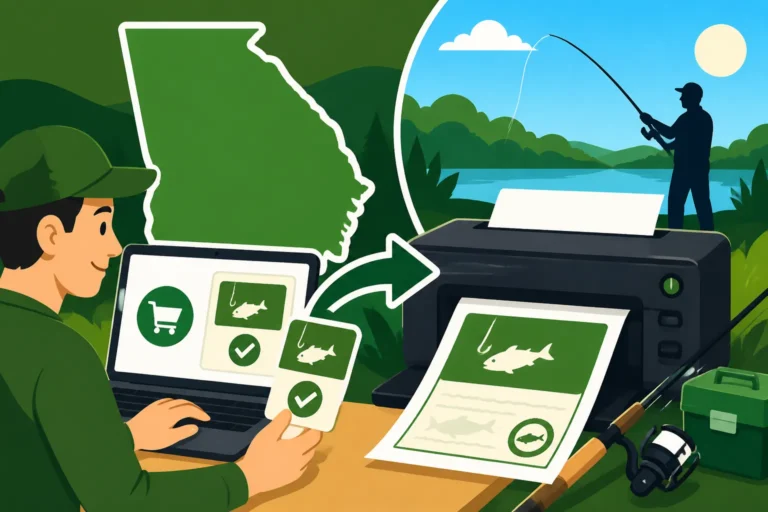
This is, by far, the most popular and often the easiest way to secure your Mountain Trout License Add-On. The Georgia Wildlife Resources Division (WRD) operates a comprehensive online licensing portal. Here's a quick rundown of the steps:
- Visit the Go Outdoors Georgia Website: Head over to the official Georgia WRD licensing portal. You can usually find this with a quick search for "Georgia fishing license online."
- Log In or Create an Account: If you've purchased a license in Georgia before, you'll likely have an existing account. You'll need your customer ID, date of birth, and possibly the last four digits of your social security number. New users will need to create an account, providing basic personal information.
- Select Your Licenses: Once logged in, you'll see options for purchasing various licenses. You'll need to select your general fishing license first (or ensure your existing one is valid). Then, look for the "Mountain Trout Add-On" or "Trout License" option. It's usually listed under "Endorsements" or "Add-Ons."
- Complete Purchase: Add the chosen licenses to your cart, review the costs, and proceed to payment. You'll use a credit or debit card for this step.
- Print or Save Your License: After successful payment, you'll be able to print a temporary license immediately. You can also save a digital copy to your phone, which is perfectly acceptable as proof of license. The actual hard card will often be mailed to you within a few weeks, but the printed or digital copy is valid right away.
This method is incredibly convenient, allowing you to purchase your license any time, day or night, from the comfort of your home. You can even browse for gear on Amazon while you wait for your license to load! For a broader understanding of the online process, check out our guide on How to Buy a Fishing License Online in Georgia.
Purchasing from Local License Agents
If you prefer a face-to-face transaction or need some expert advice on local fishing spots, purchasing your add-on from a local license agent is a great option. Georgia has a vast network of authorized license agents throughout the state. These typically include:
- Sporting Goods Stores: Major retailers like Bass Pro Shops or Academy Sports + Outdoors, as well as smaller, independent fishing tackle shops.
- Bait and Tackle Shops: Often the best source for local tips and conditions.
- Walmart and other General Retailers: Many larger stores have a customer service desk equipped to sell licenses.
- State Parks and Wildlife Management Areas (WMAs): Some visitor centers or offices at these locations may also sell licenses.
When visiting an agent, simply tell them you need a Georgia fishing license and the Mountain Trout Add-On. You'll need to provide identification and your personal information. They'll process the transaction, and you'll typically walk out with a printed license in hand immediately. This can be especially handy if you're already on your way to a fishing destination and realize you forgot to get your add-on. You can find your nearest agent by looking up Georgia License Agents Near You.
Phone Purchase Options and Convenience
For those who prefer a direct conversation or aren't comfortable with online transactions, Georgia also offers the option to purchase your fishing licenses and add-ons over the phone. The Georgia WRD provides a dedicated phone line for license sales.
You'll need to call their customer service number, which is typically available during standard business hours. Have your personal information, including your Georgia driver's license or state ID number, and your payment method (credit/debit card) ready. A representative will guide you through the process, ensure you select the correct licenses, and complete the purchase.
Once purchased over the phone, you'll typically receive a confirmation number that serves as your temporary license until a physical copy arrives by mail. Many anglers find this a convenient option, especially if they're traveling or have specific questions that aren't easily answered online. Just remember to write down your confirmation number or have it sent to your email for proof of purchase while you wait for your official documentation. This method is explored further in our guide on Buying a Fishing License by Phone in Georgia.
Cost and Validity of the Mountain Trout License
Let's talk brass tacks: how much does this add-on cost, and how long is it good for? Understanding these details is crucial for budgeting your fishing trips and ensuring you're always properly licensed.
Breaking Down the Price of the Add-On
The cost of the Mountain Trout License Add-On in Georgia is quite reasonable, especially when you consider the extensive management and stocking efforts it supports.
- For Georgia Residents: Typically, the annual Mountain Trout License Add-On for residents costs a modest amount, often around $10-15. This is in addition to the cost of your annual resident fishing license, which might be around $15. So, for an annual resident who wants to fish designated trout waters, you're looking at a total annual investment of roughly $25-30.
- For Non-Residents: The cost for non-residents is a bit higher, which is standard practice for state wildlife agencies. An annual non-resident Mountain Trout License Add-On might be around $20-25. This is on top of a non-resident annual fishing license, which can range from $50-60. Short-term non-resident fishing licenses (1-day, 3-day, 7-day) also have their own associated add-on fees for trout, which are prorated accordingly. For instance, a nonresident 3-Day License might have a lower add-on fee than the annual one.
These prices are subject to change, so always verify the most current fees on the Georgia WRD website or through a license agent. Remember, this small fee contributes directly to the sustainability of the trout fishery, making it a valuable investment in your future angling opportunities.
Combining with Your Basic Georgia Fishing License
It's important to reiterate that the Mountain Trout License is an add-on. It doesn't function as a standalone license for fishing. You absolutely must have a valid basic Georgia fishing license first, whether it's an annual, senior, or short-term version. Think of it like this: your basic license is the main course, and the trout add-on is the special side dish that lets you enjoy the trout feast.
When you purchase online or through an agent, the system will typically prompt you to buy or verify your basic fishing license before allowing you to add the trout endorsement. This ensures you're never caught with just the add-on, which would be like showing up to a restaurant with only a coupon for dessert – you still need to buy the main meal! The total cost you pay will reflect the combined price of your chosen basic license and the trout add-on.
Renewal and Duration of the Add-On
Like most annual Georgia fishing licenses, the Mountain Trout License Add-On is typically valid for 12 months from the date of purchase. It's not usually tied to a calendar year, which means if you buy it in July, it's good until July of the following year. This "365-day" validity is a great feature, giving you a full year of access regardless of when you make your purchase. You can confirm this specific detail in our guide: Is a Georgia fishing license good for 365 days?
When it's time to renew your basic fishing license, you'll also have the option to renew your Mountain Trout Add-On simultaneously. The online system, license agents, and phone service all facilitate this combined renewal process, making it simple to keep all your permits current. It’s always a good idea to mark your calendar a month before expiration, so you don't accidentally find yourself at a beautiful North Georgia stream without the proper paperwork. Keeping track of expiration dates is part of being a responsible angler!
Where the Mountain Trout License Add-On Applies
This is a critical distinction, and understanding it can save you a lot of headache (and potential fines). The Mountain Trout License Add-On is not required for every body of water where you might encounter a trout in Georgia. It's specifically for "designated trout waters."
Designated Trout Waters vs. General Waters
Georgia's fishing regulations, outlined in the comprehensive Georgia Fishing Regulations Explained guide, clearly differentiate between "designated trout waters" and "general waters."
- Designated Trout Waters: These are specific streams and rivers, primarily located in the mountainous northern part of Georgia, that are actively managed by the Georgia DNR for trout. They have characteristics suitable for trout (cold, clear water) and are often stocked regularly. When you fish any of these specifically listed waters, you must have the Mountain Trout License Add-On, regardless of whether you intend to catch trout or another species. These waters also typically have special regulations regarding creel limits, size limits, and gear restrictions.
- General Waters: These are all other public waters in Georgia – lakes, ponds, non-designated rivers, etc. You can fish for trout in these waters with just a basic Georgia fishing license if you happen to catch one. However, the likelihood of consistently finding trout in general waters is much lower, as these environments are usually too warm for trout to thrive naturally or be actively stocked by the state for recreational purposes.
The key takeaway is that the add-on applies to the water body, not just the fish species. If you're in a designated trout stream, you need the add-on.
Popular North Georgia Trout Streams Requiring the Add-On
North Georgia is a haven for trout anglers, boasting numerous picturesque streams. Many of these well-known spots fall under the "designated trout waters" category and absolutely require the Mountain Trout License Add-On. Here are a few examples:
- Toccoa River: Particularly the upper sections and the well-known Toccoa River Trout Fishing in Georgia areas.
- Chattahoochee River (Headwaters and Tailwater below Buford Dam): While the lower Chattahoochee through Atlanta is a general fishery, the upper sections and the cold-water release below Buford Dam are prime trout zones and require the add-on.
- Amicalola Creek: A beautiful, popular stream often stocked.
- Dukes Creek: Known for its trophy trout and special regulations, definitely requiring the add-on.
- Brasstown Creek: Another popular stocking location in the mountains.
- Etowah River (Upper sections): While also having bass, certain stretches are managed for trout.
Many creeks within Wildlife Management Areas (WMAs) in North Georgia also fall into this category. Before heading out, it's always best to consult the current Georgia Sport Fishing Regulations Guide provided by the WRD or their website to verify if the specific body of water you plan to fish is designated as a trout stream. This will ensure you meet the Trout license requirements for north Georgia mountain streams.
Delayed Harvest Streams and Special Regulations
Georgia's Delayed Harvest (DH) trout streams are a fantastic program designed to provide high-quality, catch-and-release fishing opportunities during the cooler months. These streams, such as a section of the Amicalola Creek or the Chattooga River, are stocked heavily in the fall and then managed under strict catch-and-release, artificial lures only regulations from November 1st to May 14th. During this period, you cannot keep any trout. From May 15th to October 31st, these streams revert to general trout regulations, allowing for harvest.
Regardless of the season, if you're fishing in a Delayed Harvest stream, you absolutely need the Mountain Trout License Add-On. The intensive stocking and management of these waters are precisely what the add-on fee helps fund. These are considered designated trout waters, and their special rules, while providing incredible fishing, do not exempt you from the licensing requirement. It's a prime example of where the add-on is mandatory, allowing you to enjoy some of the best trout fishing experiences Georgia has to offer. You can learn more about these unique fisheries in our guide, Georgia's Delayed Harvest Trout Streams Explained.
Consequences of Not Having the Proper License
It might seem like a small detail, but fishing without the correct license, especially the Mountain Trout Add-On in designated waters, is a serious offense in Georgia. Wildlife Resources Division rangers are well-versed in the regulations and are out there actively protecting our natural resources. Ignorance of the law is rarely a valid excuse.
Fines and Legal Ramifications
If a Georgia DNR ranger checks your license in a designated trout stream and you don't have the Mountain Trout License Add-On, even if your basic fishing license is current, you will likely face a citation. The specific fines can vary depending on the county and the discretion of the issuing officer, but they can be substantial. Expect fines to be in the hundreds of dollars, easily outweighing the cost of the add-on itself. On top of the fine, you might also have court costs to pay. This is a common penalty for Penalties for Fishing Without a License in Georgia.
Beyond the immediate financial hit, a citation can go on your record, potentially impacting future interactions with law enforcement. It's simply not worth the risk. Imagine driving all the way to a pristine North Georgia stream, packing all your gear, perhaps even ordering some new flies or a new fishing vest from Amazon, only to be turned away or ticketed before you even make your first cast.
Impact on Fishing Privileges
In addition to fines, being caught without the proper license can have direct consequences for your fishing privileges. Depending on the severity of the offense or if it's a repeat occurrence, your existing fishing license could be suspended or revoked. This means you wouldn't be able to legally fish in Georgia for a specified period, which can be incredibly frustrating for avid anglers. Furthermore, if you are a non-resident, such an offense could potentially impact your ability to obtain future Georgia licenses.
The state takes its conservation efforts seriously, and proper licensing is a cornerstone of funding and managing these resources. Violations undermine these efforts and are treated accordingly. It's not just about a missing piece of paper; it's about respecting the rules that ensure healthy fisheries for everyone.
The Ethical Angler's Perspective
Beyond the legal and financial repercussions, there's an ethical dimension to having the correct license. As anglers, we are stewards of the environment. The fees from licenses and add-ons are directly channeled back into the very resources we cherish – trout stocking, habitat improvement, and scientific research. When you fish without the required add-on, you're essentially enjoying the benefits of these programs without contributing your fair share.
An ethical angler understands that part of the privilege of fishing is contributing to the sustainability of the sport. It's a small investment that ensures future generations can also experience the joy of catching a beautiful trout from a clear mountain stream. So, take the extra minute, spend the few extra dollars, and make sure you're fully compliant. It’s a sign of respect for the fish, the waters, your fellow anglers, and the dedicated individuals who work tirelessly to maintain Georgia's outstanding fisheries. Plus, having everything in order means you can relax and fully immerse yourself in the natural beauty of Georgia, perhaps with a new fishing hat you found on Amazon, without a worry in the world.
Disclaimer
Please remember that fishing regulations, license requirements, and fees can change. While this guide provides comprehensive and up-to-date information, it is always your responsibility to consult the official Georgia Department of Natural Resources (DNR), Wildlife Resources Division (WRD) website or their current printed regulations guide before heading out. This content is for informational purposes only and should not be considered legal advice.