How to Jig for Crappie
It's incredibly frustrating, isn't it? You spend hours on the water, meticulously dropping your jig, feeling every twitch and bump, yet the crappie just aren't biting. Meanwhile, you hear tales of other anglers reeling them in one after another. What's their secret? It often comes down to understanding the nuances of crappie behavior, the right gear, and mastering a few key jigging techniques. This comprehensive guide is designed to pull back the curtain, giving you all the insights you need to confidently jig for crappie in Georgia, turning those frustrating outings into triumphant ones.
The Crappie Conundrum: Understanding Their Habits for Better Jigging
Crappie are magnificent panfish, prized for their delicious taste and the exciting fight they offer on light tackle. However, they can be notoriously finicky, seeming to appear and disappear like magic. The truth is, their movements and feeding patterns are highly predictable once you understand the factors influencing them. It's not about magic; it's about science and observation.
Decoding Crappie Behavior Season by Season
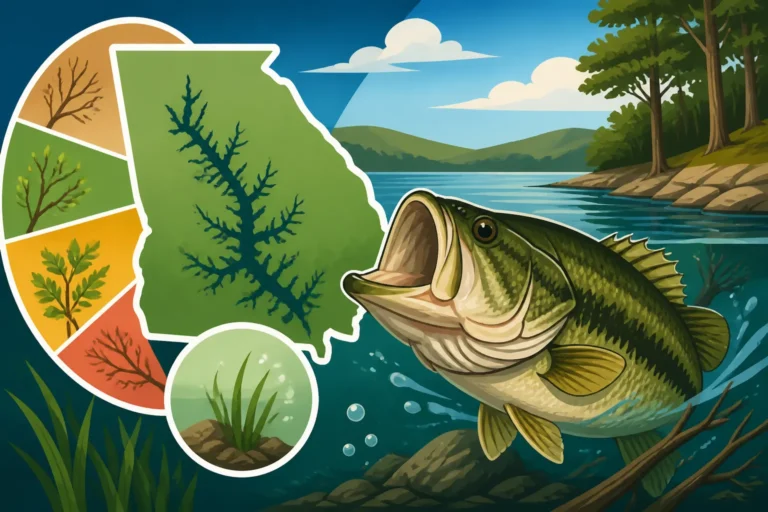
Crappie are cold-blooded, which means their activity levels and preferred depths are heavily dictated by water temperature. This isn't just a minor detail; it's the crucial factor that dictates where they'll be and how aggressively they'll bite. If you're out there blindly jigging without considering the season, you're essentially throwing darts in the dark.
In the colder months, especially when surface temperatures dip below 50°F, crappie tend to school up in deeper main lake basins or along deep creek channels. They become somewhat lethargic, seeking stable temperatures and conserving energy. Your jigging approach during this time needs to be subtle and slow, often targeting fish suspended over deeper structure. As spring approaches and water temperatures begin to creep into the upper 50s, crappie start their migration towards shallower spawning grounds. This is when their metabolism picks up, and they become more active feeders, often relating to submerged cover in preparation for the spawn.
During the peak of the spawn, typically when water temperatures hit the mid-60s, you'll find crappie, particularly the males, guarding nests in very shallow water, sometimes just a foot or two deep. They become highly aggressive, striking anything that gets too close to their eggs. Post-spawn, as waters warm further into the 70s and 80s, crappie retreat to deeper, cooler, and more oxygenated water. They'll often suspend over brush piles, channel edges, or around deeper docks. Understanding these seasonal shifts allows you to adjust your depth, jig size, and presentation, putting your bait exactly where the crappie are most likely to be.
Preferred Habitats and Structure in Georgia Waters
Crappie are masters of cover. They aren't just swimming aimlessly in open water; they actively seek out structure that provides ambush points, shade, and protection from predators. If you're not targeting specific types of structure, you're missing out on a huge part of the crappie puzzle, especially in diverse Georgia lakes and rivers.
Think about the prime crappie real estate in a lake like Lake Seminole or Lake Blackshear. You'll often find them congregated around flooded timber, brush piles (both natural and man-made), bridge pilings, standing cane, lily pad fields, and even deep-water humps and ledges. Docks, especially those with submerged brush or pontoon boats offering shade, are also perennial hotspots. The key is that these structures break up the current, provide cover, and often attract baitfish, which is exactly what crappie are looking for.
Different types of structure will hold crappie at different times. In shallow water during the spawn, they'll be tight to emergent vegetation or sunken logs. In deeper water during summer, they might be suspended in the branches of a submerged tree that was once on a shoreline. The depth at which crappie relate to these structures also matters. They might be right in the middle of a brush pile, or suspended just above it, depending on baitfish presence and water conditions. Learning to "read" your sonar for these submerged treasures, or simply knowing the historically productive areas of your local body of water, will dramatically improve your success rate. To really hone in on those productive areas, check out our guide on the Best Crappie Lakes in Georgia for detailed insights on top fishing spots.
Gearing Up for Georgia Crappie Jigging Success
The right tackle makes all the difference when you're trying to fool a crappie. Their bites can be so incredibly subtle that without a sensitive rod and proper line, you might not even realize you had a strike. It's not about having the most expensive gear, but rather the right gear that gives you the advantage.
The Right Rod, Reel, and Line for Sensitive Bites
Crappie fishing, especially with jigs, demands finesse. You're not casting heavy lures or fighting monstrous fish, so your equipment should reflect that. Trying to jig for crappie with a heavy bass rod is like trying to pick up a feather with a shovel – you just won't feel the delicate touch.
For jigging, most experienced crappie anglers opt for light or ultralight spinning rods. These rods are typically between 5 to 7 feet long, with a very sensitive tip that transmits even the slightest "tick" of a crappie bite. A shorter rod, around 4 to 5 feet, can be particularly advantageous for close-quarters jigging around docks or thick cover, giving you better control and accuracy. When selecting a rod, look for one with a fast action, meaning the tip bends easily but the backbone remains stiff, allowing for quick hooksets without overpowering the delicate mouths of crappie. If you're curious about specific recommendations, our article on the Best Rods for Crappie Fishing in Georgia delves into popular choices, and you can even explore more about Best Rod Length for Crappie Jigging for tailored advice.
Pair your sensitive rod with a small spinning reel, typically a 500 or 1000 series. These reels are lightweight, balance well with ultralight rods, and have a smooth drag system, which is crucial when a slab crappie makes a surprising run. For line, many anglers prefer 4 to 6-pound test monofilament for its stretch and knot strength. However, braided line in 6 to 10-pound test, often with a fluorocarbon leader, has gained popularity due to its extreme sensitivity and lack of stretch, which makes detecting those faint bites much easier. The fluorocarbon leader (4-6 lb test) provides invisibility in clear water, where crappie can be particularly line-shy.
Picking the Perfect Jigs and Their Accessories
This is arguably the most fun part – choosing your "weapons"! Jigs are incredibly versatile and come in a dazzling array of styles, colors, and sizes. The key is to have a good selection to match various conditions and crappie moods, and knowing which ones to tie on can feel like a secret code.
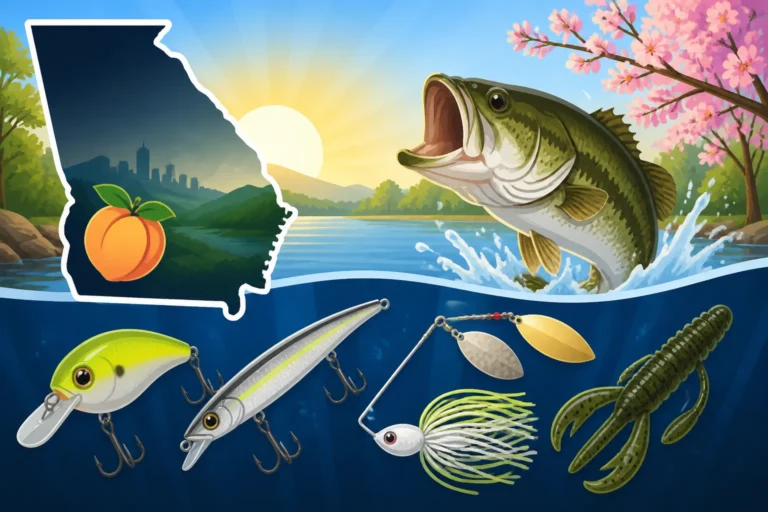
One of the most popular and effective types is the soft plastic jig, often referred to as a "tube jig" or "grub." These come in various tail designs, such as curly tails, paddle tails, or straight tails, each imparting a different action in the water. Brands like Bobby Garland and Johnson Jigs offer an incredible selection that you can easily find on platforms like Amazon. The movement of these soft plastics, even with minimal rod action, can be irresistible to crappie. Hair jigs, often made with bucktail or marabou feathers, are another timeless choice, particularly for their subtle, lifelike breathing action in the water. Micro-spoons, though technically not jigs, are also excellent for deep-water vertical jigging, mimicking small baitfish.
The jig head itself is just as important as the soft plastic or hair dressing. Jig heads come in various weights, from tiny 1/32 ounce for shallow, calm water or slow fall rates, up to 1/8 ounce or even 1/4 ounce for deeper water or windy conditions that require a faster drop. The hook size on the jig head should match the size of your soft plastic bait, typically ranging from a size 4 to a size 1 hook. A good rule of thumb is to use the lightest jig head possible that still allows you to feel the bait and maintain control in the water column. Experimenting with Best Jig Colors for Crappie Fishing is also key, as color can be incredibly important depending on water clarity and light conditions.
Live Bait and Scent Boosters
While artificial jigs are fantastic, sometimes crappie just want the real deal. There's no shame in giving them what they want, especially on tougher days or when you're targeting particularly finicky fish. Combining live bait with a jig can create an irresistible presentation that capitalizes on both flash and natural appeal.
Tipping your jig with a live minnow is a classic crappie trick, and for good reason. The combination of the jig's action and the minnow's natural scent and movement is often too much for even the most hesitant crappie to ignore. You can simply hook a small minnow through the lips or just behind the dorsal fin and drop it down with your jig. This technique is especially effective when vertical jigging over brush piles or in cold water when crappie are less likely to chase. If live minnows are difficult to come by, you can also consider exploring How to Rig a Minnow for Crappie with artificial options.
Scent attractants are another secret weapon in many crappie anglers' arsenals. These gels, sprays, or pastes, infused with fish-attracting pheromones and oils, can be applied directly to your soft plastic jigs. Brands like Berkley Gulp! or Crappie Thunder offer soft plastics that are pre-scented, adding an extra layer of appeal. The idea is that the scent trail left by your jig will entice crappie to hold on longer, giving you more time to detect the bite and set the hook. Sometimes, just that little extra boost of natural scent can be the difference between a slow day and a successful one, especially if the crappie are being particularly picky.
Mastering the Art of Crappie Jigging Techniques
Having the right gear is only half the battle; knowing how to use it effectively is where the real skill comes in. Crappie jigging isn't just about dropping a bait in the water; it's about presentation, cadence, and understanding how your lure is behaving below the surface.
Vertical Jigging and Dock Shooting Fundamentals
Vertical jigging is the bread and butter for many crappie anglers, especially when fish are schooled up tight to structure or holding in deeper water. This technique involves dropping your jig straight down to the desired depth and working it with subtle movements. Whether you're fishing from a boat positioned directly over a brush pile or from the bank alongside a deep drop-off, precision is absolutely critical.
To execute a proper vertical jig, first, locate your target structure using your electronics or by observing visible cover. Drop your jig to the depth where you anticipate the crappie to be. Once at depth, the movement is key: a slight lift of the rod tip (just a few inches), followed by a controlled drop, allowing the jig to flutter naturally. Incorporate pauses – sometimes a crappie will only strike as the bait is falling or during a complete stop. Vary the rhythm until you find what triggers a bite. It might be a gentle twitch-twitch-pause, or a slow lift-and-drop. Remember, crappie bites can be incredibly light, so watch your line intently for any unnatural movement or slight slack.
Dock shooting is a specialized, more advanced technique that allows you to present your jig deep under docks, boat houses, and overhanging cover that's otherwise impossible to reach with a traditional cast. It's incredibly effective because these shaded, protected areas often hold large schools of crappie. The technique involves gripping the jig head between your thumb and forefinger, pulling the rod tip back to create a bow in the rod, and then releasing the jig head while simultaneously pointing the rod tip towards your target. This slingshots the jig far under the obstacle. Once the jig lands, let it sink on a semi-slack line, watching for any line movement. Then, retrieve it with slow, methodical twitches. This method is a game-changer for accessing untouched crappie. For more specific advice on this, you might find our guide on How to Catch Crappie From a Dock particularly useful.
Casting, Retrieving, and Trolling with Jigs
While vertical presentations are powerful, crappie aren't always huddled in one spot. Sometimes, they're scattered along a contour line or suspended just outside dense cover. In these situations, casting and retrieving jigs, or even trolling them, becomes far more effective for covering water and finding active fish.
Casting a jig involves making a precise cast to your target area – maybe the edge of a lily pad field, a submerged point, or a patchy weed line. Once the jig lands, allow it to sink to the desired depth. The retrieve is crucial here. A slow, steady retrieve with occasional twitches or pauses often works wonders. Think of a dying baitfish: it doesn't swim in a straight line at a constant speed. Vary your retrieve, trying a "slow roll" along the bottom, a "stop-and-go" presentation where you crank a few times and then pause, or a "twitch-and-pause" where you impart small jerks with your rod tip. Pay close attention to when and how the bites occur; this tells you what the crappie prefer on that particular day.
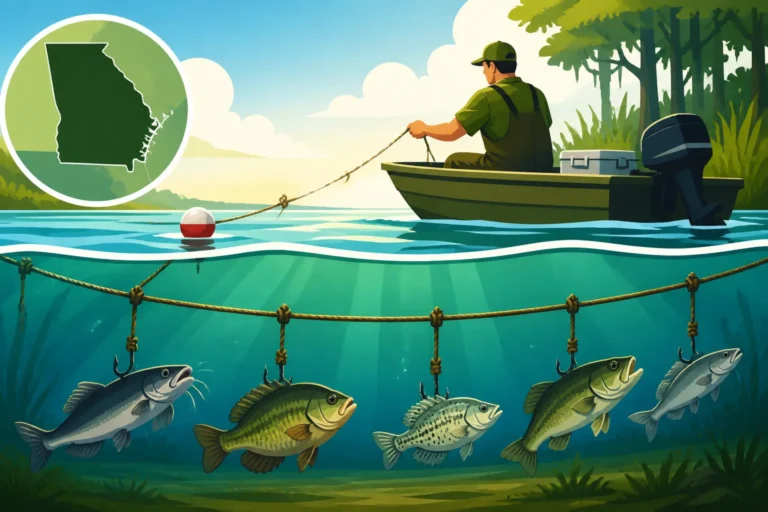
Trolling jigs, often referred to as "spider rigging" due to the multiple rods resembling spider legs, is a highly effective way to cover large areas of water, especially in open basins or along creek channels. This technique involves deploying multiple rods (often 4 to 8, depending on state regulations and boat setup) from the front or sides of your boat, each rigged with a different jig or jig-and-minnow combination, and often at varying depths. You then motor slowly, typically between 0.5 to 1.5 miles per hour, allowing your jigs to cover a wide swathe of water. This is particularly effective for finding crappie that are suspended or scattered. It also allows you to experiment with different colors and depths simultaneously until you dial in on what the fish want. For those deeper crappie, don't miss our detailed guide on How to Jig for Crappie in Deep Water.
Seasonal Strategies and Crappie Hotspots in Georgia
Knowing the general seasonal behavior of crappie is one thing, but applying that knowledge to specific strategies and identifying hotspots in Georgia's diverse waterways is another entirely. This tailored approach will help you target crappie more effectively throughout the year.
Spring Crappie: Spawning Frenzy
Spring in Georgia is arguably the most exciting time for crappie fishing. As the days lengthen and the water temperatures gradually rise into the 50s and 60s Fahrenheit, crappie awaken from their winter doldrums and begin their crucial migration to shallow waters for the spawn. This is when they are most accessible and often most aggressive, making it a prime time for anglers.
Early spring, when water temperatures are in the low 50s, crappie will stage in slightly deeper water adjacent to their spawning grounds. Look for them around channel swings, submerged points, or the mouths of creeks that lead to shallow coves. As temperatures climb into the high 50s and low 60s, they move into the super shallow areas – often just 1-4 feet deep – congregating around woody cover like brush piles, submerged bushes, old grass beds, or even riprap. This is the time when male crappie establish nests and become fiercely protective, striking at anything that threatens their territory.
During this spawning period, bright or high-contrast colored jigs (chartreuse, pink, orange, or white) can be incredibly effective, as can subtle, natural baitfish patterns. Jigging directly into visible cover or casting small jigs to the edges of spawning beds can yield incredible results. Presentations can often be more aggressive than in winter, with faster twitches and retrieves sometimes triggering a reaction strike from territorial fish. Keep an eye on the water temperature; once it consistently hits the 60-68°F range, the crappie spawn is typically in full swing across most of Georgia. This is often regarded as the Best Time of Year to Catch Crappie in Georgia.
Summer, Fall, and Winter Patterns
While spring gets a lot of attention, crappie fishing in Georgia remains excellent throughout the rest of the year, provided you adjust your tactics to match their seasonal movements. Don't make the mistake of packing away your crappie gear after the spawn; there are still plenty of slabs to be caught!
As Georgia's summer heat sets in and water temperatures climb into the 80s, crappie retreat to deeper, cooler, and more oxygenated waters. They'll often suspend over deep brush piles, along steep creek channel ledges, or beneath deep docks and bridge pilings where shade is abundant. Night fishing for crappie becomes particularly effective in summer, as fish move shallower under the cover of darkness to feed. During the day, precise vertical jigging with lighter jigs (1/32 to 1/16 oz) or even spider rigging slowly over deep water are excellent strategies. Focus on areas with good baitfish concentrations, which can be found with your fish finder.
Fall brings a welcome cool-down, and crappie become more active again as they feed heavily in preparation for winter. Water temperatures start to drop into the 70s and 60s, and crappie will often move back to shallower, transition areas, feeding aggressively on schooling baitfish. Look for them around major creek arms, points, and humps where baitfish are abundant. Trolling jigs or casting and retrieving soft plastics can be very productive as crappie are on the move. As winter fully arrives and water temperatures drop below 50°F, crappie once again school up in deeper main lake basins or deep creek channels. They become more lethargic, requiring extremely slow and subtle jigging presentations. Using the lightest jigs possible and keeping your bait in the strike zone for extended periods is crucial. Lakes like Lake Sinclair are renowned for their winter crappie fishing. In fact, if you want to dial in your winter crappie game, exploring Best Crappie Fishing Spots on Lake Sinclair would be a great next step, and for broader options, consult our Best Crappie Lakes in Georgia guide.
Enhancing Your Crappie Jigging Game
Becoming a consistently successful crappie angler means constantly learning and adapting. It's not just about blindly throwing out a jig; it's about making informed decisions based on what the water and the fish are telling you. This often involves combining technology with traditional angling wisdom.
Reading the Water and Interpreting Electronics
In today's fishing world, electronics are invaluable tools, but they're only as good as your ability to interpret what they're showing you. Learning to "read the water" – both visually and through your sonar – is a fundamental skill that separates average anglers from the pros.
Modern fish finders, especially those equipped with down imaging and side imaging, can revolutionize your crappie fishing. Instead of guessing, you can literally see schools of crappie suspended in a brush pile, relating to a submerged tree, or hovering over a channel ledge. Look for "blobs" or "arches" on your traditional sonar that indicate fish. Down imaging provides a photo-like view directly beneath your boat, allowing you to discern the type of structure and how tightly fish are holding to it. Side imaging expands your view out to the sides, enabling you to scan vast areas for brush piles, stumps, and crappie schools without driving directly over them. Taking the time to understand your unit and what the different sonar returns mean is a game-changer. You can find excellent instructional videos and even some entry-level fish finders on Amazon to get started.
Beyond the screen, "reading the water" involves using your eyes and intuition. Look for visible signs of life: birds diving for baitfish, baitfish flickering on the surface, or even subtle currents. Pay attention to water color – clearer water might require more natural jig colors and lighter line, while stained water can handle brighter jigs. Observe how the wind affects the water, creating current or pushing bait. Understanding these subtle cues can help you pinpoint crappie even before you drop a line or turn on your electronics. Sometimes, the crappie will tell you where they are if you're just willing to listen and look.
Adjusting to Conditions and Overcoming Challenges
No two days on the water are exactly alike, and crappie are highly susceptible to changes in weather, water conditions, and fishing pressure. The ability to adapt your jigging approach on the fly is what truly defines a seasoned crappie angler. Getting stuck in a single method, even if it worked yesterday, is a surefire way to have a frustrating day.
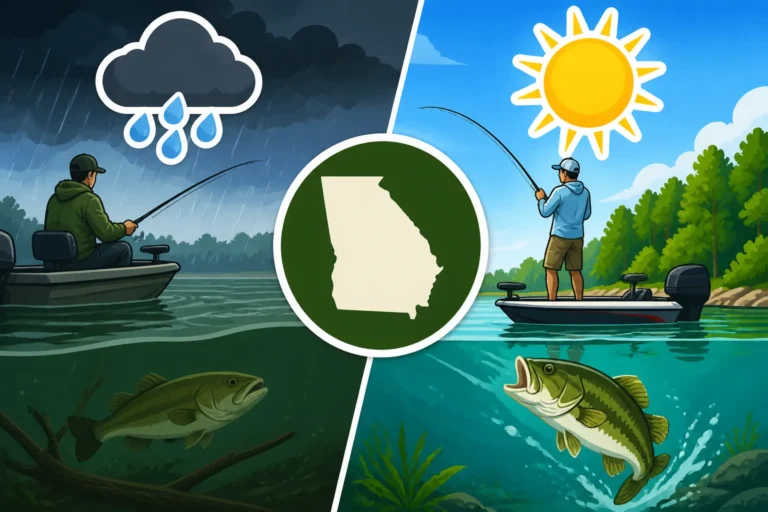
For example, a sudden cold front can shut down crappie feeding almost entirely. After a front, crappie often move deeper, become more lethargic, and require an extremely subtle, slow presentation. This might mean downsizing your jig, switching to a more natural color, or simply slowing down your retrieve and adding longer pauses. Conversely, a cloudy, drizzly day can sometimes invigorate crappie, prompting them to move shallower and feed more aggressively. In such conditions, a brighter jig and a slightly more active presentation might be effective.
Fishing pressure is another significant factor. If a popular brush pile has been hammered by anglers all week, the crappie there might become wary. This is when you need to be creative – try fishing a less obvious piece of structure nearby, or switch to super light line and an ultra-finesse presentation. Learning to experiment with jig sizes, colors, depths, and retrieve speeds until you "crack the code" for that particular day is essential. Don't be afraid to change things up every 15-20 minutes if you're not getting bites. Having a wide array of jig colors, sizes, and types on hand, perhaps stored in a tackle box you purchased from Amazon, allows you to make these crucial adjustments.
Here's a quick reference table for common crappie jigging adjustments:
| Condition | Typical Crappie Behavior | Jigging Adjustment Suggestion |
|---|---|---|
| Cold Front (Post-frontal) | Deep, lethargic, tight to cover, reluctant to chase | Downsize jigs (1/32 oz), natural colors (grey, black, subtle pearl), extremely slow retrieve, longer pauses, vertical jig. |
| Warm Front (Pre-frontal) | More active, shallower, feeding aggressively | Brighter colors (chartreuse, pink), slightly faster retrieve, cast & retrieve, cover more water. |
| Clear Water | Skittish, line-shy, sensitive to unnatural presentations | Lighter line (4lb fluorocarbon leader), natural colors, slower, more subtle jig movements. |
| Stained/Muddy Water | Less line-shy, rely on vibration and contrast | Brighter, high-contrast colors (chartreuse/black, orange), jigs with more tail action, scented baits. |
| Windy Conditions | Can push baitfish, creates current, harder to feel bites | Heavier jig heads (1/16 – 1/8 oz) to maintain contact, vertical jigging, position boat for less drift. |
| Sunny, Calm Day | Often deeper, relate to shade, may be suspended | Target deep shade (docks, submerged timber), vertical jigging, slow retrieve, light jigs for subtle presentation. |
| Overcast, Drizzly Day | Often shallower, more active, less light penetration | Can be aggressive, cast & retrieve, brighter colors or natural if baitfish are active. |
Common Crappie Species You'll Encounter in Georgia
When you're jigging for crappie in Georgia, you'll primarily be targeting two distinct species: the black crappie and the white crappie. While they share many similarities and often inhabit the same waters, understanding their subtle differences in appearance and preferred habitats can help you fine-tune your approach and increase your catch rate. It’s a bit like knowing the difference between a largemouth and a spotted bass – similar, but not identical.
Black Crappie vs. White Crappie
At first glance, black crappie and white crappie can look quite similar, especially to the untrained eye. Both have that distinctive deep, compressed body shape and dark spots or blotches. However, there are some key identification features that set them apart. The most reliable way to tell them apart is to count the spines in their dorsal fin: a black crappie will typically have 7 or 8 dorsal spines, while a white crappie usually has 5 or 6. If you're struggling to identify your catch, our Black Crappie Identification: A Georgia Angler's Guide and White Crappie Identification Guide offer detailed descriptions and images to help you out.
Beyond the physical differences, these two species often exhibit slightly different habitat preferences. Black crappie generally prefer clearer, cooler water with more abundant submerged vegetation. You'll often find them lurking in thick lily pads, around dense aquatic grass beds, or among brush piles in clearer coves. They tend to be more solitary or in smaller schools outside of the spawn. White crappie, on the other hand, are often more tolerant of turbid or stained water and tend to favor open water areas, larger rivers, or the lower ends of reservoirs. They frequently relate to submerged timber, stumps, or bridge pilings and are more commonly found in large schools, making them a favorite target for anglers once a school is located. Knowing these preferences can help you decide which types of structure to target based on the water clarity and type of fishery you're on.
Disclaimer
Fishing conditions, regulations, and fish behavior can change. Always consult the latest Georgia Department of Natural Resources (GDNR) regulations before heading out. This guide is for informational purposes only and should not replace official sources. Practice safe boating and fishing at all times.