How Light Affects Fish Feeding Times
Have you ever stood by the water's edge, gear in hand, wondering why the fish just aren't biting, despite everything feeling "right"? It's a common frustration for anglers across Georgia, from the mountain streams to the coastal marshes. Often, the missing piece of the puzzle isn't your bait, your technique, or even the spot itself, but rather the subtle, yet profound, influence of light. Understanding how light affects fish feeding times can completely transform your success on the water, turning a frustrating outing into a memorable catch. This guide will dive deep into the science and practical strategies behind fishing in varying light conditions.
The Science Behind Light and Fish Behavior
Fish, much like us, are creatures of habit and environmental response. Light is one of the most significant environmental cues that dictates their daily routines, including when they hunt, when they hide, and when they are most active. It's not just about whether it's bright or dark; it's about the intensity, angle, and even the color of the light penetrating the water.
How Fish See Light and Color Underwater
Fish eyes are remarkably adapted to their underwater world, but it's a world very different from ours above the surface. Water absorbs and filters light, especially certain colors. Red light, for instance, is quickly absorbed in shallow water, while blue and green light penetrate much deeper. This means a bright red lure might appear dull gray or black just a few feet down, while a chartreuse or blue lure could pop. Fish have different types of photoreceptor cells in their eyes, allowing many species to perceive colors. Some, like bass, have excellent color vision, especially in the green and yellow spectrum, which are dominant in many Georgia waters.
Moreover, fish often have a wider field of vision than humans, sometimes nearly 360 degrees, which helps them detect both predators and prey. However, their vision can be impacted by factors like turbidity (how cloudy the water is) and depth. In clear, shallow water, their vision is keen, making them more wary. In murky water or deep conditions, they rely more on other senses, like their lateral line for vibration detection, but light still plays a role in how far their vision can extend.
The Role of Photoperiod in Fish Biology
Photoperiod, simply put, is the amount of light versus darkness in a 24-hour cycle. This isn't just about feeding; it's a fundamental driver of fish biology, influencing everything from spawning cycles to migration patterns and even metabolic rates. As the seasons change, so does the photoperiod, and fish adjust their behavior accordingly. For instance, longer daylight hours in spring trigger many species, like largemouth bass, to begin their spawning rituals. Shorter days in fall signal them to feed heavily in preparation for winter dormancy or reduced activity.
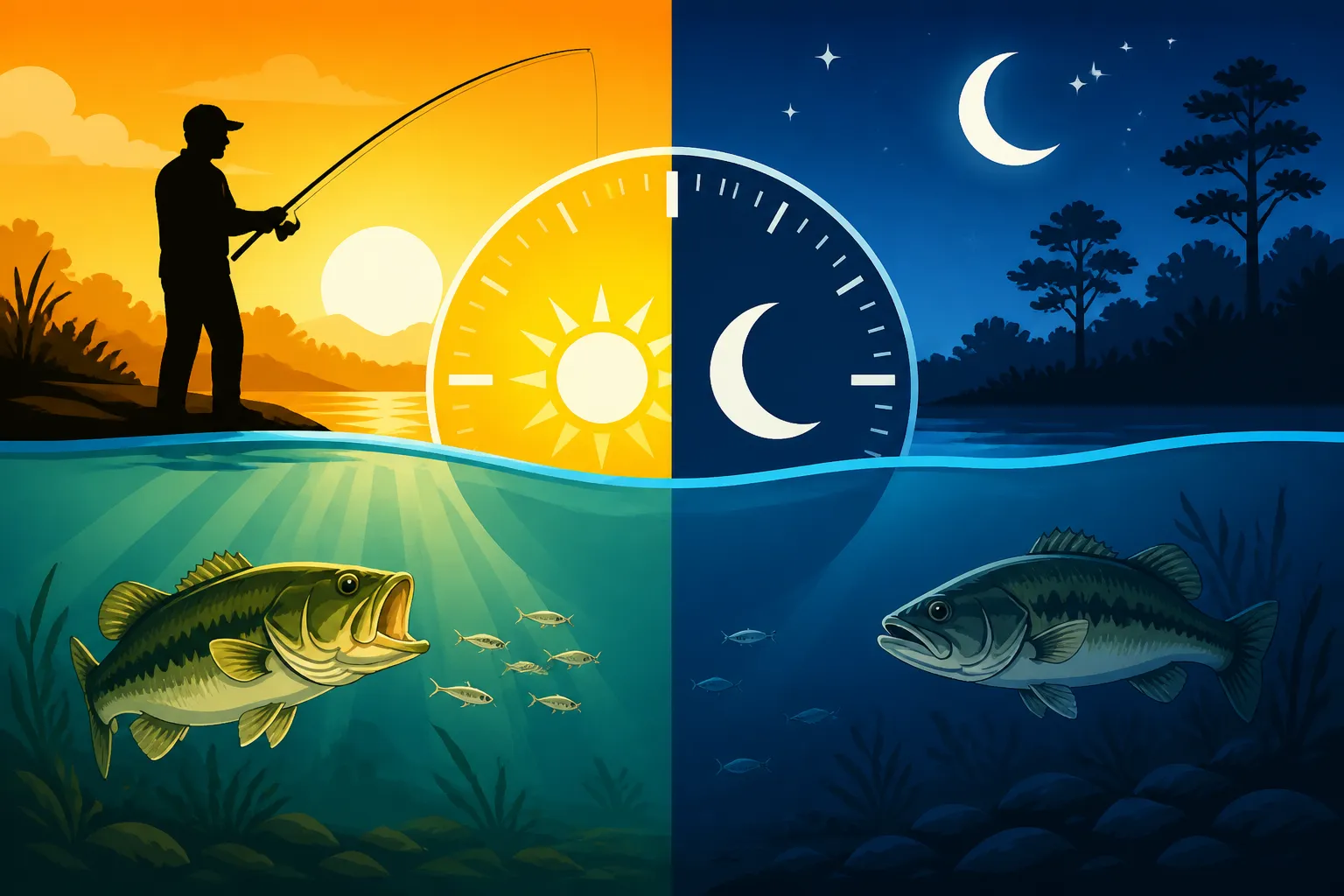
Beyond these long-term cycles, the daily photoperiod variations (dawn, midday, dusk, night) create distinct windows of opportunity for anglers. These transitional periods, when light levels are changing rapidly, are often prime feeding times because they offer a balance of visibility for hunting and cover from predators. It’s a dynamic interplay that Georgia anglers need to recognize if they want to improve their catch rates. For a deeper dive into seasonal fishing, you might enjoy reading our guide on Georgia Fishing Seasons by Month.
How Different Light Conditions Affect Fish Feeding
Understanding the "why" is one thing, but knowing the "how" – how fish react to specific light conditions – is where you can truly refine your approach. Each part of the day, and even different weather conditions, presents a unique set of challenges and opportunities.
Dawn and Dusk: The Golden Hours
Many anglers refer to dawn and dusk as the "golden hours," and for good reason. During these periods, the sun is low in the sky, creating subdued, indirect light that penetrates the water at an angle. This low light condition offers a perfect balance for many predatory fish. They have enough light to see their prey silhouetted against the brighter surface or sky, but the dimness also provides them with a sense of security from their own predators (like ospreys or eagles) or even from anglers.
Prey fish, too, are often more active during these times, moving from deeper water or cover into shallower feeding areas. This confluence of factors makes dawn and dusk prime feeding windows. Bass, crappie, and even some trout species will actively hunt in these conditions. Topwater lures can be incredibly effective at dawn or dusk, as fish are often looking upwards for an easy meal on the surface. For specific strategies during these times, check out our articles on Dawn Fishing Techniques and Dusk Fishing Techniques.
Bright Sunny Days: Challenges and Deep Dives
Ah, the dreaded bright, sunny, bluebird days. While glorious for boaters and sunbathers, these conditions can often make fishing tough, especially in clear water. Intense overhead light penetrates deeply, making fish feel exposed and vulnerable. This often drives them into deeper, darker waters or tight into heavy cover like submerged timber, thick lily pads, or under docks. They're not necessarily "not feeding," but their feeding activity tends to be more cautious and less aggressive.
To succeed on bright days, you often need to adapt your presentation. Think about getting your bait down to where the fish are hiding. This might mean using heavier weights, jigging spoons, or deep-diving crankbaits. Fishing shaded areas, bridges, or structure that casts a shadow can also be highly productive. Look for isolated cover where fish can ambush prey without being exposed. Fishing vertical drops or deep points are also excellent strategies. You might also consider using more natural, subtle lure colors to avoid spooking wary fish.
Overcast and Cloudy Conditions: A Blessing in Disguise
Overcast skies can be an angler's best friend. The consistent, diffused light that clouds provide mimics the low-light conditions of dawn and dusk, but can last all day long. This reduces glare on the water's surface, making it easier for fish to see. More importantly, it generally makes fish feel more comfortable and less exposed, encouraging them to move out from heavy cover and into more open feeding areas, often shallower than they would on a bright day.
On cloudy days, fish activity can be elevated throughout the day. You might find success with a wider range of lures and techniques. Spinnerbaits, chatterbaits, and swim jigs can be fantastic as they create flash and vibration that fish can easily detect in the diffused light. Topwater action can extend later into the morning. The key is to capitalize on their increased confidence and willingness to roam. These conditions are excellent for exploring new areas, as fish are less likely to be concentrated in only the deepest or densest cover.
Night Fishing: A World Transformed
When the sun fully sets, a whole new world awakens beneath the surface. Many species, particularly catfish, walleye, and even some bass, become incredibly active after dark. The cover of complete darkness provides the ultimate security, allowing these nocturnal feeders to hunt aggressively without fear of predators. It’s a truly different experience than daytime fishing, and it requires a different approach. For dedicated night anglers, this can be one of the most rewarding times to be on the water.
When night fishing, fish rely heavily on their other senses – their lateral line to detect vibrations, and their sense of smell. This makes baits that emit strong scents or lures that create significant thumping or vibrating actions highly effective. Think about using larger profile baits, or those with rattles. Glow-in-the-dark lures or those that can be charged with a flashlight are also popular, giving fish just enough visual cue in the black water. Safety is paramount when night fishing; always have proper lighting on your boat or person, and know your fishing area well. If you're interested in pursuing this, our guide on Night Fishing Techniques for Catfish is a must-read.
Adapting Your Fishing Strategy to Light Conditions
Knowing how light affects fish is only half the battle; the other half is knowing how to use that information to your advantage. It’s all about adjusting your presentation, lure choices, and location.
Lure Selection and Color Choices
Your lure selection should be a direct response to the prevailing light conditions.
- Bright Sun, Clear Water: Think natural colors that blend in – greens, browns, watermelon, clear plastics with flecks. Fish are relying heavily on sight, so a realistic presentation is key. Small profile baits can also be effective, as fish might be wary. Alternatively, some anglers swear by very bright, contrasting colors (like chartreuse or hot pink) in very clear, deep water, believing they trigger an "aggression" bite, but this is less common.
- Overcast, Murky Water: This is where brighter, more contrasting colors can shine. Chartreuse, white, black, or combinations like black and blue, create a strong silhouette and are highly visible in low-light or stained conditions. Lures that displace a lot of water or have rattles are also great for attracting attention through vibration.
- Dawn/Dusk: Natural colors can work well, but don't shy away from black, dark blues, or purple for topwater lures, as they create a strong silhouette against the dim sky. Think about contrasting colors for crankbaits or spinnerbaits.
- Night Fishing: Dark colors like black, blue, or purple are excellent for creating a distinct silhouette against the minimal light. Lures with rattles, scent, or glow properties are also highly effective. When buying new lures or tackle for varying light conditions, browsing options on Amazon can give you a wide array of choices and reviews to help you decide.
Presentation and Retrieval Speed
How you present your lure is just as critical as what lure you choose.
- Bright Sun, Wary Fish: Slow down. Fish are often lethargic or cautious. A slow, subtle presentation of a worm or jig can entice a bite. Think about pitching and flipping into heavy cover, letting your bait sit for a moment before a slow retrieve. If you're fishing deep, a controlled, slow retrieve on a jigging spoon or deep crankbait can be key.
- Overcast, Active Fish: You can often speed things up. Fish are more willing to chase. Faster retrieves with spinnerbaits, chatterbaits, or even crankbaits can trigger aggressive reaction strikes. Cover water efficiently, as fish might be more spread out.
- Dawn/Dusk: A mix of speeds can work. Topwater lures often require a varied retrieve, from slow and subtle to quick pops. For subsurface baits, a moderate, consistent retrieve often imitates active baitfish.
- Night Fishing: Again, slowing down is generally beneficial. Allow time for fish to locate your bait using their other senses. A slow, steady retrieve with occasional pauses can be very effective for catfish and even bass after dark.
Locational Adjustments Based on Light
Fish will move in response to light, so you should too.
- Bright Sun: Fish will seek refuge. Target deep holes, ledges, creek channels, and dense overhead cover like docks, fallen trees, or heavy vegetation. Shady banks can also hold fish. Consider areas where cooler, deeper water provides both comfort and less light penetration.
- Overcast: Fish often move shallower and away from the tightest cover. Look for transitional areas, weed lines, open flats, and secondary points. They'll be more comfortable roaming and hunting.
- Dawn/Dusk: Fish will move into shallower feeding flats, points, and coves where baitfish are active. They might hold just off deeper water, ready to move up.
- Night Fishing: Many fish move into very shallow water to feed under the cover of darkness. Focus on shallow flats, shorelines, and areas where baitfish congregate near lights or structure. Knowing the best night fishing spots near Atlanta can be a real game-changer if you're in that area.
Consider this simple table for a quick reference:
| Light Condition | Typical Fish Behavior | Lure Colors (General) | Presentation Notes | Prime Locations (General) |
|---|---|---|---|---|
| Bright Sun/Clear | Deep, tight cover, wary, less active | Natural, subtle (greens, browns, clear) | Slow, precise, deep-water techniques | Deep structures, heavy cover, shade, drop-offs |
| Overcast/Cloudy | More active, roam shallower, less wary | Brighter, contrasting (chartreuse, white, black) | Moderate to fast, covering water | Flats, points, weed lines, open coves |
| Dawn/Dusk | Very active, move shallow to feed, ambushing | Dark silhouettes (black, blue), natural | Varied retrieve, topwater potential | Shallow flats, points, coves, edges of deeper water |
| Night | Highly active, aggressive, rely on other senses | Dark, glow, scented | Slow, vibrational, strong scent, pauses | Very shallow water, lighted docks, open flats |
Beyond Light: Other Factors Influencing Fish Feeding
While light is a huge factor, it's never the only factor. Successful anglers understand that fishing is a complex puzzle where many pieces fit together. Ignoring these other elements, even when you've mastered light conditions, can lead to frustration.
Water Temperature and Depth
Water temperature is arguably as critical as light, often dictating where fish can even comfortably exist. Different species have preferred temperature ranges. Bass, for instance, are cold-blooded creatures whose metabolism speeds up in warmer water (up to a point) and slows down in colder water. This directly impacts their activity levels and, by extension, their feeding drive. In winter, fish might go deep not just for warmer, more stable temperatures, but also for specific light conditions where ambient light penetration is minimal. During summer, they might seek cooler, deeper water to escape scorching surface temperatures, regardless of light.
Understanding how water temperature changes affect fish behavior is crucial. A warm front might bring fish shallower and increase activity, while a cold front can send them deep and make them lethargic. You'll often find that fish in Lake Sinclair fishing warm all winter compared to other Georgia lakes, creating unique year-round opportunities that are largely temperature-driven.
Weather Patterns and Barometric Pressure
Sudden changes in weather, beyond just cloud cover, can significantly impact fish behavior. Barometric pressure, in particular, plays a fascinating role. A stable, high-pressure system often means clear skies and calm weather, but it can also make fish more lethargic and less willing to bite. Conversely, a falling barometer (indicating an approaching storm front) often triggers intense feeding activity right before the weather turns nasty. Fish sense these changes in pressure through their air bladders and may react by feeding aggressively.
Fishing after rain or after a cold front requires different strategies. Rain can wash bait into the water and reduce light penetration, sometimes triggering a bite. A cold front, however, often causes fish to hunker down and become very difficult to catch for a day or two. Always check the forecast and observe local conditions to fine-tune your approach. You can even find great portable weather stations on Amazon to help you track these subtle changes.
Forage Availability and Predatory Instincts
Ultimately, fish feed because they need to survive, and their activity is often tied directly to the availability and behavior of their prey. If baitfish are schooling in certain areas, you can bet predatory fish will be nearby, regardless of the light or temperature. Fish also have natural predatory instincts that can be triggered by specific presentations, even when they're not actively "hungry." This is where reaction baits come in – lures that mimic fleeing prey and trigger an aggressive strike out of instinct.
Understanding the local forage – what the fish in a particular lake or river are eating – is paramount. Are they chasing shad? Are they eating crawfish off the bottom? Are they picking off insects from the surface? Matching the hatch, so to speak, whether with artificial lures or live bait, will always put you in a better position, complementing your understanding of light and other environmental factors. Don't forget that a good pair of polarized sunglasses, available on Amazon, can help you spot subtle movements of baitfish near the surface, giving you crucial clues about fish activity.
Disclaimer
This article is for general informational purposes only and does not constitute professional advice. Laws, prices and regulations vary by location and change over time. Consult a qualified professional for guidance on your specific situation.