Best Lures for Early Spring Fishing
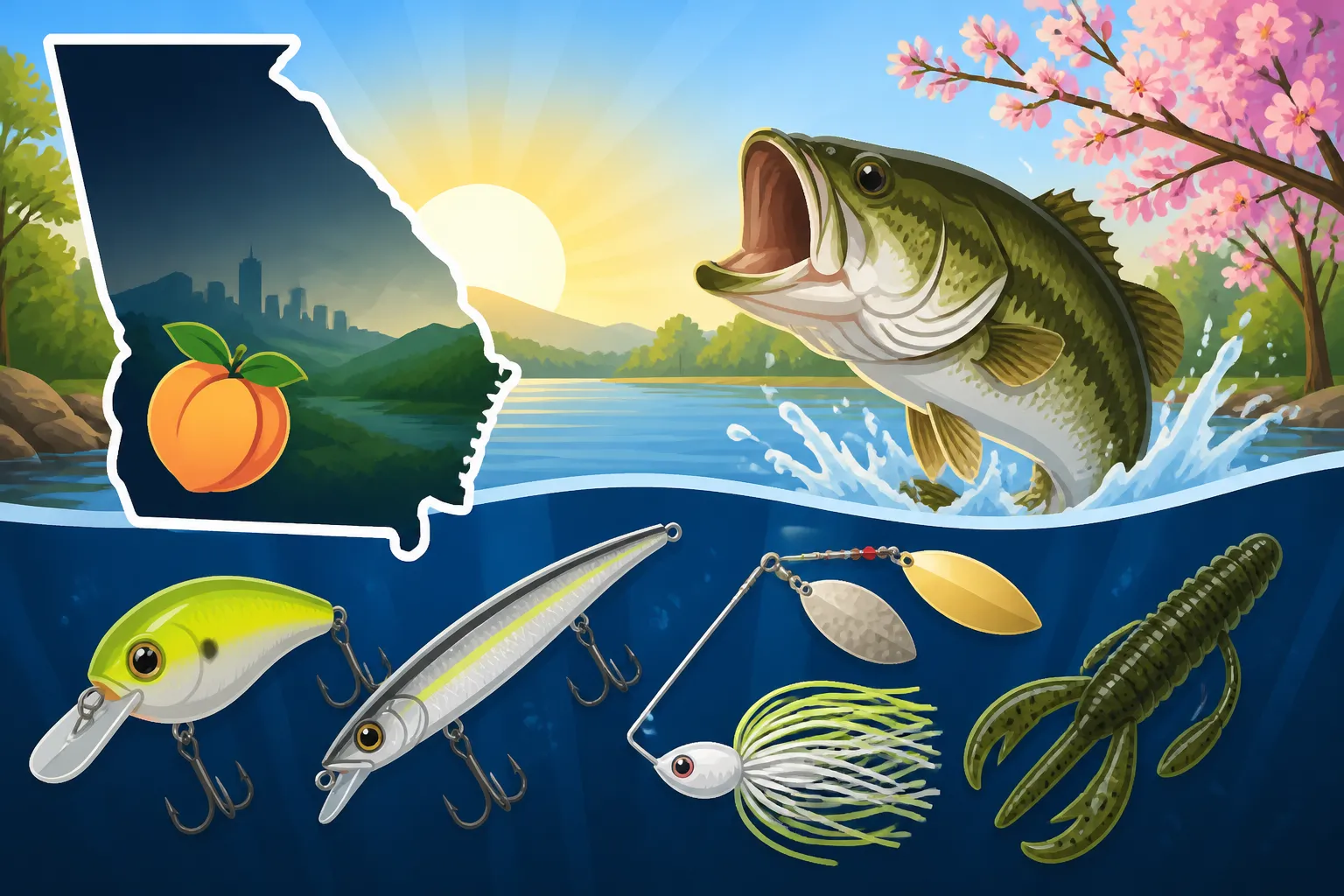
That awkward transition from the dead of winter to the blossoming vibrancy of early spring can be one of the most frustrating times to hit the water here in Georgia. One day, the fish seem to have lockjaw, sluggish and unresponsive. The next, a slight bump in temperature might just get them moving. It’s a fickle season, to say the least! But don’t despair; this guide is here to help you navigate those tricky conditions and discover the best lures for early spring fishing in Georgia, ensuring you're ready when those bites finally turn on.
Understanding Early Spring Conditions and Fish Behavior
Early spring isn't just a date on the calendar; it's a period of significant transition for fish. The water is still cold, but the days are getting longer, and the sun is growing stronger. This gradual warming and increasing light penetration kickstart biological processes, signaling to fish that it's time to start thinking about the upcoming spawn. However, it's a slow wake-up call, and their behavior can be highly unpredictable, making lure selection and presentation critical.
Water Temperature's Impact on Fish Activity
The biggest factor influencing fish activity in early spring is, without a doubt, water temperature. When water temperatures are still in the 40s to low 50s, fish are often lethargic. Their metabolism is slow, and they're not expending a lot of energy chasing down fast-moving prey. This means they need a lure that's easy to catch and presents a low-effort meal. They're looking for something that just sits there, inviting a strike without demanding much in return. As the water inches up into the mid-50s, you'll start to see a noticeable increase in aggression and willingness to chase. Understanding these nuances is key to selecting the right lure and presentation. For a deeper dive into how environmental factors affect fish, you might want to check out How Water Temperature Affects Fish Behavior.
Imagine stepping out on a crisp March morning at Lake Hartwell. The air might feel mild, but that water below the surface is still icy from winter. You can't expect a bass to dart across a cove for a fast-moving topwater plug. Instead, they're probably hunkered down, conserving energy. A lure that mimics a stunned baitfish or a slow-crawling crawfish is going to be far more appealing. This means your approach has to be slow, deliberate, and patient. Don't rush your retrieve; let the lure do the work and give those sluggish fish plenty of time to react.
Where Fish Go in Early Spring
Fish tend to gravitate towards areas that offer them a thermal advantage and access to potential pre-spawn feeding grounds. This often means shallower areas that warm up faster, but not necessarily the flats just yet. Think about those northern coves, protected pockets, and sun-drenched banks. Rock transitions, especially those with darker rock, absorb and radiate heat, creating slight temperature advantages. Channel swings, secondary points, and even stumps or docks that transition from deep water to shallower flats can hold fish. They're often staging in these areas, waiting for the water to warm just enough to push fully into their spawning zones.
Consider fishing a reservoir like Lake Lanier in early March. The main lake might still be quite cold, but if you venture into a northern arm or a large, protected cove, you'll often find water temperatures a few degrees warmer. That small difference can concentrate fish. Bass, in particular, will stage on points leading into these coves or along the first available cover in shallower water. They're not fully committed to the spawn, but they're thinking about it, making these transition zones prime real estate. Understanding Spring Bass Fishing Patterns on Georgia's Reservoirs can really help pinpoint these hotspots.
Top Lures for Cold Water and Finicky Bites
When the water is chilly and the fish are less aggressive, you need lures that can entice a strike without demanding a lot of energy from the fish. These aren't necessarily the flashiest or fastest lures in your tackle box, but they are incredibly effective at imitating easy meals.
Suspending Jerkbaits: The Slow Dance Master
If there's one lure that screams "early spring success," it's the suspending jerkbait. These lures are pure magic because they can be retrieved with long pauses, literally hanging motionless in the water column right in a fish's face. When a bass is cold and doesn't want to chase, a jerkbait that sits there, tempting them, can be irresistible. The key is to experiment with your pause duration – sometimes it's a 5-second pause, other times it might be 20 seconds! The longer the pause, the more subtle the action needed to trigger a strike.
A classic scenario involves a clear, sunny day following a cold front. The bass might be scattered and unwilling to move much. Tossing a suspending jerkbait like a Best Crankbait for Largemouth Bass or something similar from brands you can easily find on Amazon, near a rocky point or a deep dock, and working it with a "twitch-twitch-pause" retrieve, can be incredibly effective. The erratic darting action followed by that dead stop can be just enough to irritate a sluggish bass into biting. It looks like a dying baitfish, an easy meal that won't get away. For clear water, natural baitfish colors like silver and blue or ghost patterns often work best, mimicking the shad or herring that are common forage in many Georgia lakes.
Lipless Crankbaits: Covering Water Effectively
While suspending jerkbaits excel at slow, deliberate presentations, lipless crankbaits offer a different advantage: covering water and generating reaction strikes. Their ability to be cast long distances and retrieved at various depths makes them excellent search baits, particularly useful when fish are starting to transition and you're trying to locate concentrations. The loud rattles in many lipless crankbaits can call fish from a distance, and their tight wobble is often effective in cooler water.
Think about fishing a warming trend on a large reservoir like Lake Sinclair. As the water temperature creeps up, bass might start moving onto shallow flats or along submerged grass lines. A lipless crankbait, retrieved with a yo-yo retrieve (lifting the rod to make it dart up, then letting it fall on a semi-slack line) or a steady burn-and-kill retrieve, can trigger powerful strikes. The vibration and sound are often what gets their attention, and the sudden change in movement as you pause or vary your retrieve can elicit a reaction bite from fish that aren't actively feeding. You can find a huge variety of lipless crankbaits on Amazon, making it easy to experiment with different colors and weights.
Jigs: Finesse and Power in One Package
The humble jig might be the most versatile early spring lure of all. Whether it's a football jig dragged along the bottom, a stand-up jig fished slowly around cover, or a hair jig presented with ultra-finesse, jigs imitate crawfish and baitfish, which are staple diets for many species in cooler water. Their compact profile and the ability to control their fall and movement precisely make them invaluable for targeting sluggish fish holding tight to structure.
Consider a cloudy, overcast day when the fish are hugging bottom. A dark-colored jig, like black and blue or green pumpkin, tipped with a subtle trailer, can be deadly. Pitching it to isolated cover like a submerged brush pile on Lake Oconee or dragging it slowly along a rocky ledge allows you to keep the bait in the strike zone for extended periods. The slow, methodical presentation of a jig often appeals to inactive fish who won't chase a faster lure. This is where How to Fish a Jig for Largemouth Bass can provide some excellent guidance. The sensitivity of your rod and reel setup is crucial here, as early spring bites on a jig can be incredibly subtle, feeling like nothing more than a slight tick or the absence of tension on your line.
Working Your Lures: Retrieval Techniques for Early Spring
It's not just what lure you use, but how you use it. Early spring requires a departure from the fast-paced, aggressive retrieves often favored in warmer months. Patience and precision become your best friends.
Slow and Steady Wins the Race
As we've discussed, fish metabolism is slow in cold water. This means they're not going to chase a lure that zips by them. Instead, they need a slow, deliberate presentation that gives them ample time to react and commit to a strike. For almost every lure in your early spring arsenal, slowing down your retrieve is paramount. This isn't just about cranking slower; it's about incorporating pauses, subtle twitches, and extended bottom contact.
When you're fishing a jig, for example, instead of hopping it aggressively, try dragging it slowly, allowing it to crawl over rocks and through subtle changes in bottom composition. For a crankbait, a slow, steady retrieve with occasional pauses can be more effective than a constant burn. This "slow and steady" approach applies equally to finesse worms, swimbaits, and even the occasional spinnerbait if the water warms up a bit. Think of it as inviting the fish to eat, rather than forcing them to chase. Sometimes, the fish only move a few feet a day, so keeping your lure in their immediate vicinity for as long as possible increases your chances of a bite.
Pauses and Twitches: Triggering Reaction Strikes
Beyond just slowing down, incorporating pauses and subtle twitches into your retrieve can be the ultimate trigger for finicky early spring fish. A sudden stop or an erratic darting motion can mimic a wounded or dying baitfish, presenting an irresistible, easy meal. This is particularly effective with suspending jerkbaits, where those long, dead pauses are what truly make the lure shine.
For instance, when working a jerkbait, a common cadence might be two short twitches, then a pause of 5 to 10 seconds. The length of that pause is critical and can vary day by day, or even hour by hour. Sometimes, a fish will hit it on the twitch, but more often, they'll pick it up during that motionless pause. Similarly, with a jig or a worm, a long drag followed by a short twitch or shake of the rod tip can make the bait "jump" and then settle, imitating a crawfish escaping or a baitfish struggling. Even with a lipless crankbait, a sudden stop in the retrieve, letting it flutter briefly, can often be the moment a strike occurs. Always be ready for a strike during the pause, as it's often the most productive part of your retrieve.
Choosing the Right Gear for Early Spring Lures
Having the right lures is only half the battle. Matching them with appropriate gear – rods, reels, and line – significantly impacts your ability to present the lure correctly and detect those subtle early spring bites.
Rod and Reel Combinations for Sensitivity and Control
For many early spring techniques, especially those involving jigs, jerkbaits, and finesse presentations, sensitivity is paramount. A medium-heavy or medium-action rod with a fast tip will give you the backbone to fight fish while allowing for precise lure manipulation and excellent bite detection. Graphite rods are often favored for their sensitivity. For the reel, a baitcasting reel with a smooth drag is ideal for heavier jigs and lipless crankbaits, while a spinning reel shines for lighter jerkbaits, hair jigs, or small finesse plastics. When the bites are light, the ability to feel every subtle "tick" or "thump" can make all the difference.
Take, for example, fishing a small hair jig for bass in a clear mountain lake in North Georgia. A sensitive spinning rod with a light line will allow you to cast the small lure effectively and feel the most delicate takes. For heavier presentations, like dragging a football jig on the deep ledges of Clarks Hill Lake, a medium-heavy baitcasting setup gives you the power to cast larger lures and control bigger fish. Getting a good Best Rod and Reel Combo for Largemouth Bass in Georgia is a worthwhile investment that pays off in all seasons, but especially when fish are hesitant.
Line Selection and Color Considerations
Your fishing line also plays a critical role in early spring success. Fluorocarbon line is a popular choice for many early spring techniques due to its low visibility underwater and excellent sensitivity. It has less stretch than monofilament, transmitting subtle bites more effectively, and it sinks, which can be an advantage when trying to get lures down quickly or maintain contact with bottom-bouncing baits. For topwater or jerkbait applications where you want the lure to stay higher in the water column, monofilament might still be preferred for its buoyancy. Braid can be great for sensitivity and strength, but you'll almost always want to tie a fluorocarbon leader to it for stealth in clear, cold water.
Color choice, while often debated, can sometimes make a difference in clear, early spring waters. Natural, muted colors tend to perform well. For soft plastics or jig trailers, green pumpkin, watermelon, or shades of brown and black are reliable choices. For crankbaits and jerkbaits, look for patterns that mimic local baitfish – shad, perch, or crawfish. Don't be afraid to experiment, but starting with natural, less aggressive colors is often a good strategy when the water is cold and clear. Choosing Lures by Season often highlights the importance of matching the hatch and adjusting for water clarity.
Table of Top Early Spring Lures for Georgia Fishing
Here's a quick overview of some of the best lures to have in your early spring tackle box for Georgia waters:
| Lure Type | Best Conditions | Key Retrieval Technique | Target Species | Advantages |
|---|---|---|---|---|
| Suspending Jerkbait | Cold, clear water; sunny days; inactive fish | Twitch-twitch-long pause | Bass, Stripers | Hangs in strike zone, triggers reaction bites |
| Lipless Crankbait | Warming water; stained water; searching flats | Yo-yo; steady retrieve with pauses | Bass, Crappie, Stripers | Covers water, vibration calls fish, reaction strikes |
| Football Jig | Cold water; deeper structure; rocky bottoms | Slow drag; subtle hop | Bass, Catfish | Imitates crawfish, good bottom contact |
| Hair Jig | Clear, cold water; ultra-finesse presentation | Slow swim; subtle twitch | Bass, Trout | Natural look, subtle action, light bites |
| Finesse Worm/Ned Rig | Finicky fish; post-cold front; tough bites | Slow drag; quiver-and-pause | Bass, Panfish | Extremely subtle, irresistible to hesitant fish |
| Blade Bait | Cold, deep water; vertical jigging | Lift-fall; vertical jigging | Bass, Stripers, Crappie | High vibration, effective in deep schools |
Additional Tips for Early Spring Success
Fishing in early spring can be challenging, but a few extra considerations can significantly improve your chances of success. It’s all about maximizing your opportunities when the bites are few and far between.
The Importance of Electronics
In early spring, fish are often congregated in specific areas, seeking out optimal conditions. Your boat's electronics – specifically a good fish finder and mapping system – can be invaluable in locating these sweet spots. Side imaging and down imaging can help you find subtle depth changes, brush piles, or rock formations that might be holding inactive fish. Temperature gauges are also crucial, allowing you to pinpoint those slightly warmer pockets of water that fish are drawn to. Being able to mark baitfish and game fish schools means you're not casting blindly, which is a huge advantage when bites are scarce.
Imagine cruising a large Georgia lake like West Point and seeing a slight temperature rise on your graph in a particular cove, along with some irregular bottom contours. Those are the areas you want to investigate thoroughly. Your fish finder can reveal if fish are holding tight to cover or suspended, helping you choose the right lure and presentation depth. Learning to read your electronics effectively is a game-changer, especially during these transitional periods. If you're looking to upgrade, consider checking out some options for Best Fish Finders for Georgia Reservoir Fishing available on Amazon.
Patience and Persistence are Key
Finally, and perhaps most importantly, early spring fishing demands patience and persistence. You're not likely to get a bite on every cast, and some days might be tougher than others. Don't get discouraged if the action is slow. Take your time, work your lures meticulously, and pay close attention to every little detail. A "tick" on your line that you might dismiss as a snag in warmer weather could be a sluggish bass picking up your bait.
Experiment with different retrieve speeds, pause durations, and lure colors. What works one day might not work the next, and what works in one cove might not work in another, even on the same lake. The fish are transitioning, and their preferences can change rapidly with even minor fluctuations in weather or water temperature. Keep a positive attitude, learn from every cast, and trust that your patience will eventually be rewarded with some of the most satisfying bites of the year.
Disclaimer
This article is for general informational purposes only and does not constitute professional advice. Laws, prices and regulations vary by location and change over time. Consult a qualified professional for guidance on your specific situation.