Striped Bass vs Hybrid Striped Bass: Georgia Angler’s Guide
One of the most common head-scratchers for us Georgia anglers is trying to tell the difference between a striped bass and its popular cousin, the hybrid striped bass. It’s easy to mix them up, especially when you're out on the water and the fish are putting up a fight, but knowing which one you've hooked can actually make a huge difference in how you approach your fishing. This guide is going to clear up all that confusion, helping you identify, target, and appreciate both these powerful fish species found in Georgia's diverse waterways.
Understanding Striped Bass in Georgia Waters
Ah, the true striped bass – a magnificent creature that evokes visions of powerful runs and screaming drags. These aren't just any fish; they're an anadromous species by nature, meaning they typically live in saltwater and migrate to freshwater to spawn. In Georgia, however, we're mostly dealing with landlocked populations, which are sustained through extensive stocking programs in our large reservoirs.
Native Striper Characteristics and Habitat
The pure-bred striped bass, often simply called a "striper," is built for speed and power. They have a sleek, elongated body with seven or eight distinct, unbroken horizontal stripes running from their gills to their tail. This is one of the primary visual cues to look for. Their scales tend to be larger, and their head is often a bit more pointed than their hybrid counterparts.
In their natural migratory habitat, they would journey up rivers from the ocean. Here in Georgia, they thrive in our vast impoundments like Lake Lanier, Lake Hartwell, and Lake West Point, where deep, cool water provides the oxygen and space they need. They are pelagic fish, meaning they typically cruise in the open water column rather than hugging structure all the time. They're constantly on the move, chasing baitfish like shad. These fish are true predators, and their sheer size can be absolutely astonishing, with trophy fish tipping the scales significantly. You can learn more about these powerful fish in our Striped Bass and Hybrid Striped Bass in Georgia Waters guide.
Where to Find True Stripers in Georgia Rivers and Reservoirs
While most of Georgia's striped bass populations are found in large, deep reservoirs, you can still find them in some of our larger rivers, especially during cooler months or if they make a run from an impoundment. The Savannah River and the Chattahoochee River, particularly below dams, can hold migratory or resident populations. However, for sheer numbers and trophy potential, the big lakes are where it's at.
Lake Lanier is famously known as a striped bass powerhouse. Anglers here chase them year-round, often following massive schools of baitfish. Other fantastic striper lakes include Lake Hartwell, Lake Richard B. Russell, and West Point Lake. These impoundments offer vast expanses of open water, deep channels, and plenty of forage to sustain healthy populations of these hard-fighting fish. They prefer areas with good current, often near dam outflows or main lake channels where baitfish are concentrated. Understanding Native vs Stocked Striped Bass in Georgia can also help clarify where you'll find them.
Fishing Techniques and Gear for Striped Bass
Fishing for striped bass is an exhilarating experience, often requiring specialized techniques and robust gear. Because they can grow to immense sizes and fight with incredible power, you'll want a medium-heavy to heavy action rod, paired with a stout conventional or spinning reel loaded with strong monofilament or braided line. When you're dealing with big fish in open water, you need to be prepared.
Common techniques include trolling with large swimbaits, bucktail jigs, or live bait like shad and blueback herring. Down-lining live bait in deep channels or around humps where stripers are schooling is incredibly effective, especially during the warmer months when fish seek cooler, deeper water. Topwater action can be explosive during low light conditions or when stripers are busting bait on the surface. For those who prefer to keep their tackle box well-stocked, platforms like Amazon offer a wide array of specialized striper lures and terminal tackle to help you get geared up for your next outing.
Decoding Hybrid Striped Bass (Wipers) in Georgia
Now, let's talk about the hybrid striped bass, affectionately known by many anglers as "wipers." These fish aren't naturally occurring; they're a man-made crossbreed designed to combine the best traits of both striped bass and white bass. They're specifically bred for stocking in waters that might not sustain true stripers or to offer a different angling experience.
The Hybrid Creation and Unique Features
A hybrid striped bass is the result of crossing a female striped bass with a male white bass. The goal is to create a fish that grows faster than a white bass, fights harder than a white bass, and is more tolerant of a wider range of water temperatures and conditions than a pure striper. And let me tell you, they succeed! Wipers are tenacious fighters, often described as having the raw power of a striper with the aggressive schooling nature of a white bass.
Visually, the key identifier for a hybrid is typically their broken or irregular stripes. While a pure striper has unbroken lines, the hybrid's stripes often appear dashed, broken, or disjointed, especially below the lateral line. Their body shape is generally more stout or "stocky" than the elongated form of a pure striper, and their scales are usually smaller. These subtle but important differences are what you'll be looking for when you pull one out of the water. Our How to Identify a Hybrid Striped Bass article has even more detailed tips.
Georgia's Key Hybrid Striped Bass Fisheries
Hybrids are stocked in many of Georgia's lakes, especially those that may not have the deep, cool water refuges ideal for large populations of pure stripers year-round, or where fisheries managers want to provide a different kind of angling opportunity. They tolerate warmer water better than pure stripers, making them a fantastic sportfish in a wider variety of environments.
Lake Oconee is a prime example of a fantastic hybrid striped bass fishery in Georgia. Anglers flock there specifically for these hard-hitting fish. Other lakes like Lake Sinclair, Clarks Hill Lake (also known as Lake Strom Thurmond), and West Point Lake also boast strong hybrid populations. These fish often school in open water, frequently chasing baitfish in vast, aggressive feeding frenzies that can be incredibly exciting to witness and participate in. For a deeper dive into one of Georgia's premier hybrid fisheries, check out Lake Oconee's Hybrid Striped Bass Fishery.
Effective Strategies for Catching Hybrid Stripers
Fishing for hybrid striped bass often mirrors some striper techniques, but with a few adjustments for their slightly different behavior. Since they tend to be more aggressive and school tightly, they can be a bit easier to locate and catch in numbers. Trolling with crankbaits or swimbaits is highly effective, especially when you mark large schools on your fish finder.
Live bait, particularly shad, is also a top choice, either fished on a down-line or free-lined near schooling activity. Jigs, spoons, and various artificial baits also produce excellent results, especially when cast into boils or areas where hybrids are actively feeding on the surface. Don't be afraid to experiment with different presentations – sometimes a fast retrieve is key, other times a slower, more deliberate approach is better. Remember, these fish hit hard, so ensure your drag is set correctly!
Key Differences: Side-by-Side Comparison
Trying to remember all these nuances when you're excited about a catch can be tough. That's why having a clear, concise comparison is so helpful. It’s not just about the stripes; there are several factors that distinguish these two formidable Georgia game fish.
Visual Cues: Stripes, Body Shape, and Markings
Let's break down the visual identifiers. This is often the first thing an angler notices and can be the easiest way to tell them apart.
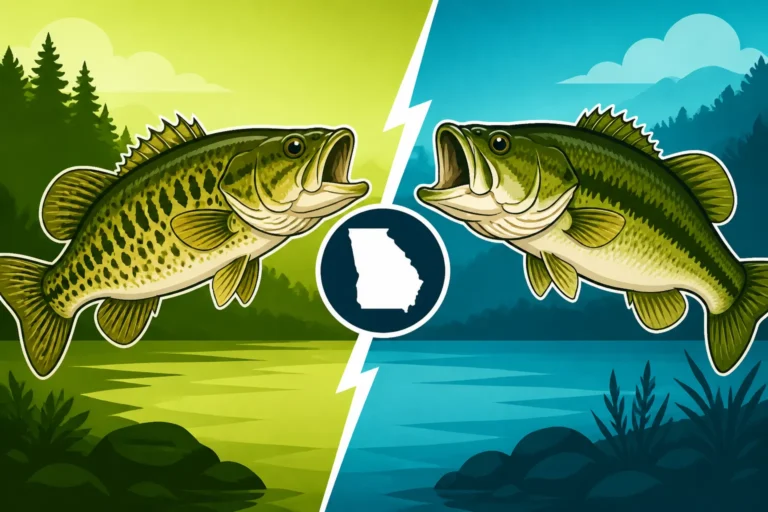
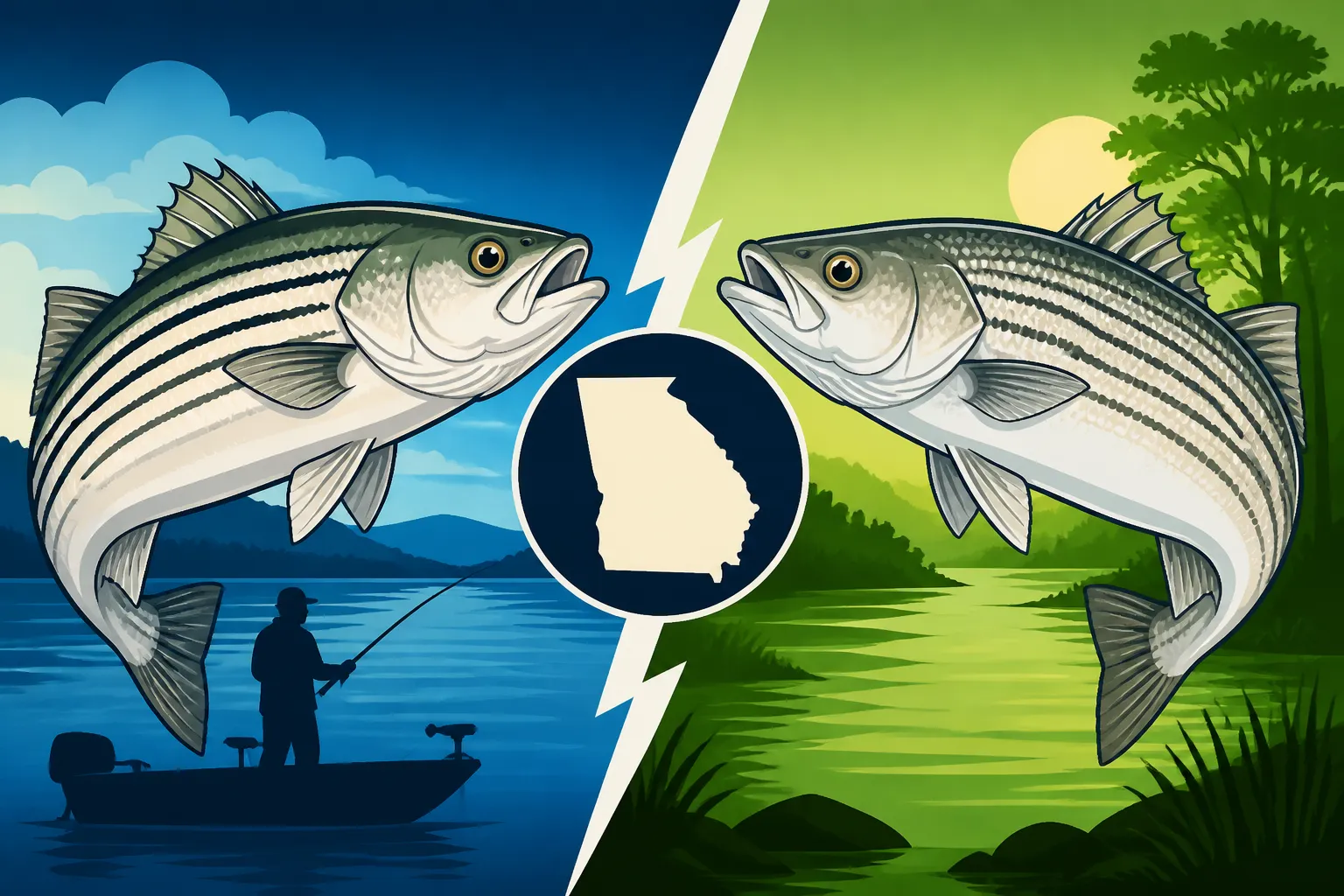
- Stripes: This is the most famous difference. Pure striped bass usually have seven or eight prominent, unbroken horizontal stripes running from head to tail. These lines are clean and continuous. Hybrid striped bass, on the other hand, typically display stripes that are broken, irregular, or disjointed, especially on their lower body. They might look like a series of dashes rather than solid lines.
- Body Shape: Generally, pure striped bass have a more elongated, torpedo-like body, built for long migrations and sustained speed. Hybrids are often described as stockier or "football-shaped," being thicker through the middle and a bit more compact.
- Head: While subtle, some anglers note that pure stripers tend to have a slightly more pointed head, whereas hybrids can have a blunter, more rounded profile.
- Patches on Tongue: This is a less common but very reliable identifier. A true striped bass will have two distinct tooth patches on its tongue. A hybrid striped bass typically has only one tooth patch, or sometimes none, and it's often more irregular. You might need to gently open the fish's mouth and feel for these with your finger to confirm.
This table provides a quick reference for the most common visual differences:
| Feature | Striped Bass (Pure) | Hybrid Striped Bass (Wiper) |
|---|---|---|
| Stripes | Generally 7-8 unbroken, distinct lines | Stripes often broken or irregular |
| Body Shape | Elongated, torpedo-like | Stockier, "football" shape |
| Tooth Patches | Two distinct patches on tongue | One or no patches on tongue |
| Head Profile | More pointed | Blunter, more rounded |
Behavioral Distinctions and Feeding Habits
Beyond looks, these two species often behave a bit differently, influencing where and how you might target them.
- Habitat Preference: Pure stripers, particularly the larger ones, generally prefer deeper, cooler, more oxygenated water, especially during the hot Georgia summers. They are often found in the main lake basins, deep channels, and near dam structures where current provides oxygen. Hybrids, while they enjoy cool water, are more tolerant of warmer temperatures and can be found in a wider range of habitats, including shallower coves and feeder creeks, making them a bit more accessible at times.
- Schooling Behavior: Both species are schooling fish, but hybrids are often renowned for their aggressive "boils" or "blow-ups" on the surface, where entire schools erupt, chasing baitfish. They can be incredibly frenzied. While stripers also exhibit this behavior, it might not be as frequent or as widespread as with hybrids in some of our lakes.
- Growth Rate and Size: Hybrids typically grow faster than pure stripers for the first few years, making them popular for stocking. However, pure stripers have a longer lifespan and grow to much larger maximum sizes, often reaching impressive trophy dimensions that hybrids rarely achieve.
Management and Stocking Practices in Georgia
The differences in how these fish are managed by the Georgia Department of Natural Resources (DNR) are also worth noting, as they directly impact where you find them and in what numbers.
- Stocking for Sustainability: Most of Georgia's landlocked striped bass populations are sustained through active stocking programs. Because pure stripers have specific spawning requirements (long stretches of flowing water for their eggs to hatch and drift), these conditions are rare or non-existent in many of our impoundments. So, the DNR stocks millions of fingerlings to maintain these fisheries. The intent is to provide a large, challenging sportfish.
- Hybrid Advantages for Fisheries Management: Hybrids are specifically engineered for their hardiness and fast growth. They are often stocked in waters where conditions might not be optimal for pure stripers, or where the goal is to create a robust, easily accessible sport fishery that can withstand more fishing pressure. Their tolerance for warmer water and their aggressive feeding habits make them an excellent choice for a variety of Georgia lakes. You'll find a lot of information on Georgia's various fish in our Georgia Fish Species: A Complete Guide to What's Swimming in Your Lakes article.
Angling Considerations for Both Species
Knowing the differences isn't just an academic exercise; it directly translates to how you plan your fishing trip, what gear you bring, and what techniques you employ.
Tackle and Lure Selection for Stripers and Hybrids
While there's overlap, subtle adjustments can increase your success rate for each species.
- For Striped Bass: You'll generally want heavier tackle. Think medium-heavy to heavy action rods in the 7-8 foot range, with reels spooled with 15-30 lb monofilament or 30-65 lb braided line. When it comes to lures, big bucktail jigs, large swimbaits, topwater plugs (like Pencil Poppers or Whopper Ploppers you might find on Amazon), and substantial lipless crankbaits are go-to choices. Live bait, particularly 4-8 inch shad or herring, is often king for trophy stripers. Consider using specialized Live Bait Rigs for Striped Bass.
- For Hybrid Striped Bass: While still powerful, hybrids might not demand quite the heaviest of your striper gear, though it certainly won't hurt. Medium-heavy rods with 12-20 lb test line are usually sufficient. Lures can be slightly smaller than those for trophy stripers but still substantial. Spoons, smaller bucktail jigs, rattle traps, and medium-sized crankbaits are highly effective. Hybrids are often very responsive to vertical jigging techniques when schooling deep. The Best Tackle for Georgia Striped Bass Fishing guide covers many of these considerations.
Seasonal Patterns and Best Times to Fish
Both species follow seasonal patterns, dictated by water temperature and baitfish movements, but again, there are nuances.
- Spring: Both stripers and hybrids become very active in spring as water temperatures rise, and baitfish become more prevalent. They move into shallower areas, especially creek channels and points, making them accessible to a variety of techniques. This is often a fantastic time for topwater action.
- Summer: As Georgia heats up, pure stripers retreat to deeper, cooler, more oxygenated water. They can be found suspended over deep channels, near thermoclines. Hybrids also go deep but tend to be more tolerant of warmer surface temps and might still bust bait in shallower areas during low light. Night fishing can be incredibly productive for both during the summer.
- Fall: This is a glorious time for both species. As water temperatures cool, baitfish move into creeks and coves, and stripers and hybrids follow. Aggressive feeding frenzies are common, and topwater action can be phenomenal.
- Winter: Both species can be caught deep in winter. Stripers will often school tightly and can be found with electronics. Hybrids, too, will hold in deeper water, often near current or channels. Vertical jigging and slow-trolling live bait are prime techniques.
Georgia Regulations and Conservation Efforts
It's absolutely vital to be aware of and follow Georgia's fishing regulations for both striped bass and hybrid striped bass. Limits on size and creel (number of fish you can keep) are set by the Georgia DNR to ensure sustainable fisheries for future generations. These regulations can vary by lake, so always check the most current Georgia fishing regulations guide before you head out.
For example, there might be specific Statewide Largemouth Bass Size Limits in Georgia and specific limits for stripers and hybrids on certain bodies of water. Respecting these limits and practicing proper catch-and-release techniques, especially for larger stripers, contributes greatly to conservation. Remember, some of these fish have been growing for many years, and their survival after release is key.
Why Distinguishing Matters for Anglers
You might be thinking, "A fish is a fish, right? As long as it fights hard, what does it matter?" But knowing the difference between a striped bass and a hybrid striped bass actually empowers you as an angler and contributes to the health of our fisheries.
Impact on Fishing Strategies and Success
Imagine you're targeting big, trophy-sized pure stripers. If you consistently encounter smaller, stockier fish with broken stripes, you're likely catching hybrids. While hybrids are fantastic fighters, if your goal is a true giant striper, you might need to adjust your location, depth, or bait selection. You might need to move to a deeper, colder lake known for pure stripers.
Conversely, if you're looking for fast action and lots of bites, hybrids often provide that in spades due to their aggressive schooling nature. Knowing you're on a hybrid school means you can scale down your tackle slightly, use more aggressive retrieves, and expect a faster pace of fishing. The Best Bait for Striped Bass in Georgia might differ slightly from the Best Bait for Hybrid Striped Bass. These subtle differences inform your tactics, making you a more effective and successful angler.
Contributing to Georgia's Fisheries Management
Beyond your personal success, accurately identifying your catch plays a role in the bigger picture of fisheries management. When the Georgia DNR conducts angler surveys, or when you simply discuss your catches with fellow anglers, accurate identification helps paint a clearer picture of fish populations. If anglers are consistently misidentifying fish, it can skew data on population health, growth rates, and the effectiveness of stocking programs.
By understanding the unique traits of each species, you become a more informed steward of Georgia's natural resources. You can better appreciate the specific conservation efforts for each fish and understand why certain regulations are in place. Ultimately, a more knowledgeable angler is a more responsible angler, ensuring that the thrill of catching these amazing fish continues for generations to come.
Disclaimer
This article is for general informational purposes only and does not constitute professional advice. Laws, prices and regulations vary by location and change over time. Consult a qualified professional for guidance on your specific situation.