Statewide Largemouth Bass Size Limits in Georgia
There's nothing quite as frustrating as reeling in a beautiful largemouth bass in Georgia, only to have that nagging doubt creep in: "Is this one legal to keep?" The seemingly simple question of bass size limits can quickly become a tangled mess, especially when you realize that not every lake in the Peach State plays by the same rules. This comprehensive guide is here to untangle those confusing regulations, helping you confidently understand Georgia's statewide largemouth bass size limits and the important exceptions that apply to some of our most popular fishing spots.
Understanding Georgia's General Bass Regulations
Fishing in Georgia offers an incredible diversity of experiences, from the rushing trout streams of the north to the sprawling reservoirs and coastal waters. For many of us, though, it's the thrill of a largemouth bass hitting a lure that truly defines a great day on the water. But to enjoy those days responsibly and legally, we need to understand the foundational rules that govern these prized fish.
Why Size Limits Exist: Protecting Our Fisheries
It’s easy to feel like fishing regulations are just there to make our lives harder, but every single rule, especially those concerning size and creel limits, is designed with a vital purpose: to protect and enhance our precious fisheries. Think about it: if every angler kept every bass they caught, regardless of size, our lakes and rivers would quickly be depleted of breeding-age fish. The goal of a minimum size limit, like the one for largemouth bass in Georgia, is to ensure that fish have a chance to grow to maturity and reproduce at least once, contributing to the next generation of bass.
This approach helps maintain a healthy age structure within the fish population. It means that while you might have to release a feisty 10-inch bass, that fish gets to swim another day, grow bigger, and potentially spawn, laying eggs that will become the lunker you're dreaming of catching next season. It’s all about sustainable angling, making sure that future generations of anglers, and even our own kids and grandkids, have the opportunity to experience the same excitement we do today. It's a long-term investment in the health of Georgia's waterways and the species that call them home.
The Statewide Largemouth Bass Minimum
Okay, let's get down to the most common rule you'll encounter. For the vast majority of Georgia's public waters – think your local rivers, smaller lakes, and most public fishing areas not specifically called out as exceptions – the statewide regulation for largemouth bass is a 12-inch minimum length. This means that any largemouth bass you catch must measure at least 12 inches from the tip of its snout to the tip of its tail (with the tail compressed) before you can legally put it in your livewell or cooler.
If you catch a bass that's shorter than 12 inches, the law is clear: it needs to go back into the water immediately and with as little harm as possible. This statewide 12-inch rule is your baseline, your default setting for bass fishing in Georgia. It's a simple regulation that applies to a huge number of fishing spots, making it easier for anglers to know what to expect when they hit the water in an unfamiliar area. Always carry a reliable measuring device with you – something robust like a Fish Grip Pro board you might find on Amazon, which can handle wet hands and flopping fish.
Daily Creel Limits and Possession Limits
Beyond just the size, there's also the question of how many bass you can keep. In Georgia, the daily creel limit for largemouth bass is generally 10 fish per day. This "creel limit" refers to the total number of fish you can harvest in a 24-hour period, typically from midnight to midnight. So, if you've had an incredible day and caught 10 legal-sized bass, that's your limit for that day.
Now, there's also a "possession limit," which sometimes confuses people, especially those traveling. In Georgia, for freshwater species like largemouth bass, the possession limit is usually the same as the daily creel limit, meaning you can't have more than 10 largemouth bass in your possession at any given time, regardless of how many days you've been fishing. This prevents anglers from accumulating large quantities of fish over multiple days. It’s crucial to understand both of these limits, as they work hand-in-hand to manage the harvest of fish. Always double-check the latest Georgia Fish Size and Creel Limits to ensure you're compliant, as these regulations are in place to ensure a sustainable fishery for everyone.
Navigating the Nuances: Reservoir-Specific Bass Regulations
Just when you think you've got the general rules down, Georgia throws a curveball. Many of our most popular and productive fishing reservoirs have their own specific bass regulations that override the statewide minimum. This isn't to be difficult; it's a strategic management tool used by the Georgia Department of Natural Resources (DNR) to fine-tune fish populations in unique aquatic environments.
Why Some Lakes Have Different Rules
Imagine a massive reservoir like Lake Lanier, teeming with anglers and facing specific challenges like invasive species or unique forage bases. The management needs for a body of water like that are vastly different from a small, slow-moving river or a more secluded lake. Georgia's DNR biologists study each major reservoir meticulously, looking at things like fish growth rates, natural reproduction success, angler harvest pressure, and the overall health of the ecosystem.
Based on these scientific assessments, they implement regulations tailored to that specific body of water. For instance, a lake might have a 14-inch minimum length limit for largemouth bass if biologists determine that allowing fish to grow larger before being harvested improves spawning success or contributes to a more trophy-oriented fishery. These localized rules are a testament to the DNR's commitment to creating the best possible fishing experiences while ensuring the long-term health of these invaluable resources. It's why it's so important to check the specific rules for any body of water you plan to fish, rather than relying solely on the statewide standard.
Common 14-Inch Minimum Length Reservoirs
Many of Georgia's powerhouse bass fishing lakes, the ones that often host tournaments and draw anglers from all over, operate under a stricter 14-inch minimum length limit for largemouth bass. This means any bass you catch in these waters must be at least 14 inches long to be legal to keep. This regulation is implemented to promote larger, healthier fish populations and often to manage the harvest on heavily fished waters.
Some of the most prominent reservoirs where you'll find this 14-inch minimum include:
- Lake Lanier: A perennial favorite for spotted and largemouth bass, it's critical to remember the 14-inch minimum here. There's a good reason Why does Lake Lanier have a 14-inch bass minimum?, largely tied to its intense fishing pressure and desire to grow larger fish.
- Lake Oconee: Known for its fantastic bass and hybrid striped bass fishing, Lake Oconee bass size limit also adheres to the 14-inch rule.
- West Point Lake: Straddling the Georgia-Alabama border, West Point Reservoir bass minimum length is another 14-inch lake, popular for its robust bass fishery.
- Walter F. George Reservoir (Lake Eufaula): Another border lake, the Walter F. George Reservoir bass size rules also specify a 14-inch minimum, contributing to its reputation for producing quality bass.
- Lake Blackshear: Down in Southwest Georgia, Lake Blackshear largemouth bass minimum length is also 14 inches, aiming to enhance its bass population.
- Clarks Hill Lake (Lake Strom Thurmond): This massive reservoir on the Georgia-South Carolina border also follows a 14-inch minimum for largemouth bass.
Understanding which Georgia reservoirs have a 14-inch bass minimum is essential before you even launch your boat. It highlights how the bass limit is different at Lake Lanier than elsewhere in Georgia, and across many other major fisheries. Always check current regulations as they can sometimes change, but these lakes consistently have this stricter rule in place.
The Unique Case of Slot Limits
While minimum length limits are common, some rare and specific waters in Georgia employ what's known as a "slot limit." A slot limit is a more nuanced regulation designed to manage a fish population by protecting a specific size range of fish, often the prime spawning and fastest-growing individuals, while allowing harvest of smaller and larger fish. It's a highly specialized tool for very specific fishery management goals.
In Georgia, perhaps the most well-known example of a slot limit for bass is found at Lake Lindsay Grace. Here, the rule is to release all largemouth bass that fall within a 15 to 22-inch slot. This means you can keep bass under 15 inches and bass over 22 inches, but anything in between must be immediately released. The purpose of this specific rule at Lake Lindsay Grace catch-and-release bass rules is to allow those middle-sized, prime breeding fish to grow to trophy potential and contribute significantly to the lake's genetics, while still offering anglers opportunities to harvest smaller fish or a true lunker. It's why Lake Lindsay Grace has a special bass slot limit, making it Georgia's only bass slot limit lake for largemouths. This type of regulation requires careful measuring and a keen eye to ensure you're always compliant.
Distinguishing Bass Species: Why it Matters for Regulations
When most people talk about "bass fishing" in Georgia, they're usually thinking of the venerable largemouth. But the truth is, Georgia is home to several different species of black bass, and correctly identifying them isn't just a matter of bragging rights—it's often crucial for staying compliant with fishing regulations. While largemouth bass are the most widespread, you'll also encounter spotted bass and the iconic shoal bass, and their rules can differ.
Largemouth Bass vs. Spotted Bass vs. Shoal Bass
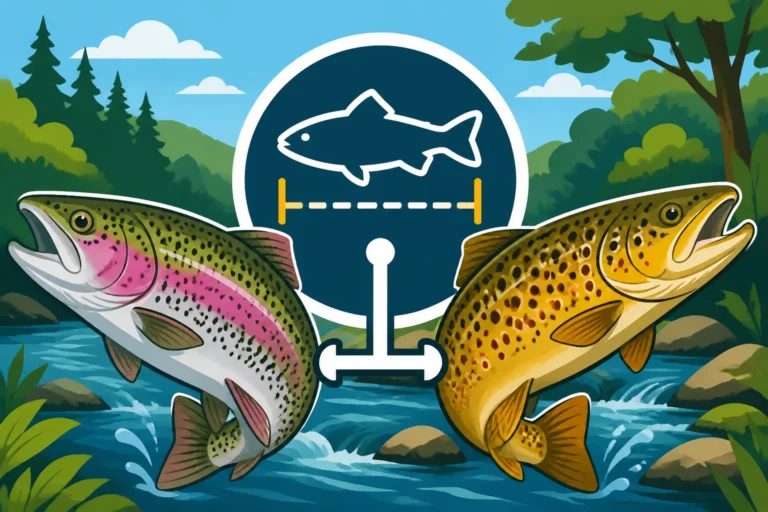
Learning to tell your bass species apart is a skill every Georgia angler should hone. Here’s a quick primer on how to identify a Largemouth Bass versus a Spotted Bass and a Shoal Bass:
- Largemouth Bass: The undisputed king. Look for a mouth that extends beyond the back of the eye when closed. They typically have a prominent dark, irregular stripe or blotches along their sides. Their dorsal fin (the one on their back) has a deep notch, almost looking like two separate fins. These fish prefer slower-moving water, heavy cover, and vegetation.
- Spotted Bass: Often confused with largemouths, spotted bass typically have a smaller mouth that doesn't extend past the back of the eye. Their most distinctive feature is a patch of small teeth on the tongue, which you can feel with your finger. They also have rows of spots below the lateral line, giving them their name. Spotted bass prefer clearer, rockier waters and are often found in deeper parts of reservoirs and faster-moving rivers. For more help, check out Spotted Bass Identification Tips for Georgia Anglers.
- Shoal Bass: A true river dweller, particularly famous in the Flint River system. Shoal bass have a smaller mouth like the spotted bass, not extending past the eye. They usually have distinct vertical bars or blotches along their sides, often resembling a tiger stripe pattern. They lack the tooth patch on the tongue of a spotted bass, and their dorsal fins are also deeply notched. For more on this unique species, read How to Identify a Shoal Bass.
Understanding these distinctions is vital because sometimes the regulations for one species might not apply to another, even if they're caught in the same water.
Spotted Bass Size and Creel Limits
Good news for spotted bass anglers: in most of Georgia’s waters, the spotted bass falls under the same general regulations as the largemouth bass. This means a 12-inch minimum length limit and a daily creel limit of 10 fish. This consistency helps simplify things when you're targeting multiple bass species in the same body of water.
However, just like with largemouths, always be prepared for potential lake-specific exceptions. While less common for spotted bass than largemouths, it's still prudent to confirm the specific rules for your chosen fishing spot. Spotted bass are incredibly popular in North Georgia lakes like Lanier and Allatoona, often coexisting with largemouths and providing excellent action, especially on light tackle in deeper, clearer water. Their hard-fighting nature makes them a favorite for many, and knowing their regulations means you can enjoy catching them without any worry.
Shoal Bass: A River Specialist's Rules
The shoal bass is a special fish in Georgia, primarily found in the Flint River and its tributaries, as well as parts of the Apalachicola-Chattahoochee-Flint (ACF) river basin. They are highly valued as a native species and a formidable fighting fish in riverine environments. Because of their unique habitat and conservation status, shoal bass sometimes have their own distinct regulations.
Currently, for shoal bass, Georgia generally applies a 12-inch minimum length limit and a daily creel limit of 10 fish. However, there can be specific exceptions and special provisions. For example, some stretches of the Flint River, particularly below Warwick Dam, may have specific Shoal bass rules below Warwick Dam that modify these general limits, sometimes including protected slot limits or different creel allowances to protect the larger, spawning fish. It's really important to consult the "Georgia Fishing Regulations Explained" guide or the official Georgia DNR website for the most up-to-date and specific rules regarding shoal bass in the particular river section you plan to fish. These specific regulations are designed to ensure the health and future of this incredible native species, making sure that future generations can experience the thrill of catching a true Georgia river specialist.
Practical Tips for Measuring and Compliance
Alright, you've identified your bass, and you think it might be a keeper. Now comes the critical step: accurate measurement. There's a right way and a wrong way to measure a fish, and doing it incorrectly can lead to fines, embarrassment, or worse, unintentionally harming an undersized fish. Let's make sure you're always on the right side of the law and respecting the fish you catch.
How to Accurately Measure Your Catch
Measuring a flopping, slimy fish might seem straightforward, but precision is key. Here's how to do it correctly to ensure you're complying with Georgia's regulations:
- Preparation is Key: Before you even unhook the fish, make sure your measuring device is ready. A flat, rigid measuring board is ideal. Many anglers opt for a specialized fish measuring board that you can lay on the floor of your boat or kayak. You can find excellent, durable options for fish measuring boards on Amazon, often with a raised edge for the fish's nose to butt against.
- Lay the Fish Flat: Gently lay the fish on its side on the measuring device. The fish's mouth must be closed.
- Nose to End: The tip of the fish's snout should be against the fixed end of your measuring board or at the zero mark of your tape measure.
- Compress the Tail: This is often where mistakes happen. Gently squeeze the tail fin together to achieve its maximum length. Do not bend or manipulate the fish unnaturally. The measurement is taken to the most distant tip of the compressed tail fin.
- Read the Measurement: Read the length to the nearest quarter-inch, always rounding down if it's borderline. If the rule is 12 inches and your fish is 11.75 inches, it's still undersized. Better safe than sorry!
Remember, proper handling during measurement is also important. Keep the fish wet, minimize its time out of the water, and use wet hands if you need to handle it directly.
Essential Gear for Regulation Compliance
Having the right gear isn't just about catching fish; it's about being a responsible and legal angler. Beyond your rod, reel, and tackle, a few key items will help you navigate Georgia's bass regulations:
- Official Georgia Fishing License: This is non-negotiable. Always carry your valid license, whether it's the physical card, a printout, or on your phone via the official Go Outdoors Georgia app. You can learn all about how to Get a Fishing License in Georgia and the various Georgia Fishing License Costs and Types.
- Measuring Device: As mentioned above, a reliable fish measuring board or a sturdy tape measure is a must-have. Keep it easily accessible in your boat or tackle bag.
- Copy of Current Regulations: The Georgia Department of Natural Resources (DNR) publishes a comprehensive fishing regulations guide annually. You can pick up a physical copy wherever licenses are sold, or download a PDF from their website. Having a digital copy on your phone is also a smart move. Understanding Georgia Fishing Regulations Explained in detail will prevent many headaches.
- Pliers/Hook Removers: These are vital for safely unhooking fish, especially if you plan to release them. Long-nosed pliers or specialized hook removers minimize damage to the fish and make the process quicker, reducing stress. You can find a wide array of options for fishing pliers on Amazon, ensuring you get a quality tool that lasts.
- Small Scale (Optional but helpful): While not required for regulations, a small digital scale can be fun for weighing your catch before release, especially if you're chasing personal bests.
Keeping these items handy will not only ensure compliance but also enhance your overall fishing experience.
What to Do with an Undersized Bass
So, you measured that bass, and darn it, it's just shy of the legal limit. It happens to all of us! The most important thing now is to ensure that fish has the best possible chance of survival so it can grow larger and fight another day. Proper catch-and-release techniques are crucial:
- Minimize Time Out of Water: The moment you determine a fish is undersized, get it back into the water as quickly as possible. Every second counts, especially in warmer temperatures.
- Use Wet Hands: If you must handle the fish directly, always wet your hands first. Dry hands can remove the fish's protective slime coat, making it vulnerable to disease and infection.
- Handle Gently: Support the fish horizontally, especially larger ones. Avoid holding a fish vertically by the jaw if it's a big one, as this can damage its internal organs and jaw structure. Smaller fish can be held by the jaw, but gently.
- Remove Hook Promptly: Use your pliers or hook removers to extract the hook quickly. If the fish is deeply hooked and removing the hook would cause significant trauma, it's often better to cut the line as close to the hook as possible. Circle hooks can also significantly reduce deep hooking.
- Revive if Necessary: If the fish seems lethargic, hold it upright in the water by the tail and gently move it back and forth to force water over its gills. Release it only when it's strong enough to swim away on its own.
By following these simple steps, you're not just complying with the law, but you're actively participating in the conservation efforts that keep Georgia's bass fishing vibrant and exciting.
Beyond Size Limits: Other Key Bass Fishing Regulations
While size and creel limits are often at the forefront of an angler's mind, a truly responsible and knowledgeable fisherman understands that other regulatory factors can influence their time on the water. These might not always be directly related to the physical size of a bass, but they play a crucial role in overall fishery health and how we interact with the environment.
Protecting Bass During Spawning Seasons
Unlike some other species (like trout, which often have specific "closed" seasons or catch-and-release-only periods during their spawn), largemouth bass in Georgia generally do not have a statewide closed season during their spawning period. However, this doesn't mean anglers shouldn't be mindful. Bass spawning typically occurs in the spring, usually when water temperatures reach the mid-60s Fahrenheit, which can vary across Georgia's diverse climate zones. During this time, male bass guard nests, protecting eggs and fry.
While it's legal to fish for and keep bass during the spawn (within established size and creel limits), many ethical anglers choose to practice voluntary catch-and-release for bedding fish. Catching a bass off its nest can leave the eggs vulnerable to predators like bluegill or crawfish, potentially reducing the reproductive success of that pair. If you do catch a bedding bass you intend to release, do so quickly and gently, allowing it to return to its nest as soon as possible. Being aware of Spring Bass Spawn Timing on Georgia's Lakes can help you make informed decisions.
Artificial Lures vs. Live Bait Considerations
For the most part, when it comes to bass fishing in Georgia, the regulations around size and creel limits apply uniformly, regardless of whether you're using artificial lures or live bait. You won't typically find different size limits for a bass caught on a crankbait versus one caught on a live shiner. This simplifies things for anglers who enjoy experimenting with different techniques.
However, it's always wise to remember that certain specific regulations do exist concerning bait in other contexts. For instance, specific trout streams might have "artificial lures only" restrictions, or there might be rules about the collection and use of certain native species as bait. But for general largemouth bass fishing across Georgia, your choice of artificial lure, whether it's a topwater frog or a jig, or live bait like worms or minnows, usually doesn't impact the size or creel limits for the bass itself. Always check local rules if you're in a highly managed area, just in case.
Understanding Public vs. Private Water Rules
The vast majority of the regulations we've discussed so far—statewide and reservoir-specific size and creel limits—apply to Georgia's public waters. This includes all state-owned lakes, rivers, and streams, as well as publicly accessible reservoirs managed by entities like Georgia Power or the Army Corps of Engineers. If you're fishing anywhere accessible to the public, these rules are your guide.
However, if you're fortunate enough to fish a private pond or lake, the rules can change a bit. Private pond owners have more leeway to set their own management goals for their specific body of water. They might implement different size limits, slot limits, or creel limits to achieve a particular outcome, such as growing trophy bass or managing for a high harvest of panfish. While the property owner might set these specific fish management rules, you are still required to possess a valid Georgia fishing license if you are angling for sport. If you're fishing a private pond, always ask the owner about their specific regulations and respect their wishes, as their private rules often supersede state rules on their private property.
Georgia Largemouth Bass Regulations at a Glance
To help you keep track of the most common largemouth bass size regulations across Georgia's diverse fishing landscape, here’s a handy table summarizing the key points. Remember, always double-check the latest Georgia DNR regulations for any specific body of water you plan to fish, as rules can change.
| Water Body Type / Specific Lake | Largemouth Bass Minimum Length | Daily Creel Limit | Special Notes |
|---|---|---|---|
| Most Public Waters (Statewide) | 12 inches | 10 fish | Applies to most rivers, small lakes, and PFA's. |
| Lake Lanier | 14 inches | 10 fish | Popular for spotted bass; check for specific spotted bass rules (often same as largemouth). |
| Lake Oconee | 14 inches | 10 fish | Excellent for bass and hybrid striped bass. |
| West Point Lake | 14 inches | 10 fish | Border lake, consistent with GA regulations. |
| Walter F. George Reservoir | 14 inches | 10 fish | Border lake, known for quality bass. |
| Lake Blackshear | 14 inches | 10 fish | A productive lake in Southwest Georgia. |
| Clarks Hill Lake (Thurmond) | 14 inches | 10 fish | Large reservoir on GA/SC border. |
| Lake Lindsay Grace | Release 15-22 inches | 10 fish (outside slot) | Unique slot limit: release bass between 15 and 22 inches. |
| Flint River (Shoal Bass) | 12 inches (generally) | 10 fish (generally) | Always verify specific section rules, as some areas may have unique protections. |
| Spotted Bass (General) | 12 inches (generally) | 10 fish (generally) | Often follow largemouth rules, but always verify. |
Disclaimer
The information provided in this guide is intended for general informational purposes only and is based on current available public information. Fishing regulations in Georgia are subject to change, and specific rules may vary by body of water and time of year. It is the angler's sole responsibility to consult the official Georgia Department of Natural Resources (DNR) fishing regulations before engaging in any fishing activity. Failure to do so may result in fines or penalties. Always prioritize safety, ethical angling practices, and compliance with all applicable laws.