Best Bait for Hybrid Striped Bass
Fishing for hybrid striped bass in Georgia can be one of the most exciting and rewarding experiences on the water, but let's be honest – these fish are powerful, aggressive, and sometimes downright picky about what they'll bite. It can be incredibly frustrating to see a school of hybrids busting the surface or marking them on your sonar, only to have them ignore every lure you throw. This guide is here to cut through that frustration and give you the real scoop on the best baits for hybrid striped bass, helping you consistently land these hard-fighting fish.
Understanding Hybrid Striper Behavior and Diet
Before we even talk about specific baits, it's crucial to understand what makes a hybrid striper tick. These aren't your typical largemouth bass or bream. Hybrid striped bass are a cross between a striped bass and a white bass, engineered for aggressive growth, strong fighting characteristics, and excellent table fare. They're often stocked in Georgia's larger reservoirs to provide a fantastic sport fishing opportunity. Their behavior and diet are largely influenced by their wild relatives, meaning they're opportunistic predators that often key in on specific types of forage.
Where Hybrid Stripers Live in Georgia
In Georgia, you'll find hybrid striped bass thriving in many of our large, open-water reservoirs. Think big lakes like Lanier, Oconee, Sinclair, Hartwell, and Clarks Hill (Lake Thurmond), among others. These aren't fish you'll typically find tucked away in shallow, brushy coves like a largemouth. Hybrids are pelagic, meaning they prefer the open water, often suspending over deep channels, humps, and points. They're constantly on the move, chasing schools of baitfish, which means anglers need to be mobile and adaptable. Knowing their preferred habitat is the first step to putting your bait in the right zone. For instance, Lake Oconee's Hybrid Striped Bass Fishery is a prime example of where these fish thrive and where many anglers specifically target them.
What Hybrid Stripers Naturally Eat
Hybrid striped bass are voracious predators with a diet that primarily consists of smaller schooling baitfish. Their entire existence revolves around finding and ambushing these protein-packed snacks. In most Georgia reservoirs, their main food sources are threadfin shad, gizzard shad, and sometimes alewives or blueback herring, depending on the specific lake. They'll also eat smaller panfish, crayfish, and even insects if the opportunity arises, but their metabolic drive is geared towards those schooling baitfish. This knowledge is absolutely key because the best baits, whether live or artificial, are almost always those that best mimic what these fish are already accustomed to eating. When you understand their natural forage, choosing the right bait becomes much clearer.
Top Live Baits for Hybrid Striped Bass
If you ask any seasoned hybrid striper angler about their preferred method, many will tell you that live bait is often the most consistent way to put these fish in the boat, especially when they're being finicky. The natural movement, scent, and distress signals of a live baitfish are hard for a hungry hybrid to resist.
Threadfin and Gizzard Shad: The Gold Standard
When it comes to live bait for hybrid striped bass, threadfin and gizzard shad are unequivocally the champions. These are the primary forage species in most Georgia lakes where hybrids are stocked, so it only makes sense that they're the most effective.
- Threadfin Shad: These are smaller, typically ranging from 3 to 6 inches, and are incredibly active on the hook. Their quick, erratic movements send out irresistible vibrations and flash that mimic a distressed baitfish. Hybrids can't seem to get enough of them, making them a top choice for schooling fish. You'll often find anglers using cast nets to gather fresh threadfins from coves or around docks in the early morning. Keeping them alive requires a good bait tank with aeration and proper water conditions, which you can often find decent portable options for on Amazon.
- Gizzard Shad: Gizzard shad are generally larger, from 6 to 12 inches, and are perfect for targeting bigger, more aggressive hybrids. While they don't have the same frantic energy as threadfins, their larger profile is a big meal that a hybrid won't pass up. They are robust and can withstand being fished in stronger currents or deeper water. Many anglers swear by a frisky 8-inch gizzard shad on a free line when hybrids are feeding on larger bait balls.
The key to fishing live shad is keeping them as lively as possible. Whether you're drift fishing, slow trolling, or fishing them under a balloon, a healthy, struggling shad is what draws those powerful strikes. How to Fish Live Bait for Striped Bass offers excellent crossover advice for hybrid striper anglers as well.
Alewives and Blueback Herring: An Excellent Alternative
While not as universally prevalent as shad, alewives and blueback herring are another fantastic live bait option, especially in certain Georgia lakes where they are part of the forage base. Lakes like Lanier and Hartwell are known for these species.
- Alewives and Blueback Herring: These baitfish are similar in size and appearance to shad, typically in the 4- to 8-inch range. They are incredibly oily and shiny, creating a strong scent trail and flash that attracts predatory fish from a distance. Like shad, they are schooling fish, and when hybrids are keying in on them, having live alewives or herring can make all the difference. Their active swimming motion and bright scales make them highly visible and attractive. Anglers often target these baitfish with sabiki rigs or cast nets in open water or around humps where they congregate. Again, a good bait tank is essential for keeping them lively.
Fishing these baits effectively involves presenting them naturally. A simple weighted treble hook or circle hook threaded through the nose or back, allowing the bait to swim freely, is often all it takes. Whether you're targeting suspended schools or fish holding near structure, a lively herring or alewife is hard to beat.
Other Effective Live Baits
While shad and herring are kings, don't overlook other readily available live baits, especially if your primary forage isn't available or if you're trying something different.
- Small Bream (Bluegill, Sunfish): In some situations, particularly when hybrids are holding deeper or around more structure, a small bream can be a surprisingly effective bait. They're hardy, easy to catch with worms or crickets, and their broad profile and strong swimming action can trigger strikes from larger, less active hybrids. They aren't a primary forage, but they represent a substantial meal.
- Large Minnows (Shiners): Golden shiners or other large minnows can also work, especially in smaller impoundments or when hybrids are feeding on a mixed diet. While not as dynamic as shad, their hardiness and availability from bait shops make them a convenient option. They are often best fished under a bobber or on a bottom rig near structure.
The versatility of live bait is its strength. Experiment with different species and sizes based on what you can catch or buy, and always pay attention to how the fish are reacting.
Best Artificial Lures for Hybrid Striped Bass
Sometimes, catching live bait isn't feasible, or you simply prefer the active challenge of casting and retrieving. Thankfully, a wide array of artificial lures can be incredibly effective for hybrid striped bass, especially when they are actively feeding or "busting" on the surface. The key is to choose lures that mimic their natural forage in appearance, action, and sometimes even scent.
Jigging Spoons and Lipless Crankbaits
These two categories are absolute staples for hybrid striper anglers, especially when fish are suspended or holding deeper.
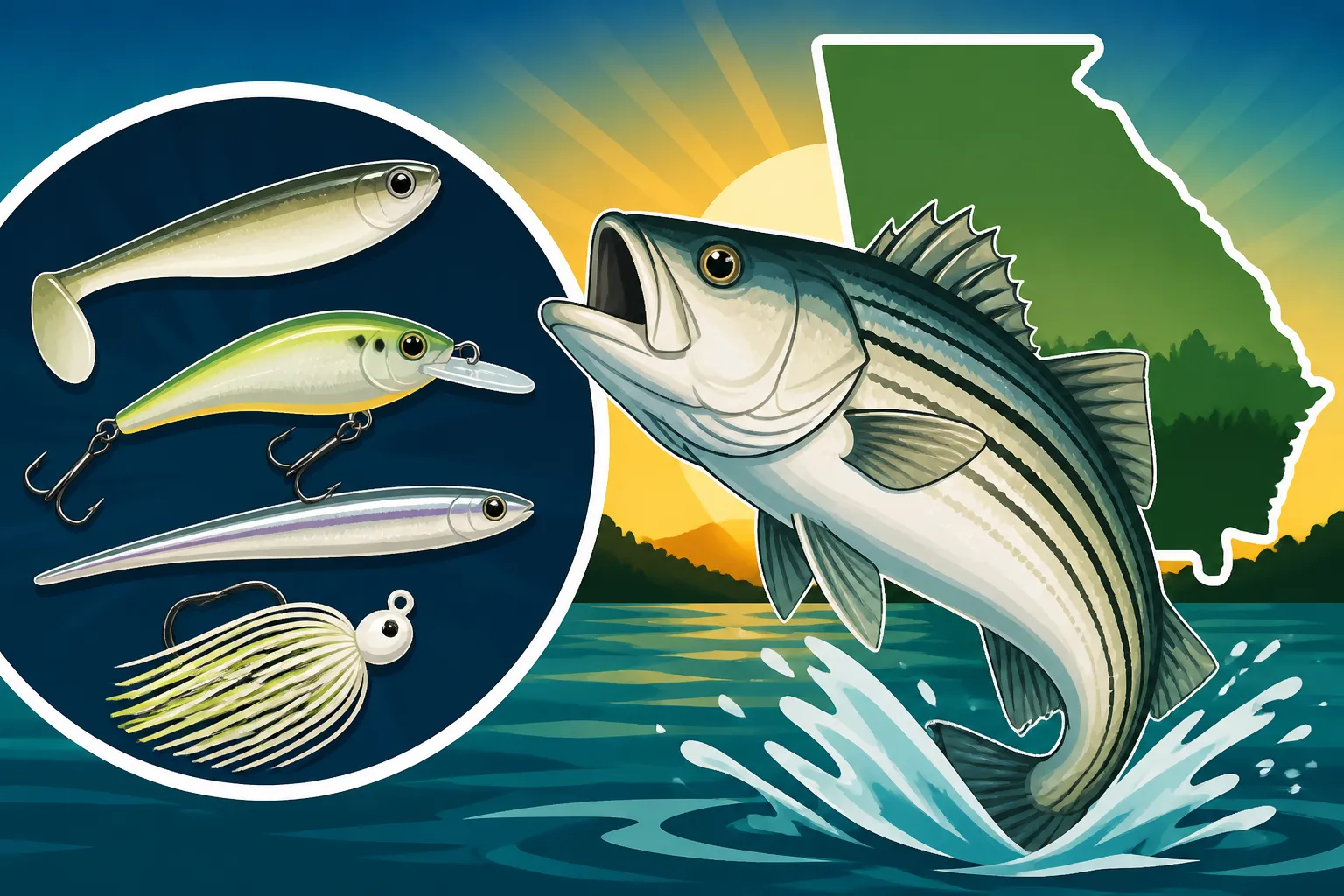
- Jigging Spoons: When hybrids are deep – and they often are, especially during the warmer months – a heavy jigging spoon is your best friend. These metallic lures imitate a dying baitfish fluttering to the bottom. They are superb for vertical jigging directly over schools of fish you mark on your sonar. Common retrieves involve lifting the rod sharply and letting the spoon fall on a semi-slack line, allowing it to flutter enticingly. Brands like Hopkins, P-Line, and Cotton Cordell make excellent spoons, and you can find a vast selection of sizes and weights on Amazon to match the depth and current you're fishing. The flash and vibration are irresistible.
- Lipless Crankbaits: These lures are fantastic for covering water quickly and drawing aggressive reaction strikes. Their tight wobble and loud rattles (in some models) mimic a frantic baitfish. They excel when hybrids are holding at mid-depths or when you're casting to schooling fish. A fast, steady retrieve or a "rip-and-pause" technique can be deadly. Look for lipless crankbaits in shad or chrome patterns, as these often best imitate the natural baitfish.
Both jigging spoons and lipless crankbaits are workhorses for hybrid striper fishing because they efficiently replicate the distress and movement of schooling baitfish that these predators target.
Topwater Plugs and Swimbaits
The thrill of a hybrid striper exploding on a topwater lure is unparalleled. When hybrids are actively chasing bait on the surface, these lures become incredibly effective.
- Topwater Plugs: When you see hybrids breaking the surface, creating a "boil" as they feast on shad, quickly casting a topwater plug into the melee can result in an instant hook-up. Chuggers, poppers, and walking baits (like a Zara Spook) are excellent choices. Their erratic, splashing, and "walking the dog" actions perfectly imitate a struggling baitfish trying to escape. Timing is everything with topwater – get your lure there fast, and work it aggressively to capitalize on their feeding frenzy.
- Soft Plastic Swimbaits: These versatile lures offer a natural profile and swimming action, making them a go-to for many anglers. Rigged on a jig head, they can be cast and retrieved like a crankbait, or jigged vertically. Paddle-tail swimbaits, in particular, have a lifelike thumping action that mimics a swimming shad. They are also excellent for throwing into the frothing water when hybrids are busting. Brands like Keitech, Strike King, and Bass Pro Shops offer a range of sizes and colors that are perfect for hybrid striper, and many anglers stock up on these versatile options on Amazon.
Topwater and swimbaits offer dynamic ways to engage with hybrids, especially when they're visibly active and on the hunt. The visual strike is an added bonus!
Bucktail Jigs and Soft Plastics
These classic lures might seem simple, but their effectiveness for hybrid striped bass is undeniable, especially for those looking to fish vertically or mimic specific baitfish profiles.
- Bucktail Jigs: A tried-and-true classic, the bucktail jig is incredibly versatile. Its sparse hair pulsates and breathes in the water, creating a very natural, lifelike action that mimics a baitfish or even a shrimp in saltwater environments (though we're focusing on freshwater hybrids here!). You can cast and retrieve them, or bounce them off the bottom. For hybrids, often a heavier bucktail (3/4 oz to 2 oz) is best, fished with a sharp twitching motion or a steady retrieve. The key is to match the color to the prevailing baitfish – white, chartreuse, or natural shad patterns are usually winners.
- Soft Plastic Flukes and Jerkbaits: These soft plastic lures, rigged weightless or with a light bullet weight, are fantastic for imitating dying or wounded baitfish. Their darting, erratic action when twitched on a slack line is incredibly enticing. They are particularly effective when hybrids are chasing bait near the surface or suspended at mid-depths, but not quite breaking the water. You can also fish them on a drop shot rig for deeper, more subtle presentations. Many anglers buy these in bulk, often finding great deals on Amazon, as the fish can tear them up.
These lures offer different presentations and actions, giving you options whether the fish are aggressive or a bit more hesitant. Having a variety in your tackle box is always a good idea.
Matching Your Bait to the Season and Conditions
Hybrid striped bass fishing isn't a "one-size-fits-all" endeavor. Their behavior, and therefore the most effective baits and presentations, will shift dramatically throughout the year and even with daily weather changes. Being adaptable and understanding these seasonal patterns will significantly increase your success. A Year-Round Guide to Fishing in Georgia can provide further context on how fish behavior changes throughout the seasons.
Spring and Fall: Active Feeding Times
Spring and fall are often considered prime times for hybrid striper fishing in Georgia, characterized by cooler water temperatures and highly active fish.
- Spring: As water temperatures rise in early spring, hybrids become incredibly active, often moving shallower to ambush baitfish. This is a fantastic time for both live bait (shad, herring) fished shallower, often under a bobber or on a light Carolina rig, and a variety of artificials. Look for hybrids schooling in the backs of creeks and coves, chasing bait. Lipless crankbaits, swimbaits, and even topwater plugs on warmer days can be extremely effective. They're gorging themselves, so don't be afraid to use slightly larger baits.
- Fall: Similar to spring, the cooling water of autumn re-energizes hybrids. They will aggressively feed to build up fat reserves for winter. Baitfish schools are often tightly grouped, making them easy targets for hungry hybrids. This means anglers should focus on presentations that mimic these dense bait balls. Live bait fished on downlines or free lines is excellent. For artificials, jigging spoons, larger swimbaits, and even umbrella rigs (where legal and practical) can be incredibly productive, especially when hybrids are found in large, busting schools. Fall Bass Fishing Patterns on Georgia's Lakes can offer insights into the general feeding patterns shared by many predatory species during this time.
During these active seasons, hybrids are often found higher in the water column and closer to shorelines or prominent points, making them more accessible to a wider range of techniques.
Summer and Winter: Deep Water Tactics
While spring and fall offer explosive action, summer and winter often require adjustments, primarily focusing on deeper water where hybrids seek cooler or more stable temperatures.
- Summer: Georgia summers mean hot water. Hybrids will generally retreat to the cooler, deeper sections of the lake. This makes them primarily a deep-water jigging or downlining game. Live bait is paramount here – free-lined shad or herring on weighted rigs (downlines) are often dropped directly into suspended schools of hybrids marked on sonar. Jigging spoons and heavy vertical jigging lures are also excellent choices for provoking reaction strikes from fish holding in the thermocline. Pay close attention to your electronics, as finding the fish is half the battle. Deep Water Techniques for Striped Bass are very applicable to hybrid striped bass during these warmer months.
- Winter: Cold water slows everything down, but hybrids still need to eat. They will often congregate in vast, deep schools over major creek channels or main lake basins. Their metabolism is slower, so presentations need to be more subtle. Live bait, again, is often key, fished very slowly and patiently. Sometimes, a slow retrieve of a jigging spoon or a soft plastic swimbait bumped along the bottom can elicit strikes. Vertical presentations over deep schools are usually the most productive. Don't expect explosive bites; they often feel like a subtle "thump." Winter Fishing Patterns on Georgia's Reservoirs will give you more context on how fish behave when temperatures drop.
How Water Temperature Affects Bait Choice
Water temperature is arguably the most critical factor influencing hybrid striped bass behavior and, consequently, your bait choice. How Water Temperature Affects Fish Behavior is a great resource to really dig into this concept.
- Warm Water (Summer): Higher temperatures push hybrids deep, usually below the thermocline where oxygen levels are still good. Live bait is king because its natural scent and movement are more likely to entice a lethargic fish. Artificials need to be presented deep and slowly, often with more vibration or flash to get noticed.
- Cool Water (Spring/Fall): Moderate temperatures mean hybrids are more active, willing to chase. They'll feed aggressively and move higher in the water column. This is when artificials like crankbaits, swimbaits, and topwater lures truly shine, alongside live bait, which remains consistently effective. Fast retrieves and erratic actions can trigger violent strikes.
- Cold Water (Winter): In very cold water, hybrids become less active. Their strikes are subtle, and they're less likely to chase. Live bait, fished very slowly, or slow-moving artificials like jigging spoons or soft plastics, are best. Think subtle movements and prolonged presentations.
Understanding these seasonal shifts and how water temperature impacts hybrid behavior will allow you to select not just the best bait, but also the most effective presentation for any given day on the water.
| Bait Type | Best Use Case | Pros | Cons |
|---|---|---|---|
| Live Shad | All seasons, especially when fish are finicky | Natural scent, movement; highly effective | Requires cast net, bait tank; can be fragile |
| Live Herring | Open water, especially in Lanier/Hartwell | Oily, shiny, strong scent; very active | Requires cast net, bait tank; not universally available |
| Jigging Spoons | Deep, suspended fish; reaction bites | Fast to get to depth, good flash, durable | Can get snagged easily; less effective on picky fish |
| Lipless Crank | Covering water, schooling fish, reaction bites | Excellent vibration, casts far, covers water quickly | Less effective on very deep or inactive fish |
| Topwater Plugs | Surface busts, highly active fish | Exciting strikes, good for covering surface | Only effective when fish are on the surface |
| Soft Swimbaits | Versatile, good for various depths and retrieves | Natural profile, good action, durable (some models) | Can be expensive to replace; some fish prefer live bait |
| Bucktail Jigs | Vertical jigging, current, subtle presentations | Durable, natural look, versatile in retrieve | Can require more skill to impart proper action |
Disclaimer
This article is for general informational purposes only and does not constitute professional advice. Laws, prices and regulations vary by location and change over time. Consult a qualified professional for guidance on your specific situation.